 CityBuddy
 Polski
Co robić w Asunción, Paraguay
Zdjęcie wykonane przez Tara Winstead na Pexels.com
Kiedy odwiedzić
Najpopularniejsze atrakcje w Asunción, Paraguay
Aby poznać najlepsze atrakcje w Asunción w Paragwaju, zacznij od Palacio de los López, różowego pałacu prezydenckiego stojącego nad rzeką Paraná. Zaledwie cztery przecznice w głąb lądu, Panteón Nacional de los Héroes przechowuje szczątki najważniejszych postaci narodu. Miłośnicy historii powinni również odwiedzić Casa de la Independencia, gdzie planowano paragwajską wolność w 1811 roku.
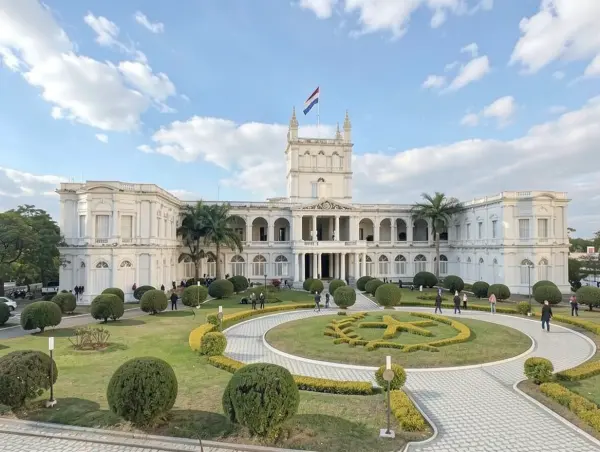
1. Palacio de los López
Siedziba prezydenta Paragwaju oferuje rzadki wgląd w polityczne serce kraju i architektoniczne ambicje. Przejdziesz się po zadbanych ogrodach, podziwiasz neoklasycystyczną fasadę z lokalnego różowego kamienia i poczujesz cichą wagę budynku, w którym codziennie zapadają narodowe decyzje.
Szybkie fakty: Ponad 700 robotników pracowało przez całą dobę, aby ukończyć ten pałac prezydencki w zaledwie trzy lata. Jego charakterystyczna różowa fasada pochodzi od lokalnego różowego kamienia, który zmienia odcienie w ciągu dnia w zależności od światła słonecznego.
Najważniejsze atrakcje: Pałac stoi dokładnie w miejscu, gdzie niegdyś znajdowała się prywatna rezydencja pierwszego prezydenta Paragwaju, Carlosa Antonia Lópeza, co stanowi bezpośrednie nawiązanie do najwcześniejszych dni niepodległości kraju. Mało znany system tuneli pod budynkiem podobno łączy go z pobliskim Panteonem Bohaterów, choć jego pełny zasięg nigdy nie został publicznie zmapowany.
2. Museo del Barro
Gdzie indziej możesz prześledzić całą historię kultury Paragwaju przez błoto, glinę i plecione włókna? Spodziewaj się ceramicznych figurek płodności z 500 roku n.e., psychodelicznej indiańskiej sztuki z piór i upiornych masek karnawałowych demonów, wszystko pod jednym dachem.
Szybkie fakty: Ponad 4000 ceramicznych eksponatów wypełnia to muzeum, obejmując okres od artefaktów prekolumbijskich po współczesną sztukę paragwajską. Kolekcja obejmuje misterne rzeźby z misji jezuickich, rdzenne tkaniny oraz zaskakującą różnorodność codziennych przedmiotów glinianych używanych na przestrzeni wieków.
Najważniejsze atrakcje: Jedna sala mieści wystawę "Museo del Diablo": ponad 200 masek diabła używanych podczas tradycyjnych paragwajskich festiwali, każda ręcznie rzeźbiona, o wyrazach twarzy od zabawnych po przerażające. Maski wiszą od podłogi do sufitu, tworząc niesamowite wrażenie, że dziesiątki różnych diabłów obserwują zwiedzających z każdej strony.
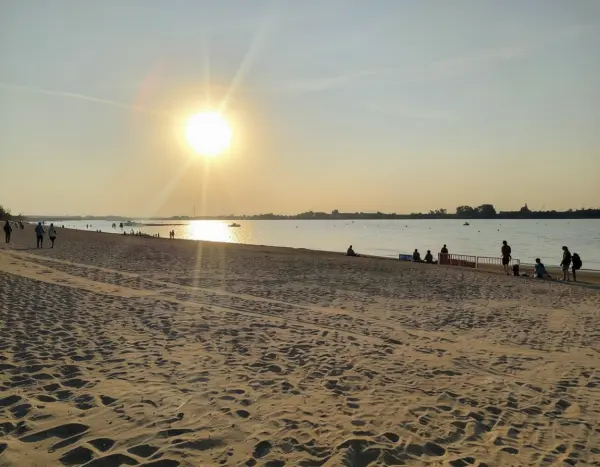
3. Costanera de Asunción
Osiem kilometrów nadrzecznego raju, gdzie miejscowi przychodzą odetchnąć. Biegaj, jeździj na rowerze, pij tereré i oglądaj, jak słońce maluje rzekę Paragwaj w ogniste odcienie pomarańczu i karmazynu.
Szybkie fakty: Rozciągająca się na ponad 8 kilometrów wzdłuż rzeki Paragwaj, ta nadbrzeżna promenada oferuje panoramiczne widoki na Río Paraguay i region Chaco po drugiej stronie. W weekendy tłumnie przybywają tu lokalne rodziny na tereré, przejażdżki rowerowe i podziwianie spektakularnych karmazynowych zachodów słońca malujących rzekę.
Najważniejsze atrakcje: W niedzielne wieczory promenada zamienia się w ogromny plenerowy salon, w którym setki Asuncenos rozstawiają składane krzesła i koce, dzieląc się mate i zajadając chipa, podczas gdy niebo nad rzeką rozpływa się w ognistych pomarańczach i różach. Prawdziwa magia dzieje się podczas corocznej parady karnawałowej, gdy 4-kilometrowy odcinek zamienia się w rzekę cekinów, piór i bębnów, dorównującą energią Rio, ale bez tłumów turystów.
4. Museo Nacional de Bellas Artes
Najbardziej wszechstronny skarbiec sztuki Paragwaju opowiada historię kraju przez 3000 obrazów, rzeźb i rysunków. Przechadzaj się marmurowymi salami obok kolonialnych świętych, nowoczesnych latynoamerykańskich ikon i elektryzującego szkicu Picassa.
Szybkie fakty: Mieszczące się w efektownym neoklasycystycznym pałacu, pierwotnie zbudowanym dla hiszpańskiego dyplomaty, to muzeum chroni ponad 3000 eksponatów obejmujących 500 lat historii sztuki. Jego kolekcja obejmuje dzieła latynoamerykańskich mistrzów, takich jak Tarsila do Amaral, oraz paragwajskich artystów, na przykład Carlosa Colombino, a także europejskie malarstwo od XVII do XIX wieku.
Najważniejsze atrakcje: Jedno z pomieszczeń mieści całą ścianę serii José Sáncheza "El Infierno", gorączkowego, niemal halucynacyjnego przedstawienia paragwajskich zmagań społecznych, namalowanego z tak surową emocją, że odwiedzający często zatrzymują się w pół kroku. Muzeum dyskretnie eksponuje również rdzenne pióropusze i rzeźby z czasów jezuitów, łącząc tradycje kolonialne, nowoczesne i rodzime w sposób, który większość południowoamerykańskich muzeów pomija.
Where to Stay in Asunción, Paraguay
Selected by City Buddy based on guest reviews and proximity to top attractions
Search all hotels in Asunción, ParaguayPowered by agoda
Dni otwarcia w Asunción, Paraguay
Które z najważniejszych atrakcji są zamknięte w poszczególne dni tygodnia. Klasyczny pogromca wycieczek, sprawdzony za Ciebie.
poniedziałek: 2 z 2 najważniejszych atrakcji zamkniętych. Zaplanuj muzea na inny dzień.
Zamknięte w poniedziałek · 2 zamkniętych, 0 otwartych
Dni otwarcia z Google Maps (sprawdzone 2026-07-03). Święta, strajki i godziny sezonowe mogą się różnić. Sprawdź oficjalną stronę przed wyjazdem.
Tradycyjne słodkie potrawy
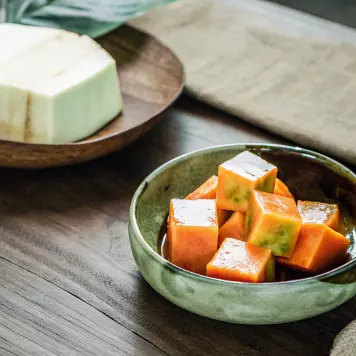
Dulce de Mamón
Dulce de Mamón is a sweet preserve made from papaya cooked in sugar syrup with cloves and cinnamon. It is often enjoyed with fresh cheese for a perfect balance of sweet and savory flavors.
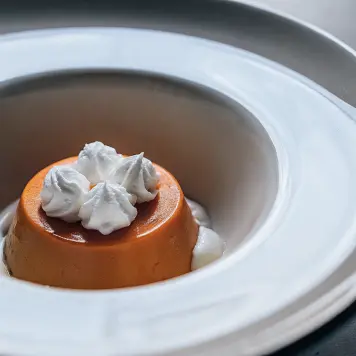
Kivevé
Kivevé is a thick, creamy dessert made from mashed butternut squash, milk, sugar, and corn flour. Its vibrant orange color and silky texture make it a beloved comfort dessert across Paraguay.
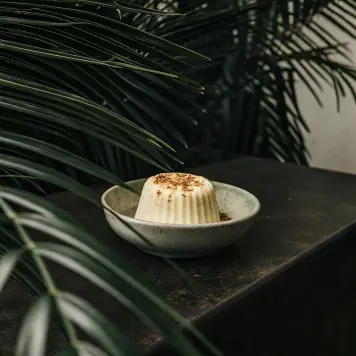
Mbaipy He'é
Mbaipy He'é is a traditional sweet corn pudding made with fresh corn, milk, sugar, and sometimes anise or cinnamon. Its name in Guarani literally translates to "sweet cornmeal."
Tradycyjne słone potrawy
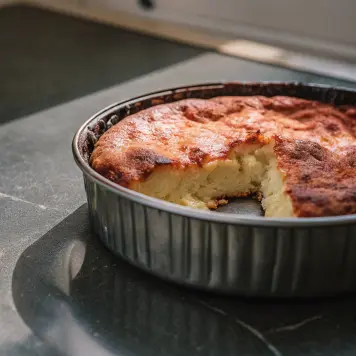
Chipa Guazú
Chipa Guazú is a savory corn and cheese casserole that resembles a thick, fluffy torte. It is distinct from chipa breads and is often served during family gatherings and holidays in Paraguay.
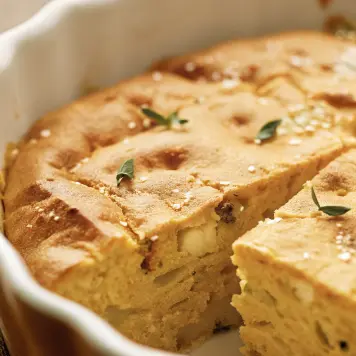
Sopa Paraguaya
Despite its name meaning "Paraguayan soup," Sopa Paraguaya is actually a dense, moist cornbread made with corn flour, cheese, eggs, and onions. It is considered the national dish of Paraguay.
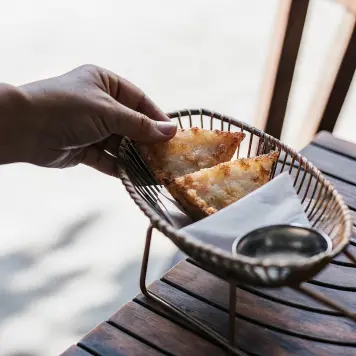
Mbejú
Mbejú is a thin, crispy cheese and starch pancake or flatbread made from manioc starch (tapioca) and cheese. The name comes from Guarani and means "cake" or "tortilla."
Tradycyjne napoje
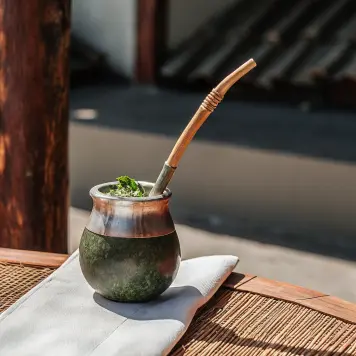
Tereré
Tereré is a cold version of yerba mate tea served in a gourd with cold water and often mixed with fresh herbs like mint or lemongrass. It is Paraguay's most iconic drink and a daily ritual, especially in the intense summer heat.
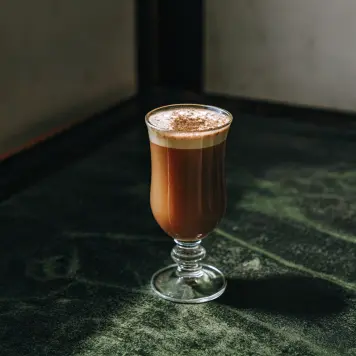
Mate Cocido
Mate Cocido is a warm, brewed version of yerba mate served like a tea, usually sweetened and enjoyed at breakfast. It is the cozy, winter counterpart to the cold tereré.

Mosto de Uva
Mosto de Uva is a fresh, non-alcoholic grape juice made from pressed grapes, popular in Paraguay's wine-growing regions. It is naturally sweet and often served with ice as a refreshing treat.
Często zadawane pytania o Asunción, Paraguay
Czy Asunción w Paragwaju jest bezpieczne?
Ile dni spędzić w Asunción w Paragwaju?
Kiedy najlepiej odwiedzić Asunción w Paragwaju?
Czy Asunción w Paragwaju jest drogie?
Jak poruszać się po Asunción w Paragwaju?
Wyślij PDF z najpopularniejszymi atrakcjami na swój e-mail
Otrzymaj PDF ze wszystkimi atrakcjami, ocenami i wskazówkami. Idealne do użytku offline.
Najpopularniejsze wycieczki jednodniowe
Areguá
Colonial town known for strawberry festivals and ceramic crafts
San Bernardino
Popular lake resort town on Ypacaraí Lake with beaches and nightlife
Caacupé
Religious pilgrimage site with a stunning basilica and hilltop views
Encarnación
Southern city with Jesuit ruins, beaches, and carnival celebrations
Ciudad del Este
Shopping hub near Iguazu Falls with the massive Itaipu Dam
Jak dojechać
Lotniska
Stacje kolejowe
Limited heritage rail; most long-distance travel is by bus
Taxis and ride-sharing apps like Uber are available from Silvio Pettirossi Airport to downtown in about 25 minutes.
Przydatne informacje dla Asunción, Paraguay
Przegląd dla Asunción, Paraguay
Chcesz plan dzień po dniu dla Asunción, Paraguay? Otwórz planer podróży
Kiedy jedziesz do Asunción, Paraguay?
Wybierz daty i styl podróży, aby otrzymać:
Czy coś z tego jest dla Ciebie szczególnie ważne?
Wybierz wszystkie, które pasują
Przemieszczanie się
Jak chcesz się przemieszczać między miejscami?
Język planu: Polski