 CityBuddy
 Polski
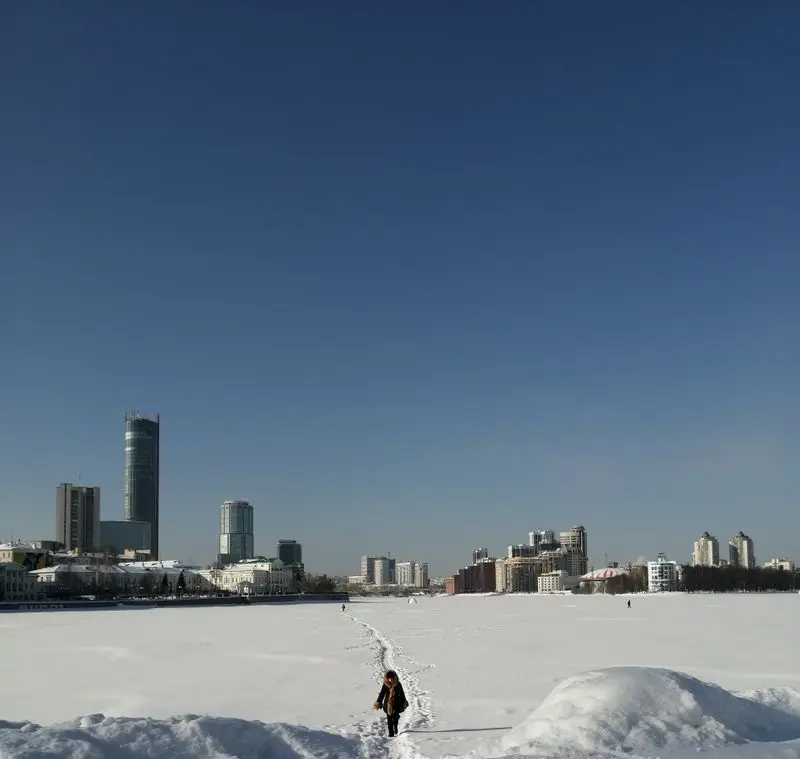
Co robić w Yekaterinburg, Russia
Zdjęcie wykonane przez Наталья Селезнева na Pexels.com
Kiedy odwiedzić
Najpopularniejsze atrakcje w Yekaterinburg, Russia
Pytanie «co warto zobaczyć w Jekaterynburgu w Rosji» nie ma chyba jednoznacznej odpowiedzi, bo miasto łączy historię z nowoczesnością. Zacznij od majestatycznej Cerkwi Wszystkich Świętych na Krwi, zbudowanej w miejscu egzekucji rodziny carskiej, następnie zwiedź kompleks muzealny Centrum Jelcyna z interaktywnymi wystawami, a 20 kilometrów od centrum czeka na ciebie klasztor Gienina Jama z siedmioma drewnianymi świątyniami w miejscu pochówku Romanowów.
1. Church of All Saints
Można się tam dostać za darmo, a ta podróż jest potrzebna każdemu, kto chce zrozumieć rosyjską historię XX wieku. Zobaczycie miejsce rozstrzelania rodziny carskiej, salę pamięci i panoramę miasta z dzwonnicy świątyni.
Szybkie fakty: W tym miejscu 17 lipca 1918 roku rozstrzelano ostatniego cesarza Rosji Mikołaja II i jego rodzinę. Świątynię wzniesiono w 2003 roku bezpośrednio nad tym samym pokojem, w którym wszystko się wydarzyło, więc budynek faktycznie przykrywa miejsce tragedii, a nie tylko stoi obok niego.
Najważniejsze atrakcje: Pod głównym ołtarzem zachował się betonowy fundament domu Ipatiewa, w którym doszło do tragedii, i możecie podejść do niego bardzo blisko przez specjalny szklany otwór w podłodze. Krwistoczerwona tabliczka z napisem „Tu...
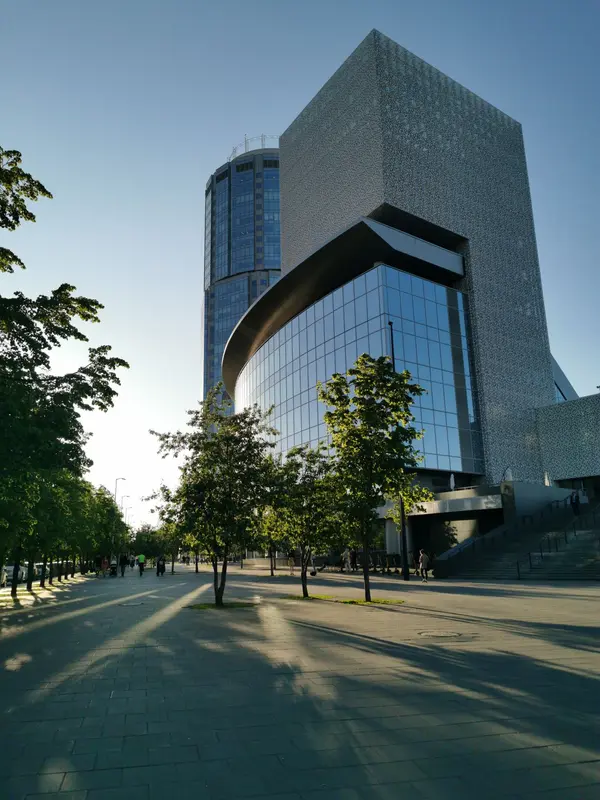
2. Yeltsin Center
...
Szybkie fakty: Wewnątrz znajduje się muzeum poświęcone pierwszemu prezydentowi Rosji, z interaktywnymi salami i materiałami archiwalnymi. Panoramiczna sala na najwyższym piętrze oferuje widok na miasto z wysokości, a także działają tu kino, biblioteka i kawiarnia.
Najważniejsze atrakcje: Prawdziwy sekret tego miejsca...
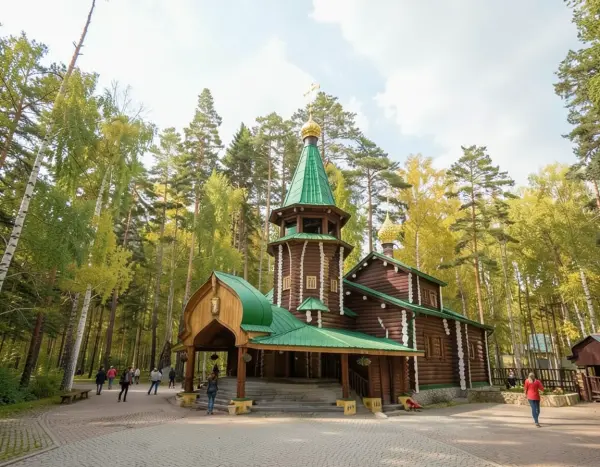
3. Ganina Yama Monastery
Pay tribute to the memory of the imperial family and see a unique architectural ensemble of seven churches. Stroll along a quiet forest path, feel the reverence and silence that are absent from the urban bustle.
Szybkie fakty: Seven wooden churches are built here in honor of each member of the royal family, each consecrated in their memory. The forest massif hides the place where the remains of the Romanovs were destroyed on the night of July 17, 1918.
Najważniejsze atrakcje: Right on the spot where bodies were thrown into the abandoned mine stands a church, and under its altar the wooden decking over the very pit has been preserved. At night, in the light of lanterns, the mica windows of the seven churches cast warm golden glows on the snow, creating an almost unreal atmosphere.
4. Museum of the History of Stone-Cutting and Jewelry Art
Immerse yourself in the world of Ural stone, where malachite turns into masterpieces. You will walk through an underground labyrinth, see the recreated imperial hall, and marvel at the painstaking work of the craftsmen.
Szybkie fakty: W uralskim podziemnym Labiryncie wystawione są wyroby z malachitu, jaspisu i rodonitu, wydobywane w okolicach Jekaterynburga. Zwiedzający zobaczą słynną cesarską salę malachitową, odtworzoną według rysunków Ermitażu, z kolumnami i wazami z litych bloków kamienia.
Najważniejsze atrakcje: Wewnątrz ukryta jest działająca kopalnia-eksponat, schodząc do której można obejrzeć prawdziwe próbki uralskiego kamienia w naturalnym zaleganiu. Na trzecim piętrze działa pracownia, gdzie na żywo pokazują dawną technikę rzeźbienia w kamieniu z użyciem prostych narzędzi, tak jak robiono to sto lat temu.
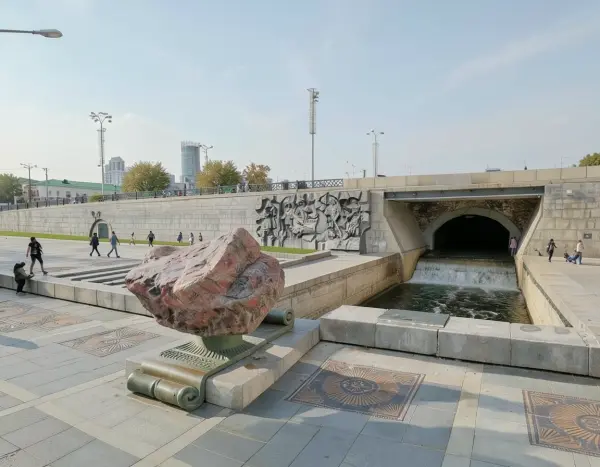
5. Plotinka
The oldest spot in the city, where its history begins. You will see a water cascade, the monument to Tatishchev and de Villemin, and the endless flow of city dwellers.
Szybkie fakty: Staw miejski, nad którego nabrzeżem znajduje się ten plac, w 1723 roku dał życie całemu Jekaterynburgowi jako osadzie fabrycznej. Dziś schodzą się tu dwie główne arterie miasta: prospekt Lenina i historyczna tama, skąd rozpościera się panorama na drapacze chmur „Wysocki” i wieżę „Isiet”.
Najważniejsze atrakcje: Pod placem do dziś działa obiekt hydrotechniczny z czynnymi śluzami, które zmieniają poziom wody w stawie. W ciepłym sezonie z tego miejsca można obserwować, jak rybacy na łódkach zarzucają wędki tuż przy murach starej tamy, a po skraju placu jeżdżą na rolkach.
6. Yekaterinburg Zoo
Get to know the unique world of wildlife in the heart of the city. Encounters with exotic animals, fascinating shows, and unforgettable experiences for the whole family await you.
Szybkie fakty: This zoo is home to more than 300 species of animals, including rare Amur tigers and Far Eastern leopards. Here you can see an amazing collection of birds of prey, from sea eagles to owls, which delight visitors all year round.
Najważniejsze atrakcje: The special pride of the zoo is its famous pair of polar bears, which attracts the attention of all guests. In spring, adorable bear cubs appear here, which can be observed in a special enclosure with transparent walls.
Where to Stay in Yekaterinburg, Russia
Selected by City Buddy based on guest reviews and proximity to top attractions
Search all hotels in Yekaterinburg, RussiaPowered by agoda
Dni otwarcia w Yekaterinburg, Russia
Które z najważniejszych atrakcji są zamknięte w poszczególne dni tygodnia. Klasyczny pogromca wycieczek, sprawdzony za Ciebie.
poniedziałek: 1 z 5 najważniejszych atrakcji zamkniętych. Zaplanuj muzea na inny dzień.
Zamknięte w poniedziałek · 1 zamkniętych, 4 otwartych
Dni otwarcia z Google Maps (sprawdzone 2026-11-25). Święta, strajki i godziny sezonowe mogą się różnić. Sprawdź oficjalną stronę przed wyjazdem.
Tradycyjne słodkie potrawy
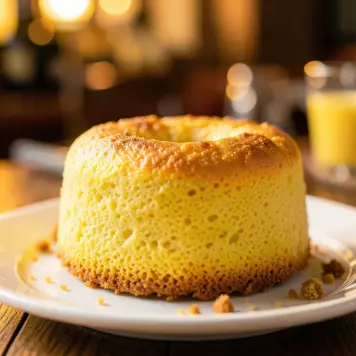
Ptichye Moloko (Bird's Milk Cake)
This airy souffle cake was first created in a Moscow restaurant and became so beloved nationwide that Yekaterinburg bakeries still craft their own famous versions. Its name comes from an old Slavic legend about a bird's milk that was impossible to obtain.

Ural Pelmeni Sweet Dumplings
In the Ural region, some families prepare pelmeni with sweet berry fillings like cherry or currant as a festive dessert variation. These sweet dumplings are often served with honey or sour cream for a comforting winter treat.

Vatrushka with Ural Berries
This open-faced sweet pastry is traditionally filled with tvorog, but Yekaterinburg bakers love to top it with wild Ural berries like lingonberries and cloudberries. The berries add a bright tartness that balances the rich, creamy cheese filling.
Tradycyjne słone potrawy
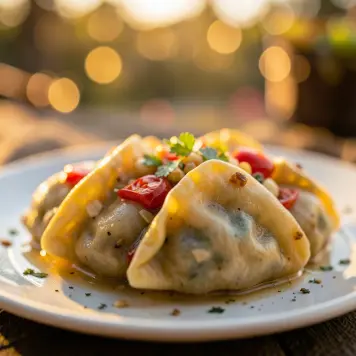
Ural Pelmeni
Pelmeni are considered the signature dish of the Ural region, where the cold climate made frozen dumplings a practical and hearty staple. Hunters and travelers would carry them in sacks, and they remain a beloved comfort food in Yekaterinburg homes today.
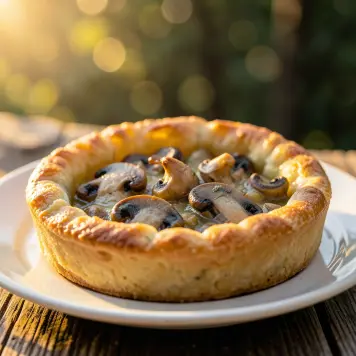
Shangi with Mushrooms
Shangi are round open-faced pies traditional to the Ural and Siberian regions, typically filled with potato or mushrooms. In Yekaterinburg they are often baked with wild forest mushrooms, a nod to the abundant taiga that surrounds the city.
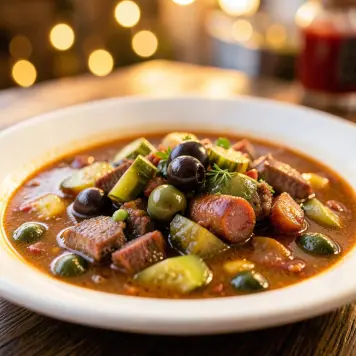
Solyanka Uralskaya
This thick and hearty soup combines pickled cucumbers, olives, and several types of meat and sausage in a tangy broth. The Ural version is known for being especially rich and warming, perfect for the city's long, cold winters.
Tradycyjne napoje
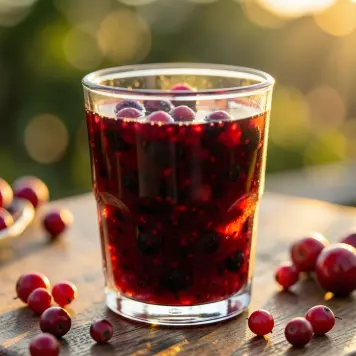
Mors
Mors is a traditional Russian berry drink made by crushing fresh berries and mixing them with water and honey or sugar. In Yekaterinburg it is commonly prepared with Ural lingonberries or cranberries, giving it a refreshingly tart flavor.
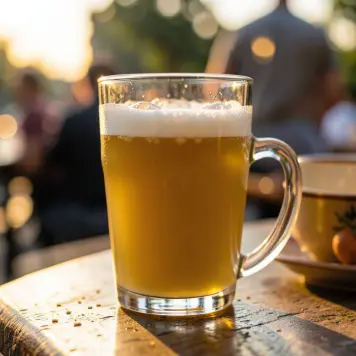
Kvass
Kvass is a fermented drink made from rye bread that has been enjoyed in Russia for over a thousand years. Yekaterinburg's street vendors and cafes serve cold kvass in the summer, and locals consider it the unofficial taste of warm weather.

Ivan Chai (Fireweed Tea)
This herbal tea brewed from fireweed leaves has deep roots in the Ural region, where it was historically harvested and traded. Unlike black tea, it contains no caffeine and offers a mild, slightly sweet flavor that is prized by locals.
Często zadawane pytania o Yekaterinburg, Russia
Czy Jekaterynburg jest bezpieczny dla turystów?
Ile dni potrzeba na podróż do Jekaterynburga?
Jaki jest najlepszy czas na odwiedzenie Jekaterynburga?
Czy Jekaterynburg jest drogi dla turystów?
Jak poruszać się po Jekaterynburgu?
Wyślij PDF z najpopularniejszymi atrakcjami na swój e-mail
Otrzymaj PDF ze wszystkimi atrakcjami, ocenami i wskazówkami. Idealne do użytku offline.
Najpopularniejsze wycieczki jednodniowe
Sysert
Birthplace of writer Bazhov, with scenic lake and mining heritage.
Ganina Yama
Monastery site of the Romanovs, surrounded by forests and chapels.
Kungur Ice Cave
Famous ice cave with impressive chambers and frozen formations.
Jak dojechać
Stacje kolejowe
Trans-Siberian Railway, main lines to Moscow and Perm
Suburban lines to Sysert and Nevyansk
From Koltsovo Airport, take the express train or a taxi about 40 minutes to the center. The central train station connects to the Trans-Siberian Railway.
Przydatne informacje dla Yekaterinburg, Russia
Przegląd dla Yekaterinburg, Russia
Chcesz plan dzień po dniu dla Yekaterinburg, Russia? Otwórz planer podróży
Kiedy jedziesz do Yekaterinburg, Russia?
Wybierz daty i styl podróży, aby otrzymać:
Czy coś z tego jest dla Ciebie szczególnie ważne?
Wybierz wszystkie, które pasują
Przemieszczanie się
Jak chcesz się przemieszczać między miejscami?
Język planu: Polski