 CityBuddy
 Polski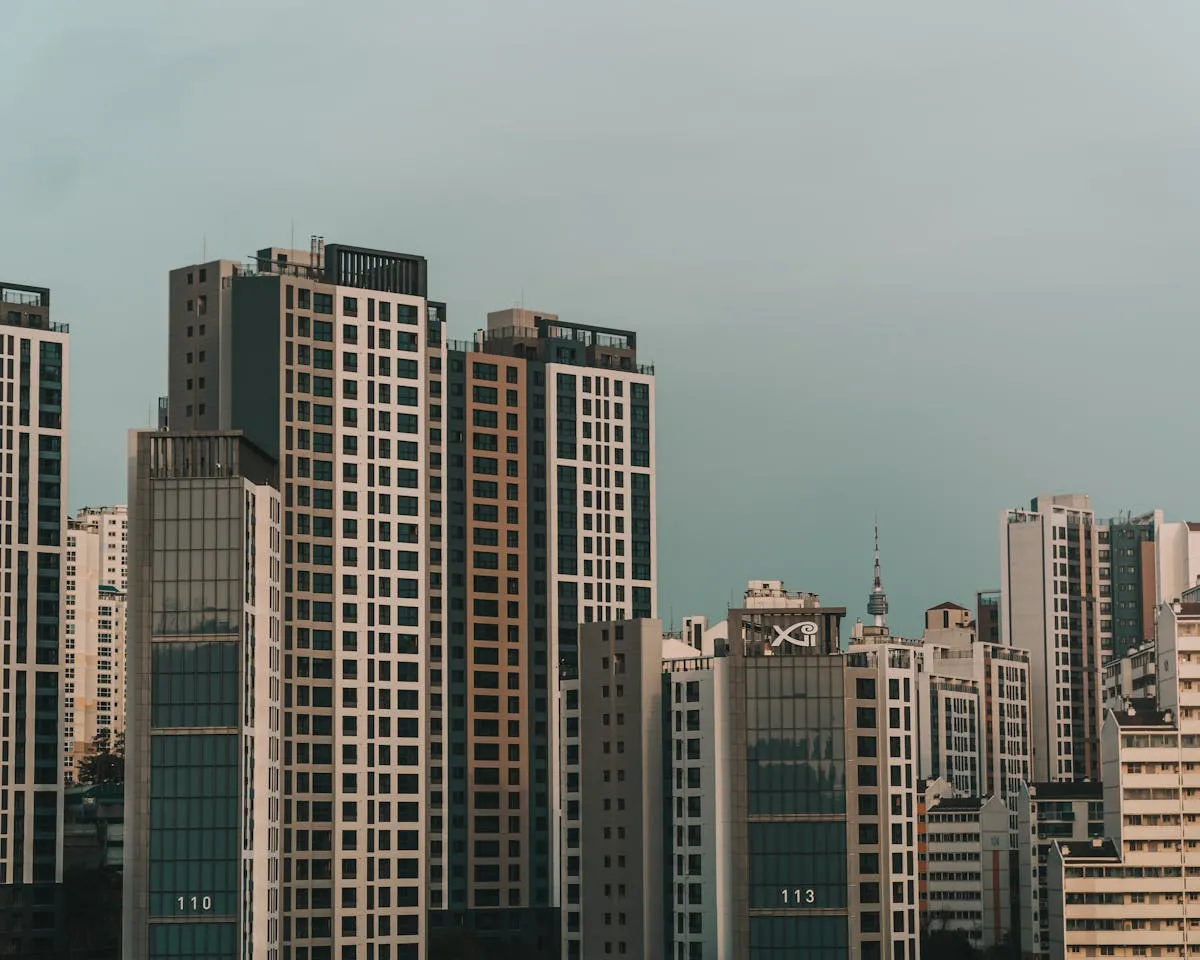
Co robić w Seoul, South Korea
Zdjęcie wykonane przez Jakob Jin na Pexels.com
Kiedy odwiedzić
Seoul jest #6 miasto dla miłośników jedzenia na świecie na podstawie naszych danych z setek miejsc docelowych.
Najpopularniejsze atrakcje w Seoul, South Korea
Najważniejsze atrakcje w Seulu w Korei Południowej obejmują zwiedzanie spokojnego Huwon (Tajnego Ogrodu) na terenie pałacu Changdeokgung, przechadzanie się tradycyjnymi uliczkami wioski Bukchon Hanok oraz zakupy na ulicy handlowej Myeongdong, gdzie ponad 1000 sklepów oferuje różnorodną modę i kosmetyki, zaledwie kilka minut spacerem od tętniących życiem placów miejskich.
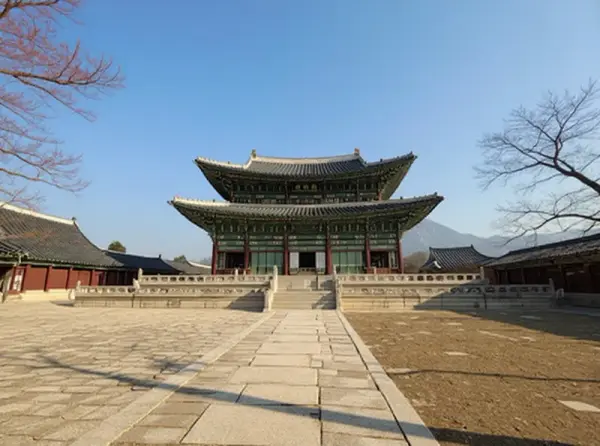
1. Gyeongbokgung Palace
Szybkie fakty: Dawno gildia kryje dachówki i jaskrawo pomalowane okapy, podczas gdy strażnicy pałacowi w kolorowych mundurach wykonują zmianę warty, która wypełnia dziedziniec bębnieniem i fanfarami. Odwiedzający mogą spacerować po odrestaurowanych salach i ogrodach, a ponad tysiąc artefaktów i zrekonstruowanych budowli pomaga odtworzyć królewskie ceremonie i codzienne życie dworskie.
Najważniejsze atrakcje: Wyobraź sobie przechodzenie pod bramą ukończoną po raz pierwszy w 1395 roku, gdzie lakirowane czerwone filary i wielowiekowe wzory dancheong mienią się turkusem i szkarłatem w słońcu. Załóż hanbok, a opłata za wstęp wynosząca około 3000 wonów zostanie anulowana, a przy głównej bramie możesz obejrzeć barwną ceremonię zmiany warty królewskiej, z mosiężnymi trąbkami, jedwabnymi sztandarami i bębnami, które sprawiają, że plac drży pod stopami.
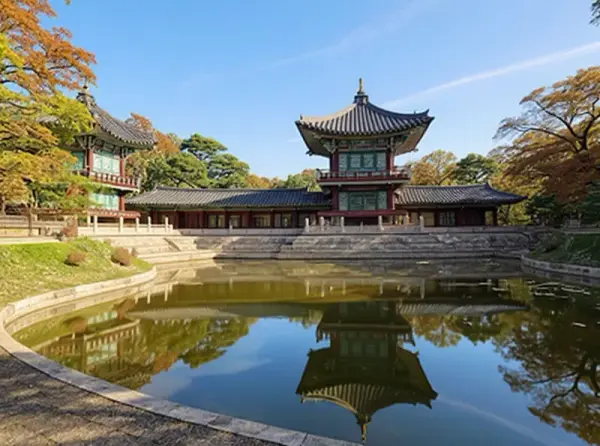
2. Changdeokgung Palace and Huwon (Secret Garden)
Secret Garden
Szybkie fakty: Chłodne kamienne ścieżki, zapach sosny i lustrzane stawy nadają terenom kameralną, refleksyjną atmosferę, gdzie karpie płyną pod ozdobnymi drewnianymi okapami. Ukryty ogród królewski rozpościera się krętymi ścieżkami i starymi drzewami, oferując ustronne pawilony i ciszę, która wciąż wydaje się prywatną oazą dla każdego, kto zwiedza.
Najważniejsze atrakcje: Ukończony w 1405 roku królewski kompleks kryje 78-akrowy ogród tylny, w którym królowie puszczali lakirowane kubki wijącym się strumieniem, a dworzanie chwytali je i improwizowali wiersze. W ciche poranki drewniany pawilon nad otoczonym lotosami stawem Buyongji pachnie delikatnie sosnową żywicą, a ogrodnicy wciąż stosują plany przycinania z epoki Joseon, aby zachować widoki zgodne z obrazami sprzed wieków.
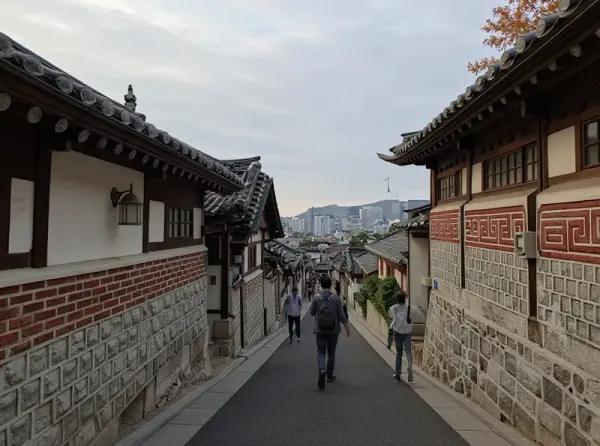
3. Bukchon Hanok Village
Szybkie fakty: Poranne światło rozlewa się na rzędy niskich dachówek i drewnianych belek, zamieniając wąskie uliczki w filmową grę cieni i faktur. Wiele z setek tradycyjnych domów wciąż jest zamieszkanych lub służy jako małe muzea, kawiarnie, galerie i domy gościnne, które można zwiedzać lub w których można zamieszkać.
Najważniejsze atrakcje: Kręte kamienne uliczki wiją się przez około 900 drewnianych hanoków, gdzie zakrzywione dachówki i miodowe papierowe okna sprawiają, że popołudniowe światło wygląda jak ciepły syrop, a delikatny zapach sosny i żaru ondolu unosi się w powietrzu. Wiele z tych hanoków wciąż jest domami rodzinnymi, a nie muzeami, więc mieszkańcy wywieszają uprzejme znaki proszące o ciszę i zakaz fotografowania z fleszem, a niektórzy otwierają drzwi na powolne ceremonie herbaciane, nagradzając szanujących gości skrzypiącymi podłogami i kubkami palonej herbaty jęczmiennej.
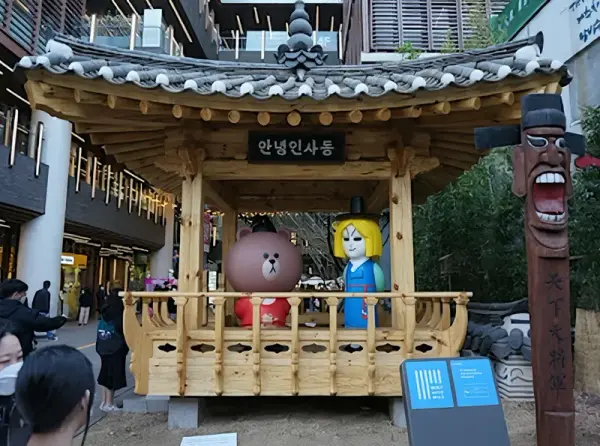
4. Insadong
Szybkie fakty: Wędrując wąskimi uliczkami poczujesz zapach pieczonych kasztanów i herbaty, a sklepy rzemieślnicze prezentują delikatną ceramikę i kaligrafię. Weekendowe deptaki przynoszą pop-upowe występy i zaskakujące okazje na straganach z antykami, oferując żywą mieszankę starego i nowego.
Najważniejsze atrakcje: Wędrując główną uliczką znajdziesz spiralny, otwarty kompleks handlowy zbudowany w 2004 roku, gdzie ciągła ścieżka okala nasłoneczniony dziedziniec pełen dziesiątek maleńkich warsztatów sprzedających ręcznie malowane wachlarze, pocztówki z hanji i drobne wyroby mosiężne, które możesz oglądać podczas kucia. Po zmroku przytulne herbaciarnie mieszczące mniej niż dziesięć osób serwują gęstą, słodką herbatę z jujuby z glinianych dzbanów, a starszy kaligraf na składanym stołku oferuje ostemplowanie nowego zakupu swoją lakirowaną czerwoną pieczęcią, co jest krótkim rytuałem, który mieszkańcy traktują jak maleńkie błogosławieństwo.
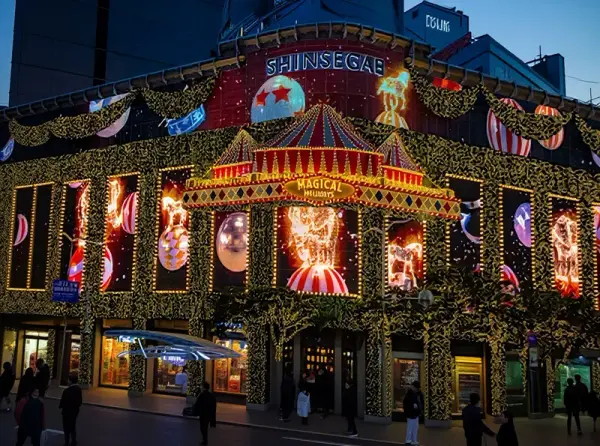
5. Myeongdong Shopping Street
Szybkie fakty: Neonowe znaki i nieustanny gwar ulicznych sprzedawców tworzą przeciążenie sensoryczne, a niekończące się stoiska z kosmetykami i pamiątkami sprawiają, że polowanie na okazje przypomina poszukiwanie skarbów. Spodziewaj się weekendowych tłumów sięgających dziesiątek tysięcy, plus późnonocnych straganów z jedzeniem serwujących skwierczące tteokbokki i polane miodem hotteok, które sprawiają, że ludzie krążą godzinami.
Najważniejsze atrakcje: O godzinie 21:00 główna aleja dla pieszych wypełnia się ponad 300 wózkami z jedzeniem ulicznym sprzedającymi skwierczące tteokbokki, puszyste hotteok i pikantne mandu, podczas gdy neonowe znaki i głośniki z K-popem zamieniają powietrze w musujący, słodko-słony miks. Długoletni sklepikarze przestrzegają osobliwego zwyczaju dorzucania gratisowych próbek kosmetyków lub kawałka hotteok klientom, którzy targują się z uśmiechem, a często pod latarniami znajdziesz improwizowane układy taneczne, podczas gdy tłumy chrupią i dopingują.
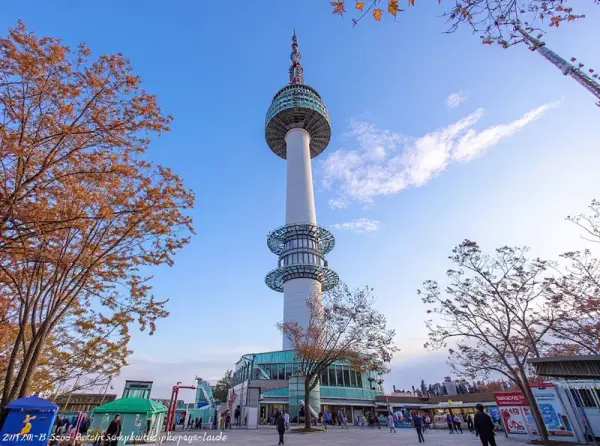
6. N Seoul Tower (Namsan Seoul Tower)
Namsan Seoul Tower
Szybkie fakty: Szklane tarasy widokowe dostarczają zawrotnego dreszczyku, gdy ulice miasta kurczą się pod stopami, a oświetlenie LED choreografuje kolorowe pokazy świetlne zmieniające sylwetkę po zmroku. Pary z okolicy przyczepiają maleńkie kłódki do pobliskich barierek, tworząc iskrzącą mozaikę obietnic, która zapewnia nieodparte nocne zdjęcia i zaskakujący lokalny rytuał.
Najważniejsze atrakcje: Na tarasie widokowym pary i przyjaciele przyczepiają ponad 10 000 kolorowych kłódek do siatkowych ogrodzeń, niektóre ostemplowane imionami i datami, inne pomalowane w małe serduszka mieniące się w słońcu. Po zmroku smukła 236-metrowa sylwetka wieży przechodzi przez programowane tęcze diod LED, setki świateł w układzie choreograficznych pokazów, podczas gdy sosnowy wietrzyk i odległy szum miasta sprawiają, że całe miejsce przypomina prywatną imprezę świetlną.
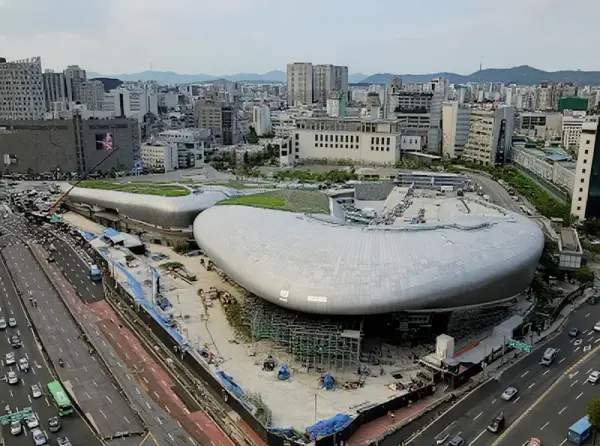
7. Dongdaemun Design Plaza (DDP)
DDP
Szybkie fakty: Wejdź do środka, a poczujesz się jakbyś przechodził przez płynącą srebrną rzeźbę, z płynnymi krzywiznami i odblaskowymi powierzchniami rozpraszającymi światło w zmienne wzory. Świecące diody LED i ogród na dachu tworzą ciche zakątki zachwytu, a rotacyjne pokazy mody i wystawy cyfrowe utrzymują zaskakująco żywą atmosferę.
Najważniejsze atrakcje: Zahhad Hadid, opływowa, przypominająca statek kosmiczny struktura, sprawia wrażenie płynnego metalu zamrożonego w środku przepływu, a jej gładkie aluminiowe panele i zaokrąglone korytarze odbijają neonowe refleksy i kroki jak ciekłe lustro. Po zmroku miejsce staje się nocnym centrum mody: rynki hurtowe i niezależni projektanci targują się o tkaniny i prototypy aż do wczesnych godzin porannych, a okazjonalne wystawy rozrzucają tysiące małych diod LED w kształcie "róż", które migoczą pod stopami jak powolna konstelacja.
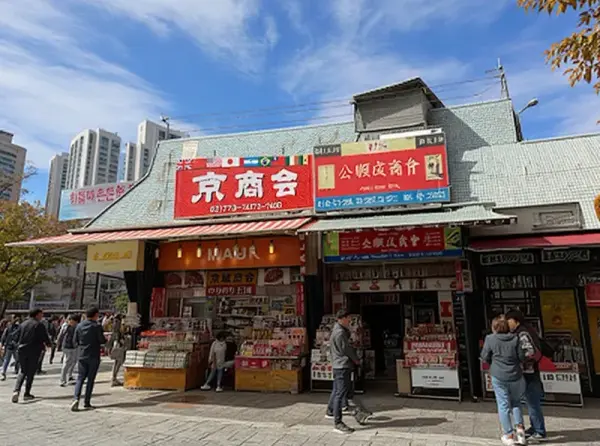
8. Namdaemun Market
Szybkie fakty: Głodni klienci przeciskają się przez wąskie uliczki, gdzie stragany wypełniają powietrze skwierczącymi aromatami jedzenia ulicznego, a neonowe znaki kuszą łowców okazji. Sprzedawcy często wystawiają tysiące drobnych towarów według kategorii, więc możesz targować się o wszystko, od zabytkowych tkanin po dziwaczne narzędzia kuchenne, nie tracąc rytmu.
Najważniejsze atrakcje: Wędrując uliczkami znajdziesz ponad 10 000 maleńkich straganów, gdzie sprzedawcy wykrzykują oferty, powietrze jest gęste od orzechowego prażonego sezamu i słodkiej pary hotteok skwierczącego na płytach o 4 nad ranem; targowanie staje się żywym teatrem, gdy hurtownicy rozładowują plastikowe skrzynie w świetle świtu. Poproś o zniżkę i zobacz, jak sprzedawca zapisuje cenę na pożółkłym paragonie niebieskim długopisem, a następnie wciska ci w ręce parujący kubek tteokbokki lub soondae jako darmową próbkę, ten mały rytuał często zamienia wytargowaną cenę w uśmiech.
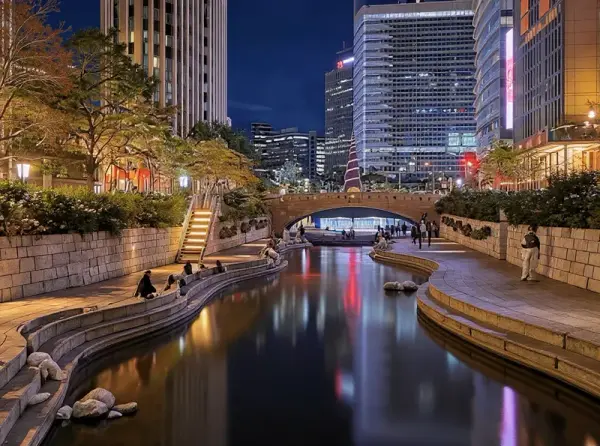
9. Cheonggyecheon Stream
Szybkie fakty: Spacerując wzdłuż odrestaurowanego miejskiego strumienia, słychać szum wody łagodzący ryk miasta i widać małe rybki przemykające między kamieniami. Nocne oświetlenie i wdzięczne mosty zamieniają niegdyś zakopany betonowy kanał w spokojną zieloną wstęgę, która przyciąga miliony odwiedzających rocznie.
Najważniejsze atrakcje: Po śmiałej renowacji w 2005 roku 10,9-kilometrowy kanał, który był zakopany pod autostradami, stał się płytkim, szemrzącym strumieniem otoczonym 22 mostami, gdzie stały plusk wody zagłusza klaksony samochodów, a można dostrzec brązowe rzeźby ryb i omszałe kamienne schody. O zmroku dziesiątki oświetlonych diodami LED instalacji artystycznych i sezonowe papierowe lampiony unoszą się na powierzchni, a w powietrzu unosi się chłodny, mineralny zapach mokrego kamienia i słodki, drożdżowy aromat pobliskiego tteok z ulicznych straganów, sprawiając, że wieczorne spacery przypominają cichy targ nad rzeką ukryty między szklanymi wieżowcami.
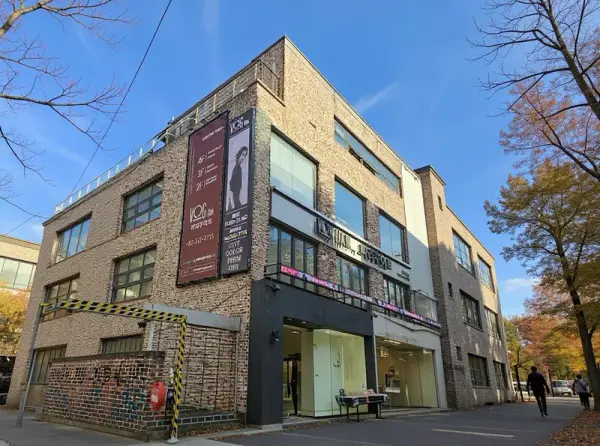
10. Hongdae (Hongik University Street)
Hongik University Street
Szybkie fakty: Neonowe ulice tętnią życiem ulicznych muzyków, niezależnych zespołów i spontanicznych kręgów tanecznych, które zamieniają noce w nieustanny festiwal uliczny. Wędrując między małymi galeriami i pop-upowymi kawiarniami odkrywasz dziwaczne zin'y, eksperymentalne stragany modowe i jedzenie uliczne łączące tradycyjne smaki z odważnymi nowoczesnymi akcentami.
Najważniejsze atrakcje: Nocą ulice zamieniają się w niezależny festiwal, z co najmniej 15 występami ulicznymi stłoczonymi na trzyblokowym odcinku, neonowymi znakami brzęczącymi nad głową i ciepłym zapachem pikantnego tteokbokki i smażonego ciasta w powietrzu. Osobliwy lokalny zwyczaj polega na tym, że studenci przyczepiają małe pomalowane kłódki i ręcznie pisane notatki do niskiej metalowej barierki przy placu zabaw, niektóre kłódki datowane aż na 2001 rok, z brokatowymi bazgrołami wykonanymi żelowymi długopisami i odklejającymi się naklejkami.
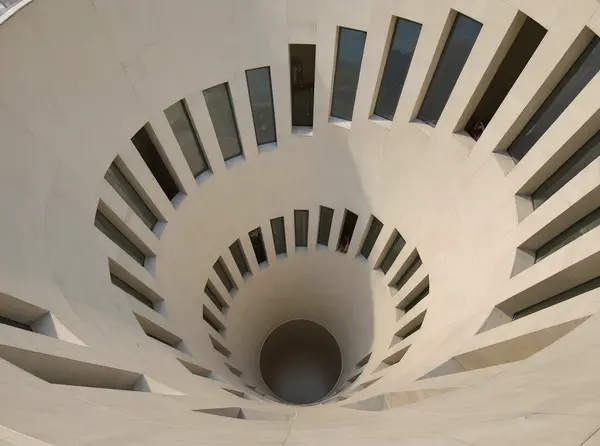
11. Visit Leeum Samsung Museum of Art
Odkryj ponad 10 000 dzieł sztuki łączących starożytne koreańskie rzemiosło i globalną sztukę nowoczesną. Doświadcz uderzającego kontrastu innowacyjnej architektury i ponadczasowego piękna.
Szybkie fakty: Przepływając przez muzealną architekturę łączącą tradycyjną koreańską estetykę z nowoczesnymi liniami, mieści się tu ponad 10 000 dzieł sztuki, w tym starożytna ceramika i współczesne prace. Odwiedzający często zauważają, że trzy oddzielne budynki muzeum oferują różne doświadczenia artystyczne, od tradycyjnej sztuki koreańskiej po międzynarodowe dzieła nowoczesne.
Najważniejsze atrakcje: Muzeum posiada rzadką kolekcję koreańskiej ceramiki, której dopełnieniem jest spokojny ogród inspirowany Azją, w którym można dostrzec unikalne kamienne rzeźby sprzed wieków. Jeden z budynków został zaprojektowany przez słynnego architekta Mario Bottę, którego śmiałe geometryczne kształty ostro kontrastują z innymi strukturami zaprojektowanymi przez Jeana Nouvela i Rema Koolhaasa.
Where to Stay in Seoul, South Korea
Selected by City Buddy based on guest reviews and proximity to top attractions
Search all hotels in Seoul, South KoreaPowered by agoda
Dni otwarcia w Seoul, South Korea
Które z najważniejszych atrakcji są zamknięte w poszczególne dni tygodnia. Klasyczny pogromca wycieczek, sprawdzony za Ciebie.
poniedziałek: 2 z 9 najważniejszych atrakcji zamkniętych. Zaplanuj muzea na inny dzień.
Zamknięte w poniedziałek · 2 zamkniętych, 7 otwartych
- Changdeokgung Palace and Huwon (Secret Garden)
- Visit Leeum Samsung Museum of Art
Dni otwarcia z Google Maps (sprawdzone 2026-04-25). Święta, strajki i godziny sezonowe mogą się różnić. Sprawdź oficjalną stronę przed wyjazdem.
Tradycyjne słodkie potrawy
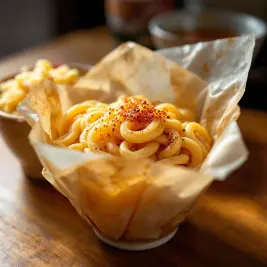
Hotteok
Hotteok are warm street pancakes filled with molten brown sugar, chopped nuts and cinnamon, and their syrupy interior spills out in a way that makes biting one a joyful, sticky ritual on Seoul's winter streets.
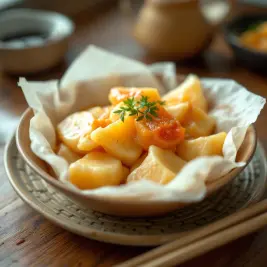
Yakgwa
Yakgwa are flower-shaped honey cookies fried and soaked in syrup, originally enjoyed at royal banquets and festive ceremonies, and their dense, chewy texture has kept them a celebratory treat for centuries.
Tradycyjne słone potrawy

Kimchi
Kimchi ferments vegetables into a tangy, spicy powerhouse of probiotics and vitamins, and Koreans have developed hundreds of regional varieties that change with the seasons.
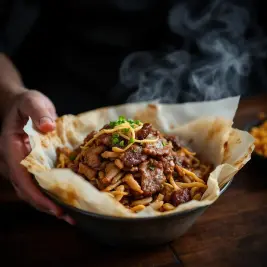
Bulgogi
Bulgogi is thinly sliced beef marinated in soy, sugar, garlic and sesame, grilled quickly until the edges caramelize, and it was historically a special-occasion dish that brings sweet and smoky notes to the table.
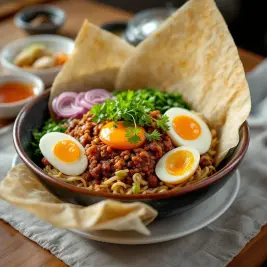
Bibimbap
Bibimbap layers rice with colorful vegetables, meat and gochujang for a balance of texture and flavor, and when served in a sizzling stone bowl it develops a crunchy, prized crust of rice.
Tradycyjne napoje
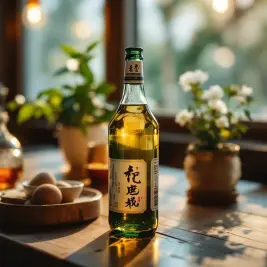
Soju
Soju is a clear, subtly sweet spirit sipped alongside meals, and it is the best-selling liquor in the world by volume, outselling many global favorites.

Makgeolli
Makgeolli is a milky, lightly fizzy rice wine once favored by farmers, its cloudy, unfiltered body carries tangy sweetness and live cultures that give it a rustic, probiotic quality.

Korean tea
Korean teas range from roasted barley boricha to delicate green tea and floral infusions, and the darye tea ceremony emphasizes simplicity and respect, making tea a practice of calm and seasonal appreciation.
Często zadawane pytania o Seoul, South Korea
Jaka jest najlepsza pora roku na wizytę w Seulu w Korei Południowej?
Czy Seul w Korei Południowej jest drogi dla podróżujących?
Czy woda z kranu w Seulu w Korei Południowej jest bezpieczna?
W jaki sposób turyści zazwyczaj poruszają się po Seulu w Korei Południowej?
Ilu turystów odwiedza Seul w Korei Południowej każdego roku?
Wyślij PDF z najpopularniejszymi atrakcjami na swój e-mail
Otrzymaj PDF ze wszystkimi atrakcjami, ocenami i wskazówkami. Idealne do użytku offline.
Najpopularniejsze wycieczki jednodniowe
Nami Island (Gapyeong)
Scenic island with tree-lined paths and a popular filming site.
DMZ / Panmunjom
Guided tours to the DMZ and the Joint Security Area.
Suwon — Hwaseong Fortress
UNESCO fortress with walls, gates and historic downtown.
Incheon — Chinatown & Songdo
Coastal city with modern Songdo and historic Chinatown.
Jeonju Hanok Village
Traditional hanok village famous for food and culture.
Jak dojechać
Stacje kolejowe
Gyeongbu KTX, AREX, multiple subway lines
KTX (to Busan/Gwangju), ITX and regional services
Take the AREX Express from Incheon to Seoul Station (≈43 min) or airport limousine buses for direct hotel stops.
Przydatne informacje dla Seoul, South Korea
Przegląd dla Seoul, South Korea
Chcesz plan dzień po dniu dla Seoul, South Korea? Otwórz planer podróży
Kiedy jedziesz do Seoul, South Korea?
Wybierz daty i styl podróży, aby otrzymać:
Czy coś z tego jest dla Ciebie szczególnie ważne?
Wybierz wszystkie, które pasują
Przemieszczanie się
Jak chcesz się przemieszczać między miejscami?
Język planu: PolskiMost popular itineraries for Seoul, South Korea
Browse trip plans created by other travelers
11-Day Autumn Adventure in Seoul & Busan for Nature and Culture Lovers
Discover vibrant cityscapes, serene nature parks, hiking trails, rich history, and cultural gems on this immersive autumn journey from Seoul to Busan.
4-Day Summer Seoul Highlights and Summer Delights
Experience the vibrant culture, historic palaces, bustling markets, and trendy neighborhoods of Seoul in summer. Join a free walking tour to start, explore traditional and modern gems, and enjoy summer-specific activities.