 CityBuddy
 Polski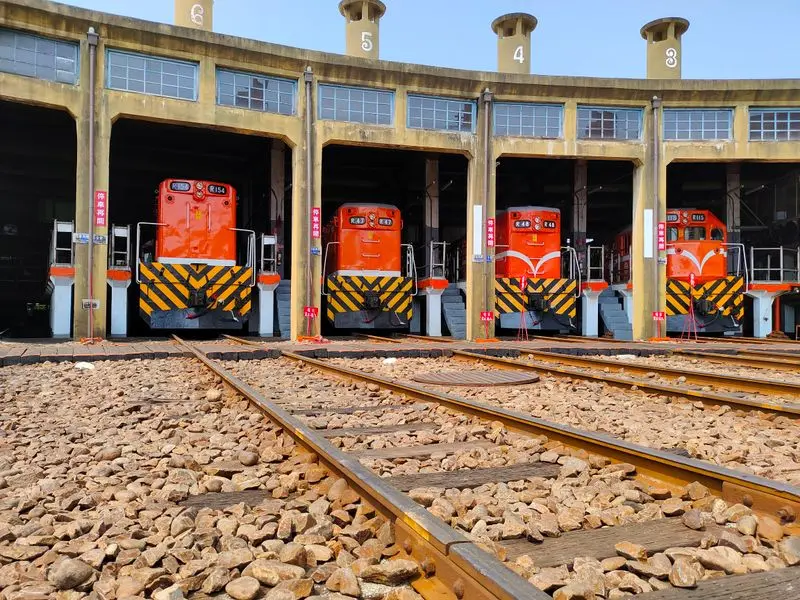
Co robić w Changhua, Taiwan
Zdjęcie wykonane przez 瑞宏 簡 na Pexels.com
Kiedy odwiedzić
Najpopularniejsze atrakcje w Changhua, Taiwan
Odwiedzający szukający atrakcji w Changhua na Tajwanie znajdą fascynujące połączenie historii i kultury. Dwudziestodwumetrowy Wielki Budda z Baguashan siedzi na szczycie wzgórza z widokiem na całe miasto. Stara Ulica w Lukang zachowuje trzystuletnią świątynię i dzielnicę kupiecką z tradycyjną architekturą. Zbudowana w 1922 roku lokomotywownia wachlarzowa w Changhua oferuje codzienne wycieczki dla miłośników pociągów.
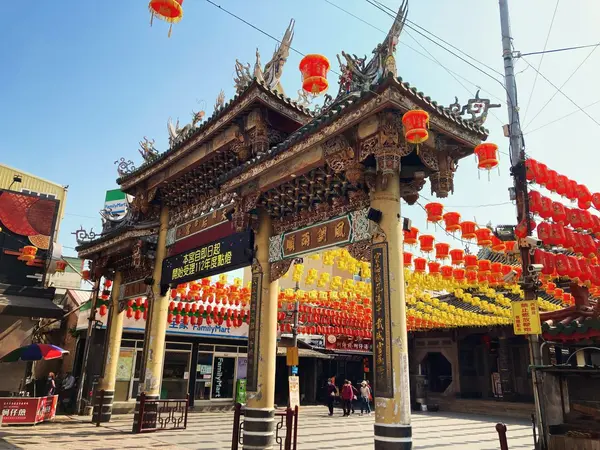
1. Lukang Old Street
Przechadzaj się wąskimi zaułkami, gdzie tradycyjne rzemiosła przetrwały pokolenia, a zapachy straganów z jedzeniem niosą się po starożytnych dziedzińcach świątynnych. Spróbuj świeżo przyrządzonych omletów z ostryg, zobacz ręcznie malowane lampiony i odkryj labirynt uliczek, które niegdyś myliły piratów.
Szybkie fakty: Kręte zaułki zaprojektowano jako labirynt, aby zmylić piratów i chronić mieszkańców. Ponad 200 historycznych świątyń rozsianych jest po okolicy, co daje jej jedną z największych gęstości świątyń na Tajwanie.
Najważniejsze atrakcje: Wejdź do labiryntu dziewięciu zakrętów i osiemnastu zaułków, gdzie ściany zwężają się do szerokości zaledwie ramienia, a odkryjesz tradycyjny warsztat lampionów, w którym nadal używa się bambusowych ram malowanych ręcznie przez rzemieślników czwartego pokolenia. Stukot drewnianych młotków formujących ścięgna wołowe w tradycyjne kapcie odbija się echem w zaułkach, a to rzemiosło przetrwało tu od ponad wieku.
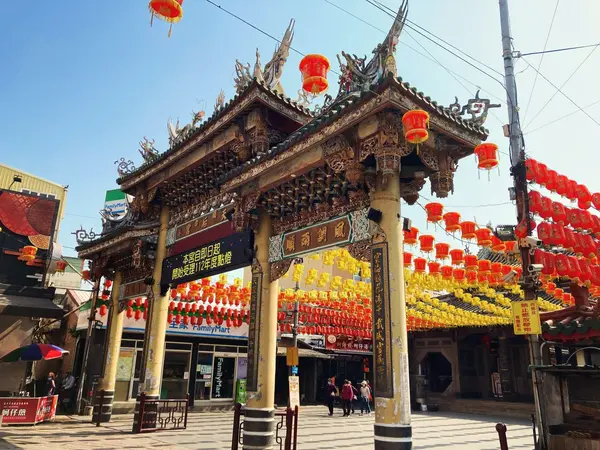
2. Lukang Tianhou Temple
Trzy wieki kunsztu i wiary spotykają się w jednej świątyni. Patrz, jak dym kadzideł unosi się wśród starożytnej kaligrafii, podczas gdy miejscowi modlą się obok ciebie.
Szybkie fakty: Para kamiennych kolumn ze smokami flankujących główne wejście została wyrzeźbiona z pojedynczych bloków granitu trzy wieki temu. Ponad 10 000 pielgrzymów przewija się przez te bramy podczas corocznych obchodów urodzin Mazu.
Najważniejsze atrakcje: Nad głównym ołtarzem ośmiokątny drewniany sufit zwany bagua zaojing wykorzystuje 16 zazębiających się warstw wsporników trzymanych bez ani jednego gwoździa. Każdy rzeźbiony panel wokół krawędzi przedstawia inny cud z życia bogini mórz, a środek celowo pozostawiono otwarty, aby modlitwy mogły wznosić się prosto ku górze.
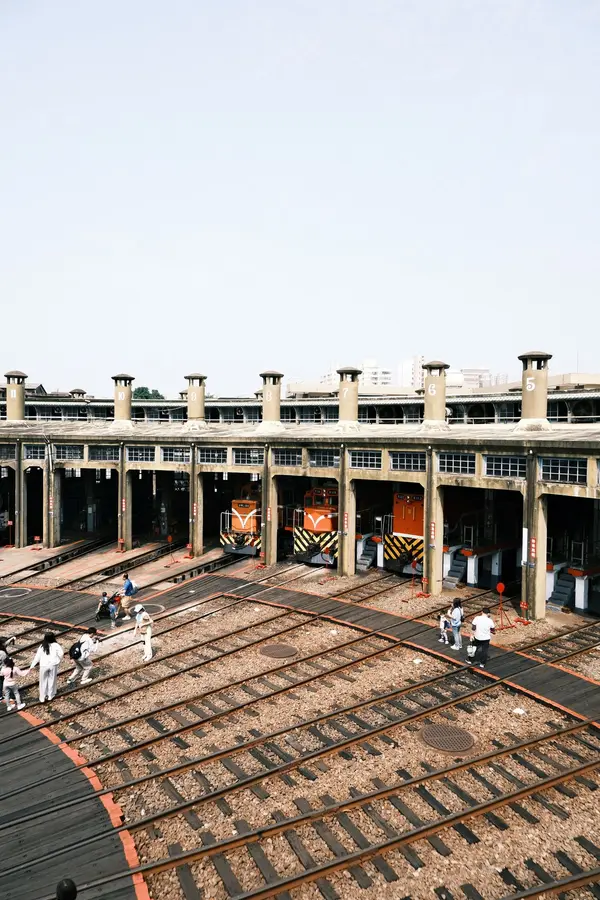
3. Changhua Roundhouse
Jedyna działająca parowozownia na Tajwanie, do której wciąż wjeżdżają do obsługi parowozy. Zobacz, jak ogromne żelazne maszyny obracają się na ręcznej obrotnicy, i podejdź prosto do torów.
Szybkie fakty: Jedna z ostatnich czynnych parowozowni wachlarzowych na Tajwanie. Jej wachlarzowy projekt mieści tuzin torów rozchodzących się promieniście od centralnej obrotnicy. Obrotnica wciąż działa, obsługiwana ręcznie, obracając lokomotywy do wyznaczonych stanowisk niczym gigantyczny kompas kolejowy.
Najważniejsze atrakcje: W przeciwieństwie do muzealnych eksponatów zamkniętych za szkłem, ta 102-letnia parowozownia wciąż jest w pełni funkcjonującym zakładem utrzymania, gdzie mechanicy wciąż smarują łożyska i rozpalają piece w żywych parowozach. Patrz z podziwem, jak 100-tonowa lokomotywa wjeżdża na obrotnicę i obraca się z mechanicznym jękiem, ustawiając się idealnie na swoim stanowisku w niecałe dwie minuty.
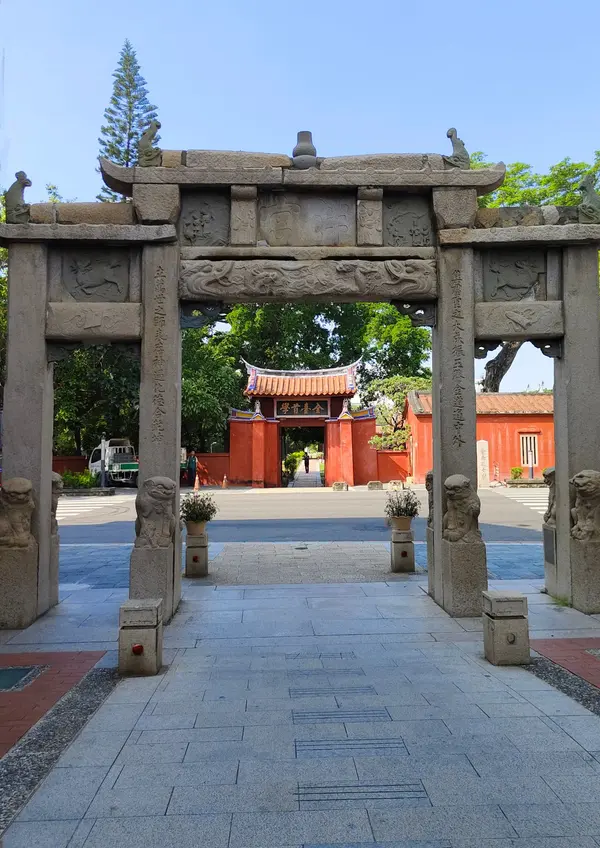
4. Changhua Confucius Temple
Step into a quiet courtyard where centuries of scholars once sought wisdom. Expect ornate carvings, a serene pond, and the faint scent of incense lingering in the air.
Szybkie fakty: Roughly 300 years of scholarly ceremonies have taken place beneath these sweeping curved roofs. Every year, two grand ceremonies honor Confucius with music, dance, and sacrificed animals, a tradition that remains largely unchanged since the Qing dynasty.
Najważniejsze atrakcje: That's one of the oldest Confucian temples in Taiwan, and the faded red-and-green paint on the pillars tells the story of centuries of incense smoke. Look closely at the roof ridges, you'll see small ceramic figures of scholars and immortals, each one placed there to protect the temple's academic mission.
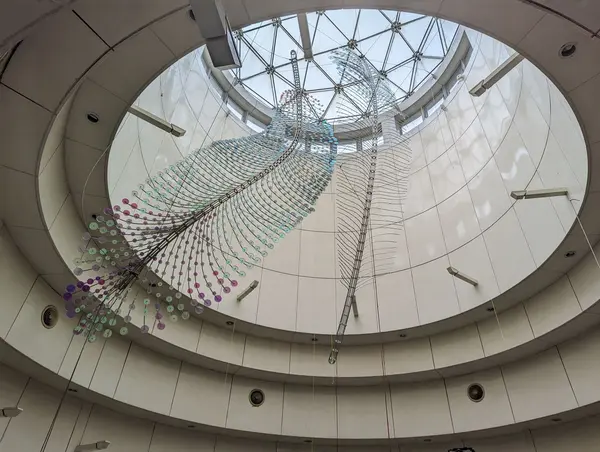
5. Taiwan Glass Gallery
Step into a world where everything glitters, from chandeliers to entire buildings. You'll walk through a glass cathedral, cross a transparent bridge, and watch artists blow molten glass into art before your eyes.
Szybkie fakty: Roughly 2,000 glass sculptures, installations, and everyday objects fill the multi-floor exhibition halls here. The collection ranges from delicate blown vases to a full glass-made replica of a traditional street market, all crafted by Taiwanese artisans.
Najważniejsze atrakcje: The crown jewel is a full-scale glass cathedral replica made from over 2,000 individual glass panels, and visitors can actually walk through its glowing, translucent interior. On the rooftop, you'll find a glass bridge that stretches across the park below, letting you stand on a transparent floor high above the ground with the whole complex mirrored beneath you.
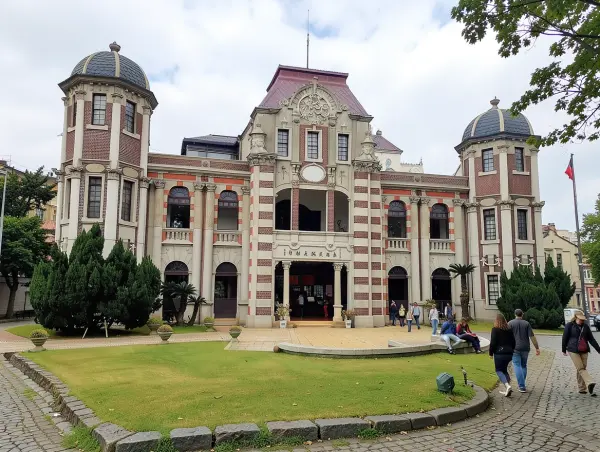
6. Lukang Folk Arts Museum
Wejdź do barokowej rezydencji z 1919 roku, w której mieszkała niegdyś najpotężniejsza rodzina Tajwanu. Przejdź przez sale wypełnione 3000 przedmiotów codziennego użytku, od jedwabnych sukni ślubnych po stuletnie zabawki i sprzęty kuchenne.
Szybkie fakty: Dwór w stylu barokowym z 1919 roku należał niegdyś do rodziny Koo, jednego z najbardziej wpływowych klanów Tajwanu w erze japońskiej kolonizacji. Ponad 3 000 artefaktów wypełnia pomieszczenia, od wytwornego rzeźbionego łóżka weselnego po zabytkowe gramofony i antyczne fajki do opium.
Najważniejsze atrakcje: Sam dwór był rezydencją Koo Hsien-junga, człowieka, który w 1895 roku słynnie otworzył bramy Tajpej przed japońskimi wojskami, na zawsze zmieniając bieg historii Tajwanu. Zwiedzający nadal mogą zobaczyć oryginalny rodzinny stół jadalny zastawiony porcelaną, jakby rodzina Koo właśnie wstała od formalnej kolacji.
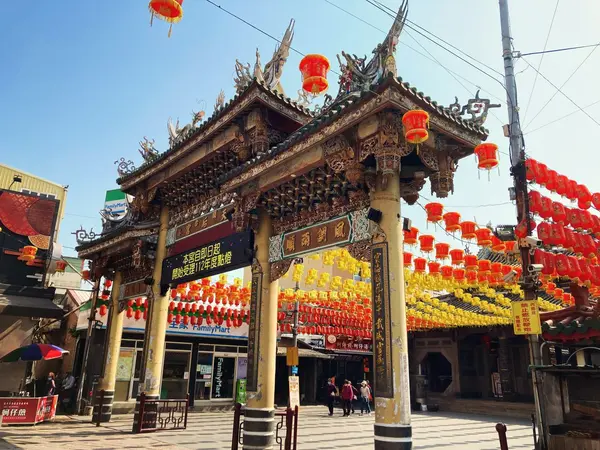
7. Qingshuiyan Temple
Trzystuletnia świątynia, w której wiekowe drzewa kamforowe strzegą naturalnego źródła, a wiosną wieczorami tańczą świetliki. Przechadzaj się po cichych dziedzińcach, popijaj herbatę przy górskim strumieniu i obserwuj mnichów zamiatających mech z kamiennych ścieżek.
Szybkie fakty: Trzy wiekowe drzewa kamforowe ocieniają dziedzińce, jedno z nich ma ponad 300 lat i rozpościera się na 20 metrów szerokości. Obok świątyni wciąż płynie naturalne źródło, od którego świątynia wzięła swoją nazwę oznaczającą „czystą wodę".
Najważniejsze atrakcje: Każdego kwietnia tysiące świetlików migocze wzdłuż okolicznych leśnych ścieżek, zamieniając zbocze wzgórza w żywą konstelację. Mieszkający przy świątyni mistrz kaligrafii udziela w weekendy bezpłatnych lekcji, pozwalając odwiedzającym malować własne życzenia na drewnianych tabliczkach, które wieszają przy źródle.
8. Tianwei Highway Garden
Jedź rowerem przez bezkresne pola pełnych kwiatów szklarni, gdzie pracują tajwańscy hodowcy roślin. Możesz zatrzymać się w każdej szkółce, kupić orchideę w doniczce za mniej niż 5 dolarów i zobaczyć, jak hodowca pakuje ją prosto ze szklarni.
Szybkie fakty: Ponad 200 sklepów ogrodniczych i szkółek roślin ciągnie się wzdłuż tutejszych dróg, co czyni ten obszar jednym z największych centrów dystrybucji kwiatów w Azji. Region dostarcza prawie 70% roślin ozdobnych i kwiatów ciętych na Tajwanie, zmieniając kolory wraz z każdą porą roku, gdy chryzantemy, poinsecje i słoneczniki zakwitają na zmianę.
Najważniejsze atrakcje: W przeciwieństwie do pojedynczego wypielęgnowanego ogrodu, jest to 4,8-kilometrowy żywy targ, gdzie spacerujesz pośród działających szkółek i szklarni, kupując bezpośrednio od ogrodników, którzy się nimi opiekują. Prawdziwa magia dzieje się o zmierzchu, gdy tysiące małych lampeczek rozwieszonych między szklarniami zapalają się, zamieniając cały obszar w świetlistą krainę czarów.
Where to Stay in Changhua, Taiwan
Selected by City Buddy based on guest reviews and proximity to top attractions
Search all hotels in Changhua, TaiwanPowered by agoda
Dni otwarcia w Changhua, Taiwan
Które z najważniejszych atrakcji są zamknięte w poszczególne dni tygodnia. Klasyczny pogromca wycieczek, sprawdzony za Ciebie.
poniedziałek: 3 z 8 najważniejszych atrakcji zamkniętych. Zaplanuj muzea na inny dzień.
Zamknięte w poniedziałek · 3 zamkniętych, 5 otwartych
Dni otwarcia z Google Maps (sprawdzone 2026-06-27). Święta, strajki i godziny sezonowe mogą się różnić. Sprawdź oficjalną stronę przed wyjazdem.
Tradycyjne słodkie potrawy
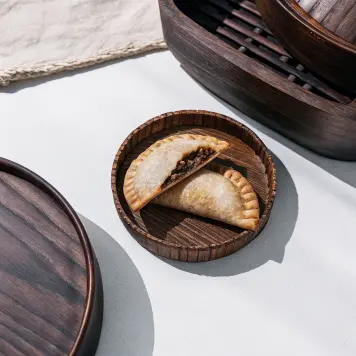
Lukang Ox Tongue Pastry (牛舌餅)
Despite its name, this pastry contains no ox tongue. It is a thin, crispy, maltose-filled biscuit shaped like an ox tongue, and Lukang is the most famous place in Taiwan to buy it.
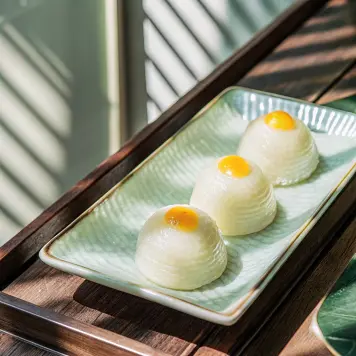
Phoenix Eye Cake (鳳眼糕)
This delicate, crumbly white pastry is made from premium glutinous rice flour and sugar. It gets its name from its oval shape resembling a phoenix eye, and it was once a tribute snack served to Qing Dynasty officials.
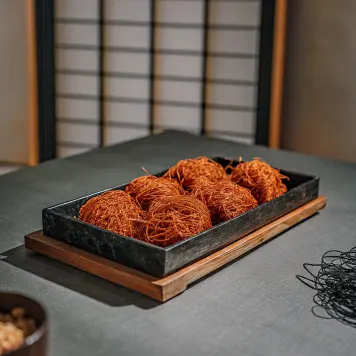
Dragon Beard Candy (龍鬚糖)
This traditional Chinese candy is made by pulling sugar into thousands of fine, hair-like strands, resembling a dragon's beard. It is filled with crushed peanuts, sesame seeds, and coconut, and Lukang is one of the best places to watch it made by hand.
Tradycyjne słone potrawy
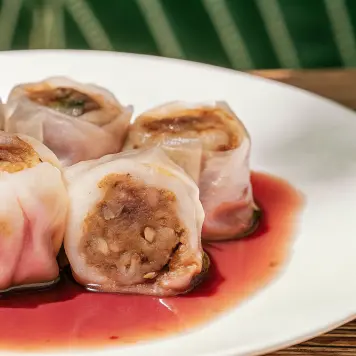
Changhua Meatballs (彰化肉圓)
Changhua meatballs are arguably the most famous ba wan in Taiwan. Unlike other versions, they are steamed then deep-fried, giving them a crispy exterior, and they are served with a sweet and savory brown sauce.
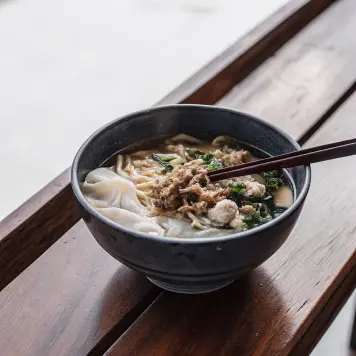
Cat and Mouse Noodles (貓鼠麵)
Despite its unusual name, this dish contains no cat or mouse. It was named after the nickname of its creator who was called "cat and mouse" for his agility, and the noodle soup features a rich, clear broth with ground pork and tender wontons.
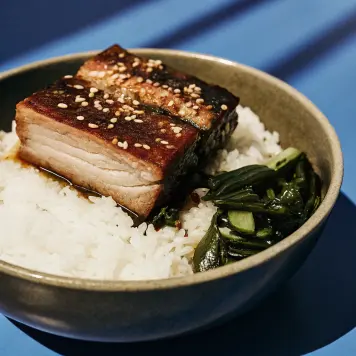
Changhua Braised Pork Rice (彰化爌肉飯)
Changhua is famous for its braised pork rice, featuring a massive, tender slab of pork belly slow-braised in soy sauce and spices. It is so beloved that many shops sell it as a late-night or breakfast staple, with some restaurants operating 24 hours a day.
Tradycyjne napoje
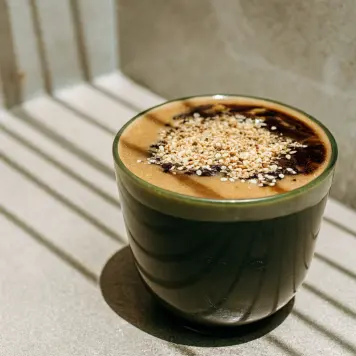
Mian Cha (麵茶)
Mian Cha is a warm, thick, porridge-like drink made from toasted wheat flour, sesame seeds, and sugar. It was originally a filling breakfast for farmers and is still a beloved nostalgic street drink in Lukang, Changhua.
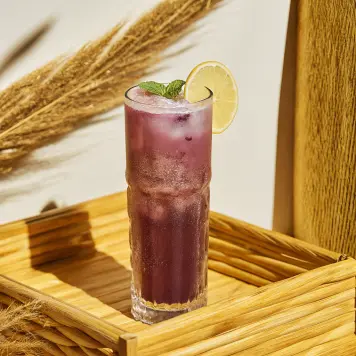
Sour Plum Drink (酸梅湯)
This tangy and refreshing drink is made by simmering smoked plums, hawthorn, licorice, and rock sugar for hours. It is a classic accompaniment to heavy street food in Changhua and is believed to aid digestion on hot days.
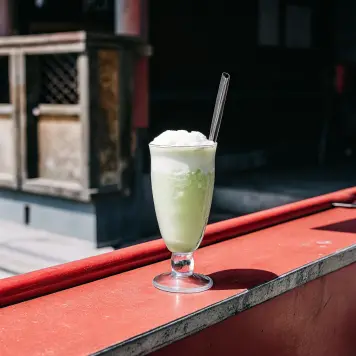
Mung Bean Shake (綠豆沙)
This creamy, slushy drink is made by blending cooked mung beans with ice and sugar until smooth. In Changhua's Lukang district, it is a wildly popular summer treat sold at iconic old-school stalls that have been operating for decades.
Wyślij PDF z najpopularniejszymi atrakcjami na swój e-mail
Otrzymaj PDF ze wszystkimi atrakcjami, ocenami i wskazówkami. Idealne do użytku offline.
Najpopularniejsze wycieczki jednodniowe
Lukang Old Town
Historic port town with ancient temples, narrow alleys, and traditional crafts
Baguashan Great Buddha
Iconic hilltop Buddha statue with panoramic city views and hiking trails
Taichung City
Vibrant city with night markets, museums, and Rainbow Village
Xitou Nature Area
Mountain forest reserve with bamboo groves and suspension bridges
Jak dojechać
Stacje kolejowe
Taiwan Railway West Coast Line (TRA)
Taiwan High Speed Rail connecting Taipei to Kaohsiung
From Taichung HSR station, take local TRA train or bus to Changhua Station in about 15 minutes. From Taichung Airport, take bus to Changhua.
Przydatne informacje dla Changhua, Taiwan
Przegląd dla Changhua, Taiwan
Chcesz plan dzień po dniu dla Changhua, Taiwan? Otwórz planer podróży
Kiedy jedziesz do Changhua, Taiwan?
Wybierz daty i styl podróży, aby otrzymać:
Czy coś z tego jest dla Ciebie szczególnie ważne?
Wybierz wszystkie, które pasują
Przemieszczanie się
Jak chcesz się przemieszczać między miejscami?
Język planu: Polski