 CityBuddy
 Polski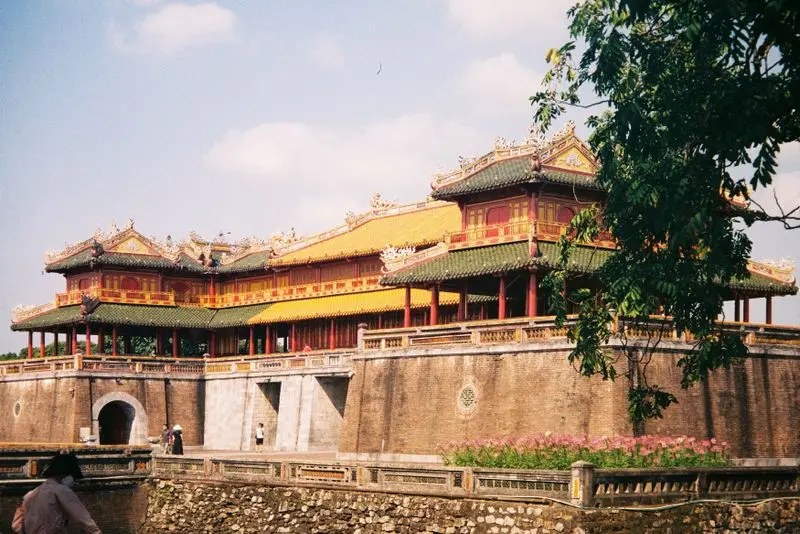
Co robić w Huế, Vietnam
Zdjęcie wykonane przez Nguyen Trung Hieu na Pexels.com
Kiedy odwiedzić
Najpopularniejsze atrakcje w Huế, Vietnam
Jeśli szukasz najlepszych rzeczy do zrobienia w Hue w Wietnamie, zacznij od majestatycznego Cesarskiego Miasta (Dai Noi) z XIX wieku, którego teren rozciąga się na 520 hektarach. Następnie odwiedź spokojną pagodę Thien Mu, wznoszącą się 21 metrów nad Rzeką Perfumową. Na koniec podziwiaj okazały grobowiec Khai Dinh, ozdobiony mozaikami z porcelany i szkła.
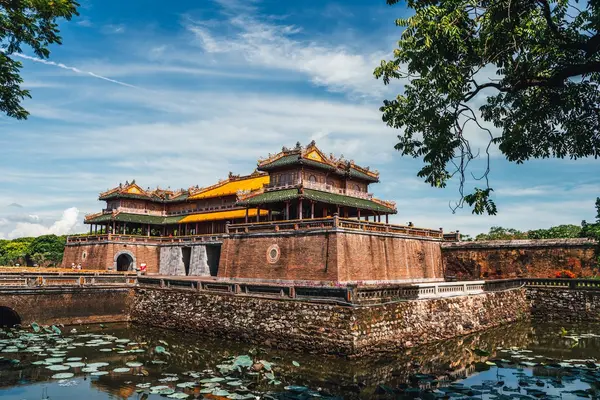
1. Imperial City (Đại Nội)
Đại Nội
Przejdziesz przez bramę, którą niegdyś przechodzili cesarze, i znajdziesz się w sercu wietnamskiej historii. Fioletowe mury, złote pagody i ciche dziedzińce przeniosą cię w czasy dynastii Nguyễn.
Szybkie fakty: Kompleks cesarskiego miasta rozciąga się na powierzchni ponad 520 hektarów i otacza go 10 kilometrowy kamienny wał obronny. Wewnątrz znajduje się ponad 100 budowli, w tym bramy, pałace i świątynie, z których wiele nosi ślady kul z konfliktów zbrojnych XX wieku.
Najważniejsze atrakcje: Pod kamiennymi murami cesarskiego miasta co wieczór zapalają się dziesiątki latarni, a miejscowi przychodzą tu ćwiczyć tai chi, podczas gdy z zatopionych ogrodów dochodzi rechot żab. Faktem jest, że restauratorzy podczas napraw natknęli się na oryginalne malowidła z XIX wieku ukryte pod warstwami tynku, a niektóre z nich można dziś zobaczyć w oryginalnej postaci.
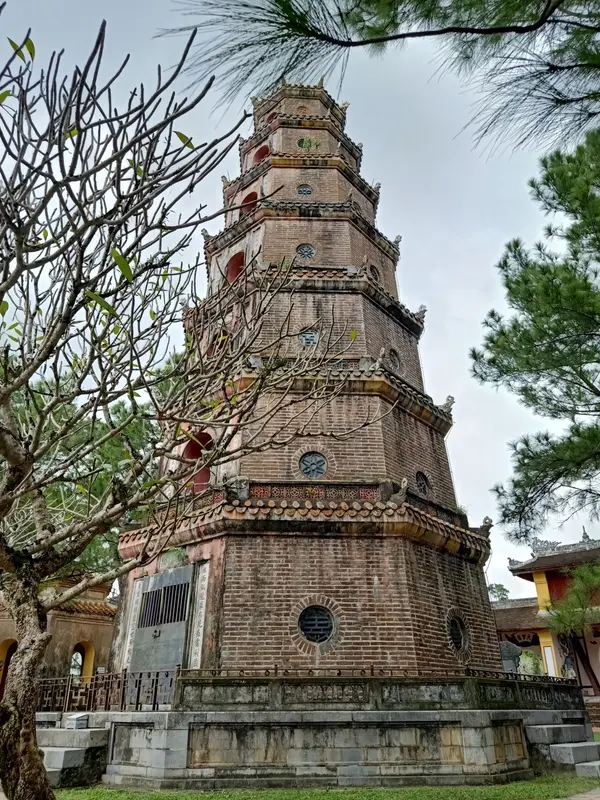
2. Thien Mu Pagoda
Spokojna oaza nad rzeką, gdzie duchowa atmosfera miesza się z zapierającym dech widokiem. Usłyszysz szelest modlitewnych chorągiewek i poczujesz zapach kadzidła unoszący się ze starych murów.
Szybkie fakty: Siedmiopiętrowa wieża o wysokości 21 metrów góruje nad rzeką Perfume River i stała się symbolem całego miasta. Legendy głoszą, że pagoda powstała w miejscu, gdzie starej kobiecie ukazał się niebiański smok.
Najważniejsze atrakcje: Wewnątrz pagody znajdziesz ogromny brązowy dzwon ważący ponad dwie tony, którego dźwięk podobno niesie się aż 10 kilometrów wzdłuż rzeki. Mnisi dzwonili nim podczas ważnych ceremonii, a cała okolica drżała w głębokim rezonansie.
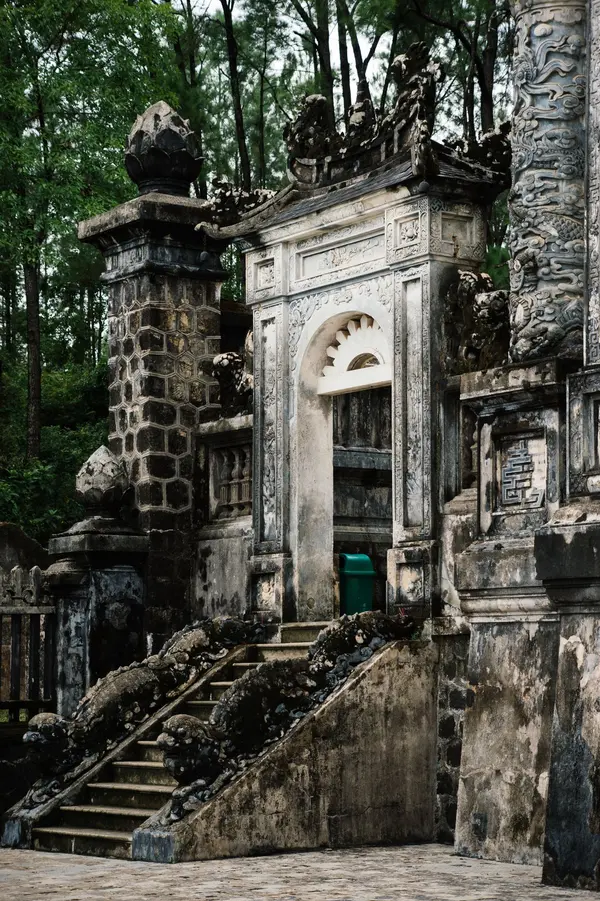
3. Tomb of Khai Dinh
Jedyny grobowiec w Hue, który wygląda jak gotycko-azjatycki pałac. Przejdziesz ciemnymi korytarzami aż do sali z betonowym niebem nad głową.
Szybkie fakty: Przy budowie grobowca cesarza Khai Dinh pracowało ponad 10 000 robotników, ale ukończono go dopiero po jego śmierci w 1925 roku. W środku znajdziesz niezwykłą mozaikę z ceramiki i szkła, która pokrywa ściany i sufit, składającą się łącznie z setek tysięcy kawałków.
Najważniejsze atrakcje: Najbardziej zachwyca betonowy sufit w głównej sali: z bliska jest cały pokryty malowanymi scenami dziewięcioramiennych chmur, które wyglądają jak fresk 3D. Khai Dinh przeforsował mieszankę tradycyjnej wietnamskiej i francuskiej architektury gotyckiej, co czyni tę budowlę w całym Hue absolutnie unikalnym widowiskiem.
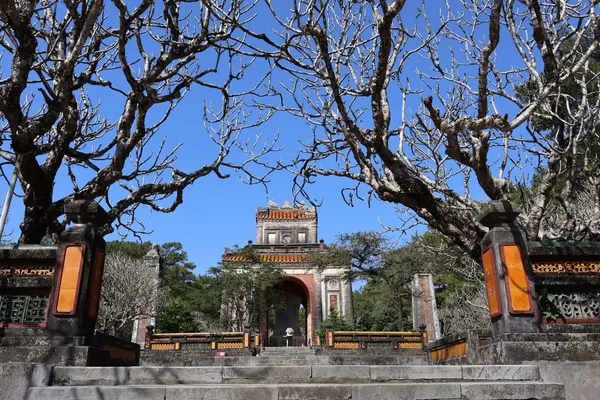
4. Tomb of Minh Mang
Ogromny kamienny kompleks wśród sosnowych lasów opowiada historię o potędze i ulotności jednego cesarza. Przejdziesz przez bramy, mosty i dziedzińce aż do tajemniczej brązowej urny, gdzie przeszłość dotyka teraźniejszości.
Szybkie fakty: Cesarz Minh Mạng zaprojektował to miejsce pochówku jeszcze za swojego życia i osobiście nadzorował budowę, mimo to został tu pochowany dopiero po swojej śmierci w 1841 roku. Kompleks rozciąga się na 18 hektarach ziemi i obejmuje 40 różnych budowli, które symbolicznie łączą chińską geomancję z wietnamską tradycją cesarską.
Najważniejsze atrakcje: Kiedy wejdziecie bramą Dai Hong, otworzy się przed wami trzysta metrów długie jezioro Nhà Nguyệt, którego spokojna tafla doskonale odbija okoliczne sosny i kamienne mosty. Cała kompozycja grobowca podąża ścisłą osią od wschodu na zachód, tak że o zachodzie słońca tarcza słoneczna zachodzi dokładnie za cesarskim sarkofagiem.
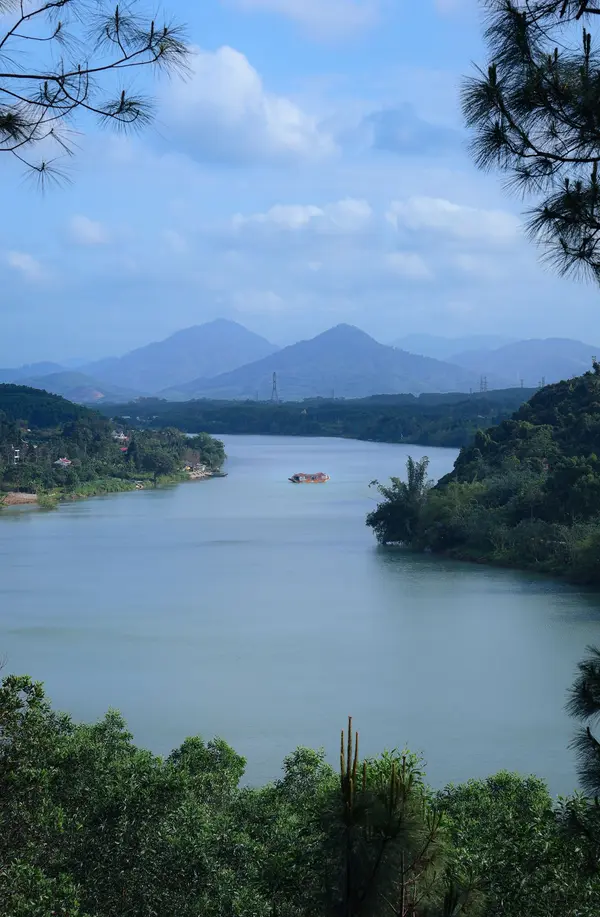
5. Perfume River
Popłyń przez historię łodzią między starożytnymi pagodami a tropikalną zielenią. Wieczorem oczarują cię magiczne światła lampionów odbijające się na ciemnej tafli wody.
Szybkie fakty: Rzeka o długości 80 kilometrów przepływa przez cesarskie miasto i uchodzi do Morza Południowochińskiego. Co roku przybywa tu ponad 4 miliony odwiedzających, aby poczuć jej spokojną atmosferę.
Najważniejsze atrakcje: Kiedyś służyła jako arteria transportowa dla królewskich flot, a na jej brzegach do dziś odbywają się tradycyjne festiwale lampionów. Podczas pełni tafla wody mieni się setkami małych pływających świeczek, które miejscowi puszczają z prądem jako życzenia szczęścia.
6. Dong Ba Market
Chcesz spróbować prawdziwego Hue? To jest miejsce, gdzie miasto żyje. Przejdź między setkami straganów, spróbuj zupy bún bò i daj się ponieść zapachowi cynamonu i trawy cytrynowej.
Szybkie fakty: Każdego dnia sprzedaje się tutaj ponad 3 000 porcji słynnej zupy bún bò Huế, którą miejscowi uważają za najlepszą w mieście. Rynek oferuje ponad 1 500 stoisk podzielonych na sekcje według towarów, od świeżych owoców morza po ręcznie haftowane jedwabne szaliki.
Najważniejsze atrakcje: W tylnej części rynku znajdziesz babcie, które nadal ręcznie wycinają orzechy betelowe w kształty kwiatów na tradycyjne ceremonie ślubne. Jest to umiejętność przekazywana z pokolenia na pokolenie. Cały proces trwa zaledwie kilka minut, a powstałe ornamenty wyglądają jak małe dzieła sztuki.
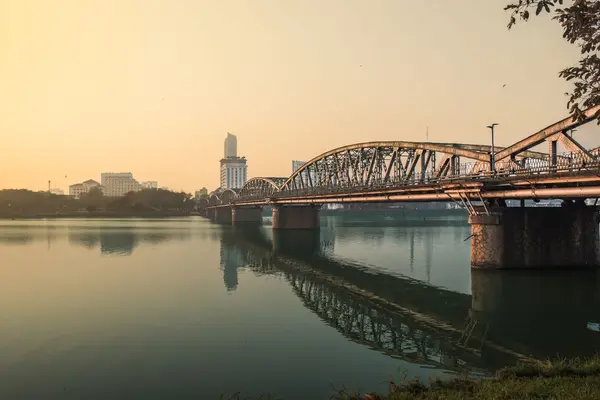
7. Trang Tien Bridge
Żaden inny most w Azji Południowo-Wschodniej nie zmienia się nocą w siedmiokolorową tęczę nad wodą. Przejdź się po nim o zmierzchu, gdy historyczne miasto odbija się w spokojnej tafli rzeki.
Szybkie fakty: Każdego wieczoru most rozświetla się na przemian w siedmiu kolorach, co codziennie przyciąga ponad 10 tysięcy odwiedzających na spacer po jego 402 metrach. Pod jego łukami przepływają dziesiątki statków wycieczkowych, które oferują widok na oświetlone miasto z rzeki Hương.
Najważniejsze atrakcje: Podczas wojny wietnamskiej most został dwukrotnie zbombardowany i za każdym razem miejscowi mieszkańcy własnymi rękami odbudowali go z oryginalnych materiałów wydobytych z rzeki. W nocy na moście spotykają się młode pary, aby przy świetle kolorowych lampek dać sobie pierwszy pocałunek, miejscowi nazywają go „mostem zakochanych”.
Where to Stay in Huế, Vietnam
Selected by City Buddy based on guest reviews and proximity to top attractions
Search all hotels in Huế, VietnamPowered by agoda
Dni otwarcia w Huế, Vietnam
Które z najważniejszych atrakcji są zamknięte w poszczególne dni tygodnia. Klasyczny pogromca wycieczek, sprawdzony za Ciebie.
Dobra wiadomość: wszystkie 5 najważniejsze atrakcje ze znanymi godzinami otwarcia są otwarte każdego dnia tygodnia.
Zamknięte w poniedziałek · 0 zamkniętych, 5 otwartych
Nic nie jest zamknięte w poniedziałek. Wszystkie 5 atrakcje ze znanymi godzinami są otwarte.
Dni otwarcia z Google Maps (sprawdzone 2026-06-14). Święta, strajki i godziny sezonowe mogą się różnić. Sprawdź oficjalną stronę przed wyjazdem.
Tradycyjne słodkie potrawy
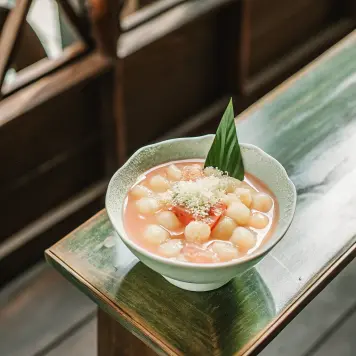
Chè Hạt Sen (Lotus Seed Sweet Soup)
This delicate dessert features tender lotus seeds from the Perfume River region. The lotus seeds are believed to have calming properties and are often served during Huế's royal festivals.
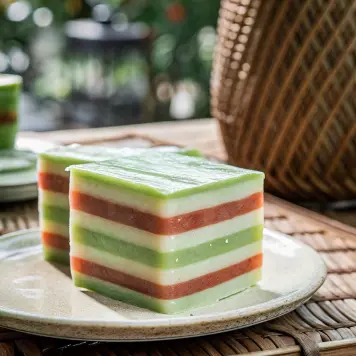
Bánh Da Lợn (Steamed Layer Cake)
This colorful layered dessert is made from tapioca flour, coconut milk, and pandan or mung bean. Each vibrant layer is steamed one at a time, creating a beautiful striped appearance.
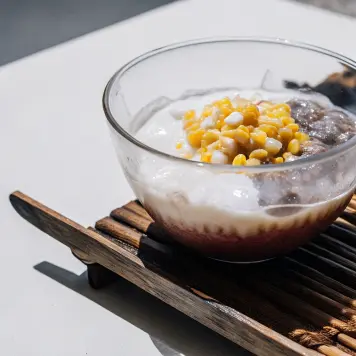
Chè Bắp (Corn Sweet Soup)
A creamy and aromatic dessert made from young corn, coconut milk, and tapioca pearls. It is a beloved street food treat in Huế and is often enjoyed warm on cool evenings.
Tradycyjne słone potrawy
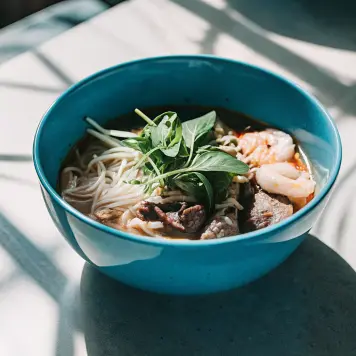
Bún Bò Huế (Huế-Style Beef Noodle Soup)
This iconic spicy beef noodle soup is the signature dish of Huế, known for its rich, lemongrass-infused broth and deep red color from annatto seeds. It is often considered the rival of Vietnam's other famous noodle soup, phở.
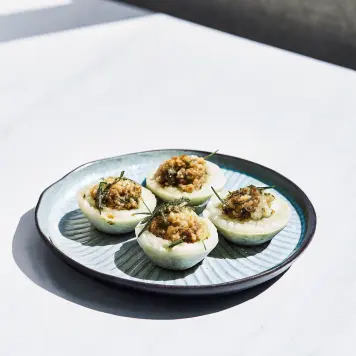
Bánh Bèo (Water Fern Cake)
These tiny, saucer-shaped steamed rice cakes are topped with minced shrimp, crispy pork skin, and scallion oil. They were originally served in the royal court of the Nguyễn Dynasty as elegant appetizers.
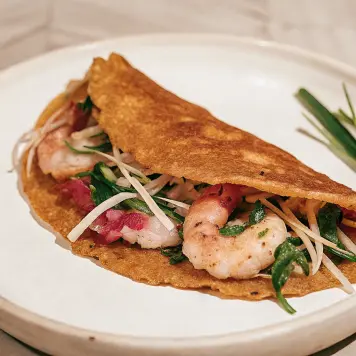
Bánh Khoái (Huế-Style Crispy Pancake)
Similar to bánh xèo but smaller and thicker, this crispy golden pancake is stuffed with shrimp, pork, and bean sprouts. It gets its name from the sizzling sound it makes when poured onto the hot pan.
Tradycyjne napoje
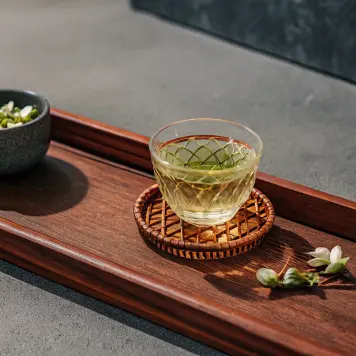
Trà Sen (Lotus Tea)
Huế is famous for its lotus-scented tea, made by layering green tea leaves with fresh lotus petals overnight. The tea absorbs the flower's fragrance and was once reserved exclusively for Vietnamese royalty.
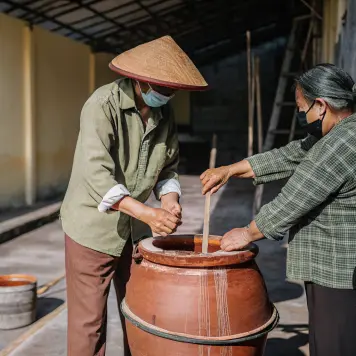
Rượu Cần (Straw Wine)
This traditional fermented rice wine is drunk through long bamboo straws from a large communal jar. It is associated with the ethnic minority groups of the Central Highlands near Huế and is a staple at festivals and celebrations.
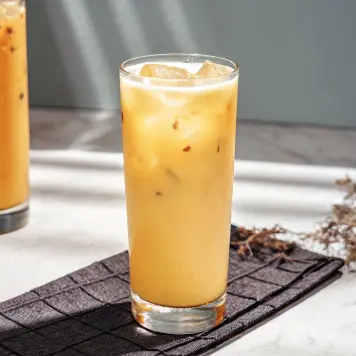
Nước Sâm (Herbal Cooling Drink)
A sweet, dark herbal tea made from various medicinal roots and plants, this drink is believed to cool the body and improve digestion. It is especially popular in Huế's hot and humid climate.
Często zadawane pytania o Huế, Vietnam
Czy Hue w Wietnamie jest bezpieczne?
Ile dni spędzić w Hue w Wietnamie?
Kiedy jest najlepszy czas na odwiedzenie Hue w Wietnamie?
Czy Hue w Wietnamie jest drogie?
Jak poruszać się po Hue w Wietnamie?
Wyślij PDF z najpopularniejszymi atrakcjami na swój e-mail
Otrzymaj PDF ze wszystkimi atrakcjami, ocenami i wskazówkami. Idealne do użytku offline.
Najpopularniejsze wycieczki jednodniowe
Hội An
Ancient charming town with lantern-lit streets and historic architecture
Đà Nẵng
Vibrant coastal city with beaches and the Marble Mountains
Phong Nha Ke Bang National Park
UNESCO site with stunning caves and karst landscapes
Lang Co Beach
Beautiful white sand beach between mountains and lagoon
My Son Sanctuary
Ancient Hindu temple complex from the Champa Kingdom
Jak dojechać
Lotniska
Stacje kolejowe
North-South Reunification Express Line connecting Hanoi and Ho Chi Minh City
From Phu Bai Airport, taxis and shuttle buses take about 30 minutes to reach Huế city center. The train station is centrally located.
Przydatne informacje dla Huế, Vietnam
Przegląd dla Huế, Vietnam
Chcesz plan dzień po dniu dla Huế, Vietnam? Otwórz planer podróży
Kiedy jedziesz do Huế, Vietnam?
Wybierz daty i styl podróży, aby otrzymać:
Czy coś z tego jest dla Ciebie szczególnie ważne?
Wybierz wszystkie, które pasują
Przemieszczanie się
Jak chcesz się przemieszczać między miejscami?
Język planu: Polski