 CityBuddy
 Português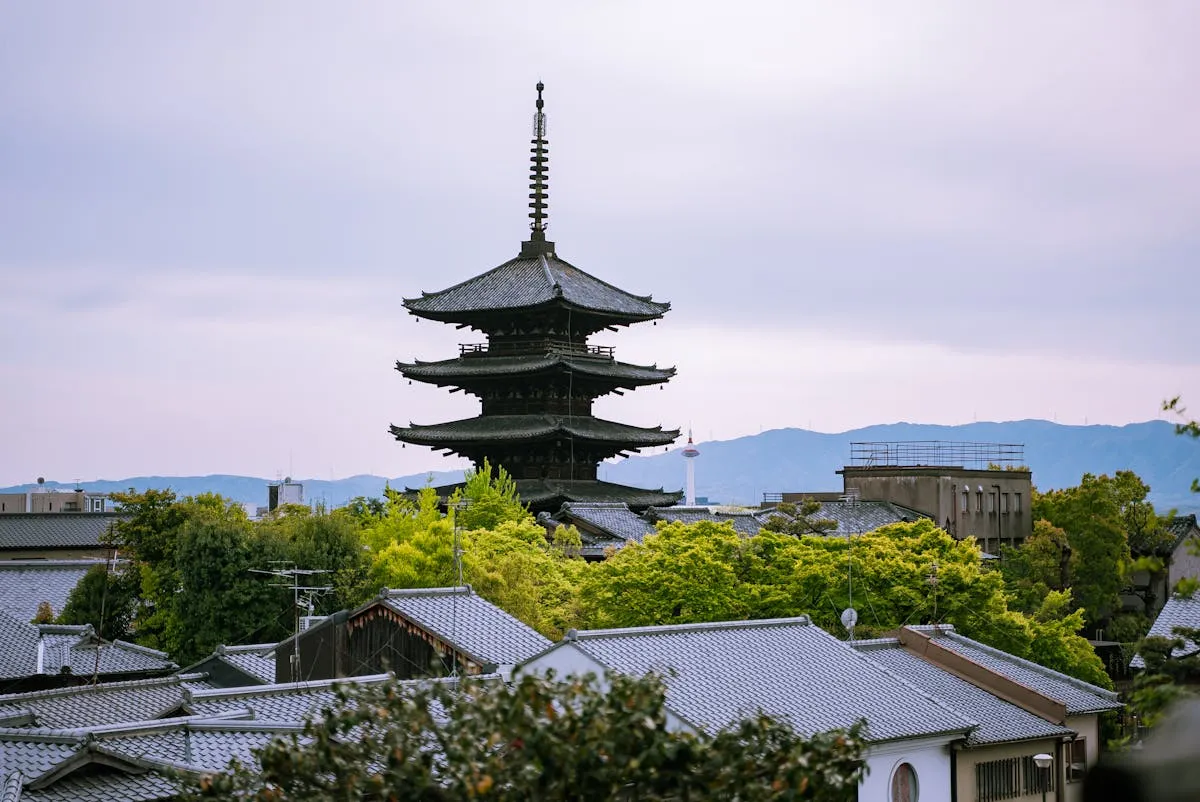
O que fazer em Kyoto, Japan
Foto feita por Satoshi Hirayama no Pexels.com
Quando visitar
Kyoto é a #4 cidade mais limpa do mundo, com base em nossos dados de centenas de destinos.
Atrações mais populares em Kyoto, Japan
Coisas para fazer em Kyoto, Japão, incluem explorar o Fushimi Inari Taisha com seus milhares de portões torii vermelhos que se estendem por 4 quilômetros montanha acima, visitar o terraço de madeira do Kiyomizu-dera que oferece vistas panorâmicas da cidade e passear pelo Bosque de Bambu de Arashiyama, um caminho florestal tranquilo ladeado por altos caules de bambu.
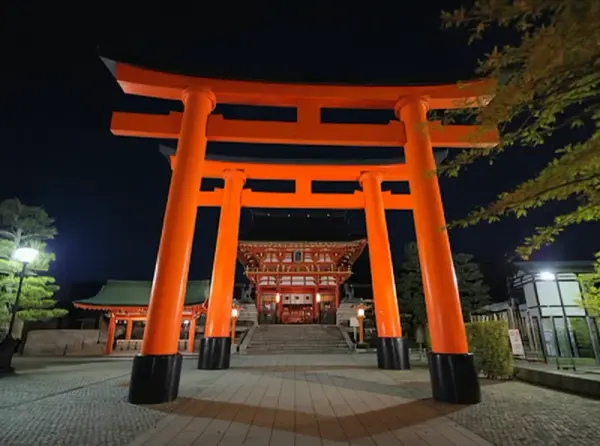
1. Fushimi Inari Taisha (伏見稲荷大社) - famous torii gate mountain shrine
Caminhe por milhares de portões torii vermelhos que sobem uma montanha tranquila e arborizada. Explore estátuas de raposas, pequenos nichos de santuários e mirantes panorâmicos ao longo da trilha.
Fatos rápidos: Entrar pelos portões vermelhos é como entrar em um corredor brilhante e sem fim, onde pilares repetidos e manchas de luz transformam uma simples caminhada em um passeio surreal, quase cinematográfico. Mais de 10.000 torii individuais alinham os caminhos, muitos gravados com os nomes dos doadores, produzindo sombras que se movimentam e passos ecoando que fotógrafos e devotos locais buscam ao nascer do sol.
Destaques: Fileiras de torii vermelhos apertam o caminho formando túnel após túnel, milhares de pilares brilhantes estampados com nomes dos doadores em kanji preto, fazendo com que a luz do sol caia em listras laranja bloqueadas enquanto cedro e incenso flutuam no ar. A trilha serpenteia pela montanha por 233 metros até o cume, pontuada por estátuas de kitsune de pedra desgastada segurando pequenas chaves na boca, uma tradição curiosa que marca o papel de cada santuário como guardião do arroz e da sorte.
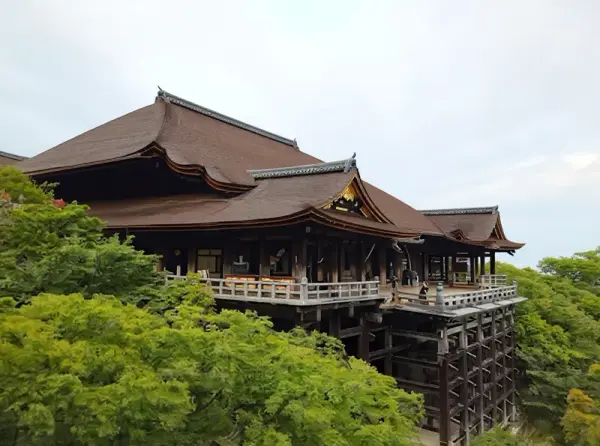
2. Kiyomizu-dera (清水寺) - historic hillside temple with wooden terrace
Situado acima de Kyoto, o Kiyomizu-dera oferece arquitetura de madeira icônica e vistas amplas da cidade. Caminhe pelo longo terraço, beba das fontes Otowa e explore caminhos iluminados por lanternas.
Fatos rápidos: Um amplo terraço de madeira se projeta sobre uma encosta íngreme, oferecendo o som de passos para o céu e vistas panorâmicas das árvores de bordo e cerejeira abaixo. Os visitantes jogam moedas em direção a uma cachoeira sagrada na esperança de que seus desejos se realizem, e as noites iluminadas por lanternas banham o complexo com um brilho quente e cinematográfico.
Destaques: Suba ao palco de madeira do templo na encosta e você sentirá as tábuas cederem levemente sob seus pés, a estrutura se projeta cerca de 13 metros sobre o vale, sustentada por aproximadamente 139 pilares de madeira entrelaçados reconstruídos em 1633 sob Tokugawa Iemitsu; você pode sentir cheiro de laca antiga e cedro no ar enquanto a brisa passa pelas árvores. Abaixo, uma cachoeira estreita se divide em três córregos e visitantes formam fila com longas xícaras de metal para beber a água mineral fria: cada córrego supostamente concede uma bênção diferente, longevidade, sucesso acadêmico ou sorte no amor, e os locais às vezes sussurram que tomar das três é considerada má etiqueta.
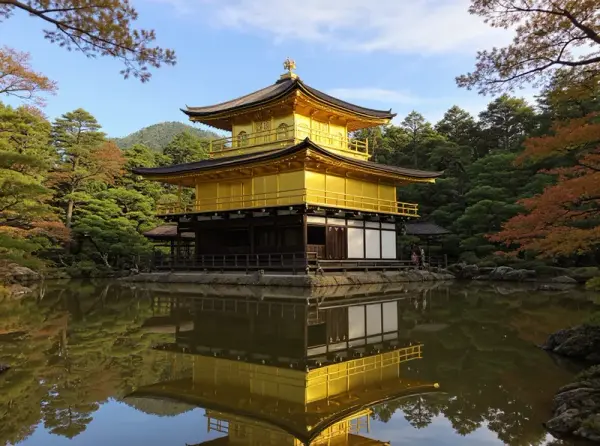
3. Kinkaku-ji (金閣寺, Golden Pavilion) - iconic gold-leaf temple
Golden Pavilion) - iconic gold-leaf temple
Um pavilhão reluzente com folhas de ouro sobre um lago espelhado, um emblema da estética refinada de Kyoto. Caminhe por caminhos cuidados, capture reflexos perfeitos e sinta séculos de influência Zen.
Fatos rápidos: Superfícies douradas captam o sol e espalham reflexos cintilantes pelo lago, fazendo cada foto parecer deliberadamente composta. Um close revela texturas delicadas de folha de ouro e trabalhos em laca, enquanto o jardim ao redor e o suave estalo dos cascalhos sob os pés completam a cena serena e quase teatral.
Destaques: Curiosidade: os dois andares superiores são na verdade cobertos com folha de ouro verdadeira, então quando o sol baixo bate no lago toda a cena brilha como metal derretido e as ondulações dos koi quebram o reflexo perfeito como um espelho. Depois que um monge incendiou o original em 1950, o pavilhão foi reconstruído cuidadosamente em 1955 seguindo o plano de três níveis da era Muromachi, e os locais ainda se alinham nos caminhos de musgo ao amanhecer para assistir a esse reflexo cintilante.
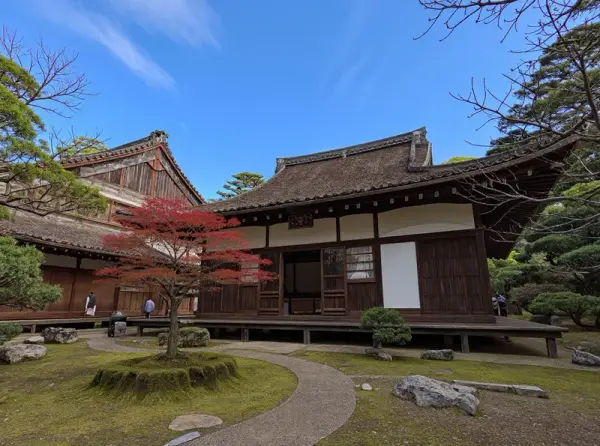
4. Ginkaku-ji (銀閣寺, Silver Pavilion) - Zen temple and moss garden
Silver Pavilion) - Zen temple and moss garden
Templo Zen elegante com jardins serenos de musgo e estética clássica de Kyoto. Caminhe por caminhos sinuosos, veja o Pavilhão Prateado e uma colina de areia esculpida.
Fatos rápidos: Você pode sentir o musgo macio sob os pés enquanto o cascalho precisamente rastelado e um cone de areia esculpido chamado Kogetsudai formam uma paisagem em miniatura que encoraja caminhadas lentas e contemplativas. Um pavilhão nomeado para prata na verdade nunca recebeu folha de prata; suas superfícies de madeira silenciosas ajudaram a codificar a estética wabi-sabi que remodelou os jardins japoneses e a cultura do chá.
Destaques: Uma tradição tranquila ali faz com que o jardineiro-chefe, Sr. Sato, lidere uma equipe de cinco a cada primavera para reparar precisamente 361 sulcos rastelados na areia prata representando ondas, um padrão restaurado pela última vez em 2005 após danos causados por tempestades. A lenda diz que o austero pavilhão de dois andares nunca foi revestido em prata conforme planejado por Ashikaga Yoshimasa em 1489, e o contraste entre a madeira escura envernizada e o musgo verde vívido, que cheira levemente a pedra molhada após a chuva, é o que mais surpreende as pessoas.
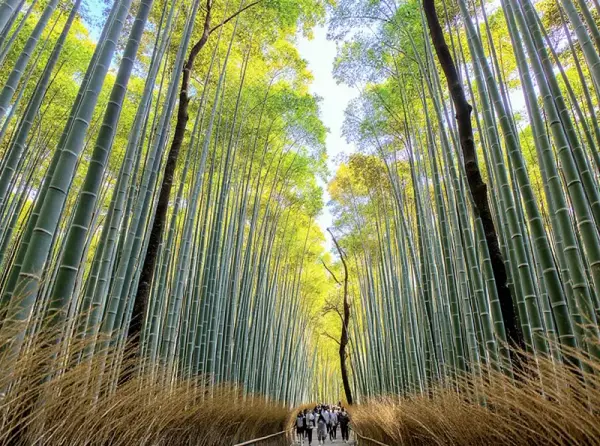
5. Arashiyama Bamboo Grove (Sagano Bamboo Forest) - scenic bamboo walk
Bambus altos formam um corredor calmo e quase mágico em Kyoto. Caminhe por um caminho sombreado de verde sussurrante e tire fotos dramáticas entre os raios de luz.
Fatos rápidos: Gigantescos caules de bambu amontoam o caminho, seus troncos ocos batendo suavemente como um sopro distante de madeira quando o vento passa. Mais de 500 metros de passarelas sinuosas atraem milhares todos os dias, mas uma visita ao amanhecer geralmente recompensa com quase silêncio e uma luz verde jade estranha filtrando pela copa.
Destaques: Ande pelo estreito corredor de 500 metros ao amanhecer e você sentirá o ar esfriar enquanto gigantescos caules de bambu, alguns com mais de 20 metros de altura, balançam acima e criam um canto metálico oco quando o vento passa pelos colmos. Dizem os locais que o som combina perfeitamente com um único tocador de shakuhachi ao nascer do sol, um costume mais silencioso mantido por alguns artistas que preferem o bosque para prática matinal.
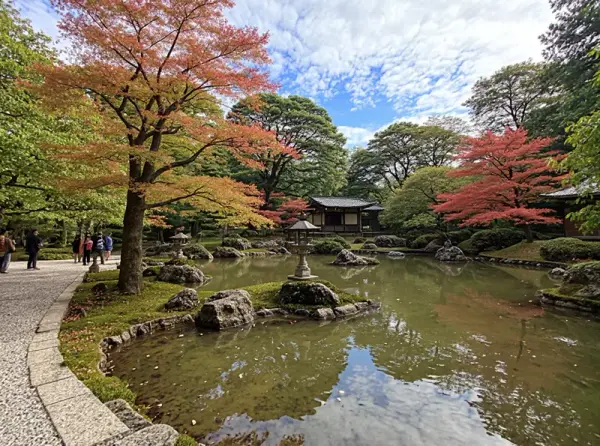
6. Ryoan-ji (龍安寺) - renowned Zen rock garden
Jardim de pedras Zen mundialmente famoso que mostra design minimalista e séculos de ritual silencioso. Sente-se na varanda de madeira e observe a cascalheira rastelada, o musgo e quinze pedras cuidadosamente colocadas.
Fatos rápidos: Sente-se na varanda baixa de madeira e você perceberá que a cena de pedra e cascalho foi projetada para ser estudada a partir de uma posição sentada e meditativa, fazendo do espaço negativo a estrela. Mudanças sutis na perspectiva escondem ou revelam pedras, transformando o rastelado ritual em uma performance silenciosa e inesperadamente expressiva.
Destaques: Um retângulo preciso de cascalho branco esconde quinze pedras dispostas tão deliberadamente que, de qualquer assento na varanda de madeira, apenas quatorze estão visíveis ao mesmo tempo, o que os visitantes adoram contar e discutir. Jardineiros rastelam o cascalho em ondas que lembram o oceano todas as manhãs, e o musgo ao redor, o suave incenso e o leve ruído das sandálias tornam o silêncio algo que você pode literalmente entrar.
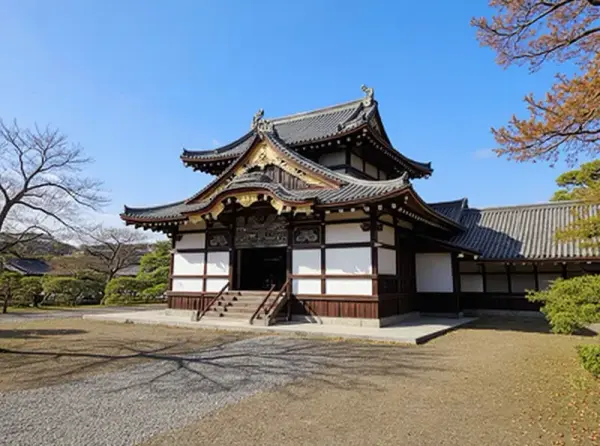
7. Nijo Castle (二条城) - Edo-period castle with nightingale floors
Entre na Kyoto da era dos samurais dentro de um palácio xógum ricamente decorado. Caminhe sobre pisos que rangem e admire portas deslizantes pintadas e jardins passeantes.
Fatos rápidos: Passeie por corredores de madeira com sulcos e você ouvirá trinados melódicos sob seus pés, um truque acústico inteligente que avisava os guardas sobre intrusos. Painéis pintados ricos e jardins amplos encenam dramas silenciosos; um único ato político ali mudou o poder do país e o curso da história.
Destaques: Pise com cuidado e as tábuas chiarão sob seus pés, um trinido brilhante, parecido com pássaros, produzido quando finas pranchas esfregam contra grampos de cobre e pregos ocultos, de modo que um único passo pode desencadear uma dúzia de pequenos trinados metálicos. Em uma câmara com painéis de ouro, o último xogum, Tokugawa Yoshinobu, formalmente devolveu o poder ao Imperador em 1867, uma cerimônia silenciosa cujo silêncio se torna estranho quando você fica onde ele esteve.
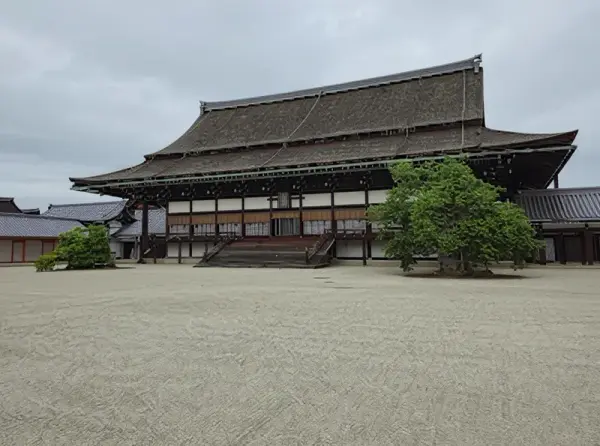
8. Kyoto Imperial Palace (京都御所) - historic residence of the imperial family
Mergulhe em séculos de história imperial dentro de jardins murados tranquilos. Explore salões elegantes de madeira, amplos gramados e arquitetura refinada do palácio em um roteiro guiado.
Fatos rápidos: Passar pelos grandes portões é como entrar em um pergaminho vivo, onde salões envernizados, pilares vermelhos e cascalho meticulosamente rastelado criam uma atmosfera de calma cerimonial. Tours guiados revelam detalhes surpreendentes: muitos edifícios ainda são destinados a funções formais da corte, e as proporções medidas do local foram ajustadas para ritos que governavam a vida imperial diária.
Destaques: Atrás dos pilares vermelhos envernizados você encontrará uma surpresa: o salão cerimonial principal ainda abriga o trono dourado Takamikura da entronização, um assento em miniatura parecido com um santuário, revestido com folha de ouro e laca, que costumava ser o foco de cerimônias frequentadas por centenas de cortesãos. Caminhe pelos jardins aparados e você sentirá cheiro de pinho e pedra molhada, enquanto os feixes de cedro sobre a cabeça rangem o mesmo silêncio que os cortesãos ouviam durante as procissões da era Heian.
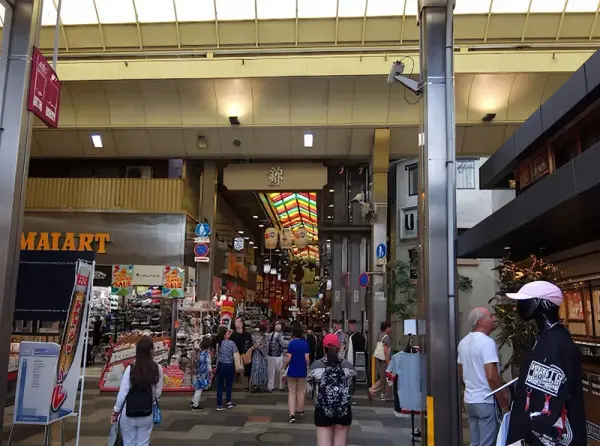
9. Nishiki Market (錦市場) - lively food market in downtown Kyoto
Um banquete sensorial da cultura alimentar de Kyoto em uma animada arcada coberta. Experimente frutos do mar frescos, picles e petiscos de rua enquanto conversa com vendedores amigáveis.
Fatos rápidos: Um labirinto de corredores estreitos explode em cores e cheiros apimentados, onde vendedores vendem de frutos do mar grelhados e conservas a doces no estilo Kyoto. Os visitantes podem provar dezenas de especialidades em pequenos pedaços em menos de uma hora, e barracas familiares que existem há muito tempo ainda guardam receitas secretas passadas entre gerações.
Destaques: Caminhe pelo corredor coberto estreito e vendedores apertarão um espetinho de lula grelhada quente em sua mão, vapor e esmalte doce de soja subindo enquanto mais de 100 pequenas lojas oferecem conservas, tofu fresco e frutos do mar para que você possa experimentar uma dúzia de delícias em um curto passeio. Entre na loja de facas Aritsugu e assista a um mestre afiar a lâmina de um chef à mão, faíscas e metal tilintando sob a luz quente da lanterna, uma arte secular ainda exibida diariamente.
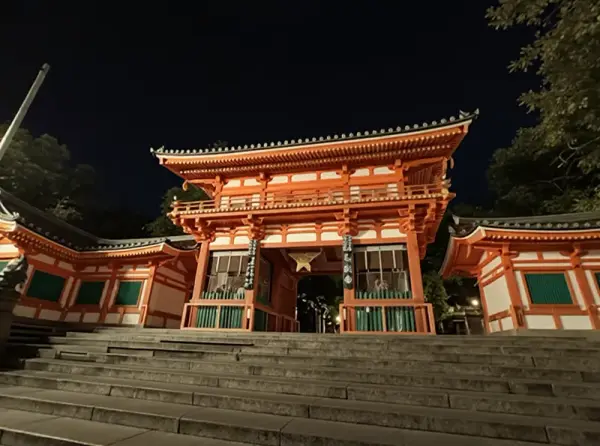
10. Gion District (祇園) - historic geisha district, including Hanami-koji and Yasaka Shrine
Entre no bairro das gueixas de Kyoto onde casas de chá de madeira iluminadas por lanternas preservam séculos de tradição. Caminhe por Hanami-koji, aviste figuras de quimono e visite o animado Santuário Yasaka.
Fatos rápidos: A luz das lanternas brilha sobre as machiyas de madeira polida enquanto maikos deslizam por um estreito beco de pedra ladeado por casas de chá, fazendo as noites parecerem cinematográficas. Um vibrante santuário xintoísta na margem leste do bairro atrai procissões ruidosas no verão e milhares de lanternas penduradas, criando um contraponto animado ao silêncio refinado das casas de chá do distrito.
Destaques: Ao anoitecer, os estreitos becos de madeira se enchem do cheiro de yakitori e carvão enquanto lanternas de papel vermelhas projetam manchas de luz, e você pode, de vez em quando, ver maikos em quimonos multicamadas, sua maquiagem branca e flores kanzashi brilhando enquanto tamancos de madeira clicam nas pedras. Um santuário fundado em 656 d.C. ancora um festival anual em julho onde enormes carros alegóricos decorados chamados yamaboko são puxados por equipes de moradores, um ritual secular que transforma os becos silenciosos em um desfile de tambores e fumaça de incenso.
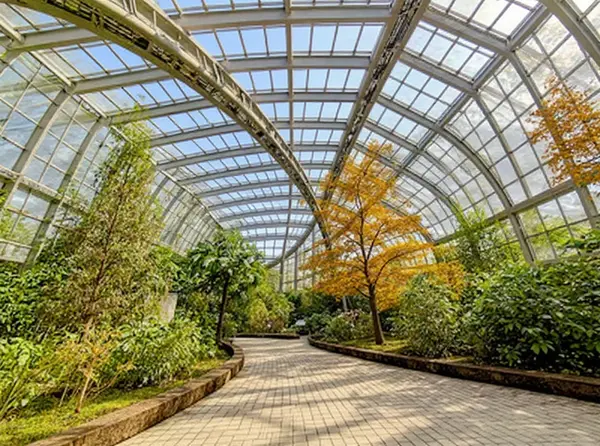
11. Visit Kyoto Botanical Gardens
Descubra mais de 12.000 espécies de plantas em um jardim extenso. Experimente lagos serenos com carpas e uma deslumbrante coleção de rosas.
Fatos rápidos: Explore um jardim com mais de 12.000 espécies de plantas espalhadas por 24 hectares. Os visitantes passeiam por uma estufa gigante que abriga plantas tropicais e subtropicais, uma experiência rara em uma cidade temperada como Kyoto.
Destaques: O jardim possui uma roseira com cerca de 700 variedades, perfeita para fotos vívidas e coloridas. Um lago pacífico com peixes koi reflete a vegetação ao redor, criando um local sereno apreciado por artistas e fotógrafos.
O que reservar antecipadamente em Kyoto
Estes esgotam ou precisam de reserva. Reserve-os primeiro, por esta ordem.
- 1.Kyoto Imperial Palace (京都御所) - historic residence of the imperial familyReserve 3 dias antesAlguns dias a uma semana de antecedência Verificar disponibilidade
Where to Stay in Kyoto, Japan
Selected by City Buddy based on guest reviews and proximity to top attractions
Search all hotels in Kyoto, JapanPowered by agoda
Dias de abertura em Kyoto, Japan
Quais das principais atrações fecham em qual dia da semana, o clássico estraga-planos, verificado para você.
segunda-feira: 1 de 10 atrações principais fechadas. Planeje museus para outro dia.
Fechado em segunda-feira · 1 fechado, 9 aberto
Dias de abertura do Google Maps (verificado em 2026-03-18). Feriados, greves e horários sazonais podem variar. Verifique o site oficial antes de ir.
Pratos doces tradicionais
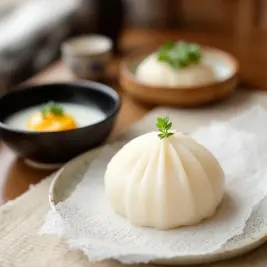
Mochi
Kyoto mochi is traditionally pounded by hand at festivals, producing a glossy, elastic texture that symbolizes good fortune and community spirit.
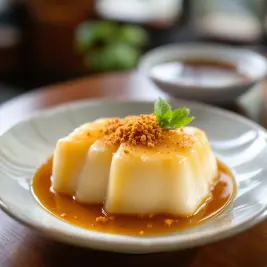
Yatsuhashi
Yatsuhashi is a cinnamon-flavored Kyoto sweet shaped like a folded triangle, and the soft unbaked version wrapped around sweet red bean paste is a must-try local specialty.
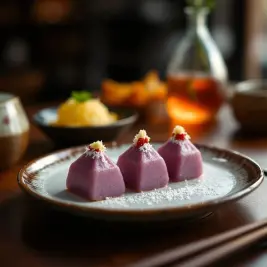
Wagashi
Kyoto wagashi are miniature seasonal landscapes you can eat, crafted to mirror flowers, leaves and festivals and designed to complement the bitterness of matcha during tea ceremonies.
Pratos salgados tradicionais
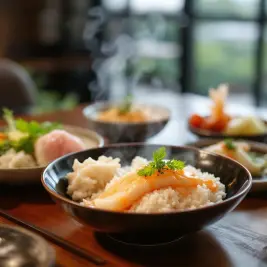
Kaiseki
Kaiseki in Kyoto is a poetic multi-course meal where each dish is arranged like a painting, highlighting one perfect seasonal ingredient and a delicate balance of taste and texture.
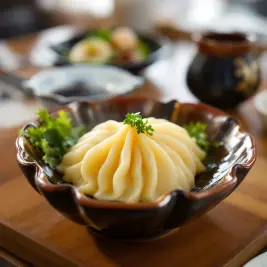
Yudofu
Yudofu is humble simmered tofu served near Kyoto temples, often enjoyed straight from the pot in a kelp-infused broth to celebrate simplicity, purity and the monk's palate.
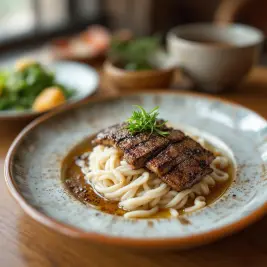
Obanzai
Obanzai is Kyoto's home-style cooking, made from small, seasonal ingredients sourced within the city and prepared with techniques passed down through generations, it embodies sustainable, everyday elegance.
Bebidas tradicionais

Matcha
Kyoto's matcha, especially from Uji, is prized for its bright green color and savory umami, and in the tea ceremony it is whisked into a froth to create a meditative moment of flavor and focus.

Sake
In Kyoto's Fushimi district the soft groundwater creates silky, mellow sake, and centuries-old breweries still use traditional wooden fermentation methods to produce nuanced flavors.
Saiba antes de ir
Quanto custa um dia em Kyoto e os golpes para evitar
Custo por pessoa por dia
Principais golpes para evitar
- Motoristas sem licença perto das estações. Use o ponto de táxi oficial e pegue um táxi com taxímetro; confirme se o taxímetro está funcionando antes da partida.
- Olheiros que levam a restaurantes com comissão. Recuse convites de olheiros na rua; escolha locais com cardápios e preços visíveis na entrada.
- Casas de câmbio com taxas ruins. Use caixas eletrônicos de bancos; se precisar trocar dinheiro, compare as taxas antes e evite casas de câmbio estilo contagem regressiva.
Taxi justo do aeroporto: 9 000 ¥ - 15 000 ¥ (51 € - 85 €)
Opção mais barata: Trem limitado expresso Haruka até a Estação de Kyoto (3 000 ¥)
Todos os golpes, preços justos e regrasPerguntas frequentes sobre Kyoto, Japan
Melhor época para visitar Kyoto, Japão?
Kyoto, Japão é segura para viajantes?
Kyoto, Japão é caro para visitar?
Como se locomover em Kyoto, Japão?
Água da torneira é segura para beber em Kyoto, Japão?
Receba um PDF com as atrações mais populares no seu e-mail
Receba um PDF com todas as atrações, avaliações e dicas. Perfeito para uso offline.
Passeios de um dia mais populares
Nara
Ancient temples and friendly free-roaming deer in Nara Park.
Osaka
Vibrant food, nightlife, and Osaka Castle.
Himeji
Home of Himeji Castle, Japan's best-preserved castle.
Amanohashidate
Scenic sandbar with classic 'view from above' lookout.
Como chegar
Aeroportos
Estações de trem
JR Tokaido/Sanyo Shinkansen, JR lines, Kintetsu connections
Keihan & Hankyu connections to Kyoto center
From KIX take the JR Haruka limited express or airport limousine bus to Kyoto Station.
Informações úteis para Kyoto, Japan
Visão geral de Kyoto, Japan
Compare Kyoto com outros destinos
Preços, segurança, clima e principais atrações lado a lado, com uma recomendação para cada tipo de viajante.
Quer um plano dia a dia para Kyoto, Japan? Abra o planejador de viagem
Quando você vai para Kyoto, Japan?
Escolha suas datas e estilo de viagem para receber:
Algum destes é especialmente importante para você?
Selecione todos que se aplicam
Como se locomover
Como você quer se deslocar entre os lugares?
Idioma do plano: PortuguêsMost popular itineraries for Kyoto, Japan
Browse trip plans created by other travelers
5-Day Relaxed Cultural and Culinary Journey in Kyoto
A comfortable-paced exploration of Kyoto's iconic landmarks, cultural sites, scenic walks, food markets, and local cuisine experiences over five spring days.
2-Day Autumn Exploration in Kyoto's Timeless Beauty
Immerse yourself in Kyoto's autumn charm with a perfect blend of historic temples, scenic walks, vibrant markets, and local experiences that capture the spirit of the season.
3-Day Autumn in Kyoto: Temples, Traditions, and Tranquility
Experience Kyoto's stunning autumn colors with temple visits, traditional experiences, and scenic strolls that capture the city's timeless charm.
4-Day Kyoto for Offbeat Culture and Food Explorers
Discover Kyoto's hidden gems and authentic local experiences through secret viewpoints, neighborhood eateries, ancient sites, and vibrant underground scenes this spring.