 CityBuddy
 English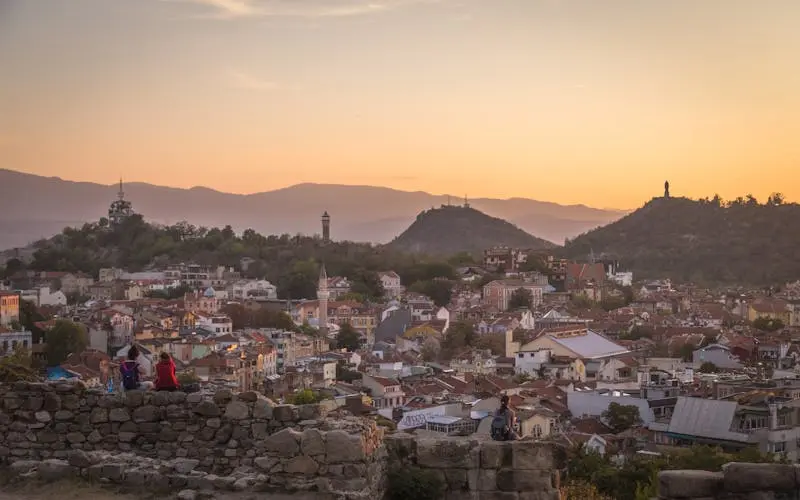
Things to Do in Plovdiv, Bulgaria
Photo made by Anton Atanasov on Pexels.com
When to visit
Plan your perfect trip to Plovdiv, Bulgaria
Get a complete travel plan built just for you in under 30 seconds, with daily routes, local food tips, budget estimates and more.
Are any of these especially important to you?
Select all that apply
Plan language: EnglishMost popular attractions in Plovdiv, Bulgaria
If you are looking for things to do in Plovdiv, Bulgaria, an ancient city with exceptional landmarks awaits you. Take a walk through the old town center, where the 1st-century Ancient Theater of Philippopolis is located, which can seat up to 5,000 spectators. Be sure to also visit Nebet Tepe hill with its unique view, as well as the creative Kapana district with its charming streets.
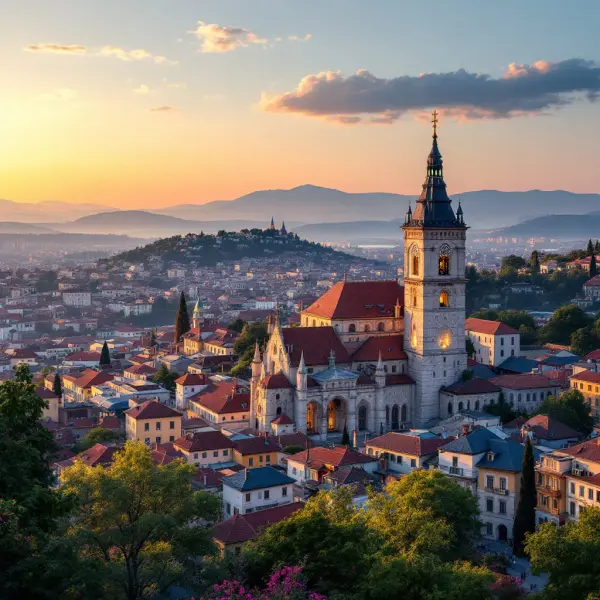
1. Old Town
Plovdiv
The old town center is like an open-air museum, where every corner tells a story. You will stroll along cobblestone streets among colorful houses full of art, wine, and vibrant creativity.
Quick facts: Here, Thracian, Roman, Byzantine, and Ottoman influences intertwine, creating a unique historical tapestry. Over 200 houses from the Bulgarian National Revival period have been turned into art galleries, workshops, and museums.
Highlights: Beneath the surface of the cobblestone streets lies one of the best-preserved Roman stadiums in the Balkans, which once hosted 30,000 spectators. As you walk along the main street in the evening, you can see ancient stone stands through glass floors, lying just three meters beneath your feet.
2. Ancient Theatre of Philippopolis
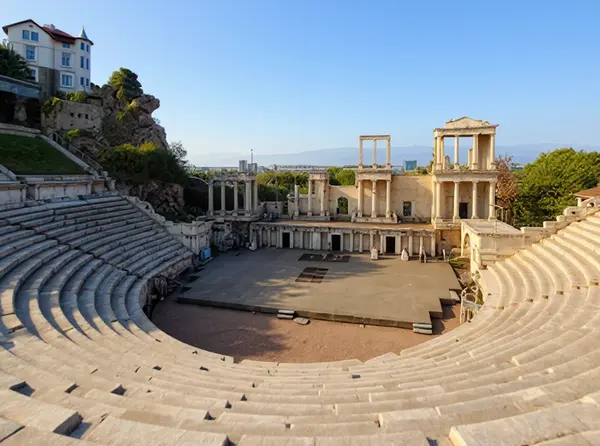
One of the best-preserved Roman theaters in the Balkans with surprisingly modern acoustics. You will sit on a stone nearly two millennia old and watch a performance under the stars.
Quick facts: Its 28 rows of Moorish marble seats hold over 5,000 spectators, and the acoustics are so precise that you can hear a match being lit on stage from the back row. The theater was only discovered in the 1970s during routine archaeological excavations, and then fully restored in a project lasting over a decade.
Highlights: During summer evenings, the 1,800-year-old stone warms up to a pleasant 30 degrees, so the audience often sits on original Roman seats without feeling cold. The theater has a unique southern orientation, meaning the sun sets directly behind the audience during performances, creating golden light on the stage.
3. Nebet Tepe
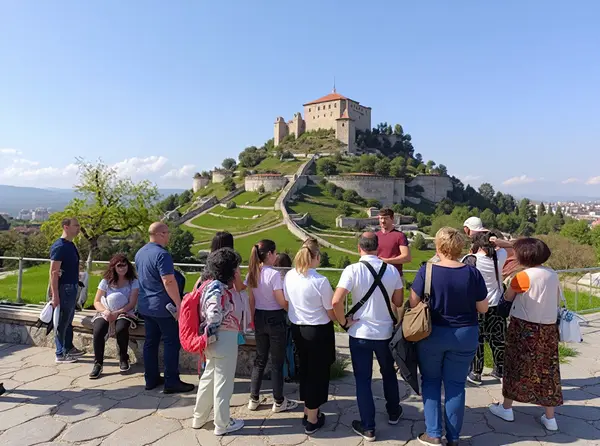
Step onto the hill where the city's history began. Admire the 360-degree view of red rooftops and ancient walls that breathe in every season.
Quick facts: Perched on three hills, this is the oldest part of the city, where people have lived for 8,000 years. Thracians, Macedonians, and Romans left their marks here, and today it is a popular gathering place with stunning views.
Highlights: Beneath the floors of the ancient fortress lie layers of five different civilizations, which you can observe through glass panels in the ground. Most surprisingly, you can enjoy a coffee amidst the ruins and watch the sunset just as Roman senators did 2,000 years ago.
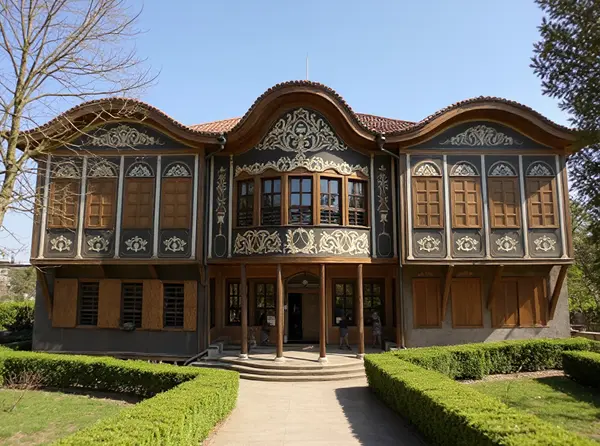
4. Ethnographic Museum
The largest ethnographic treasury in Bulgaria takes you into the heart of Balkan heritage. Walk through four centuries of folk tradition, from colorful costumes to ancient crafts.
Quick facts: With an exhibition of over 40,000 items, it tells the story of Bulgaria's rich heritage from the 15th to the 20th century. The focus is on exceptional collections of folk costumes, musical instruments, and traditional crafts that bring the daily life of past generations to life.
Highlights: One of the most charming parts is the collection of over 2,000 traditional costumes, some of which are decorated with more than 2 kilograms of silver coins. It is these details that tell stories about status, wealth, and wedding customs that you will not find in any tourist guide.
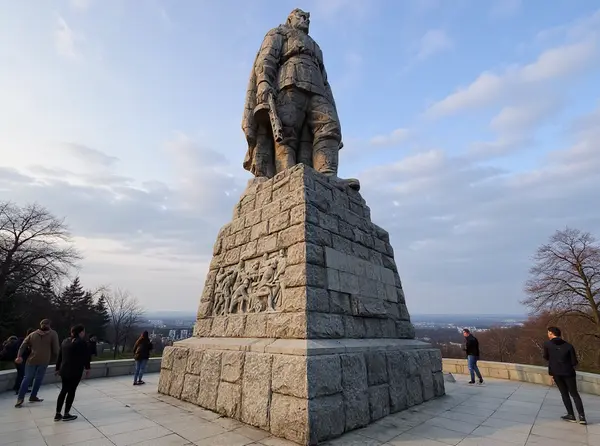
5. Alyosha Monument
The view from Bunardzhik Hill stretches across all of Plovdiv to the Rhodopes. At the top, an 11.5-meter stone soldier awaits you with a story that unites the city.
Quick facts: On the 156-meter-high Bunardzhik Hill stands an 11.5-meter statue of a soldier with a rifle pointed eastward. The people of Plovdiv affectionately call it Alyosha, after the hero from a Russian song about a Soviet soldier.
Highlights: Every spring, thousands of Plovdiv residents gather at the foot of the statue for the traditional celebration of Liberation Day, where the wind carries the scent of linden trees and flowers. At night, powerful spotlights illuminate the statue so that its shadow stretches across half the city.
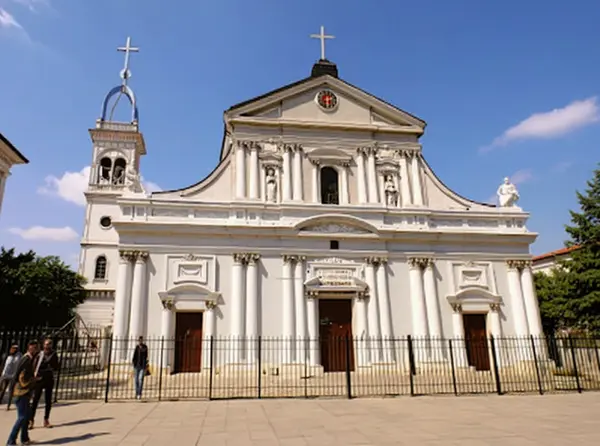
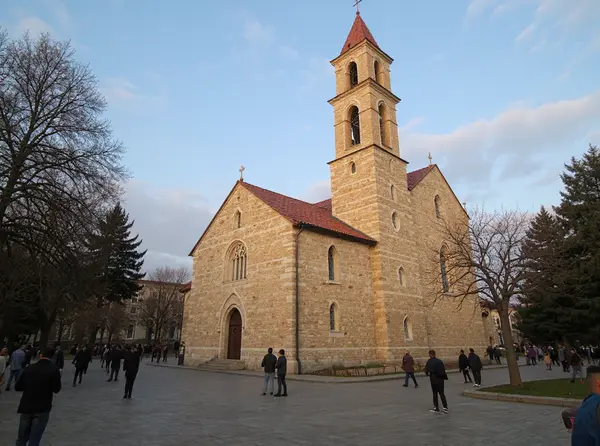
6. St. Louis Cathedral
A magnificent neo-Gothic facade greets you in the heart of Plovdiv's old town. Inside, you will admire hand-painted stained glass and a breathtaking marble altar.
Quick facts: The Catholic Cathedral of St. Louis in Plovdiv is the largest Catholic church in Bulgaria and the second largest in the entire Balkan Peninsula. Its history dates back to the 1840s, when it was built by French Catholic missionaries, and its bell tower stands 44 meters tall.
Highlights: Inside, you are surprised by a stunning Baroque altar made of white marble, brought all the way from Italy. Beneath the cathedral lies a secret crypt with a collection of ancient reliefs and frescoes discovered during the renovation in 2002.
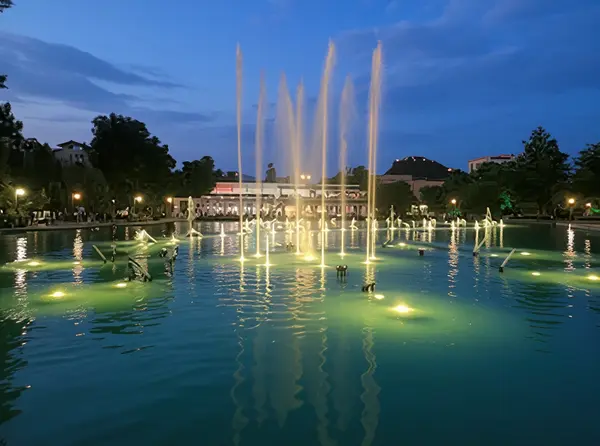
7. The Singing Fountains
The only water-and-light spectacle in Bulgaria, enchanting locals and travelers every evening. Walk through a veil of water droplets while pulsing lasers and sound waves surround you.
Quick facts: Water, light, and music merge into a perfectly synchronized show, where a 200-meter water curtain is followed by colorful laser effects. Every evening at 9 p.m., hundreds of people gather at the main square to watch the 30-minute spectacle.
Highlights: The water jets rise up to 40 meters high and dance to the rhythm of classical music, pop songs, and even movie soundtracks. A special feature is Friday night, when local DJs mix music live and the fountains improvise along with them, something you do not see everywhere.
8. Bishop's Basilica of Philippopolis
Step onto the glass platform above the largest Roman mosaic in Bulgaria. Walk through history, where the floor is nearly 1700 years old and you look at it from above.
Quick facts: Beneath ancient glass lies 2,000 square meters of colorful mosaics, most of which are preserved in their original form from the 4th century. The basilica floor plan is 83 meters long, making it one of the largest early Christian churches in the Balkan Peninsula.
Highlights: You walk from a bird's-eye view above 2,000-year-old mosaics depicting geometric patterns and floral motifs in vivid shades of red, green, and gold. Each pattern is unique; archaeologists believe they were laid by masters from different parts of the Roman Empire, so no two square meters are the same.
Where to Stay in Plovdiv, Bulgaria
Selected by City Buddy based on guest reviews and proximity to top attractions
Search all hotels in Plovdiv, BulgariaPowered by agoda
Traditional Sweet Dishes

Kozunak
Kozunak is a sweet, braided Easter bread enriched with eggs, butter, and sugar. It is traditionally decorated with colored hard-boiled eggs pressed into the dough before baking.
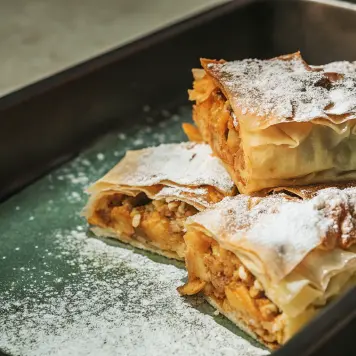
Banitsa with Pumpkin
This popular autumn dessert uses layers of thin phyllo dough filled with sweet pumpkin and walnuts. It is often dusted with powdered sugar and cinnamon for extra flavor.

Tikvenik
Tikvenik is a traditional Bulgarian pastry made from rolled phyllo dough filled with grated pumpkin, sugar, and walnuts. It is a beloved comfort dessert especially enjoyed during the colder months.
Traditional Savory Dishes
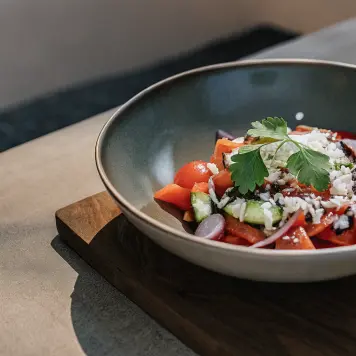
Shopska Salata
This iconic Bulgarian salad features tomatoes, cucumbers, onions, peppers, and white brine cheese called sirene. It originated in the 1960s and was named after the Shopi people who inhabit the region around Sofia and Plovdiv.

Kebapche
Kebapche is a grilled minced meat sausage seasoned with cumin, black pepper, and salt. It is a staple of Bulgarian barbecue and is often served with a side of fresh Shopska salad and fries.

Patatnik
Patatnik is a traditional potato and cheese dish from the Plovdiv and Rhodope region. It is made with grated potatoes, onions, eggs, and mint, then baked until golden and crispy.
Traditional Beverages
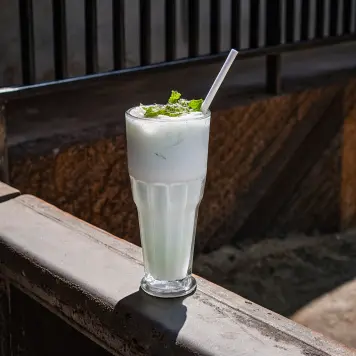
Ayran
Ayran is a cold, savory yogurt drink mixed with water and a pinch of salt. It is a classic refreshment throughout Bulgaria and is especially popular alongside grilled meats and heavy meals.

Mastika
Mastika is a strong anise-flavored alcoholic liqueur that turns milky white when water is added. It is considered Bulgaria's national spirit and is often enjoyed as an aperitif or with meze dishes.
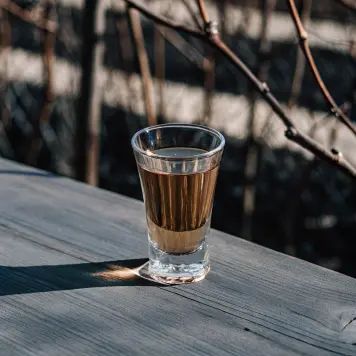
Grozdeva Rakiya
Grozdeva Rakiya is Bulgaria's traditional grape brandy, often homemade and deeply rooted in local culture. Plovdiv and its surrounding region are famous for producing some of the finest rakiya in the country.
Frequently Asked Questions about Plovdiv, Bulgaria
Is Plovdiv safe for tourists?
How many days do I need to visit Plovdiv?
When is the best time to visit Plovdiv?
Is Plovdiv expensive for tourists?
How to get around Plovdiv?
Get a PDF with the most popular attractions sent to your email
Get a PDF with all attractions, ratings, and tips. Perfect for offline use.
Most popular day trips
Sofia
Bulgaria's capital city with rich history, museums, and vibrant nightlife.
Koprivshtitsa
A charming historic town with colorful 19th-century houses and cobblestone streets.
Bachkovo Monastery
One of Bulgaria's largest and oldest Eastern Orthodox monasteries.
Asen's Fortress
Medieval fortress ruins perched on a rocky hill with panoramic views.
Pamporovo
Popular ski resort town in the Rhodope Mountains with winter sports.
Rent a car in Plovdiv, Bulgaria
Getting there
Train stations
Sofia to Burgas line, Istanbul Express, and domestic routes.
From Plovdiv Airport take a taxi or bus to the city center (15 min). From Sofia Airport take a train or bus to Plovdiv (about 2 hours).
Find flights to Plovdiv, Bulgaria
Click to get eSim for Plovdiv, Bulgaria
The easiest and most affordable way to get mobile internet wherever you travel.
Comments (6)
Plovdiv surprised me. The old town is charming but the hills nearly killed me. Great food everywhere though.
Most museums are closed on Mondays. We learned that the hard way. Plan your cultural days carefully.
Wish we had stayed longer than 2 days. The streets are full of history and the cafes are perfect for people watching.
Weather was perfect in September. Not too hot. Found the city super walkable and felt safe even at night.
Skip the restaurants right on the main pedestrian street. Walk into Kapana district for better food and half the price.