 CityBuddy
 English
Things to Do in Çanakkale, Turkey
Photo made by Ersan Yılmaz on Pexels.com
When to visit
Plan your perfect trip to Çanakkale, Turkey
Get a complete travel plan built just for you in under 30 seconds, with daily routes, local food tips, budget estimates and more.
Are any of these especially important to you?
Select all that apply
Plan language: EnglishMost popular attractions in Çanakkale, Turkey
If you are looking for things to do in Çanakkale, Turkey, start with the massive Trojan Horse replica that towers near the waterfront, a nod to the city's ancient mythology. The 15th century Kilitbahir Castle stands guard across the Dardanelles, its seven tower walls visible from the promenade. Inside Çimenlik Castle, the Çanakkale Naval Museum displays artifacts from the 1915 Gallipoli campaign, including a recovered sea mine and model warships.
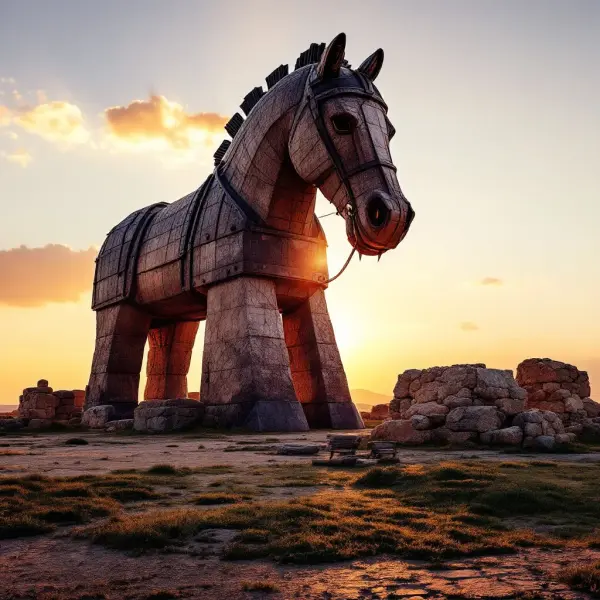
1. Trojan Horse
Stand inside the same wooden giant used in Hollywood's epic retelling of the Trojan War. Climb up through its hidden interior for panoramic views of the waterfront and imagine 15 actors packed inside during filming.
Quick facts: Rising 30 meters high, the wooden horse was built using materials from a 1975 Turkish film set and weighs about 11 tons. It took 100 days for a team of 15 craftsmen to construct, using 2,000 planks of pine and fir.
Highlights: Most people don't realize this horse was built for the 2004 movie "Troy" starring Brad Pitt, not the ancient myth itself. You can actually climb the ladder inside its legs up to a viewing platform where the original archers would have stood during filming.
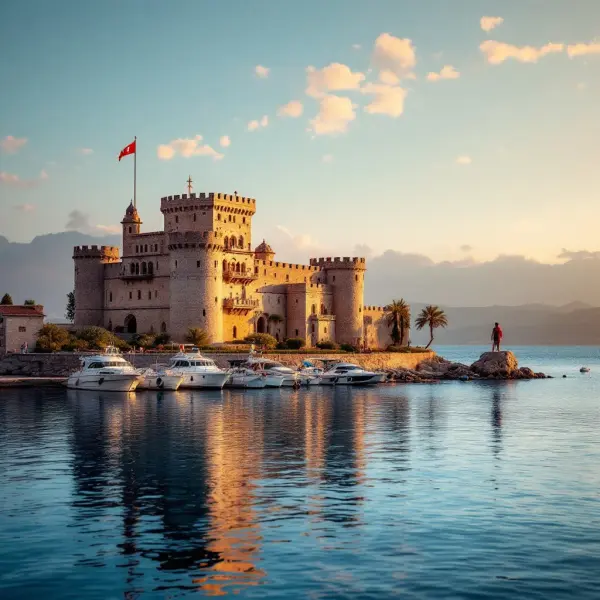
2. Kilitbahir Castle
Watch the Dardanelles churn beneath a fortress whose clover-leaf walls made it the most formidable maritime defense of its age. Climb the spiral staircases inside 12-meter thick walls and feel the sea breeze through ancient cannon ports.
Quick facts: Perched on the European shore of the Dardanelles Strait, this clover-leaf shaped fortress took just 94 days to construct in the 15th century. Its three-tiered walls and four watchtowers were designed with such precision that cannonballs would ricochet off the angled ramparts instead of breaching them.
Highlights: Most visitors don't realize the castle's unique three-leaf clover design was specifically engineered to create deadly crossfire zones, meaning any ship sailing through the Dardanelles would be pounded from three directions simultaneously. Stand at the central tower and you can trace how every cannon placement was calculated to leave no blind spot in the strait below.
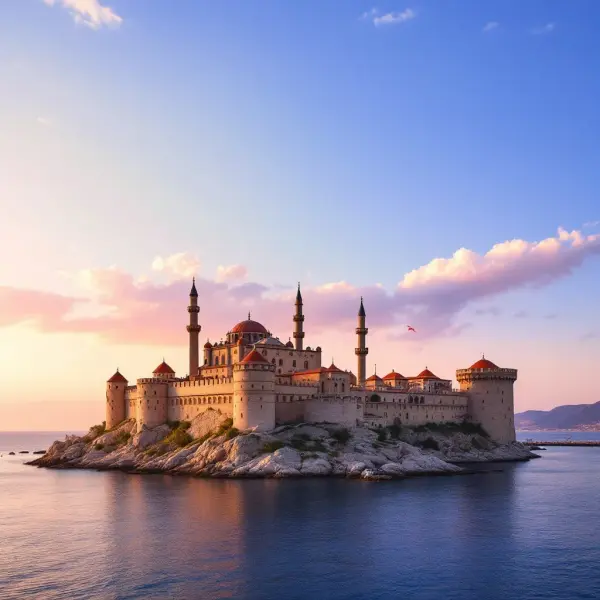
3. Çimenlik Castle
Stand where Ottoman cannons once controlled the Dardanelles strait, with sweeping water views that made this fortress a strategic powerhouse for centuries. Wander through thick stone ramparts, inspect a giant 15th-century cannon, and picture warships trying to slip past these very walls.
Quick facts: The castle's massive stone walls stretch over 100 meters along the Dardanelles strait, and its cannon platform still holds one of the world's largest bronze cannons from the 1400s. You can walk the same battlements where Ottoman soldiers once stood guard, with a clear view straight across to Kilitbahir Castle on the opposite shore.
Highlights: Inside the castle grounds sits a 500-year-old cannon named "Şahi" that was cast in bronze and could hurl a marble ball weighing over 300 kilograms nearly a mile. You can still see the original 1460s cannonballs scattered around the courtyard, some cracked from impact and embedded with sea salt after centuries by the strait.
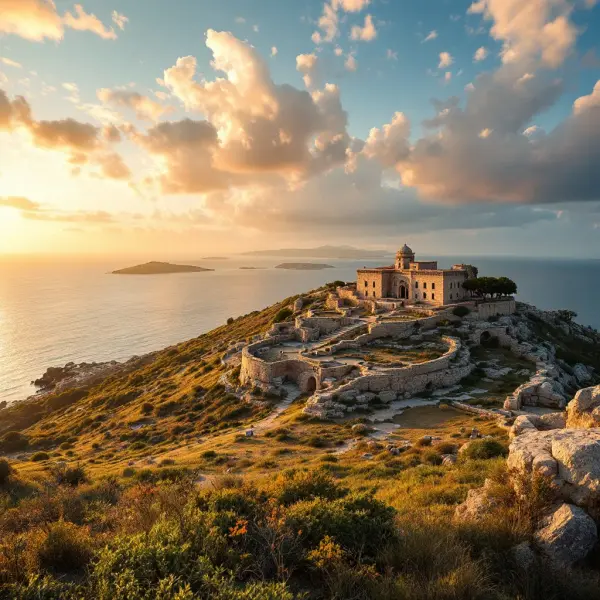
4. Gallipoli Peninsula Historical National Park
Walk the actual ground where history's most heartbreaking campaign unfolded. You'll stand inside preserved trenches, gaze across spine-tingling coves, and feel the weight of 100,000 names etched in stone.
Quick facts: More than 500,000 soldiers fought and died across these rugged hills during World War I, making it one of the deadliest battlefields in history. The peninsula now protects over 30,000 hectares of pine forests, rocky cliffs, and pristine beaches that have slowly reclaimed the trenches.
Highlights: At dawn, the silence across ANZAC Cove is so complete you can hear waves lapping against the same rocks where troops landed under machine-gun fire in 1915. One of the original trench lines near the Nek still holds rusted bayonets, spent shell casings, and soldiers' water bottles exactly where they were left over a century ago.
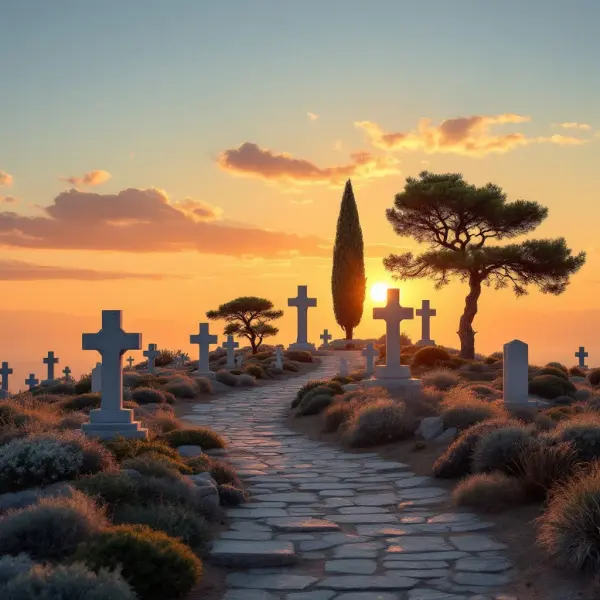
5. Lone Pine Cemetery
A battlefield cemetery carved into the rugged ridges of the Gallipoli peninsula, where the trenches are still visible in the earth. Visitors walk between rows of white headstones while the sound of wind and birds replaces the chaos of war.
Quick facts: The cemetery takes its name from a solitary pine that stood here during World War I, its seeds later sent back to Australia where pines from those seeds now grow at war memorials across the country. More than 4,900 Allied soldiers are buried or commemorated here, including nearly 700 Australians whose names are carved into the white stone panels of the memorial.
Highlights: On a quiet morning, the smell of rosemary and pine mixes with sea air, and the only sounds are wind rattling through the low scrub and the occasional call of a hoopoe bird. Beneath the headstones, the ground is still scarred with the zigzag trenches from the 1915 battle, and you can stand right at the edge of a trench line where soldiers once held their position.
Where to Stay in Çanakkale, Turkey
Selected by City Buddy based on guest reviews and proximity to top attractions
Search all hotels in Çanakkale, TurkeyPowered by agoda
Traditional Sweet Dishes
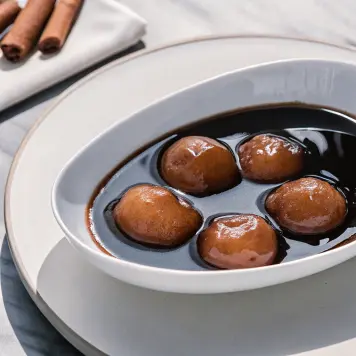
Lokma (Fried Dough Balls in Syrup)
Lokma are small, deep-fried dough balls soaked in sweet syrup. They are often served at traditional gatherings and religious ceremonies in Çanakkale and across Turkey.
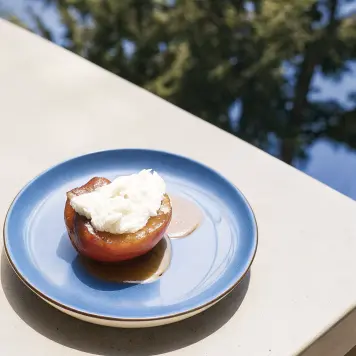
Ayva Tatlısı (Quince Dessert)
Ayva Tatlısı is a slow-cooked quince dessert flavored with cloves and cinnamon, topped with kaymak (clotted cream). The fertile lands around Çanakkale produce excellent quinces used in this dish.
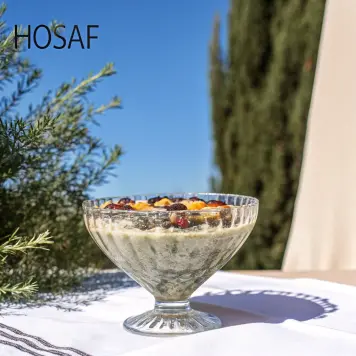
Hoşaf (Dried Fruit Compote)
Hoşaf is a traditional Turkish compote made by simmering dried fruits like apricots, raisins, and plums. It is a refreshing and light dessert often served after heavy meals in Çanakkale.
Traditional Savory Dishes
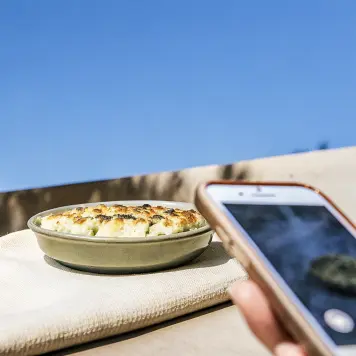
Çanakkale Peynir Helvası (Cheese Halva)
Despite its name, Çanakkale Peynir Helvası is a savory dish made by cooking local cheese with flour and butter until golden and stretchy. It is a unique specialty of the region.
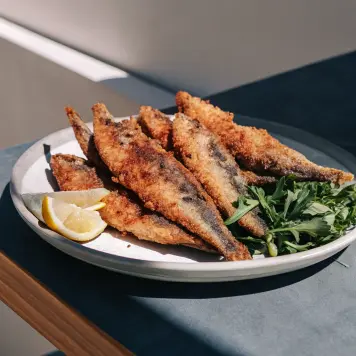
Sardalya Tava (Pan-Fried Sardines)
Çanakkale is famous for its sardines caught in the Dardanelles. Sardalya Tava features fresh sardines lightly floured and pan-fried, often served with a side of rocket and lemon.
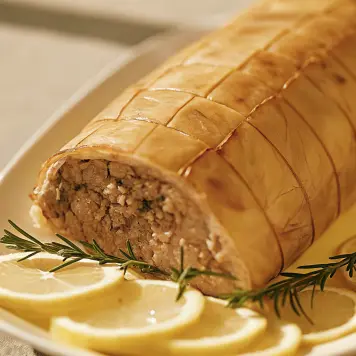
Tumbi (Stuffed Lamb Intestine)
Tumbi is a traditional Çanakkale specialty where lamb intestines are stuffed with seasoned rice and meat, then roasted. It is a beloved street food and festive dish in the region.
Traditional Beverages
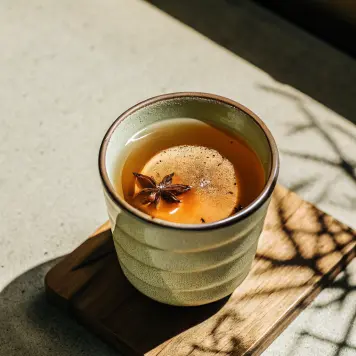
Çanakkale Apple Tea (Elma Çayı)
Apple tea is a popular non-caffeinated beverage in Çanakkale, made from dried apple peels and spices. It is served hot and is especially warming during the city's cool, breezy evenings.
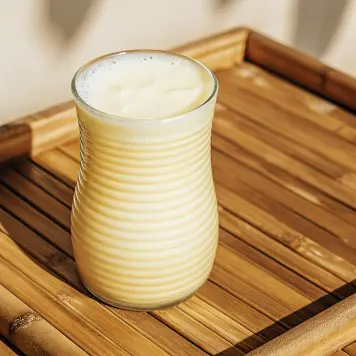
Ayran (Yogurt Drink)
Ayran is a savory, refreshing yogurt drink mixed with water and salt. It is the perfect accompaniment to Çanakkale's famous meat dishes and sardines.

Salep (Orchid Root Drink)
Salep is a warm, creamy milk drink thickened with powdered orchid root, traditionally enjoyed in winter. It is seasoned with cinnamon and is a comforting treat in Çanakkale's colder months.
Frequently Asked Questions about Çanakkale, Turkey
Is Çanakkale, Turkey safe?
How many days in Çanakkale, Turkey?
Best time to visit Çanakkale, Turkey?
Is Çanakkale, Turkey expensive?
How to get around Çanakkale, Turkey?
Get a PDF with the most popular attractions sent to your email
Get a PDF with all attractions, ratings, and tips. Perfect for offline use.
Most popular day trips
Troy (Truva)
Legendary ancient city of the Trojan War and UNESCO site
Assos (Behramkale)
Ancient Greek city with Temple of Athena overlooking the sea
Bozcaada Island
Charming Aegean island with vineyards and beaches
Rent a car in Çanakkale, Turkey
Getting there
Train stations
Intercity buses to Istanbul, Izmir, and Bursa
Çanakkale does not have a train station. Use buses from Istanbul or Izmir (5-6 hours), or fly into Çanakkale Airport from Istanbul.
Find flights to Çanakkale, Turkey
Click to get eSim for Çanakkale, Turkey
The easiest and most affordable way to get mobile internet wherever you travel.
Comments (6)
The food scene here surprised me. Found a tiny place near the waterfront that made the best fish sandwich I've ever had. Wish I stayed longer than 2 days.
Honestly felt a bit underwhelmed. Spent a day and a half here on the way to other places. It's nice enough but nothing really blew me away.
If you're visiting the battlefield sites, go early in the morning around 8am. The tour groups show up around 10 and it gets packed. Also bring cash because most places don't take cards.
Really liked the relaxed pace of this city. Not too crowded in late September. My only complaint is that some museums close randomly without notice.
Absolutely loved it. The mix of history and modern life is perfect. Walked along the coast at sunset and it was magical. Would come back in a heartbeat.