 CityBuddy
 Slovenčina
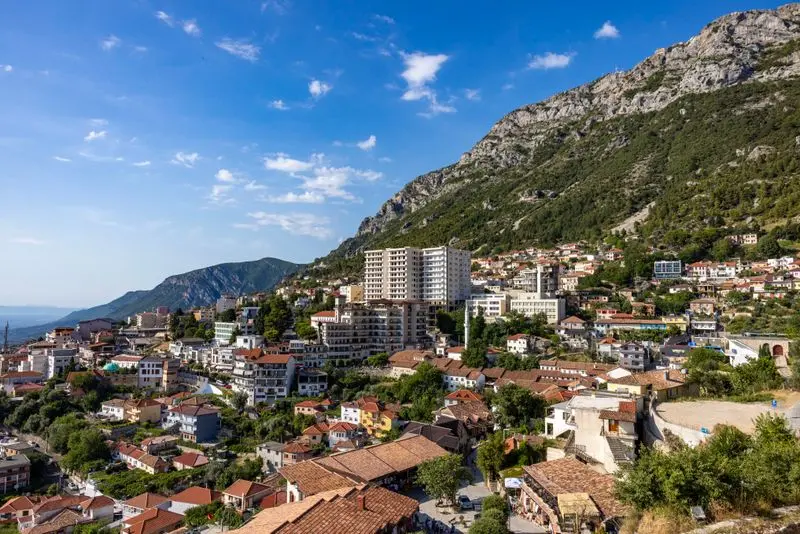
Čo robiť v Krujë, Albania
Fotografia od Mick Haupt na Pexels.com
Kedy navštíviť
Najpopulárnejšie atrakcie v Krujë, Albania
Najlepšie aktivity v albánskej Kruji sa sústreďujú na jej stredoveké dedičstvo na vrchole kopca, ktorého základom je hrad Kruja z 12. storočia, kde národný hrdina Skanderbeg viedol odpor proti Osmanskej ríši. V jeho múroch sa nachádza Skanderbegovo múzeum, ktoré vystavuje jeho pôvodnú prilbu a meč. Nižšie sa rozprestiera kamenný Starý bazár v Kruji s dĺžkou približne 250 metrov a s takmer 90 remeselnými obchodmi, ktoré predávajú ručne vyrábané koberce a starožitné striebro.
1. Kruja Castle
Vstúpte do pevnosti, ktorá vzdorovala ríši počas 25 rokov osmanských obliehaní. Prechádzajte kamennými chodbami, preskúmajte múzeum hrdinu a prezrite si dláždený bazár, ktorý sa spúšťa dolu svahom hory.
Rýchle fakty: Hrad slúžil ako bašta Skanderbega, albánskeho národného hrdinu, ktorý tu v 15. storočí viac ako dve desaťročia odrážal osmanské vojská. Jeho kamenné múry stále stoja nad mestom Krujë, pričom bazár zo 60. rokov 20. storočia.
Zaujímavosti: Visitors can see the original bronze helmet and sword of Skanderbeg, each weighing several kilograms, displayed in the on-site museum that was built in 1982. The castle's panoramic terrace looks out over rolling hills where, according to local stories, shepherds once signaled Skanderbeg's troop movements using smoke during daylight and fire at night.
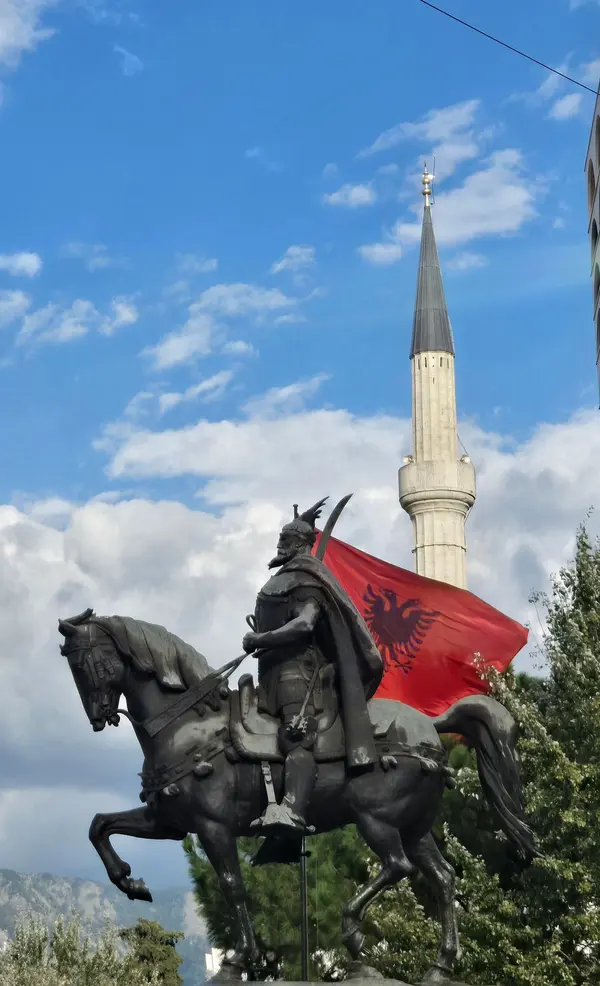
2. Skanderbeg Museum
Vstúpte do hradu, ktorý ukotvil 25-ročnú vzburu proti ríši. Prejdete cez zdobené sály, staroveké zbrane a nakoniec si užijete panoramatické výhľady na albánske roviny.
Rýchle fakty: The museum rises inside Kruja Castle on a hill over 400 meters above sea level, housing over 660 artifacts tied to Albania's 15th-century resistance against the Ottoman Empire. Its brutalist concrete form, capped with an octagonal tower, was designed in the 1980s to echo the medieval fortress that once stood here.
Zaujímavosti: The centerpiece is a full-scale reproduction of the famous Skanderbeg helmet, topped with a goat head, an unusual detail that sets it apart from typical royal regalia. Beyond the main hall, an enormous bronze equestrian statue of Skanderbeg anchors the courtyard, a spot locals say is perfect for photos at golden hour when the Adriatic shimmers in the distance.
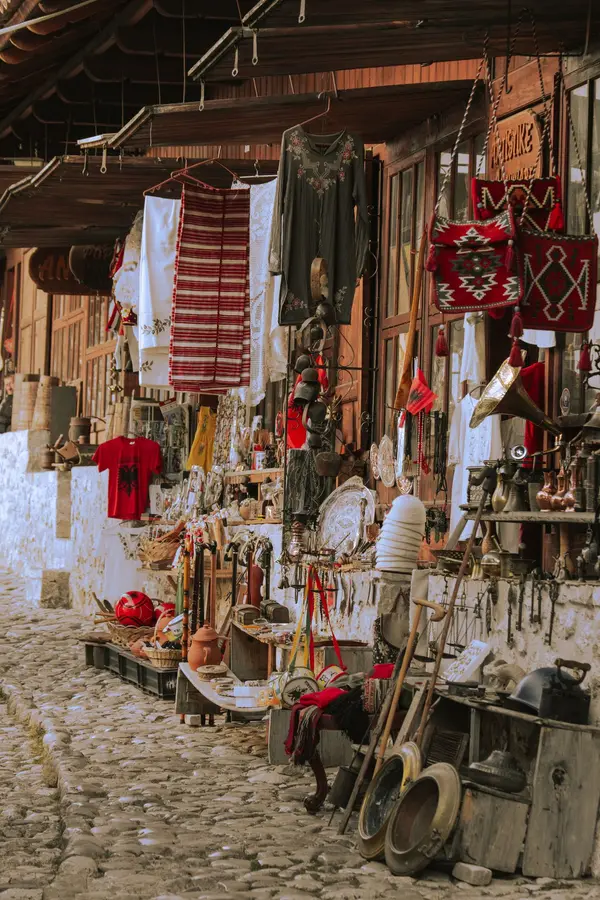
3. Old Bazaar of Kruja
Prechádzajte sa jedným z najstarších zachovaných osmanských bazárov v Európe, priamo pod hradom, ktorý nikdy nepadol pri obliehaní. Ručne vyrábané medené hrnce, vlnené koberce a starožitnosti sa rinú z kamenných obchodov starých stáročia na strmý dláždený chodník.
Rýchle fakty: Bazár s kamennou dlažbou vedie po strmom horskom chodníku, ktorý končí priamo pod hradbami hradu Krujë z 15. storočia, kde sa národný hrdina Skanderbeg kedysi bránil osmanským obliehaniam. Viac ako 300 tradičných remeselníckych obchodov lemuje tento 250 metrov dlhý chodník, vďaka čomu je to jedna z najzachovalejších osmanských trhových ulíc v Albánsku.
Zaujímavosti: Väčšina stánkov stále funguje v pôvodných kamenných obchodoch zo 16. a 17. storočia, z ktorých mnohé majú železné mreže a drevené okenice nedotknuté celé storočia. Predajcovia tu stále ručne kujú medený riad v rovnakých dielňach, ktoré používali ich prastarí rodičia, takže návštevníci počujú pravidelné rinčanie kovu o kov, ktoré sa ozýva uličkou.
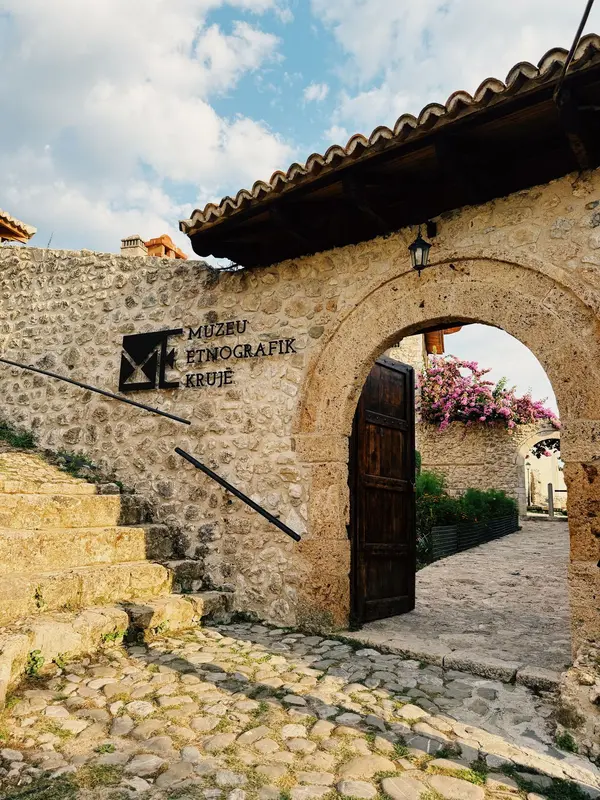
4. Ethnographic Museum of Kruja
Vstúpte do osmanského domu z 19. storočia a uvidíte, ako naozaj žili albánski horali. Prechádzajte miestnosťami plnými ručne tkaných textílií, lesknúceho sa medeného riadu a svadobnej komnaty zamrznutej v čase.
Rýchle fakty: Múzeum sa nachádza v zrekonštruovanej budove z 19. storočia z obdobia Osmanskej ríše, ktorá kedysi patrila bohatej miestnej rodine, a sídli v stredovekej citadele v Kruji. Jeho zbierka zahŕňa tradičné albánske kroje, ručne tkané koberce, medené kuchynské náčinie a bežné domáce predmety z horských komunít regiónu.
Zaujímavosti: Samotná budova múzea je artefaktom: usporiadanie jej miestností odzrkadľuje, ako skutočne fungovala domácnosť zámožnej osmanskej albánskej rodiny, od prijímacej sály až po súkromné rodinné izby. Jednou z najpamätnejších expozícií je plne zariadená svadobná komnata s vyrezávanou drevenou truhlicou s venom, ktorú by v deň svadby viezli na muloch cez horské priesmyky.
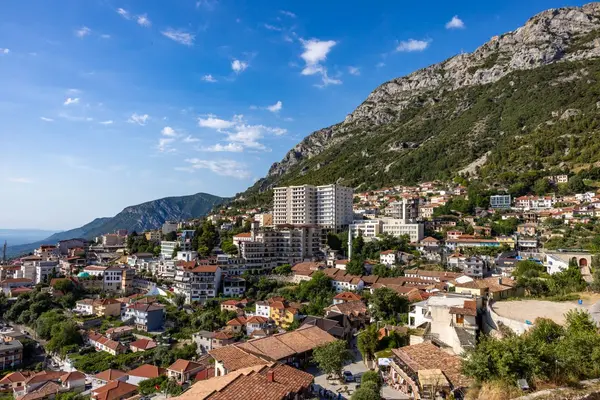
5. Sari Salltik Mountain
Posvätný vrchol hory, kde sa stáročia bektášijskej oddanosti stretávajú s panoramatickými výhľadmi na Jadran. Prejdite serpentíny, priviažte modlitebnú stuhu a pozorujte celé albánske pobrežie.
Rýchle fakty: Perched at 1,176 meters above Krujë, this mountain summit holds a sacred sanctuary tied to Sari Salltik, a legendary 13th-century dervish. The site doubles as a Bektashi pilgrimage spot and a panoramic lookout where both religious visitors and hikers gather.
Zaujímavosti: Local Bektashi tradition holds that Sari Salltik's spirit protects the valley below, and pilgrims tie small cloths and ribbons to nearby trees as silent prayers. On clear days the view sweeps from the Adriatic coast all the way to Mount Tomorr, roughly 120 kilometers to the south.
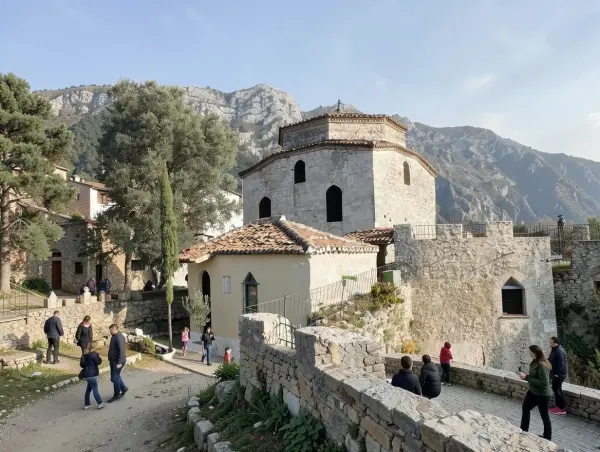
6. Dollma Tekke
Tichá osemuholníková svätyňa, kde albánska bektášijská tradícia žije ďalej len pár krokov od bazáru. Vstúpte dnu, uvidíte dervišskú hrobku a zažite pokojnú chvíľu pred výstupom na hrad.
Rýchle fakty: This octagonal dervish lodge sits right on the approach to Krujë's castle quarter, making it an easy stop before exploring the medieval citadel above. The Bektashi order that worships here keeps its 19th-century layout intact, including a dedicated prayer hall and a separate space for ritual gatherings.
Zaujímavosti: Inside, the tomb chamber holds the remains of a Bektashi dervish, and visitors often leave small offerings or tie bits of cloth as a local gesture of respect. The white stone facade stands in quiet contrast to the busy market street below, so a moment here feels like stepping out of the tourist flow entirely.
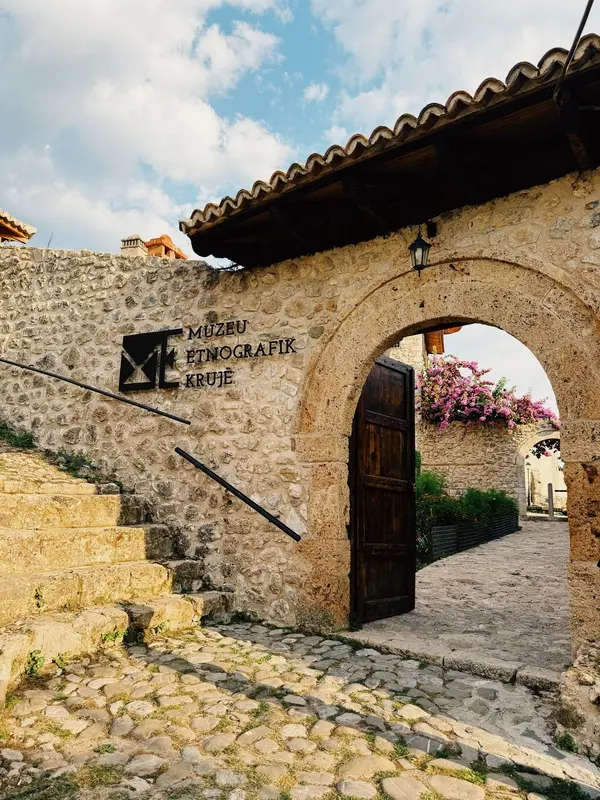
7. National Ethnographic Museum
Vstúpte do zachovaného kupeckého domu z osmanského obdobia a uvidíte, ako bohatá rodina naozaj žila deň čo deň. Prejdete pôvodnými miestnosťami plnými autentických nástrojov, textílií a každodenných predmetov spred stáročí.
Rýchle fakty: Two floors of this 18th century Ottoman-era house show exactly how a wealthy merchant family lived, with original tools, textiles, and household items still on display. The building itself was the home of the Toptani family, one of the most powerful clans in the region, before it became a museum in 1989.
Zaujímavosti: The top floor where the family actually slept has a cleverly disguised storage room hidden behind a false wall, a trick used to hide valuables and weapons during raids. You can still see the original carved wooden ceilings and fireplaces that kept this hillside home warm through harsh mountain winters.
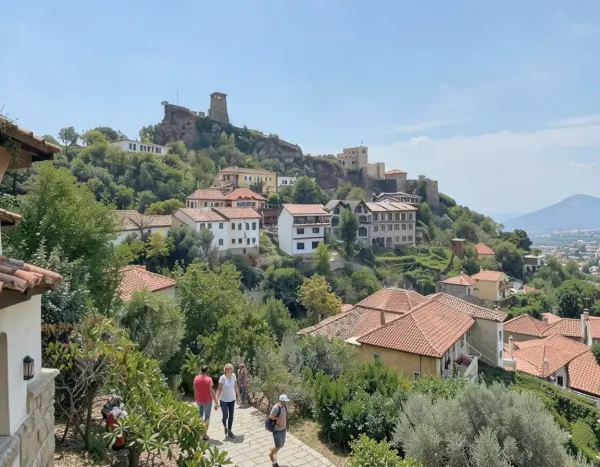
8. Kruja Viewpoint
Panoramatické výhľady na roviny, kde kedysi jazdil albánsky národný hrdina. Sledujte, ako slnko zapadá za Jadran a ako sa pod vami rozsvecujú svetlá bazáru.
Rýchle fakty: The viewpoint sits above the 13th-century castle quarter, offering a direct sightline down to the plain where Skanderbeg's forces fought Ottoman armies. From here you can trace the entire route of the old bazaar street winding up the hillside below.
Zaujímavosti: On clear days the view extends all the way to the Adriatic Sea, roughly 30 kilometers away, and you can watch the light shift across the coastal plain as clouds roll off the mountain. Local guides point out that the fortress walls directly below you were rebuilt in the 1980s, but the original Ottoman-era foundations remain visible at the base.
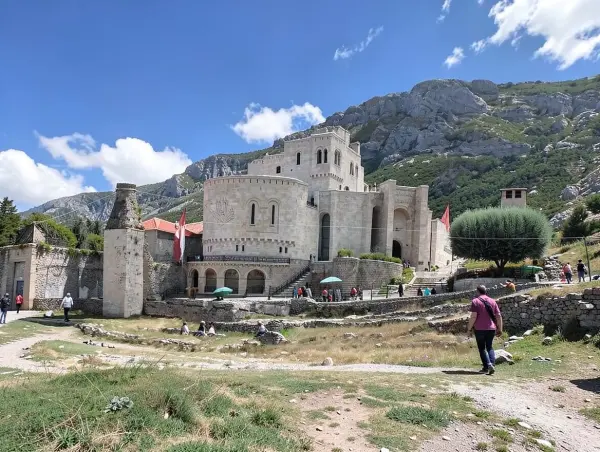
9. Muzeu Gjergj Kastrioti Skënderbeu
Postavte sa do pevnosti, ktorá nikdy nepadla Osmanom, kým bola živá. Pozrite sa na Skanderbegovu skutočnú prilbu s kozími rohmi a uvidíte roviny, kde 3000 mužov vzdorovalo ríši.
Rýchle fakty: The museum sits within the reconstructed castle walls of Krujë, high on a hilltop where the Albanian hero Skanderbeg defended against Ottoman sieges in the 15th century. Its brutalist concrete design from the communist era contrasts sharply with the medieval fortress setting, and it holds Skanderbeg's original helmet and sword, said to weigh no more than 3.5 kilograms.
Zaujímavosti: Upstairs, a narrow corridor leads to a spot where you can look out over the very plains where Skanderbeg's 3,000 men reportedly routed Ottoman forces in 1450, a landscape that has barely changed in five centuries. The authentic goat-horned helmet with its metal goat crest is kept in a climate-controlled case, and only about 4,000 visitors a day pass through during peak summer, so you can linger near it with elbow room.
Where to Stay in Krujë, Albania
Selected by City Buddy based on guest reviews and proximity to top attractions
Search all hotels in Krujë, AlbaniaPowered by agoda
Otvorené dni v Krujë, Albania
Ktoré z hlavných atrakcií sú zatvorené v ktorý deň v týždni. Klasický dôvod zničenej dovolenky, overené za vás.
Dobrá správa: všetkých 6 hlavných atrakcií so známymi otváracími hodinami je otvorených každý deň v týždni.
Zatvorené v pondelok · 0 zatvorených, 6 otvorených
V pondelok nie je nič zatvorené. Všetkých 6 atrakcií so známymi hodinami je otvorených.
Otvorené dni z Google Maps (skontrolované 2026-10-08). Štátne sviatky, štrajky a sezónne hodiny sa môžu líšiť. Pred návštevou si overte oficiálnu webovú stránku.
Tradičné sladké jedlá
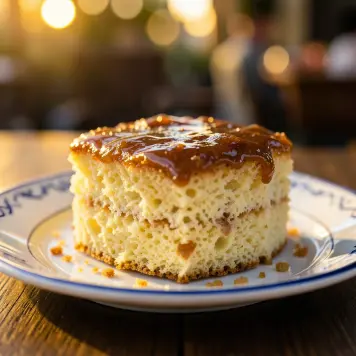
Trilece
Trilece is a beloved Albanian dessert made from three types of milk, soaked sponge cake, and caramelized topping. It has become a signature sweet found in cafes and restaurants throughout Krujë and the wider Albania.
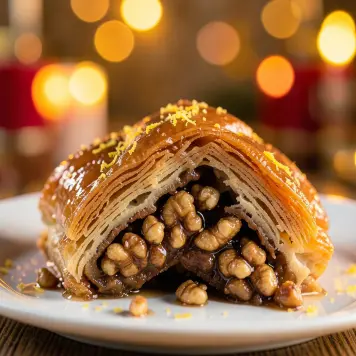
Bakllava
Albanian bakllava is a rich layered pastry filled with walnuts and soaked in sweet syrup, traditionally prepared during holidays and family celebrations. In Krujë, local bakers often add a hint of lemon zest to give their version a distinct citrus aroma.
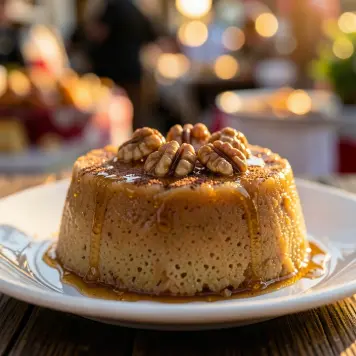
Hasude
Hasude is a traditional Albanian cornstarch-based pudding flavored with honey syrup and topped with walnuts and cinnamon. It is a very old dessert that was commonly served during Ottoman-era gatherings and remains a nostalgic treat in Krujë's old bazaar.
Tradičné slané jedlá
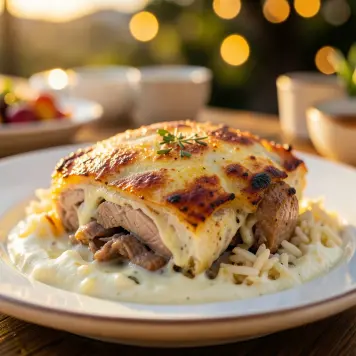
Tavë Kosi
Tavë Kosi is Albania's national dish, featuring baked lamb and rice in a creamy yogurt and egg custard. The dish gets its golden crust from a final browning in the oven, and families in Krujë often make it for Sunday gatherings.
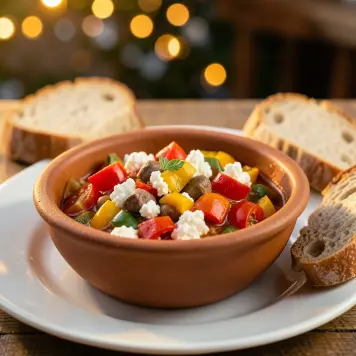
Fërgesë
Fërgesë is a hearty dish of peppers, tomatoes, cottage cheese, and sometimes liver, slowly cooked in a clay dish. It is especially popular in central Albania and is often served with fresh crusty bread in the restaurants around Krujë castle.
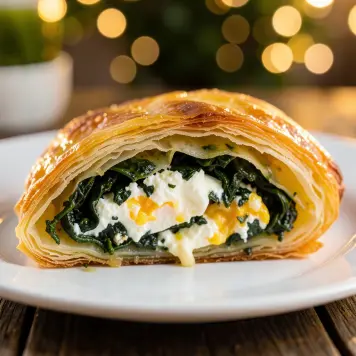
Byrek me Spinaq
Byrek me spinaq is a flaky savory pie filled with spinach, feta cheese, and eggs, baked in thin phyllo layers. In Krujë, bakers brush each layer with butter and olive oil to create an especially crisp and golden pastry.
Tradičné nápoje
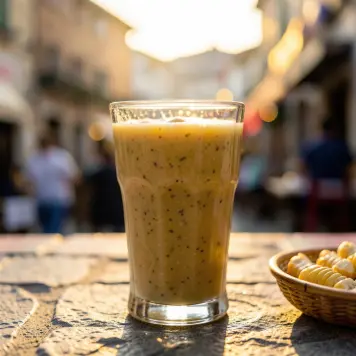
Boza
Boza is a thick, fermented drink made from corn and wheat, with a slightly sweet and tangy flavor. It is a traditional Albanian refreshment that has been enjoyed for centuries and is often sold from street vendors in Krujë's old town.

Raki
Raki is a potent fruit brandy, most commonly distilled from grapes, and is considered Albania's national spirit. In Krujë, it is traditionally served in small glasses alongside meze and is a symbol of hospitality and friendship.
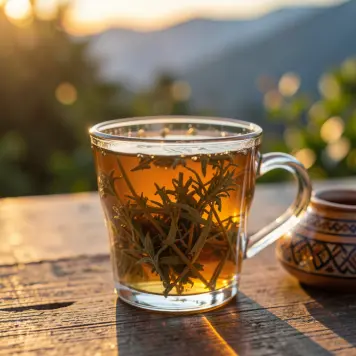
Çaj Mali
Çaj mali, or mountain tea, is a fragrant herbal infusion made from the Sideritis plant that grows wild in Albania's highlands. It is prized for its soothing properties and is a comforting drink enjoyed throughout the year in Krujë's chilly mountain air.
Často kladené otázky o Krujë, Albania
Je Kruja v Albánsku bezpečná?
Koľko dní stráviť v Kruji v Albánsku?
Kedy je najlepší čas na návštevu Kruje v Albánsku?
Je Kruja v Albánsku drahá?
Ako sa pohybovať po Kruji v Albánsku?
Získajte PDF s najpopulárnejšími atrakciami zaslané na váš email
Získajte PDF so všetkými atrakciami, hodnoteniami a tipmi. Perfektné na použitie offline.
Najpopulárnejšie jednodňové výlety
Tirana
Albania's vibrant capital with museums, cafés, and colorful architecture
Durrës
Coastal city with ancient amphitheater and sandy beaches on the Adriatic
Shkodër
Historic city near Lake Shkodër with Rozafa Castle and Ottoman bazaar
Lezhë
Small town with Lezhë Castle and memorial of national hero Skanderbeg
Mount Dajti
National park offering hiking trails and panoramic views over Tirana
Dostať sa tam
Železničné stanice
Local rail from Tirana (limited service)
Main rail hub connecting to Durrës and other cities
From TIA airport, take a taxi or shuttle to Krujë, approximately 40 minutes. Regular buses and furgons run from Tirana's bus terminal to Krujë throughout the day.
Užitočné informácie pre Krujë, Albania
Prehľad pre Krujë, Albania
Chcete plán na každý deň pre Krujë, Albania? Otvorte plánovač výletov
Kedy idete do Krujë, Albania?
Vyberte si dátumy a štýl cestovania a získajte:
Je niečo z toho pre vás obzvlášť dôležité?
Vyberte všetko, čo platí
Doprava po meste
Ako sa chcete presúvať medzi miestami?
Jazyk plánu: Slovenčina