 CityBuddy
 Türkçe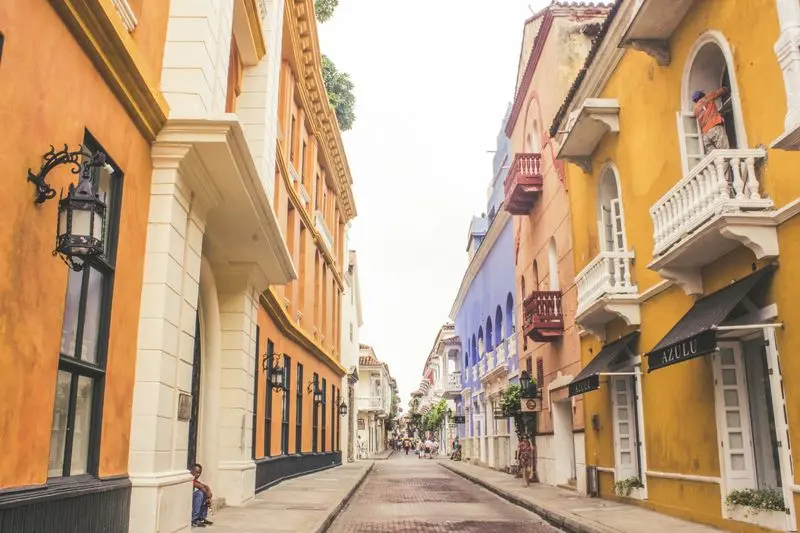
Cartagena, Colombia yapılacak şeyler
Fotoğraf Maria Paula Medina tarafından Pexels.com'da çekilmiştir
Ne zaman gidilir
Cartagena, Colombia ne zaman gidiyorsunuz?
Tarihlerinizi ve seyahat tarzınızı seçin ve şunları alın:
Bunlardan herhangi biri sizin için özellikle önemli mi?
Uygun olanları seçin
Plan language: TürkçeCartagena, Colombia içindeki en popüler turistik yerler
Kolombiya'nın Kartacana şehrinde yapılacak şeyler düşünüldüğünde, üç cazibe merkezi öne çıkar. 23 top ve 3 kilometrelik tünelleriyle 300 yıllık Castillo San Felipe de Barajas'a tırmanın. Eski şehrin girişindeki 17. yüzyıldan kalma saat kulesi Torre del Reloj'u ziyaret edin. Son olarak, Botero'nun heykelinin sömürge dönemi balkonlarının altında durduğu Plaza Santo Domingo'ya gidin.
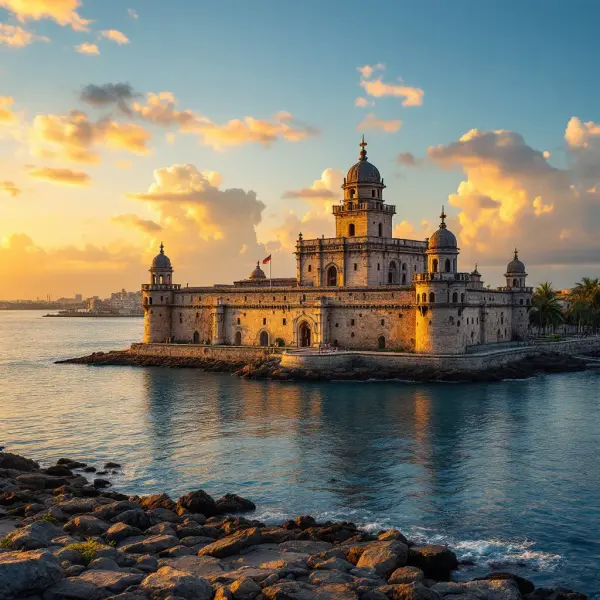
1. Castillo San Felipe de Barajas
450 yıllık tünellerde yürüyün, fısıltılar kusursuz akustiğe sahip duvarlarda yankılansın. En üst surlardan Karayip gökyüzünü boyayan gün batımını izleyin.
Hızlı bilgiler: 20 milyondan fazla tuğla ve 130 yıllık inşaat süreci bu kaleyi devasa bir savunma kompleksine dönüştürdü. Nöbetçiler bir zamanlar 2 kilometrelik tünel ağıyla iletişim kurardı; kıvrımlı taş duvarlar boyunca ses belirgin bir şekilde yankılanır.
Öne çıkanlar: Mühendisler, açılı dinleme noktalarına sahip üç seviyeli birbirine geçen tünel sistemi tasarladı; böylece tek bir nöbetçi, aynı anda birden fazla yönden gelen davetsiz misafirleri tespit edebiliyordu. Kalenin en yüksek surunda, askerlerin bir zamanlar körfeze varmadan saatler önce yaklaşan gemileri görmesini sağlayan savunma hatlarını takip edebilirsiniz.
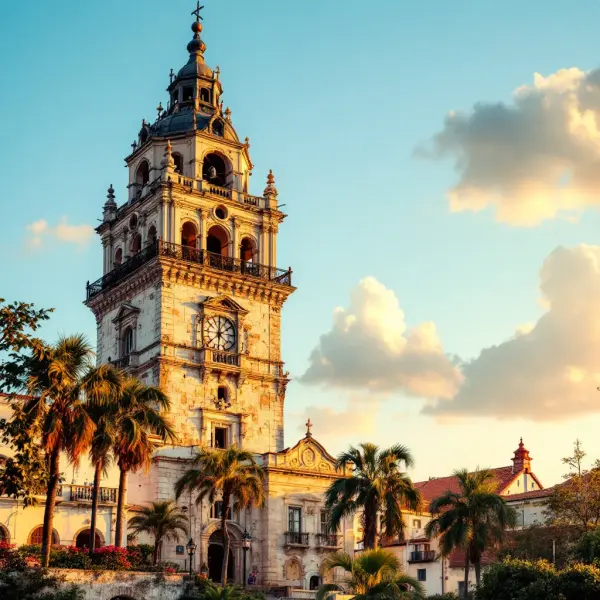
2. Torre del Reloj
Bu kemerli giriş, 400 yılı aşkın süredir şehrin ön kapısı olmuş, tüccarları, gezginleri ve korsanları ağırlamış. İçinden geçtiğinizde, pastel renkli balkonlar, at arabaları ve arnavut kaldırımlarında ayakkabıların ritmik tıkırtısıyla çevrili bir meydana adım atarsınız.
Hızlı bilgiler: Her yıl 2 milyondan fazla insan bu mercan taşı kapıdan geçerek hareketli Getsemaní mahallesini kolonyal Eski Şehir'e bağlar. Tepedeki saat mekanizması 20. yüzyılın başında İsviçre'den ithal edildi ve hala haftada iki kez elle kurularak zamanı tutar.
Öne çıkanlar: Kemerin tabanına yakından bakın, bir niş içine yerleştirilmiş küçük bir Meryem Ana heykeli göreceksiniz; yüzyıllar önce şehre giren herkesi kutsaması için oraya konulmuş. Meydan tarafında, bitişik binalardaki soluk kolonyal freskler, öğleden sonra güneşi oymalı taş cephede ilerledikçe renk değiştirir.
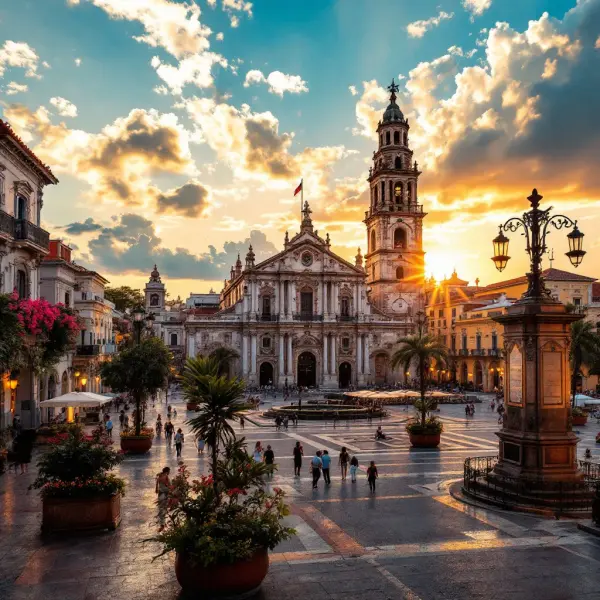
3. Plaza Santo Domingo
Cartagena'nın en manyetik sosyal buluşma noktası; Botero'nun ünlü bronz tanrıçası Karayip güneşi altında uzanır. Salsa dansçılarını, ayakkabı boyacılarını ve sömürge balkonlarına tünemiş papağanları izlerken bir limonatalı hindistan cevizi suyu yudumlayın.
Hızlı bilgiler: Fernando Botero'nun "La Gorda Gertrudis" adlı dolgun uzanmış kadın bronz heykeli bu arnavut kaldırımlı meydanın merkezini oluşturur. Sokak satıcıları, salsa müziği ve kızarmış arepa kokusu sabahtan gece geç saatlere kadar havayı doldurur.
Öne çıkanlar: Yerliler iyi şans için Botero'nun Gertrudis'ini karnından ve bronz ayak parmaklarından okşar, bu bölgeler onun daha koyu patinasına karşı parlak altın rengi bir parıltıya bürünür. Bir vandal 2006'da ona zarar verdikten sonra, şehir onu o kadar titizlikle onardı ki yara izi onun hikayesinin bir parçası haline geldi, Cartagena'nın ona olan şiddetli sahipleniciliğinin bir kanıtı.
Ücretsiz yürüyüş turlarından haberiniz var mı?
30'dan fazla ülkeyi gezdikten sonra, keşke başından beri biri bana bunu söyleseydi dediğim bir şey var ve bu yeni şehirleri deneyimleme şeklimi tamamen değiştirdi.
Ücretsiz yürüyüş turları. Evet, gerçekten ücretsiz. Kredi kartı gerekmez. Gizli koşul yok.
Yerel rehber, 2-3 saat
Önemli yerler, gizli güzellikler, yerel hikayeler
%100 bahşiş bazlı
Rehberler sadece bahşiş kazanır, bu yüzden en iyisini sunarlar
Ne uygun görürseniz onu verirsiniz
Sonunda, ne uygun görürseniz o kadar bahşiş verirsiniz
Cartagena, Colombia'ı ziyaret ediyorsanız, ilk gününüzde bunu yapın. Sonra bana teşekkür edeceksiniz.
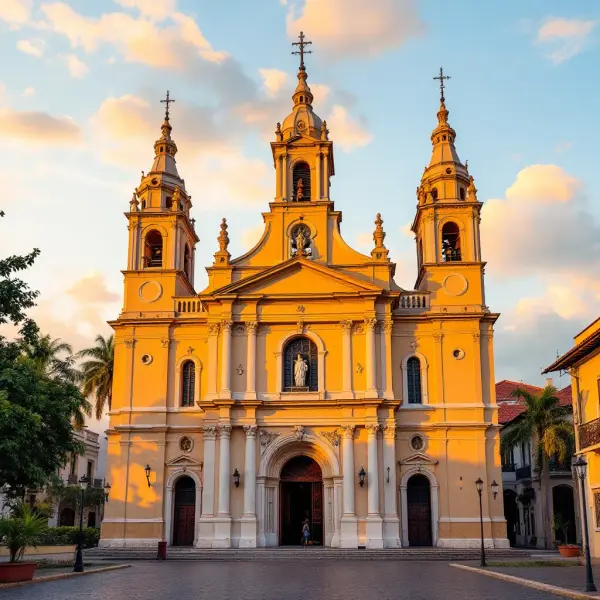
4. Iglesia de San Pedro Claver
Gerçek bir azizin bir zamanlar her gün dua ettiği 400 yıllık bir sunağın önünde durun. Güneş ışığıyla aydınlanan revaklarda dolaşın, onun korunmuş kalıntılarını görün ve Kolombiya'nın katmanlı tarihinin canlandığını hissedin.
Hızlı bilgiler: Aziz Peter Claver bu kilisede 40 yıl geçirdi ve Cartagena limanından gelen 300.000'den fazla köleleştirilmiş Afrikalıyı vaftiz etti. Onun dikkat çekici derecede korunmuş bedeni, ana sunağın yanında cam bir lahit içinde, 1654'teki ölümünde giydiği cübbeyi hala üzerinde taşıyarak yatmaktadır.
Öne çıkanlar: Çatıya çıkın, Claver'in teselli sunmaya hazırlanmak için gelen köle gemileri için limanı taradığı çan kulesini bulacaksınız. Bitişikteki manastır, azizin orijinal yaşam alanlarını barındırır; sade ahşap yatağı ve kişisel haçı, onun bıraktığı gibi aynen durmaktadır.
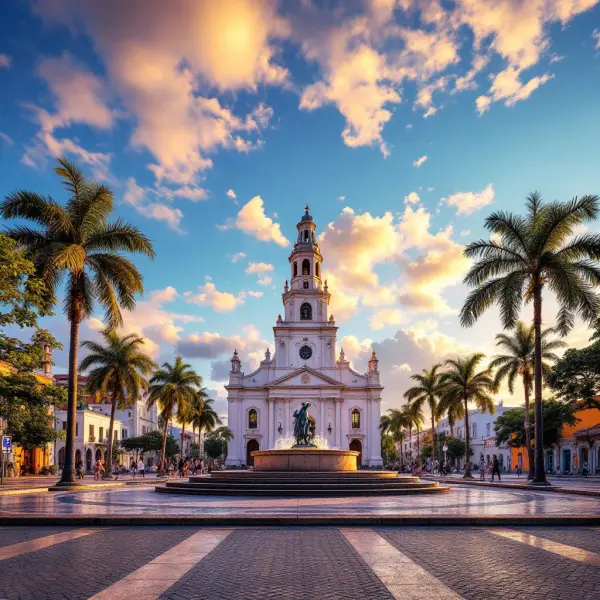
5. Plaza de los Coches
At arabalarının bir zamanlar arnavut kaldırımlarına hükmettiği Cartagena'nın sömürge kalbine adım atın. Sokak satıcıları ve müzisyenler etrafınızda meydanı canlandırırken, kemer altlarında bir kahve yudumlayın.
Hızlı bilgiler: Bir zamanlar bu meydanı atlı arabalar sıralardı, bu da ona "Arabalar Meydanı" anlamına gelen ismini vermiştir. Merkezinde, Cartagena'yı 1533'te kuran İspanyol fatih Pedro de Heredia'nın bir heykeli bulunur.
Öne çıkanlar: Meydanı çevreleyen binalara yukarı bakın, canlı sarı ve mavi renklere boyanmış, her biri farklı oyma tasarıma sahip ahşap balkonlar göreceksiniz. Bu balkonlar, evlerini ve dükkanlarını limanın ticaret faaliyetine yakın olmak için buraya inşa eden Cartagena'nın kolonyal tüccar sınıfının hikayesini anlatır.
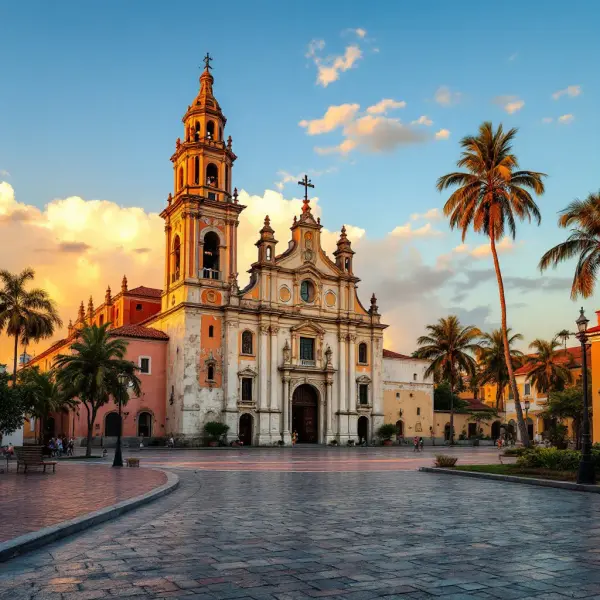
6. Convento de la Popa
Cartagena'nın en yüksek noktası, şehrin, körfezin ve adaların en güzel manzaralarını bir arada sunar. Manastırın çatı terasına tırmanın ve 150 metre aşağıda, eski şehir surlarının yanından süzülen kruvaziyer gemilerini izleyin.
Hızlı bilgiler: Deniz seviyesinden 150 metre yüksekte bulunan bu 17. yüzyıl manastırı, Cartagena'nın silüetinin, körfezin ve Karayip Denizi'nin 360 derecelik panoramasını sunar. Tepe, "Popa" adını İspanyol denizcilerin onu bir geminin kıç güvertesine benzetmesiyle alır.
Öne çıkanlar: Manastırın şapelinin içinde, Cartagena'nın koruyucu azizesi La Candelaria Meryemi'nin küçük bir ahşap heykeli bulunur; yerliler onun 18. yüzyılda şehri bir vebadan kurtardığına inanır. Her yıl 2 Şubat'ta yüzlerce hacı, Fiesta de la Candelaria için şafakta arnavut kaldırımlı yoldan mumlar taşıyarak tepeye tırmanır.
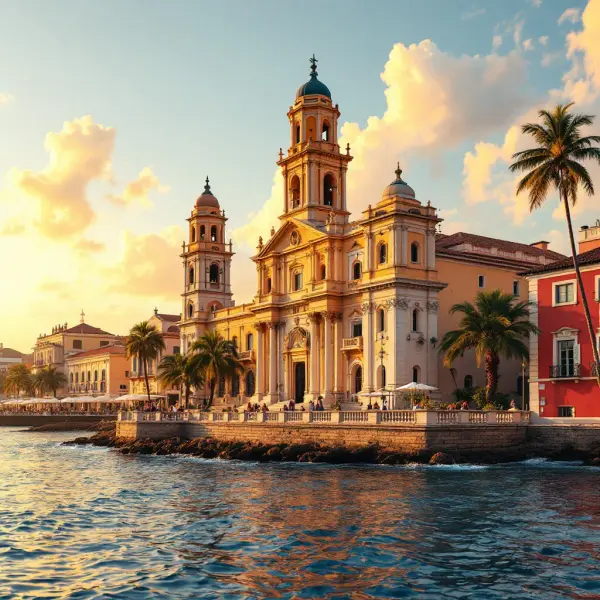
7. Las Bóvedas
Yüzyıllık askeri mahzenlerin içinde, şehir surlarına oyulmuş otantik Kolombiya hediyelik eşyaları satın alın. Zanaatkar tezgahlarıyla dolu 23 kemerli geçitte dolaşırken deniz meltemi ve yerel müzik taşlarda yankılansın.
Hızlı bilgiler: Antik şehir surları boyunca yirmi üç kemerli oyuk uzanır, bir zamanlar İspanyol birlikleri için askeri depo olarak hizmet vermiştir. Bu kalın taş tonozlar daha sonra mahkumları barındırmış ve ardından yerel el sanatları ve sanatın renkli bir pazarına dönüşmüştür.
Öne çıkanlar: Kolonyal dönemde, bu tonozlar barut ve silah depolar ve deniz doğrudan dış duvarlara karşı dalgalandığı için onları saldırıya karşı geçilmez kılardı. Bugün, aynı kemerler, reggaeton taş koridorlarda yankılanırken zanaatkarların tagua fındığı figürinleri oymasının ve mochila çantaları örmesinin tıkırtısıyla doludur.
8. Museo del Oro Zenu
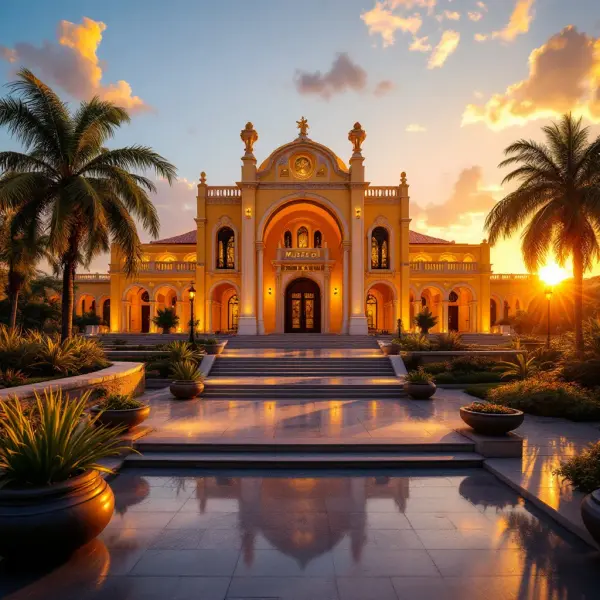
Güney Amerika'daki herhangi bir koleksiyonla yarışan yerli altın işçiliği hazinesine adım atın. İncecik telkari küpeler, tören maskeleri ve Zenú halkının 2.000 yıl önce altını nasıl şekillendirdiğini ortaya koyan aletlerle yüz yüze geleceksiniz.
Hızlı bilgiler: Bu altın parçalarını yaratan Zenú halkı, 500.000 hektarlık ovalarda sel kontrolü için ayrıntılı bir kanal sistemi inşa etti. Sergilenen telkari küpelerin ve burun halkalarının bazıları o kadar ince işlenmiştir ki tek bir ataştan daha hafiftir.
Öne çıkanlar: Camın ardından poporoya, koka yaprakları için kireç kabına bakın; yüzeyi binlerce küçük çekiçle vurulmuş nokta aracılığıyla Zenü manevi yaşamının hikayesini anlatır. Depoda kilitli tutulan İnka veya Aztek altın nesnelerinin aksine, burada 1.200'den fazla parça, her eserin önünü ve arkasını görmenizi sağlayan açık teşhirlerde düzenlenmiştir; zanaatkarların metalin her iki tarafında nasıl çalıştığını ortaya çıkarır.
9. Catedral de Cartagena
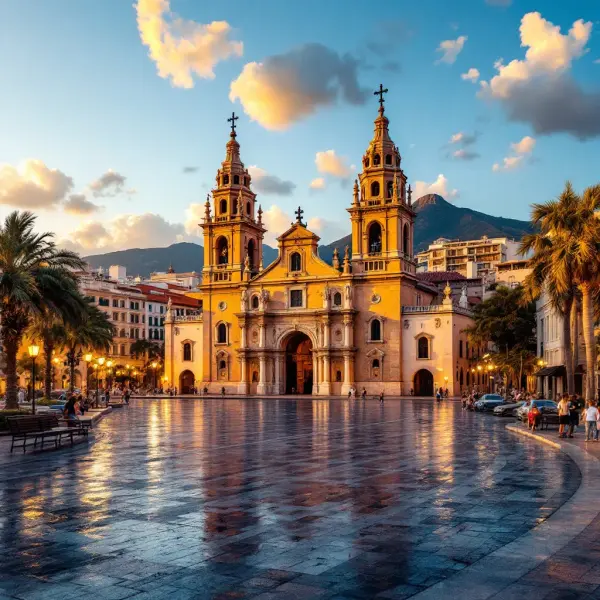
Amerika kıtasının en eski katedrallerinden biri; sömürge tarihi korsan efsaneleriyle buluşur. Depremlere, saldırılara ve 400 yıllık Karayip fırtınalarına dayanmış duvarların içinde durun.
Hızlı bilgiler: Üç yüzyıllık inşaat, bu katedrale büyüleyici bir mimari karışım kazandırdı. Sir Francis Drake'in 1586'daki şehre saldırısı erken inşaat çalışmalarını durdurdu ve bitmemiş yapı onlarca yıl ana meydanda kaldı.
Öne çıkanlar: Ana sunağa yakından bakın, duvara gömülü küçük bir gülle göreceksiniz, 17. yüzyıldan kalma bir korsan saldırısının yara izi. Katedralin düz olmayan çan kulesi başka bir hikaye anlatır: 1830'daki bir deprem orijinalini devirdi ve yenisi gelecekteki çökmeyi önlemek için bilerek hafif eğri inşa edildi.
Where to Stay in Cartagena, Colombia
Selected by City Buddy based on guest reviews and proximity to top attractions
Search all hotels in Cartagena, ColombiaPowered by agoda
Geleneksel Tatlılar
Cocadas
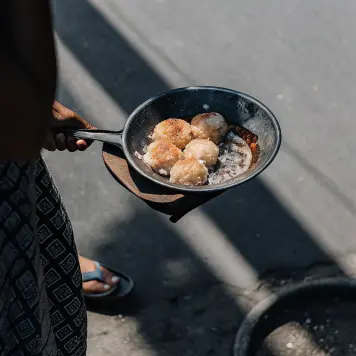
Cocadas are sweet coconut confections that trace their origins to the African diaspora in Cartagena. They are famously sold by palenqueras, Afro-Colombian women in colorful dresses who balance bowls of them on their heads as they walk through the city.
Dulce de Leche (Arequipe)
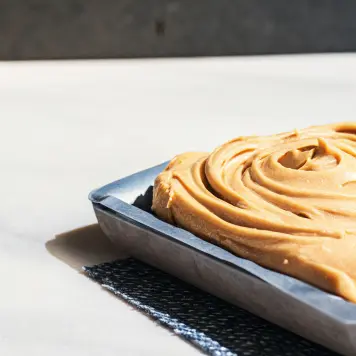
In Cartagena, dulce de leche is often blended with coconut or fruits like guava to create rich, creamy desserts. It is a staple sweet spread that locals enjoy with cheese or on bread.

Ensalada de Frutas (Fruit Salad)
Cartagena's fruit salad is no ordinary dish; it is a vibrant mix of tropical fruits like mango, papaya, and lulo, often topped with a splash of lime and a sprinkle of salt. Street vendors sell it chilled on hot Caribbean days for a refreshing treat.
Geleneksel Tuzlu Yemekler
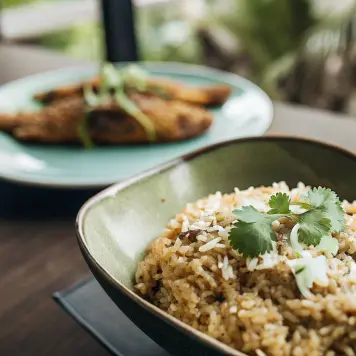
Arroz con Coco (Coconut Rice)
Arroz con coco is a quintessential Cartagena side dish made by cooking rice in coconut milk and often sweetened with a hint of sugar. It is typically served alongside fried fish and patacones, creating the classic Caribbean coastal plate.

Mote de Queso
Mote de queso is a hearty, creamy soup made with yam, salted costeño cheese, and herbs. It originated in Cartagena's countryside and is a comforting dish that showcases the region's love for combining cheese with savory stews.
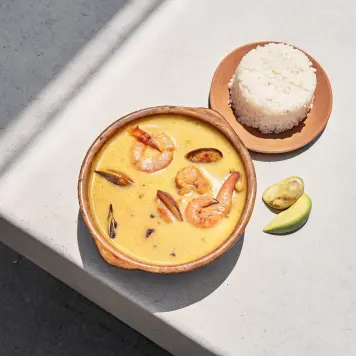
Cazuela de Mariscos (Seafood Stew)
This rich seafood stew is packed with shrimp, fish, crab, and clams simmered in a coconut milk and tomato broth. It reflects Cartagena's coastal location and is often served in a clay pot with rice and avocado on the side.
Geleneksel İçecekler
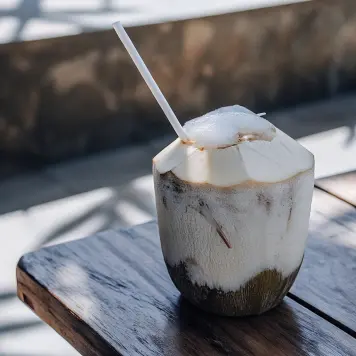
Limonada de Coco (Coconut Lemonade)
Limonada de coco is a creamy, tropical blend of fresh lime juice, coconut milk, and ice that is uniquely popular in Cartagena. Unlike a standard lemonade, it is frothy and rich, making it the ultimate thirst-quencher on a Caribbean afternoon.

Jugo de Lulo
Lulo is a tangy, citrus-like fruit native to Colombia, and its juice is a beloved drink throughout Cartagena. It is often sweetened with sugar and served over ice, offering a bright, zesty flavor that locals swear by for beating the heat.

Aguardiente Antioqueno
Aguardiente is Colombia's signature anise-flavored sugarcane spirit and a favorite at Cartagena's lively street festivals and nightclubs. It is commonly called "guaro" and is typically sipped straight or mixed into cocktails like the popular "Saoco."
Frequently Asked Questions about Cartagena, Colombia
Cartagena, Kolombiya güvenli mi?
Cartagena, Kolombiya'da kaç gün kalınır?
Cartagena, Kolombiya'yı ziyaret etmek için en iyi zaman nedir?
Cartagena, Kolombiya pahalı mı?
Cartagena, Kolombiya'da nasıl dolaşılır?
En popüler turistik yerlerin PDF'ini e-postanıza gönderin
Tüm turistik yerler, değerlendirmeler ve ipuçlarıyla PDF alın. Çevrimdışı kullanım için mükemmel.
En popüler günlük geziler
Islas del Rosario
Stunning coral islands with white sand beaches and clear turquoise water
Playa Blanca (Barú)
Pristine white sand beach with crystal clear Caribbean waters
Volcán de Lodo El Totumo
Famous mud volcano where you bathe in therapeutic warm mud
San Basilio de Palenque
UNESCO heritage village founded by escaped African slaves
Oraya ulaşım
Havalimanları
Tren istasyonları
None. Buses, taxis, and private cars are the main transport options.
From CTG airport, take a taxi or Uber to the Old Town (15 to 20 minutes, around USD 10 to 15). Always agree on price beforehand.
Cartagena, Colombia'a uçuş bulun
Cartagena, Colombia için eSim almak için tıklayın
Seyahat ettiğiniz her yerde mobil internet almanın en kolay ve uygun fiyatlı yolu.
Yorumlar (10)
Eat at La Cevicheria for lunch not dinner. Same amazing food but half the price. And skip the restaurants on the main wall, walk one block inland.
Best 4 days ever. The colors, the music, the people. Took a boat to Islas del Rosario and it felt like paradise. Would go back tomorrow.
Always carry small bills. So many places claim to not have change for larger notes. Taxis too, insist on the meter or agree on price before getting in.
Mixed feelings. City is stunning but everything felt overpriced for Colombia. Drinks in Plaza Santo Domingo were twice what I paid in Medellin.
Rainy season caught me off guard. Showers every afternoon but they pass fast. Still managed to see everything and had a great time overall.