 CityBuddy
 Türkçe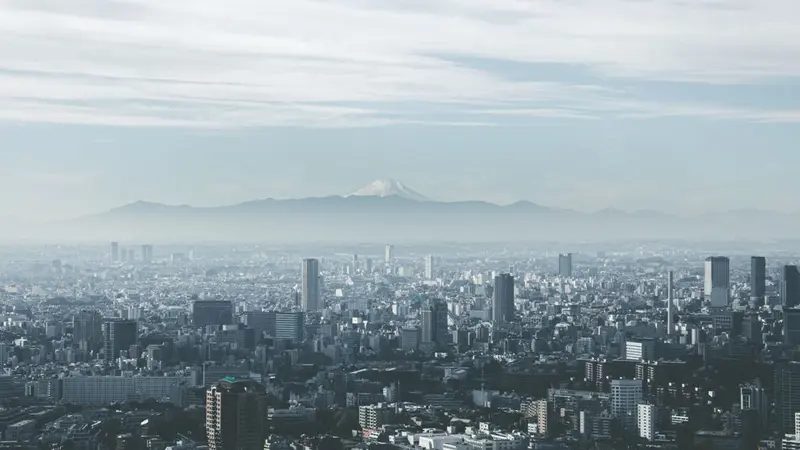
Japan yapılacak şeyler
Fotoğraf Ruiz . tarafından Pexels.com'da çekilmiştir
Ne zaman gidilir
Japan içindeki en popüler turistik yerler
Japonya'da yapılacak şeyler, Fushimi Inari Taisha'daki binlerce kırmızı torii kapısını keşfetmekten Kyoto'daki Altın Tapınak Kinkaku-ji'nin parıldayan altın yapraklarına hayran kalmaya kadar uzanır. Tokyo'da, Senso-ji tarihi Asakusa'yı derinlemesine tanımanızı sağlar, Tokyo Skytree ise 634 metre yüksekten panoramik şehir manzaraları sunar.
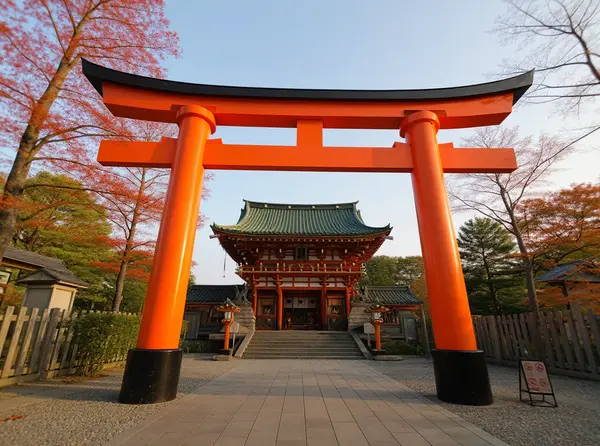
1. Fushimi Inari Taisha
Kyoto
Thousands of bright orange gates form a tunnel up a sacred mountain. Climb past fox statues and tiny shrines for sweeping views over Kyoto.
Hızlı bilgiler: Some 10,000 vermilion torii gates snake up the mountainside in a 4-kilometer loop trail. The climb passes over 200 individual shrines and takes most visitors around two to three hours round trip.
Öne çıkanlar: At the trail's halfway mark, roughly 30 minutes up, you hit Yotsutsuji Intersection, where the city of Kyoto sprawls below in a panoramic sweep. Get there for sunrise and you'll share the viewpoint with maybe a handful of early risers instead of the thousands of people who flood in by mid-morning.
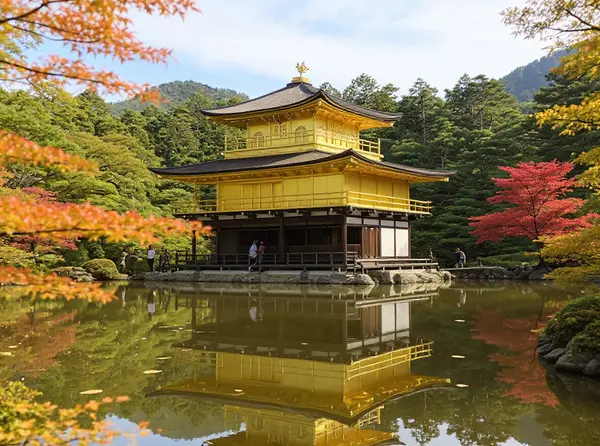
2. Kinkaku-ji / Golden Pavilion
Kyoto
Yaldızlı bir köşk, aynamsı bir havuzun üzerinde parıldar. Kartpostal güzelliğinde yansımalar ve huzurlu bahçe yürüyüşleri bekleyin.
Hızlı bilgiler: Çatıda bir bakır anka kuşu oturmuş, güneş ışığını yakalayıp gölete küçük altın parıltılar yansıtıyor. Ashikaga Yoshimitsu orijinal emeklilik villasını yaptırmış, mevcut yapı ise 1950 yangını sonrası 1955 yeniden inşasından kalmadır.
Öne çıkanlar: Üst iki kat altın varakla kaplanmış ve üzerlerinde yaldızlı bir anka kuşu bulunuyor, göletteki her dalga ile parıltı değişiyor. 1950 yılında acemi bir rahip tarafından çıkarılan kötü şöhretli bir yangın, 1955'te dramatik bir yeniden inşaya yol açtı. Ziyaretçiler bu hikayeyi bahçelerde dolaşırken hala duyarlar.
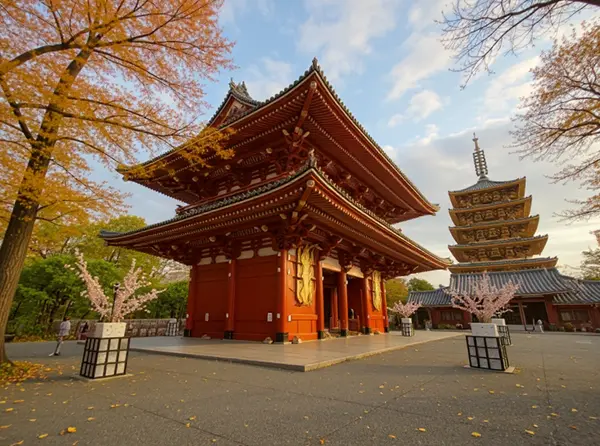
3. Senso-ji (Asakusa, Tokyo)
Tokyo
İkonik fenerler ve canlanan pazar tezgahları kalabalığı çeker. Çarpıcı fotoğraflar, lezzetli atıştırmalıklar ve kokulu tütsü dumanı bekleyin.
Hızlı bilgiler: Ana kapının altında dev bir kırmızı fener asılı, burası fotoğraf çekmek için göz alıcı bir odak noktası ve hem yerel halk hem ziyaretçiler buraya akın ediyor. Tatlı, odunsu tütsü dumanı avluya dalga dalga yayılırken, insanlar bunu ağrıyan uzuvlarına doğru yelpazeler. Canlı bir pazar caddesi ise taze rice cracker ve hediyelikler sunuyor.
Öne çıkanlar: Girişin üzerinde yaklaşık 700 kilogram ağırlığında, 3.9 metre yüksekliğinde kırmızı bir kağıt fener duruyor, bu dramatik fotoğraflar için insanları altlarında küçültüyor. Kalabalıklar buhar çıkaran büyük bir tütsü kazanının etrafında toplanır, dumanı kendilerine doğru yelpazeler çünkü birçokları bunun sağlık ve şans getirdiğine inanır, hava tarçına benzer aroma ile doludur.
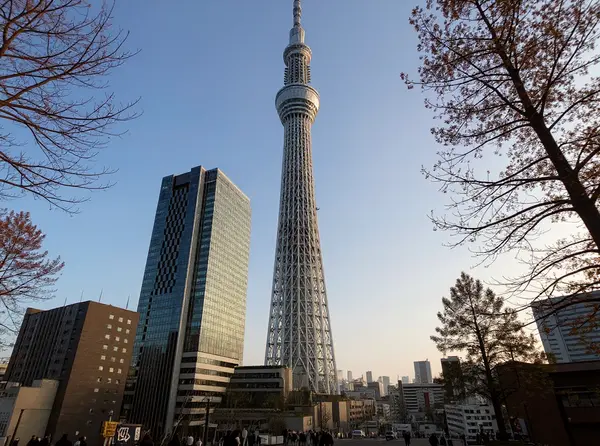
4. Tokyo Skytree (Sumida, Tokyo)
Tokyo
Baş döndürücü yüksekliklerden yenilmez şehir manzaraları. Cam zeminler, geniş panoramalar ve büyüleyici LED gösterileri.
Hızlı bilgiler: 634 metreye yükselen yapı, Dünyadaki en yüksek serbest duran kulelerden biridir ve şehrin kilometrelerce uzağına uzanan manzaralar sunar. Cam tabanlı bölümler, iki gözlem güvertesi ve müze benzeri bir taban, ziyaret etmeyi basit bir asansör yolculuğu olmaktan çok katmanlı bir deneyim haline getirir.
Öne çıkanlar: Yükseklikte eğlenceli bir sayısal sır gizlidir: 6-3-4 Japoncada 'mu-sa-shi' okur, bu tarihî Musashi eyaletine bilinçli bir göndermedir. Geceleyin binlerce LED ışık sistemi temalı renk paletleri arasında döner, silueti yakındaki nehir yürüyüş yollarından hem hissedilen hem görülen renkli hikayelere dönüştürür.
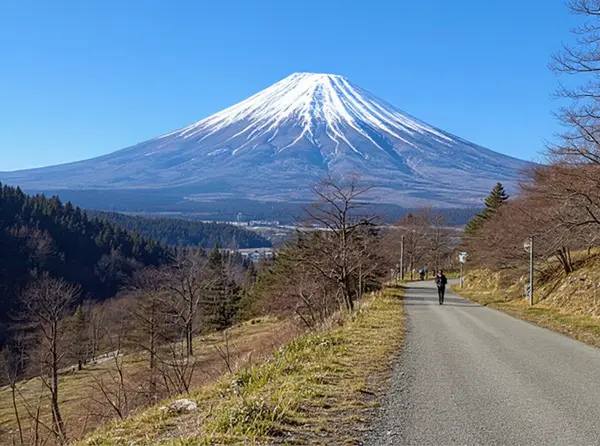
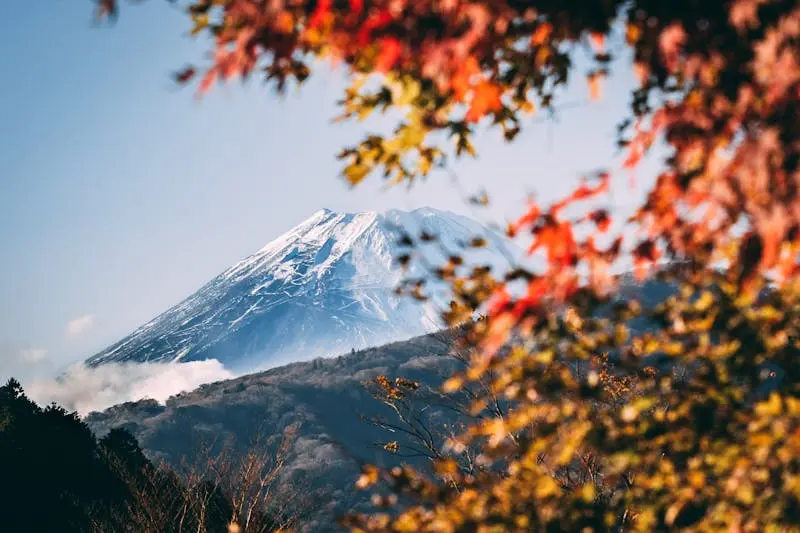
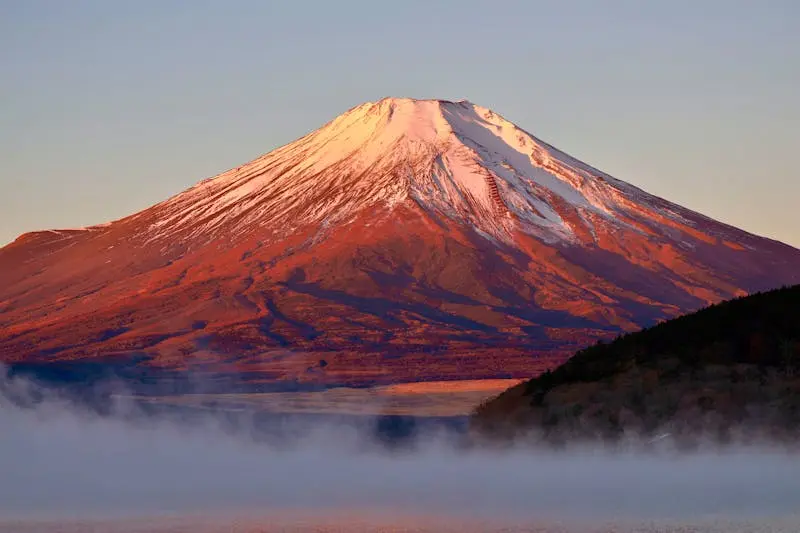
5. Mount Fuji (Fujinomiya/Hakone)
Fujinomiya
Efsanevi gün doğumu ve geniş panoramalar. Altın ışığın bulut denizi üzerine yayılmasını izlemek için yürüyün veya izleme noktasına gidin.
Hızlı bilgiler: Neredeyse kusursuz bir volkanik koni, 3.776 metreye kadar yükselir ve temiz günlerde şehirlerden sıklıkla görülebilir. Beş ayna gibi sakin yamaç gölü ve onlarca dağ tapınağı, tabanının etrafında yer alır ve hem fotoğrafçıları hem de hacıları çeker.
Öne çıkanlar: 3.776 metrede, zirvenin geniş krater kenarı, yamaçları altın ve gölgeyle dolduran gün doğumu manzaralarını çerçeveler. Hacılar hala beşinci istasyon tapınaklarında küçük ahşap levhalar bırakmak ve çanlar çalmak için dururlar, bu dokunsal ritüel, şafak öncesi karanlığı düşük metalik notalarla doldurur.
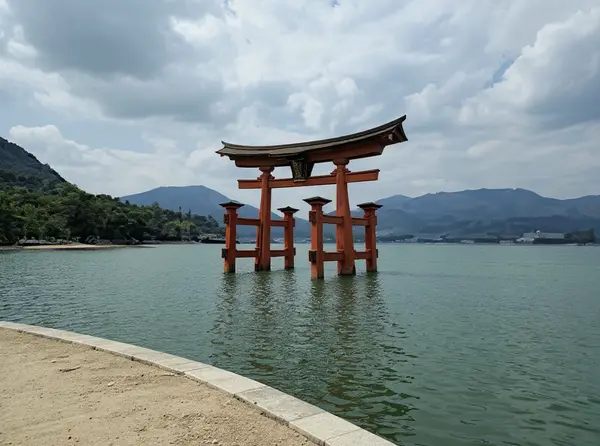
6. Itsukushima Shrine (Miyajima, Hatsukaichi)
Hatsukaichi
Yüksek gelgitte denizden yükselen bir torii görün. Düşük gelgitte yürüyerek yansımaları izleyin ve canlı Heian saray müziği dinleyin.
Hızlı bilgiler: Gelgit değişimleri, yaklaşıma günde iki kez sulu bir sahne kazandırır, böylece torii yüksek gelgitte yüzüyormuş gibi görünür, alçak gelgitte ise yürünebilir olur. Kızıl lake kaplı salonları sedir ayakları üzerine kurulmuş olan bu UNESCO Dünya Mirası alanı, hala ritüel tekne geçitleri ve tapınak müziğiyle yankılanır.
Öne çıkanlar: Yüksek gelgitte yaklaşık 16 metre yüksekliğindeki ana torii, gün batımında koyda bir çerçeveli tablo gibi duruyor ve turuncu parlıyor. Yerel halk, Heian döneminden kalan Kangen-sai adlı bir tekne müziği festivalini kutlamaya devam eder; lake kaplı tekneler, fener ışığında gagaku müzisyenlerini taşır.
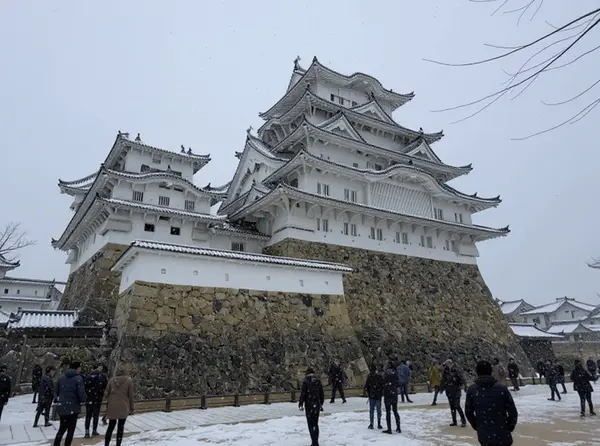
7. Himeji Castle
Himeji
Zorlu ama çabaya değer çatılardan manzarası olan beyaz bir kale. Dar ahşap salonlarda dolaşın ve panoramik seyir noktalarına tırmanın.
Hızlı bilgiler: Beyaz sıvalı duvarlar ve kat kat çatılar ışığı yakalar, komplekse bir kağıt turna silueti verir; denizciler tarafından kıyı işaretçisi olarak kullanılmıştır. Ziyaretçiler, dik merdivenler ve dar koridorlardan oluşan labirentimsi savunma düzeni karşısında sık sık hayranlıklarını belirtir, çünkü bu düzen saldırganları yavaşlatmak ve şaşırtmak için tasarlanmıştır.
Öne çıkanlar: Ana kaleye tırmandığınızda yerden yaklaşık 46 metre yükseklikte olursunuz, dar oka delikleri beklenmedik şekilde tüm açılardan 360 derece manzaralar sunar. Yerel rehberler, ayak seslerini beklenmedik şekillerde yankılayan akustik hileleri, küçük tuzak kapıları ve açılı koridorları göstererek geçmişten kalma bilinçli bir savunma tiyatrosunu anlatmayı severler.
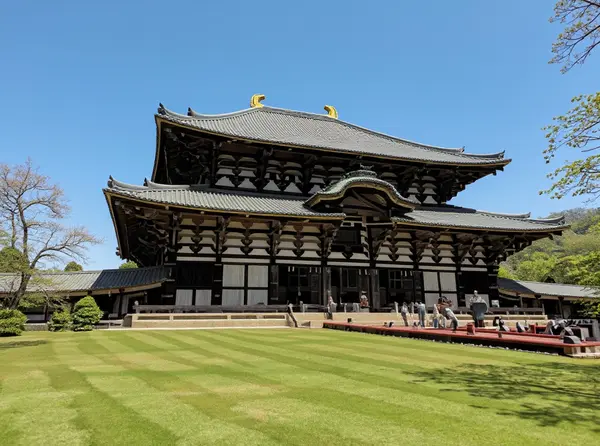
8. Nara Park & Todai-ji
Nara
Kutsal tapınak ve uysal geyikler büyülü bir yürüyüş sunar. Eğilen geyiklerle tanışın, devasa oturan Buda heykelini görün, huzurlu avlularda dolaşın.
Hızlı bilgiler: Nazik, serbestçe dolaşan ve ilginç şekilde oyuncu fotoğraf anları yaratan geyiklerin arasında gezebilirsiniz. Ana salonda devasa bir bronz Buda heykeli bulunur, sakin bakışı ziyaretçileri küçültür ve ayak seslerini yankılar.
Öne çıkanlar: 2500'den fazla evcil geyik alanda serbestçe dolaşır, satıcılar geyik bisküvileri yaklaşık 150 yen karşılığında satar ve bazı geyikler atıştırmadan önce selam verir. Ana salonda yaklaşık 15 metre yüksekliğinde oturur pozisyonda büyük bir bronz Buda bulunur, ahşap salon ayak seslerini ve törenlerde çanın derin çınlamalarını güçlü bir şekilde yansıtır.
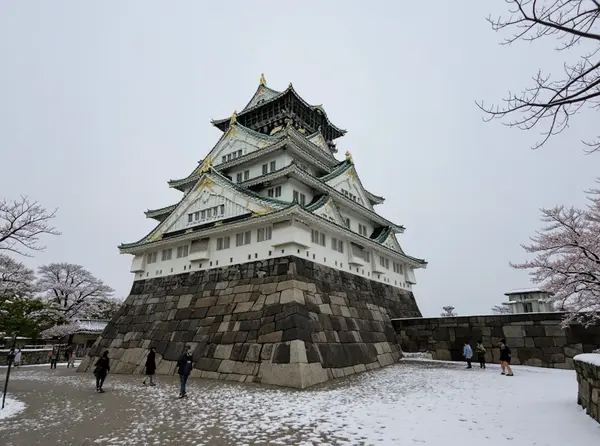
9. Osaka Castle
Osaka
Efsanevi şehir silüeti ve görkemli altın ayrıntılar unutulmaz kılar. Müze katlarında dolaştıktan sonra üstten kiraz çiçeklerini izleyin.
Hızlı bilgiler: Beyaz ve altın katlı kale, devasa taş hendek üzerinde yükselir; gösterişli samuray dönemi süslemelerini modern bir müze ile birleştirir. Ziyaretçiler, çok katlı sergilere asansörle çıkabilir, ardından geniş şehir manzarası sunan gözlem güvertesine tırmanabilirler.
Öne çıkanlar: 8. kat gözlem güvertesine gidin, burada tarihî kale alanları, cam kuleler ve geniş nehirler birleşerek fotoğrafçıların çok sevdiği 360 derece bir panorama oluşturur. Işıltılı güneş yansımalarında parıldayan iki altın shachihoko çatı süsü bulunur, rehberli yürüyüşlerde yerel halkın işaret ettiği ilginç bir simgedir.
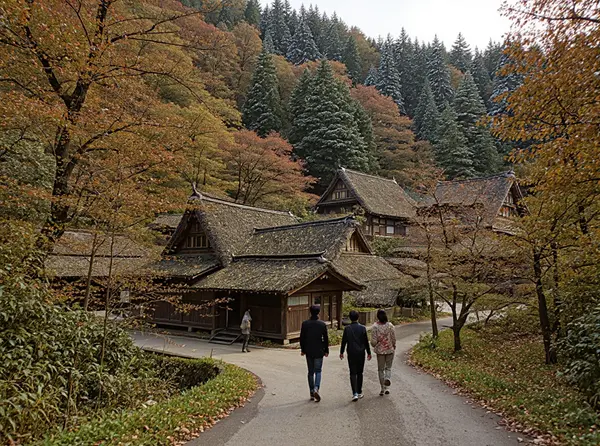
10. Shirakawa-go (Ogimachi, Gifu)
Gifu
Kartpostaldan fırlamış gibi dik çatılı benzersiz bir köy kümesi. Dar sokaklarda yürüyün, tepe izleme noktasına tırmanın ve rustik dağ yemeklerinin tadına bakın.
Hızlı bilgiler: Ellerini dua edercesine yukarı kaldıran gibi dik çatılarla bir dağ köyü, unutulmayacak bir siluet oluşturur. Mevsimsel pirinç kurutma direkleri ve tüten bacalar, turist yolları arasında günlük yaşamın görünmesini sağlar.
Öne çıkanlar: Gassho tarzı çatılar yaklaşık 60 derecelik açıyla eğilir, böylece ağır kar kayar ve gökyüzüne karşı dramatik üçgen profilleri oluşturur. Ana tepe gözlem noktasından vadide yaklaşık 100 saman çatılı ev kümelenmesini görebilir, genellikle karla kaplıdır, bir masal manzarası yaratır.
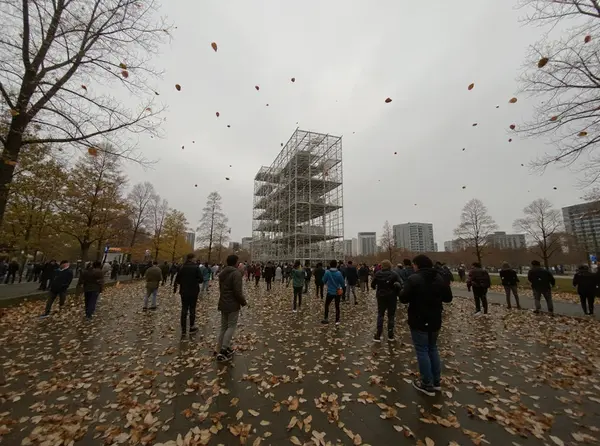
11. teamLab Borderless
Sizi sanatın bir parçası haline getiren büyüleyici ışık ve ses oyun alanı. Hareketin, rengin ve sesin hareketlerinize tepki verdiği ışıl ışıl odalarda dolaşın.
Hızlı bilgiler: Duvarlar, zeminler ve ziyaretçiler üzerinde projeksiyonların aktığı odalara adım atın, böylece sanat asla statik hissettirmez. Elli’den fazla enstalasyon dokunuş ve harekete tepki verir, sizi seyirci olmaktan katılımcıya dönüştürür.
Öne çıkanlar: Işıklar, yüzlerce asılı LED kürenin parlayıp yakın hareketlere tepki verdiği "Rezonans Lambaları Ormanı"nda kümelenir; adeta ayakların altında dalga dalga renk izleri oluşturur. Yansıtıcı "Kristal Evren" sizi çevreler; on binlerce minik ışık desenleri ses ve titreşimle değiştirir, böylece her ziyaret benzersiz hissedilir.
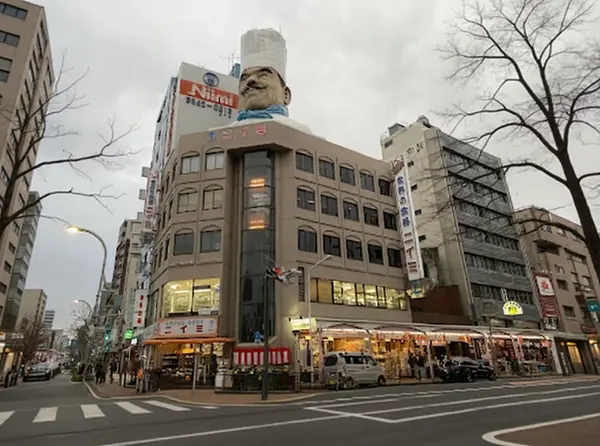
12. Kappabashi Street
Restoran gereçleri için eşsiz bir pazar keşfedin. Gerçekçi yiyecek modelleri, profesyonel şef bıçakları ve vintage sofra takımlarıyla karşılaşın.
Hızlı bilgiler: Dar bir alışveriş caddesi restoran aletleri ve masa gereçlerinde uzmanlaşmıştır. Şefler ve kafe sahipleri kepçeden profesyonel bıçaklara her şeyi buradan alır. Dükkanlar, hiper gerçekçi plastik yiyecek sergileri ve parlak bakır tencereler satarak zanaat, ticaret ve renklerin gerçeküstü bir karışımını oluşturur.
Öne çıkanlar: Yaklaşık 170 uzman mağaza sokakta sıralanır, arasında hayat boyu plastik noodle kaseyi el boyayan atölyeler ve binlerce yen değerinde şef bıçakları sunan dükkanlar bulunur. Sıcak mağaza ışıkları, parlak sahte yiyecek örneklerine yansır, uzaktan yenebilir gibi görünen minyatür sahneler oluşturur; birçok ziyaretçi için beklenmedik dokunulabilir bir deneyimdir.
Where to Stay in Japan
Selected by City Buddy based on guest reviews and proximity to top attractions
Search all hotels in JapanPowered by agoda
Japan şehrinde açılış günleri
En iyi mekanlardan hangisi haftanın hangi günü kapalı, klasik seyahat planı bozan detay, sizin için kontrol edildi.
Salı: 26 en iyi mekandan 3 tanesi kapalı, müzeleri başka bir güne planlayın.
Salı günü kapalı · 3 kapalı, 23 açık
- teamLab Borderless
- Isuien Garden
- Shinjuku Gyoen National Garden
Açılış günleri Google Maps'ten alınmıştır. Resmi tatiller, grevler ve sezonluk saatler farklılık gösterebilir, gitmeden önce resmi web sitesini kontrol edin.
Japan içindeki popüler şehirler
Geleneksel Tatlılar
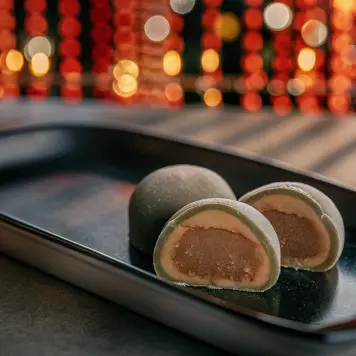
Mochi
Mochi is made by pounding glutinous rice until it becomes a smooth, elastic mass, and the communal mochitsuki ceremony at New Year brings neighbors together to pound and shape it.
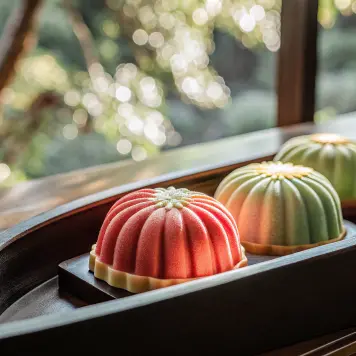
Wagashi
Wagashi are delicate confections crafted to reflect the season, their designs often mimic flowers, leaves and landscapes to complement tea ceremonies and moments of mindfulness.

Dorayaki
Dorayaki pairs two fluffy pancakes with sweet red bean paste, and its name 'dora' means gong after a legend that batter was once cooked on a discarded gong.
Geleneksel Tuzlu Yemekler

Sushi
Sushi began as a method to preserve fish in fermented rice, and the hand-pressed nigiri style was invented in Edo in the early 19th century as fast street food.
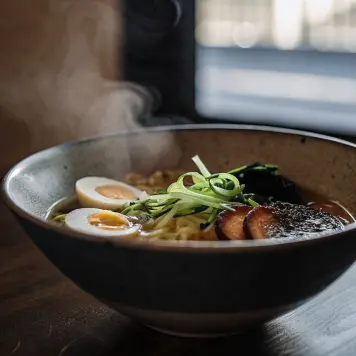
Ramen
Ramen arrived from China and evolved into dozens of regional broths and noodle styles, and slurping loudly is both polite and helps bring the aroma to your nose.

Okonomiyaki
Okonomiyaki literally means 'grill what you like', it is a customizable savory pancake that people often cook together on communal griddles in Osaka and Hiroshima.
Geleneksel İçecekler

Green tea
Green tea, especially powdered matcha used in tea ceremonies, contains L-theanine and caffeine that together promote calm alertness, and it became central to Zen practices.

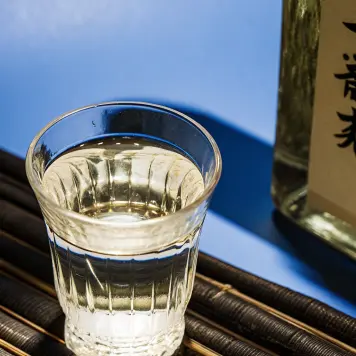
Sake
Sake is brewed with koji mold that converts rice starch into sugar, and it has been used in Shinto rituals for centuries as a sacred offering and celebratory drink.
Shochu
Shochu is a distilled spirit often around 25 percent alcohol by volume, and it can be made from ingredients like sweet potato, barley or rice giving each region a distinctive flavor.
Japan Hakkında Sıkça Sorulan Sorular
Japonya'yı ziyaret etmek için en iyi zaman nedir?
Japonya yaşamak için pahalı bir ülke midir?
Japonya'daki toplu taşıma sistemi nasıl?
Japonya'da musluk suyu içilebilir mi?
Japonya'yı yılda kaç turist ziyaret eder?
En popüler turistik yerlerin PDF'ini e-postanıza gönderin
Tüm turistik yerler, değerlendirmeler ve ipuçlarıyla PDF alın. Çevrimdışı kullanım için mükemmel.
En popüler günlük geziler
Hakone
Hot springs, views of Mt. Fuji and lake cruises.
Kamakura
Historic temples, Great Buddha and coastal walks.
Yokohama
Large port city, Chinatown, Minato Mirai area.
Oraya ulaşım
Havalimanları
Tren istasyonları
Tokaido Shinkansen, JR lines, local metro connections
Tokaido/Sanyo Shinkansen, JR lines
JR lines, Odakyu, Keio, multiple metro lines
Use Narita Express/Keisei Skyliner from Narita, Tokyo Monorail/Keikyu from Haneda; get a Suica/PASMO IC card.
Vize ve giriş
EU/Schengen countries, USA, Canada, UK, Australia, New Zealand, South Korea, Singapore, Hong Kong, Taiwan, Brazil, Argentina, Chile, Mexico
Many African countries, some South Asian countries (e.g., India, Pakistan), and some Middle Eastern countries typically require visas
Check the Japan Ministry of Foreign Affairs or local embassy for your nationality; rules change and some stays vary.
Japan için faydalı bilgiler
Japan için genel bakış
Japan için gün gün bir plan mı istiyorsunuz? Seyahat planlayıcıyı açın
Japan ne zaman gidiyorsunuz?
Tarihlerinizi ve seyahat tarzınızı seçin ve şunları alın:
Bunlardan herhangi biri sizin için özellikle önemli mi?
Uygun olanları seçin
Ulaşım
Yerler arasında nasıl hareket etmek istersiniz?
Plan dili: TürkçeMost popular itineraries for Japan
Browse trip plans created by other travelers
7-Day Family Autumn Adventure in Japan: Hidden Gems & Local Favorites
Explore Japan's most enchanting autumn landscapes with your family, weaving through iconic sights and secret local gems that reveal the country's true heart away from tourist crowds.
13-Day Japan: Hidden Gems, Family Fun & Cultural Treasures
Discover Japan's lesser-known wonders with your family this summer: from secret temple courtyards and local neighborhood markets to kid-friendly museums and breathtaking historical sites, this off-the-beaten-path journey blends adventure, culture, and practical family-friendly pacing across Tokyo, Kyoto, Osaka, Hakone, Kanazawa, and beyond.
13-Day Japan: Hidden Paths & Backpacker Secrets
From Kyoto's hidden temple gardens to Tokyo's underground art scenes, discover Japan's best-kept secrets on a budget-friendly summer adventure through lesser-known neighborhoods, local markets, and authentic hangouts.
20-Day Autumn Japan for Culture and History Enthusiasts
Discover Japan's rich history, cultural treasures, and hidden gems over 20 unforgettable autumn days filled with museums, historic sites, and authentic local experiences.
11-Day Japan Spring Journey for Culture Seekers and Local Explorers
Dive deep into Japan's hidden gems, rich history, and authentic local scenes this spring with budget-friendly adventures and off-the-beaten-path experiences.
3-Day Yokohama, Tokyo, and Kamakura Off-the-Beaten-Path Summer Explorer
Discover hidden gems and local favorites across Yokohama, Tokyo, and Kamakura for an authentic Japan experience away from the crowds.
5-Day Springtime Japan Discovery: Culture, Nature & City Lights
Immerse yourself in the vibrant culture, breathtaking landscapes, and delicious cuisine of Japan on this unforgettable 5-day spring adventure!
13-Day Active Explorer's Journey Through Japan
Embark on an unforgettable 13-day active adventure through Japan, seamlessly blending Japan's iconic landmarks with hidden cultural gems and breathtaking natural landscapes.
12-Day Japan for Culture and History Enthusiasts
Discover Japan's rich heritage, hidden local gems, and architectural treasures across 12 immersive summer days.
5-Day Family-Friendly Spring Adventure in Japan
An engaging 5-day family trip across Japan featuring kid-friendly parks, iconic landmarks, interactive museums, and scenic nature visits with practical travel tips for families.