 CityBuddy
 English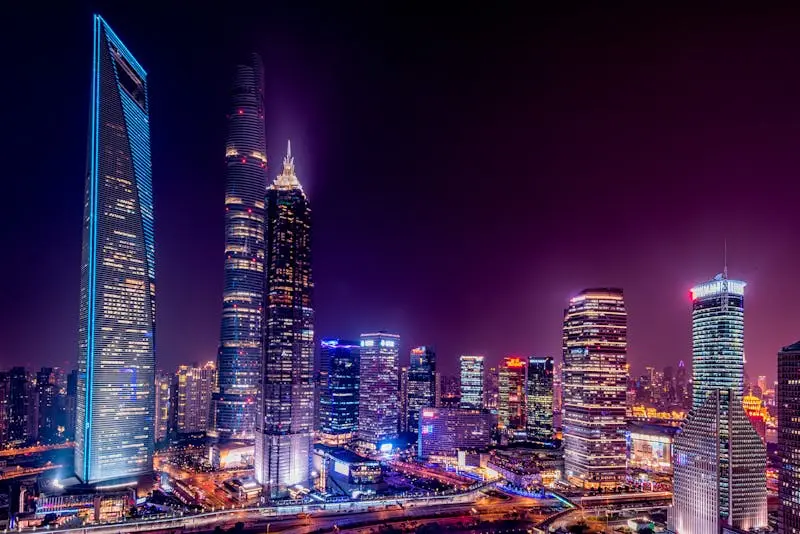
Things to Do in Shanghai, China
Photo made by Peng LIU on Pexels.com
When to visit
Plan your perfect trip to Shanghai, China
Get a complete travel plan built just for you in under 30 seconds, with daily routes, local food tips, budget estimates and more.
Are any of these especially important to you?
Select all that apply
Plan language: EnglishShanghai is the #2 city for food lovers in the world, based on our data across hundreds of destinations.
Most popular attractions in Shanghai, China
Things to do in Shanghai, China include strolling along The Bund, where historic colonial architecture faces the modern skyline across the Huangpu River. Ascend Shanghai Tower, the tallest building in China at 632 meters, for panoramic city views. Explore Yu Garden, a classical garden dating back to the Ming Dynasty, with its rockeries, pavilions, and koi ponds.
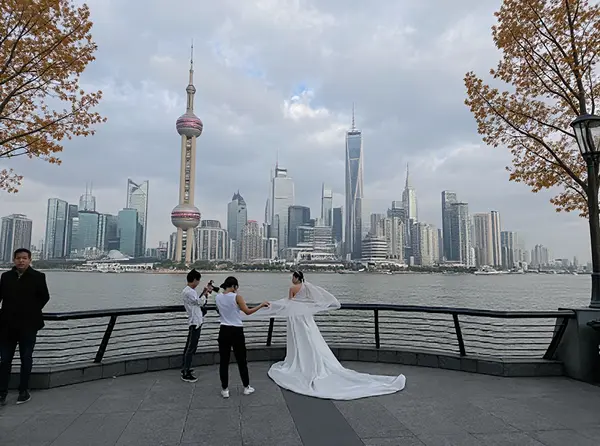
1. The Bund
Iconic waterfront with colonial facades and Shanghai skyline views. Stroll the promenade, photograph the skyline at sunrise or watch the Bund light up at night.
Quick facts: The river breeze carries the sound of boat whistles and the aroma of barbecue stalls. Along the roughly 1.5-kilometer stone-paved walkway, more than 50 old buildings with diverse architectural styles line both sides. Once a core area in the financial fabric of the Far East, several clock towers and marble porches still attract photographers who arrive early to catch the morning light.
Highlights: The air by the river mixes the damp smell of metal with the clicks of camera shutters. Between 5 and 7 in the morning, it is common to see soon-to-be-weds and photography teams using reflectors to create a warm, long beam of light. The mechanical chimes on the clock tower sound every 15 minutes. Three short strikes followed by a long tone echo in the night, often used by long-exposure photographers to create dynamic light trails.
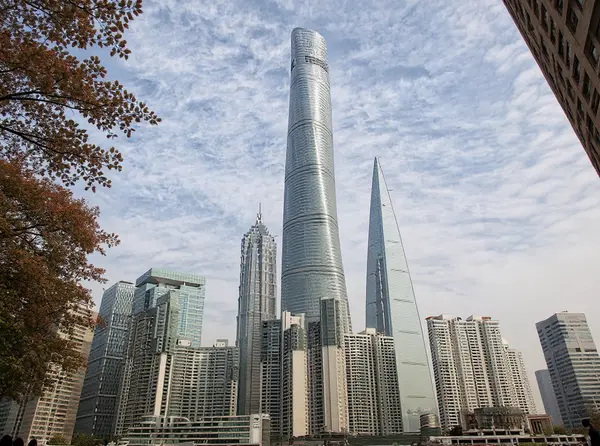
2. Shanghai Tower
Ascend China's tallest tower for sweeping panoramic views from one of the world's highest observation decks. Ride a record-fast elevator to glass-floored viewpoints and skyline vistas.
Quick facts: Looking up at the spiraling shape feels like being engulfed by a massive glass vortex. The entire tower dominates the skyline at a height of 632 meters. The ultra-fast elevator reaches a top speed of about 20.5 meters per second, swiftly carrying you to observation decks above the hundredth floor. There is a slight pressure sensation in your ears during the ride.
Highlights: Walking into the gap between the outer shell and the tower body reveals a series of sky gardens. The most striking is the observation space on the 118th floor. Standing there, you can feel the high-altitude wind shear and subtle vibrations beneath the glass. At night, the façade reflects a gradient of silver-blue light. Combined with the echo effect produced by the tower’s spiral seams, it almost feels as if you can hear the wind sliding down along the spiral.
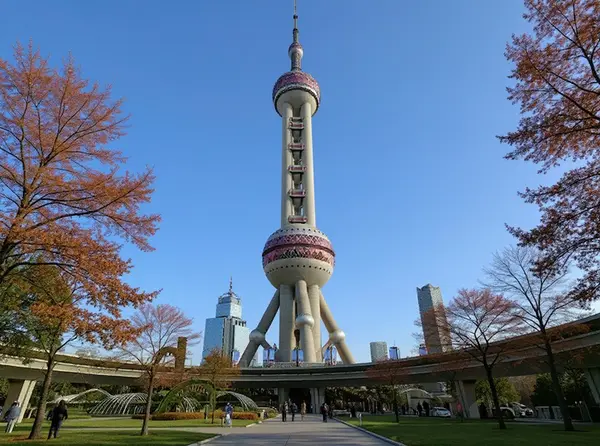
3. Oriental Pearl Tower
Futuristic skyline icon with sweeping city views. Ride to glass platforms, history exhibits, and a revolving restaurant.
Quick facts: Standing 468 meters tall, it makes the skyline instantly recognizable by that unique silhouette. The exterior consists of 11 spheres of different sizes linked together, and when lit up at night, it looks like a string of pearls dancing on the river surface.
Highlights: The transparent observation corridor is located about 260 meters above the ground. Standing on the glass, you can see both the street below and the distant river, making your heart race. Every night, the light show uses over ten thousand LED lights synchronized with music. The changes in color and rhythm make you feel like you have stepped into a giant light and shadow dance.
Have you heard of free walking tours?
After traveling to 30+ countries, there's one thing I wish someone had told me from day one, and it completely changed how I experience new cities.
Free walking tours. Yes, actually free. No credit card needed. No catch.
Local guide, 2-3 hours
Major sights, hidden gems, local stories
100% tip-based
Guides earn only tips, so they give their absolute best
You tip what feels right
At the end, just tip whatever you feel is right
I've done these in dozens of cities and they've been the highlight of almost every trip. If you're visiting Shanghai, China, do this on your first day. You'll thank me later.
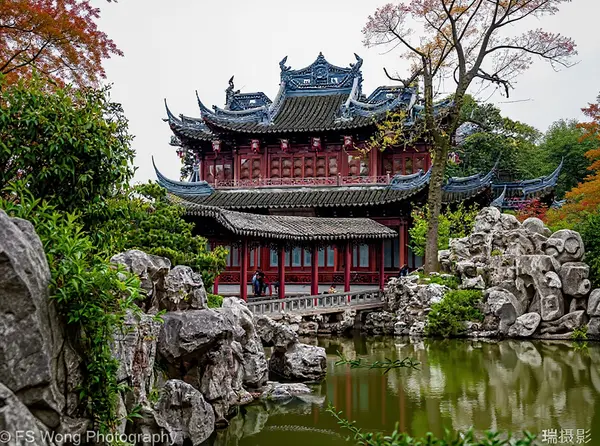
4. Yu Garden
Classic Ming-dynasty garden with ornate pavilions and winding rockeries. Wander tranquil courtyards, carved bridges and traditional teahouses in central Shanghai.
Quick facts: Stepping into the garden, winding corridors, small bridges over flowing water, and antique carved windows divide the limited space into quiet corners waiting to be explored. Light and shadow move like turning pages on the stone paths. Tea drinkers can often be seen quietly chatting in old riverside shops. The crisp clinking of porcelain cups mixed with the mist rising from the lotus ponds creates a unique urban flavor.
Highlights: Here's a secret. Pan Yunduan devoted nearly 18 years creating the garden for his father. The famous rockery is stacked with over a hundred uniquely shaped stones. Up close, you can even smell the damp moss between the stones. Tea lovers often line up with ten or so people in front of the lakeside pavilion, sitting by wooden windows to sip a hot cup of tea. The aroma of malt rising from the hot brew separates the market's noise into two layers.
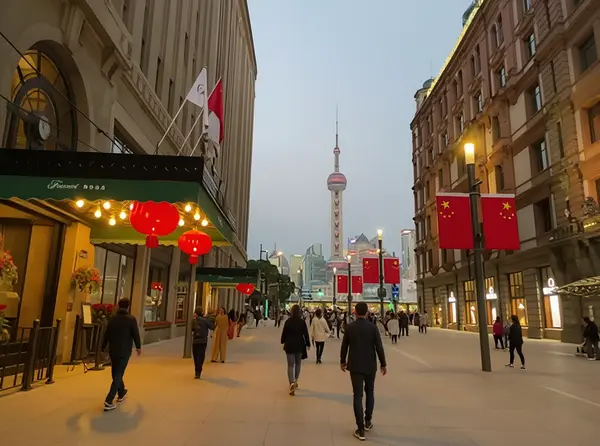
5. Nanjing Road
Shanghai's bustling commercial spine mixes historic arcades and neon energy. Stroll flagship shops, street-food stalls, and lively evening lights.
Quick facts: A commercial pedestrian street over one kilometer long, lined on both sides with thousands of shops and restaurants. You can always find unexpected little stores in the corners. The streets are often crowded with people, with peak foot traffic reaching hundreds of thousands. At night, neon lights and the aroma of street snacks slow down your steps to take in the sights and smells.
Highlights: The grilled aroma and soup scents of street snacks draw people in. Nearby stalls often sell hundreds of portions in a single day. While waiting in line, you can hear the irregular rhythm of spatulas hitting pans. An old craftsman in a corner often repairs pocket watches with vintage tools. He fixes about 5 to 10 watches daily. Customers gather around to watch the tiny movements under his magnifying glass. The sounds are quiet and precise, like the heartbeat of a clock.
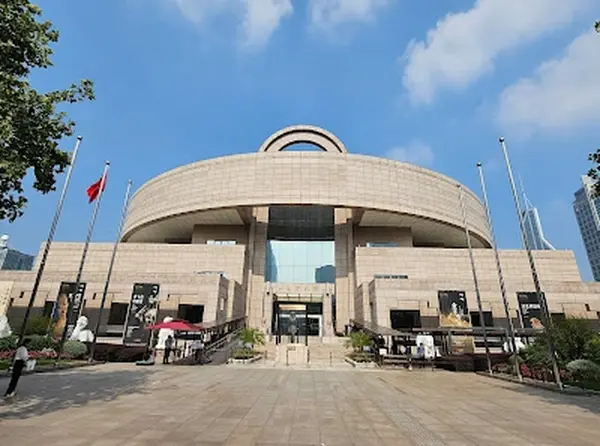
6. Shanghai Museum
World-class collection of Chinese art spanning 5,000 years, housed in an elegant circular building. Expect galleries of bronzes, ceramics, jade, calligraphy and ornate costumes.
Quick facts: Walking into the main hall is like entering a bronze ware classroom, with over a thousand pieces of bronze ware in the collection. The patterns are so detailed that the tool marks from casting are visible. The display cases are filled with jade and colored porcelain. The small objects sometimes reflect a warm, milky white or jade green luster under the light, making you want to reach out and touch them.
Highlights: There is a replica experience area where you can get close and touch. Visitors can feel the rough texture of ancient pottery and the grooves from hand-finishing with their fingers. This is one of the few exhibition sections that allows touching replicas. The exhibit labels often indicate the excavation site number or the year of excavation. One of the most notable inscriptions records up to 12 lines. The audio guide reads each line in Mandarin and English, allowing you to read each character while listening.
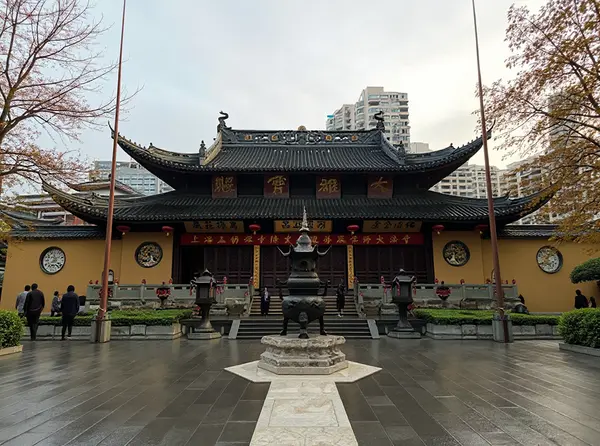
7. Jade Buddha Temple
Serene temple with two luminous white jade Buddha statues, offering a calm glimpse into Shanghai's Buddhist life. Walk ornate halls, hear monks chant, and watch devotees give offerings.
Quick facts: Two jade Buddhas carved from rare white jade stand here, their fine luster often captivating onlookers. The hall is filled with the rich scent of sandalwood and candle smoke. Chanting and incense transform each step into a ritualistic experience.
Highlights: The two white jade Buddhas in the main hall are from Myanmar. The white jade emits a cool jade green luster under the light, and upon close inspection, the stone patterns are as fine as threads. When nearly a hundred strands of sandalwood are lit simultaneously, the smoke drifts slowly in the light beams. You can hear the low-frequency echoes of wooden fish and the faint sounds of monks' robes rustling, creating a scene that is both quiet and profound.
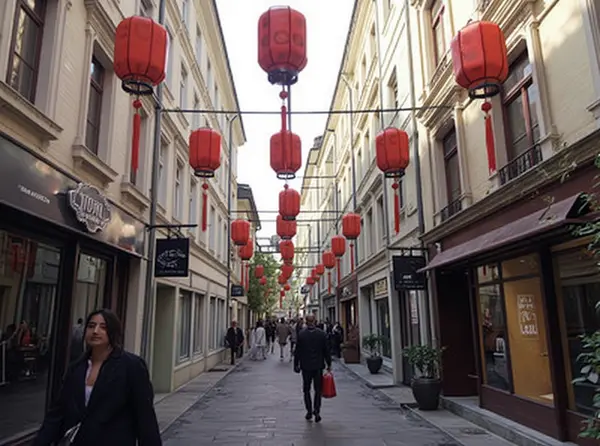
8. Former French Concession
Elegant tree-lined avenues showcase Shanghai's colonial architecture and café culture. Wander leafy streets of villas, art deco façades, boutiques and cafés while sampling local snacks.
Quick facts: Strolling along the tree lined avenue, the thick French planes filter the sunlight into dappled spots. The stone paths and rich coffee aroma slow your steps. You often see Western-style buildings with ornate window grilles side by side with modern designer shops in the alleyways. At night, gentle jazz sometimes spills out from small bars, creating an atmosphere like a faded old postcard.
Highlights: At night, old coffee shops often play "La Vie en Rose" on vinyl, the crackle of the needle and the bitter aroma of espresso intermingling in the air, stretching time into a warm strip. The writer Eileen Chang once lived here. Small reading groups on street corners and second hand bookstores often have old issues and facsimile manuscripts about her. The paper is slightly yellowed when flipped through, and the scent of tea mixed with ink transports you instantly into the scenes of her novels.
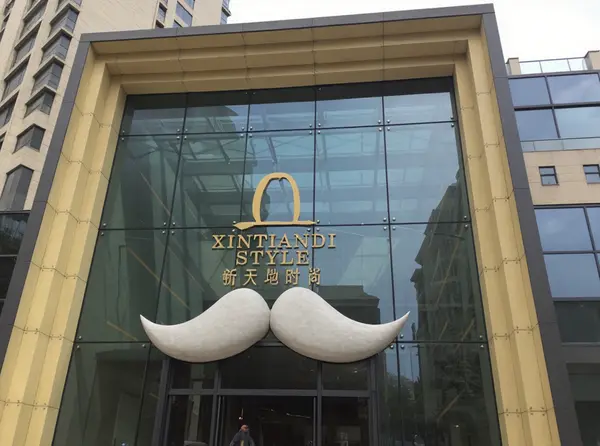
9. Xintiandi
Where preserved shikumen courtyards meet lively restaurants and boutiques. Stroll cobbled lanes, dine riverside, and watch Shanghai nightlife light up.
Quick facts: Stone Gate buildings lined with cobblestone alleys hide cafes, trendy shops, and upscale restaurants, perfect for leisurely walks and cultural observation during the day. The pedestrian area gathers dining options and brands from over 30 countries. On weekends, crowds and street performances make the atmosphere more lively.
Highlights: The red brick walls gleam warmly under soft yellow lights, with the air filled with the scents of coffee, grilled meat, and freshly baked pastries. About 10 to 15 street performers entertain on the main pedestrian street. The combination of the sanxian, harmonica, and bass jazz weaves an unexpectedly rich live atmosphere.
10. Ulica Tianzifang
Wander through a maze of narrow lanes where every turn reveals a tiny gallery, dumpling stall, or quirky boutique. Feel the pulse of old Shanghai as artists work alongside grandmas hanging laundry overhead.
Quick facts: Dozens of narrow alleyways snake through a former residential area, now filled with more than 200 tiny shops, art studios, and food stalls. Locals still live upstairs, hanging laundry out windows while tourists browse handmade crafts below.
Highlights: Artist Chen Yifei kickstarted this transformation in 1998 when he set up his studio here, drawing fellow creatives and slowly turning a sleepy old neighborhood into a creative hub. Wander deep enough and you will find the original residents playing mahjong in shaded courtyards, a living slice of old Shanghai amid the commerce.
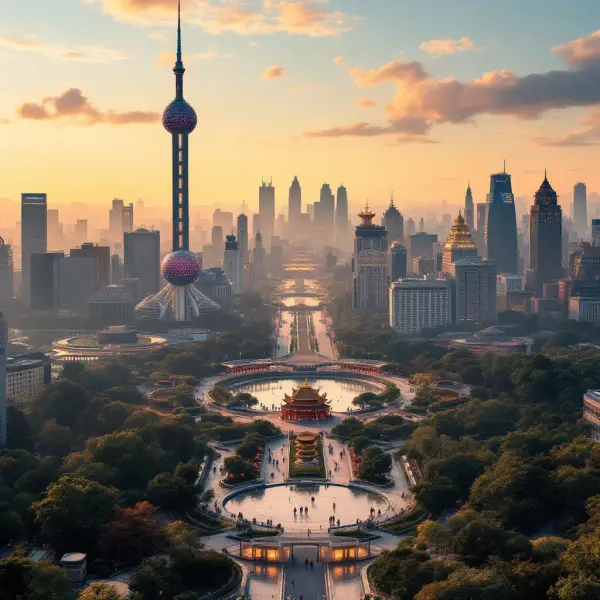
11. Park Fuxing
A sprawling green heart where Shanghai's past and future collide in plain sight. Watch grandfathers fly silk-string kites beside teenagers filming dance videos on their phones.
Quick facts: More than 60,000 square meters of green space make this park the largest public square in the heart of Shanghai. Three major roads converge around it, creating a dramatic urban crossroads where thousands of commuters pass through each day.
Highlights: At dawn, local tai chi masters gather in synchronized motion while retirees practice calligraphy on the pavement with water brushes, their characters evaporating within minutes. By noon, the park transforms into an accidental catwalk for young fashion photographers testing their skills against the backdrop of century-old plane trees.
Where to Stay in Shanghai, China
Selected by City Buddy based on guest reviews and proximity to top attractions
Search all hotels in Shanghai, ChinaPowered by agoda
Traditional Sweet Dishes
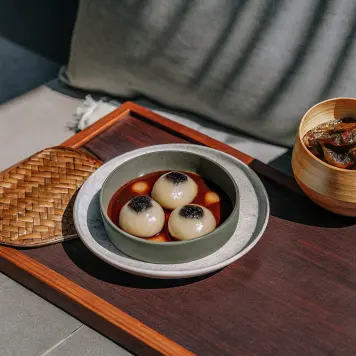
Tangyuan
Glutinous rice balls often filled with black sesame or sweet red bean are a staple in Shanghai for Lantern Festival and family celebrations, symbolizing reunion and togetherness.
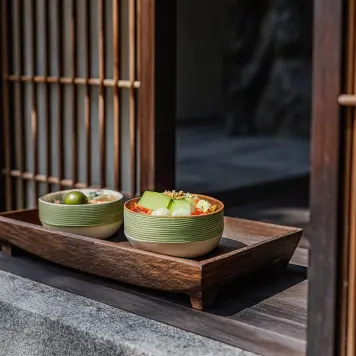
Eight-Treasure Rice
Known as ba bao fan, this colorful sticky rice pudding made with candied fruits and nuts is traditionally served at Chinese New Year and weddings, and reflects Shanghai's Jiangnan festive cuisine.
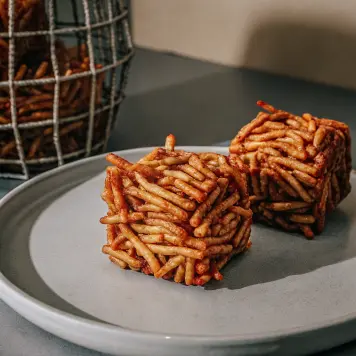
Sachima
A crunchy, sweet fried pastry made from strands of fried dough bound with syrup, sachima is widely enjoyed in Shanghai bakeries and markets, showing the city's embrace of regional snacks.
Traditional Savory Dishes
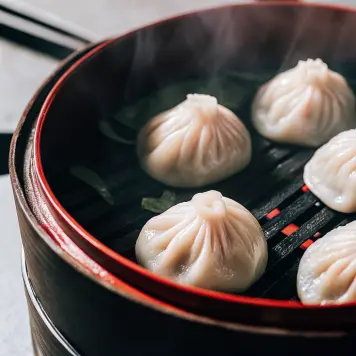
Xiaolongbao
These delicate soup dumplings filled with savory broth and pork originated near Shanghai and are internationally famous as a must-try local specialty, especially from Nanxiang in the old city.
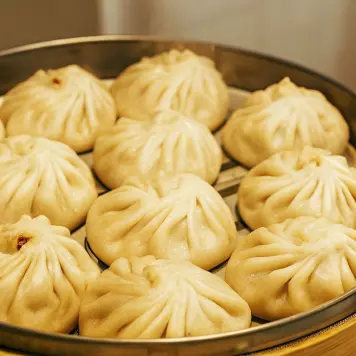
Shengjianbao
Pan-fried pork buns with a crisp bottom and juicy interior are a beloved Shanghai street food, traditionally served for breakfast and still sold fresh from large steel pans in markets.
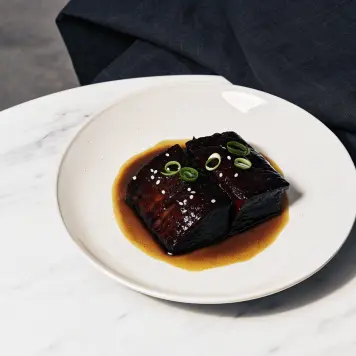
Red Braised Pork
Hong shao rou, a melt-in-your-mouth pork belly braised in soy sauce and sugar, epitomizes Shanghai's preference for richly flavored, slightly sweet dishes that come from Jiangnan culinary traditions.
Traditional Beverages
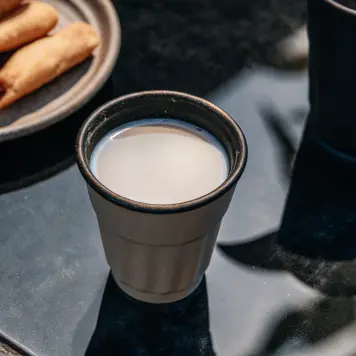
Soy Milk
Fresh soy milk is a common Shanghai breakfast beverage, often enjoyed hot with fried dough sticks, and reflects the everyday comfort foods of the city.
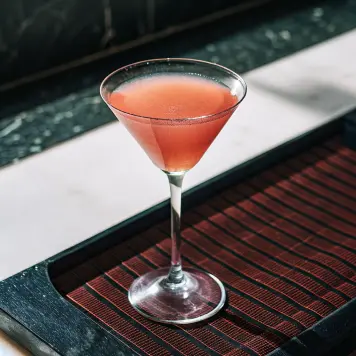
Huangjiu
This traditional fermented yellow rice wine, sometimes served warm, is used for cooking and celebrations in Shanghai, linking the city's cuisine to wider east China wine-making traditions.

Osmanthus Tea
Osmanthus-scented tea and sweet osmanthus confections are popular in Shanghai, with the floral aroma celebrated across Jiangnan for both everyday enjoyment and festive treats.
Frequently Asked Questions about Shanghai, China
What is the best time to visit Shanghai, China?
Is the cost of living high in Shanghai, China?
Is public transportation convenient in Shanghai, China?
How many tourists visit Shanghai, China annually?
How to get around within the city of Shanghai, China?
Get a PDF with the most popular attractions sent to your email
Get a PDF with all attractions, ratings, and tips. Perfect for offline use.
Most popular day trips
Suzhou
Classical gardens, canals, silk history, UNESCO sites.
Hangzhou
West Lake scenery, tea terraces, temples, historic streets.
Zhujiajiao Water Town
Ancient canal town with stone bridges and waterways.
Nanjing
Historic capital, temples, mausoleums, river scenery.
Getting there
Airports
Train stations
Beijing-Shanghai HSR, Hangzhou, Nanjing, Suzhou high-speed lines
Conventional and some high-speed services to northern and western China
From Pudong take the Maglev or airport express to the city; from Hongqiao use metro Line 2 or a taxi.
Find flights to Shanghai, China
Click to get eSim for Shanghai, China
The easiest and most affordable way to get mobile internet wherever you travel.
Useful information for Shanghai, China
Overview for Shanghai, China
Most popular itineraries for Shanghai, China
Browse trip plans created by other travelers
Comments (8)
Avoid restaurants on the Bund, walk two blocks inland for real prices and better food, locals queue late at night for gems.
Buy a Shanghai Public Transport card at the airport, reloadable and saves time, much cheaper than single tickets for multiple days.
Three days felt rushed, four to five is ideal if you want museums, day trips and some late nights.
Shanghai blew me away, neon skyline at night is unreal, food is incredible but expect crowds and humid summers.
Not as friendly as I hoped, scammers on the tourist strip and cold winters made it less fun for me.