 CityBuddy
 English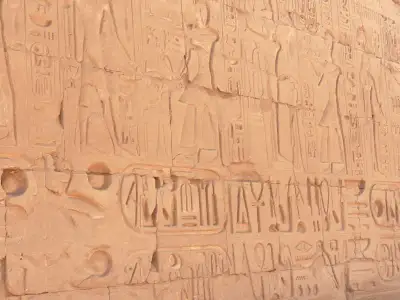
Things to Do in Egypt
Photo made by Atman Bouba on Pexels.com
When to visit
Plan your perfect trip to Egypt
Get a complete travel plan built just for you in under 30 seconds, with daily routes, local food tips, budget estimates and more.
Are any of these especially important to you?
Select all that apply
Plan language: EnglishMost popular attractions in Egypt
Cruising the Nile and soaring over the desert barely scratch the surface of things to do in Egypt, but the Great Pyramid of Giza demands attention at 138 meters tall. The Great Sphinx of Giza waits 450 meters south, and the Valley of the Kings hides 63 painted tombs across the river at Luxor.
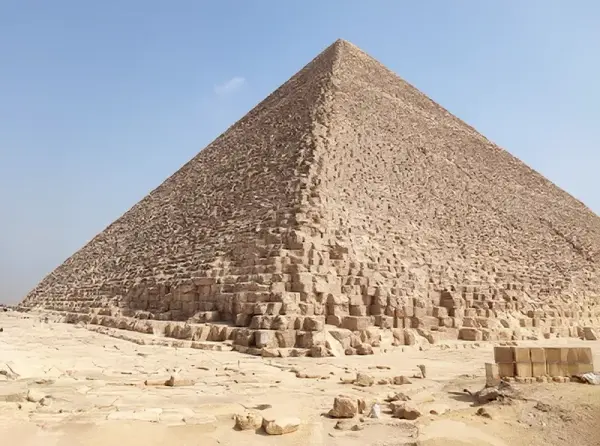
1. Great Pyramid of Giza
Giza
Quick facts: Walking up to the steep, weathered sides, you can almost imagine the original smooth limestone surface flashing in the sun, a shimmer that would have made the whole structure glow. Experts estimate roughly 2.3 million limestone blocks were placed with such precision that the base is level within a few centimeters over more than 230 meters, a technical accomplishment that still puzzles modern engineers.
Highlights: Step into the central corridor and you feel the air cool against your skin, the stone smelling faintly of dust and cedar; the builders stacked roughly 2.3 million limestone blocks, some as heavy as 80 tonnes, to reach the original height of about 146.6 meters. A quirky 19th-century tradition has visitors tracing the soot-marked names left by explorers like Giovanni Battista Belzoni in 1818, a tangible link to the moment when the inner chambers were first reopened to the modern world.
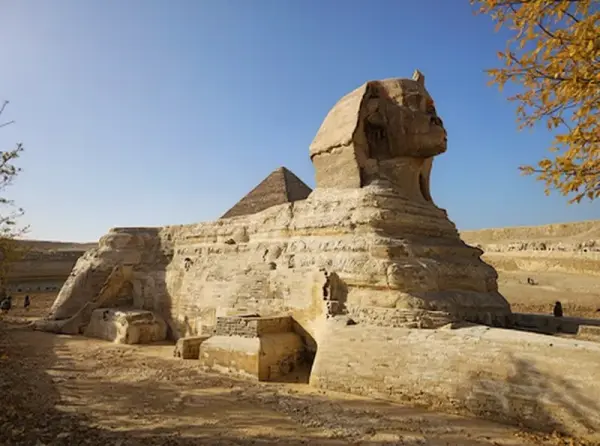
2. Great Sphinx of Giza
Giza
Quick facts: A sun-baked limestone colossus squats beneath the open sky, its weathered visage and missing nose fueling more myths than any plaque can resolve. Archaeologists and curious travelers alike press close to study chisel marks and patched repairs, surprised by how much of the figure was carved from the living bedrock rather than assembled stone.
Highlights: In 1378 a Sufi named Muhammad Sa'im al-Dahr chiseled off the nose in protest against peasants leaving offerings, and chroniclers record he was executed for the vandalism. Get closer and you can see it was carved from a single limestone ridge about 73 meters long and 20 meters high, the weathered tool marks and different colored layers of stone giving the face an oddly small profile, which has led experts to suggest the head was recut from an earlier lion statue around 2500 BCE, roughly 4,500 years ago.
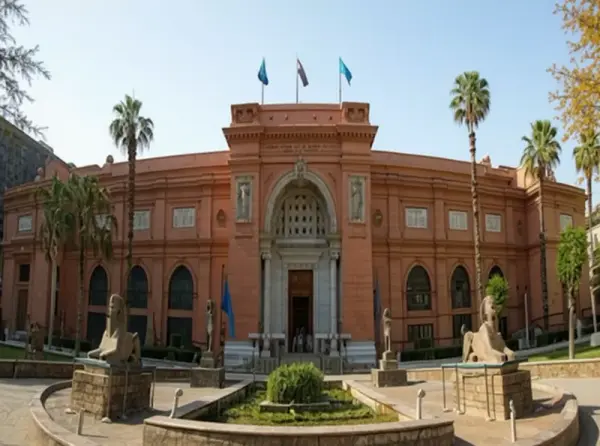
3. Egyptian Museum
Cairo
Quick facts: Dim galleries hold more than 120,000 artifacts, where gilded masks and towering stone statues make the air feel thick with stories. A famous gold funerary mask draws audible gasps, and tiny inlaid jewelry rewards patient, close-up inspection.
Highlights: Lean in: low, honey-colored lighting and a faint, dust-and-wood scent make the echoing galleries feel like a time machine, where roughly 120,000 artifacts are packed into rooms from tiny faience ushabti figurines to oversized stone reliefs. During the 2011 uprising, curators famously formed human chains around display cases and kept a handwritten conservation log by candlelight, details you can still sense in scuffed floors and sticky notes clinging to century-old cabinets.
Have you heard of free walking tours?
After traveling to 30+ countries, there's one thing I wish someone had told me from day one, and it completely changed how I experience new cities.
Free walking tours. Yes, actually free. No credit card needed. No catch.
Local guide, 2-3 hours
Major sights, hidden gems, local stories
100% tip-based
Guides earn only tips, so they give their absolute best
You tip what feels right
At the end, just tip whatever you feel is right
I've done these in dozens of cities and they've been the highlight of almost every trip. If you're visiting Egypt, do this on your first day. You'll thank me later.
4. Karnak Temple
Luxor
Stand inside a forest of 134 colossal columns lit by only a sliver of sun. Over 200 acres of temples hum with 2,000 years of accumulated devotion.
Quick facts: Worship unfolded across 30 royal dynasties here, roughly two thousand years of surplus building that outlasted the pyramids' own construction boom. The Great Hypostyle Hall holds 134 sandstone columns, the tallest soaring about 24 meters, so thick that daylight barely threads between them.
Highlights: Legend says circling the colossal scarab beetle statue seven times grants a heart's wish, and on any day you will watch visitors twirling around it with real intent. A short climb up the mud-brick ramp on the first pylon reveals the whole east-west axis below, the same 2,000-year alignment that lets the winter solstice sun ignite the inner sanctuary.
5. Valley of the Kings
Luxor
Descend 3,000-year-old stairways cut for rulers who were sealed in forever. You'll wander lamp-lit corridors of ghostly color before the tour buses roll in.
Quick facts: Over 60 royal burial chambers have been carved into this desert hillside, with fresh finds still surfacing as recently as 2019. A pair of tombs plunge past 130 meters underground, and one vast burial complex holds the bones of more than 100 royal sons.
Highlights: King Tut's burial room is cramped by royal standards, yet the 5,398 objects crammed inside took Howard Carter a decade to catalogue. The neighboring tomb KV5 sprawls as a family necropolis for Ramesses II's sons, and its deepest shaft is still being cleared by archaeologists today.
6. Luxor Temple
Luxor
Stand where pharaohs celebrated their grandest festival for over 3,000 years. At dusk, floodlights catch the sandstone and the towering obelisk glows gold against the darkening sky.
Quick facts: Each year priests hauled sacred boat statues down an avenue of ram-headed sphinxes, a 2.7-kilometer procession, to celebrate the Opet festival here. One surviving obelisk still towers 25 meters over the court, its missing twin now standing in Paris's Place de la Concorde.
Highlights: Climbing to the rooftop of the Abu Haggag mosque reveals a medieval dome wedged directly on top of ancient columns, so you can see Egyptian stonework and Islamic arches stacked centuries apart. From that same roof, spot the Roman-era wall paintings of armored soldiers that later worshippers painted right over the pharaohs' reliefs.
7. Abu Simbel Temples
Aswan
Four 20-meter pharaohs guard a temple that a river almost swallowed. Feel early morning silence in the inner sanctum as sunlight touches the stone gods.
Quick facts: Those four seated pharaohs looming at the entrance each stand 20 meters high, carved straight into the cliff face. Twice a year on February 22 and October 22, dawn rays travel 60 meters down the hall to light up three inner statues while leaving the fourth, the god of darkness, in shadow.
Highlights: The 1960s rescue cut the temples into roughly 1,050 blocks and rebuilt them 65 meters higher, yet the twice-yearly sun alignment still lands perfectly in its new home. One colossal statue near the entrance collapsed in antiquity, and the missing head now keeps company with mummies in the British Museum, leaving a gaping scar of raw stone to study face to face.
8. Philae Temple
Aswan
Ride a motorboat across a glassy reservoir toward a temple that glows like a mirage at dusk. Stroll torchlit colonnades and watch the sunset paint thousand-year-old carvings into gold.
Quick facts: Nearly 40,000 carved stone blocks were cut apart, numbered, and rebuilt 12 meters higher on a safer island during a 1970s UNESCO rescue mission. Priests kept worshipping the goddess of magic here until the 6th century, long after Rome banned other pagan cults, and Christian monks later painted over the ancient carvings.
Highlights: Each spring the cult staged a week-long Reunion Festival, carrying the goddess's image south on a gilded barge to meet her husband, a watery procession you can still trace along the ancient waterways. Stand on the granite quay where the sacred boat docked and you're standing exactly where pharaohs stepped ashore, with floodwater lapping a few meters from your shoes.
9. Mortuary Temple of Hatshepsut
Luxor
Three sunlit terraces rise out of a cliff, the boldest monument a woman ever built in the ancient world. Walk the ramps past colossal statues to a shaded sanctuary above the river valley.
Quick facts: Only a handful of women ever ruled the ancient Nile kingdom as full pharaoh, and this queen reigned for 22 triumphant years. Her monument stacks three colonnaded terraces against a cliff nearly 300 meters tall that looms over the desert floor.
Highlights: Her chief steward Senenmut secretly carved a small portrait of himself into a pillar inside a doorway, so he could watch over his queen for eternity. Faded traces of blue and red paint on the reliefs hint that the whole complex once blazed with vivid color.
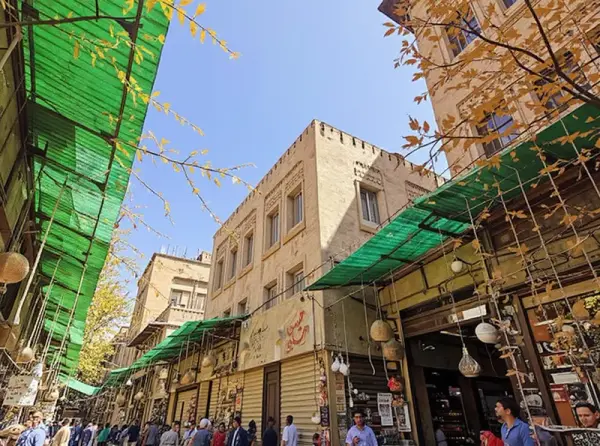
10. Khan el-Khalili
Cairo
Quick facts: Wandering down maze-like lanes you'll encounter a riot of gleaming brass lamps, piles of fragrant spices, and artisans hammering silver amid a chorus of voices. Expect haggling to feel like a friendly ritual rather than a chore, with many stalls still run by the same families for generations and bargains often sealed over a cup of sweet tea.
Highlights: Wander down a narrow lane where a single brass workshop has hammered lanterns for over 120 years, the metal flashing gold under oil lamps while the air mixes dust, jasmine and the bitter bite of strong cardamom coffee. Locals still use a playful haggling ritual: a seller quotes a round number like 50 Egyptian pounds, pours you a tiny glass of hibiscus or mint tea, then lowers the price coin by coin as you sip, turning negotiation into a shared slow ceremony.
Where to Stay in Egypt
Selected by City Buddy based on guest reviews and proximity to top attractions
Search all hotels in EgyptPowered by agoda
Traditional Sweet Dishes
Basbousa
Basbousa is a semolina cake soaked in sweet syrup that is a staple at Egyptian celebrations and cafés. The syrup soak keeps it moist and the top is usually decorated with a single almond or walnut.
Kunafa
Kunafa is a crispy shredded pastry filled with sweet cheese or nuts and drenched in syrup. It became hugely popular during the Fatimid era in Egypt and is a star dessert during Ramadan.
Umm Ali
Umm Ali is Egypt's beloved bread pudding made with puff pastry, milk, nuts, and raisins. Legend says it was created in the 13th century and named after the wife of a sultan who wanted a spectacular dessert.
Traditional Savory Dishes
Koshari
Koshari layers rice, lentils, macaroni, and chickpeas under a spicy tomato sauce and crispy fried onions. It is widely considered Egypt's national dish and a top street food favorite.
Ful Medames
Ful Medames is a creamy stew of fava beans slowly cooked until soft, often served with egg at breakfast. It is one of the oldest foods in Egypt, with traces dating back to the time of the Pharaohs.
Molokhia
Molokhia is a hearty green soup made from finely chopped jute leaves simmered with garlic and coriander. It is often served with rabbit, chicken, or duck and has been eaten in Egypt since ancient times.
Traditional Beverages
Karkadeh
Karkadeh is a ruby red hibiscus tea served either hot or iced. It was a favorite drink of the ancient Egyptians and is especially popular at weddings and festive gatherings.
Sahlab
Sahlab is a thick, creamy hot milk drink thickened with orchid root powder and topped with cinnamon, coconut, and nuts. It is a comforting winter drink in Egypt that is rich and pudding-like.
Erk Soos
Erk Soos is a dark, sweet licorice drink sold on the streets of Egypt, especially during Ramadan. Vendors pour it from hanging glass containers, and it is beloved for its refreshing aftertaste on hot evenings.
Frequently Asked Questions about Egypt
Is Egypt safe for tourists?
How many days do I need in Egypt?
What is the best time to visit Egypt?
Is Egypt expensive to travel?
How do I get around Egypt?
Get a PDF with the most popular attractions sent to your email
Get a PDF with all attractions, ratings, and tips. Perfect for offline use.
Most popular day trips
Giza Pyramids
The Great Pyramid, Sphinx, and the Giza Plateau, an unmissable day trip.
Luxor
Karnak Temple, Valley of the Kings, and Luxor Temple on the Nile.
Aswan
Philae Temple, the High Dam, and relaxed Nile-side atmosphere.
Alexandria
Mediterranean coastal city with the Bibliotheca Alexandrina and Qaitbay Citadel.
Sharm El Sheikh
Red Sea resort town famous for diving, snorkeling, and coral reefs.
Getting there
Airports
Train stations
Main line north to Alexandria and south along the Nile to Luxor and Aswan
Southern routes toward Upper Egypt
Coastal line connecting Cairo and the Mediterranean
Take an official airport taxi or the new Cairo monorail link to the city center; agree on the fare before departure.
Click to get eSim for Egypt
The easiest and most affordable way to get mobile internet wherever you travel.
Visa & entry
USA, UK, Canada, Australia, Japan, South Korea, EU countries, and most Arab nations among many others
Most African and Asian passport holders typically need a visa arranged in advance
Most visitors can apply online for an e-visa before arrival, which is faster and cheaper than the visa on arrival at the airport.
Comments (9)
October weather was perfect, not too brutal. Ten days felt right, any shorter and you just spend it recovering from the flight.
Book the pyramids for the first gate at 7am, you beat ninety percent of the crowds and pay the same ticket. Same view, half the madness.
Skip any restaurant facing the main tourist spots. Walk two streets back, similar food for a third of the price and the locals actually appreciate you.
Hotels overcharged, the guide hawked papyrus every five minutes, yet I would still go back tomorrow. This place does something to you.
Two weeks in Egypt and I still wanted more. The Nile cruise was the calmest stretch, everywhere else is loud, dusty and somehow magical.