 CityBuddy
 English
Things to Do in Bruges, France
Photo made by Ryan Thomas on Pexels.com
When to visit
Plan your perfect trip to Bruges, France
Get a complete travel plan built just for you in under 30 seconds, with daily routes, local food tips, budget estimates and more.
Are any of these especially important to you?
Select all that apply
Plan language: EnglishMost popular attractions in Bruges, France
The top things to do in Bruges, France center around its medieval core. Climb the 366 steps of Bruges' Belfry for panoramic views over the gabled rooftops. Explore the Basilica of the Holy Blood, which houses a 12th-century relic brought from Jerusalem. And at Markt Square, watch the colorful gabled buildings come alive around the 13th-century belfry towering overhead.
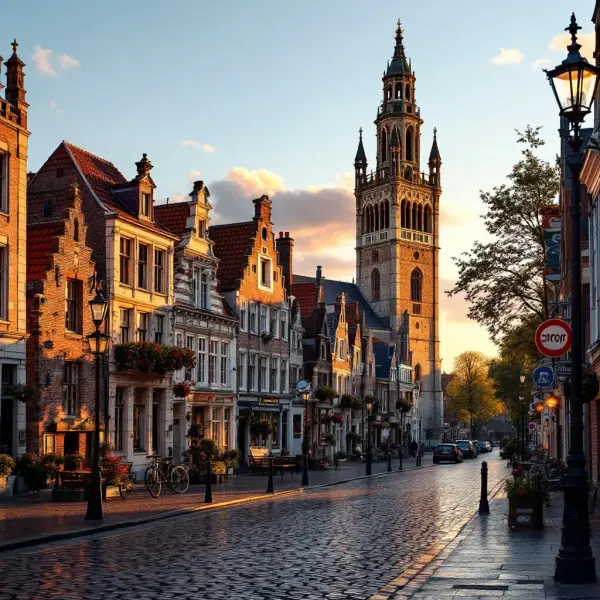
1. Bruges' Belfry
Stand at the top of a medieval tower where merchants once scanned the horizon for approaching trade ships. You'll hear 47 bells ring overhead while the entire city sprawls beneath your feet like a living map.
Quick facts: Climbing the 366 steps to the top rewards you with a 360-degree view over the entire city and surrounding countryside. The carillon has 47 bells that weigh a combined 27 tons, and they still ring manually during performances by the city's carillonneur.
Highlights: The treasury room on the third floor houses a secret 17th-century iron chest with seven locks, each key held by a different city official. No single person could open it alone, a safeguard that protected the city's charters and precious documents for centuries.
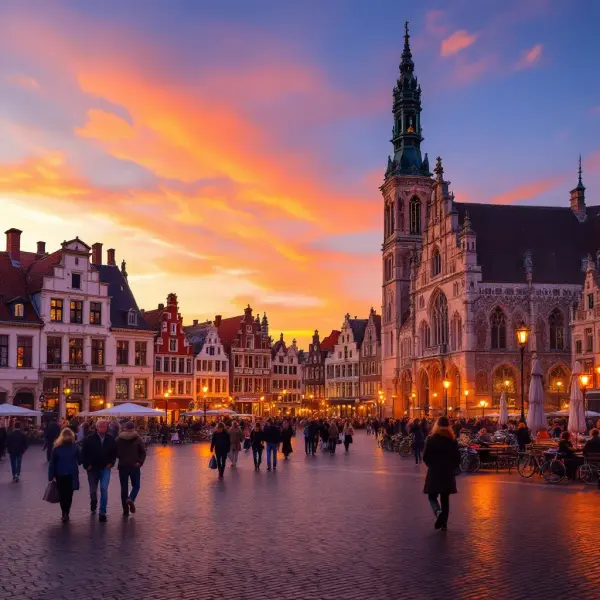
2. Markt Square
Step into a medieval marketplace that's been the pulsing center of Bruges for over 1,000 years. You'll stand on uneven cobblestones surrounded by stepped gable buildings, horse-drawn carriages clattering by, and the bell tower's carillon marking every quarter hour overhead.
Quick facts: This cobblestone square has been Bruges' commercial heartbeat since the 10th century, host to markets, festivals, and public executions. Its 47-meter bell tower contains a 47-bell carillon that rings out melodies every quarter hour, a tradition dating back over 700 years.
Highlights: Every Wednesday morning, the square transforms into a sprawling produce market where farmers still arrive with horse-drawn carts piled high with local cheeses, flowers, and vegetables. Look for the small brass plaque near the Belfort entrance marking the spot where, in 1488, the citizens of Bruges held Maximilian of Austria prisoner for over three months until he agreed to their demands.
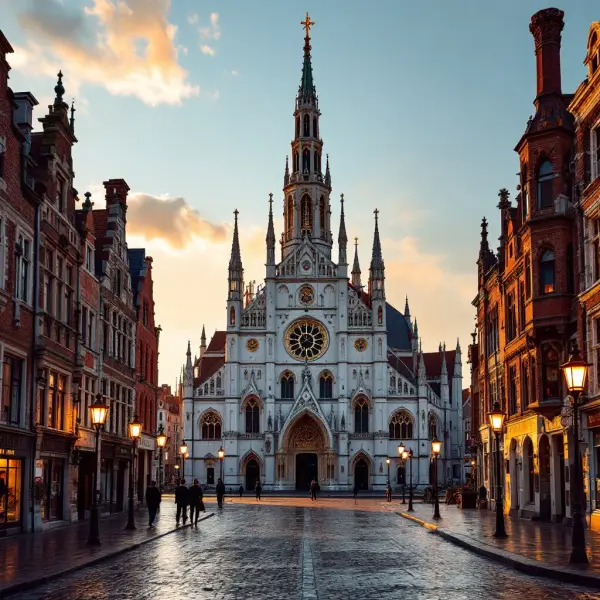
3. Basilica of the Holy Blood
Home to a revered relic carried through the streets every year since the 1300s. Climb the stairs to find a glittering upper chapel filled with gold, stained glass, and a vial believed to hold Christ's blood.
Quick facts: The basilica sits on the site of a 12th-century chapel built to house a relic of Christ's blood brought back from the Second Crusade. Every year on Ascension Day, the relic is carried through the streets in the Procession of the Holy Blood, a tradition that has continued for over 700 years.
Highlights: Tucked upstairs in a small, unassuming chapel is a crystal vial said to contain a cloth stained with the actual blood of Christ, brought to Bruges after the Crusades. The basilica itself is actually two churches stacked on top of each other: a dark, Romanesque lower chapel and a richly decorated neo-Gothic upper chapel, each with a completely different feel.
Have you heard of free walking tours?
After traveling to 30+ countries, there's one thing I wish someone had told me from day one, and it completely changed how I experience new cities.
Free walking tours. Yes, actually free. No credit card needed. No catch.
Local guide, 2-3 hours
Major sights, hidden gems, local stories
100% tip-based
Guides earn only tips, so they give their absolute best
You tip what feels right
At the end, just tip whatever you feel is right
I've done these in dozens of cities and they've been the highlight of almost every trip. If you're visiting Bruges, France, do this on your first day. You'll thank me later.
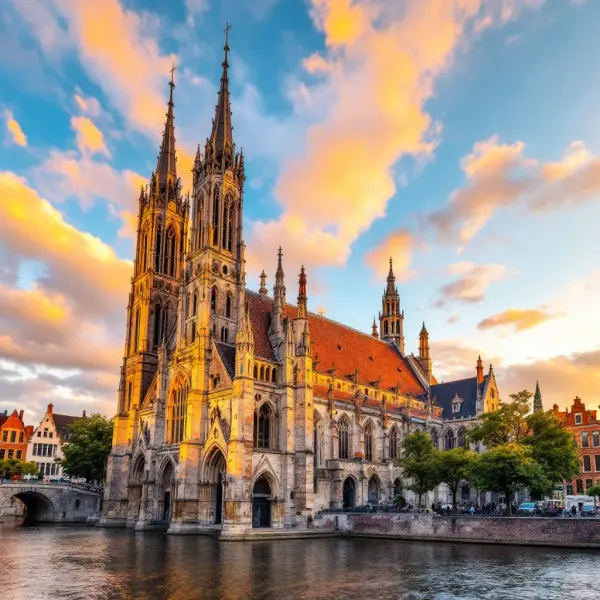
4. Church of Our Lady Bruges
Come face to face with Michelangelo's only sculpture to leave Italy during his lifetime. Stand beneath soaring 122-meter brick arches while centuries of art and history surround you.
Quick facts: The church houses Michelangelo's Madonna and Child sculpture, one of the few works by the artist to leave Italy during his lifetime. Its 122-meter brick spire makes it the second tallest brick tower in the world, visible from nearly anywhere in the city.
Highlights: Michelangelo's marble Madonna and Child sits behind bulletproof glass in a side chapel, smuggled back to Bruges after being looted by French revolutionaries and later by Nazis. Carved in 1504, the serene 128-centimeter statue was the only Michelangelo work to leave Italy in the artist's own lifetime, traded to the church for two fine fabrics.
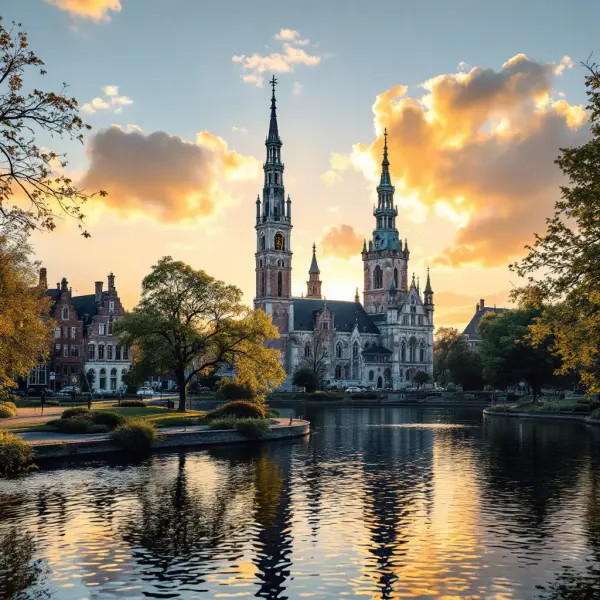
5. Minnewater Park
This peaceful water garden offers an escape from Bruges busy streets. Stroll past swans, weeping willows, and the fairy-tale castle reflected in the lake.
Quick facts: Swans have glided across these waters since 1488, when the city was ordered to keep them forever as punishment for a nobleman's execution. The park's 16th-century Minnewater Castle sits at the northern edge, though its romantic nickname "Lake of Love" actually comes from a mistranslation of an old Dutch word for a water management system.
Highlights: At dawn, the reflection of the brick castle on perfectly still water creates an optical illusion where the building appears to float between sky and lake. Local lore says the swans know exactly 136 of them live here, and park workers confirm the number has stayed consistent for nearly a decade without human intervention.
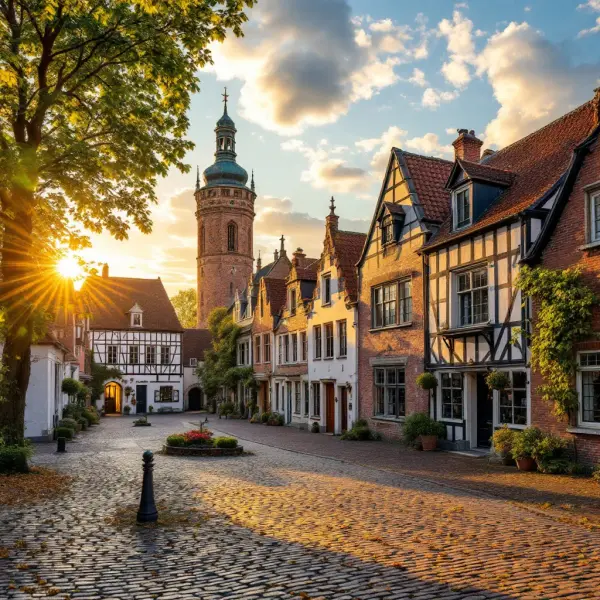
6. Beguinage (Begijnhof)
Begijnhof
Step into a silent medieval village frozen in time where women once lived without taking religious vows. Whitewashed houses, a tranquil courtyard, and the scent of boxwood hedges greet you.
Quick facts: Two hundred thousand pilgrims visit annually to walk the 12-kilometer pilgrimage route connecting Bruges' beguinages. The site spreads across nearly 3 hectares and includes a 13th-century infirmary that once treated plague patients.
Highlights: A massive 300-year-old lime tree shades the central square, planted specifically so the beguines could gather for outdoor prayer in its dappled light. Midnight silence still envelops the grounds from 11 PM to 7 AM, a tradition carried over from when the women observed strict quiet hours.
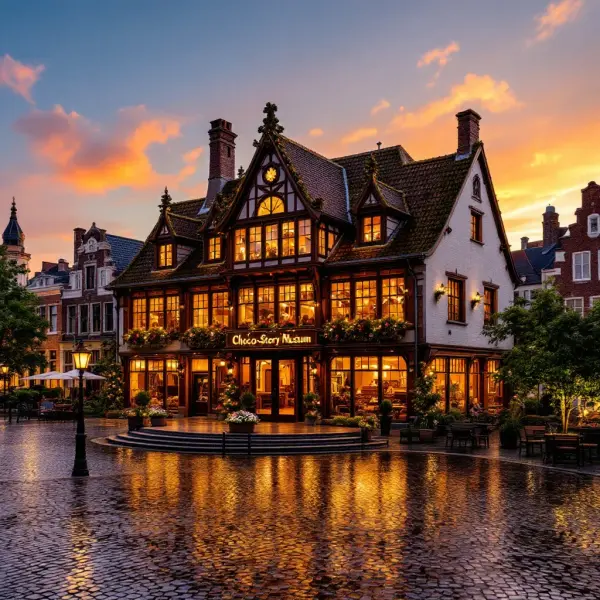
7. Choco-Story Museum
Watch liquid chocolate being poured, tempered, and molded into shiny pralines right before your eyes. You'll taste 20+ varieties as you walk through a maze of cocoa history and hands-on workshops.
Quick facts: The museum sits inside a former 17th-century distillery with original stone floors and wooden beams still intact. Visitors can sample over 20 varieties of Belgian chocolate during the interactive tour, including a liquid chocolate shot at the entrance.
Highlights: At the tasting station, you'll watch a chocolatier transform a single cocoa bean into a glossy, perfectly tempered praline right in front of you , the whole room smells like roasted cacao and warm sugar. One display traces how the Aztecs used cocoa beans as currency, showing a price list where one rabbit cost 10 beans and a slave cost 100.
Where to Stay in Bruges, France
Selected by City Buddy based on guest reviews and proximity to top attractions
Search all hotels in Bruges, FrancePowered by agoda
Traditional Sweet Dishes
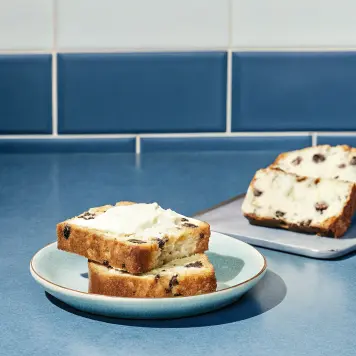
Brugse Koffiekoek
This sweet raisin bread from Bruges is often subtly flavored with speculoos spices and traditionally enjoyed with a generous layer of butter for breakfast or as an afternoon treat.

Brugse Chocoladetaart
Bruges is world famous for its artisan chocolate, and this decadent chocolate tart showcases the city's rich praline and dark chocolate heritage with a silky, indulgent filling.

Wafel van Brugge
Unlike the lighter Brussels waffle, the Brugse wafel is denser and chewier, often made with a yeast and pearl sugar batter that caramelizes on the hot iron for a crunchy sweetness.
Traditional Savory Dishes

Waterzooi
This creamy fish or chicken stew originated in 16th century Ghent but is beloved throughout Flanders, including Bruges, and is typically enriched with egg yolks and cream.
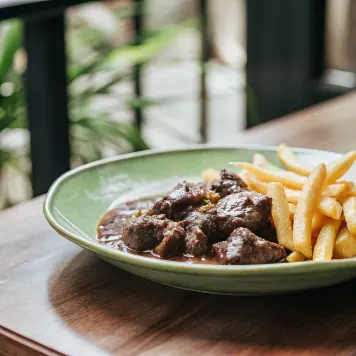
Stoofvlees met Friet
Also called carbonade flamande, this Belgian beef stew is slow cooked in dark beer and often served with crispy fries, making it the ultimate comfort dish in Bruges bistros.

Gentse Hutsepot
This hearty Flemish stew combines pork, beef, and root vegetables, slow simmered together and traditionally enjoyed during Bruges' colder months as a warming, rustic meal.
Traditional Beverages

Brugse Zot
Brugse Zot is the only beer still brewed within the historic city center of Bruges at the iconic De Halve Maan brewery, and its name means "the fool of Bruges."

Straffe Hendrik
This strong, dark brown ale is also brewed at De Halve Maan and was named after Hendrik, the brewery's founder, with a robust 9 percent alcohol content that demands sipping.

Koffie Verkeerd
Literally translating to "wrong coffee," this is the Flemish version of a café au lait where warm milk is poured first into the cup, then topped with strong coffee, a beloved ritual in Bruges cafes.
Frequently Asked Questions about Bruges, France
Is Bruges, France safe?
How many days in Bruges, France are enough?
What is the best time to visit Bruges, France?
Is Bruges, France expensive?
How to get around Bruges, France?
Get a PDF with the most popular attractions sent to your email
Get a PDF with all attractions, ratings, and tips. Perfect for offline use.
Most popular day trips
Ghent
Medieval city with castles and canals, vibrant student atmosphere.
Brussels
Capital city with Grand Place, Atomium, and European institutions.
Lille
French city with Flemish architecture and excellent food markets.
Rent a car in Bruges, France
Getting there
Train stations
Brussels, Ghent, Antwerp, Ostend, and Lille (France)
From Brussels Airport take a direct train to Bruges (about 1.5 hours). From Charleroi Airport take a shuttle bus to Brussels Midi then train.
Find flights to Bruges, France
Click to get eSim for Bruges, France
The easiest and most affordable way to get mobile internet wherever you travel.
Comments (5)
Bruges is stunning but absolutely packed with tourists even in October. The canals are beautiful though and the chocolate shops everywhere are dangerous for your wallet.
Eat at de gastro for dinner, not the places on the market square. Locals go there and the portions are huge for the price.
Honestly wasn't blown away. It's pretty but felt like a theme park version of itself. Two days max is plenty, one if you move fast.
Skip the boat tours on the main canal, they're overpriced. Instead walk to the Minnewater area and rent a bike for 10 euros, way more fun.
Weather was cold and rainy but honestly it added to the charm. Grab a waffle from a street cart, way better than the sit down places.