 CityBuddy
 English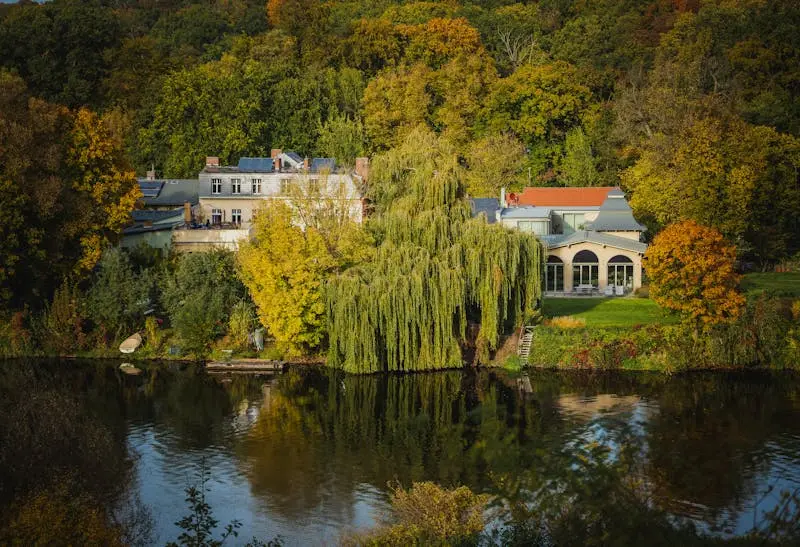
Things to Do in Potsdam, Germany
Photo made by Christiyana Krüger on Pexels.com
When to visit
Plan your perfect trip to Potsdam, Germany
Get a complete travel plan built just for you in under 30 seconds, with daily routes, local food tips, budget estimates and more.
Are any of these especially important to you?
Select all that apply
Plan language: EnglishMost popular attractions in Potsdam, Germany
From Prussian palaces to garden neighborhoods, things to do in Potsdam, Germany center on royal grandeur and leisurely days. Sanssouci Palace anchors over 500 acres of terraced vineyards and fountains. The Dutch Quarter features 134 red-brick houses from the 18th century. Cecilienhof Palace hosted the 1945 Potsdam Conference with Truman, Stalin, and Churchill.
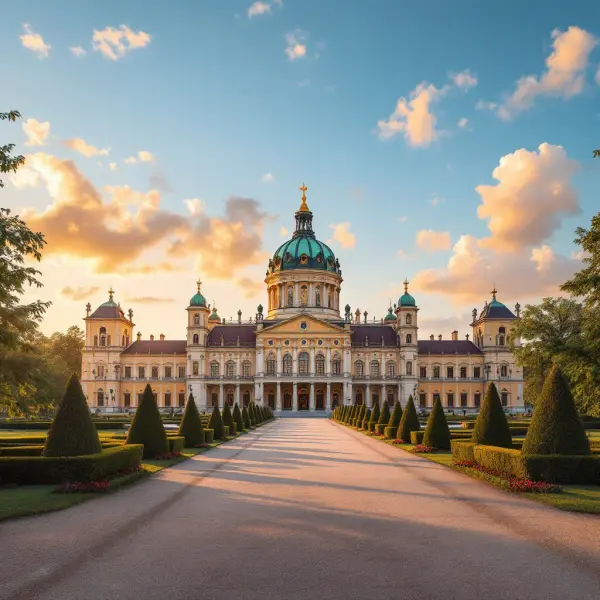
1. Sanssouci Palace
Walk the same vine-lined terraces where Frederick the Great once strolled and debated philosophy with Voltaire. Explore an intimate palace where each room reveals the personal tastes and quirks of Prussia's most fascinating king.
Quick facts: Frederick the Great designed much of this rococo summer palace himself, even sketching the initial floor plans. The king chose the French name meaning "without care" to signal this was his personal escape from the formalities of court life.
Highlights: The palace contains just 12 rooms, and Frederick deliberately left out a formal bedroom entirely. He preferred to sleep in the library wing, surrounded by the books, music, and intellectual pursuits that made this retreat his true personal sanctuary.
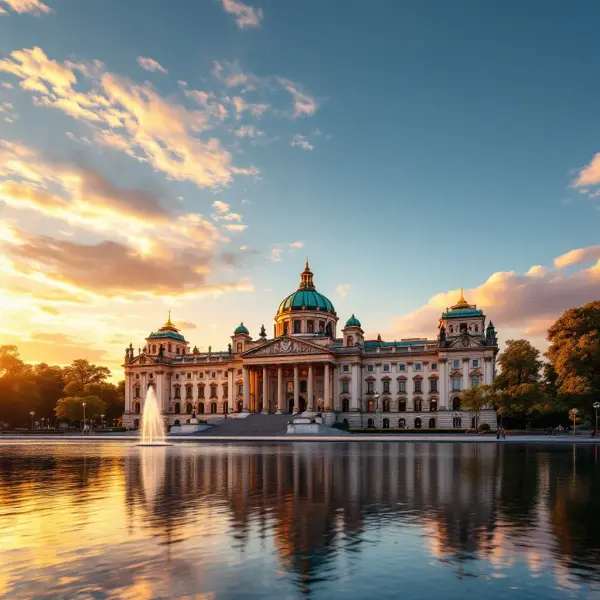
2. New Palace
See where Prussia's most famous king showed off his power through jaw-dropping illusion and excess. Wander through seashell-studded halls, opulent theaters, and the royal kitchen where 40 chefs once cooked.
Quick facts: Rising at the western end of Sanssouci Park, this massive 1769 palace features over 200 rooms and was Frederick the Great's grand statement of Prussian power. Its 400 sandstone statues lining the roofline give it a theatrical, almost playful silhouette that contrasts with its political message.
Highlights: Frederick the Great deliberately designed the New Palace to look far more opulent than it actually was, using painted stucco to mimic marble and fake stonework to create the illusion of wealth after the Seven Years' War. The Grotto Hall is lined with millions of seashells, minerals, and gemstones embedded directly into the walls, creating a shimmering underwater effect that feels utterly unlike any other room in Europe.
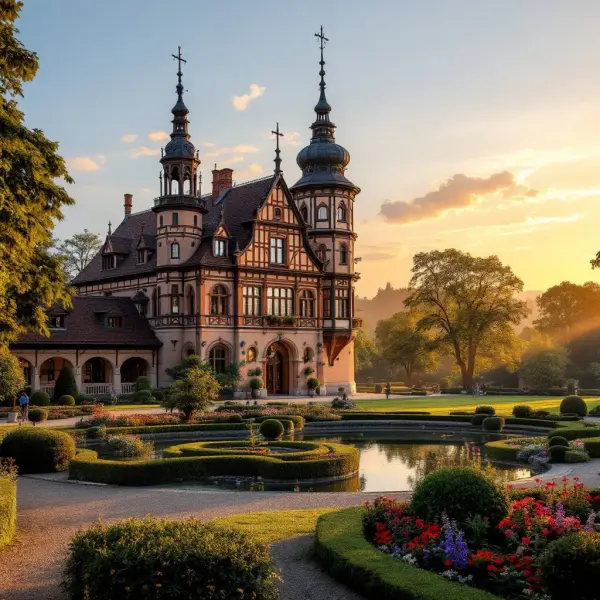
3. Cecilienhof Palace
Step inside the room where Truman told Stalin the atomic bomb was ready. Walk the same halls where three superpowers redrew the world map over 17 summer days.
Quick facts: The last palace built by the Prussian Hohenzollern dynasty was completed in 1917, just months before the monarchy collapsed. Its 176 rooms are arranged around five interior courtyards, and the building's Tudor-style half-timbering and red brick make it look more like an English country manor than a German royal residence.
Highlights: This palace hosted the Potsdam Conference from July 17 to August 2, 1945, where Truman, Churchill (later Attlee), and Stalin divided post-war Europe. You can still sit in the same chairs around the 3.5-meter circular conference table, and the red star flowerbed Stalin's delegation demanded still blooms in the central courtyard.
Have you heard of free walking tours?
After traveling to 30+ countries, there's one thing I wish someone had told me from day one, and it completely changed how I experience new cities.
Free walking tours. Yes, actually free. No credit card needed. No catch.
Local guide, 2-3 hours
Major sights, hidden gems, local stories
100% tip-based
Guides earn only tips, so they give their absolute best
You tip what feels right
At the end, just tip whatever you feel is right
I've done these in dozens of cities and they've been the highlight of almost every trip. If you're visiting Potsdam, Germany, do this on your first day. You'll thank me later.
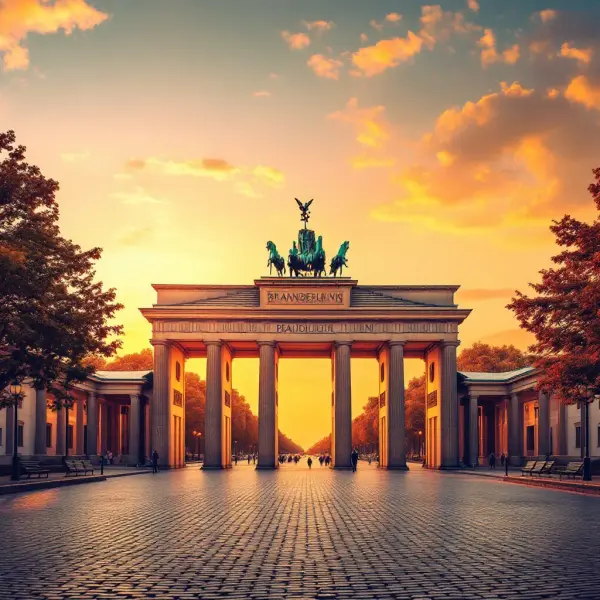
4. Brandenburg Gate
Potsdam
Step through the same arch where Prussian soldiers once marched home victorious. The warm sandstone glows golden at sunset, offering a peaceful alternative to Berlin's crowds just 30 minutes away.
Quick facts: Standing 26 meters tall with massive Doric columns, this sandstone gate marked the western entrance to the city. Frederick the Great commissioned it as a symbol of Prussian victory, and it predates Berlin's more famous version by nearly two decades.
Highlights: The gate's rooftop was originally designed as a viewing terrace where Prussian royalty watched military parades march through the arch below. You can still spot bullet holes from World War II pitting the sandstone surface, subtle scars that escaped postwar restoration.
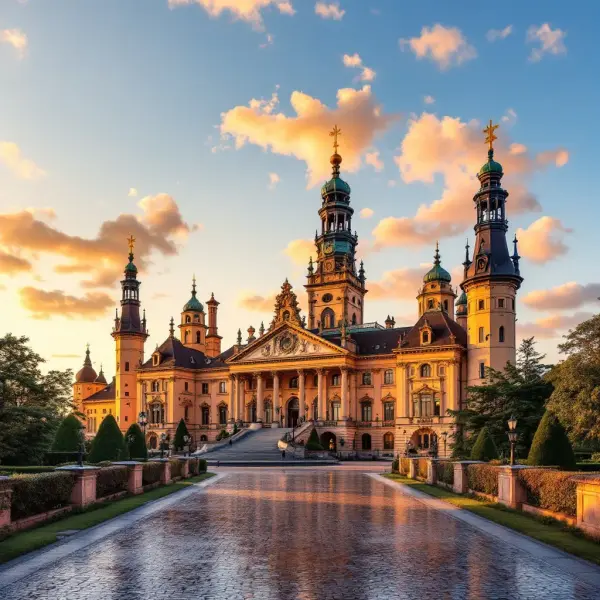
5. Babelsberg Palace
Explore the summer palace where Prussian royalty and Bismarck plotted the unification of Germany. Climb the tower for sweeping views over the Havel River and the legendary Bridge of Spies.
Quick facts: Prince Wilhelm (later Emperor Wilhelm I) and his politically savvy wife Princess Augusta used this Gothic Revival palace as their summer refuge from Berlin's courtly pressures. The red brick turrets and crenellations were designed by Karl Friedrich Schinkel, giving the palace the appearance of an English medieval castle suspended above the Havel River.
Highlights: Princess Augusta personally curated every room as a romantic medieval fantasy, complete with painted ceilings, stained glass, and a library holding 3,000 volumes that she herself selected. From the palace terrace, you look directly across the water at the Glienicke Bridge, the "Bridge of Spies" where Cold War prisoner exchanges occurred in 1962, 1985, and 1986.
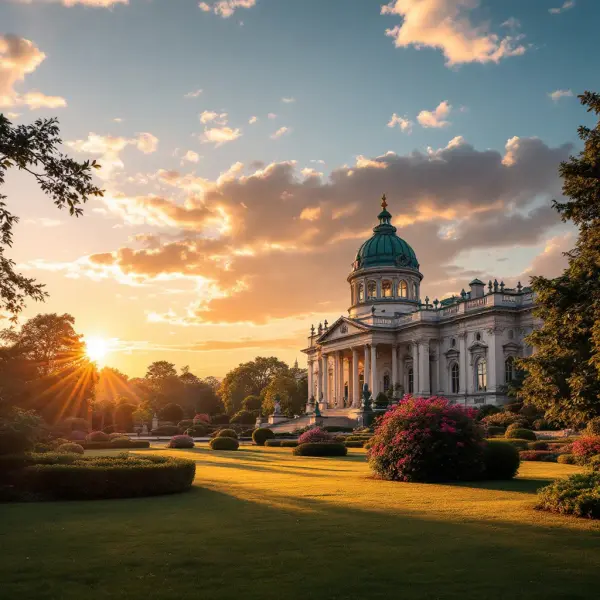
6. Potsdam Botanical Garden
Wander through climate zones from the Arctic to the tropics without leaving Potsdam. You will walk past alpine rock gardens, a Japanese hillside, and glasshouses thick with the scent of blooming orchids.
Quick facts: Some 8,000 plant species thrive across 5 hectares of carefully designed landscapes and greenhouses here. Four climate zones are represented in the glasshouses, from Mediterranean dryness to tropical humidity that hits you like a warm wall.
Highlights: Step into the 300-square-meter Victoria House, where giant Amazonian water lily pads stretch over a meter across and can support the weight of a small child. The greenhouse mimics the Amazon basin's seasonal flood cycles, complete with a heating system that keeps the water at a precise 28 degrees Celsius year-round.
Where to Stay in Potsdam, Germany
Selected by City Buddy based on guest reviews and proximity to top attractions
Search all hotels in Potsdam, GermanyPowered by agoda
Traditional Sweet Dishes

Potsdamer Torte
Created in 1915 by confectioner Otto Schilling in Potsdam, this three-layered cake with chocolate, vanilla, and strawberry cream was named to honor the city's rich cultural history.

Mohnkuchen
This poppy seed cake is a cherished dessert in Brandenburg, where the tradition of using locally grown poppy seeds in baking dates back centuries in German cuisine.
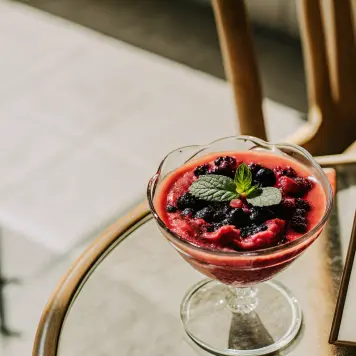
Rote Grütze
This vibrant red berry pudding made from currants, raspberries, and cherries is a refreshing northern German summer favorite, often served with vanilla sauce in Potsdam.
Traditional Savory Dishes

Teltower Rübchen
These small, sweet-tasting turnips from the Teltow region near Potsdam are a protected geographical specialty and were a favorite of the Prussian kings.

Kartoffelsuppe
Hearty potato soup is a traditional Brandenburg dish that reflects the region's long history as one of Germany's most important potato-growing areas.
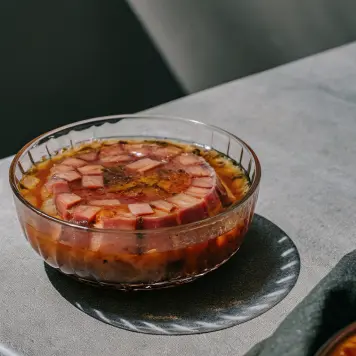
Brandenburger Sülze
This traditional savory aspic made from pork showcases the Brandenburg tradition of using every part of the animal in cooking, with a tangy vinegar-based marinade.
Traditional Beverages

Berliner Weisse
This tart, cloudy wheat beer is a regional specialty of Berlin and Brandenburg, often served with a shot of woodruff or raspberry syrup to balance its sour flavor.

Potsdamer Stange
A traditional pale lager brewed in Potsdam, this crisp beer has been enjoyed since the 19th century and is named after the tall, slender glass it is served in.

Holunderblütenlimonade
Elderflower lemonade is a popular non-alcoholic refreshment in Brandenburg, made from fragrant blossoms that grow abundantly along the region's rivers and forests.
Frequently Asked Questions about Potsdam, Germany
Is Potsdam, Germany safe?
How many days in Potsdam, Germany?
Best time to visit Potsdam, Germany?
Is Potsdam, Germany expensive?
How to get around Potsdam, Germany?
Get a PDF with the most popular attractions sent to your email
Get a PDF with all attractions, ratings, and tips. Perfect for offline use.
Most popular day trips
Berlin
Dynamic capital city with world-class museums, history and nightlife
Brandenburg an der Havel
Historic cathedral city with medieval old town and brick gothic architecture
Spreewald (Lübbenau)
UNESCO biosphere reserve with canals, punting tours and traditional villages
Lutherstadt Wittenberg
Historic town of Martin Luther's Reformation with UNESCO World Heritage sites
Sanssouci Palace (Potsdam)
Prussian Rococo palace and sprawling park, a UNESCO World Heritage site
Rent a car in Potsdam, Germany
Getting there
Train stations
Regional trains RE1, RB21, RB22 and S-Bahn S7 from Berlin
Regional trains and S-Bahn connections
S-Bahn S7 line from Berlin and regional trains
From Berlin Brandenburg Airport (BER), take RE7 or RB22 regional train directly to Potsdam Hauptbahnhof in about 35-45 minutes.
Find flights to Potsdam, Germany
Click to get eSim for Potsdam, Germany
The easiest and most affordable way to get mobile internet wherever you travel.
Comments (8)
Potsdam surprised me a lot. I expected just another old German town but the palace grounds are genuinely world class. Bring good walking shoes.
Went in late October and everything was dead quiet. Some outdoor cafes were already closed for the season but no crowds anywhere.
Most of the palaces have free audio guides included in the ticket price but nobody tells you that. You have to ask at the counter specifically.
Honestly found it way more relaxing than Berlin. Less chaotic, better food prices, and the tram system is super easy to figure out.
Pack a picnic and eat in the park near Sanssouci instead of the restaurants outside. You'll save 20 euros per person and the view is better.