 CityBuddy
 English
Things to Do in Tehran, Iran
Photo made by Mehdi Salehi on Pexels.com
When to visit
Plan your perfect trip to Tehran, Iran
Get a complete travel plan built just for you in under 30 seconds, with daily routes, local food tips, budget estimates and more.
Are any of these especially important to you?
Select all that apply
Plan language: EnglishMost popular attractions in Tehran, Iran
There are countless things to do in Tehran, Iran, from exploring priceless artifacts to marveling at modern architecture. The National Museum of Iran holds over 300,000 objects spanning 100,000 years of history. At Golestan Palace, the glittering Hall of Mirrors and marble throne showcase 19th-century Qajar opulence. The 435-meter Milad Tower offers panoramic city views from its observation deck.
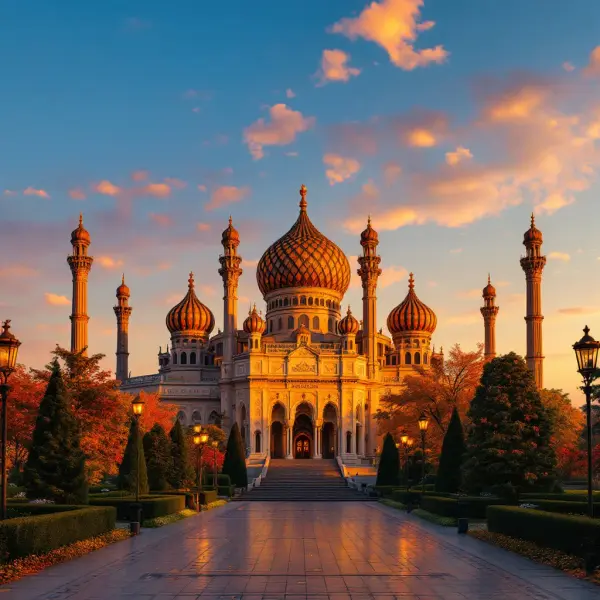
1. Golestan Palace
Step into a glittering world where Persian artistry meets 19th-century royal extravagance. You will wander through mirrored halls, sprawling gardens, and tile-covered palaces that showcase Iran's most ornate architecture.
Quick facts: The sprawling complex sprawls across 5.3 hectares and includes 17 distinct structures, each with its own personality. Over 18 tons of pure gold leaf were used to decorate the ceilings, halls, and ornate mirrors throughout the palace grounds.
Highlights: Inside the Marble Throne veranda, 65 massive slabs of yellow Yazd marble support a throne carved from a single 7,000-kilogram piece of stone. The adjacent mirror halls contain over 40,000 individual mirror pieces, each hand-cut and arranged to create a glittering nighttime illusion even in broad daylight.
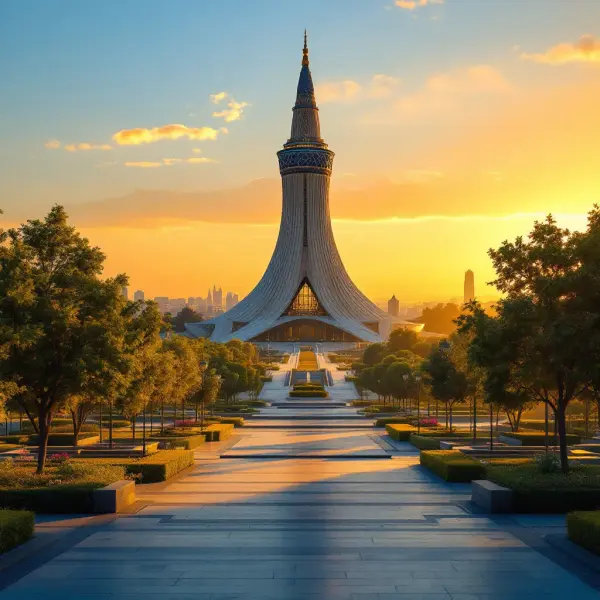
2. Azadi Tower
A stark white monument that anchors Tehran's skyline and marks the city's symbolic gateway. Walk its spiral ramps to catch panoramic views of the Alborz Mountains meeting the urban sprawl below.
Quick facts: The geometric lines of the monument draw from both Sassanid and Islamic architectural traditions, creating a symbolic bridge between pre-Islamic and post-Islamic Iran. Its 45-meter white marble frame anchors a massive plaza that can hold up to 10,000 people for national celebrations and gatherings.
Highlights: Step underneath the arch at sunset and you'll watch the interior ceiling mosaic shift through a spectrum of turquoise, gold, and deep blue as the light fades through 8,000 hand-cut ceramic tiles. The underground museum beneath the tower displays the original 1971 declaration stone and a rare copy of the Cyrus Cylinder, a 2,500-year-old clay document often called the first charter of human rights.
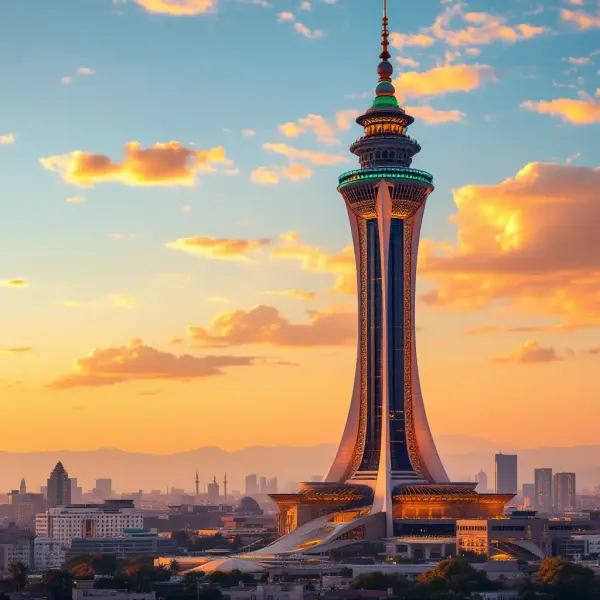
3. Milad Tower
Spin 360 degrees above Tehran's sprawl while the city pulses below you. Watch the sunset melt over the Alborz peaks from a revolving restaurant suspended in the clouds.
Quick facts: Soaring 435 meters into the sky, this massive telecommunication tower holds the title of the tallest in Iran and the sixth tallest in the world. Its 12-story head structure houses everything from a revolving restaurant to a fire station, all enclosed in a lattice of concrete and glass.
Highlights: On clear days, the 360-degree observation deck reveals the entire sprawl of Tehran, with the snow-capped Alborz Mountains rising dramatically behind the city. Few visitors realize the tower's head contains an entire multi-story neighborhood of its own, complete with an art gallery, a café, and a flower market suspended in the sky.
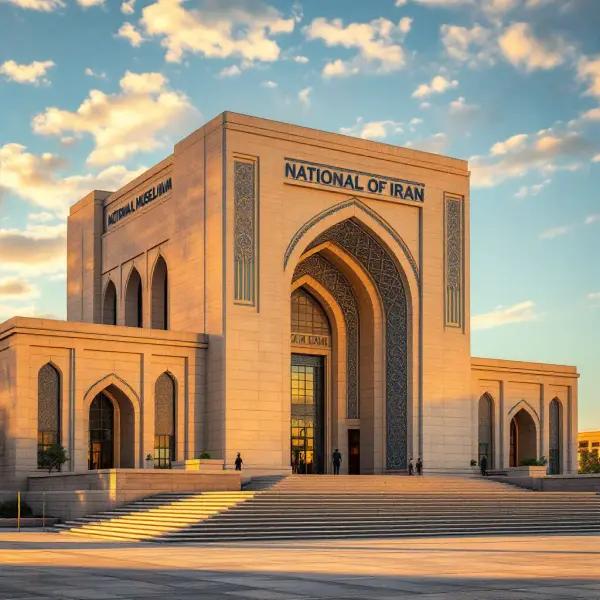
4. National Museum of Iran
Wander through 500,000 years of Persian history under one roof. Examine glittering Achaemenid goldwork, a 1,600-year-old mummy, and towering brick arches in just a few hours.
Quick facts: Over 300,000 objects fill its halls, spanning from the Paleolithic era to the Islamic period. The surviving brick entrance iwan alone measures 12 meters high and is adorned with some of the finest examples of early 20th-century Persian tilework.
Highlights: You can touch a 9,000-year-old clay figurine from the very first villages of the Iranian plateau during the guided tour, an experience most museums forbid. The Salt Man, a naturally mummified miner from over 1,600 years ago, stares back at you with open eyes and a flowing white beard as if he just sat down to rest.
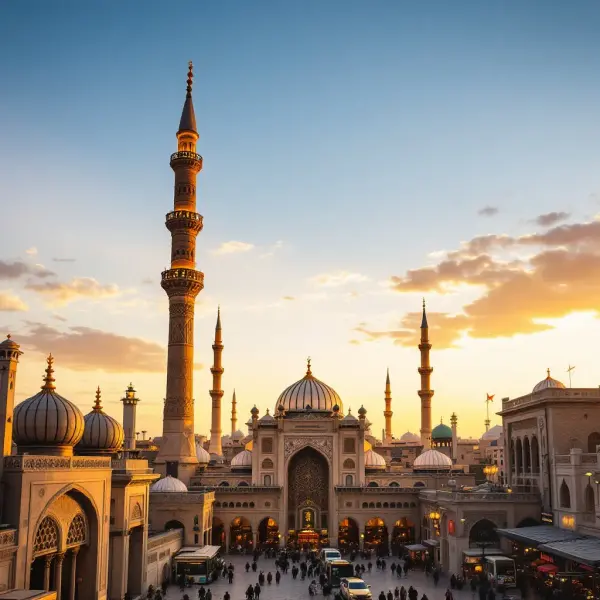
5. Grand Bazaar
Nowhere else in Tehran can you haggle for a Persian carpet, bite into saffron ice cream, and watch a coppersmith hammer a tray by hand all in one afternoon. Prepare to get gloriously lost in a maze of arched passageways filled with jewelry, spices, and the buzz of commerce.
Quick facts: Over 10,000 shops are packed under its colorful vaulted ceilings, making it one of the largest and oldest marketplaces in the Middle East. Each day, roughly 500,000 visitors and locals weave through its interconnected alleys, some of which date back over 400 years.
Highlights: Wander into the carpet section and you'll smell aged wool and silk before you see the piles of hand-knotted treasures stacked floor to ceiling. Sellers will roll out a 50-year-old Qashqai tribal carpet for you, pour a little glass of tea, and tell you the story woven into its pattern.
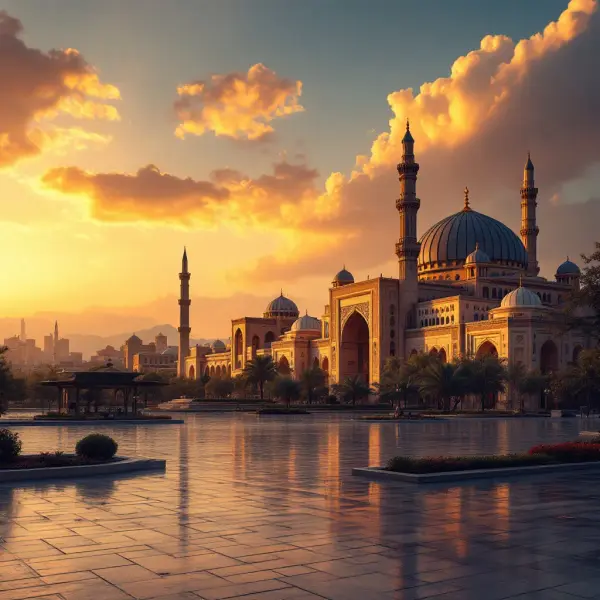
6. Sa'dabad Complex
Step inside the preserved palaces where Iran's last royal family lived, worked, and relaxed. You'll wander through opulent rooms frozen in the 1970s, from the Shah's private cinema to the Empress's dressing room.
Quick facts: Spread across 110 hectares in the foothills of the Alborz Mountains, this sprawling royal compound contains 18 separate palaces and museums. The complex served as the summer residence for both the Qajar and Pahlavi dynasties, with its cool mountain air offering relief from Tehran's summer heat.
Highlights: The White Palace's crystal chandelier, weighing over a ton and crafted from 3,000 pieces of Bohemian crystal, still hangs in the former royal reception hall. You can walk through the preserved 1970s interior of the Green Palace and see the exact spot where a 12-year-old boy named Reza Pahlavi had his bedroom, complete with his comic book collection still on the shelf.
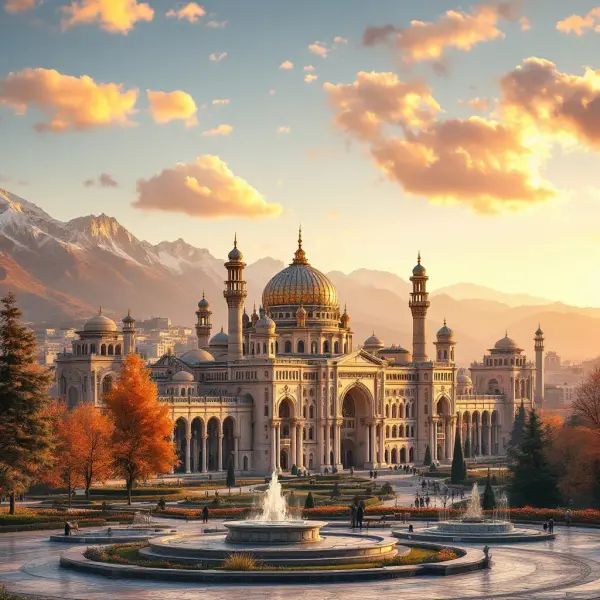
7. Niavaran Palace Complex
Step inside the private world of Iran's last royal family, frozen in time since 1979. Wander through opulent rooms, secret basements, and lush gardens that tell the story of a dynasty's final chapter.
Quick facts: During the 1979 revolution, most of the palace's furniture and art was stolen, but thanks to quick-thinking caretakers who hid them behind false walls, many treasures survived. The complex includes six distinct buildings spread across 11,000 square meters, with the main palace featuring a striking sun-shaped chandelier made from over 1,000 pieces of glass.
Highlights: The basement of the main palace holds a hidden private cinema where the royal family watched films, complete with a secret entrance through a mirrored wall that still slides open silently. Original 1970s film reels and projectors remain in place, letting you stand exactly where the last Shah and his family relaxed away from public view.
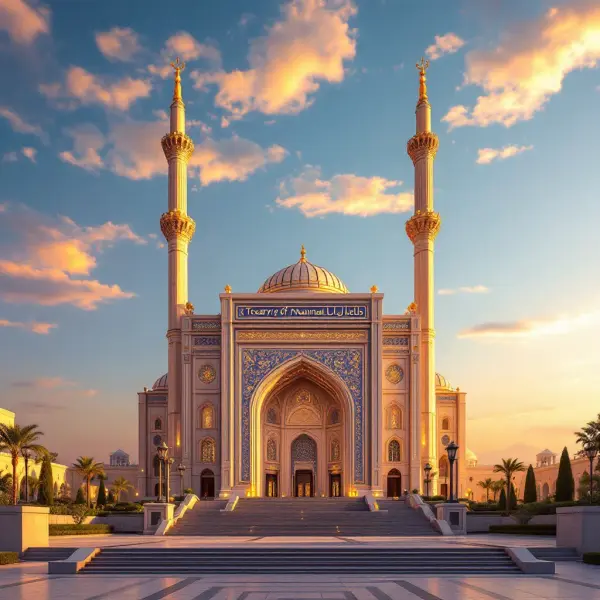
8. Treasury of National Jewels
Nowhere else can you see 7,000 gemstones glimmering under a single roof. Stand inches away from crowns, tiaras, and thrones dripping with diamonds and emeralds.
Quick facts: The collection includes over 7,000 diamonds, emeralds, rubies, and sapphires spanning centuries of Persian royalty. Among the treasures is the 182-carat Sea of Light diamond, one of the largest pink diamonds in the world.
Highlights: The crowning glory is the Naderi Throne, a jewel-encrusted platform where Iranian monarchs were coronated. Walk past the Darya-ye Noor diamond, a pale pink stone weighing 182 carats that emits an almost supernatural glow under the museum's lighting.
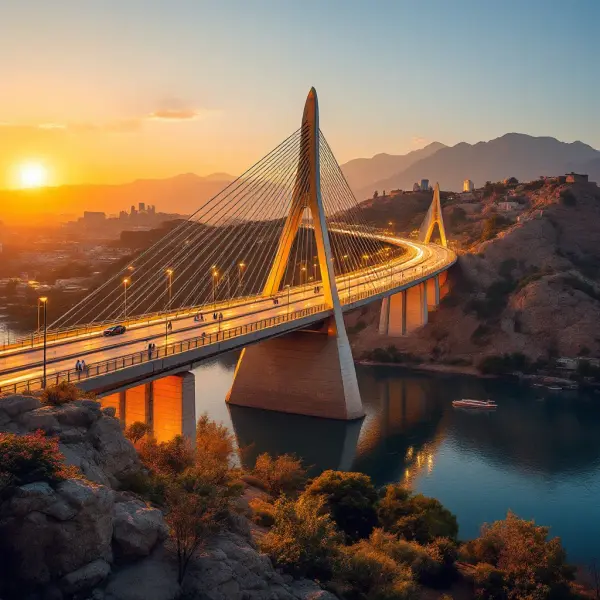
9. Tabiat Bridge
A bridge that doubles as a public square, three stories high, with mountain views at every turn. Walk, sit, sip tea, or just watch Tehran unfold beneath you.
Quick facts: Stretching 270 meters across a busy highway and a dry riverbed, this pedestrian bridge connects two public parks that were once separated by a major road. Three levels of winding pathways offer walkers, joggers, and loungers a place to pause and take in the Alborz Mountains on the northern horizon.
Highlights: At 40 meters wide in some spots, the bridge functions less like a crossing and more like a floating neighborhood park suspended in the air. Benches, planters, and small cafes are tucked into its curves, turning a commute between two parks into an event that draws over 4 million people each year.
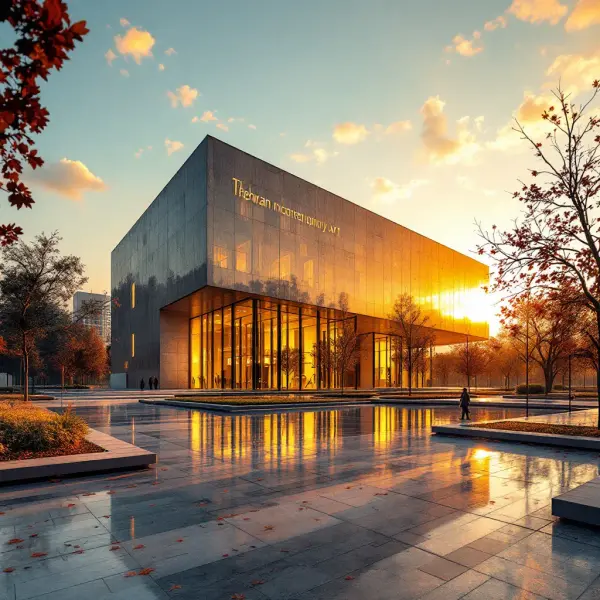
10. Tehran Museum of Contemporary Art
Come for a world-class modern art collection hidden in plain sight in Tehran. Wander galleries where Warhol's Mao hangs steps away from Persian calligraphy, all inside a striking spiral building.
Quick facts: The museum holds one of the most valuable collections of modern Western art outside Europe and North America, with works by Picasso, Warhol, and Pollock. Most of the collection stays in storage and rarely goes on public display, making each exhibition a special event.
Highlights: Deep in the museum's vaults sits a Jackson Pollock drip painting worth tens of millions, alongside a Van Gogh self-portrait that almost never sees daylight. The legendary curator who built this collection in the 1970s was given a blank check by the Shah's wife, Farah Pahlavi, and spent just 18 months snapping up masterpieces before the revolution froze everything.
Where to Stay in Tehran, Iran
Selected by City Buddy based on guest reviews and proximity to top attractions
Search all hotels in Tehran, IranPowered by agoda
Traditional Sweet Dishes
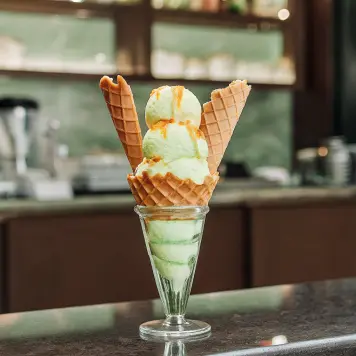
Bastani Sonnati (Persian Ice Cream)
This traditional Persian ice cream is infused with rosewater and saffron, and contains pieces of frozen clotted cream. It is often served sandwiched between two crispy wafers in Tehran's bustling ice cream shops.
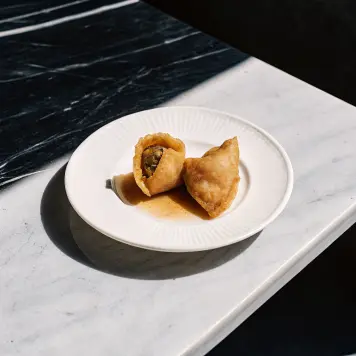
Zulbia and Bamieh
These deep-fried pastries are soaked in a honey and saffron syrup, creating a sticky and aromatic treat. They are especially popular during Ramadan and are often served alongside hot tea.
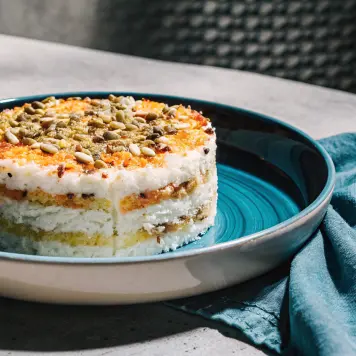
Shirin Polo (Persian Sweet Rice)
This jeweled rice dish is layered with candied orange peel, pistachios, almonds, and dried barberries. Despite being called a polo (rice dish), it is sweet enough to be served as a dessert or special occasion treat.
Traditional Savory Dishes
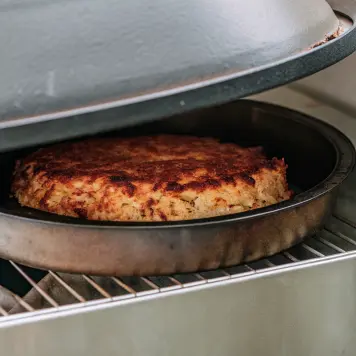
Tahdig
Tahdig is the crispy, golden crust of rice that forms at the bottom of the pot, and it is considered the most prized part of any Persian rice dish. Families in Tehran often compete for the largest piece at the dinner table.
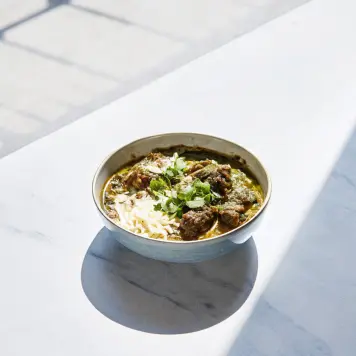
Ghormeh Sabzi
This herb stew is widely considered the national dish of Iran and gets its depth of flavor from dried limes called limoo amani. The stew is cooked slowly with kidney beans, lamb, and a generous mix of fresh parsley, cilantro, and fenugreek.
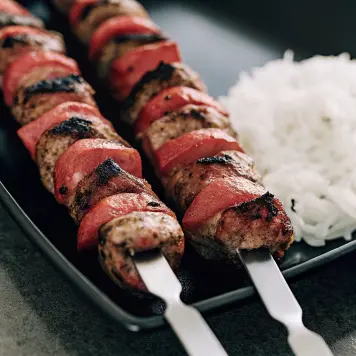
Kebab Koobideh
This is the most popular street food in Tehran, made from ground lamb or beef mixed with grated onion and saffron. It is grilled on skewers over hot coals and traditionally served with grilled tomatoes and fluffy rice.
Traditional Beverages

Doogh
Doogh is a savory yogurt-based drink blended with mint, salt, and fizzy carbonated water. It is the perfect accompaniment to heavy Persian meals and is sold by street vendors throughout Tehran.
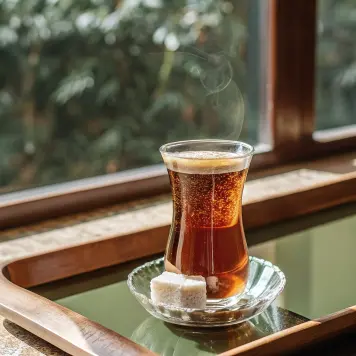
Chai (Persian Tea)
Persian tea is a deep amber brew served glass cups and is a centerpiece of Iranian hospitality. In Tehran, it is often sipped with sugar cubes or chunks of rock candy held between the teeth.
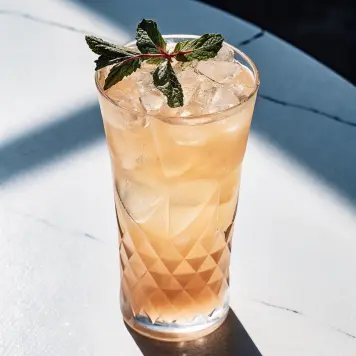
Sharbat Sekanjebin
This refreshing drink is made from a blend of vinegar and honey or sugar, mixed with mint and chilled water. It dates back to ancient Persia and was traditionally served to cool down nobles in the heat of summer.
Frequently Asked Questions about Tehran, Iran
Is Tehran, Iran safe for tourists?
How many days in Tehran, Iran should I plan?
What is the best time to visit Tehran, Iran?
Is Tehran, Iran expensive to visit?
How to get around Tehran, Iran?
Get a PDF with the most popular attractions sent to your email
Get a PDF with all attractions, ratings, and tips. Perfect for offline use.
Most popular day trips
Mount Tochal
Popular ski resort and hiking destination with cable car access
Kish Island
Coral island resort with beaches and duty free shopping
Qom
Holy city and major pilgrimage site with the Fatima Masumeh Shrine
Getting there
Train stations
Main line connecting to Mashhad, Isfahan, Tabriz, and other cities
Take the Tehran Metro Line 1 or airport shuttle bus from IKA to city center. Taxis are also available but agree on price first.
Find flights to Tehran, Iran
Click to get eSim for Tehran, Iran
The easiest and most affordable way to get mobile internet wherever you travel.
Comments (10)
Food was incredible but honestly the traffic is soul crushing. Spent 3 hours getting from one end of the city to the other.
Honestly felt a bit overwhelmed the first two days. The smog and noise got to me. Glad I pushed through though, the last few days were amazing.
Most museums are free on certain days of the week. Check the Iranian Tourism website before you go, saved me a ton on entrance fees.
Bring cash in euros or dollars and exchange at Ferdowsi Street for the best rates. Cards from outside Iran dont work here at all.
The energy in Tehran is something else. Way more chaotic than I expected but people were incredibly warm and helpful everywhere.