 CityBuddy
 English
Things to Do in Kingston, Jamaica
Photo made by Yajun Dong on Pexels.com
When to visit
Plan your perfect trip to Kingston, Jamaica
Get a complete travel plan built just for you in under 30 seconds, with daily routes, local food tips, budget estimates and more.
Are any of these especially important to you?
Select all that apply
Plan language: EnglishMost popular attractions in Kingston, Jamaica
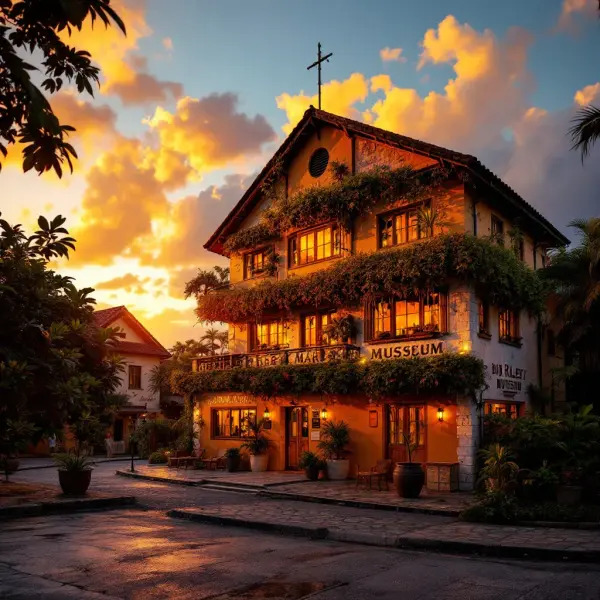
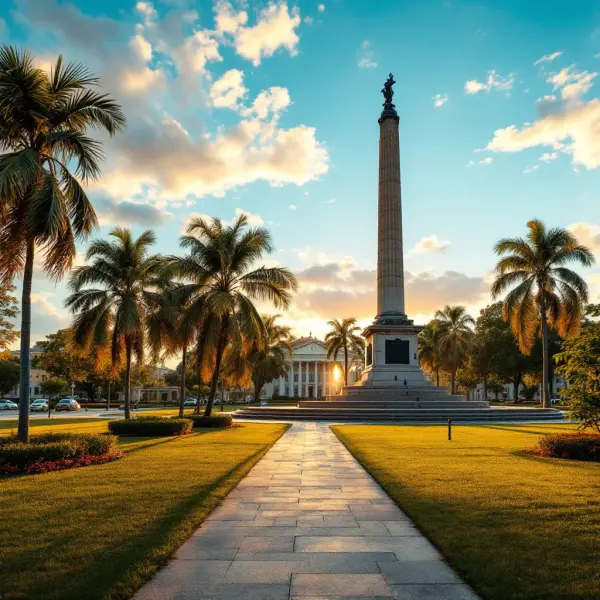
If you are looking for things to do in Kingston, Jamaica, do not miss the Bob Marley Museum in his former home at 56 Hope Road. Visit the 1881 Devon House with 11 acres of garden and try the ice cream. Emancipation Park offers 6.5 acres of greenery and the famous 3-meter tall "Redemption Song" statue.
1. Bob Marley Museum
Step into the home of a reggae legend and feel the spirit of music that changed the world. You will walk through rooms with authentic furniture, a garden, and the studio where hits were recorded.
Quick facts: Inside this modest wooden house where Bob Marley lived from 1975 until his death in 1981, his bed and favorite guitar still remain. The former office of the Tuff Gong recording studio has been turned into a museum that attracts over 50,000 visitors from around the world each year.
Highlights: Bob's bed is still not made the way he liked it, and under his pillow you can see his favorite Bible and poetry notebook. On the wall of his bedroom, bullet marks from the 1976 assassination attempt remain, which Bob survived just two days before the Smile Jamaica concert.
2. Devon House
Step into the home of Jamaica's first black millionaire and feel the spirit of the 19th century. A blend of history, top-quality ice cream, and colonial splendor awaits you in the heart of Kingston.
Quick facts: This wood and stone building was erected by Jamaica's first black millionaire, George Stiebel Devon. His story of rising from the son of slaves to plantation owner and banker continues to inspire visitors today.
Highlights: In the courtyard of the house grows a breadfruit tree that is a direct descendant of the original tree from the HMS Bounty. It is a living monument to Captain Bligh, the man who brought breadfruit to Jamaica and changed Caribbean cuisine.
3. Emancipation Park
The place where the history of freedom found its home. You will feel the spirit of unity and the strength of a people who fought for their future.
Quick facts: This park was purchased in 1893 for 160 pounds thanks to pooled money from former slaves, making it a symbol of freedom and unity. Today it is a protected national heritage site and a gathering place where annual Emancipation celebrations are held.
Highlights: Every year on August 1, exactly at midnight, the celebration begins in the park with drums and songs celebrating the abolition of slavery. That moment, when hundreds of torches are lit in the silence of the night, feels as if time stands still.
4. Port Royal
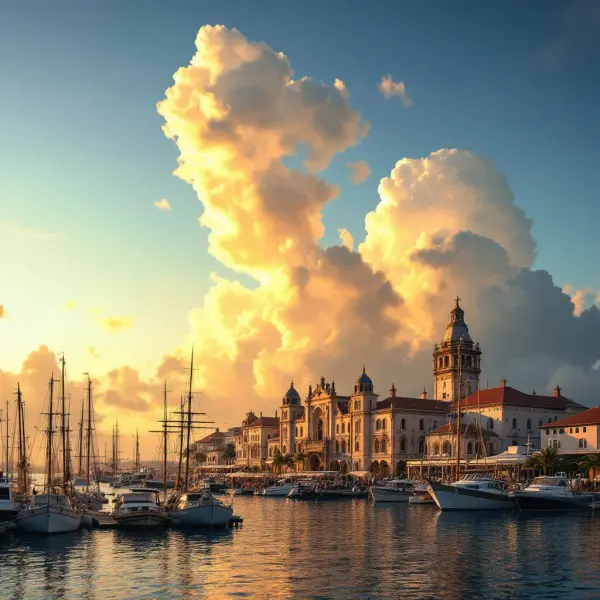
You walk where pirates once roamed, and an earthquake preserved the entire story under the sea. Feel the breath of history as you observe sunken 17th century buildings.
Quick facts: Once the richest city in the British colonies in the West, Port Royal was swallowed by an earthquake and tsunami in 1692 in just a few minutes. Today most of the city lies underwater, and centuries later divers still pull gold coins and artifacts from its sunken streets.
Highlights: Beneath the quiet waves of the bay lies the only fully preserved 17th century city in the world, with buildings that have remained untouched since the moment the sea swallowed them. A dive to just 12 meters depth reveals brick walls, rum bottles, and porcelain pieces that belonged to pirates and merchants three centuries ago.
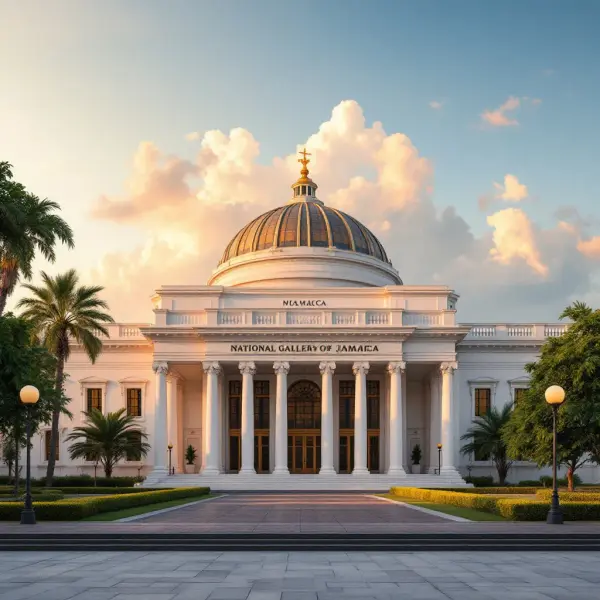
5. National Gallery of Jamaica
The best place to understand Jamaica's soul through art. From colonial portraits to vivid contemporary works, you will spend hours staring at the stories paintings tell.
Quick facts: Founded in 1974, this institution houses over 2,000 works of art from the 18th century to the present day. Its collection spans everything from colonial portraits to contemporary installations, and it is especially known for having the largest collection of Jamaican folk painting in the world.
Highlights: The biggest highlight is the room dedicated to Jamaica's "intuitive" art movement, featuring works by self-taught artists such as Everald Brown and Malika Brooks. Their paintings are so raw and expressive that you will literally feel the energy of the streets of Kingston as you walk through the gallery.
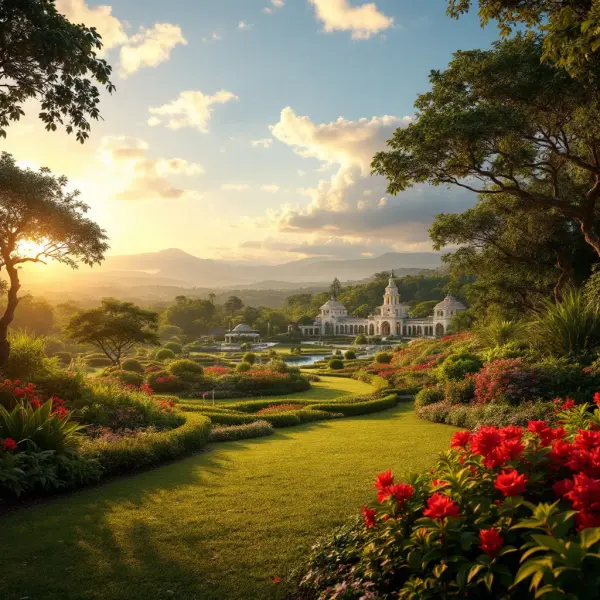
6. Hope Botanical Gardens
Step into a lush tropical paradise where century-old trees keep the silence amidst the city bustle. Walking through themed gardens, from a Japanese garden to a cactus collection, you will discover a green richness rarely found elsewhere.
Quick facts: Spanning 200 hectares, this is the largest botanical garden in the Caribbean. It is home to over 200 species of palms and rare tropical plants from around the world.
Highlights: In the heart of the garden lies a bamboo alley where bamboo arches rise 15 meters high, creating a green tunnel that changes color throughout the day. Local artists often come to draw this very part of the garden because the light filtering through the bamboo creates surreal shadows.
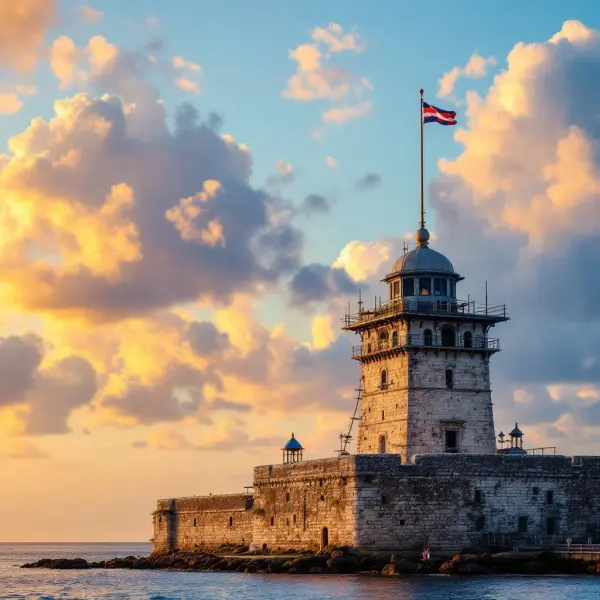
7. Fort Charles
Step into the base of the most notorious pirate in the Caribbean. You walk along walls of coral stone and gaze at cannons that defended Kingston for centuries.
Quick facts: Once the stronghold of the legendary pirate Henry Morgan, today it is the oldest preserved English stone fort in Jamaica. Its thick walls of coral stone still guard 22 cannons that once defended the entrance to Kingston Harbor.
Highlights: The walls were built from coral stone instead of regular limestone, giving them a unique texture and shimmering color in the sun. Inside the fort you can still smell gunpowder and the sea, and the best shot is during golden hour as the sun passes through the cannon openings.
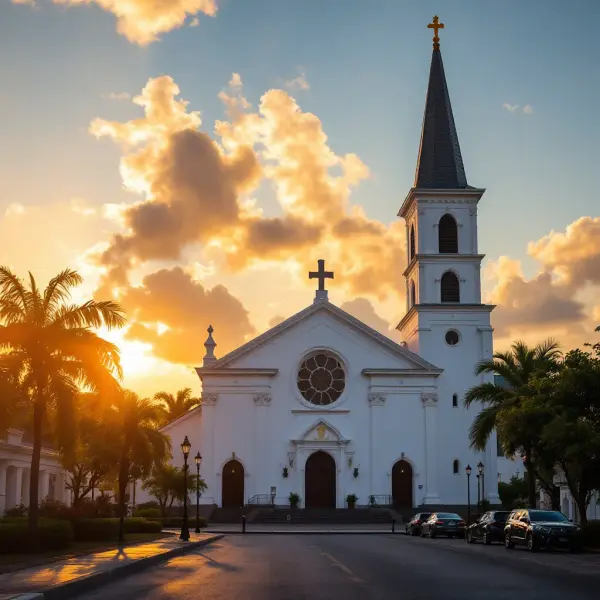
8. Kingston Parish Church
A place where history and spirituality write Jamaica's story through stone walls and stained glass. Feel the breath of the past as you walk among gravestones centuries old and listen to the echoing silence.
Quick facts: The bells of this church rang in 1872 on the queen's birthday, and among them is one weighing 1,200 kilograms. The church survived the devastating 1907 earthquake that leveled most of Kingston.
Highlights: Beneath the church floor lie the remains of former slaves and prominent colonial families, making this space a living archive of Jamaican history. When you step inside, sunlight streams through the stained glass and creates colorful shadows on the limestone walls that are over two centuries old.
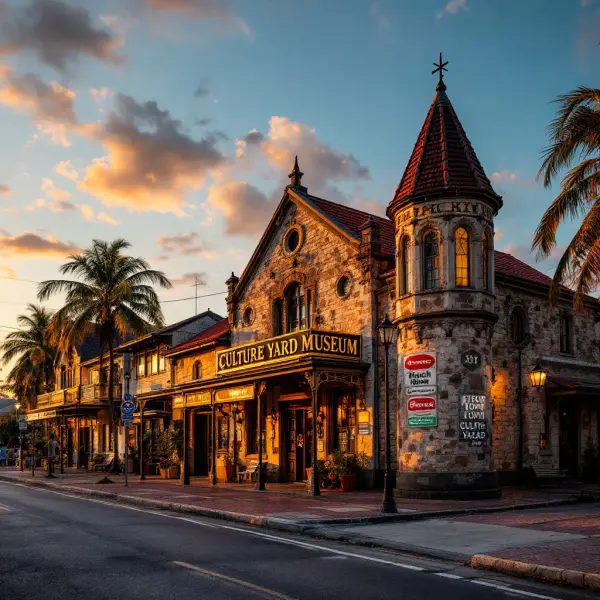
9. Trench Town Culture Yard Museum
Step into the yard where Bob Marley discovered his musical voice. You will feel the rhythm that changed the world as you walk through rooms and the courtyard with original murals.
Quick facts: This was Bob Marley's home during the 1960s, where some of his earliest hits were created. The walls are covered with murals that bear witness to the birth of reggae music and life in the community.
Highlights: Bob Marley wrote the song "Trenchtown Rock" in his old room using a guitar borrowed from a friend. That same guitar still stands in the corner, and the original lyrics are written on the wall in his own hand.
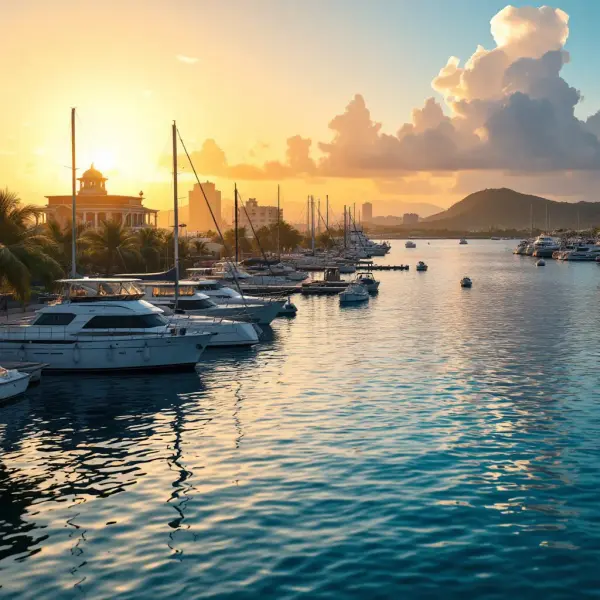
10. Kingston Waterfront
A peaceful promenade with a view of ships, mountains, and sunsets. Feel the Caribbean breeze as you explore interesting sculptures and benches along the path.
Quick facts: This is the longest promenade in the Caribbean, stretching nearly 3 kilometers along the coast. Every year it attracts over a million visitors who enjoy views of the Caribbean Mountains and historic buildings.
Highlights: Alongside the promenade stretches a lush tropical garden with over 200 species of palms from around the world. They call it "the place where mountains meet the sea" because it offers a unique panorama where the greenery of the hills is reflected in the turquoise waters.
Where to Stay in Kingston, Jamaica
Selected by City Buddy based on guest reviews and proximity to top attractions
Search all hotels in Kingston, JamaicaPowered by agoda
Traditional Sweet Dishes
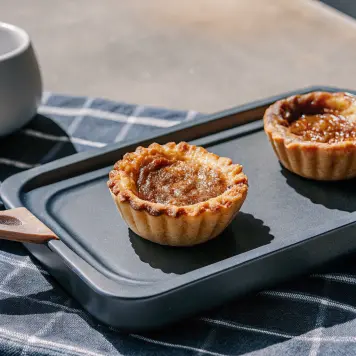
Gizzada
Gizzada is a small tartlet with a pinched crust and a sweet spiced coconut filling. It is also called "pinch-me-round" because of the distinctive crimped edges of the pastry.
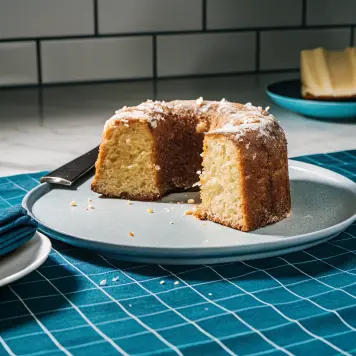
Grater Cake
Grater cake is a dense, sweet confection made from freshly grated coconut and ginger. It gets its name from the traditional method of grating the coconut by hand.
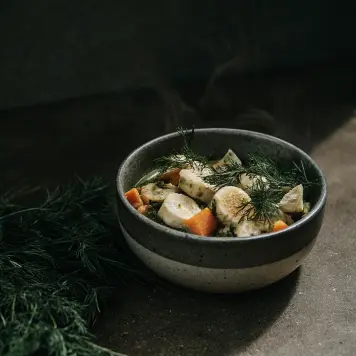
Mannish Water
Despite its name, mannish water is actually a savory soup, but it is included here as it is a staple Jamaican dish. It is traditionally made from goat offal, green bananas, yam, and spices, and is believed to be an aphrodisiac.
Traditional Savory Dishes
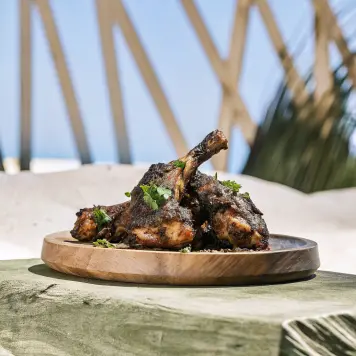
Jerk Chicken
Jerk chicken is slow-cooked over pimento wood, which gives it a unique smoky flavor. The jerk seasoning blend typically includes scotch bonnet peppers, allspice, thyme, and ginger.
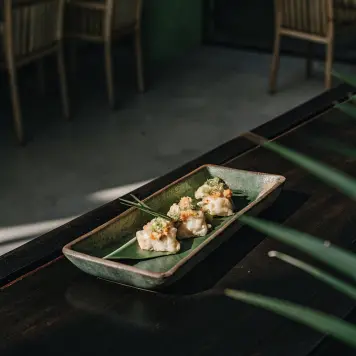
Ackee and Saltfish
Ackee is the national fruit of Jamaica, but it must be fully ripe and cooked properly as unripe ackee is toxic. This dish is traditionally served as a breakfast or brunch item alongside fried dumplings and breadfruit.
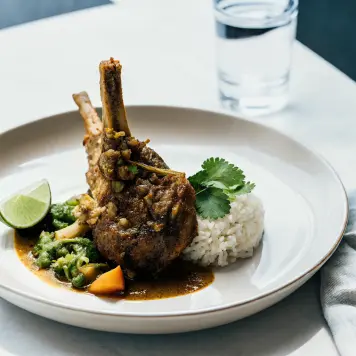
Curry Goat
Curry goat is a beloved dish often served at Jamaican weddings and celebrations. The meat is marinated for hours in a blend of curry powder, scotch bonnet peppers, and spices to tenderize it and build deep flavor.
Traditional Beverages
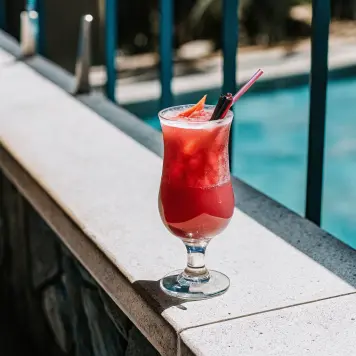
Sorrel Drink
Sorrel drink is a festive red beverage made from dried hibiscus petals, ginger, and spices. It is traditionally served cold during the Christmas season and often spiked with rum.
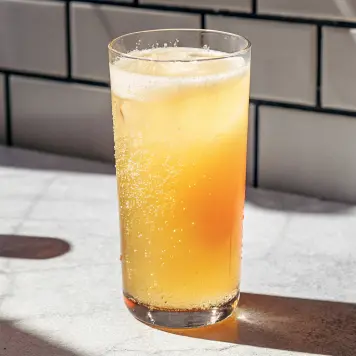
Ting
Ting is a popular carbonated grapefruit soda produced in Jamaica. Its crisp, slightly bitter citrus taste makes it a favorite mixer for rum or a refreshing non-alcoholic drink on hot days.
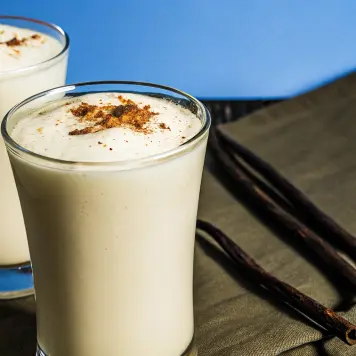
Irish Moss
Irish moss is a thick, creamy drink made from sea moss, milk, cinnamon, vanilla, and condensed milk. It is widely believed to be a natural energy booster and is often consumed as a breakfast drink or post-workout recovery beverage.
Frequently Asked Questions about Kingston, Jamaica
Is Kingston, Jamaica safe for tourists?
How many days are needed to visit Kingston, Jamaica?
What is the best time to visit Kingston, Jamaica?
Is Kingston, Jamaica expensive for tourists?
How to get around Kingston, Jamaica?
Get a PDF with the most popular attractions sent to your email
Get a PDF with all attractions, ratings, and tips. Perfect for offline use.
Most popular day trips
Blue Mountains
Famous coffee plantations and misty mountain hiking trails
Port Antonio
Picturesque coastal town with lagoons and waterfalls
Ocho Rios
Dunn's River Falls and beach resort attractions
Getting there
Train stations
Jamaica Railway Corporation lines (limited service)
From Norman Manley Airport, take a taxi or Route Taxi to New Kingston. Ride-hailing apps like Uber are not available; use local taxis.
Find flights to Kingston, Jamaica
Click to get eSim for Kingston, Jamaica
The easiest and most affordable way to get mobile internet wherever you travel.
Useful information for Kingston, Jamaica
Overview for Kingston, Jamaica
Most popular itineraries for Kingston, Jamaica
Browse trip plans created by other travelers
Comments (9)
Devon House bakery is legit but skip the overpriced tour. Just grab a patty and ice cream and walk around the garden.
Use the Knutsford Express bus between cities. Cheap, AC works, and way safer than driving yourself through the mountain roads.
Felt safe in New Kingston and uptown areas. Downtown during daytime is fine with a guide but I would not wander alone at night.
Went to the Bob Marley Museum and honestly it was smaller than I expected. Cool if you are a fan but skip if you are short on time.
If you rent a car, do NOT leave anything visible inside. Even in guarded lots. Learned that one the hard way.