 CityBuddy
 English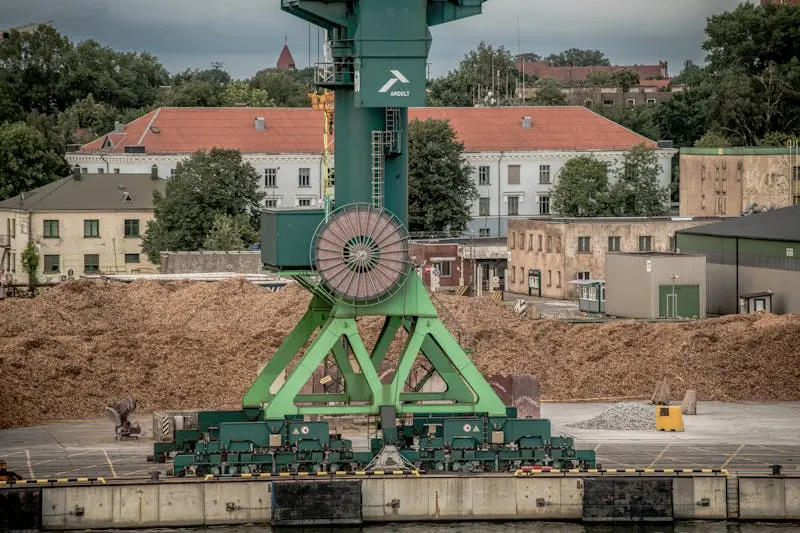
Things to Do in Klaipėda, Lithuania
Photo made by Mr Alex Photography on Pexels.com
When to visit
Plan your perfect trip to Klaipėda, Lithuania
Get a complete travel plan built just for you in under 30 seconds, with daily routes, local food tips, budget estimates and more.
Are any of these especially important to you?
Select all that apply
Plan language: EnglishMost popular attractions in Klaipėda, Lithuania
Things to do in Klaipėda, Lithuania include exploring the Klaipėda Old Town with its 17th-century architecture, visiting the Sculpture Park featuring over 120 sculptures, and enjoying the marine life at the Lithuanian Sea Museum. The Theatre Square is also central, offering cafes and cultural events throughout the year.
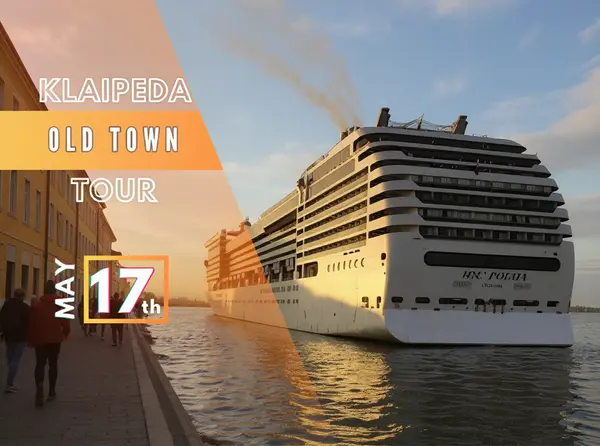
1. Klaipėda Old Town
Discover a unique blend of medieval streets and live crafts. Experience the historical atmosphere with handmade souvenirs and original stories.
Quick facts: The streets of the old town are lined with examples of German and Swedish architecture that have survived for over 200 years. Teatro Square comes alive three times a year with a travel festival featuring souvenirs and crafts.
Highlights: In the old part stands a 5-meter-high statue workshop symbolizing the mastery of local craftsmen and their traditional manufacturing techniques. This cultural piece reminds visitors that the legend of the fisherman and his work is still alive, which they can see during regular performances.
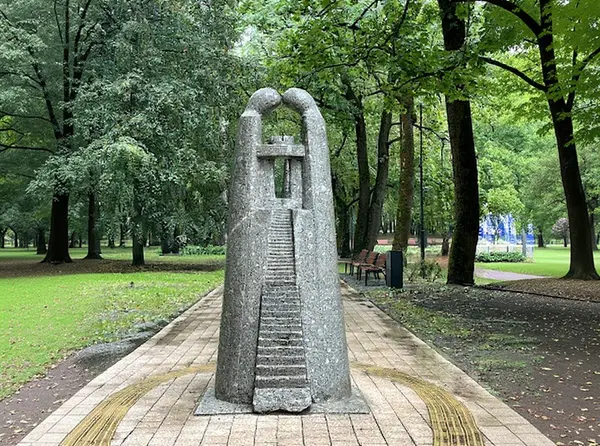
2. The Sculpture Park
An amazing collection of over 50 large sculptures. Walk among the pines and discover sculptures in various styles and sizes.
Quick facts: The Devil's Stone statue weighs more than 120 tons and is the largest statue in the country. The park contains over 50 unique sculptures by local and foreign artists.
Highlights: Each year, a sculpture workshop is held here where visitors can see artists at work. The sculptures are placed among pine trees, creating an interesting contrast between nature and art.
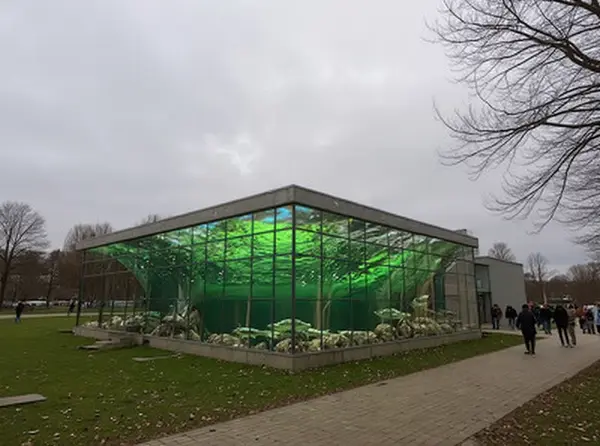
3. Lithuanian Sea Museum
Meet more than 150 species of sea creatures and enjoy the sight of a real submarine. An aqua world full of aquariums and seals awaits your visit.
Quick facts: The aquariums dazzle visitors with a unique collection of about 150 species of marine creatures from both the Baltic Sea and tropical regions. Surprisingly, the area contains one of the largest whale pools in Europe, with tanks holding up to 2,500 cubic meters of water.
Highlights: Among the attractions is a Norwegian seal named Vilda, who enjoys interacting with visitors and regularly performs acrobatic tricks. The section with the submarine Delfinas offers a unique view of life beneath the surface, including authentic submarine elements and controls.
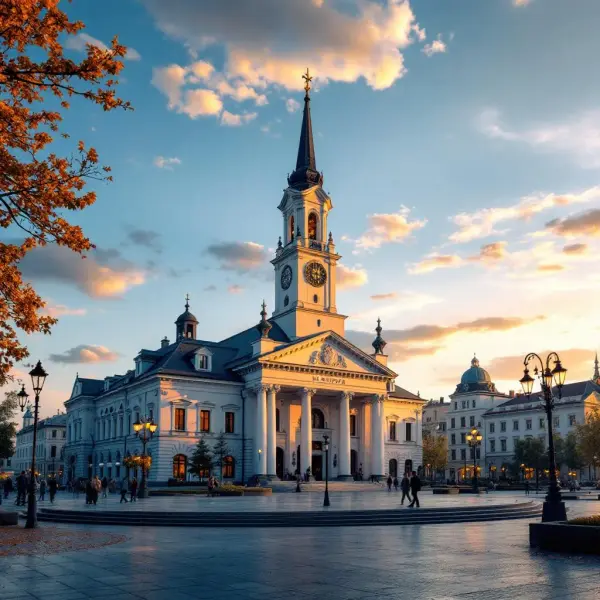
4. Theatre Square
An exceptional place for lovers of theater and culture. Enjoy live performances and the historical spirit of the square in the heart of the city.
Quick facts: The square hosts the Klaipėda Theater with a capacity of about 700 spectators. Each year it attracts thousands of visitors to summer theater festivals and cultural events.
Highlights: In the middle of the square stands a unique Fisherman statue symbolizing the fisherman, preserving the original structure from 1927. Local residents organize traditional open-air theater performances on the square every year, creating an unforgettable atmosphere.
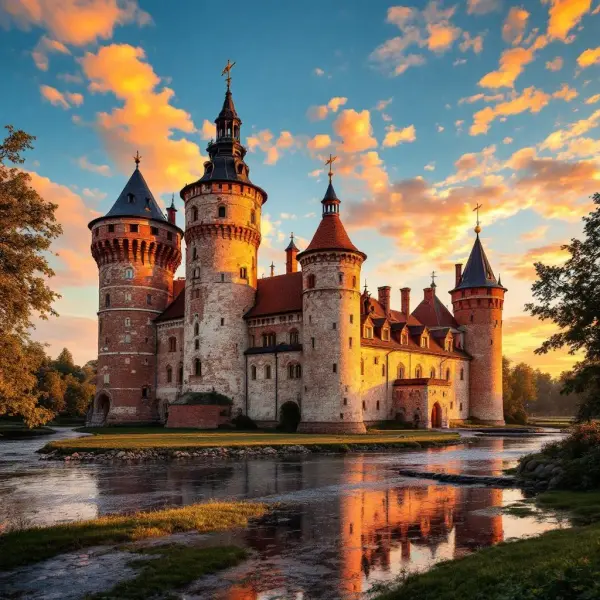
5. Memel Castle
A medieval fortress with mysterious underground passages. Experience the authentic atmosphere of military life and historical performances.
Quick facts: The castle has preserved Gothic walls up to 3 meters thick. In the past, it served as a defensive fortress against sea raids.
Highlights: Underground passages lead to the old port and offer a view of ancient military technology. During summer evenings, historical reenactments are held with period clothing and the sounds of nearby artillery fire.
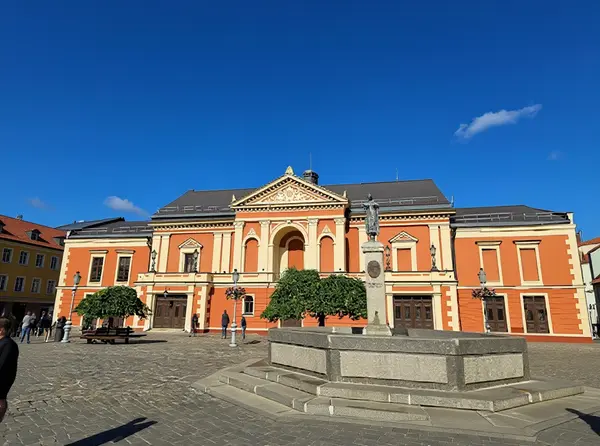
6. Žvejų Square
Taste fresh seafood right by the water. Experience the fishing culture in the heart of Klaipeda with music and traditional markets.
Quick facts: Žvejų Square hosts one of Klaipėda's largest fishing festival traditions, attracting thousands of visitors every year. The square is known for its distinctive fishing architecture and statues that highlight the importance of the sea to the city.
Highlights: On the square is a unique wooden pillar carved with fish, serving as a symbol of fishermen and their families for over a century. Regular musical performances and markets with fresh seafood create an authentic atmosphere of harbor life.
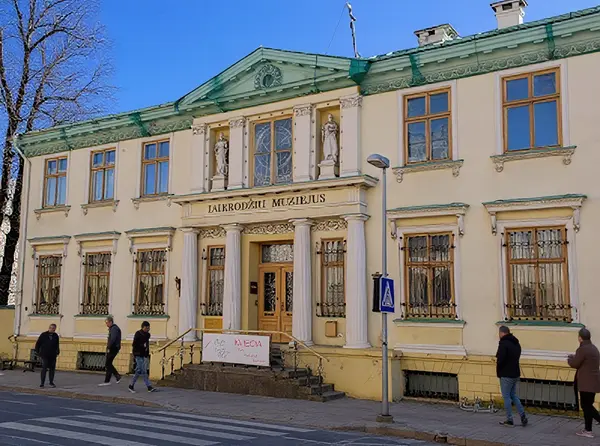
7. Klaipėda Clock and Watch Museum
Look into the world of old clocks and their secrets. Experience clocks that really tick and come alive in your hands.
Quick facts: More than 150 antique clocks and timepieces showcase the fascinating history of time measurement. The oldest exhibit dates back to the 17th century, allowing visitors to travel back in time through clock mechanisms.
Highlights: The exhibition includes a unique coffee grinder linked to the clock mechanism, which operates every hour and creates a unique sound experience. The museum allows visitors to touch some exhibits and see them in motion, making the complex clocks accessible right before their eyes.
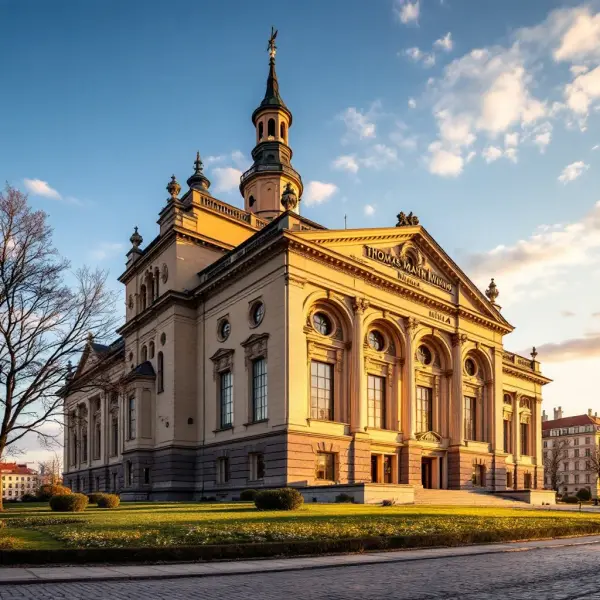
8. Thomas Mann Museum (Nida)
Nida
See the Baltic summer retreat where a Nobel-winning novelist wrestled with ancient stories. Wander through rooms preserved from the 1930s, then sit on the porch overlooking the shifting dunes and lagoon.
Quick facts: Thomas Mann won the Nobel Prize for Literature in 1929, and this summer house was where he spent three consecutive summers from 1930 to 1932 writing parts of his epic Joseph and His Brothers tetralogy. The museum sits on the Curonian Spit, a UNESCO World Heritage site, with the Baltic Sea on one side and a freshwater lagoon on the other.
Highlights: The writing desk on the second floor faces directly out over the Curonian Lagoon, exactly as Mann arranged it so he could gaze across the water while composing his biblical epic. You can stand in the same spot where the Nobel laureate watched sunsets and found the rhythm for some of 20th century literature's most ambitious pages.
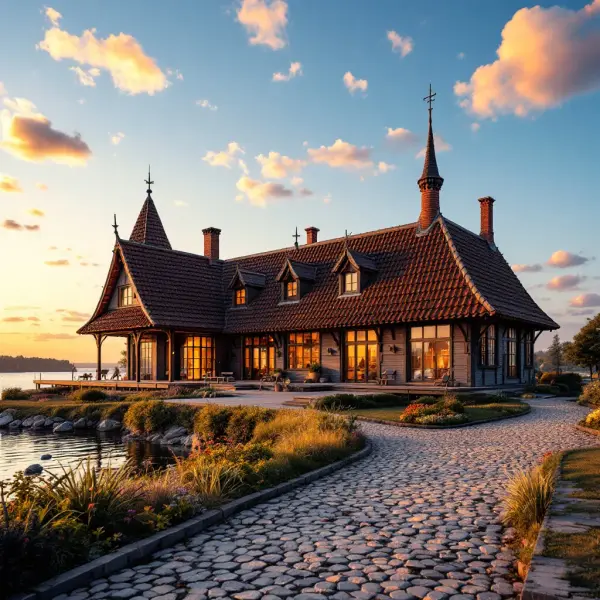
9. Nida Fisherman's Ethnographic Museum
Step inside a 150-year-old fisherman's cottage and discover how Curonian Spit families lived, worked, and survived Baltic winters. You'll handle real fishing tools, smell the peat smoke, and see how every inch of this tiny home served a purpose.
Quick facts: One of the oldest surviving wooden structures on the Curonian Spit, this 19th-century fisherman's cottage holds over 200 authentic household items from the region's fishing communities. The museum captures a way of life where families shared their homes with livestock during harsh winters, with the barn and living quarters under one roof.
Highlights: The museum's centerpiece is a massive amber-colored fireplace where fishermen once dried their nets and smoked fish, filling the entire cottage with a scent of pine and sea salt that still lingers in the old beams. Visitors can lift the actual hand-carved wooden pulleys that hauled fishing boats ashore during storms, the wood worn smooth by generations of salt-caked hands.
Where to Stay in Klaipėda, Lithuania
Selected by City Buddy based on guest reviews and proximity to top attractions
Search all hotels in Klaipėda, LithuaniaPowered by agoda
Traditional Sweet Dishes
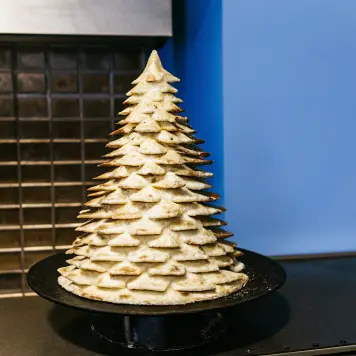
Šakotis
Šakotis is a traditional Lithuanian tree cake, famous for its unique shape resembling a tree with branches, made by pouring batter onto a rotating spit.
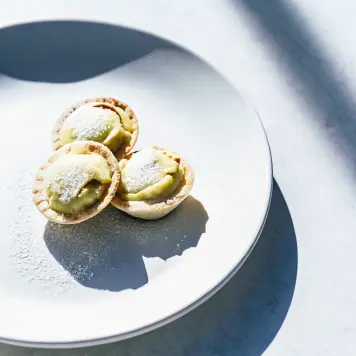
Kūčiukai
Kūčiukai are small, slightly sweet pastries served during the Christmas Eve dinner, symbolizing prosperity and family unity.
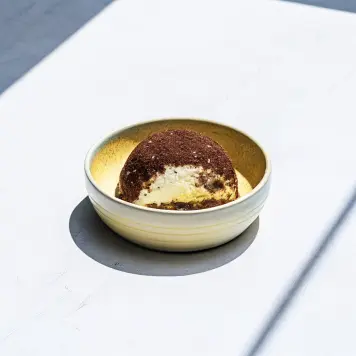
Tinginys
Tinginys, which means 'lazy cake,' is a no-bake dessert made from crushed biscuits, cocoa, and condensed milk, loved for its simplicity and rich taste.
Traditional Savory Dishes
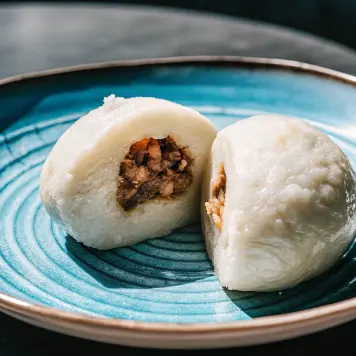
Cepelinai
Cepelinai are large potato dumplings stuffed with meat, named after their Zeppelin-like shape, and are considered Lithuania's national dish.

Kibinai
Kibinai are pastries filled with meat or vegetables, brought by the Karaim community, and have become a symbol of Klaipėda's multicultural heritage.

Saltibarsciai
Saltibarsciai is a cold beet soup with a distinctive pink color, perfect for summer and a refreshing taste unique to Lithuanian cuisine.
Traditional Beverages
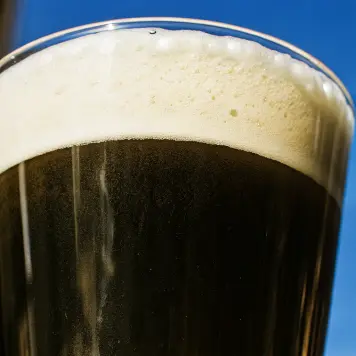
Midus
Midus is a traditional Lithuanian mead, an alcoholic beverage made from fermented honey, with a history dating back to ancient times.
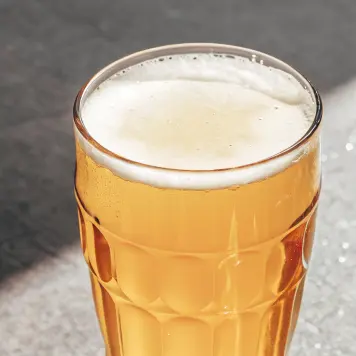
Gira
Gira, a fermented bread drink, is popular in Klaipėda for its slightly sweet and tangy taste, enjoyed as a refreshing summer beverage.

Kefyras
Kefyras is a fermented milk drink similar to yogurt, valued for its probiotic qualities and commonly consumed for breakfast or as a snack in Lithuania.
Frequently Asked Questions about Klaipėda, Lithuania
Is Klaipėda in Lithuania safe for tourists?
How many days should I spend in Klaipėda?
When is the best time to visit Klaipėda?
Is staying in Klaipėda expensive?
What is the best way to get around Klaipėda?
Get a PDF with the most popular attractions sent to your email
Get a PDF with all attractions, ratings, and tips. Perfect for offline use.
Most popular day trips
Curonian Spit National Park
A UNESCO-listed sand dune spit with unique nature and beaches.
Palanga
Popular seaside resort with beaches, botanical garden, and amber museum.
Getting there
Airports
Train stations
Vilnius, Vilnius Airport, Kaunas
From Palanga Airport take a bus or taxi to Klaipėda city center, about 30 min travel.
Find flights to Klaipėda, Lithuania
Click to get eSim for Klaipėda, Lithuania
The easiest and most affordable way to get mobile internet wherever you travel.
Useful information for Klaipėda, Lithuania
Overview for Klaipėda, Lithuania
Most popular itineraries for Klaipėda, Lithuania
Browse trip plans created by other travelers
2 Dias em Klaipėda: Praia, Dunas e História no Mar Báltico
Descubra o charme único de Klaipėda, a cidade lituana que combina história portuária, praias de areia fina e a porta de entrada para a espetacular Península de Curlândia em pleno verão.
5-Day Klaipėda Summer Journey for Culture & History Lovers
Discover Klaipėda's rich maritime heritage, explore centuries-old castles and museums, and immerse yourself in Lithuanian culture during the beautiful summer season.
Comments (10)
Not a very busy place, great if you want calm and fewer tourists. Stayed 2 days which was enough to see the main spots and relax.
The old town is cute but not as lively as other cities I visited. Good for a stroll though, and the architecture has that Baltic charm.
Klaipėda felt a bit sleepy but the locals were friendly. I wish there were more nightlife options, but if you want quiet, this is perfect.
Public transport is pretty sparse, renting a bike was a game changer for me. Much easier to explore and very affordable.
Avoid eating near the Old Town square, walk a couple of blocks out for authentic dishes at better prices. Bonus, less touristy too.