 CityBuddy
 English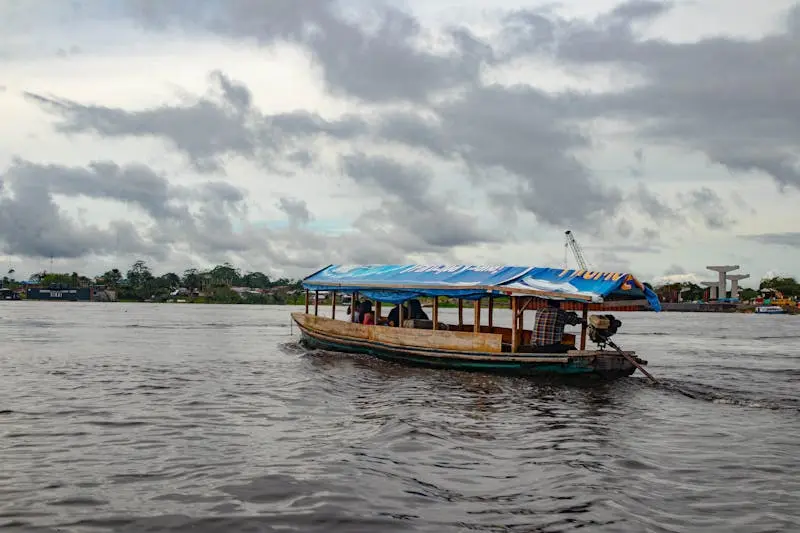
Things to Do in Iquitos, Peru
Photo made by Paula Nardini on Pexels.com
When to visit
Plan your perfect trip to Iquitos, Peru
Get a complete travel plan built just for you in under 30 seconds, with daily routes, local food tips, budget estimates and more.
Are any of these especially important to you?
Select all that apply
Plan language: EnglishMost popular attractions in Iquitos, Peru
"Asking about the best activities in Iquitos, Peru? Start at the scenic Malecón Tarapacá, which stretches 1.5 kilometers along the Amazon River. Then visit the historic Casa de Fierro, a building designed by Gustave Eiffel. Finally, explore the lively Belén Market, where over 1,000 vendors offer exotic fruits and handicrafts."
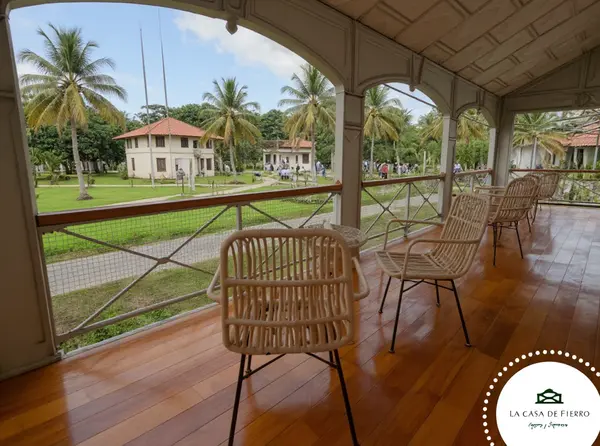
1. Casa de Fierro
Where else does a real Eiffel structure stand in the middle of the Amazon jungle? Between rusty iron walls and cooling tiles, you dive into the wild rubber boom era.
Quick facts: The house consists of 92,000 individual parts that Monsieur Eiffel himself once had manufactured in Paris. The transport across the Atlantic and the Amazon took several months, and the metal house was assembled within a few weeks.
Highlights: Every single sheet of metal was numbered and prefabricated in France so that it could be assembled in Iquitos like a giant puzzle. The rusty brown facade glows in the afternoon sun like a burning oven in the middle of the lush green jungle.
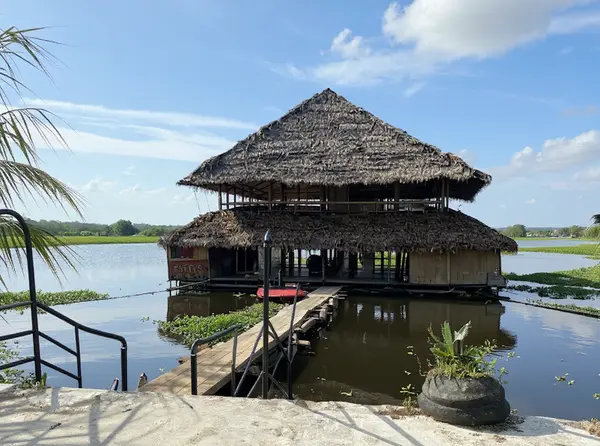
2. Malecón Tarapacá
Here you experience authentic Iquitos, where the river dictates life and the evenings turn into a nonstop party. Stroll among 400-year-old trees, watch the riverboats and immerse yourself in the colorful bustle of the city.
Quick facts: The promenade stretches for 1.5 kilometers along the Itaya River and connects the old town with the modern district. On sunny evenings, over a thousand locals gather here to stroll, dance, and watch the sunset over the Amazon basin.
Highlights: Every evening, the lower walkway turns into a spontaneous open-air dance floor where couples sway to Cumbia and traditional Amazon music. The wooden boat docks at the end of the promenade become a stage for local musicians from 5 p.m., playing Peruvian Creole songs on guitars and cajóns.
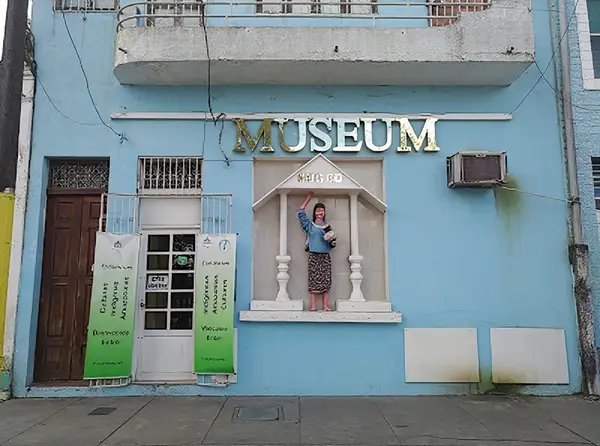
3. Museum of Indigenous Amazonian Cultures
One of the largest private collections of indigenous Amazon cultures on display in the world. Between ancient ceremonial masks and war arrows, you can feel the living soul of the rainforest.
Quick facts: Over 3,000 handcrafted artifacts from 23 different ethnic groups of the Amazon basin are displayed here. Many of the masks and ceremonial objects come from rituals that are still practiced today.
Highlights: A shaman from the Shipibo community regularly performs authentic healing ceremonies in the museum, where ancient songs and the scent of ayahuasca fill the room. Visitors are allowed to view his personal ceremonial objects made of jaguar teeth and feathers up close.
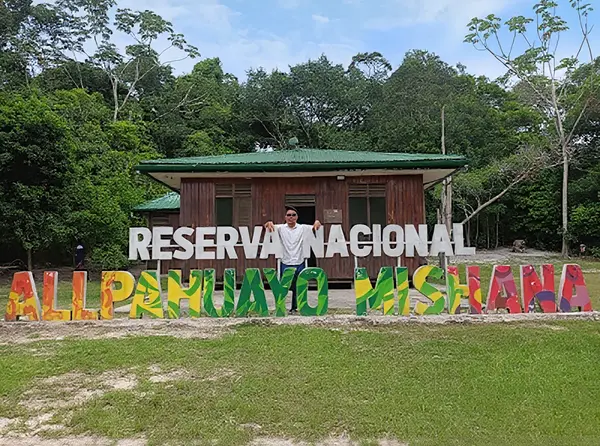
4. Allpahuayo Mishana National Reserve
White sand forests with plants that exist nowhere else on earth. You hike on narrow paths through a surreal landscape of dwarf trees and orchids.
Quick facts: The reserve is home to over 500 bird species and 150 reptile species across an area of 5,800 square kilometers. Researchers regularly discover new plant and insect species here, nowhere else in the world.
Highlights: The white sand soil creates bizarre miniature forests in this corner of the Amazon that resemble Japanese bonsai gardens. Rare orchids grow directly from the sand here, while meter-high anthills rise from the ground like red sculptures.
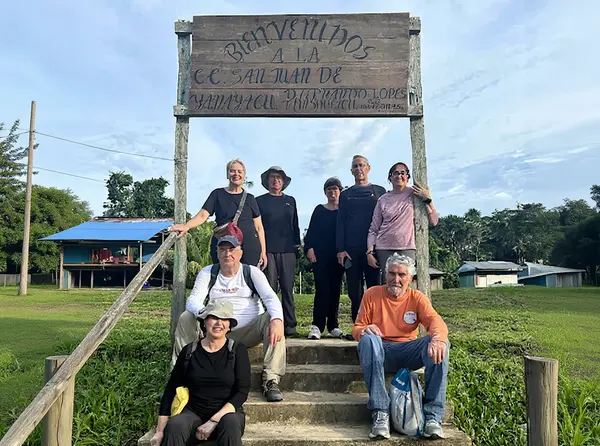
5. San Juan de Yanayacu
Here, pink river dolphins swim right next to your canoe. You glide through flooded forests and experience real Amazon life away from all tourist trails.
Quick facts: More than 200 river dolphins live in the black waters around the community. The 400 residents travel to school and market every year in self-built wooden boats.
Highlights: A one-hour boat ride through flooded forests leads to a hidden dolphin observation spot where pink river dolphins appear right next to the canoe. The locals whistle a specific melody to the dolphins, which actually makes the animals come closer.
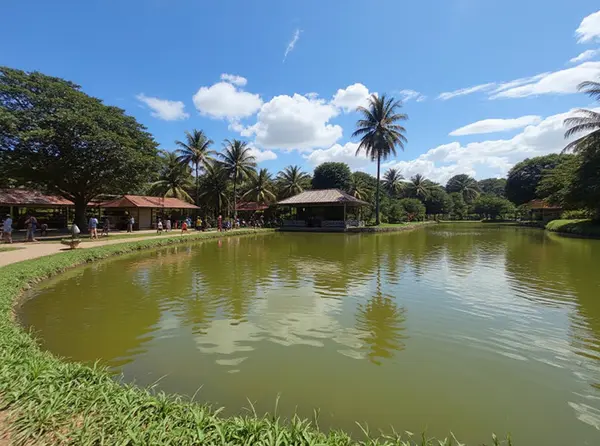
6. Quistococha Zoo and Lagoon
A unique combination of zoo, lagoon and rainforest trail right on the outskirts of Iquitos. Visitors can see giant otters and anacondas, swim in the lagoon water or watch birds from the canopy walkway.
Quick facts: Amazon giant fish like the paiche, which can grow up to 3 meters long and weigh 200 kg, live here. The lagoon was formed from a dead river arm and is surrounded by dense rainforest where howler monkeys and sloths live.
Highlights: In the animal station, orphaned animals or those rescued from poaching are nursed back to health, including a tame hippopotamus named Pepe that lets visitors pet it. The 1.3 km long educational trail through the rainforest leads to an observation tower from which you can see the entire lagoon and the treetops.
Where to Stay in Iquitos, Peru
Selected by City Buddy based on guest reviews and proximity to top attractions
Search all hotels in Iquitos, PeruPowered by agoda
Traditional Sweet Dishes
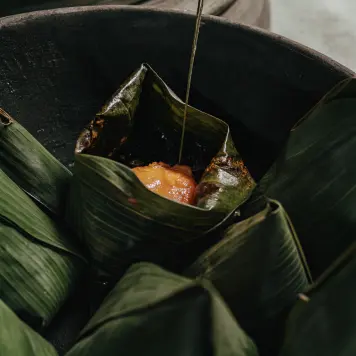
Masheda
Masheda is a sweet made from ripe plantains mashed and fried, often served with a drizzle of honey or sugar. It is a beloved street food dessert in Iquitos.
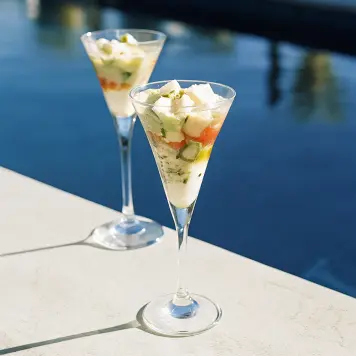
Chilcano de Frutas
This is a refreshing fruit cocktail dessert made with local Amazonian fruits like camu camu and aguaje mixed with ice and syrup. It showcases the incredible biodiversity of the region.
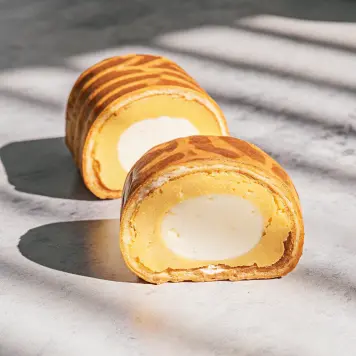
Beso de Moza
Beso de Moza means 'maiden's kiss' in Spanish and is a sweet pastry filled with manjar blanco (dulce de leche). It is a popular treat at local bakeries and markets across Iquitos.
Traditional Savory Dishes
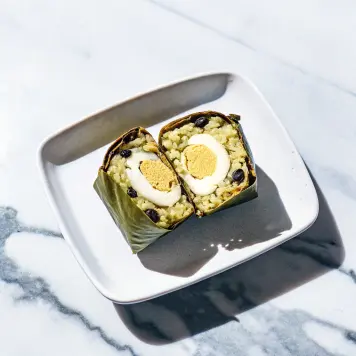
Juane
Juane is a hallmark dish of Iquitos made with rice, chicken, olives, and hard-boiled eggs wrapped in bijao leaves and steamed. It is traditionally eaten during the San Juan Festival in June.
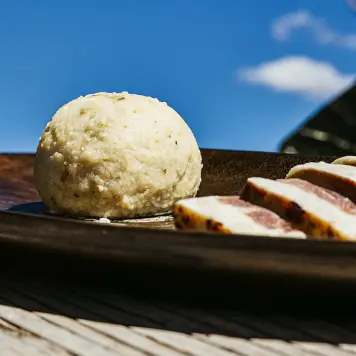
Tacacho con Cecina
Tacacho is a ball of mashed, roasted green plantains mixed with lard and salt, served alongside cecina (smoked, cured pork). It is a hearty staple of the Amazonian diet.
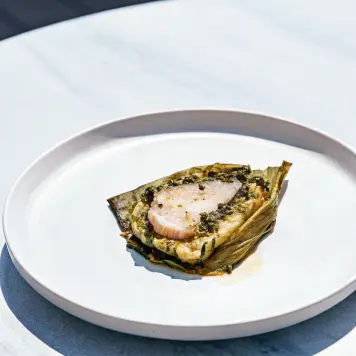
Patarashca
Patarashca features fresh river fish wrapped in bijao leaves with garlic, cilantro, and local spices, then grilled or steamed. The leaf wrapping infuses the fish with a unique smoky aroma.
Traditional Beverages
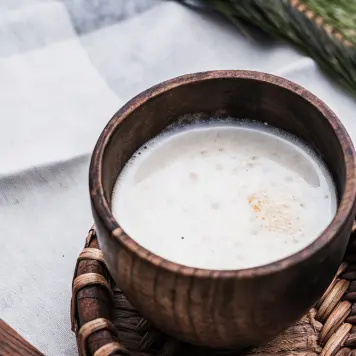
Masato
Masato is a traditional fermented drink made from boiled and mashed yuca (cassava) that is chewed and spit out to kickstart fermentation. It has been made by Indigenous Amazonian communities for centuries.
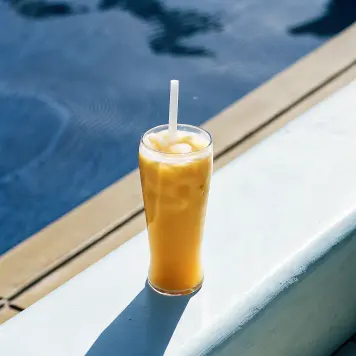
Aguajina
Aguajina is a refreshing drink made from the aguaje fruit, a palm fruit rich in vitamin A and phytoestrogens. It has a tangy, sweet taste and is served ice cold.
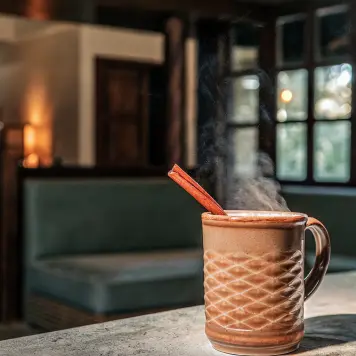
Chapo
Chapo is a warm, comforting beverage made from boiled ripe plantains blended with cinnamon, cloves, and sometimes milk. It is especially popular during the cooler rainy evenings in the Amazon.
Frequently Asked Questions about Iquitos, Peru
Is Iquitos, Peru safe?
How many days should one plan for Iquitos, Peru?
What is the best way to travel to Iquitos, Peru?
When is the best time to visit Iquitos, Peru?
Is Iquitos, Peru expensive?
Get a PDF with the most popular attractions sent to your email
Get a PDF with all attractions, ratings, and tips. Perfect for offline use.
Most popular day trips
Allpahuayo Mishana Reserve
Protected rainforest reserve with incredible birdwatching and diverse wildlife
Pacaya Samiria National Reserve
Vast flooded forest reserve, pink river dolphins, and jungle lodges
Indigenous Village Tours (Amazon River)
Visit local Amazonian communities and learn about traditional crafts
Quistococha Zoo & Lake
Small zoo with Amazon species plus a lagoon beach for swimming
Yagua Village & Monkey Island
Cultural experience with Yagua tribe and sanctuary for rescued monkeys
Getting there
Iquitos is only reachable by air or river. No roads connect it to the outside world. From the airport, take a mototaxi or taxi into the city center (15 minutes).
Find flights to Iquitos, Peru
Click to get eSim for Iquitos, Peru
The easiest and most affordable way to get mobile internet wherever you travel.
Comments (9)
Skip the tourist restaurants on the main square. Walk to the Belén market for $3 meals that blow your mind. Best ceviche of my life.
Food here is incredible but stick to the markets for real flavor. Tourist restaurants are overpriced and bland.
Honestly I was overwhelmed at first. The mototaxis everywhere, the humidity, the chaos. But after 2 days I fell in love with it.
Kinda disappointed with the noise level. Could barely sleep with mototaxis honking all night. Earplugs are essential.
Three days in Iquitos felt perfect. Did a jungle tour and just wandered the city. Would not recommend more than 4 nights though.