 CityBuddy
 English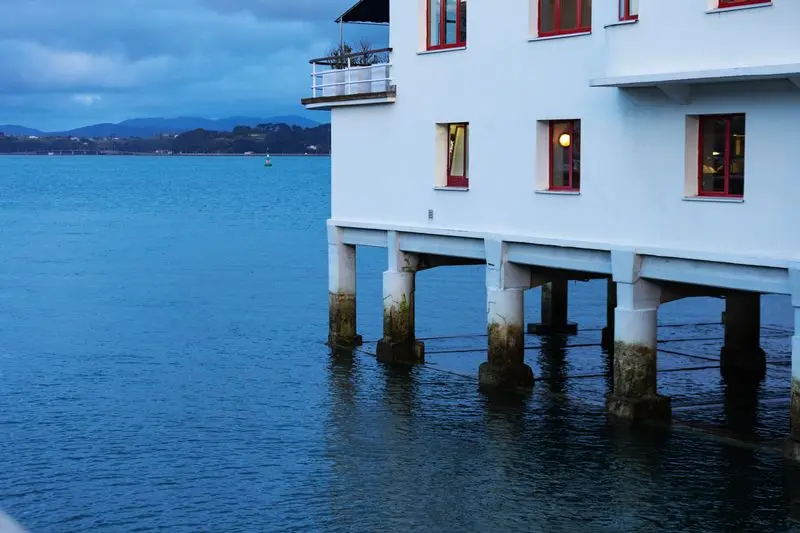
Things to Do in Santander, Spain
Photo made by Frederick Adegoke Snr. on Pexels.com
When to visit
Plan your perfect trip to Santander, Spain
Get a complete travel plan built just for you in under 30 seconds, with daily routes, local food tips, budget estimates and more.
Are any of these especially important to you?
Select all that apply
Plan language: EnglishMost popular attractions in Santander, Spain
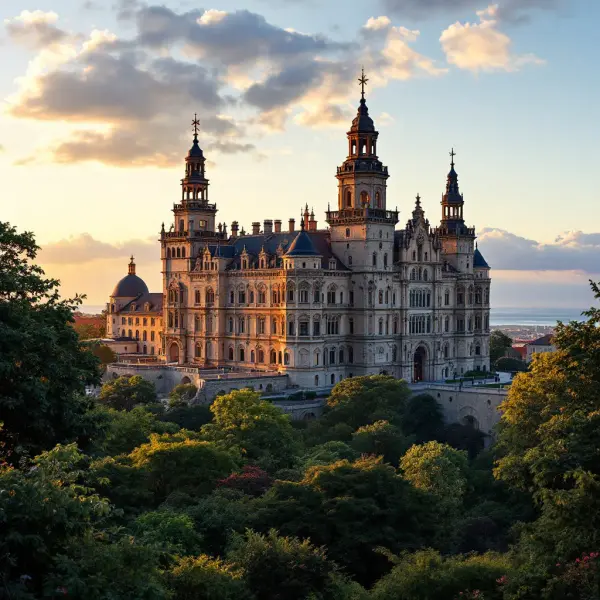
When choosing things to do in Santander, Spain, first head to Palacio de la Magdalena, a palace from 1912 overlooking the bay. Then make your way down to Playa del Sardinero, a sandy beach two kilometers long. End your day at Centro Botín, whose movable canopies create shade in the square.
1. Palacio de la Magdalena
A castle at the very top of the peninsula, surrounded by the blue of the sea on all sides. Walk through the royal chambers, then descend to the beach below the walls and wait for dusk over the bay.
Quick facts: The summer residence of the Spanish royal family is surrounded by 32 hectares of green areas on top of a small peninsula. The building was financed by ordinary citizens through their contributions, and today its summer occupants are participants of international university courses.
Highlights: King Alfonso XIII loved this place so much that he taught his sons to sail right here, and it was during those summers that the first royal regattas were held in the bay. In the royal chambers there still stand three different bathtubs, each in a different style, intended for the king, the queen and the prince.
2. Playa del Sardinero
Sand that squeaks under your feet and waves that call you into the water. Feel the cold Atlantic wind and stroll along a shore full of cafés and summer sounds.
Quick facts: The bay is made up of two connected sandy shores divided by a rocky ridge, totalling almost a kilometre of golden sand. It takes its name from the sardines that fishermen once sold right on the beach, and the strong waves today attract surfers all year round.
Highlights: At the end of the promenade, right above the waves, rises an old elegant casino building whose style recalls a French chateau from the last century. At low tide the shore extends for tens of metres and reveals rock formations where people sunbathe, while the water around them gently gurgles.
3. Centro Botín
Worth coming for the facade of 280,000 discs that changes with the tide. A walk over the green roofs and the sound of waves underfoot accompany every exhibit.
Quick facts: The facade of 280,000 pearl aluminium discs shimmers, changing colour with the slanting afternoon sun. On the roofs next to the galleries stretch more than 2,500 square metres of public green terraces with a view over the bay.
Highlights: The building hangs above the water supported by thin concrete columns, so at high tide you hear the waves murmuring right above your head. Renzo Piano, one of the most highly regarded living architects, signed his only work on the Iberian Peninsula here, and the pearl discs on the facade simultaneously let light through and cool the interior without air conditioning.
Have you heard of free walking tours?
After traveling to 30+ countries, there's one thing I wish someone had told me from day one, and it completely changed how I experience new cities.
Free walking tours. Yes, actually free. No credit card needed. No catch.
Local guide, 2-3 hours
Major sights, hidden gems, local stories
100% tip-based
Guides earn only tips, so they give their absolute best
You tip what feels right
At the end, just tip whatever you feel is right
I've done these in dozens of cities and they've been the highlight of almost every trip. If you're visiting Santander, Spain, do this on your first day. You'll thank me later.
4. Catedral de Santander
You come for the unique two-story temple, you stay for the somber crypt with holy relics. Descend underground, then climb into the Gothic vault, all in half an hour, in the middle of the main square.
Quick facts: The crypt below the main altar is a whole century older than the part above it; a Romanesque lower church is paired with a Gothic upper one. The fire of 1941 swallowed almost the entire old town, and the restored temple still guards the relics of the patron saints Emeterius and Celedonius.
Highlights: The entrance is in fact a descent: the staircase leads you deep into the hill, into a dark Romanesque crypt where the air smells of dampness and old stone. There lies an ancient sarcophagus with the relics of the patron saints, and above it, up narrow spiral stairs, rises the Gothic vault, two sanctuaries leaning one upon the other.
5. Museo Marítimo del Cantábrico
Here you stand beneath the sea, surrounded by a school of fish in a tunnel 30 meters long. Besides the living underwater world, a 14-meter whale skeleton and stories of fishing life await you.
Quick facts: With more than 1.5 million litres of water in the main reservoir and a 30-metre transparent tunnel, the aquarium section is a real little wonder. Alongside live fish and crabs, here you can see the skeleton of a whale 14 metres long, as well as authentic old navigation instruments.
Highlights: Suddenly you stand in the transparent tunnel while schools of fish circle around you and bluish light breaks through the water. From the corner of the hall, the skeleton of a whale 14 metres long calmly gazes at you, and next to it stands an old wooden boat from the 19th century, hand-built for life on the open sea.
6. Faro de Cabo Mayor
A dramatic cliff and a beam of light you can hear even before you see it. Enjoy a walk by the sea and a view that is one of the finest on the coast.
Quick facts: When the sea gets rough, the light of the distant lighthouse can be seen from over 30 kilometres away. In 1991 the old harbour light was replaced by an automatic system, but the tower still keeps its historic role.
Highlights: When the fog sets in, the foghorn sends out deep sounds that can be heard for kilometres, while the light beam slowly turns above the cliff. At its foot there is also a small art installation that follows the story of the former keepers and their days spent in isolation.
7. Parque de Mataleñas
A green oasis above the ocean with walks through pine forests, wild cliffs, and waves crashing against the rocks. Stroll to the lighthouse, discover war bunkers, and catch a sunset over the sea.
Quick facts: It stretches over about 30 hectares above the Cantabrian Sea and hides within it the remains of military bunkers from the 1930s. Along the cliffs runs a promenade that leads to the lighthouse with a view over the bay, and the interior is adorned with pine forests and running trails.
Highlights: Hidden in the rocky slopes towards the sea are concrete bunkers overgrown with moss and grass, so they look like a mysterious strategic playground that almost no one notices. At the top of the cliff, the lighthouse hides a small contemporary art gallery with works donated by the painter Eduardo Sanz, a real surprise for visitors expecting only a classic lighthouse.
8. Museo de Arte Moderno y Contemporáneo de Santander
In a building that was once a bank, 80 years of Spanish art await you. A glass interior, monumental halls, and a rooftop terrace turn a visit into a true experience.
Quick facts: The collection numbers more than 1,300 works of Spanish and international art, from the middle of the 20th century right up to current production. A former bank building has been turned into a contemporary museum with 1,500 square metres of exhibition space.
Highlights: The glass facade changes its shade from grey towards blue during the day, and at sunset casts warm reflections onto the permanent collection at the top of the building. In the middle of the lobby stands a monumental metal sculpture that visitors usually pass by, because everyone directs their gaze towards the exhibitions, not upward.
9. Palacete del Embarcadero
A miniature brick castle stands right on the water, with a pointed tower dominating the shore. Step inside, browse the exhibition, and look at the sea from the window at the top of the tower.
Quick facts: Javier González de Riancho designed this small villa in 1919 as a pavilion for an industrial exhibition rather than for living, so the ground floor has only one large hall. Red brick, white stone ornaments and a pointed pyramidal cap make it a miniature palace, one of the rare exhibition pavilions from that era that still survives today.
Highlights: The building takes up just 67 square metres, yet it is so slender and tall that it appears like a tower, and the interior staircase is narrower than shoulder width. At dawn the roof of red tiles glows orange and the whole pavilion looks as if it has just emerged from the water, which is the most beautiful moment for a visit.
10. Mercado del Este
Here you lunch among the stalls amid the mingled scents of sea and spices. Come hungry, leave full, and take with you a story of the city you will not find in any guidebook.
Quick facts: Under a steel and glass vault that recalls the Parisian Halles, some forty stalls of fresh fish, cheese and homemade wines are set up every day. More than half a million visitors pass through it every year, and after the renovation it has grown into a gastronomic market with workshops and tastings.
Highlights: The upper gallery of wood and wrought iron offers a view over the whole market below, so with a cup of coffee in hand you watch half the town greet each other across the stalls. From time to time night gastro events are held here when the stalls stay open late, and the space fills with the smell of freshly baked bread and smoked paprika.
Where to Stay in Santander, Spain
Selected by City Buddy based on guest reviews and proximity to top attractions
Search all hotels in Santander, SpainPowered by agoda
Traditional Sweet Dishes

Sobao Pasiego
A buttery, airy sponge cake from the Pasiegos valleys, it gets its signature flavor from lots of butter, eggs, and flour. It was traditionally baked at home and is now a protected geographic indication of Cantabria.
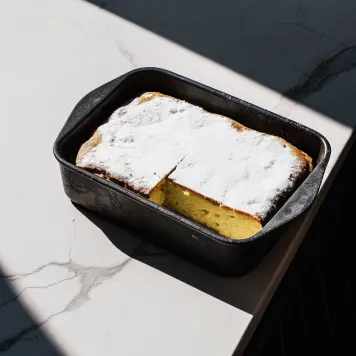
Quesada Pasiega
This dense, custard-like baked dessert uses fresh cheese, butter, and lemon zest, giving it a creamy texture. Its slightly rustic surface often turns golden and cracked when baked in a clay dish.
Corbatas de Unquera
These are flaky puff pastries shaped like loose bow ties, dusted with sugar. They take their name from the town of Unquera on the Cantabrian coast, where they have been hand-made for generations.
Traditional Savory Dishes
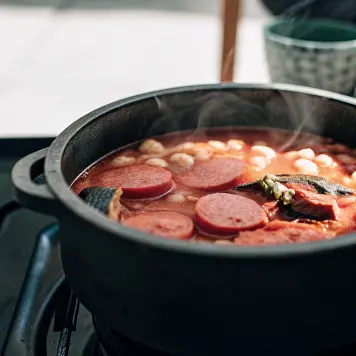
Cocido Montañés
A hearty mountain stew from Cantabria made with white beans, cabbage, chorizo, morcilla, and pork. It is so thick and warming that locals traditionally eat it as a full midday meal during cold weather.

Rabas
These are golden, crispy fried squid rings, a favorite tapas order in Santander's bustling port bars. They are best eaten fresh right at the harbor with a squeeze of lemon.

Sorropotún
A fisherman's tuna and potato stew that originated on Cantabrian boats, cooked slowly with onion, tomato, and pepper. The name comes from the Basque words for "soup" and "tuna," reflecting the region's seafaring heritage.
Traditional Beverages
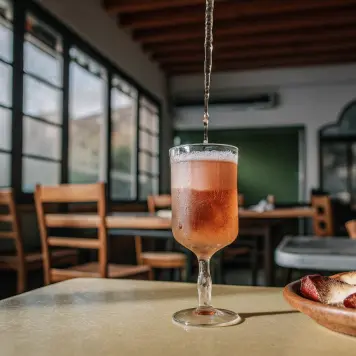
Sidra
Cantabrian cider is made from locally grown apples and is often poured from a height to aerate it and release its fizzy, tart character. It became popular in the region's sidrerías, or cider houses, where meals are served around the drink.
Orujo
A strong grape pomace brandy distilled from leftover skins and seeds, it is the classic after-dinner digestif of northern Spain. In Cantabria it is often served as "orujo de hierbas," infused with local mountain herbs.
Tostadillo
A sweet, amber dessert wine produced in Cantabria from grapes that are partially dried before pressing. Its honeyed richness pairs perfectly with local cheeses and traditional pastries like the quesada pasiega.
Frequently Asked Questions about Santander, Spain
Is Santander safe for tourists?
How many days are needed to visit Santander?
When is the best time to visit Santander?
Is Santander an expensive city?
How to get around Santander?
Get a PDF with the most popular attractions sent to your email
Get a PDF with all attractions, ratings, and tips. Perfect for offline use.
Most popular day trips
Santillana del Mar
Historic stone village with cobbled streets, near the Altamira Cave museum.
Comillas
Coastal town with El Capricho de Gaudí and an ornate papal university.
Parque de la Naturaleza de Cabárceno
Large safari park with animals roaming in a former open pit mine.
Bilbao
Bustling Basque city famous for the Guggenheim Museum and old town.
Potes and Picos de Europa
Mountain gateway town with cable car and dramatic limestone peaks.
Rent a car in Santander, Spain
Getting there
Train stations
RENFE to Madrid, Bilbao, and Oviedo; FEVE narrow gauge to Bilbao
Seasonal ferry links to Plymouth and Portsmouth, United Kingdom
Bus line EAS serves the airport to the center in about 20 minutes. Trains and the ferry terminal sit within easy walking distance of downtown.
Find flights to Santander, Spain
Click to get eSim for Santander, Spain
The easiest and most affordable way to get mobile internet wherever you travel.
Comments (8)
Caught a rainy week in October and still enjoyed myself. Cozy cafes everywhere, cheap pintxos, locals were friendly. Just bring real layers, that wind off the bay is no joke.
Dine two blocks past the marina for proper food. The spots near the port double their plate prices, same quality seafood for half the cost further up.
Skip renting a car. The city bus to Sardinero is cheap and easy, and it beats fighting for parking. Take it up to the Magdalena too, that walk is a proper uphill slog.
Santander is nice and pretty clean but honestly I found it a bit sleepy. Fine for a relaxing weekend, not if you want nightlife. The bay sunset walk kind of saves it.
Food was superb, especially the seafood and the rabas. Only downside was foggy mornings in June, they burned off by noon though. Would come back for sure.