 CityBuddy
 English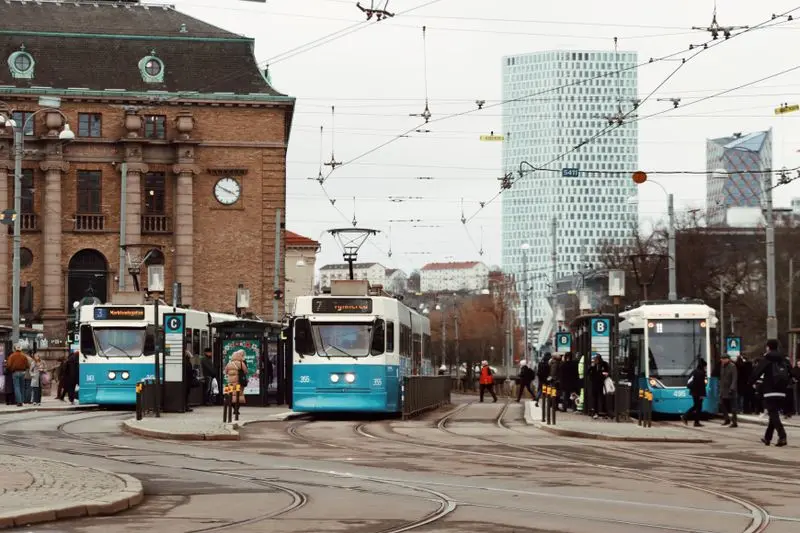
Things to Do in Göteborg, Sweden
Photo made by Efrem Efre on Pexels.com
When to visit
Plan your perfect trip to Göteborg, Sweden
Get a complete travel plan built just for you in under 30 seconds, with daily routes, local food tips, budget estimates and more.
Are any of these especially important to you?
Select all that apply
Plan language: EnglishGöteborg is the #10 most LGBTQ+ friendly city in the world, based on our data across hundreds of destinations.
Most popular attractions in Göteborg, Sweden
If you are searching for things to do in Göteborg, Sweden, start with Liseberg, Scandinavia's largest amusement park, offering over 40 rides and live concerts. Explore Universeum's indoor rainforest with free-flying monkeys and sharks. Then visit Feskekôrka, a 150-year-old fish market by the canals, serving fresh seafood since 1874.
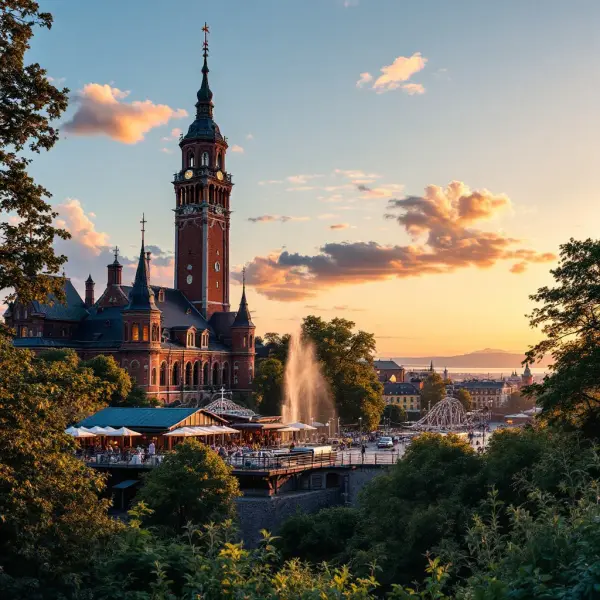
1. Liseberg
Roller coasters, concerts, and Christmas markets all in one place. Feel the rush of Balder's wooden track, taste cinnamon bakes at the market, and hear live bands under the night sky.
Quick facts: From its 1923 opening, Scandinavia's largest amusement park has drawn crowds with a mix of thrilling rides and traditional charm. More than 3 million visitors flock here each year for the famous Christmas market and summer concerts.
Highlights: Every Halloween, the park transforms into a massive horror festival with 10 haunted houses and 200 actors roaming the fog-covered paths. The wooden roller coaster Balder, voted the world's best wooden coaster multiple times, lets you feel every creak and rattle as it reaches 90 kilometers per hour.
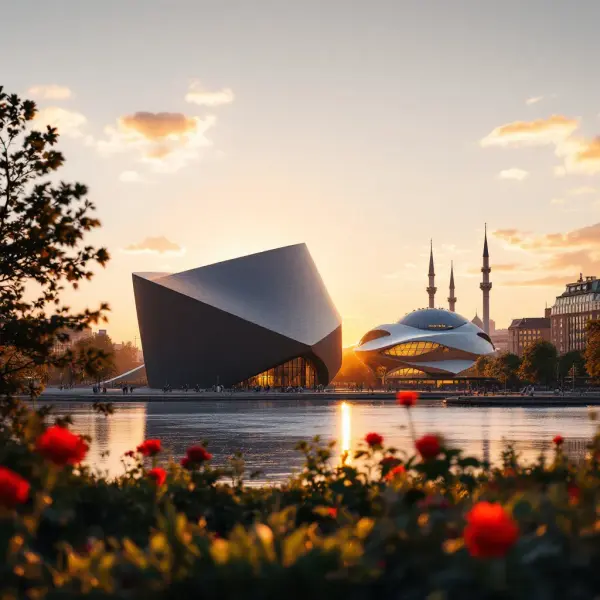
2. Universeum
Journey from ocean depths to outer space without leaving the building. Explore a living rainforest, touch a shark ray, and launch a simulated rocket all in one afternoon.
Quick facts: Seven floors of indoor rainforest let you walk among free-flying butterflies and pass by a two-story shark aquarium. The building contains over 75,000 liters of saltwater and 2 million liters of freshwater across its various ecosystems.
Highlights: A full-sized replica of a Swedish Space Corporation satellite hangs from the ceiling in the space exhibition, with real thermal tiles you can touch. The rainforest dome is kept at 80% humidity and 26°C year-round, creating actual rain showers that visitors walk through on elevated walkways.

3. Gothenburg Museum of Art
Why wander Stockholm when Gothenburg holds Sweden's finest art collection outside the capital? You'll walk from Rembrandt's golden age through Nordic masterworks to challenging contemporary installations.
Quick facts: The collection spans from the 15th century to present day, with standout pieces by Rembrandt, van Gogh, and Picasso. Its Förster family sculpture hall, a grand glass-roofed atrium, houses over 400 works in a space that feels more like a winter garden than a gallery.
Highlights: Tucked away on the second floor is one of Europe's finest collections of Nordic turn-of-the-century art, including Carl Larsson's monumental fresco "Midvinterblot" (Midwinter Sacrifice), a massive 6-by-14-meter painting that sparked a heated national debate when first displayed. The museum's staircase is framed by the only complete intact interior by the celebrated Swedish painter and he refused to let it be broken up, so the museum bought the entire room.
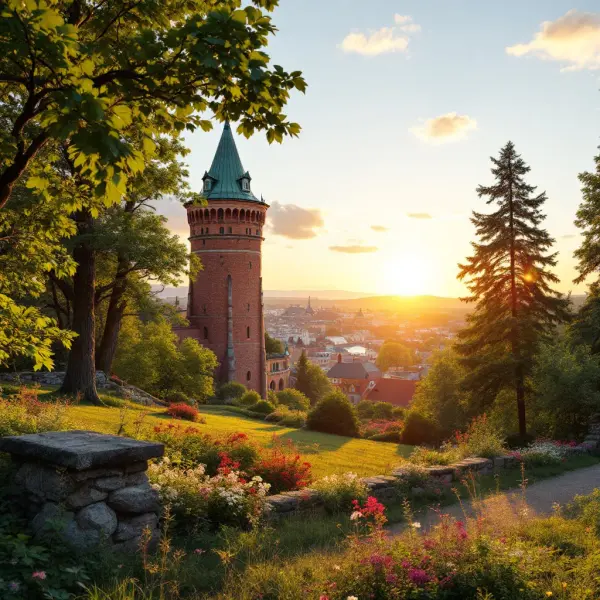
4. Slottsskogen
A 137-hectare wilderness where moose roam and penguins waddle, all inside the city. Wander wooded trails, visit a free zoo, and watch the sunset from a hilltop with sweeping views over Gothenburg.
Quick facts: The park spans 137 hectares and is home to over 200 animals in its free-entry zoo, including seals, penguins, and Nordic wildlife. Every summer, its main lawn hosts the Way Out West festival, drawing over 30,000 music fans across three days.
Highlights: At dawn you can spot elk and wild boar roaming the wooded hillsides inside the city limits, a surreal sight just 10 minutes from central Gothenburg. The park's 17th-century oak trees, some over 400 years old, still stand with trunks so wide three people can't hug them.
5. Haga District
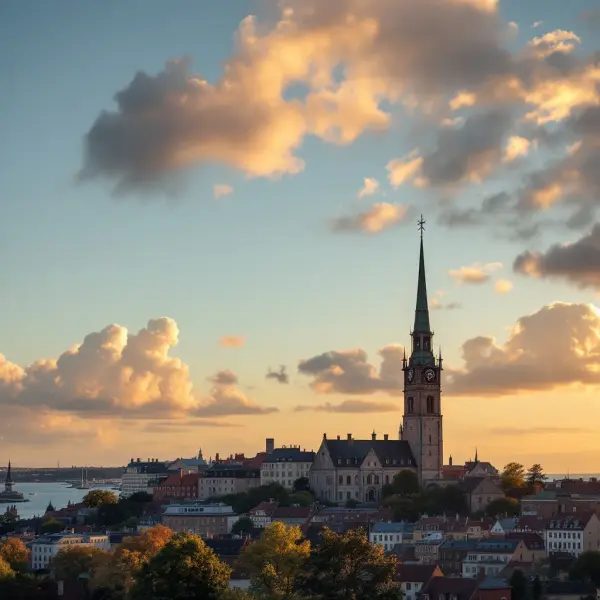
Wander cobblestone lanes lined with wooden houses from the 1600s, where artisans and cafés spill onto quiet squares. Taste fresh seafood at the iconic fish church, then browse vintage shops tucked inside old boat-building sheds.
Quick facts: Wooden houses line cobblestone streets in what started as a working-class district in the 1600s. Today its 19th-century charm hides a creative hub where over 30 small shops, studios, and cafés operate out of centuries-old buildings.
Highlights: At the heart of the district, the 100-year-old fish church (Feskekôrka) still sells fresh catches from the same stalls four generations of families have worked. Watch fishermen unload their morning haul straight from the boats while seagulls patrol the pier, a ritual unchanged since 1874.

6. Maritiman
Climb aboard a Cold War destroyer, squeeze through a submarine, and explore ten floating warships all in one visit. Feel the ships sway beneath your feet as you discover hidden engine rooms, gun turrets, and crew quarters.
Quick facts: Ten warships, submarines, and other vessels are moored together to form the world's largest floating maritime museum. Visitors can crawl through a real submarine's narrow passageways and climb inside a 76-meter destroyer's gun turrets.
Highlights: You can stand directly inside the rotating turret of the HMS Småland destroyer and peer through the same sights the gunners used during the Cold War. The whole museum floats on the Göta River, so every room has a gentle sway that reminds you these were real working warships.

7. Göteborgs Konsthall
One of Europe's largest spaces for contemporary art, completely free to enter. Wander through ever-changing exhibitions where you can touch, circle, and experience art from every angle.
Quick facts: The building was originally a car showroom in the 1950s before being transformed into an exhibition hall. Its vast, open interior spans over 2,500 square meters with no permanent collection, meaning every visit offers something completely different.
Highlights: The gallery lets you walk right up to massive sculptures and installations without ropes or barriers, creating an immediate, unguarded connection with the art. Floor-to-ceiling windows flood the space with natural light, shifting the atmosphere dramatically from morning to late afternoon.
8. Botanical Garden Gothenburg
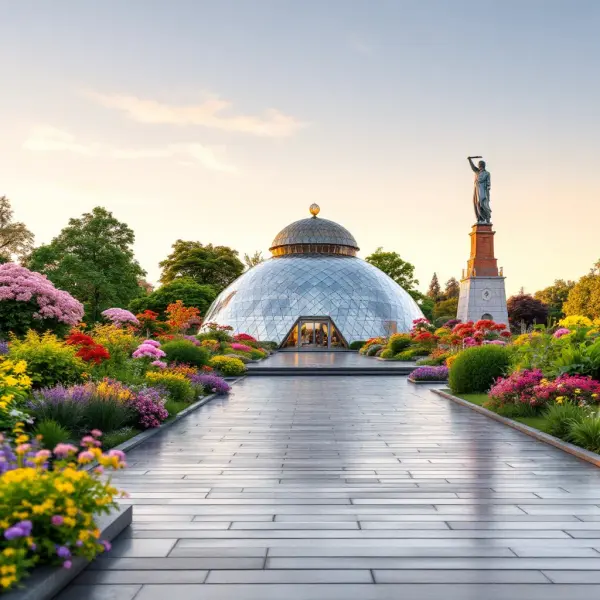
Wander through 175 hectares of curated wilderness, from alpine peaks to Japanese forest glades. Over 16,000 plant species await discovery across themed gardens that reward slow, curious exploration.
Quick facts: Spread across 175 hectares, this botanical garden boasts over 16,000 plant species across its various collections. The rock garden alone features 5,000 different species from mountain regions around the globe, making it one of Europe's largest.
Highlights: The Japanese Glade, a shaded ravine filled with giant rhubarb leaves the size of umbrellas and trickling streams, feels like stepping into a Studio Ghibli film. Moss-covered rocks and towering ferns create a humid, prehistoric atmosphere that changes dramatically with every season.
9. Vinga Lighthouse
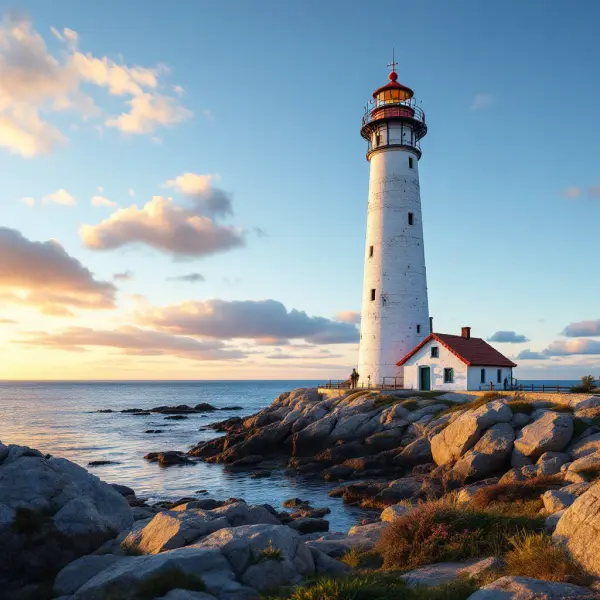
Climb 177 steps to one of Sweden's most dramatic coastal lookouts. Feel the North Sea wind at the top and scan for seals resting on offshore rocks.
Quick facts: Three lighthouse keepers and their families once lived on this tiny island year-round, weathering brutal North Sea storms in total isolation. The 46-meter cast iron tower, painted bright red with a white stripe, flashes its beacon 32 kilometers out to sea every 10 seconds.
Highlights: A narrow spiral staircase of 177 steps winds up through the hollow iron core, with each landing offering a different view of the archipelago shrinking below. On clear autumn evenings, the sunset paints the entire tower in golden light while harbor seals bob in the surrounding waters.
Where to Stay in Göteborg, Sweden
Selected by City Buddy based on guest reviews and proximity to top attractions
Search all hotels in Göteborg, SwedenPowered by agoda
Traditional Sweet Dishes
Kladdkaka
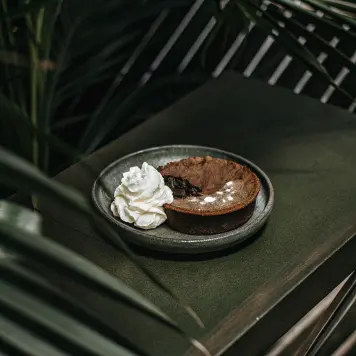
Sweden's gooey chocolate cake is beloved across the country, but Goteborg is famous for its fika culture where kladdkaka is often served with whipped cream or vanilla ice cream.

Semla
This cardamom-spiced bun filled with almond paste and whipped cream is a Swedish classic, and Goteborg bakeries are known for making some of the finest versions, especially around Fat Tuesday.
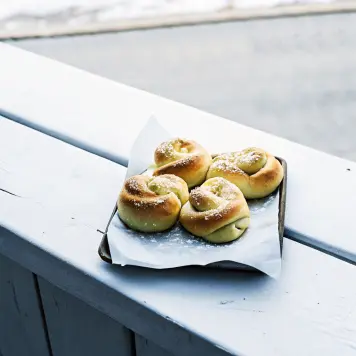
Saffransbullar
Goteborg, with its strong trade history, helped popularize saffron in Sweden. These golden, S-shaped saffron buns are especially enjoyed during Advent and St. Lucia's Day.
Traditional Savory Dishes
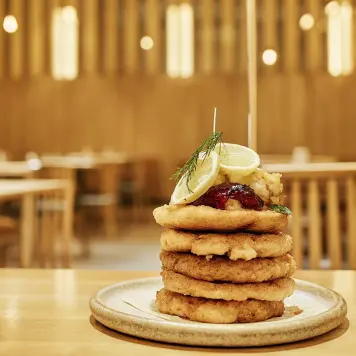
Raggmunk
These crispy potato pancakes are a Swedish comfort food staple, often served with lingonberry jam and fried pork in Goteborg's cozy traditional restaurants.

Fisksoppa
Goteborg's location on Sweden's west coast makes it the heart of seafood cuisine, and its creamy fish soup with saffron, mussels, and shrimp is a local masterpiece.

Gravad lax
This cured salmon dish is particularly special in Goteborg where the cold coastal waters provide exceptional quality fish, and the traditional dill and mustard sauce is a perfect pairing.
Traditional Beverages

Punsch
A sweet, arrack-based liqueur historically beloved by Swedish university students and upper classes, Goteborg has its own variations traditionally served warm with pea soup on Thursdays.

Julmust
This malty, spiced Christmas soda outsells Coca-Cola in Sweden during December, and Goteborg breweries produce some of the most beloved local recipes.

Enbärsdricka
A traditional juniper berry drink that dates back centuries in the Swedish countryside, it was commonly brewed in the Goteborg region as a refreshing non-alcoholic alternative to beer.
Frequently Asked Questions about Göteborg, Sweden
Is Göteborg, Sweden safe?
How many days in Göteborg, Sweden?
Best time to visit Göteborg, Sweden?
Is Göteborg, Sweden expensive?
How to get around Göteborg, Sweden?
Get a PDF with the most popular attractions sent to your email
Get a PDF with all attractions, ratings, and tips. Perfect for offline use.
Most popular day trips
Stockholm
Capital of Sweden with Gamla Stan old town and Vasa Museum
Kungsbacka
Charming coastal town with cobblestone streets and boutiques
Marstrand
Picturesque island with Carlsten Fortress and sailing
Gothenburg Archipelago
Beautiful southern islands with car-free villages and nature
Getting there
Train stations
SJ high-speed trains to Stockholm, Copenhagen, Oslo; regional trains
Take Flygbussarna airport coaches from Landvetter to central Goteborg, departing every 15-20 minutes.
Find flights to Göteborg, Sweden
Click to get eSim for Göteborg, Sweden
The easiest and most affordable way to get mobile internet wherever you travel.
Comments (5)
Skip the tourist restaurants near Kungsportsavenyn. Walk over to Majorna or Linné instead. Cafe Koka has incredible plant based lunches for half the price.
Göteborg surprised me. Way more laid back than Stockholm and the food scene is legit. Gothenburg fish church is a must but bring cash. Stayed 3 days, felt like enough.
Honestly a bit underwhelmed. Maybe it was the weather but it just felt like any other mid sized European city. Some cool cafes but nothing that blew me away.
Get the Göteborg City Card if you plan to hit multiple museums and use the tram. Day pass on transit is only 35 SEK and covers everything. Unlimited travel saves a ton.
Loved the vibe here. So many parks and green spaces. The archipelago boats are cheap and easy. Spent 4 days and wish I had more. Fika culture is real and wonderful.