 CityBuddy
 English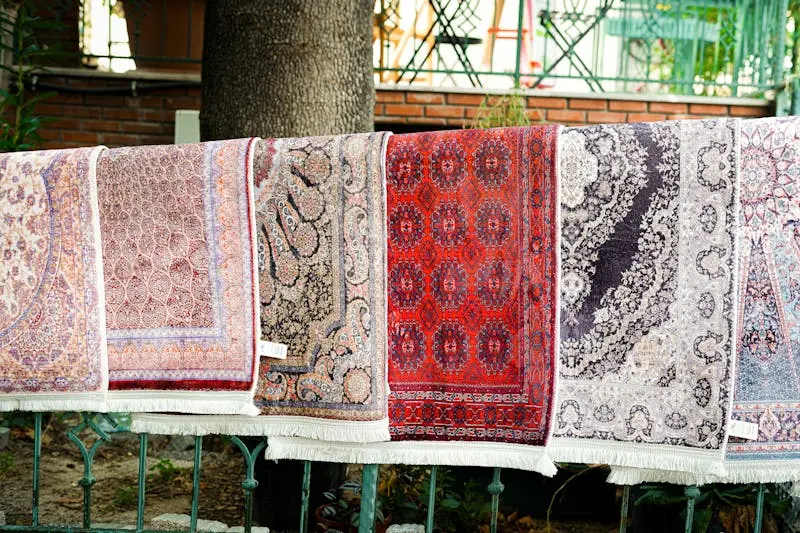
4-Day Damascus Autumn Adventure
Wander through golden-lit souqs, marvel at the Umayyad Mosque mosaics, and watch the sunset paint the city from Mount Qasioun on this unforgettable 4-day autumn journey through the ancient heart of Syria.
4-Day Damascus Autumn Adventure
Wander through golden-lit souqs, marvel at the Umayyad Mosque mosaics, and watch the sunset paint the city from Mount Qasioun on this unforgettable 4-day autumn journey through the ancient heart of Syria.
Old City of Damascus (Ancient City)
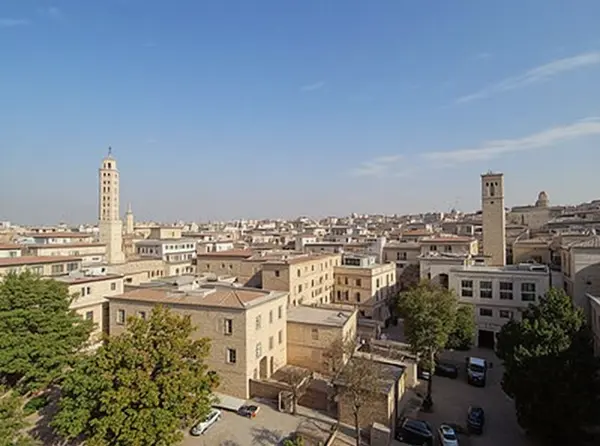
Enter through Bab Touma and follow the Street Called Straight (Via Recta) past Roman columns and Umayyad-era courtyard houses. Note how the souqs branch off toward the Citadel in the northwest corner, and look for the remaining gates in the 700-year-old walls. This is still a working residential district, so stay aware of small alleys and shopfronts.
Old City of Damascus (Ancient City)
Enter through Bab Touma and follow the Street Called Straight (Via Recta) past Roman columns and Umayyad-era courtyard houses. Note how the souqs branch off toward the Citadel in the northwest corner, and look for the remaining gates in the 700-year-old walls. This is still a working residential district, so stay aware of small alleys and shopfronts.
Umayyad Mosque (Great Mosque of Damascus)
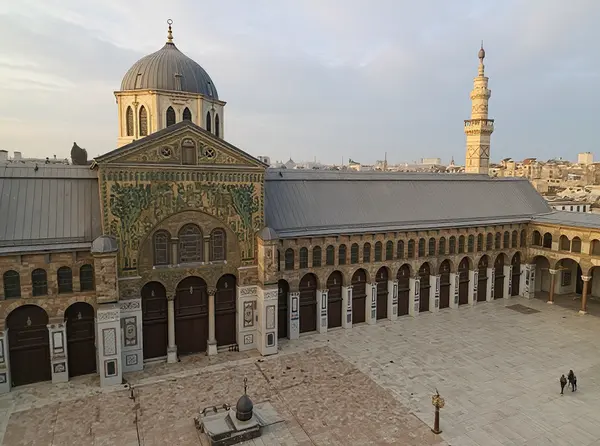
Dress modestly and remove shoes before entering; women may be offered an abaya at the gate. Look for the Byzantine-era gold mosaics, the shrine of John the Baptist, and the Dome of the Treasury in the vast courtyard. Non-Muslims can visit, but avoid the main prayer hall during prayer times.
Umayyad Mosque (Great Mosque of Damascus)
Dress modestly and remove shoes before entering; women may be offered an abaya at the gate. Look for the Byzantine-era gold mosaics, the shrine of John the Baptist, and the Dome of the Treasury in the vast courtyard. Non-Muslims can visit, but avoid the main prayer hall during prayer times.
Al-Hamidiyah Souq
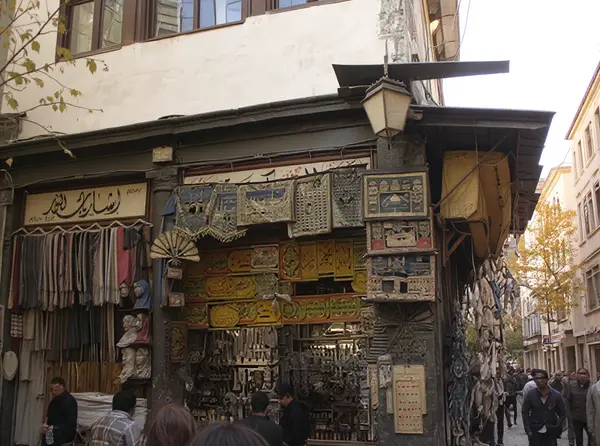
This long arched market runs from the Citadel straight to the Umayyad Mosque. Browse woven damask textiles, olive oil soap, and spices, then step into side lanes such as Souq al-Buzuriyah for herbs and dried goods. Bargaining is expected, and small purchases of soap or sweets pack easily.
Al-Hamidiyah Souq
This long arched market runs from the Citadel straight to the Umayyad Mosque. Browse woven damask textiles, olive oil soap, and spices, then step into side lanes such as Souq al-Buzuriyah for herbs and dried goods. Bargaining is expected, and small purchases of soap or sweets pack easily.
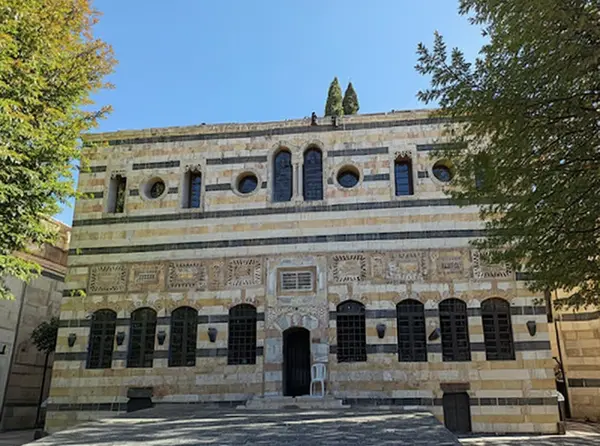
Azm Palace (Beit al-Azem)
This 18th century Ottoman palace sits just south of the mosque near Souq al-Buzuriyah. Check the iwan reception hall, the fountain courtyard, and the restored rooms that show inlaid marble and carved woodwork. Allow time to sit in the garden before the evening crowd gathers.
Azm Palace (Beit al-Azem)
This 18th century Ottoman palace sits just south of the mosque near Souq al-Buzuriyah. Check the iwan reception hall, the fountain courtyard, and the restored rooms that show inlaid marble and carved woodwork. Allow time to sit in the garden before the evening crowd gathers.
~2 hours
Look for courtyard restaurants tucked off the alleyways around Bab Sharqi and Souq al-Buzuriyah, where tables sit under lemon trees and fountains. Arrive by 7 PM or reserve ahead in busy periods, and expect a long meze spread before the mains. Ask for house-made pickles and fresh yogurt to go with the meal.
Meals
Recommended traditional local cuisine
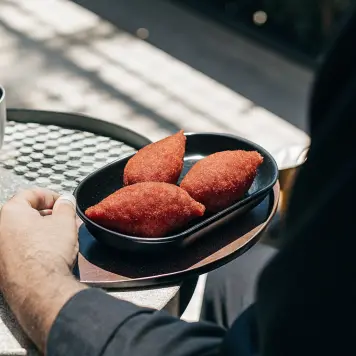
Find a traditional Damascene courtyard restaurant around Bab Sharqi or Souq al-Buzuriyah. Order kibbeh, fried bulgur croquettes stuffed with minced meat, alongside meze and flatbread; local beer costs about $2.
KibbehAccommodation— Old City near Bab Touma (gate into the Christian Quarter of the Old City)
Puts you steps from the Umayyad Mosque, the souqs, and the courtyard restaurants on today's route, and the quarter stays lively in the evening.
Puts you steps from the Umayyad Mosque, the souqs, and the courtyard restaurants on today's route, and the quarter stays lively in the evening.
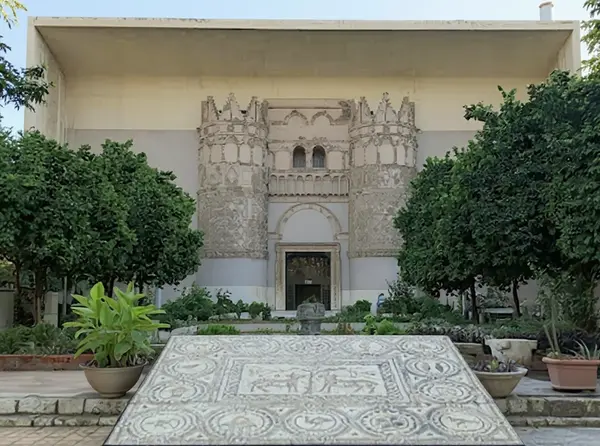
National Museum of Damascus
Start at the marble-fronted museum on Shukri al-Quwatli Street, across from the Tekkiye Mosque. The highlights are the reconstructed Dura-Europos synagogue with its vivid 3rd-century wall paintings and the Palmyra and Ugarit galleries, so budget about two and a half hours.
National Museum of Damascus
Start at the marble-fronted museum on Shukri al-Quwatli Street, across from the Tekkiye Mosque. The highlights are the reconstructed Dura-Europos synagogue with its vivid 3rd-century wall paintings and the Palmyra and Ugarit galleries, so budget about two and a half hours.
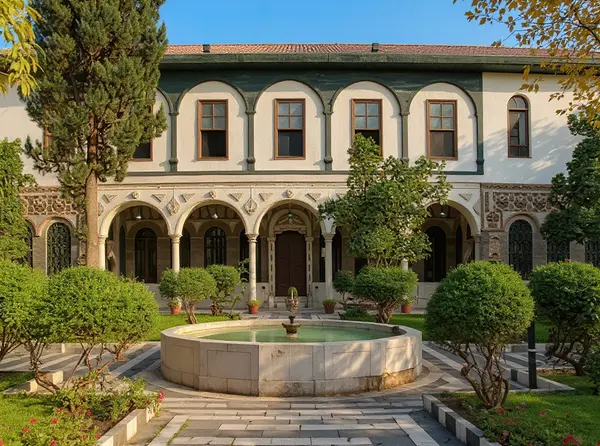
Maktab Anbar
A restored 19th-century merchant mansion tucked near the end of the covered Souq al-Hamidiyyeh. Walk the shaded courtyards and look for inlaid mother-of-pearl woodwork and painted ceilings on the upper floor, then browse the small crafts and heritage display.
Maktab Anbar
A restored 19th-century merchant mansion tucked near the end of the covered Souq al-Hamidiyyeh. Walk the shaded courtyards and look for inlaid mother-of-pearl woodwork and painted ceilings on the upper floor, then browse the small crafts and heritage display.
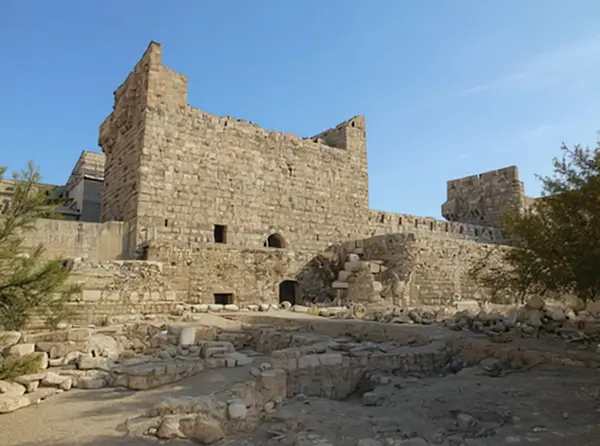
Citadel of Damascus (Qal'at Dimashq)
A restored Ayyubid-era fortress in the northwest corner of the Old City, just off the end of Souq al-Hamidiyyeh. Climb the ramparts and towers for wide views over the city and check the carved entrance portal and inner halls. Two hours covers the whole circuit.
Citadel of Damascus (Qal'at Dimashq)
A restored Ayyubid-era fortress in the northwest corner of the Old City, just off the end of Souq al-Hamidiyyeh. Climb the ramparts and towers for wide views over the city and check the carved entrance portal and inner halls. Two hours covers the whole circuit.
~1 hours
Search for 'Abu al-Izz' in the Shaalan district, a long-running sweets shop known for its kanafeh. The cheese-filled pastry with a crisp orange-topped crust is served warm with shiny syrup, so order a fresh plate and eat it right away.
Meals
Recommended traditional local cuisine
Look for a small restaurant in the lanes by Maktab Anbar and order kibbeh, a fried shell of bulgur and minced meat, served with a tomato and parsley salad.
KibbehAccommodation— Old City (historic quarter around Straight Street and Bab Touma)
Keeps every stop today, the museum, Maktab Anbar, and the Citadel, within a short walk or shared taxi ride.
Keeps every stop today, the museum, Maktab Anbar, and the Citadel, within a short walk or shared taxi ride.
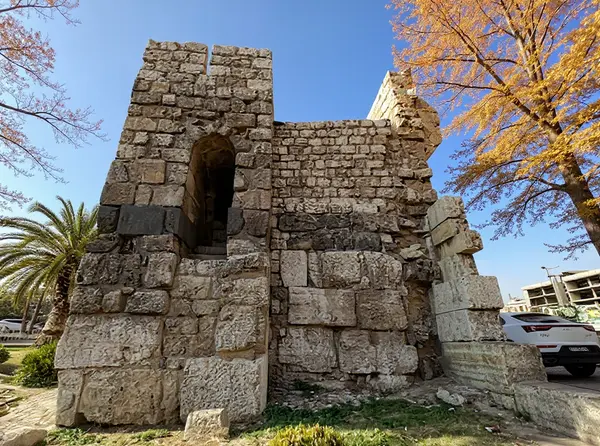
Bab Touma (Saint Thomas Gate) / Christian Quarter
Enter the old city through the northeastern Saint Thomas Gate into the Christian Quarter, where narrow alleys open onto several old churches. Walk along Qassaa Street, the main pedestrian lane, and look for shops selling olive oil soap and hand-carved icons. Ask a local to point out the Tawriyat Bazaar entrance if you want to walk from here toward Straight Street.
Bab Touma (Saint Thomas Gate) / Christian Quarter
Enter the old city through the northeastern Saint Thomas Gate into the Christian Quarter, where narrow alleys open onto several old churches. Walk along Qassaa Street, the main pedestrian lane, and look for shops selling olive oil soap and hand-carved icons. Ask a local to point out the Tawriyat Bazaar entrance if you want to walk from here toward Straight Street.
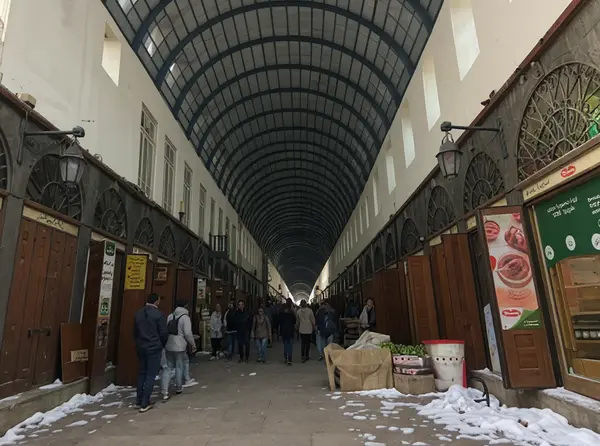
Straight Street (Via Recta)
Walk the full length of Straight Street, the ancient east-west Roman road that still cuts through the old city. Near the western end, descend the steps to the underground Chapel of Saint Ananias where Paul is said to have been healed. Stop in the textile and handicraft shops along the way and look for surviving Roman arch fragments built into the facades.
Straight Street (Via Recta)
Walk the full length of Straight Street, the ancient east-west Roman road that still cuts through the old city. Near the western end, descend the steps to the underground Chapel of Saint Ananias where Paul is said to have been healed. Stop in the textile and handicraft shops along the way and look for surviving Roman arch fragments built into the facades.
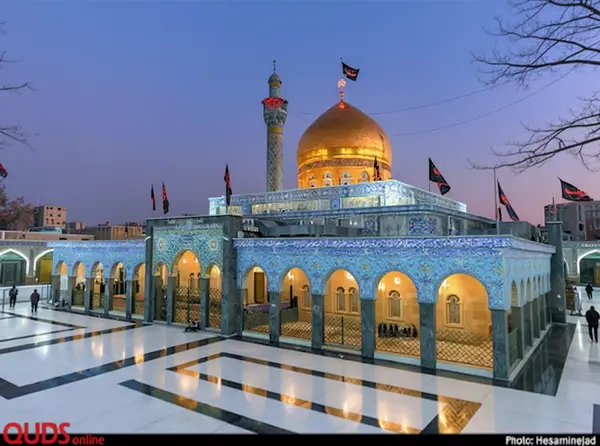
Sayyidah Zainab Mosque
Take a shared taxi or minibus from the old city to the Sayyidah Zainab district, about 10 km south. The mosque's huge golden dome and dazzling Persian-style mirrored interior are the main draw, and the surrounding lanes sell religious souvenirs and street snacks. Dress conservatively, cover your head if you are a woman, and leave shoes at the entrance.
Sayyidah Zainab Mosque
Take a shared taxi or minibus from the old city to the Sayyidah Zainab district, about 10 km south. The mosque's huge golden dome and dazzling Persian-style mirrored interior are the main draw, and the surrounding lanes sell religious souvenirs and street snacks. Dress conservatively, cover your head if you are a woman, and leave shoes at the entrance.
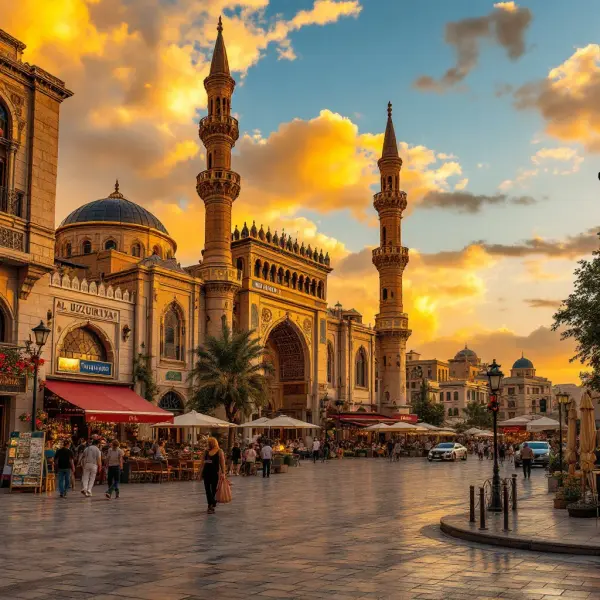
Souq al-Buzuriyah
This spice and dried-fruit market sits beside the Umayyad Mosque, across from the entrance to the Souq al-Hamidiyah. Stock up on saffron, sumac, and dried zaatar, and step into the 16th century Khan As'ad Pasha caravanserai to see its octagonal courtyard. Finish with the famed molten pistachio ice cream pounded with a mallet at the old parlor on the market's edge.
Souq al-Buzuriyah
This spice and dried-fruit market sits beside the Umayyad Mosque, across from the entrance to the Souq al-Hamidiyah. Stock up on saffron, sumac, and dried zaatar, and step into the 16th century Khan As'ad Pasha caravanserai to see its octagonal courtyard. Finish with the famed molten pistachio ice cream pounded with a mallet at the old parlor on the market's edge.
Meals
Recommended traditional local cuisine
Find a casual eatery near the Umayyad Mosque and order kibbeh, crisp fried bulgur shells stuffed with spiced minced meat, served with a yogurt and mint salad.
KibbehAccommodation— Old City (historic walled center around Straight Street, near the Umayyad Mosque)
Keeps you steps from tonight's spice market and today's Christian Quarter, and is the natural base for the whole single-city stay.
Keeps you steps from tonight's spice market and today's Christian Quarter, and is the natural base for the whole single-city stay.
~1.5 hours
Walk under the grand Ottoman arch of the Hejaz Railway Station, completed in 1908 to link Damascus with Medina. The restored building now holds a transport museum, so look for the vintage locomotives and rail cars displayed in the courtyard before moving on.
View details, tips, opening times & more~2 hours
Follow the Barada River promenade westward from the city center toward the Rabweh district, where poplar and sycamore trees overhang the water. The flow is low in autumn, but the shaded banks still make for a pleasant walk; turn around near the old waterwheel rather than continuing into the thinner reaches.
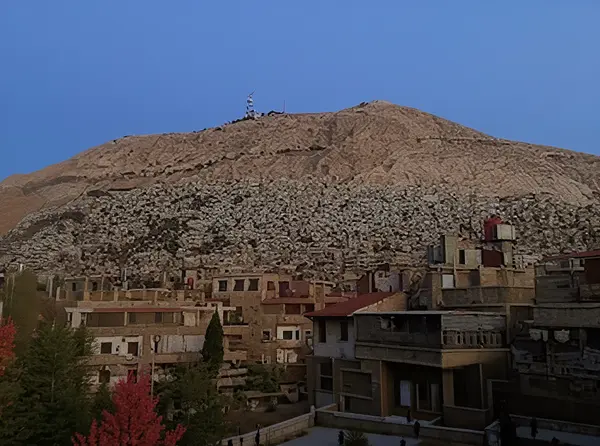
Mount Qasioun (Qasioun Mountain viewpoint)
Take a taxi or shared minibus up the hairpin road to the Mount Qasioun overlook and time your arrival for late afternoon so the Old City, Umayyad Mosque and rooftops light up at dusk. Bring a jacket, since the summit is noticeably cooler than downtown in autumn, and ask the driver to wait or arrange a pick-up time as taxis are scarce up top.
Mount Qasioun (Qasioun Mountain viewpoint)
Take a taxi or shared minibus up the hairpin road to the Mount Qasioun overlook and time your arrival for late afternoon so the Old City, Umayyad Mosque and rooftops light up at dusk. Bring a jacket, since the summit is noticeably cooler than downtown in autumn, and ask the driver to wait or arrange a pick-up time as taxis are scarce up top.
~1.5 hours
Head into the old lanes near Straight Street (Bab Sharqi) and pick any small café with street seating. Order Syrian coffee brewed with cardamom in a small brass pot and sip it slowly with a glass of water, as the grounds settle at the bottom of the cup.
Meals
Recommended traditional local cuisine
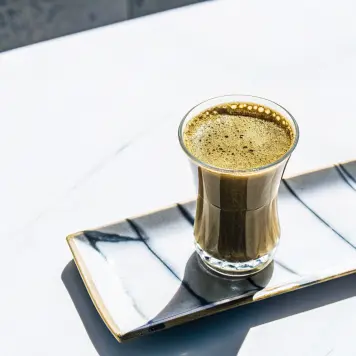
Settle into a cozy café near Straight Street and order Syrian coffee, an Arabic coffee brewed with cardamom and served in a tiny cup, pairing it with a small plate of dates or fresh fruit.
Arabic CoffeeAccommodation— Old City (historic center near Straight Street and the Umayyad Mosque)
This central quarter keeps the railway station, river walk and Mount Qasioun taxi stop all within easy reach for your farewell day.
This central quarter keeps the railway station, river walk and Mount Qasioun taxi stop all within easy reach for your farewell day.
Export Your Trip
Get your trip plan as a PDF with maps and a CSV spreadsheet.
Budget Breakdown
4-day autumn trip to Damascus, Syria. Costs are per person per day in USD. Hotel at about $25 per night (mid-range is roughly $50 per day). Food: one restaurant meal at $6 plus street food and coffee. Transport: local taxis, shared taxis and minibuses, roughly $0.3 per km. Activities and entry fees estimated at $5 per day. Daily total 40, four-day total 160.
Good to Know
Pre-Trip Checklist
Documents
Health
Packing
Connectivity
Get eSIM for Damascus, Syria
The easiest and most affordable way to get mobile internet wherever you travel.
Booking