 CityBuddy
 Bosanski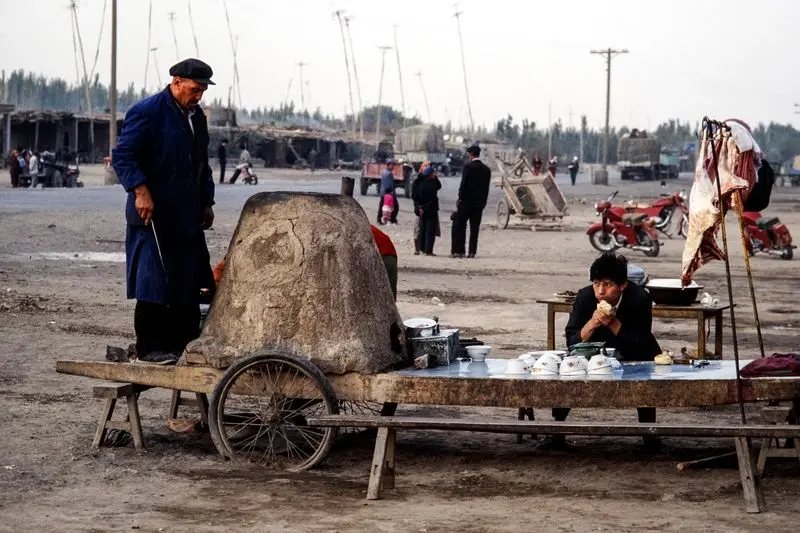
Šta raditi u Kashgar, China
Fotografiju je napravio pierre matile na Pexels.com
Kada posjetiti
Kada putujete u Kashgar, China?
Odaberite datume i stil putovanja da dobijete:
Da li vam je nešto posebno važno?
Odaberite sve što se odnosi
Getting around
How do you want to move between places?
Plan language: BosanskiNajpopularnije atrakcije u Kashgar, China
Najbolje stvari koje možete uraditi u Kašgaru u Kini usredsređene su na njegovu višvekovnu ujgursku kulturu. Počnite od Id Kah džamije iz 15. veka, najveće u Sinkjangu, gde se hiljade ljudi okuplja za petkom molitvu. Prošetajte lavirintskim uličicama starog grada Kašgara, a zatim se cjenkajte za svilu i začine na Velikom kašgarskom bazaru, trgovačkom središtu na Putu svile više od 2.000 godina.
1. Id Kah Mosque
Duhovno srce starog grada Kašgara gdje se svakog petka okupi 20.000 ljudi. Zakoračite u dvorište staro 500 godina sa zlatnim stubovima od topole i tirkiznim pločicama koje je vrijeme zaboravilo.
Brze činjenice: Otprilike 20.000 vjernika ispuni ogromno dvorište tokom petkom namaza, jedno od najvećih okupljanja u čitavoj Srednjoj Aziji. Minaret prekriven tirkiznim pločicama uzdiže se 30 metara iznad starog grada Kašgara, vidljiv gotovo sa svakog krova u okolnom lavirintu uličica.
Istaknuto: Sa 16.800 kvadratnih metara, dvorište je najveće u Kini, a petkom hutba odjekuje kroz prostor gdje su vijekovima rame uz rame klečali ujgurski, tatarski i kazahstanski hodočasnici. Obratite pažnju na starije muškarce koji dolaze tri sata ranije sa svojim tepisima, zauzimajući isto mjesto koje su prisvajali decenijama, tihi ritual koji se ponavlja svake sedmice.
2. Kashgar Old City
Prošećite kroz 2.000 godina života na Putu svile gdje 100.000 ljudi još uvijek živi u drevnim ulicama. Pijuckat ćete čaj u lokalnom dvorištu i gledati zanatlije kako kuju bakar baš kao što su to činili njihovi preci.
Brze činjenice: Otprilike 2.000 godina neprekidnog naseljavanja učinilo je ovo jednim od najstarijih preživjelih urbanih središta duž Puta svile, a neke porodice prate svoje domove unazad više od dvanaest generacija. Preko 100.000 stanovnika i dalje živi i radi unutar njegovih lavirintskih uličica, dajući mu živu energiju koju je većina starih gradova odavno izgubila.
Istaknuto: Svaka vrata ovdje pričaju priču, sa preko 400 ručno rezbarenih drvenih kapija koje stoje kao porodično naslijeđe, a svaki uzorak krije simbole zaštite i prosperiteta. Pravo iznenađenje su krovovi, gdje stanovnici uzgajaju lubenice, grožđe i smokve visoko iznad uličica, stvarajući tajni grad vrtova nevidljiv s nivoa ulice.
3. Kashgar People's Park
Zeleni džep mira gdje mještani zaista žive svoj svakodnevni život. Prošećite pored šahovskih stolova, jezerca s patkama i cvjetnjaka dok upijate pravi svakodnevni ritam Kašgara.
Brze činjenice: Park pokriva otprilike 36 hektara u samom srcu starog grada, čineći ga zelenom oazom usred okolne pustinjske klime. Jutarnje tai chi grupe i popodnevni šahisti okupljaju se ovdje decenijama, a centralna fontana izbacuje vodu gotovo 20 metara u zrak.
Istaknuto: Vikendom uveče, desetine ujgurskih porodica postave improvizirane krugove za piknik na travnjacima, dijeleći nan hljeb i dinju dok tradicionalna muzika svira s malih radija, a neke noći ćete uhvatiti starije muškarce kako vode improvizirane plesne krugove u koje se turisti srdačno uključuju. Parkovno pačje jezero zapravo se napaja vjekovnim karez kanalom za navodnjavanje, istim podzemnim vodovodnim sistemom koji je napajao kašgarsku oazu više od hiljadu godina.
Where to Stay in Kashgar, China
Selected by City Buddy based on guest reviews and proximity to top attractions
Search all hotels in Kashgar, ChinaPowered by agoda
Tradicionalna slatka jela
Uyghur Naan with Figs
This sweet naan is baked with locally grown figs, which thrive in Kashgar's warm, sunny climate. The fruit's natural honey-like sweetness caramelizes into the bread during baking in traditional clay ovens called tonur.
Samsa with Pumpkin and Sugar
Unlike the savory lamb samsa, this sweet version is filled with caramelized pumpkin and crystal sugar. Bakers press intricate patterns into the pastry so it cracks open beautifully when baked, revealing the golden filling inside.
Ghorzha (Fried Sweet Dough)
Ghorzha are small, twisted pieces of dough fried until golden and then drizzled with sugar syrup or honey. They are a beloved treat during the Uyghur festival of Nowruz and are often shared with neighbors as a symbol of sweetness and good fortune.
Tradicionalna slana jela
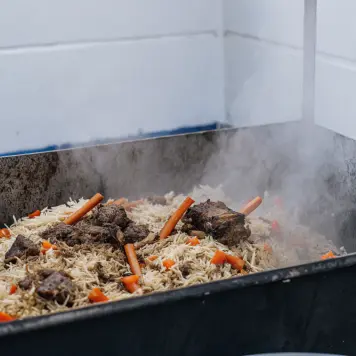
Polo (Lamb Pilaf)
This is the undisputed king of Kashgar's cuisine, made with fragrant local rice, carrots, onions, and tender chunks of lamb cooked in oil and spices. It is traditionally served on a large communal platter and eaten by hand, with guests taking portions from the pile nearest them.
Laghman (Hand-Pulled Noodles)
Kashgar's laghman features thick, hand-pulled noodles topped with a rich stir-fry of lamb, bell peppers, tomatoes, and garlic. Skilled noodle makers stretch and twirl a single piece of dough into dozens of strands in under a minute right at the table.
Kao Baozi (Baked Lamb Buns)
Unlike steamed dumplings, these buns are pressed flat and slapped against the inner walls of a scorching clay oven until they puff up golden and crisp. The juicy lamb and onion filling is seasoned with cumin and black pepper, creating a smoky, savory burst with every bite.
Tradicionalna pića
Duo He Cha (Milk Tea)
This is Kashgar's everyday breakfast beverage, made by boiling brick tea with fresh camel or cow milk and a pinch of salt. It is poured from a great height into bowls to create a frothy top, cooling the tea and intensifying its rich, creamy flavor.
Arak (Uyghur Rice Wine)
Arak is a mildly sweet, low-alcohol beverage distilled from fermented rice or wheat, with roots tracing back centuries along the Silk Road. It is traditionally served during weddings and celebrations, and guests drink it to wish the hosts a long and prosperous life.
Anar Sherbeti (Pomegranate Juice)
Kashgar's pomegranates are celebrated as some of the finest in the world, with deep crimson, jewel-like seeds bursting with tangy-sweet juice. Street vendors squeeze them fresh to order, and the drink is believed to aid digestion and cool the body during the region's intense summer heat.
Frequently Asked Questions about Kashgar, China
"Je li Kašgar, Kina siguran?"
"Koliko dana u Kašgaru, Kina?"
"Najbolje vrijeme za posjetu Kašgaru, Kina?"
"Je li Kašgar, Kina skup?"
"Kako se kretati po Kašgaru, Kina?"
Pošaljite PDF sa najpopularnijim atrakcijama na vašu email adresu
Preuzmite PDF sa svim atrakcijama, ocjenama i savjetima. Savršeno za offline korištenje.
Najpopularniji jednodnevni izleti
Id Kah Mosque area
The largest mosque in China with nearby old town bazaars
Tashkurgan
Historic Silk Road town near the Pakistan border at high altitude
Shipton's Arch
One of the world's highest natural stone arches in the mountains
Wutong Mountain (Fig Tree Valley)
Scenic valley with ancient fig trees and traditional Uyghur villages
Kako stići
Željezničke stanice
Main line from Urumqi, connections to Hotan and southern Xinjiang routes
Branch line connecting to Kashgar and Hotan
Take a taxi from Kashgar Airport to the city center, about 20 minutes and 30 RMB. Alternatively, buses run from the airport every 30 minutes into town.
Pronađite letove do Kashgar, China
Kliknite za eSim za Kashgar, China
Najlakši i najpovoljniji način da dobijete mobilni internet gdje god putujete.
Komentari (7)
The Sunday livestock market is chaos in the best way. Go early before the heat hits, and definitely try the fresh naan straight off the tandoor. 3 days felt right for us.
Was blown away by the textures everywhere, the carved doors, the tile work, the carpets. Weather in October was perfect, cool mornings and warm afternoons. Bring layers though, it got chilly fast after sunset.
Meh. The Old City was pretty but after a day you've seen it. Everything felt geared toward Chinese domestic tourists and prices reflected that. If you're in the area it's worth a stop, but I wouldn't fly across the country just for this.
Honestly the Old City felt a bit too polished and touristy for me compared to what I expected. The Sunday market saved the trip though, that felt real. Stayed 2 nights, glad we didn't do more.
Food alone is worth the trip. The lamb skewers, the hand pulled noodles, the melons that taste like candy. We ate things I can't even name and loved all of it. Watch the spice level though if you're not used to it.