 CityBuddy
 Bosanski
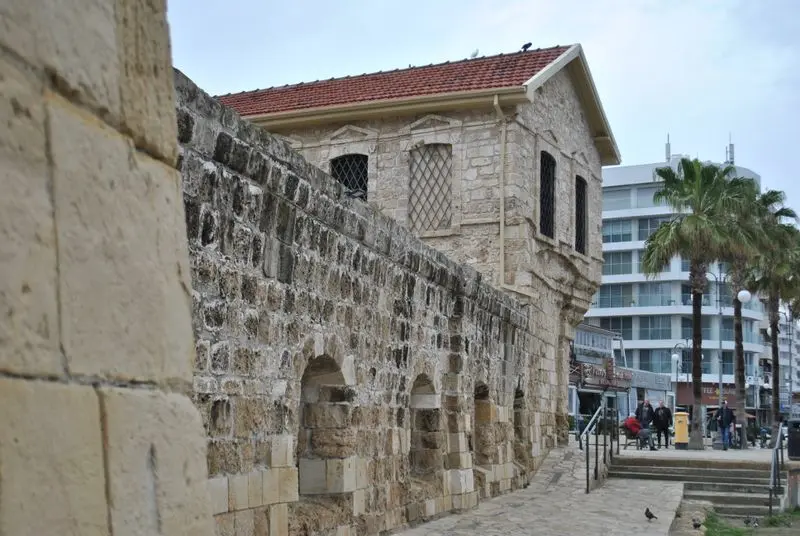
Šta raditi u Larnaca, Cyprus
Fotografiju je napravio Valeria Drozdova na Pexels.com
Kada posjetiti
Najpopularnije atrakcije u Larnaca, Cyprus
If you're wondering what to do in Larnaca, Cyprus, start with the Church of Saint Lazarus, a Byzantine building from the 9th century with an 18th-century wooden iconostasis. About a hundred meters away lies Larnaca Salt Lake, a winter haven for thousands of pink flamingos. On its shore stands Hala Sultan Tekke, a mosque from 1816 surrounded by palm trees.
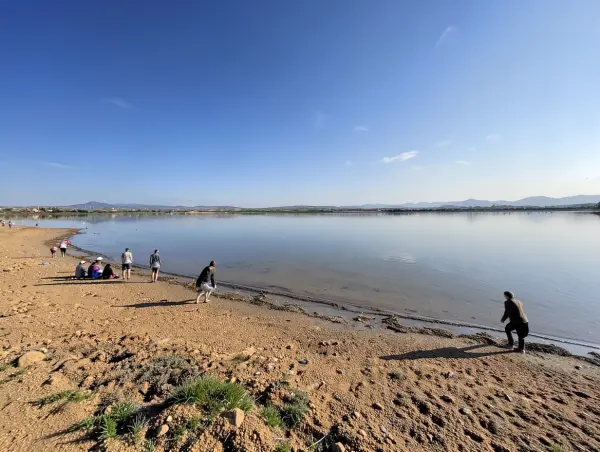
1. Larnaca Salt Lake
Pink flamingos arrive every winter, turning the water into a living palette of colors. A walk along the shore brings peace, birds within reach, and sunsets you will not see anywhere else.
Brze činjenice: This salt lake stretches over about 1,585 hectares and every winter hosts more than 20,000 pink flamingos. The water in the lake completely evaporates during the summer months, leaving a white crust of salt that has been collected for centuries.
Istaknuto: Kada flamingosi prekriju površinu u februaru, cijelo jezero izgleda kao ružičasti tepih koji se pomiče u valovima. Stara predaja kaže da je jezero nastalo iz suza svetog Lazara, pa mještani zovu flamingose njegovim posjetiteljima koji se vraćaju svake zime.
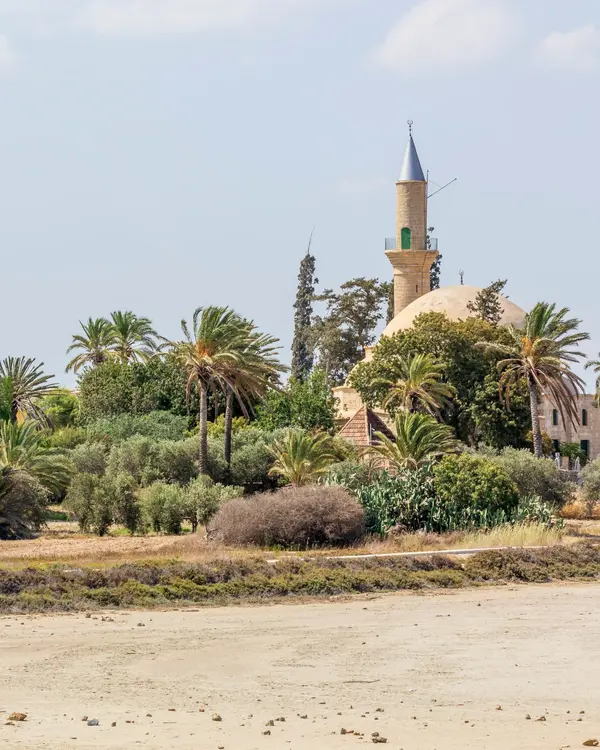
2. Hala Sultan Tekke
A place of peace on the shore of a salt lake where Islamic history and pink flamingos meet. Experience the silence of the shrine and a view of the lake that is unforgettable.
Brze činjenice: This Muslim shrine is located on the western shore of the Larnaca Salt Lake and stands on the spot where, according to tradition, Hala Sultan, the aunt of the Prophet Muhammad, died. Four massive minarets and a dome of pink stone dominate the landscape, which is surrounded by pink flamingos during the winter months.
Istaknuto: Deep in the courtyard, under the open sky, lies the octagonal marble sarcophagus of Hala Sultan, covered with green velvet embroidered with verses from the Quran. Hundreds of flamingos land on the nearby lake every winter, so visitors can simultaneously see a place of prayer and thousands of pink birds in a single view.
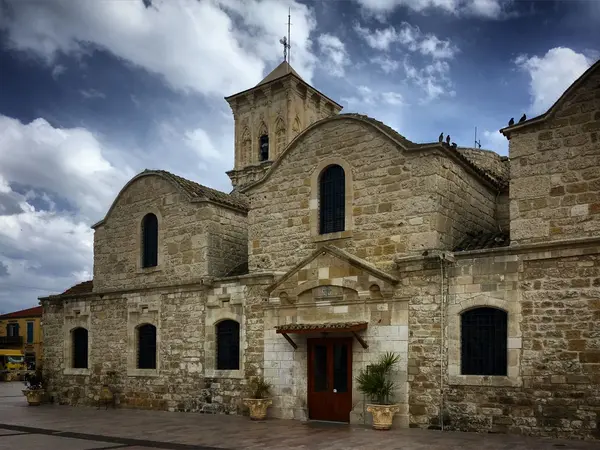
3. Church of Saint Lazarus
The place where the risen Lazarus lived the second half of his life. Pass through the crypt beneath the altar and touch a story more than 1600 years old.
Brze činjenice: This temple preserves the relics of Saint Lazarus, the friend of Jesus Christ who was raised from the dead on the fourth day, which were placed in a marble sarcophagus there. The four-story bell tower was built after the fire of 1970, while the original stone construction from the Byzantine period is preserved in the lower part of the church.
Istaknuto: Below the altar there is a crypt with the original tomb of Saint Lazarus, and through the glass floor visitors can see the 9th-century sarcophagus. Before the relics were taken away in the 9th century, and some of them later returned from Constantinople, the temple was a center of pilgrimage that lasted more than a thousand years.
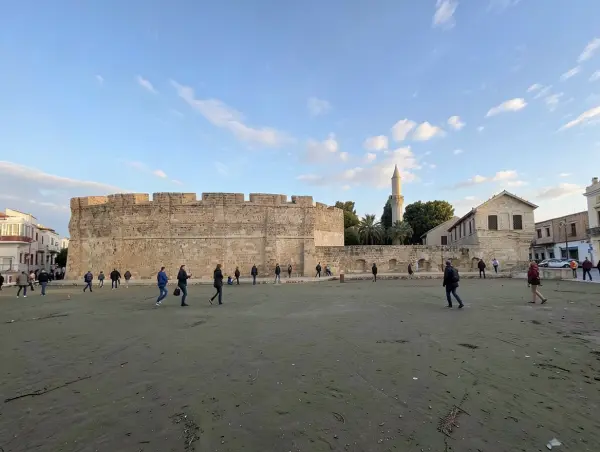
4. Larnaca Fort
Ancient stone walls carry the story of all the island's rulers. With a view of the sea and a museum within the walls, this is the perfect half-hour adventure.
Brze činjenice: An Ottoman fortress from 1625 was built on the site of earlier Byzantine and French fortifications, and today its courtyard hosts a cultural summer with concerts and performances every year. The stone walls, nearly two meters thick, offer views of the sea from which the port was once defended.
Istaknuto: The most interesting fact is that on the ground floor of the fortress there is an old water cistern that was more than ten meters deep, and today it serves as a small exhibition hall. Climbing to the roof gives you a 360-degree view of Finikoudes beach, the port, and the entire Larnaka coastline.
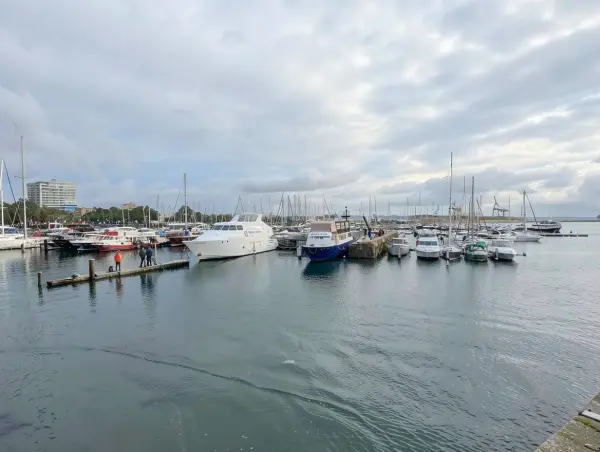
5. Larnaca Marina
The perfect place for a seaside walk in the heart of Larnaca. Here you watch yachts and fishing boats mingle, and boat trips to the neighboring coves depart from here.
Brze činjenice: The port in Larnaca is home to hundreds of vessels, from small fishing boats to luxury yachts, and along it stretches a palm-lined promenade that connects the city center with Finikoudes beach. The port is also a key departure point for boat trips to nearby places such as Ayia Napa and Cape Greco.
Istaknuto: What makes it special is the view of the sea from the breakwater at sunset, when the sky pours into orange and pink colors and the boats gently rock along the shore. Walking along the waterfront, you will feel the true Mediterranean rhythm of life, with the smell of salt water and the chirping of seagulls following fishing boats returning to port.
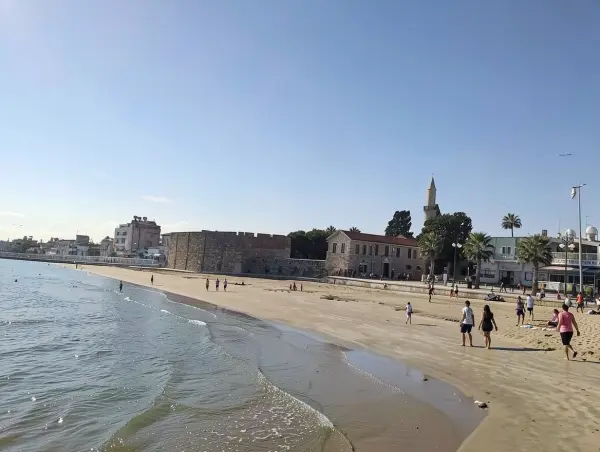
6. Finikoudes Beach
Where else can you swim with a view of a medieval castle and palm trees? Golden sand, calm shallow water, and a lively promenade await you here.
Brze činjenice: Plaža se proteže uz obalu dugu oko 500 metara, a palme duž šetališta sade se još od 1920-ih godina. Voda je izrazito plitka i mirna, pa je odlična za obitelji s malom djecom.
Istaknuto: At the western end of the beach stands a medieval city castle from the 14th century, and beneath it in antiquity there was a port that was key to the trade of copper and ceramics. On clear days the coast of Lebanon can be seen from the beach, only 160 kilometers away across the sea.
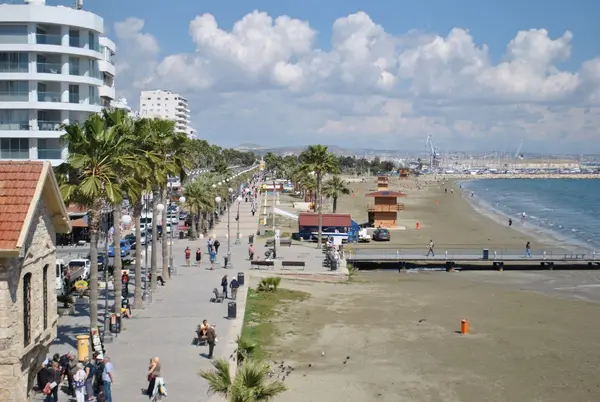
7. Larnaca Promenade
Walk along the wooden pier that is a favorite spot for both locals and tourists. Experience the smell of the sea, the breeze, and the most beautiful sunset in the city.
Brze činjenice: The waterfront promenade in Larnaca leads to a pier that extends more than 300 meters into the turquoise waters of the Mediterranean. From the pier there is a view of the harbor, the beaches, and the nearby 17th-century fortress.
Istaknuto: Near the pier, in the shallows, lie the remains of the ancient port of Kition, birthplace of the Greek philosopher Zeno, which can still be seen through the crystal-clear water. At sunset, the entire landscape turns into a palette of golden and pink shades reflected on the calm sea surface.
8. Pierides Museum
Step into the home of a family that shaped the history of Cyprus for centuries. Ancient amphorae, pottery, and objects from everyday life from the Stone Age to today await you here.
Brze činjenice: The collection numbers over 2,500 objects tracing Cypriot history from the Stone Age to the present day, and it is housed in a restored 19th-century house that the Pierides family used as their home. The collection grew from the private collection of the Pierides family, one of the oldest merchant families on the island, and today it is managed by the Cultural Foundation of the Bank of Cyprus.
Istaknuto: In the basement of the house, the remains of an ancient wall and ancient workshops that archaeologists discovered beneath the very foundation of the building are still visible, making the visit a true journey through layers of history in one place. The Pierides family collected objects even during the British colonial administration, and some exhibits come from their personal archaeological excavations in the 19th century, long before Larnaca had its first museum.
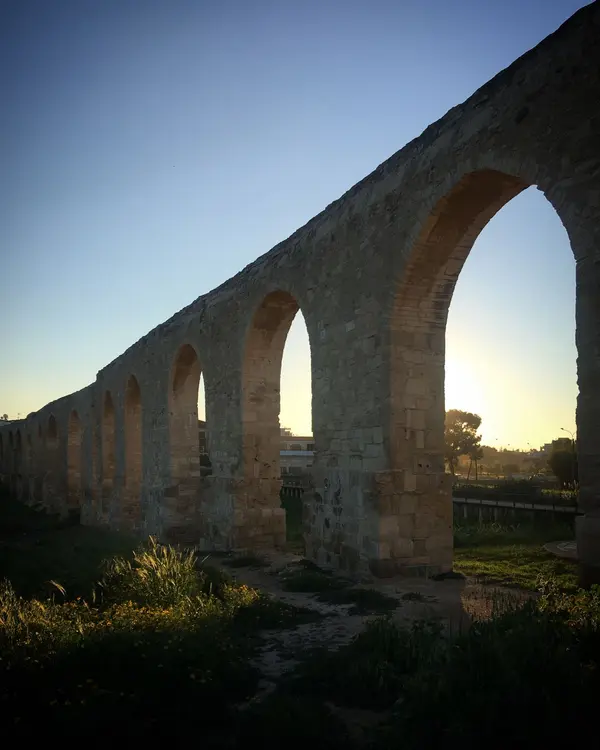
9. Kamares Aqueduct
Ancient stone arches that brought water to the city for centuries still dominate the shore today. Walk alongside them at dusk as the yellow of the stone turns into a warm orange.
Brze činjenice: The stone arches of this aqueduct stretch over 300 meters through the southern part of the city, and water once arrived from a spring more than nine kilometers away. Only a few dozen arches have survived to this day, but they still form the most recognizable motif of the city.
Istaknuto: It is astonishing that the stone blocks are assembled without any mortar, meaning they are held together solely by precise weight and arrangement. Raise your head and look inside the arch, where traces of the tools with which craftsmen carved each block centuries ago can be seen on the stone.
10. Lefkara Village
The square is the beating heart of the village where centuries-old lacemaking and silversmithing traditions meet in one place. Here you will sip coffee while watching craftswomen weave lace that Leonardo da Vinci once admired.
Brze činjenice: The village is most famous for lefkaritiko lace, which Leonardo da Vinci supposedly wore, and which has been made exclusively by hand for centuries. The square is the center of the old part of the settlement, where stone alleyways lined with houses with characteristic roofs and courtyards intersect.
Istaknuto: Every day, local women sit in the square and weave lace in front of visitors, and their skillful hands create patterns that can take up to three months to complete a single tablecloth. Forged silver jewelry, especially the so-called lefkara silver items, has been made on the same street for generations, with the tradition passed down from father to son.
Where to Stay in Larnaca, Cyprus
Selected by City Buddy based on guest reviews and proximity to top attractions
Search all hotels in Larnaca, CyprusPowered by agoda
Radno vrijeme u Larnaca, Cyprus
Koje od glavnih atrakcija su zatvorene kojim danom u sedmici, klasični uništavač planova, provjereno za vas.
nedjelja: 1 od 8 glavnih atrakcija je zatvoreno, planirajte muzeje za neki drugi dan.
Zatvoreno nedjelja · 1 zatvoreno, 7 otvoreno
Radni dani prema Google Maps (provjereno 2026-10-19). Državni praznici, štrajkovi i sezonsko radno vrijeme mogu se razlikovati, provjerite službenu web stranicu prije posjete.
Tradicionalna slatka jela
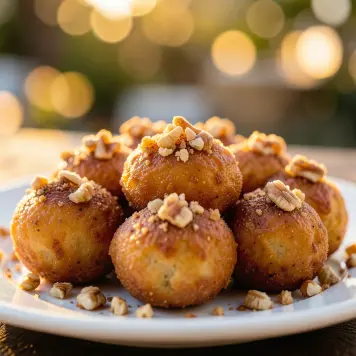
Loukoumades
Loukoumades are deep-fried honey-soaked dough balls that date back to ancient Greece, where they were served to Olympic champions as a victory treat. In Cyprus they are often topped with cinnamon and crushed walnuts for extra crunch.
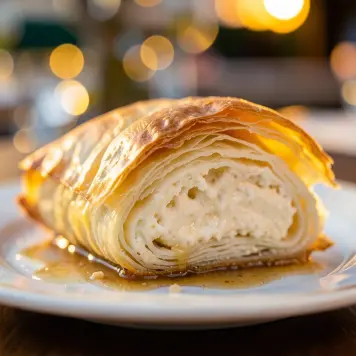
Galaktoboureko
Galaktoboureko is a creamy semolina custard baked inside layers of crisp, golden phyllo pastry and soaked in a fragrant syrup. The name comes from the Greek words "gala" meaning milk and "bourek" meaning pastry.
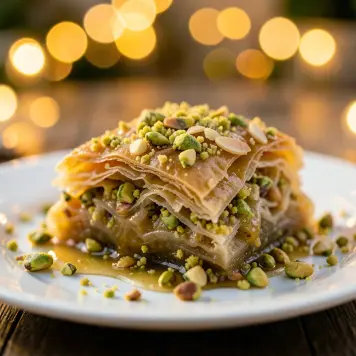
Baklava
Cypriot baklava is made with layers of paper-thin phyllo, crushed pistachios or almonds, and a honey-lemon syrup that gives it a distinctive citrus brightness. It is traditionally served at weddings and religious celebrations across Larnaca.
Tradicionalna slana jela
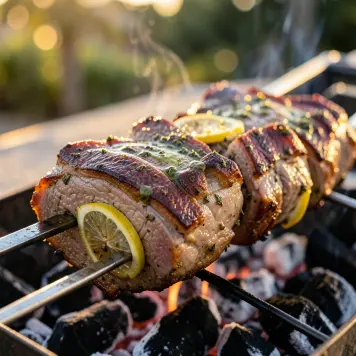
Souvla
Souvla is large chunks of pork or lamb slow-roasted on a horizontal rotating spit over charcoal, a staple of Cypriot Sunday gatherings. The meat is typically marinated in olive oil, lemon, and oregano for a simple yet bold flavor.
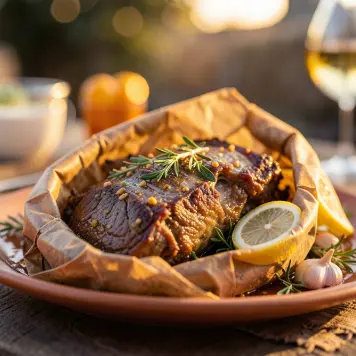
Kleftiko
Kleftiko is lamb slow-cooked in a sealed clay or parchment pouch until it falls off the bone, named after the kleftes, Greek rebels who cooked their stolen meat in underground pits to hide the smoke. In Larnaca it is often flavored with garlic, lemon, and local herbs.
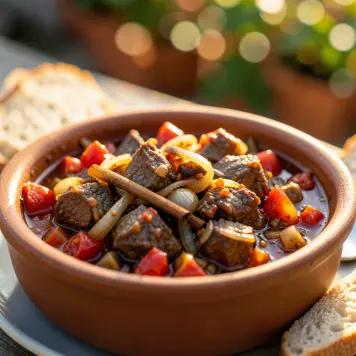
Ttavas
Ttavas is a traditional Cypriot casserole of lamb or beef cooked slowly with onions, tomatoes, and cinnamon in a clay pot. The fragrant spiced sauce is perfect for soaking up with fresh village bread.
Tradicionalna pića
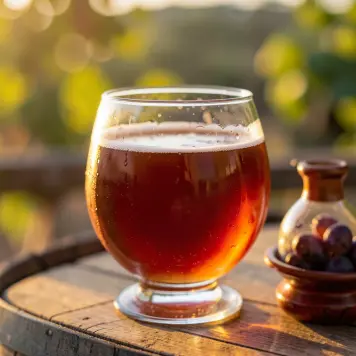
Commandaria
Commandaria is a sweet dessert wine from Cyprus that is recognized as the oldest named wine in the world, with records going back over 5,000 years. It is made from sun-dried Xynisteri and Mavro grapes and aged in oak barrels.

Zivania
Zivania is a strong grape-based pomace brandy unique to Cyprus, typically distilled to around 45 percent alcohol. It has been produced on the island since the Venetian period and is often served chilled with meze dishes.
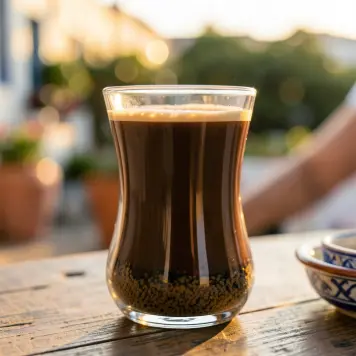
Cyprus Coffee
Cyprus coffee is a strong, unfiltered brew made in a traditional long-handled pot called a briki, served with the grounds settled at the bottom of the cup. It is a deeply social ritual in Larnaca, meant to be sipped slowly while talking with friends.
Često postavljana pitanja o Larnaca, Cyprus
Is Larnaca in Cyprus a safe destination?
How many days are needed to visit Larnaca?
When is the best time to visit Larnaca?
Is Larnaca expensive for travelers?
How do you get around Larnaca?
Pošaljite PDF sa najpopularnijim atrakcijama na vašu email adresu
Preuzmite PDF sa svim atrakcijama, ocjenama i savjetima. Savršeno za offline korištenje.
Najpopularniji jednodnevni izleti
Nicosia
Capital city with the last divided capital in Europe, museums and old town
Ayia Napa
Vibrant beach resort with stunning coves, sea caves and water park
Protaras
Family friendly beaches with Fig Tree Bay and clear turquoise waters
Limassol
Cosmopolitan coastal city with medieval castle and lively marina
Troodos Mountains
Scenic mountain villages, Byzantine churches and hiking trails
Kako stići
Željezničke stanice
Cyprus has no railway network; buses and taxis are the main transport
Larnaca Airport is only 5 km from the city center; take the airport shuttle bus (route 425) or a taxi for roughly 15 euros into town.
Korisne informacije za Larnaca, Cyprus
Pregled za Larnaca, Cyprus
Želiš plan iz dana u dan za Larnaca, Cyprus? Otvori planer putovanja
Kada putujete u Larnaca, Cyprus?
Odaberite datume i stil putovanja da dobijete:
Da li vam je nešto posebno važno?
Odaberite sve što se odnosi
Kretanje
Kako želite da se krećete između mjesta?
Jezik plana: Bosanski