 CityBuddy
 Bosanski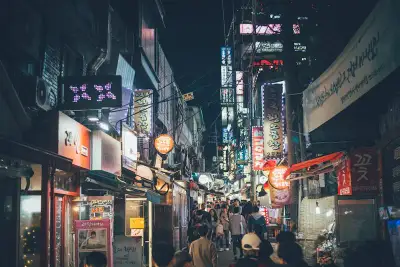
Šta raditi u Shinjuku, Japan
Fotografiju je napravio Tan Danh na Pexels.com
Kada posjetiti
Shinjuku je #2 grad za noćni život u svijetu, prema našim podacima kroz stotine destinacija.
Najpopularnije atrakcije u Shinjuku, Japan
Najbolje stvari koje možete uraditi u Shinjukuu u Japanu kreću se od spokojnih bijegova do avantura obasjanih neonom. Prošećite kroz Nacionalni vrt Shinjuku Gyoen površine 58 jutara, koji spaja francuski i japanski pejzažni stil. Odvezite se besplatnim liftom 202 metra uvis do zgrade Tokijske metropolitanske vlade za panoramski pogled na grad. Zatim svratite u Omoide Yokocho, usku uličicu sa 60 malih roštilja koji poslužuju yakitori još od Drugog svjetskog rata.
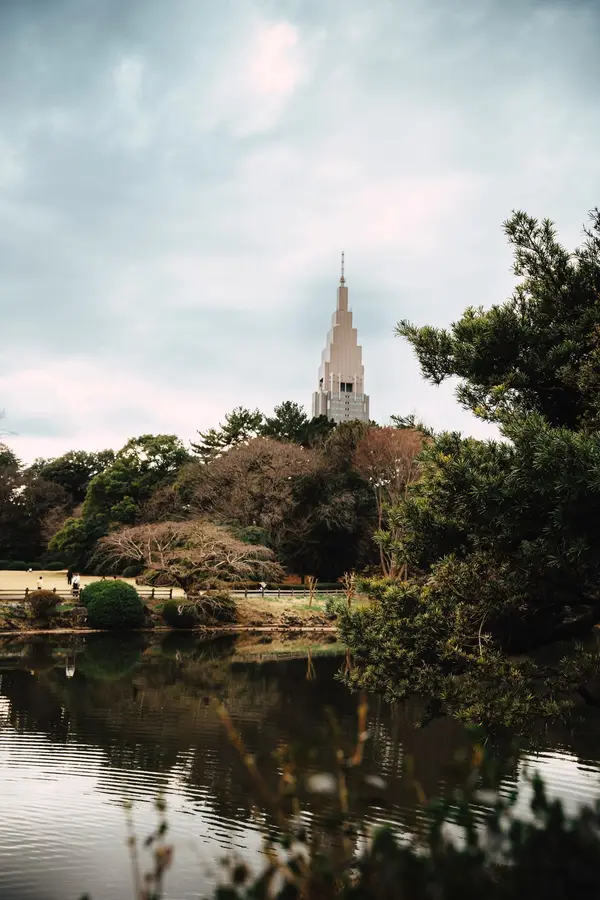
1. Shinjuku Gyoen National Garden
Pobjegnite iz tokijskog neonskog haosa u 58 hektara spokojnih vrtova gdje trešnjini cvjetovi i drevni borovi uokviruju tri savršeno oblikovana pejzaža. Prolutajte između francuskog formalnog vrta, japanske čajane i engleske livade u jednom popodnevu.
Brze činjenice: Na svojih 58 prostranih hektara, tri različita stila vrtova koegzistiraju: formalni francuski vrt, engleski pejzažni vrt i tradicionalni japanski vrt s velikim ribnjakom. Više od 20.000 stabala iz cijelog svijeta uspijeva ovdje, uključujući oko 1.500 stabala trešnje koja svakog proljeća eksplodiraju u cvijetu.
Istaknuto: Rijedak preživjeli primjerak velikog pejzažnog vrta iz ranog 20. stoljeća u Tokiju, nekada je bio privatna rezidencija feudalnog gospodara prije nego što je poklonjen carskoj porodici. Dio tradicionalnog japanskog vrta sadrži drveni paviljon u kojem možete sjediti i gledati kako koi ribe kruže ispod vas dok pijete matcha čaj koji poslužuju poslužitelji odjeveni u kimonoe.
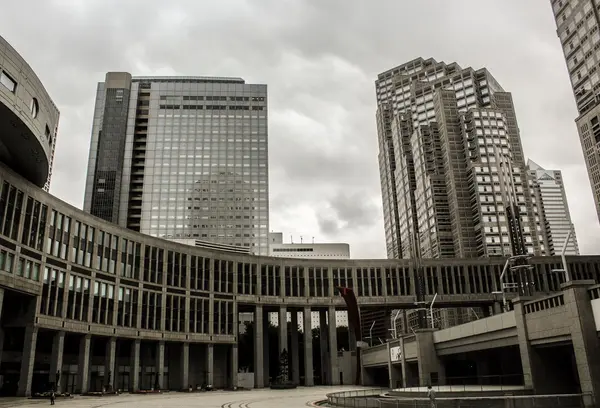
2. Tokyo Metropolitan Government Building
Dva besplatna vidikovca s najboljim pogledima na tokijsku panoramu. Odvezite se liftom 45 spratova i gledajte kako se Fuji pojavljuje na horizontu dok se grad prostire ispod vas.
Brze činjenice: Besplatne osmatračnice na 45. spratu obje kule nude panoramski pogled koji se po vedrim danima proteže sve do planine Fuji. Zgrada je dizajnirana da podsjeća na gotičku katedralu, s blizankama koje se uzdižu 243 metra i fasadom prekrivenom sa 12.000 ogledala.
Istaknuto: Popnite se neposredno prije zalaska sunca i gledajte kako se Tokyo transformira sa 45. sprata dok se grad ispod pali, dok nebo još uvijek drži boju. Južna osmatračnica ostaje otvorena do 23 sata i nudi potpuno drugačiju atmosferu noću, s mnogo manje gužve i gradskim pejzažom koji svjetluca poput štampane ploče.
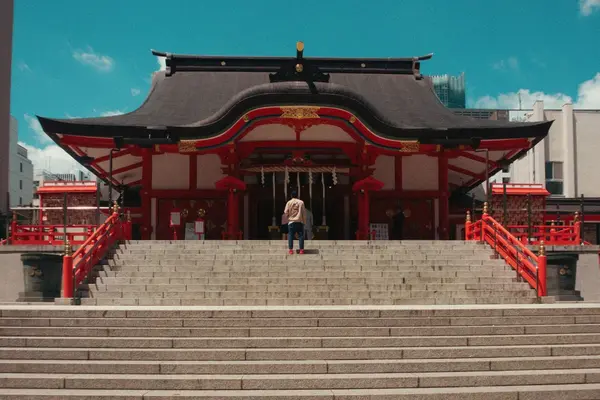
3. Hanazono Shrine
Pronađite džep mira usred neonskog haosa u Shinjukuu, u svetilištu koje je temelj ovog kvarta još od 1600-ih. Prošećite pored visokih betonskih zdanja i otkrijte lokalce kako bacaju kovanice, plješću rukama i šapuću bogovima svoje želje.
Brze činjenice: Hram Hanazono ugosti preko 300 prodavača tokom svojih godišnjih buvljih pijaca, privlačeći hiljade lovaca na popuste svakog vikenda. Posvećen bogovima poslovnog prosperiteta i sreće, ovaj hram se nalazi usred Šindžukijevih modernih nebodera i zabavne četvrti.
Istaknuto: U novogodišnjoj noći, ogromno zvono hrama teško 500 kilograma zvonari 108 puta od strane volontera, a svaki udarac simbolizira čišćenje jedne ljudske želje prema budističkoj tradiciji. Zvuk odjekuje kroz betonske kanjone Šindžukija, stvarajući nadrealni zvučni sudar između drevnog rituala i moderne obasjane neonskim svjetlima.
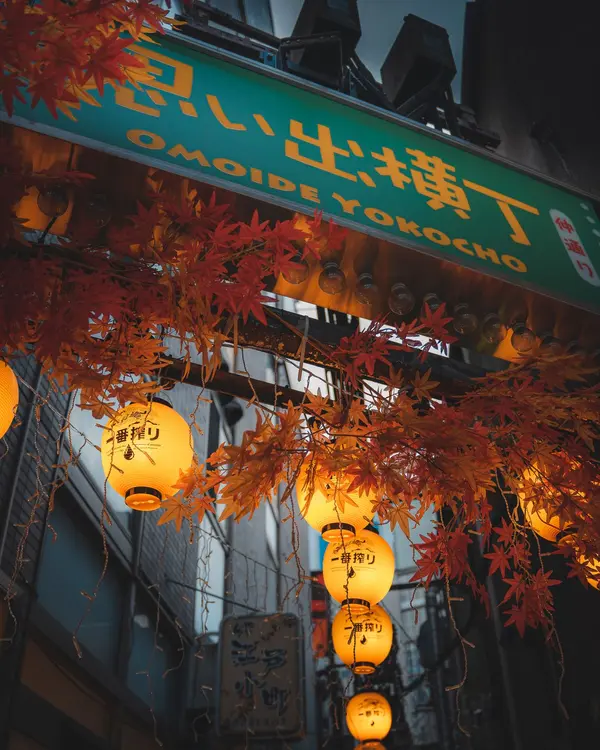
4. Omoide Yokocho
Zakoračite u zadimljenu vremensku kapsulu obasjanu lampionima, gdje Tokio peče najbolji jakitori u vašem životu. Ugurajte se na sićušnu stolicu za šankom, naručite ražnjiće i hladno pivo i gledajte kuhare kako mašu užarenim ugljenom tek nekoliko centimetara od vašeg lica.
Brze činjenice: Roughno 60 malih, zadimljenih yakitori barova i restorana nagurano je u ovu usku mrežu uličica kod stanice Shinjuku. Lokalci se ovdje stiskaju na šankove još od poratnih dana crnog tržišta 1940-ih, kada je ovo područje prvi put niklo.
Istaknuto: Jedan od posljednjih preživjelih džepova starog Tokija, ova uličica je nekako izbjegla preuređenje koje je okolno susjedstvo pretvorilo u šumu staklenih nebodera. Zrak još uvijek miriše na piletinu s roštilja na ugljenu i soja sos, baš kao i prije 70 godina, a neke prodavnice i dalje nabavljaju ražnjiće od istih porodičnih dobavljača.
5. Golden Gai
Više od 200 sićušnih barova zbijenih u šest uličica obasjanih lampionima, gdje svaki prostor prima jedva šačicu ljudi. Lutajte uskim prolazima, zavirite u viski bar sa četiri sjedišta i razmjenjujte priče s lokalcima do sitnih sati.
Brze činjenice: Smješten između nebodera Shinjuka, ovaj lavirint od 200 malih barova zauzima šest uskih uličica koje su preživjele poslijeratnu obnovu. Većina barova ima samo 4-6 mjesta, primoravajući strance na bliske razgovore uz viski ili sake.
Istaknuto: Mnoge barove ovdje još uvijek vode ostarjeli vlasnici koji su radili za istim pultom više od 50 godina, a neki odbijaju poslužiti svakoga ko izgleda mlađe od 30. Jedan bar ima mačku koja odlučuje kada je zadnja narudžba tako što skoči u krilo gosta i signalizira da je vrijeme za odlazak.
6. Samurai Museum
Približite se pravoj samurajskoj opremi više nego igdje drugdje u Tokiju. Držat ćete mačeve stare 700 godina, isprobati oklop i svakodnevno gledati demonstracije mačevanja uživo.
Brze činjenice: Preko 13.000 artefakata pokriva 700 godina samurajske historije, od perioda Kamakura do Edo ere. Posjetioci mogu rukovati pravim samurajskim mačevima i isprobati autentične oklope pod nadzorom osoblja.
Istaknuto: Penzionirani majstor za obnovu samurajskih oklopa lično održava kolekciju i povremeno demonstrira 45-minutni proces oblačenja punog oklopa. Drveni kendo pod muzeja još uvijek nosi ogrebotine i udubljenja od decenija vježbanja tokijskih univerzitetskih kendo klubova.
7. Shinjuku Ni-chome
Nigdje drugdje nema toliko queer energije sabijene u samo nekoliko blokova obasjanih neonom. Skakućite između sićušnih barova gdje lokalci dijele tanjire edamamea i toče vam sljedeće piće prije nego što završite prvo.
Brze činjenice: Sa preko 300 barova, klubova i malih restorana zbijenih u samo nekoliko blokova, ovo maleno područje ima jednu od najvećih koncentracija LGBTQ+ lokala bilo gdje u svijetu. Više od 30 posto barova ovdje su mali objekti sa manje od 10 mjesta, što svaku noć čini poput privatne zabave.
Istaknuto: Mnoge barove vode umirovljene drag kraljice koje toče pića na istom šanku sa 10 mjesta još od 1980-ih, i pamte svakog stalnog gosta po imenu. Možete ući u podrumski bar sa četiri mjesta u ponoć i zateći 70-godišnju bivšu kabare zvijezdu kako pjeva Edit Pjaf dok miješa vaš hajbol.
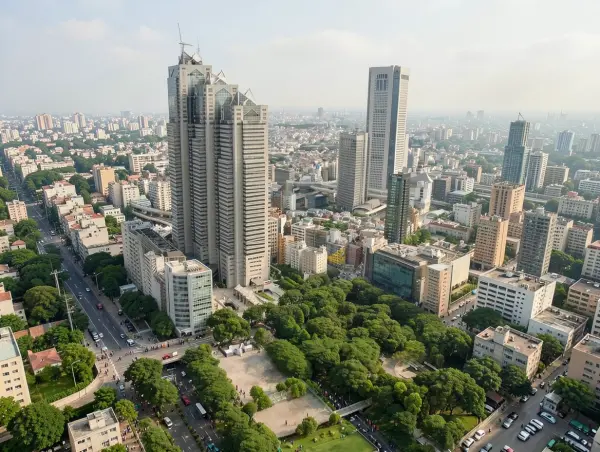
8. Shinjuku Central Park
Bujna zelena oaza stisnuta između nebodera, koja nudi mjesta u prvom redu za tokijski urbani balet. Uzmite kafu, pronađite klupu i gledajte kako službenici drijemaju, vrane kuju planove, a latice trešnje plutaju pored betona i stakla.
Brze činjenice: Najprometniji šindžukuski tranzitni čvor smješten je na jednoj strani ovog zelenog koridora, no park ostaje iznenađujuće tih sa više od 700 stabala trešnje koja obrubljuju njegove staze. Ono što je nekada bilo prazno zemljište koje je čekalo nikada izgrađeni sportski stadion pretvorilo se u ovaj zeleni pojas od 2,25 hektara koji povezuje dva glavna gradskog okruga nebodera.
Istaknuto: Radnim danom oko ručka vidjet ćete uredske radnike kako drijemaju na travi u svojim odijelima, tihi tokijski ritual koji djeluje gotovo koreografisano. Park također služi kao galerija na otvorenom sa rotirajućim instalacijama iz obližnje Tokyo Opera City Gallery, pa se skulpture mijenjaju svakih nekoliko mjeseci.
Where to Stay in Shinjuku, Japan
Selected by City Buddy based on guest reviews and proximity to top attractions
Search all hotels in Shinjuku, JapanPowered by agoda
Radno vrijeme u Shinjuku, Japan
Koje od glavnih atrakcija su zatvorene kojim danom u sedmici, klasični uništavač planova, provjereno za vas.
ponedjeljak: 1 od 8 glavnih atrakcija je zatvoreno, planirajte muzeje za neki drugi dan.
Zatvoreno ponedjeljak · 1 zatvoreno, 7 otvoreno
Radni dani prema Google Maps (provjereno 2026-07-03). Državni praznici, štrajkovi i sezonsko radno vrijeme mogu se razlikovati, provjerite službenu web stranicu prije posjete.
Tradicionalna slatka jela
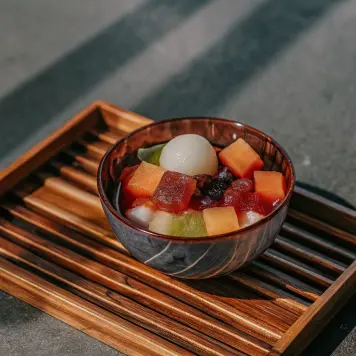
Anmitsu
Anmitsu features small cubes of agar jelly, sweet red bean paste, mochi, and fresh fruit all served with a drizzle of kuromitsu, a dark sugar syrup that originated as a medicine in the Edo period.
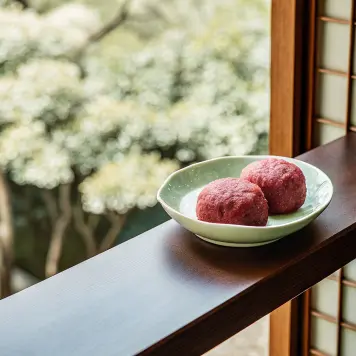
Ohagi (Botamochi)
Ohagi is a traditional sweet made from glutinous rice coated in sweet azuki bean paste, and its name changes to botamochi in spring depending on the seasonal flower in bloom.
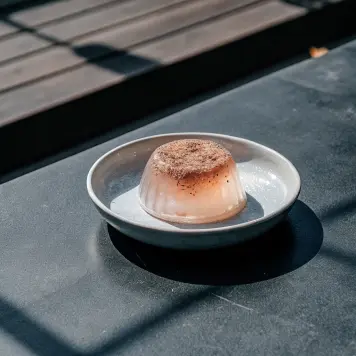
Kuzumochi
Unlike regular mochi made from rice, kuzumochi is made from kuzu (arrowroot) starch giving it a uniquely translucent, jelly-like texture, and it is often served with kinako (roasted soybean flour) and kuromitsu.
Tradicionalna slana jela
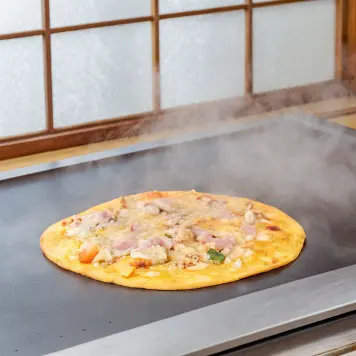
Monjayaki
Monjayaki is a thin, runny savory pancake cooked on a hot griddle that is famously associated with Tokyo's shitamachi (old town) culture, and Shinjuku has some of the best monjayaki specialty restaurants in the city.
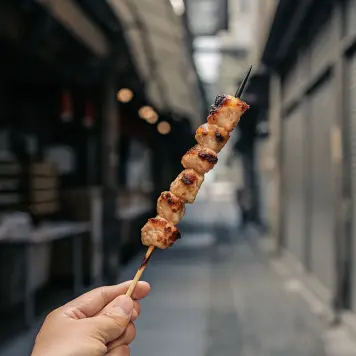
Yakitori
Shinjuku's Omoide Yokocho (Memory Lane) is legendary for its tiny yakitori stalls where skewers of chicken are grilled over charcoal, and the smoky alleyway has been a beloved dining destination since the post-war era.
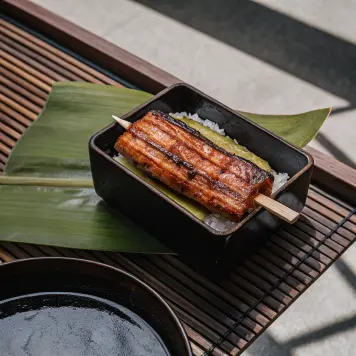
Unagi no Kabayaki
This dish features grilled eel glazed with a sweet soy-based sauce, and Shinjuku is home to some of Tokyo's most historic unagi restaurants that have been serving it continuously since the 1800s.
Tradicionalna pića
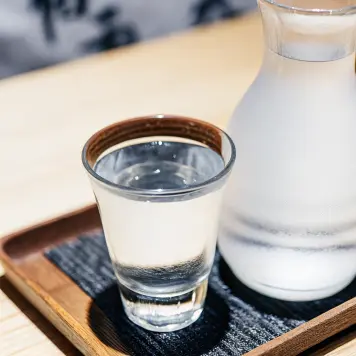
Sake
Sake is Japan's iconic rice wine, and Shinjuku's many izakaya (Japanese pubs) offer extensive sake selections where you can enjoy everything from fruity ginjo to rich, aged koshu varieties.
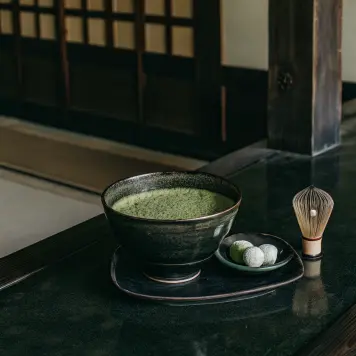
Matcha (Ceremonial Green Tea)
Matcha is a finely ground powder of specially grown green tea leaves, and Shinjuku's traditional tea houses offer this vibrant drink alongside the district's famous wagashi (Japanese sweets) for a perfect pairing.

Shochu
Shochu is a distilled spirit typically made from barley, sweet potato, or rice, and it is a staple at Shinjuku's drinking establishments where it is enjoyed on the rocks, with water, or mixed with hot water.
Često postavljana pitanja o Shinjuku, Japan
Da li je Shinjuku, Japan siguran?
Koliko dana u Shinjukuu, Japan?
Najbolje vrijeme za posjetu Shinjukuu, Japan?
Da li je Shinjuku, Japan skup?
Kako se kretati po Shinjukuu, Japan?
Pošaljite PDF sa najpopularnijim atrakcijama na vašu email adresu
Preuzmite PDF sa svim atrakcijama, ocjenama i savjetima. Savršeno za offline korištenje.
Najpopularniji jednodnevni izleti
Kamakura
Historic coastal town with Great Buddha statue and serene temples
Hakone
Hot spring resort with views of Mount Fuji and Lake Ashi
Yokohama
Port city with Chinatown, Minato Mirai waterfront and gardens
Kako stići
Željezničke stanice
JR Yamanote Line, JR Chuo Line, Odakyu Line, Keio Line, Tokyo Metro Marunouchi Line
Highway bus connections to airports and other cities
From Haneda Airport take the Limousine Bus (45 min) or train via Yamanote Line. From Narita take the Narita Express (80 min) directly to Shinjuku Station.
Korisne informacije za Shinjuku, Japan
Pregled za Shinjuku, Japan
Želiš plan iz dana u dan za Shinjuku, Japan? Otvori planer putovanja
Kada putujete u Shinjuku, Japan?
Odaberite datume i stil putovanja da dobijete:
Da li vam je nešto posebno važno?
Odaberite sve što se odnosi
Kretanje
Kako želite da se krećete između mjesta?
Jezik plana: Bosanski