 CityBuddy
 Dansk
Dansk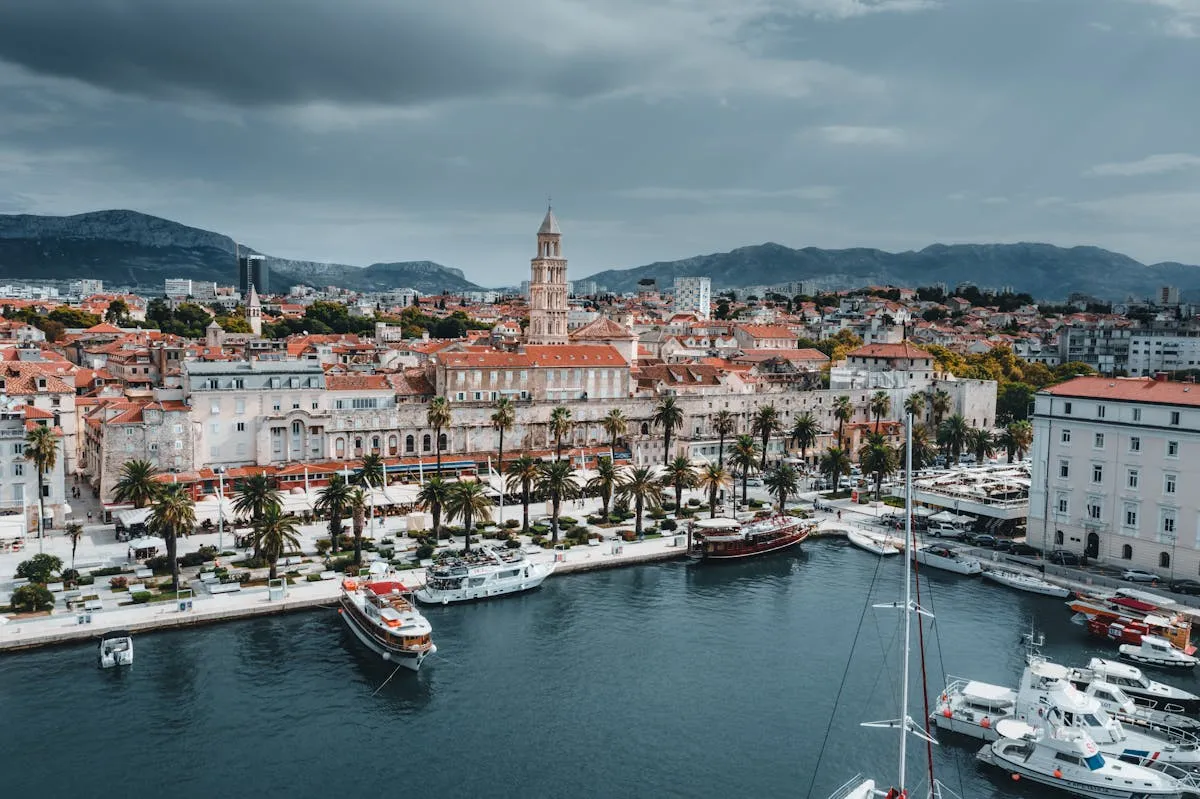
Ting at lave i Split, Croatia
Foto lavet af Luciann Photography på Pexels.com
Hvornår skal man besøge
Mest populære attraktioner i Split, Croatia
Ting at lave i Split, Kroatien inkluderer at udforske Diocletians Palads, en massiv romersk struktur i byens centrum, og at bestige klokketårnet ved Sankt Domnius Katedral for udsigt over den gamle bydel. En spadseretur langs Riva, den livlige havnefrontpromenade, byder på et perfekt sted at slappe af og nyde Adriaterhavets briser.
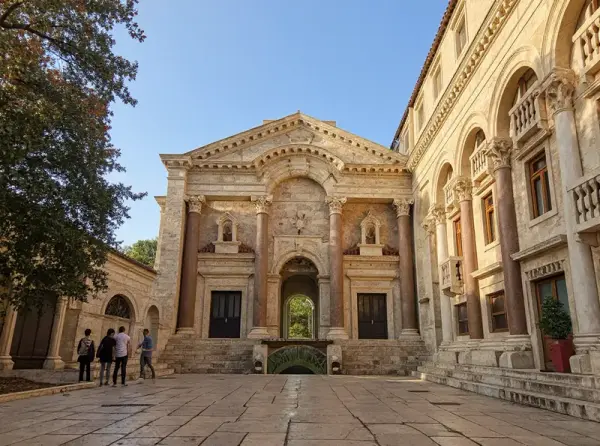
1. Diocletian's Palace
Gå ind i en levende romersk kejsers palads og føl 1.700 års historie. Ned til understrukturerne, op i klokketårnet og flanér på sumpende marmorgader.
Hurtige fakta: Vandre gennem kalkstensgyder, og du vil høre lag af historie under dine fødder, hvor romerske søjler er flettet ind i almindelige facader, og en katedral rejser sig fra et kejserligt mausoleum. Lokale caféer og butikker ligger i originale kældre, der stadig dufter af havsalt og friskbagt brød, og filmskabere værdsætter de intakte underjordiske kamre for deres cinematografiske atmosfære.
Højdepunkter: Et pensionistkompleks bygget omkring år 305 for kejser Diocletian føles stadig mærkeligt beboet med 1,5 meter tykke stenmure, solpolerede marmorgulve og smalle gyder, hvor århundreders fodtrin ekkoer som en langsom, hult tromme. Hver aften samles lokale klapa-sangere i den centrale peristyl for at strømme ud lagdelte a cappella-harmonier, som klæber til de kølige, lysende kældre nedenunder, og den fugtige, rosmarin-duftende luft i de underjordiske hvelv fungerede engang som et filmkulisse for Game of Thrones.
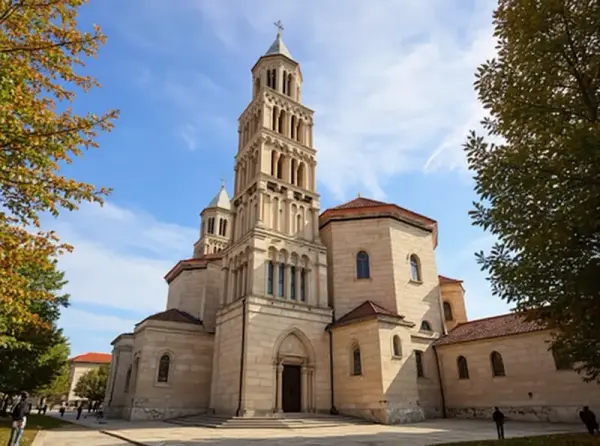
2. Cathedral of Saint Domnius (Katedrala Svetog Duje)
Katedrala Svetog Duje
Et romersk mausoleum omdannet til Split katedral, hvor imperiets og troens lag mødes. Gå op i klokketårnet for en svimlende udsigt over by og hav, og udforsk den overdådige skatkammer.
Hurtige fakta: Gylden kalksten lyser ved tusmørke, og en smal opstigning op i klokketårnet giver imponerende udsigter, der forbinder romerske mure med livlig havn og røde tegltage. Indenfor blev en kejserlig mausoleums søjler og udskårne relieffer genbrugt til en kristen helligdom, så hver bue og mosaik læses som en lagdelt samtale mellem romerske håndværkere og middelalderlige bygmestre.
Højdepunkter: Bestig det 57 meter høje klokketårn for en svimlende panoramaudsigt, hvor solvarmet romersk sten møder røde tegltage, og spot små egyptiske sfinxer og forvitrede latinske indskrifter, der engang prydede kejser Diocletians mausoleum fra det 4. århundrede. Træd indenfor, og alteret står inde i den selvsamme kejserlige rotunde, så du kan lade fingrene glide over riflede søjler udskåret i senantikken og forestille dig, hvordan kejsere og middelalderlige tilbedere trådte på den samme slidte marmor.
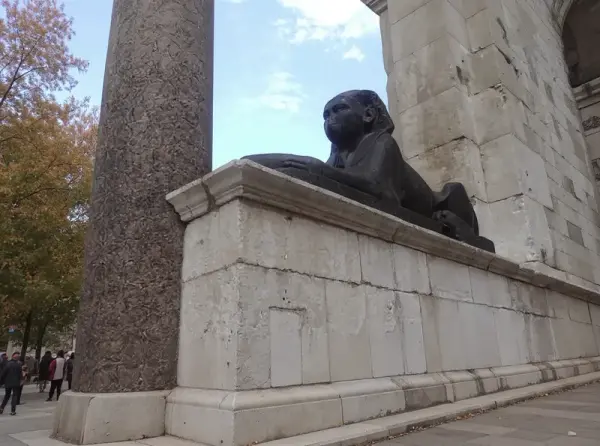
3. Peristyle (Peristil)
Peristil
Stå i en 1.700 år gammel romersk kejsergård, upåklageligt bevaret. Hør levende sangere under søjlegangen og fotografer klokketårnet indrammet af marmorsøjler.
Hurtige fakta: Træd ind i en lysende marmorplads, hvor sollys falder skråt mellem søjlegange, og ekkoet af fodtrin ofte bliver et spontant lydspor. Lokale musikere og skuespillere bruger stadig pladsen til gratis forestillinger, og ved nærmere eftersyn finder man slidte indskrifter og mosaikfragmenter gemt i brostenene.
Højdepunkter: Kør hånden over de originale romerske marmorfliser, nogle poleret blanke af omkring 1.700 års konstante fodtrin, og se eftermiddagslydet strømme gennem søjlegangen som en varm projektørlygte. Ved tusmørke samles lokale klapagrupper på 5 til 12 sangere stadig for at levere uforstærket flerstemmig a cappella, hvor stemmer preller af på stenen så tydeligt, at du kan skelne enkelte overtoner og tælle harmonierne med øret.
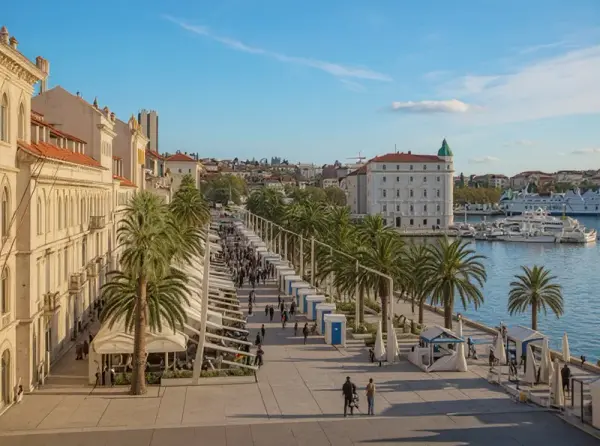
4. Riva (Split Waterfront Promenade)
Split Waterfront Promenade
Splits havnefront med palmeomkransede caféer og paladsudsigt. Gå langs vandet, se færger og gadekunstnere, og sug det dalmatiske liv til dig.
Hurtige fakta: Solvarmet marmor under fødderne får caféterrasser til at funkle, mens palmer og en jævn strøm af både skaber en livlig kulisse for folkekiggeri. Lyt efter spontan klapasang og klirren af glas, et havsaltet lydspor, der gør en aftenstur til en daglig rutine.
Højdepunkter: På sommeraftener samles små klapagrupper på 6 til 8 sangere under platanerne og deler gamle dalmatiske ballader, deres tætte harmonier folder sig ud over tidevandet, så selv forbipasserende stopper op midt i en samtale. Solbagte hvide kalkstensfliser glimter ved middagstid, caféer stiller deres stole centimeter fra vandet, og du kan smage salt havsprøjt blandet med espresso og citrongelato i luften.
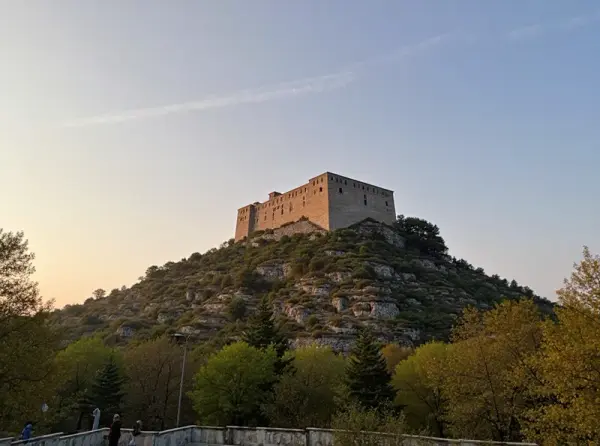
5. Marjan Hill / Marjan Forest Park (Vidilica viewpoint)
Vidilica viewpoint
Panoramaudsigt over Split og Adriaterhavet fra en fyrreklædt bjergryg gør Vidilica værd at bestige. Korte skovstier fører til stenterrasser perfekte til solopgangs- og solnedgangsfotos.
Hurtige fakta: Solvarmet sten og fyrreduftende luft indrammer et udsigtspunkt på en højderyg, der byder på imponerende havudsigter og et overraskende netværk af stier, hvor lokale løber og familier holder picnic. Langs stierne finder du små kapeller, gamle cisterner og gemte romerske trin, stille steder hvor fuglesang og duften af rosmarin overgår larmen fra turister.
Højdepunkter: Gå op ad de cirka 200 stentrin, der zigzagger gennem fyrreduftende stier, og du vil finde, at lokale længe har efterladt små malede skaller og mønter kilet ind i en lav sprække, en ejendommelig offergave, der siges at berolige fiskerfamilier. Ved solnedgang bader udsigtspunktet orange lys over røde tegltage og ud til øerne Brač og Šolta, og på stille aftener kan du høre en gammel klapamelodi dale ned fra en enlig guitarist på klipperne, tynd og salt som luften.
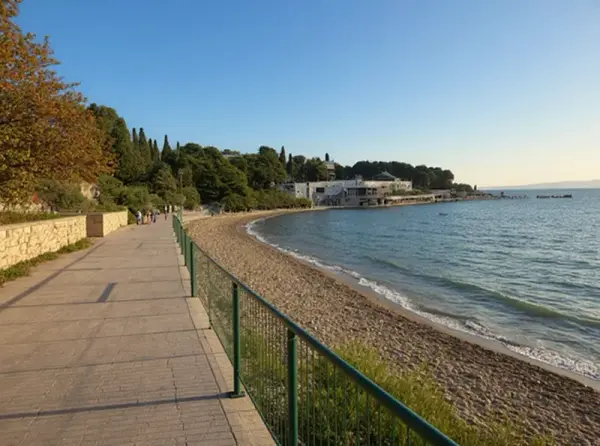
6. Bačvice Beach
Sandet-gruset strand få skridt fra Splits gamle bydel, perfekt til sol og hurtige svømmeture. Lavt varmt vand, livlige picigin-spil, strandbarer og aftenmusik.
Hurtige fakta: Pudderblødt sand og lavt, varmt vand gør det ideelt til at vade og folkekigge, mens nærliggende caféer og strandbarer holder energien livlig ud på natten. Lokale spiller et barfodet boldspil kaldet picigin lige i brændingen, et ejendommeligt skue, der er lige så sjovt at se som at deltage i.
Højdepunkter: En lokal tradition kaldet picigin, opfundet i 1908, tiltrækker stadig 5 til 12 barfodede spillere, der går ud i ankeldybt vand for at holde en lille gummibold i luften kun med kophænder, med den strenge regel at bolden aldrig må røre vandet. Ved solnedgang dufter stedet af salt og stegt fisk, palmer smasker bolden som håndtrommer, og tilskuere læner sig op ad varme kalkstenstrapper, nipper til espresso og råber øgenavne som Mate og Ivan.
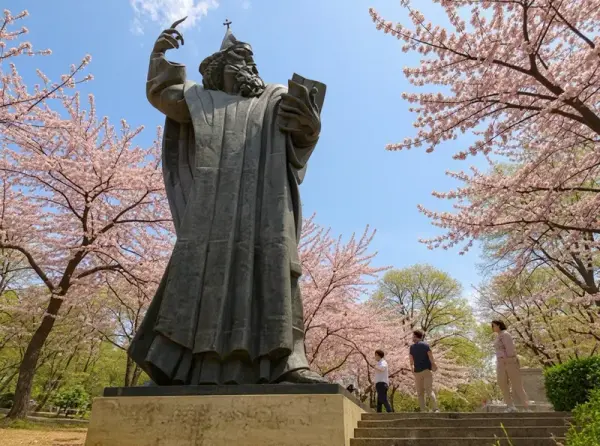
7. Statue of Gregory of Nin (Grgur Ninski)
Grgur Ninski
En dristig middelalderlig bispestatuette forbundet med lokal folkeminne og Split historie. Stå ved siden af den kæmpe figur, gnid dens tå for held og beundre paladsets stenarbejde.
Hurtige fakta: Lad din hånd glide langs det polerede bronze og mærk den slidte tommel, efterladt af utallige besøgende, en legende ritus mange påstår bringer held. Mere end en million håndflader har pudset ét punkt på figuren, og forvandlede et stille hjørne til et uformelt vartegn elsket for fotos.
Højdepunkter: Billedhuggeren Ivan Meštrović formede den kolossale bronzefigur i 1929; den rejser sig til lige over otte meter, og en overdimensioneret tå er blevet glat og gylden af generationers hænder. Lokale studerende og turister trykker deres håndflade mod den varme, glatte tå for held før eksamener eller rejser; det skinnende sted står i skarp kontrast til den omkringliggende grønne patina, når solen rammer ved middagstid.
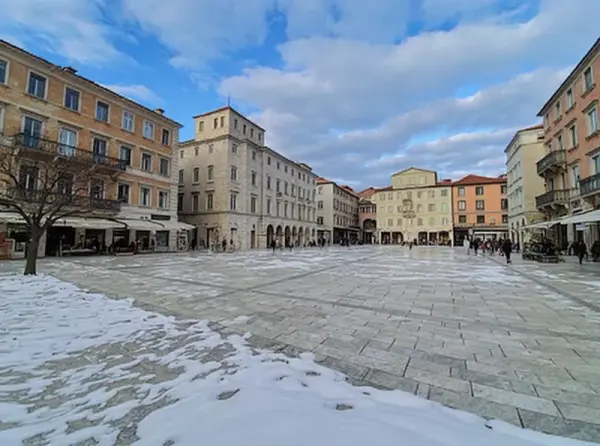
8. People's Square (Pjaca)
Pjaca
Historisk bytorv med venetiansk arkitektur og livlige caféer. Gå en tur på det marmorbelagte torv, se gadefolkemusikere og lokale spille skak.
Hurtige fakta: Brosten, renæssancefacader og caféterrasser giver hovedtorvet følelsen af en åben stue, hvor lokale hænger ud over kaffe, og musikere bevæger sig gennem menneskemængden. Besøgende oplever ofte et gammelt klokketårn, der ringer over livlige markeder, og sæsonbestemte festivaler fylder kalenderen med uventede koncerter, madboder og kostumeparader.
Højdepunkter: I den gyldne time lyser torvets slidte kalkstensbrosten honninggyldne, og du kan høre træskodder smække, når sælgere anretter bakker med røgede sardiner og glas med figenmarmelade. En ejendommelig lokal skik har par, der går tre gange rundt om den centrale brønd, mens en harmonikaspiller ved navn Marko spiller en langsom polka, og folkemængden kaster små sukkerfyldte fritule op i luften for latter og lykke.
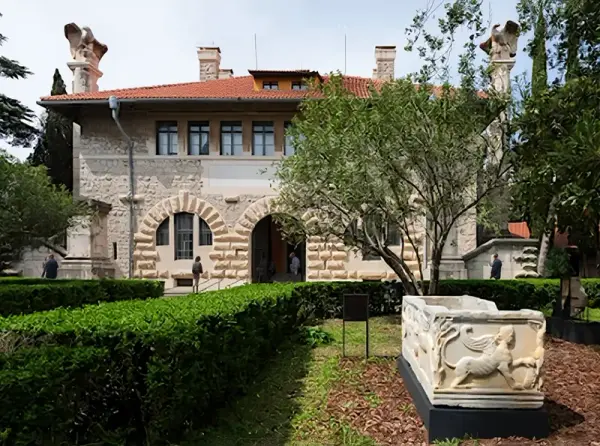
9. Archaeological Museum Split (Arheološki muzej Split)
Arheološki muzej Split
Antikke romerske genstande og dalmatiske skatte bringer fortiden til live. Gå blandt sarkofager, mosaikker og interaktive udstillinger, der følger Splits lange historie.
Hurtige fakta: Træd ind i dunkle, kølige gallerier, hvor stilheden og det bløde spotlys får en fint mejslet romersk statue til at virke opløftende levende. Skjulte skatte spænder fra delikate glasgenstande til indhuggede inskriptioner, som tilsammen fortæller levende historier om dagliglivet, religionen og håndværket gennem århundreder.
Højdepunkter: Du kan vandre blandt dusinvis af romerske gravsten og marmorportræthoveder hentet fra nærliggende Salona, mange vejrslidte og plettede med grønlig lav, deres latinske inskriptioner stadig læselige efter mere end 1.800 år. En fin lokal skik overlever: før afrejse trykker mange besøgende stille på de kølige tesserae i et medtaget 3. århundredes skibsmosaik for at ønske fiskere held og lykke, en gestus der stadig efterlader svage fingeraftryk på stenen.
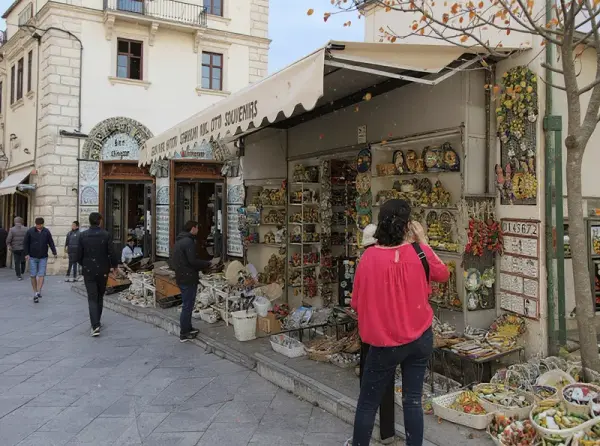
10. Green Market (Pazar)
Pazar
Friske dalmatiske råvarer og livlig lokal handel giver en ægte smag af Split. Forvent farvestrålende boder, venlige handlende og fristende gadesnacks.
Hurtige fakta: Morgenboder springer i farver og snak, når sælgere stabler solmodne tomater, figner og bjerge af oliven i flettede kurve, mens duften af frisk kaffe snor sig gennem rækkerne. Lokale sælgere elsker at dele opskrifter og historier med besøgende, og du hører ofte dalmatiske dialekter blandes med turister, der prutter om sæsonens bedste råvarer.
Højdepunkter: Kom der ved 7 om morgenen, og du vil se ældre sælgere anrette arvetomater i solblanke pyramider, råbe priser i en blød čakavisk rytme, mens luften bliver tung af olivenolie, varmt brød og den salte tang af ansjoser. Lokale sværger, at en enkelt familiebod har været på samme hænder i tre generationer og stadig vejer varer på en messingvægt poleret, indtil den reflekterer solopgangen, og på stille dage bytter naboer glas med hjemmelavede oliven eller citronmarmelade som tjenester i stedet for at betale med kontanter.
Where to Stay in Split, Croatia
Selected by City Buddy based on guest reviews and proximity to top attractions
Search all hotels in Split, CroatiaPowered by agoda
Åbningstider i Split, Croatia
Hvilke af de mest populære seværdigheder holder lukket hvilken ugedag. Den klassiske rejseødelægger er tjekket for dig.
onsdag: 1 ud af 8 populære seværdigheder holder lukket. Planlæg museer til en anden dag.
Lukket onsdag · 1 lukkede, 7 åbne
Åbningstider fra Google Maps (tjekket 2026-02-19). Helligdage, strejker og sæsonåbningstider kan variere. Tjek den officielle hjemmeside, før du tager afsted.
Traditionelle søde retter
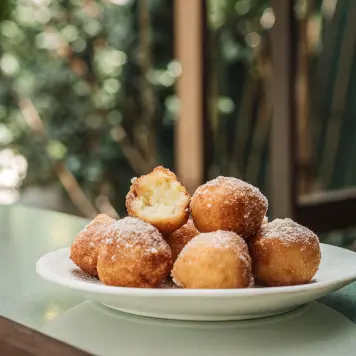
Fritule
Fritule are tiny, rum- and citrus-scented fried dough balls dusted with powdered sugar, traditionally served at Christmas and family gatherings across Split.
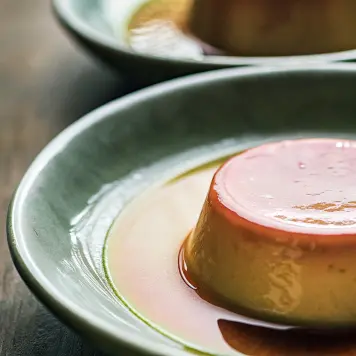
Rozata
Rožata is a silky caramel custard flavored with rose liqueur or rose water, and it traces its roots to Dalmatian convents where it was a celebratory dessert.
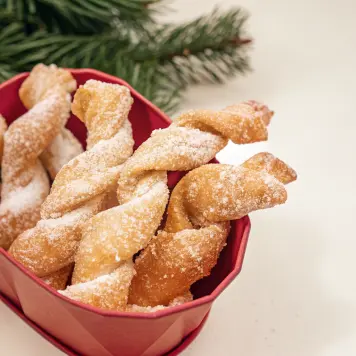
Krostule
Kroštule are crisp, ribbon-like fried pastries with Venetian roots, twisted into knots and always dusted with sugar for festive occasions.
Traditionelle salte retter
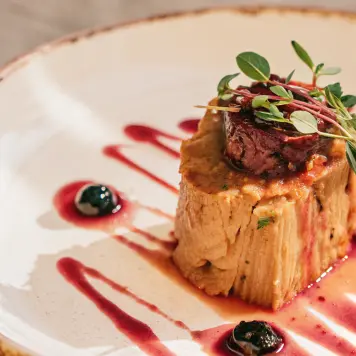
Pasticada
Pašticada is a slow-braised, marinated beef stew cooked for hours in a sweet-and-sour sauce with prunes and red wine, often prepared for weddings and holidays.
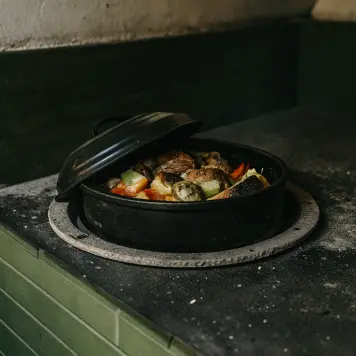
Peka
Peka is a rustic cooking method where meat, seafood and vegetables are slow-roasted under a bell covered with hot coals, producing an intense smoky flavor you cannot replicate in a regular oven.
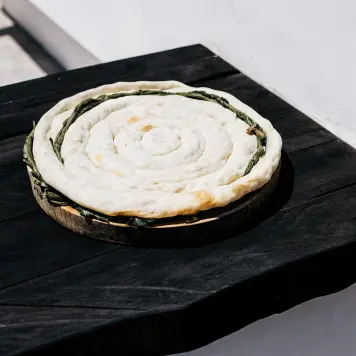
Soparnik
Soparnik is a paper-thin chard and onion pie from the Poljica region near Split, and it is recognized in Croatia as an important element of cultural heritage.
Traditionelle drikkevarer

Rakija
Rakija is a potent fruit brandy often made from plums, grapes or herbs, traditionally homemade and served as a welcoming toast and a folk remedy.
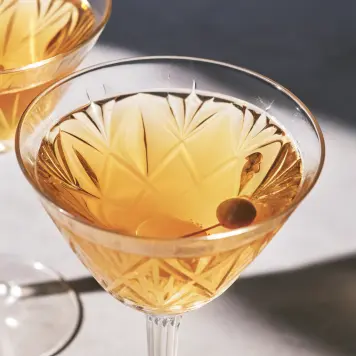
Maraschino
Maraschino is a clear cherry liqueur made from the native Marasca cherry, it was once a luxury exported across Europe and gives a floral, almond-like finish to cocktails.
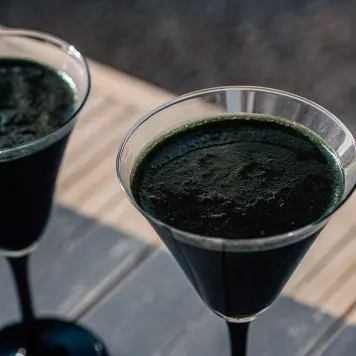
Pelinkovac
Pelinkovac is a bitter herbal liqueur dominated by wormwood, it is sipped as a digestive and features in many Croatian after-dinner customs.
Vid det, før du tager afsted
Hvad en dag koster i Split, og de rip-offs du skal undgå
Top rip-offs at undgå
- Taxatilbud i terminalområdet. Gå forbi alle tilbud og brug den officielle taxarække udenfor, eller book via Bolt-appen, som viser prisen på forhånd.
- Terrassetillæg på Riva. Bed altid om at se menuen med priser, før du sætter dig, og bekræft, om der er et terrassegebyr. Tjek regningen linje for linje.
- Lommetyveri i overfyldte områder. Hold tasker lynlåst og foran dig i menneskemængder. Opbevar ikke telefoner eller punge i baglommer. Vær opmærksom, når du stiger på færger og busser.
Fair taxa fra lufthavnen: 35 € - 45 €
Billigere mulighed: Lufthavnspendulbus linje 37 drevet af Promet Split, fra uden for terminalen til hovedbanegården nær havnen og den gamle by. (5 €)
Alle svindel, fair priser og reglerOfte stillede spørgsmål om Split, Croatia
Hvad er det bedste tidspunkt at besøge Split i Kroatien?
Er Split i Kroatien dyrt for turister?
Hvor sikkert er postevandet i Split i Kroatien?
Hvor mange turister besøger Split årligt?
Hvordan er den offentlige transport i Split i Kroatien?
Få en PDF med de mest populære attraktioner sendt til din e-mail
Få en PDF med alle attraktioner, vurderinger og tips. Perfekt til offline brug.
Mest populære dagsture
Trogir
Well-preserved medieval town with UNESCO-listed old town.
Krka National Park
Famous waterfalls with swimming areas and walking trails.
Hvar (town)
Vibrant island town with beaches, nightlife and historic sites.
Brač (Supetar / Bol)
Island known for Zlatni Rat beach and traditional stone villages.
Šibenik
Historic coastal city with St. James Cathedral (UNESCO).
Sådan kommer du dertil
Togstationer
Main line to Zagreb; regional services toward Šibenik/Knin
Airport shuttle bus to Split bus/train station ~30–40 min; taxis cost more.
Nyttige oplysninger for Split, Croatia
Oversigt for Split, Croatia
Sammenlign Split med andre destinationer
Priser, sikkerhed, vejr og topattraktioner side om side, med en vurdering for enhver type rejsende.
Vil du have en dag-for-dag-plan for Split, Croatia? Åbn rejseplanlæggeren
Hvornår tager du til Split, Croatia?
Vælg dine datoer og rejsetype for at få:
Er nogle af disse særligt vigtige for dig?
Vælg alle der passer
Transport i byen
Hvordan vil du bevæge dig mellem stederne?
Plansprog: Dansk