 CityBuddy
 English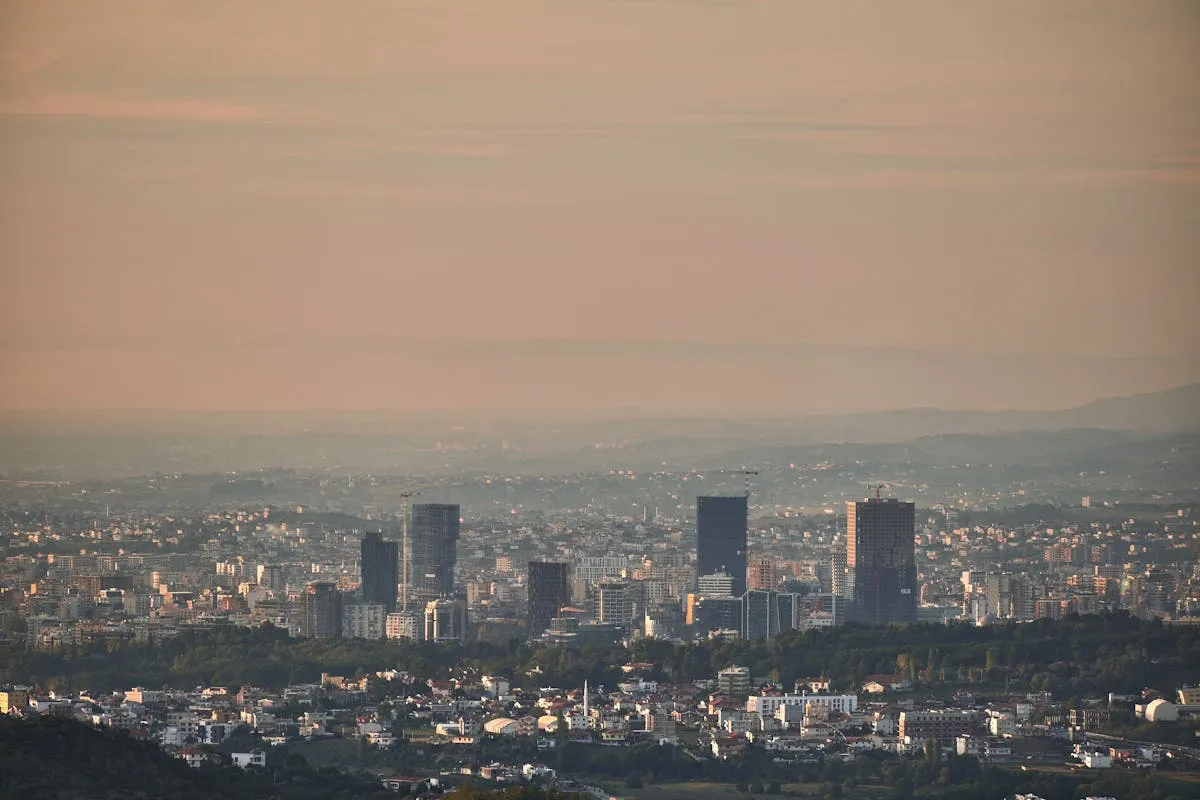
Things to Do in Tirana, Albania
Photo made by Valter Zhara on Pexels.com
When to visit
Most popular attractions in Tirana, Albania
Things to do in Tirana, Albania include exploring Skanderbeg Square, which spans 40,000 square meters and offers a central spot for city life. Visit the National Historical Museum to see Albania's rich past through vivid mosaics. Bunk'Art 2 provides a fascinating insight into Cold War history inside a former nuclear bunker.
1. Skanderbeg Square (Sheshi Skënderbej)
Sheshi Skënderbej
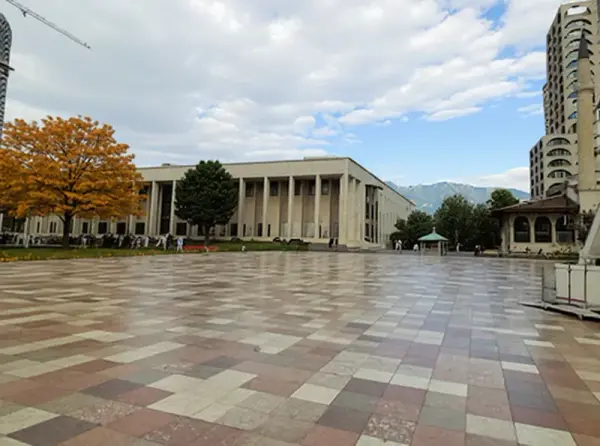
Heart of Tirana with grand monuments and lively city life. Walk by Skanderbeg's statue, the mosque and museum, enjoy public art and nearby cafés.
Quick facts: A vast open plaza frames a soaring equestrian statue at its center, where locals and students mingle among grand buildings and wide promenades. Night brings street musicians and pop-up cafés, while the pale marble paving catches lights and turns the space into a bright stage for festivals.
Highlights: A towering bronze horseman anchors the square, locals have long rubbed the horse's right stirrup for luck until the metal gleams under tourists' cameras. After the 2017 overhaul the open space was paved with roughly 20,000 light and dark granite slabs, so when the late-afternoon sun hits you get a warm mosaic of gold and charcoal that smells faintly of coffee from the nearby cafés.
2. Et'hem Bey Mosque (Xhamia e Et'hem Beut)
Xhamia e Et'hem Beut
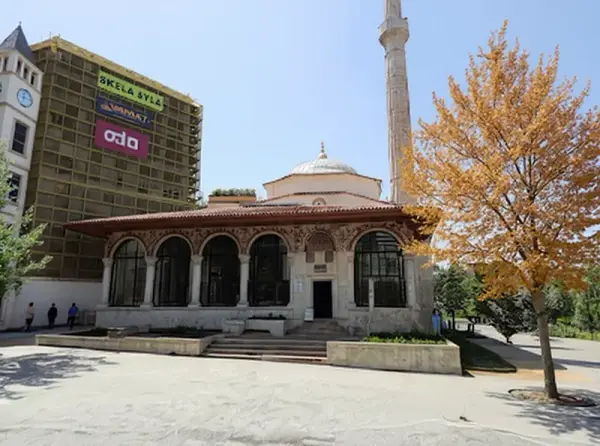
An intimate Ottoman mosque famed for delicate 18th-century frescoes and a tranquil courtyard. Step inside to see painted trees, birds and carved details while soaking local history.
Quick facts: Step inside and you’ll notice delicate frescoes of birds, waterfalls, and pastoral scenes that fill the interior with surprising color and quiet drama. A small carved wooden minbar and an ornate dome showcase a mix of Ottoman motifs and local folk details, making the space feel both intimate and unexpectedly lively.
Highlights: Step through the heavy wooden doors and your eyes land on painted ceilings of trees, waterfalls, bridges and colorful birds, folk-style frescoes so detailed you can count tiny feather strokes in the kingfishers and swans. Local elders still tell how the place was kept closed for more than two decades under the communist ban, and in 1991 people streamed back at dusk to pray beneath lantern light, a quietly triumphant, whispering welcome-home moment.
3. National Historical Museum (Muzeu Historik Kombëtar)
Muzeu Historik Kombëtar
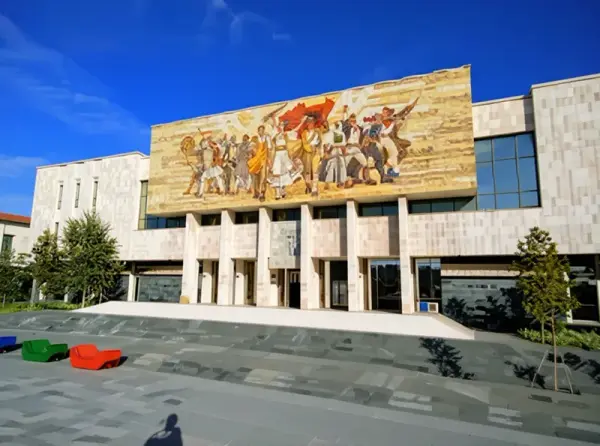
Explore Albania's history from antiquity to communism at the National Historical Museum. Walk through large galleries, the iconic mosaic entrance, and evocative exhibits.
Quick facts: A colossal mosaic crowns the façade, and inside the exhibits span prehistoric tools, Byzantine treasures, and striking displays about 20th-century political life. Visitors often note the unexpectedly rich collection of ethnographic costumes and interactive dioramas, which make the past feel tactile and surprisingly immediate.
Highlights: Walk in and a towering mosaic of Skanderbeg catches the light, its tessellated tiles shimmering like scales while the marble floor gives a cool, hollow echo underfoot. On slow afternoons retired guides trade hushed, oddly specific tales about how some communist-era statues were repurposed, and visiting schoolchildren still press their palms to a faded floor map to point out the village their grandparents left.
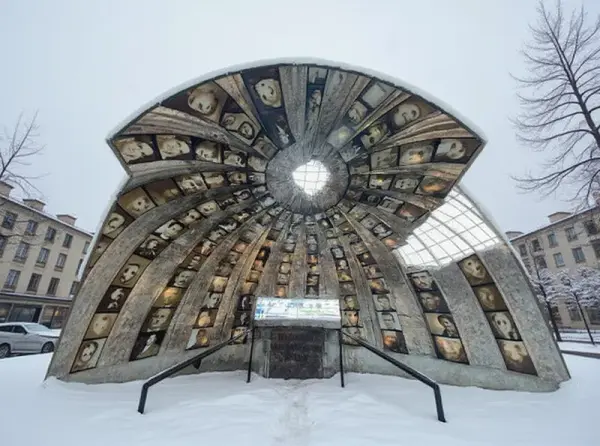
4. Bunk'Art 2 (Bunker Museum)
Bunker Museum
A striking window into Albania's Cold War past, housed in a repurposed nuclear bunker. Walk narrow corridors, propaganda rooms, and atmospheric control halls.
Quick facts: Descending into dim concrete corridors feels like stepping into a Cold War thriller, where preserved offices, propaganda posters, and personal items reconstruct daily life under constant surveillance. You’ll wander through dozens of narrow rooms and immersive multimedia displays that pair eerie silence with recorded testimonies, turning political history into a strikingly human experience.
Highlights: Walk down the low concrete corridors where faded red propaganda posters cling to the walls and dozens of handwritten letters, official files and black-and-white photos tell stories from the Sigurimi era of 1944–1991, the stale scent of dust and metal making the past feel tactile. Pressing an original 1970s telephone receiver in one exhibit plays recorded testimonies from survivors, a quiet, human sound that turns the bunker’s silence into a chorus of whispered confessions.
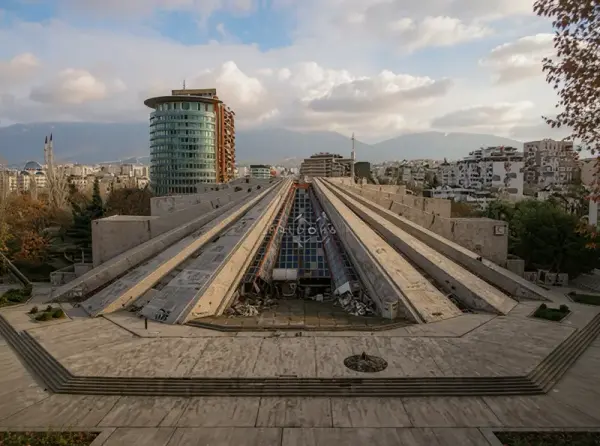
5. Pyramid of Tirana (Piramida)
Piramida
A striking concrete relic of Albania's communist past, offering bold architecture and local stories. Climb for graffiti-filled interiors, rooftop views and a raw urban atmosphere.
Quick facts: Sunlight slants across the faceted concrete skin, making faded mosaics and spray paint pop in startling color. Urban explorers climb its steep terraces for razor-edged views and to feel the hollow, echoing interior where impromptu art shows and techno parties have taken shape.
Highlights: Built in 1988 as a museum dedicated to Enver Hoxha, the concrete pyramid rises about 25 meters and wears layers of rainbow graffiti and rusted metal ladders that locals use to climb to the top at sunset. On weekend nights dozens of people squeeze into the hollow base for impromptu film screenings and DJ sets, the echoing concrete turning bass into a cavernous hum beneath strings of bare bulbs.
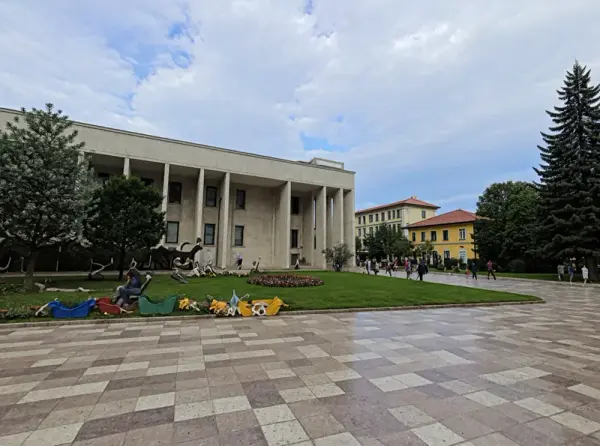
6. Blloku neighborhood (Ish-Blloku)
Ish-Blloku
Trendy cafés, bars, and boutiques give Blloku its energetic local vibe. Stroll pedestrian lanes, sip strong Albanian coffee, and enjoy lively evening scenes.
Quick facts: Cobblestone avenues pulse with neon-lit cafés and tucked-away rooftop bars, where the smell of espresso mixes with live vinyl and late-night laughter. Locals often brag that over fifty bars and restaurants fit into a handful of walkable blocks, so you can hop from a quiet wine spot to a throbbing live-music room in minutes.
Highlights: A handful of narrow, tree-lined streets were once off-limits to ordinary citizens during the communist era, reserved for Politburo families; today those same cobbles pulse with neon, laughter, and the hiss of espresso from dozens of late-night cafés. Locals still keep a quirky tradition: on weekend evenings an old playground becomes an impromptu flea market where vendors hawk vinyl records, secondhand books, and shot glasses of raki under strings of warm bulbs, the air thick with frying byrek and cardamom coffee.
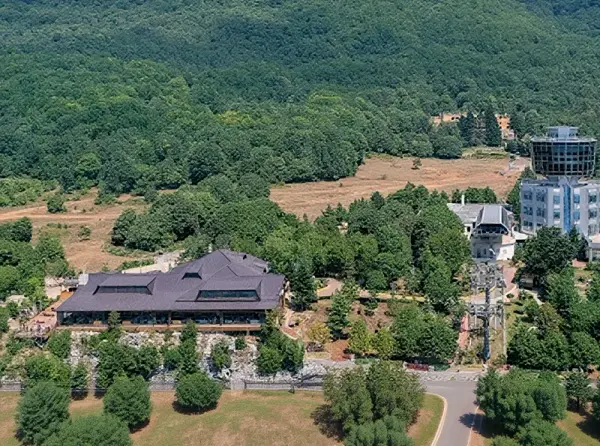
7. Dajti Mountain / Dajti Ekspres Cable Car (Parku Kombëtar Dajti)
Parku Kombëtar Dajti
Forested summit above Tirana gives sweeping city and mountain panoramas, a quick nature escape. Ride the Dajti Ekspres cable car, walk short trails, and dine with a view.
Quick facts: Sun-warmed pines perfume the air as you step onto the ridge, and the panorama opens into a dramatic patchwork of dense forest, craggy outcrops, and tiny rooftops below. A ride up the cable car feels like slipping into a living postcard, the gondola climbing steeply enough to give startlingly close views of cliffs, shepherds' paths, and seasonal wildflower carpets.
Highlights: Take the roughly 15-minute cable car up to the peak at 1,613 meters, where pine-scented air and a checkerboard of red roofs unfurl below like a living map. On weekends locals haul picnic baskets and around 5:30 p.m. a handbell is rung to mark sunset, a quirky ritual that turns the viewing terrace into a communal living room.
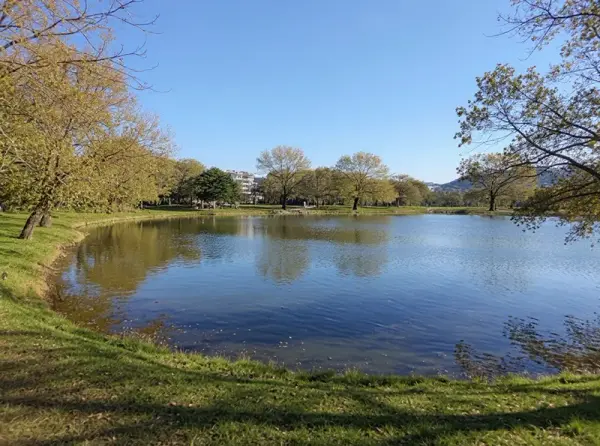
8. Grand Park and Artificial Lake (Parku i Madh/Liqeni i Tiranës)
Parku i Madh/Liqeni i Tiranës
Large green lungs beside Tirana's artificial lake draw locals for walks and events. Stroll the lakeside promenade, rent a paddle boat, or relax at café terraces.
Quick facts: Towering plane trees shade winding gravel paths so thick the city's roar fades and only birdsong and footsteps remain. A broad artificial lake captures fiery sunsets and mirrors the skyline, while paddleboats and lakeside cafés make evenings feel unexpectedly peaceful.
Highlights: Walk the curved promenade at golden hour and you’ll hear the rhythmic clack of dozens of hand-painted pedal boats, smell cut grass and wet stone, and watch sunlight turn the lake into molten bronze. A quirky local tradition sees students and newlyweds writing wishes on paper strips and tying them to the boathouse railings; some ribbons and notes have been there for more than ten years, creating a fluttering, colorful timeline you can trace by date.
9. Pazari i Ri (New Bazaar)
New Bazaar
Vibrant market for fresh produce, traditional foods and lively street life. Wander colorful stalls, sample specialties, and sip coffee in a sunny café.
Quick facts: Vendors call out friendly prices as colorful stalls overflow with citrus, spices, and warm bread, turning a quick stop into a full sensory rush. Hunters of vintage finds swarm the weekend flea market while foodies queue for inventive street-food twists that often become local favorites.
Highlights: On weekend mornings three generations of stall-keepers stack glossy red pepper strings and mason jars of pale-yellow honey, while the smell of roasted chestnuts and citrus wraps around a chorus of vendors calling prices. A small corner preserves a charming habit of generous tasters: someone will press a warm fig or a spoonful of walnut spread labeled "Lule" into your hand, and before you know it you've swapped recipes and jokes instead of just paying.
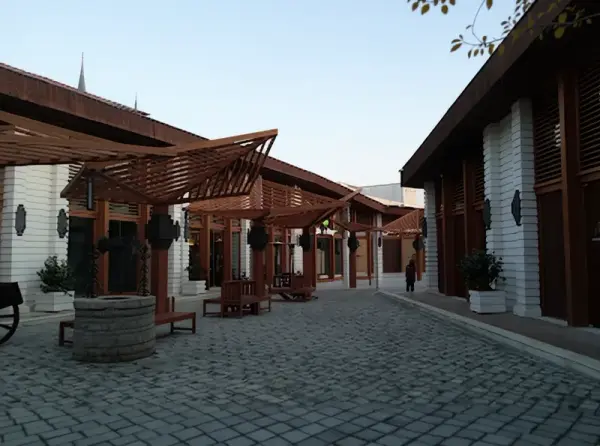
10. Tirana Castle (Kalaja e Tiranës)
Kalaja e Tiranës
Walk the stone ramparts of Tirana Castle for a close look at the city's layered past. Wander courtyards, small museums and cafes, with easy skyline photo spots.
Quick facts: Wandering the low cobbled ramparts you'll stumble into cosy cafés and artisan workshops tucked among renovated stone houses, a surprising pocket of daily life. At dusk the warm light makes the rough masonry glow, and traces of ancient foundations peek through, giving every corner a story locals love to share.
Highlights: Slip through the low stone arch beside the busy sidewalk and you step into a tiny cobbled courtyard where morning sun piles into warm gold, the air carrying the sharp, flaky scent of freshly baked burek and the bitter steam of strong coffee. On summer evenings a handful of neighbors gather to play backgammon under one amber lantern, their dice tapping against wood while an old tower's hollow bricks carry ten or so laughter-filled voices like a private echo.
11. House of Leaves (Shtëpia me Gjethe)
Shtëpia me Gjethe
Peel back the ivy to uncover Albania's spymaster headquarters, where secret police listened through walls for four decades. Wandering room by room, you'll find hidden microphones in fake rocks, briefcases, and even a stuffed deer head.
Quick facts: This ivy-clad villa once housed the Sigurimi, Albania's feared secret police, who spied on citizens from microphones hidden in flower pots and coat hooks. The museum displays over 4,000 surveillance files, including wiretap transcripts showing how neighbors reported neighbors for listening to foreign radio.
Highlights: A single room recreates the wiretap operation on writer Ismail Kadare, where agents transcribed his private conversations in tiny, meticulous handwriting on color-coded index cards. You can stand in the actual listening post and see the exact spot where operators rotated shifts, 24 hours a day, recording the thoughts of the nation's most famous novelist.
Where to Stay in Tirana, Albania
Selected by City Buddy based on guest reviews and proximity to top attractions
Search all hotels in Tirana, AlbaniaPowered by agoda
Opening days in Tirana, Albania
Which of the top sights close on which day of the week — the classic trip-ruiner, checked for you.
Tuesday: 1 of 10 top sights closed — plan museums for another day.
Closed on Tuesday · 1 closed, 9 open
Opening days from Google Maps (checked 2026-06-22). Public holidays, strikes and seasonal hours can differ — check the official website before you go.
Traditional Sweet Dishes
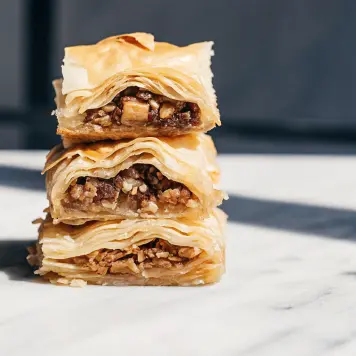
Baklava
Baklava from Tirana layers paper-thin phyllo with locally grown walnuts and syrup, its crisp, honeyed flakes were once a celebratory centerpiece at Ottoman-era gatherings.
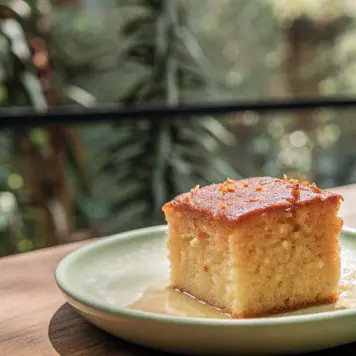
Revani
Revani is a syrup-soaked semolina cake scented with lemon or orange blossom, a humble yet festive dessert that brightens Albanian tables across seasons.
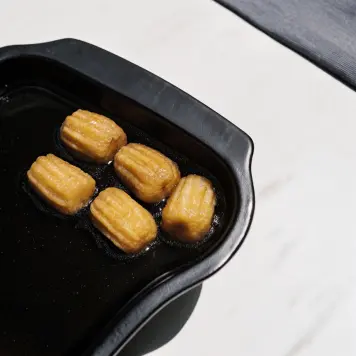
Tullumba
Tullumba are small, ridged fried pastries drenched in syrup, traditionally piped from a brass nozzle by street vendors for a caramelized, crunchy bite.
Traditional Savory Dishes
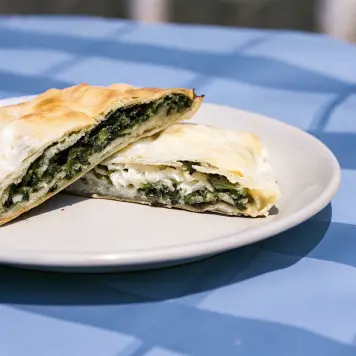
Byrek
Byrek is a versatile, flaky pastry filled with spinach, cheese, or meat, it serves as a portable meal and a beloved staple from breakfast to late-night snacks.
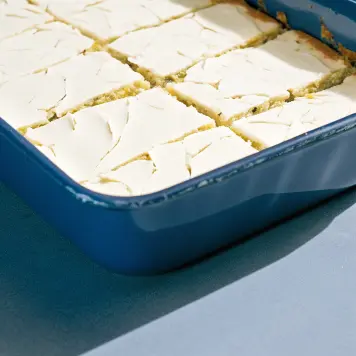
Tavë Kosi
Tavë Kosi pairs tender lamb with baked yogurt and rice, its tangy, custard-like top has made it an enduring symbol of Albanian comfort food.
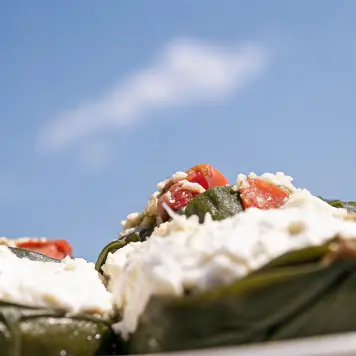
Fërgesë
Fërgesë from Tirana blends roasted peppers, ripe tomatoes and creamy gjizë cheese into a sunny, spreadable dish that traces back to village hearths.
Traditional Beverages
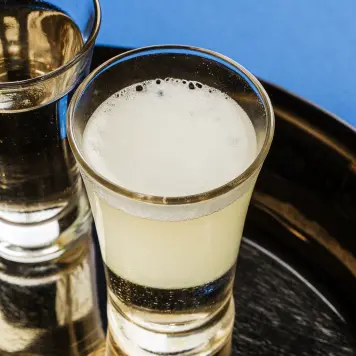
Raki
Raki is a potent distilled grape spirit served in tiny glasses for toasts and gatherings, and Albanians often flavor it with anise or figs for regional twists.
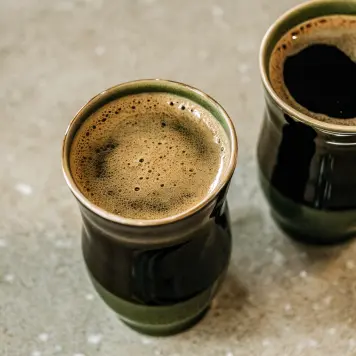
Coffee
Coffee in Tirana is a social ritual, people linger over small cups of strong Turkish-style brew and use shared coffee as a measure of friendship and business.
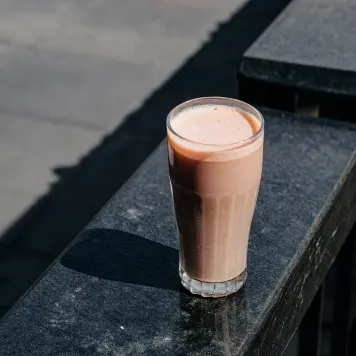
Boza
Boza is a thick, slightly tangy fermented millet drink dating back to Ottoman times, traditionally enjoyed as a warming, nourishing winter beverage.
Know before you go
What a day costs in Tirana, and the rip-offs to avoid
Cost per person per day
Top rip-offs to avoid
- Airport taxi price inflation. Use the official taxi rank or the Bolt app and agree the fare before starting or insist on the meter.
- No meter or rigged route. Agree the price before departure or insist the meter runs, and use a ride-hailing app when possible.
- High-fee ATMs and DCC. Prefer bank-attached ATMs, choose to be charged in lek, and decline the conversion offer.
Fair taxi from the airport: 1,500 L - 2,500 L (€17 - €28)
Cheaper option: Rinas Express airport bus to the city centre (400 L)
All scams, fair prices and rulesFrequently Asked Questions about Tirana, Albania
Is Tirana, Albania safe for travelers?
How many days should I spend in Tirana, Albania?
Best time to visit Tirana, Albania?
Is Tirana, Albania expensive for travelers?
How to get around Tirana, Albania?
Get a PDF with the most popular attractions sent to your email
Get a PDF with all attractions, ratings, and tips. Perfect for offline use.
Most popular day trips
Krujë (Kruja)
Historic castle, Skanderbeg Museum and traditional bazaar.
Durrës
Coastal city with a Roman amphitheatre and beaches.
Berat
UNESCO 'city of a thousand windows' with Ottoman architecture.
Mount Dajt (Dajti National Park)
Mountain park above Tirana with views, hiking and picnic spots.
Apollonia Archaeological Park
Ancient Greek–Roman ruins near Fier — great for history buffs.
Getting there
Airports
Train stations
Limited local/regional services; passenger service intermittent
Main national rail hub — historical connections to Shkodër and Vlorë
Take the Rinas Express shuttle or a taxi from TIA — ~25–30 min to Skanderbeg Square.
Useful information for Tirana, Albania
Overview for Tirana, Albania
Compare Tirana with other destinations
Prices, safety, weather and top attractions side by side, with a verdict for every kind of traveler.
Want a day-by-day plan for Tirana, Albania? Open the trip planner
Plan your perfect trip to Tirana, Albania
Get a complete travel plan built just for you in under 30 seconds, with daily routes, local food tips, budget estimates and more.
Are any of these especially important to you?
Select all that apply
Getting around
How do you want to move between places?
Plan language: EnglishMost popular itineraries for Tirana, Albania
Browse trip plans created by other travelers