 CityBuddy
 English
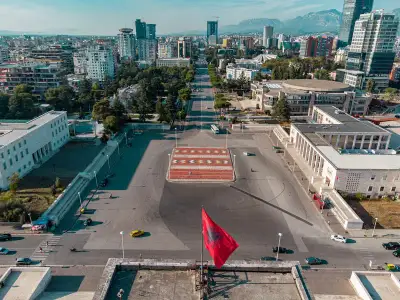
Things to Do in Albania
Photo made by Marsel Dajçi on Pexels.com
When to visit
Most popular attractions in Albania
Looking for things to do in Albania, start at the Blue Eye, a natural spring 50 meters deep with crystal-clear waters. Continue to Butrint National Park, where ancient Greek and Roman ruins stretch across 94 square kilometers. End with the Rozafa Castle in Shkodër, offering panoramic views of the lake and the mountains.
1. Rozafa Castle
Shkodër
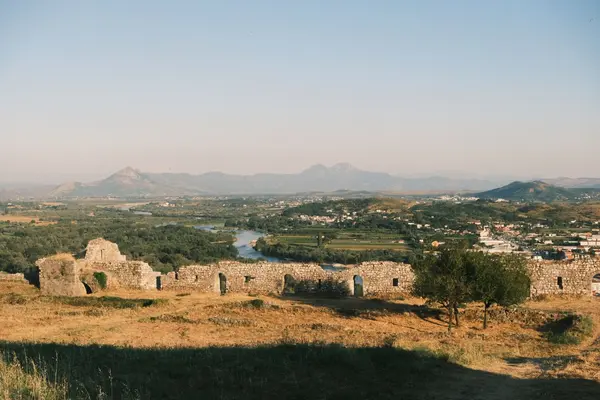
Here myth meets history at the walls of a city that overlooks three countries. You will walk on 2,400-year-old stones and get lost in a panoramic sunset.
Quick facts: Legend has it that the castle walls were built by sacrificing a woman, Rozafa, who was buried alive inside the wall to hold it together. From the hill where it stands, your eyes embrace at the same time Lake Shkodra, the Buna River, and the Albanian Alps.
Highlights: Inside the castle, among the ruins, you will find the remains of a 13th-century church as well as frescoes that are still preserved in some spots. Every summer its courtyard transforms into a theatrical stage and hosts the city's international theater festival, with performances under the starry sky.
2. Blue Eye Spring
Saranda
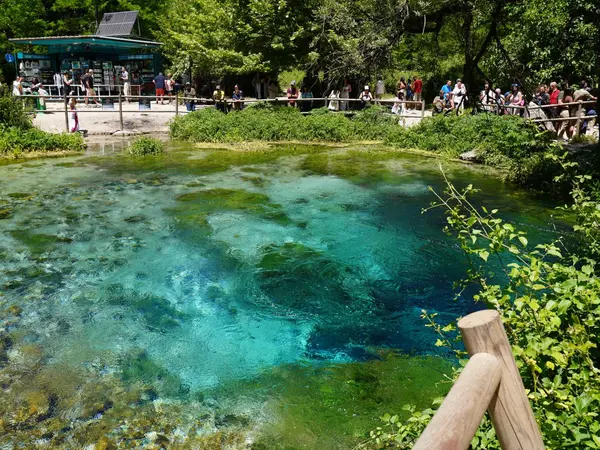
A spring with water so clear it seems almost unreal. You will wander along wooden paths through a lush green forest, while the deep blue of the water captivates you.
Quick facts: The water emerges from a depth of more than 50 meters and springs forth at a rate of about 6 cubic meters per second. The water temperature remains at 10-12 degrees Celsius all year round, which makes swimming in the summer particularly refreshing.
Highlights: Beneath the surface, divers have explored the spring to a depth of over 50 meters without yet reaching the bottom, making the true depth unknown. The striking blue hue is created by the incredible clarity of the water, which reflects light in a way that resembles a living sapphire.
3. Lekursi Castle
Saranda
The best view of Saranda awaits at the top of a hill, with Corfu stretching out before you. You climb the walls and enjoy the sunset over the Ionian Sea.
Quick facts: The castle rises on a hill that offers panoramic views over the entire port of Saranda and the Greek islands of Corfu across the way. It is named after the Lëkurësi family, a local aristocratic family that held the area during the Ottoman period.
Highlights: Its real advantage is that it stands on a hill just a few minutes' walk from the city center, something rare for such well-preserved castles. From its walls you see both coasts at the same time, Albania and Corfu, in a unique viewing angle that takes your breath away.
4. Butrint National Park
Saranda
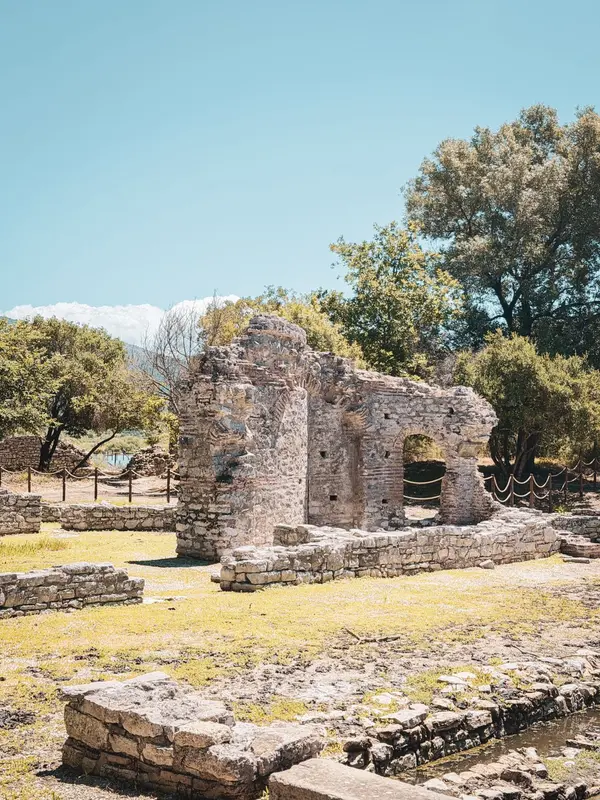
A whole ancient world awaits among olive trees and marshes. You will walk from Greek walls and Roman baths to an acropolis overlooking the sea.
Quick facts: Thousands of years of history fit into a single site, from a Greek colony of the 6th century BC to a Byzantine fortress and a Venetian tower. The 2,500-seat theater remains almost intact and you can still hear the sound of the sea from the upper seats.
Highlights: The 6th-century baptistery hides a stunning mosaic floor with peacocks and birds, colors that remain vivid after 1,500 years. Few visitors climb up to the Venetian castle at the top, from where you can see the entire park, the Vivari channel, and the island of Corfu in the blue of the horizon.
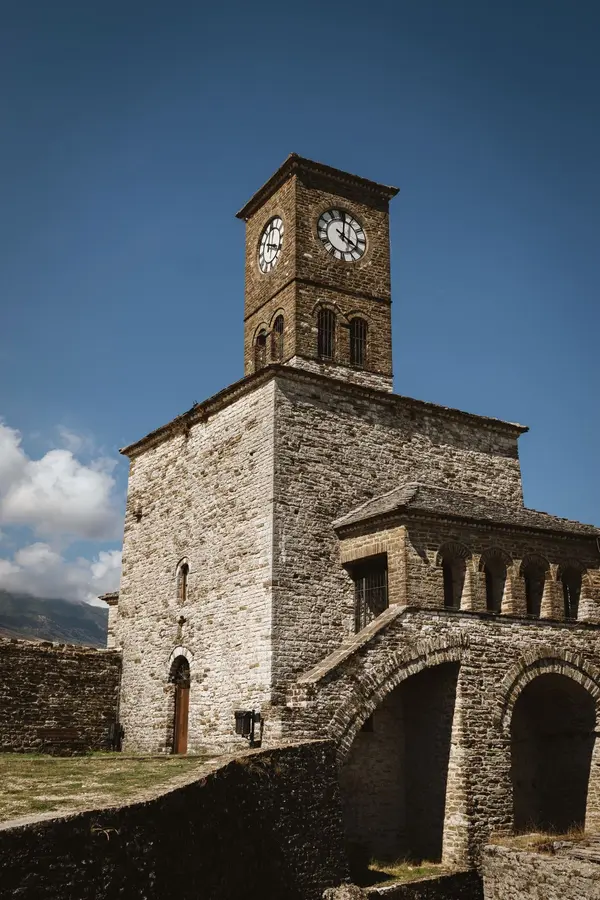
5. Gjirokaster Castle
Gjirokastër
A walk along the imposing walls offers panoramic views of the city and the Drin valley. Discover underground tunnels, museums, and a clock tower that has been keeping time for two centuries.
Quick facts: The castle rises on a 336-meter hill and the first fortification dates back to the 6th century, when it was built by local tribes. The clock tower, added in 1811, features a mechanism constructed in Constantinople that still works to this day.
Highlights: Inside the castle there is a war aviation museum with 45 aircraft, among them a captured American plane that made an emergency landing in the country in 1957 and was kept by the communist authorities. The Italian Fiat G.50 plane on display, along with the rest of the exhibits, is located in underground galleries that pass beneath the fortress's foundations.
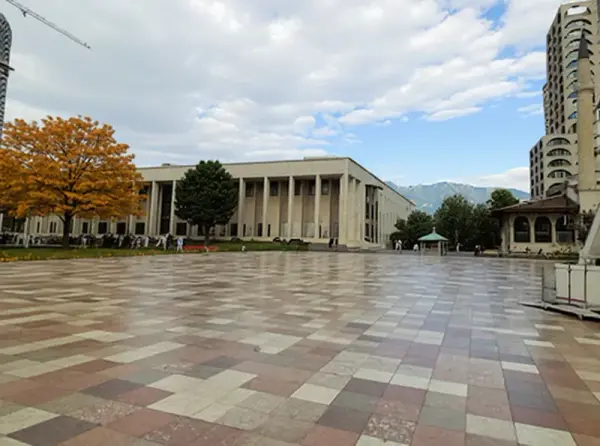
6. Skanderbeg Square
Tirana
Quick facts: A vast open plaza frames a soaring equestrian statue at its center, where locals and students mingle among grand buildings and wide promenades. Night brings street musicians and pop-up cafés, while the pale marble paving catches lights and turns the space into a bright stage for festivals.
Highlights: A towering bronze horseman anchors the square, locals have long rubbed the horse's right stirrup for luck until the metal gleams under tourists' cameras. After the 2017 overhaul the open space was paved with roughly 20,000 light and dark granite slabs, so when the late-afternoon sun hits you get a warm mosaic of gold and charcoal that smells faintly of coffee from the nearby cafés.
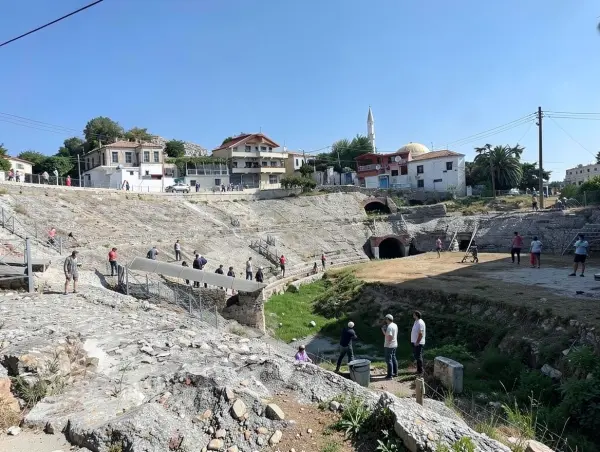
7. Durrës Amphitheatre
Durrës
The largest Roman arena in the Balkans awaits your exploration. You will walk among 1,000-year-old frescoes and corridors that heard the roar of gladiators.
Quick facts: It holds about 15,000 spectators and is the largest Roman amphitheater ever discovered in Albania. Its arena lies at a depth of about 20 meters below the current level of the city, as centuries have buried a large part of it.
Highlights: Beneath the ruins, 10th-century frescoes were found in incredibly good condition, adorning an early Christian chapel within the seating area. Archaeologists estimate that it was used for gladiatorial games for over 300 years, before being converted into a Christian place of worship.
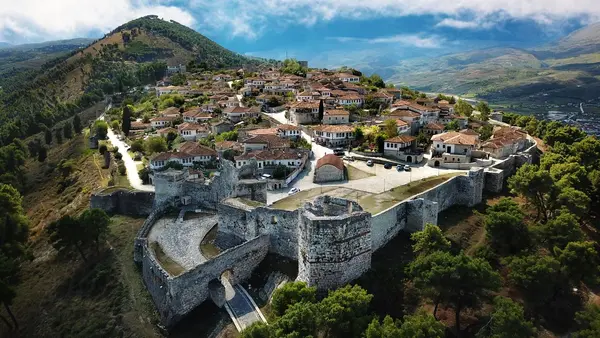
8. Berat Castle
Berat
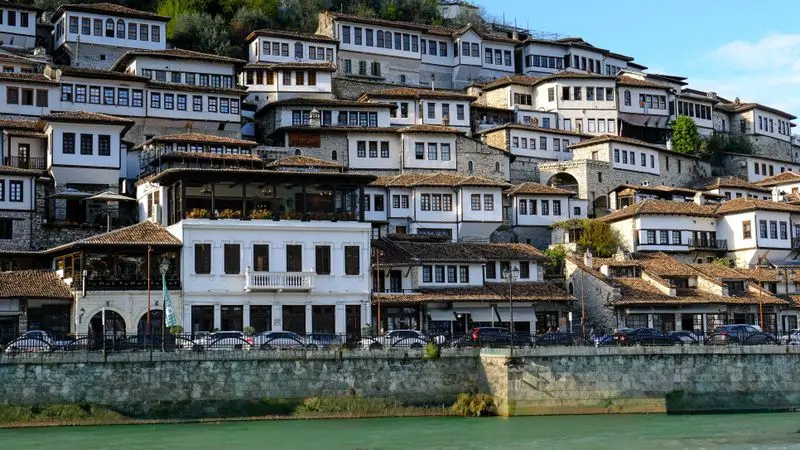
A living castle where history breathes within inhabited houses and stone walls. You will walk through 2,400-year-old streets among churches, residents, and magical views.
Quick facts: About 1,600 people still live within its walls, making it one of the few inhabited castle-towns in the Balkans. The Church of the Virgin of Blachernae features unique frescoes dating from the 16th century.
Highlights: The residents of the houses inside the castle have continued the tradition of winemaking and craftsmanship for centuries, with many courtyards hiding old grape presses. As you walk along the cobbled alleys, you will see elderly women knitting lace on their doorsteps and offering you raki, as if nothing has changed since the Ottoman period.
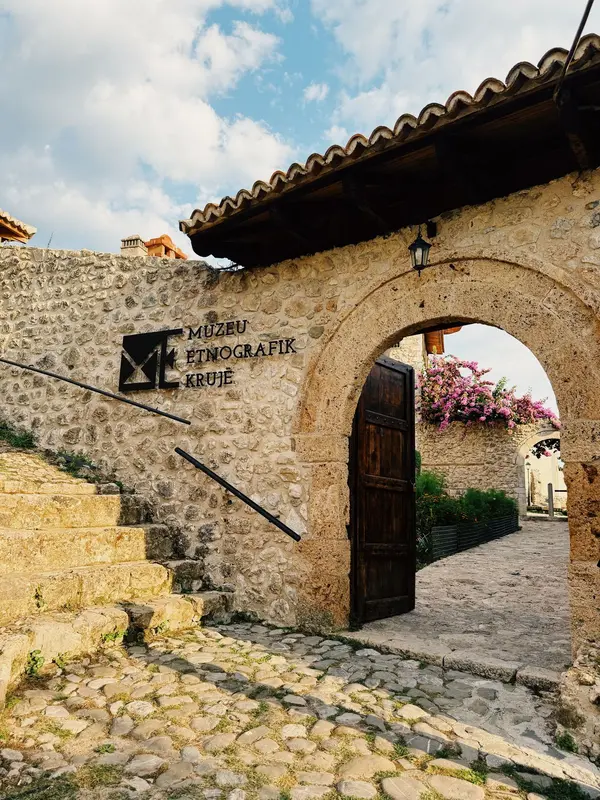
9. Ethnographic Museum
Krujë
An authentic Ottoman house that comes to life before your eyes. You will see up close how the residents of Kruja lived two centuries ago.
Quick facts: Inside the castle of Kruja, this 19th-century Ottoman manor houses over 200 objects of everyday life. Its stone walls reach 60 centimeters in thickness, keeping the cool even during the hottest summer month.
Highlights: On the ground floor you will see the original olive press that operated with the whole family, while the guest room has a ceiling decorated with painted flowers that have not faded in 150 years. The hosts of the house received up to 40 guests at once, and the special reception room shows exactly how they hosted so many people in such a compact space.
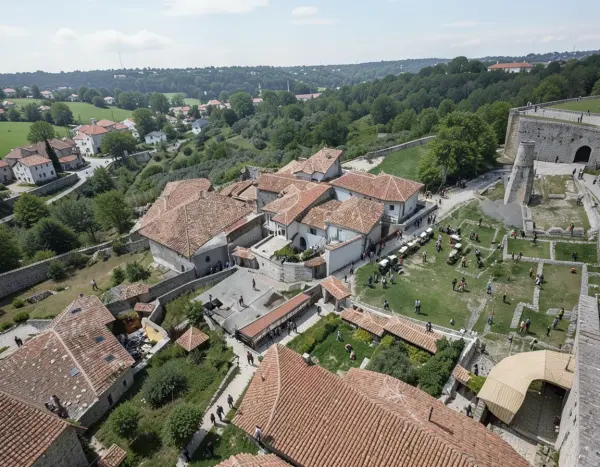
10. Kruja Castle
Krujë
A medieval fortress that kept the Ottomans out for 25 years. Climb the walls and experience the view that Skanderbeg himself once saw.
Quick facts: The castle rises on a 608-meter hill and offers panoramic views over the plain and the sea. Within its walls houses the National Museum of Gjergj Kastrioti Skanderbeg, which honors Albania's national hero.
Highlights: The museum keeps the genuine sword of Skanderbeg, which is said to have weighed so much that only he himself could lift it. The clock tower inside the castle dates from the Ottoman period and still stands upright after five centuries.
Where to Stay in Albania
Selected by City Buddy based on guest reviews and proximity to top attractions
Search all hotels in AlbaniaPowered by agoda
Opening days in Albania
Which of the top sights close on which day of the week — the classic trip-ruiner, checked for you.
Good news: all 9 top sights with known hours are open every day of the week.
Closed on Monday · 0 closed, 9 open
Nothing closes on Monday — all 9 sights with known hours are open.
Opening days from Google Maps. Public holidays, strikes and seasonal hours can differ — check the official website before you go.
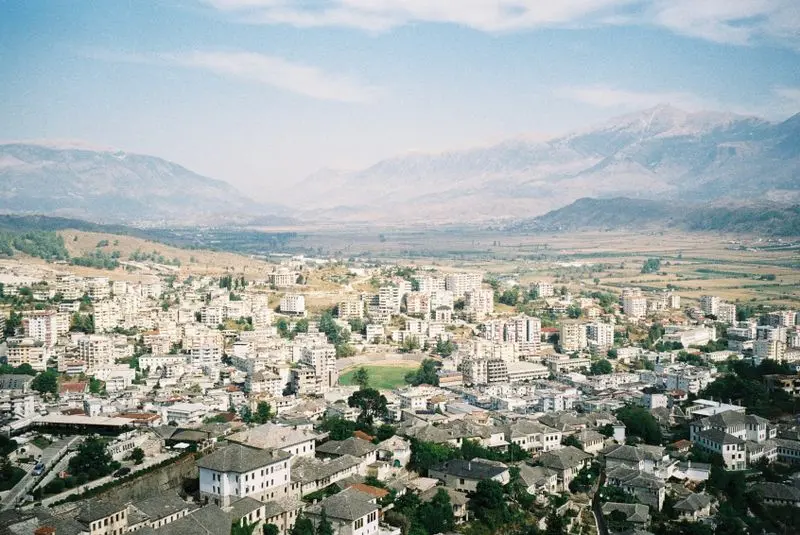
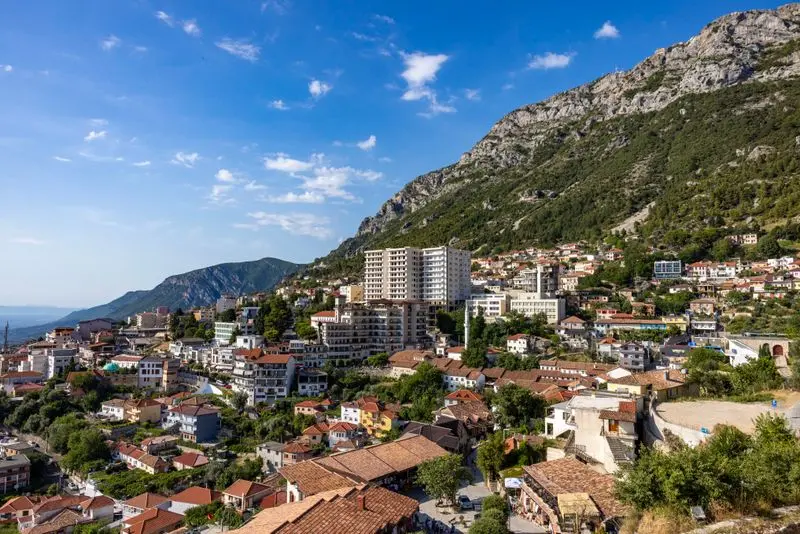
Popular Cities in Albania
Traditional Sweet Dishes
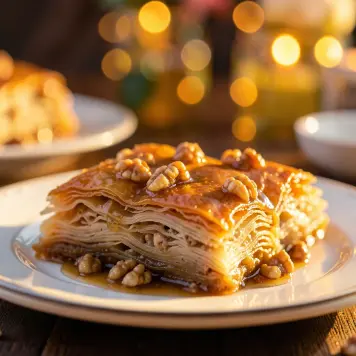
Bakllava
Albanian bakllava is made with layers of thin phyllo dough, walnuts, and a honey syrup, and it is traditionally served at weddings and religious holidays like Bajram. Every Albanian family has its own closely guarded recipe, often passed down through generations of grandmothers.
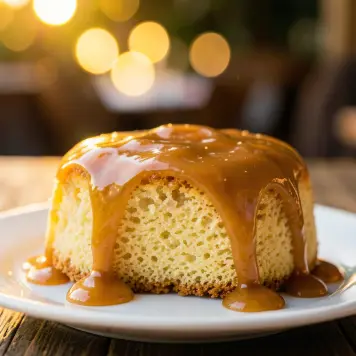
Trilece
Trilece is a three-milk sponge cake soaked in evaporated, condensed, and regular milk, topped with caramel. It has become one of Albania's most beloved desserts in recent decades, often found on the menu of nearly every Albanian restaurant and cafe.
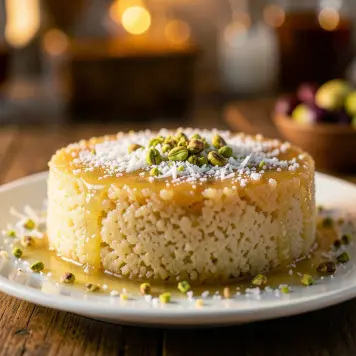
Revani
Revani is a moist semolina cake soaked in a fragrant lemon and sugar syrup, with Ottoman roots that still thrive in Albanian kitchens. It is typically served with a dusting of coconut or crushed pistachios for extra texture.
Traditional Savory Dishes
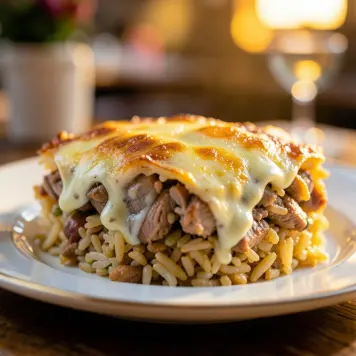
Tavë Kosi
Tavë kosi is Albania's national dish, a baked casserole of lamb and rice enveloped in a tangy yogurt and egg custard with a golden top. It is said to have been invented in the 16th century and remains a source of national pride served in homes and restaurants alike.
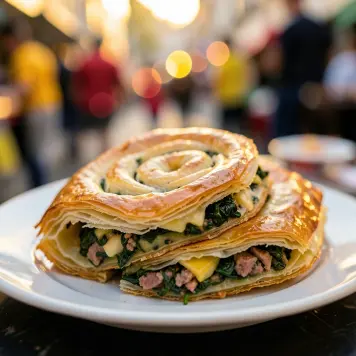
Byrek
Byrek is a flaky phyllo pastry pie that can be filled with spinach, cheese, meat, or leeks, and it is a staple of Albanian breakfast and street food culture. The spiral-shaped version, known as byrek me spinaq, is especially popular on the streets of Tirana.
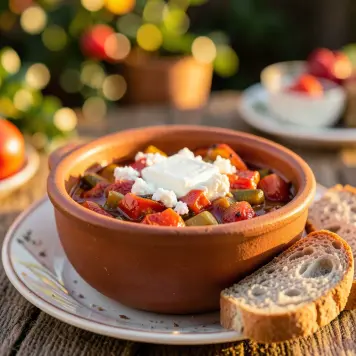
Fërgesë
Fërgesë is a rich peasant-style dish made from roasted peppers, tomatoes, cottage cheese, and butter, traditionally cooked in a clay pot. It originates from central Albania and is often served with fresh bread to soak up every last bit of its creamy sauce.
Traditional Beverages
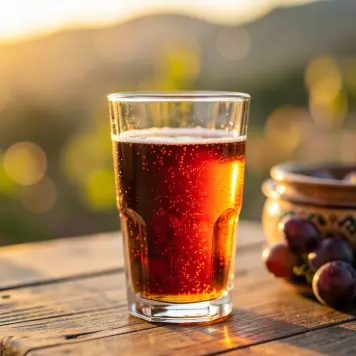
Raki
Raki is Albania's iconic grape-based brandy, often homemade and distilled from local grapes, and it is central to Albanian hospitality. It is traditionally served as a welcome shot to guests and is a symbol of friendship and celebration across the country.

Boza
Boza is a thick, mildly fermented drink made from corn, wheat, or millet, with a sweet and slightly sour taste. Albanians particularly enjoy it in the cold winter months, often paired with a pastry or grilled corn for a warming street-food snack.
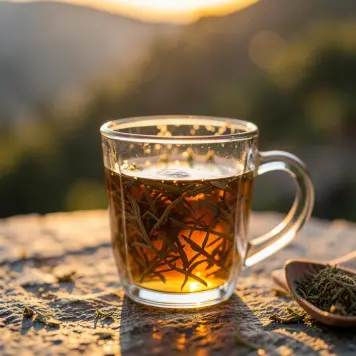
Mountain Tea
Mountain tea, or çaj mali, is a fragrant herbal infusion made from the Sideritis plant that grows wild in the Albanian highlands. It is treasured for its soothing, honey-like taste and is traditionally drunk to fight colds, calm the nerves, and aid digestion.
Frequently Asked Questions about Albania
Is Albania safe for travelers?
How many days are needed to visit Albania?
What is the best time to visit Albania?
Is Albania expensive for a holiday?
How can one get around in Albania?
Get a PDF with the most popular attractions sent to your email
Get a PDF with all attractions, ratings, and tips. Perfect for offline use.
Most popular day trips
Tirana
Vibrant capital with colorful buildings, Skanderbeg Square, and Bunk'Art museums
Berat
UNESCO town of a thousand windows with Ottoman architecture and castle
Gjirokaster
Stone city UNESCO site with hilltop fortress and cobbled old town
Saranda
Coastal resort town near UNESCO Butrint ruins and Ksamil beaches
Getting there
Train stations
Limited services to Durres and Shkoder
Connections to Tirana and Shkoder
From Tirana airport, take the Rinas Express shuttle bus or a taxi into the center, roughly 30 to 40 minutes depending on traffic.
Visa & entry
EU, US, UK, Canada, Australia, New Zealand, Japan, South Korea, and most other countries up to 90 days
Most African and Asian countries, plus some others, need a visa
Travelers with a valid Schengen visa or residence permit can enter Albania visa-free for up to 90 days within 180 days. Check current rules at the Albanian embassy.
Useful information for Albania
Overview for Albania
Want a day-by-day plan for Albania? Open the trip planner
Plan your perfect trip to Albania
Get a complete travel plan built just for you in under 30 seconds, with daily routes, local food tips, budget estimates and more.
Are any of these especially important to you?
Select all that apply
Getting around
How do you want to move between places?
Plan language: English