 CityBuddy
 English
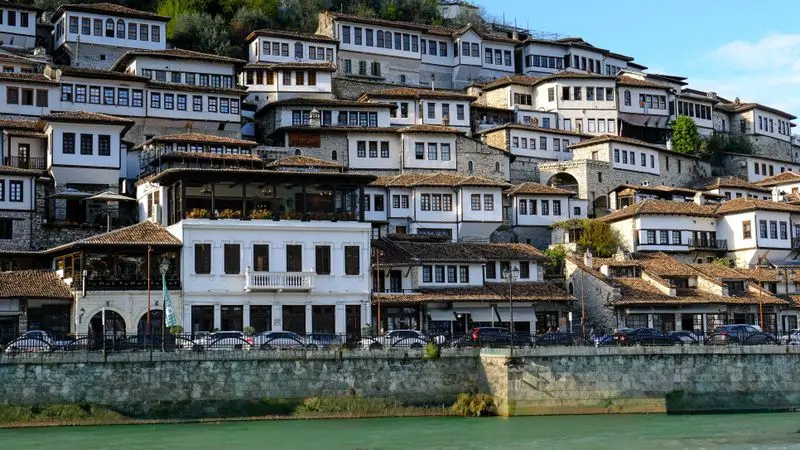
Things to Do in Berat, Albania
Photo made by Besnik Kasemi on Pexels.com
When to visit
Most popular attractions in Berat, Albania
The top things to do in Berat, Albania center on its hilltop Berat Castle, where 200 inhabited houses stand within 2,400-year-old walls. Inside, the Onufri Museum displays icons by the 16th-century master painter, while the Ethnographic Museum of Berat occupies an 18th-century Ottoman house with original interiors. Cross the stone Gorica Bridge afterward for sweeping views of the town's white Ottoman facades.
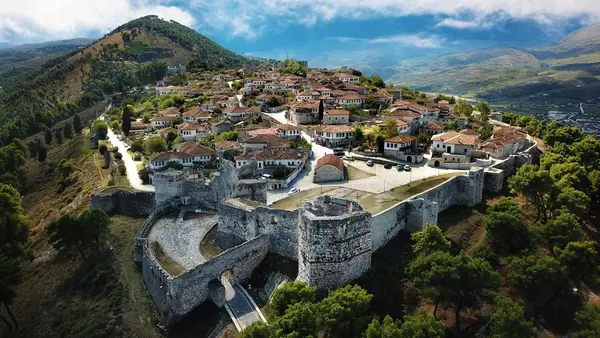
1. Berat Castle
A living fortress where families have dwelled for over two millennia. Wander cobbled lanes, duck into 13th-century churches, and watch the sunset paint the valley below.
Quick facts: Over 2,400 years of continuous habitation make this hilltop fortress one of the oldest still-inhabited castles in the world, with roughly 500 families living inside its walls today. The castle's surviving Byzantine churches, including the 13th-century Church of the Holy Trinity, coexist with Ottoman-era houses built right into the fortifications.
Highlights: Unlike most castles turned into museums, people actually live here, so you'll wander past laundry lines and open doorways alongside ancient stone churches. The Onufri Museum inside the castle holds over 100 icons by Onufri, a 16th-century master whose signature red pigment mixes rose petals with crushed local stone.
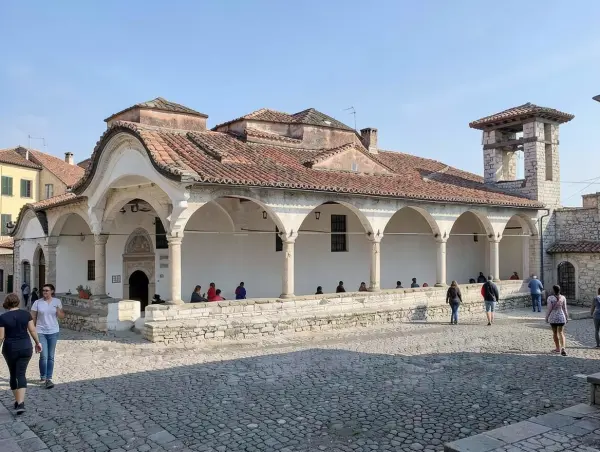
2. Onufri Museum
Step inside a 500-year-old church where Byzantine icons glow with a red that refuses to fade. Marvel at Onufri's masterpieces, carved wooden screens, and wall frescoes in one concentrated hour.
Quick facts: The collection holds over 200 icons and 100 liturgical objects, many created by the 16th century painter Onufri and his son Nikolla. The church building itself, the Dormition of St. Mary, dates from 1797 and was built inside the walls of Berat Castle.
Highlights: Onufri's icons hide a secret in their paint: he mixed egg whites with a rare red pigment made from crushed Armenian stone, and that blend produces a red that still glows richly after nearly 500 years. Look closely at his "Last Supper" and the faces seem to shift as you move, a technique modern scientists have never fully replicated.
3. Ethnographic Museum of Berat
Step inside a real Ottoman merchant's home frozen in time. Wander through centuries-old rooms filled with weaving looms, copper cookware, and family heirlooms that tell everyday Albanian life stories.
Quick facts: Housed in a 18th-century Ottoman mansion, the museum showcases the traditional lifestyle of Berat's wealthy merchant families. Visitors climb through original stone staircases and wooden balconies preserved from the building's residential past.
Highlights: The building itself is the exhibit, an original Ottoman-era home where every room retains its authentic furnishings, from carved ceiling medallions to hand-woven wool carpets. Look for the hidden wall niches that once stored family valuables, and notice how the thick stone walls keep rooms naturally cool even in summer heat.
4. Gorica Bridge
Cross Berat's most beloved stone bridge and step into a neighborhood time forgot. Feel the worn stones underfoot while the Osum River rushes beneath you and the old town rises behind.
Quick facts: This seven-arched stone bridge stretches 129 meters across the Osum River, connecting the old town to the Gorica quarter. Steady foot traffic has worn its limestone surface for centuries, and it remains the main pedestrian crossing in Berat.
Highlights: The bridge's widest arch spans roughly 13 meters, a serious engineering feat for its era, and locals say its slight curve was intentional so mule trains could keep their footing on the wet stone. On summer evenings, the entire span lights up with warm lights that reflect in the Osum River below, making the water glow amber all the way to the far bank.
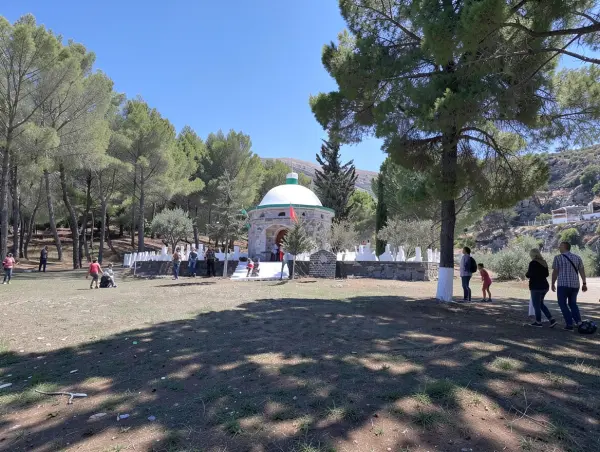
5. Bektashi Tekke
Step into one of Albania's most distinctive Sufi lodges, where history and mysticism meet in the hills above the old town. You'll find ornate interiors, sacred relics, and sweeping views over the stone rooftops below.
Quick facts: A Bektashi Sufi lodge complex sits in the hills above the historic Mangalem quarter, one of several such tekkes in the UNESCO-protected town. Its ritual ceremonies blend Sufi mysticism with uniquely Albanian expressions of faith that set it apart from mainstream Sunni practice.
Highlights: Inside the prayer hall, the tomb of a revered sheikh sits beneath a carved wooden baldachin, with white paper calligraphy panels framing the space instead of large pictorial art. Devotees tie small cloth strips at the shrine as prayer offerings, a tactile ritual you can watch unfold silently on a quiet weekday visit.
6. Mangalem Quarter
Sleep inside a centuries-old stone house in Berat's UNESCO quarter and wake up to the river and hillside views. You'll step straight onto cobbled lanes lined with white Ottoman homes the moment you leave the door.
Quick facts: GuestHouse Mangalem operates from a traditional Ottoman-era stone house tucked into Berat's hillside quarter, with rooms that keep the original wooden ceilings and thick stone walls. The guesthouse sits along Rruga Zoi Tola, a narrow lane just steps from the Osum River that once served as a trade route through the Mangalem neighborhood.
Highlights: From the upper-floor windows, you can watch the white Ottoman houses across the river cluster together so tightly they appear to stack on top of one another, a view that has earned this quarter UNESCO protection. The guesthouse's stone staircase still shows the worn grooves of centuries of footsteps, and the rooftop terrace gives you a direct line of sight to the fortress walls looming above the town.
7. Gorica Quarter
Cross the 1780 stone bridge to the quiet hillside where the best views of Berat's white houses await. Wander cobbled lanes, sip coffee with locals, and watch the sunset wash over the Ottoman skyline.
Quick facts: The Gorica Quarter sits on the opposite bank of the Osum River from Berat's historic Mangalem district, connected by a 1780 stone bridge that survived the communist era. Olive trees and white Ottoman houses climb the hillside here, with the quarter offering some of the best panoramic views of Berat's famous white-windowed houses across the water.
Highlights: The Gorica Bridge, built in 1780 with 7 stone arches, has a hidden story: its center was blown up during WWII to stop advancing German forces and was later meticulously rebuilt with the original stones. From the bridge at golden hour, you can watch the entire white city of Berat reflecting in the Osum River while shepherds still cross with their flocks.
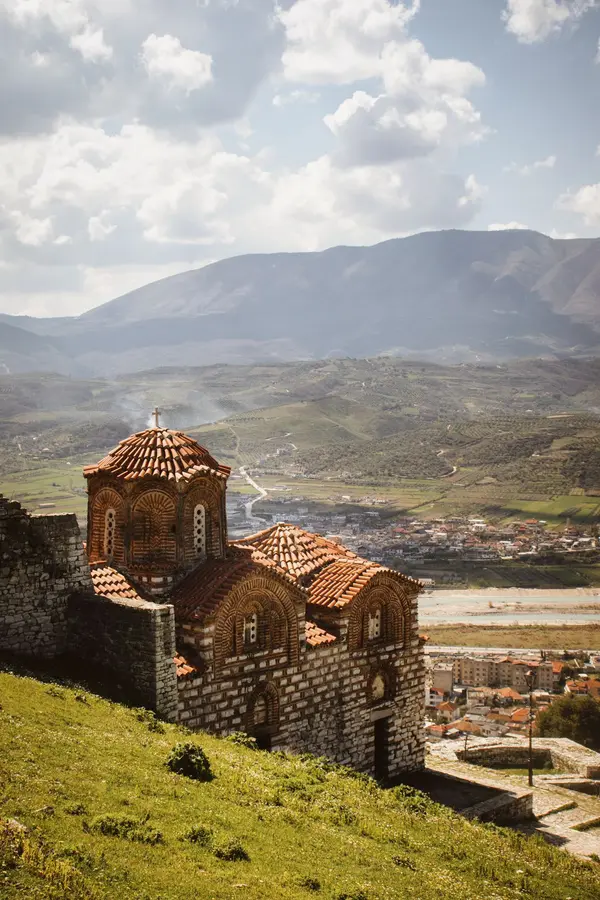
8. Holy Trinity Church
Step into a quiet Orthodox sanctuary where 16th century frescoes still glow on the walls. Climb the bell tower for a sweeping view over Berat's famous white houses and the Osum River below.
Quick facts: This Orthodox church sits within the Mangalem quarter of Berat, a UNESCO World Heritage district where churches and mosques stand within sight of each other. Its bell tower offers one of the clearest vantage points over the Osum River and the city's white Ottoman houses climbing the hillside.
Highlights: The interior preserves fragments of 16th century frescoes that survived centuries of wear, with paint colors still vivid enough to trace the outlines of saints and biblical scenes. What most visitors miss is the small side chapel tucked behind the main nave, which holds a carved wooden iconostasis with gilded details that catch the afternoon light.
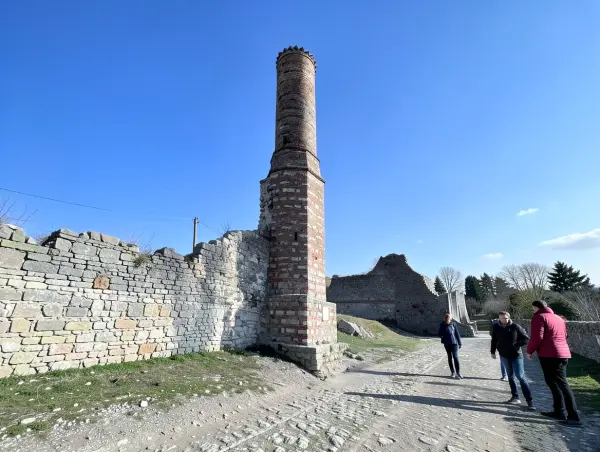
9. Red Mosque Ruins
Stand inside a roofless medieval prayer hall where the Ottoman past lingers in red brick. Panoramic views over the Osum River valley await from the castle's highest quarter.
Quick facts: The Red Mosque is one of only two surviving mosques from the medieval-era fortress quarter of Berat, located within the hilltop castle complex. Its minaret collapsed during the communist era, but the surviving brickwork reveals the distinctive red tone that gives it its name.
Highlights: Up close you can spot the original Ottoman-era brickwork patterns and fragments of the prayer hall walls still clinging to the hilltop, set against panoramic valley views. The structure's bare, roofless state lets you trace the layout of the old prayer hall and imagine the congregation that disappeared after the 1967 ban on religious practice in Albania.
Where to Stay in Berat, Albania
Selected by City Buddy based on guest reviews and proximity to top attractions
Search all hotels in Berat, AlbaniaPowered by agoda
Opening days in Berat, Albania
Which of the top sights close on which day of the week — the classic trip-ruiner, checked for you.
Good news: all 7 top sights with known hours are open every day of the week.
Closed on Monday · 0 closed, 7 open
Nothing closes on Monday — all 7 sights with known hours are open.
Opening days from Google Maps (checked 2026-10-08). Public holidays, strikes and seasonal hours can differ — check the official website before you go.
Traditional Sweet Dishes
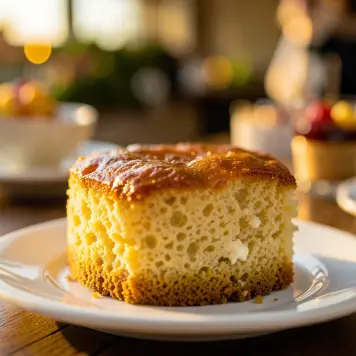
Trilece
Trilece is a beloved Albanian dessert made from three kinds of milk, baked into a caramel-topped sponge cake. It is so popular in Berat that local pastry shops compete to create the fluffiest version.
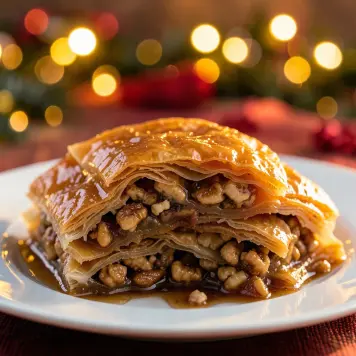
Bakllava
Berat's bakllava features paper-thin layers of phyllo dough filled with walnuts and soaked in sweet syrup. Families in Berat traditionally prepare it together during holidays and celebrations.
Hasude
Hasude is an old Ottoman dessert made from cornstarch, sugar, and rose water, cut into diamond shapes and dusted with powdered sugar. It is a rare treat that reflects Berat's rich culinary heritage.
Traditional Savory Dishes
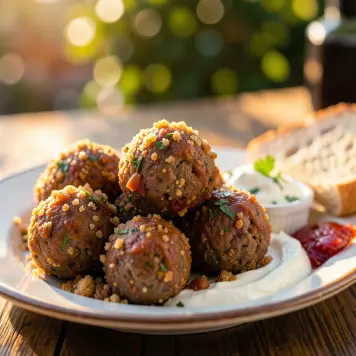
Qofte të Fërguara
These pan-fried meatballs are a staple in Berat, made with a mix of beef and pork blended with breadcrumbs and herbs. They are typically served with yogurt and fresh bread.
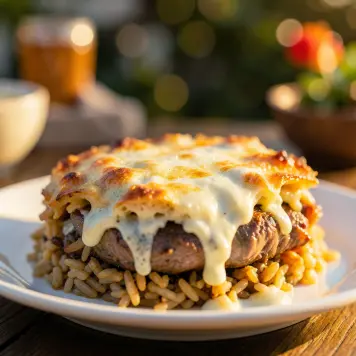
Tavë Kosi
Tavë kosi is a baked dish of lamb and rice covered in a creamy yogurt and egg custard, a true Albanian classic. Berat residents proudly claim their version of this golden-topped casserole is the best in the country.
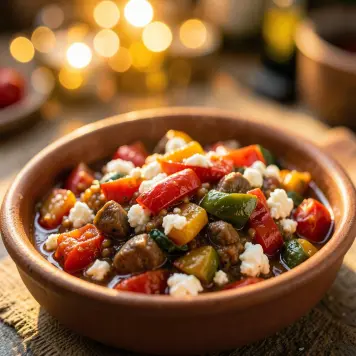
Fërgesë
Fërgesë is a hearty dish of peppers, tomatoes, cottage cheese, and sometimes liver, simmered until thick and rich. In Berat it is often served in a clay pot straight from the oven.
Traditional Beverages

Raki
Raki is Albania's signature grape brandy, and Berat is famous for producing some of the most aromatic versions in the country. It is traditionally served in small glasses alongside meze and offered as a sign of hospitality.
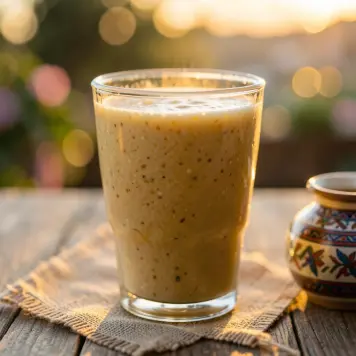
Boza
Boza is a thick, sweet, fermented drink made from corn or wheat, with a slightly tangy flavor. In Berat it is enjoyed as a warming winter beverage and is said to have been a favorite of Ottoman-era locals.
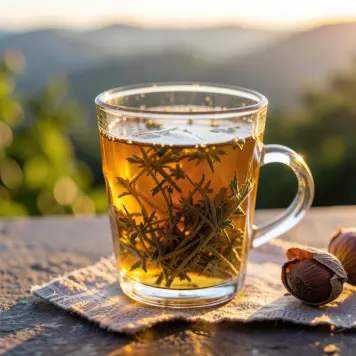
Çaj Mali
Çaj mali, or mountain tea, is a fragrant herbal infusion made from wild-grown Sideritis plants gathered from the hills around Berat. It is treasured for its soothing properties and honeyed aroma.
Frequently Asked Questions about Berat, Albania
Is Berat, Albania safe?
How many days in Berat, Albania?
Best time to visit Berat, Albania?
Is Berat, Albania expensive?
How to get around Berat, Albania?
Get a PDF with the most popular attractions sent to your email
Get a PDF with all attractions, ratings, and tips. Perfect for offline use.
Most popular day trips
Tirana
Albanian capital with colorful buildings, museums, and nightlife
Getting there
Airports
Train stations
Local train service linking to central Albania network
Fly into Tirana (TIA), then take a direct bus or hire a taxi for the 2 hour scenic drive to Berat through rolling hills and vineyards.
Useful information for Berat, Albania
Overview for Berat, Albania
Want a day-by-day plan for Berat, Albania? Open the trip planner
Plan your perfect trip to Berat, Albania
Get a complete travel plan built just for you in under 30 seconds, with daily routes, local food tips, budget estimates and more.
Are any of these especially important to you?
Select all that apply
Getting around
How do you want to move between places?
Plan language: English