 CityBuddy
 English
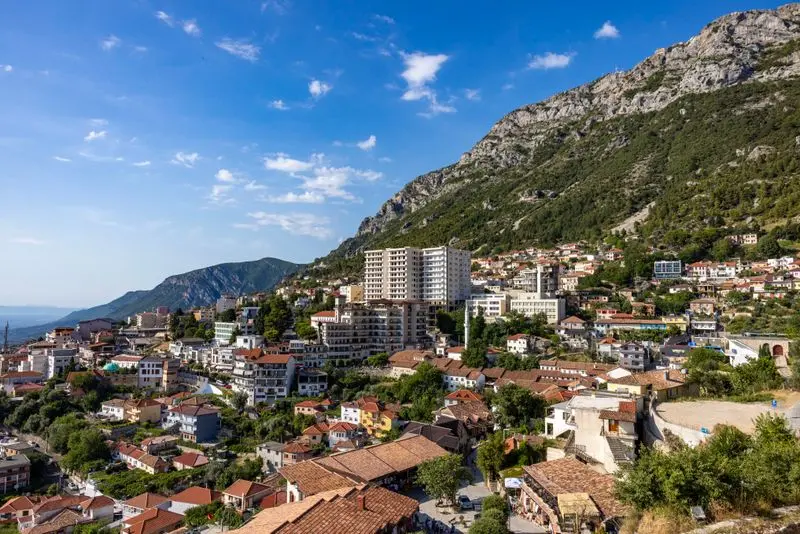
Things to Do in Krujë, Albania
Photo made by Mick Haupt on Pexels.com
When to visit
Most popular attractions in Krujë, Albania
The top things to do in Krujë, Albania center on its cliff-top medieval heritage, anchored by the 12th-century Kruja Castle, where national hero Skanderbeg led resistance against the Ottomans. Inside its walls, the Skanderbeg Museum displays his original helmet and sword. Below, the cobbled Old Bazaar of Kruja stretches roughly 250 meters with nearly 90 artisan shops selling handcrafted rugs and antique silver.
1. Kruja Castle
Step inside the fortress that defied an empire for 25 years of Ottoman sieges. Wander stone passageways, explore a hero's museum, and browse a cobbled bazaar that spills down the mountainside.
Quick facts: The castle served as the stronghold of Skanderbeg, Albania's national hero, who held off Ottoman forces here for over two decades in the 15th century. Its stone walls still stand above the town of Krujë, with the Ottoman-era bazaar street running right below the fortress gates.
Highlights: Visitors can see the original bronze helmet and sword of Skanderbeg, each weighing several kilograms, displayed in the on-site museum that was built in 1982. The castle's panoramic terrace looks out over rolling hills where, according to local stories, shepherds once signaled Skanderbeg's troop movements using smoke during daylight and fire at night.
2. Skanderbeg Museum
Step inside a castle that anchored a 25-year rebellion against an empire. You'll walk through sculpted halls, ancient weapons, and end with panoramic views over the Albanian plains.
Quick facts: The museum rises inside Kruja Castle on a hill over 400 meters above sea level, housing over 660 artifacts tied to Albania's 15th-century resistance against the Ottoman Empire. Its brutalist concrete form, capped with an octagonal tower, was designed in the 1980s to echo the medieval fortress that once stood here.
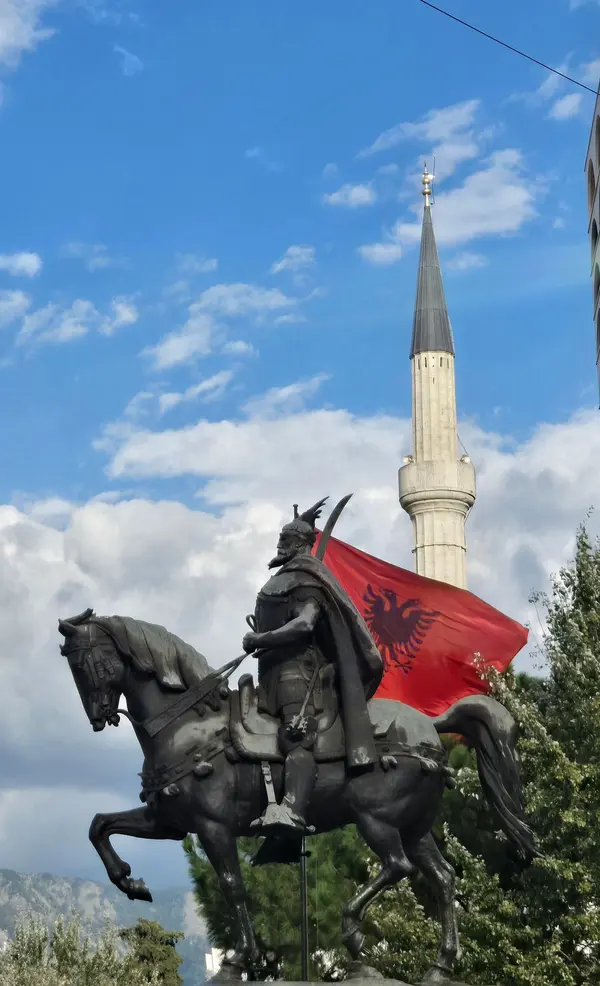
Highlights: The centerpiece is a full-scale reproduction of the famous Skanderbeg helmet, topped with a goat head, an unusual detail that sets it apart from typical royal regalia. Beyond the main hall, an enormous bronze equestrian statue of Skanderbeg anchors the courtyard, a spot locals say is perfect for photos at golden hour when the Adriatic shimmers in the distance.
3. Old Bazaar of Kruja
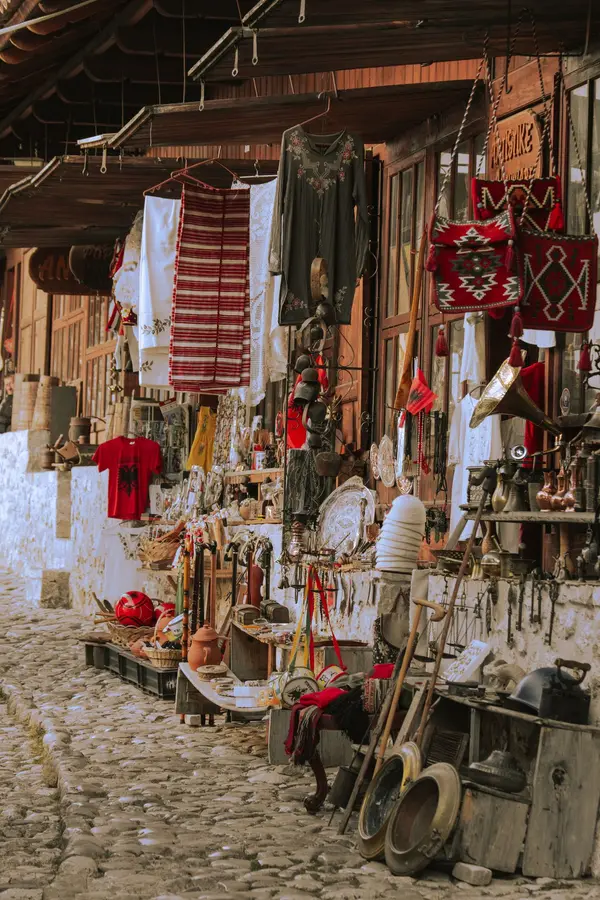
Wander one of Europe's oldest surviving Ottoman bazaars, right below a castle that never fell to siege. Handmade copper pots, wool carpets, and antiques spill from centuries-old stone shops on a steep cobbled lane.
Quick facts: The cobblestone bazaar follows a steep hillside path that ends directly beneath the walls of the 15th century Krujë Castle, where the national hero Skanderbeg once held out against Ottoman sieges. More than 300 traditional craft shops line this 250-meter lane, making it one of Albania's best preserved Ottoman-era market streets.
Highlights: Most stalls still operate out of the original 16th and 17th century stone storefronts, many of which have iron bars and wooden shutters untouched for centuries. Shopkeepers here still hammer out copperware by hand in the same workshops their great-grandparents used, so visitors hear the steady ring of metal on metal echoing down the lane.
4. Ethnographic Museum of Kruja
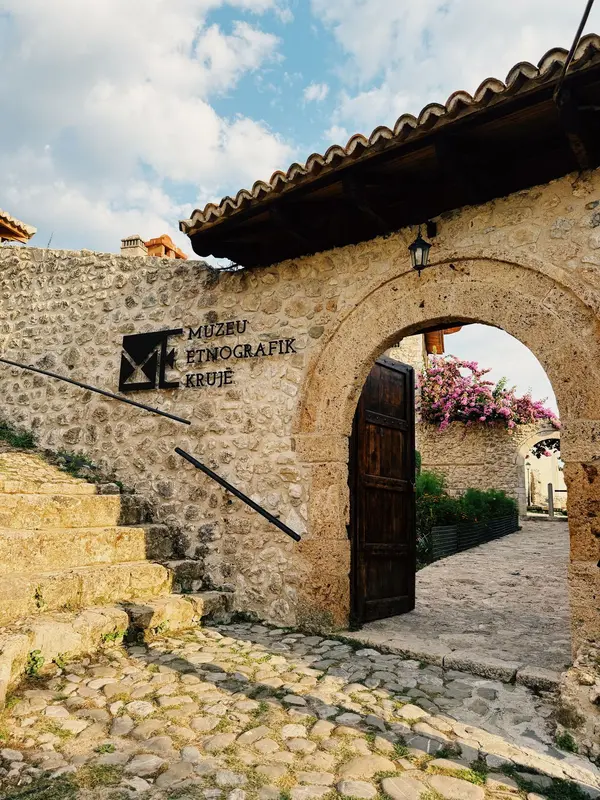
Step inside a 19th century Ottoman home to see how Albanian highlanders truly lived. Wander through rooms filled with handwoven textiles, gleaming copperware, and a bridal chamber frozen in time.
Quick facts: Housed in a restored 19th century Ottoman-era building that once belonged to a wealthy local family, the museum sits inside the medieval citadel of Krujë. Its collection spans traditional Albanian costumes, handwoven rugs, copper cookware, and everyday household objects from the region's mountain communities.
Highlights: The museum building itself is the artifact: the layout of its rooms mirrors how an affluent Ottoman Albanian household actually functioned, from the receiving hall to the private family quarters. One of the most memorable displays is the fully furnished bridal chamber, complete with a carved wooden dowry chest that would have been carried by mule through the mountain passes on wedding day.
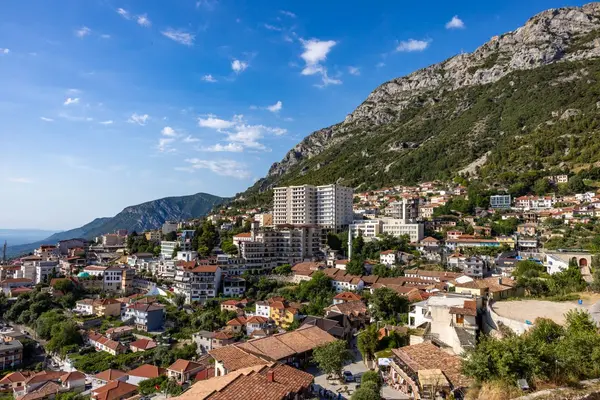
5. Sari Salltik Mountain
A sacred mountain summit where centuries of Bektashi devotion meet sweeping Adriatic views. Hike the switchbacks, tie a prayer ribbon, and gaze across the entire Albanian coastline.
Quick facts: Perched at 1,176 meters above Krujë, this mountain summit holds a sacred sanctuary tied to Sari Salltik, a legendary 13th-century dervish. The site doubles as a Bektashi pilgrimage spot and a panoramic lookout where both religious visitors and hikers gather.
Highlights: Local Bektashi tradition holds that Sari Salltik's spirit protects the valley below, and pilgrims tie small cloths and ribbons to nearby trees as silent prayers. On clear days the view sweeps from the Adriatic coast all the way to Mount Tomorr, roughly 120 kilometers to the south.
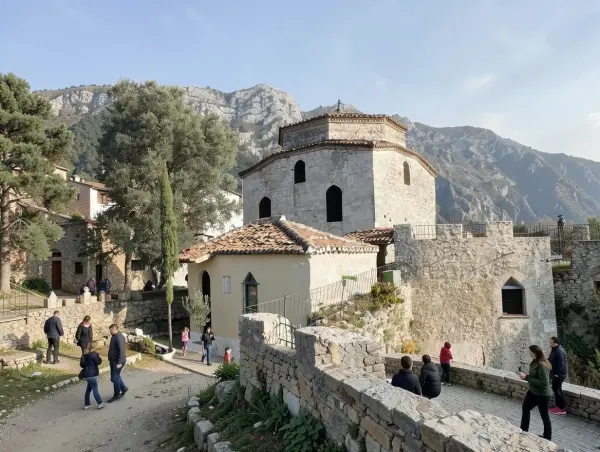
6. Dollma Tekke
A quiet octagonal shrine where Albania's Bektashi tradition lives on just steps from the bazaar. Step inside to see the dervish tomb and feel a peaceful pause before the castle climb.
Quick facts: This octagonal dervish lodge sits right on the approach to Krujë's castle quarter, making it an easy stop before exploring the medieval citadel above. The Bektashi order that worships here keeps its 19th-century layout intact, including a dedicated prayer hall and a separate space for ritual gatherings.
Highlights: Inside, the tomb chamber holds the remains of a Bektashi dervish, and visitors often leave small offerings or tie bits of cloth as a local gesture of respect. The white stone facade stands in quiet contrast to the busy market street below, so a moment here feels like stepping out of the tourist flow entirely.
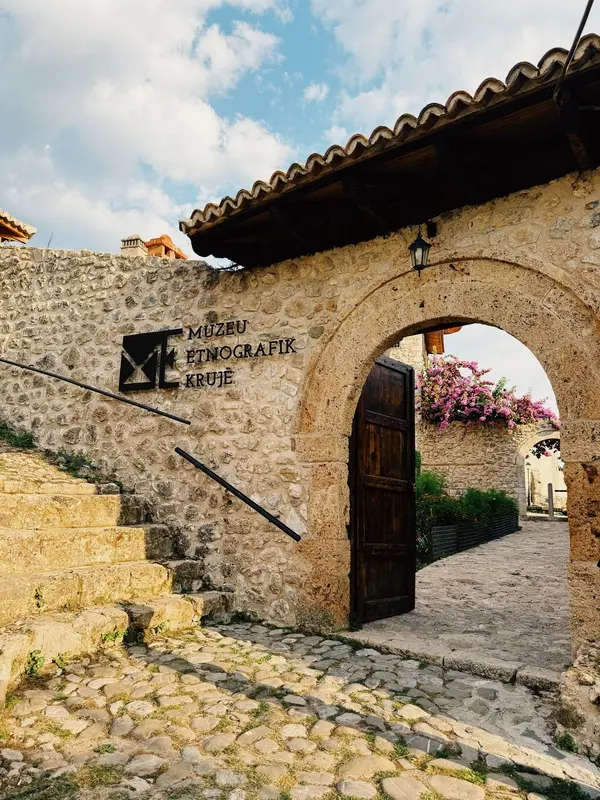
7. National Ethnographic Museum
Step inside a preserved Ottoman-era merchant home and see how its wealthy family actually lived day to day. You'll walk through original rooms filled with authentic tools, textiles, and everyday objects from centuries ago.
Quick facts: Two floors of this 18th century Ottoman-era house show exactly how a wealthy merchant family lived, with original tools, textiles, and household items still on display. The building itself was the home of the Toptani family, one of the most powerful clans in the region, before it became a museum in 1989.
Highlights: The top floor where the family actually slept has a cleverly disguised storage room hidden behind a false wall, a trick used to hide valuables and weapons during raids. You can still see the original carved wooden ceilings and fireplaces that kept this hillside home warm through harsh mountain winters.
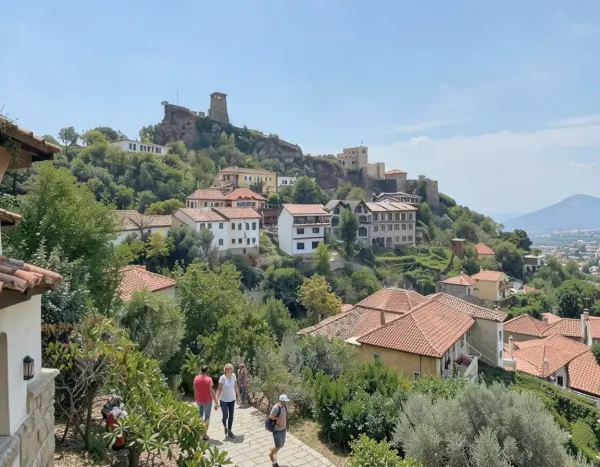
8. Kruja Viewpoint
Panoramic views over the plains where Albania's national hero once rode. Watch the sun drop behind the Adriatic and the bazaar lights flicker on below.
Quick facts: The viewpoint sits above the 13th-century castle quarter, offering a direct sightline down to the plain where Skanderbeg's forces fought Ottoman armies. From here you can trace the entire route of the old bazaar street winding up the hillside below.
Highlights: On clear days the view extends all the way to the Adriatic Sea, roughly 30 kilometers away, and you can watch the light shift across the coastal plain as clouds roll off the mountain. Local guides point out that the fortress walls directly below you were rebuilt in the 1980s, but the original Ottoman-era foundations remain visible at the base.
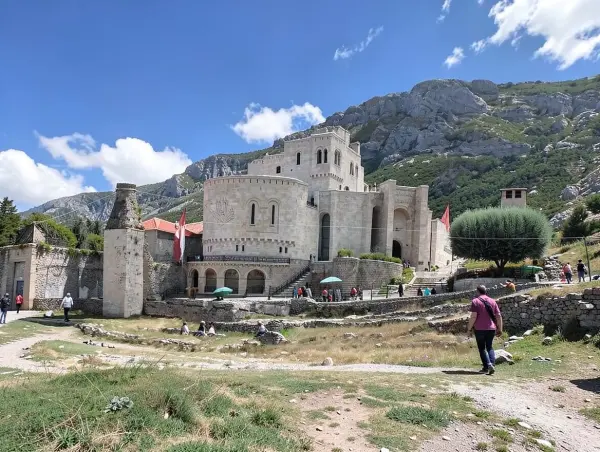
9. Muzeu Gjergj Kastrioti Skënderbeu
Stand inside a fortress that never fell to the Ottomans while alive. Gaze at Skanderbeg's real goat-horned helmet and see the plains where 3,000 men defied an empire.
Quick facts: The museum sits within the reconstructed castle walls of Krujë, high on a hilltop where the Albanian hero Skanderbeg defended against Ottoman sieges in the 15th century. Its brutalist concrete design from the communist era contrasts sharply with the medieval fortress setting, and it holds Skanderbeg's original helmet and sword, said to weigh no more than 3.5 kilograms.
Highlights: Upstairs, a narrow corridor leads to a spot where you can look out over the very plains where Skanderbeg's 3,000 men reportedly routed Ottoman forces in 1450, a landscape that has barely changed in five centuries. The authentic goat-horned helmet with its metal goat crest is kept in a climate-controlled case, and only about 4,000 visitors a day pass through during peak summer, so you can linger near it with elbow room.
Where to Stay in Krujë, Albania
Selected by City Buddy based on guest reviews and proximity to top attractions
Search all hotels in Krujë, AlbaniaPowered by agoda
Opening days in Krujë, Albania
Which of the top sights close on which day of the week — the classic trip-ruiner, checked for you.
Good news: all 6 top sights with known hours are open every day of the week.
Closed on Monday · 0 closed, 6 open
Nothing closes on Monday — all 6 sights with known hours are open.
Opening days from Google Maps (checked 2026-10-08). Public holidays, strikes and seasonal hours can differ — check the official website before you go.
Traditional Sweet Dishes
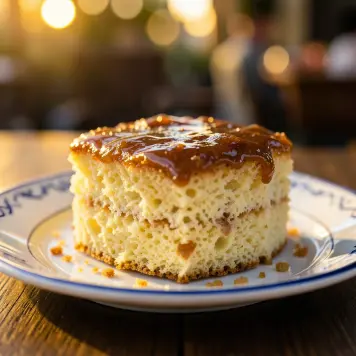
Trilece
Trilece is a beloved Albanian dessert made from three types of milk, soaked sponge cake, and caramelized topping. It has become a signature sweet found in cafes and restaurants throughout Krujë and the wider Albania.
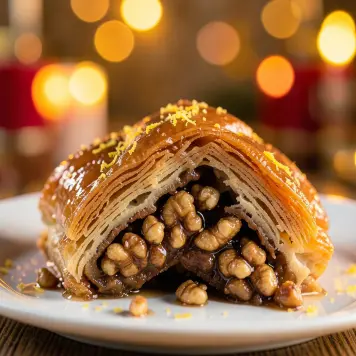
Bakllava
Albanian bakllava is a rich layered pastry filled with walnuts and soaked in sweet syrup, traditionally prepared during holidays and family celebrations. In Krujë, local bakers often add a hint of lemon zest to give their version a distinct citrus aroma.
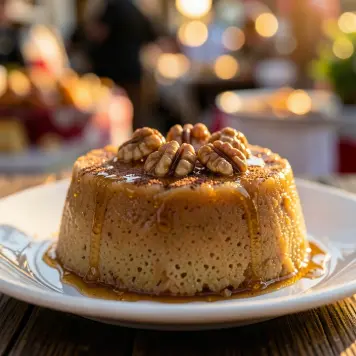
Hasude
Hasude is a traditional Albanian cornstarch-based pudding flavored with honey syrup and topped with walnuts and cinnamon. It is a very old dessert that was commonly served during Ottoman-era gatherings and remains a nostalgic treat in Krujë's old bazaar.
Traditional Savory Dishes
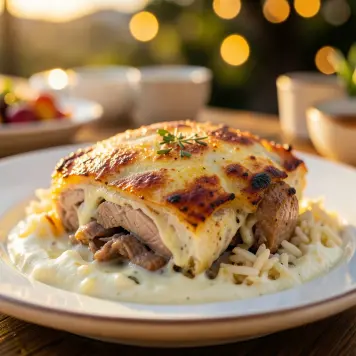
Tavë Kosi
Tavë Kosi is Albania's national dish, featuring baked lamb and rice in a creamy yogurt and egg custard. The dish gets its golden crust from a final browning in the oven, and families in Krujë often make it for Sunday gatherings.
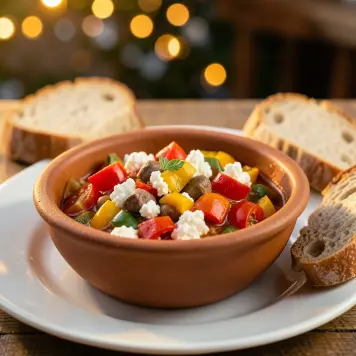
Fërgesë
Fërgesë is a hearty dish of peppers, tomatoes, cottage cheese, and sometimes liver, slowly cooked in a clay dish. It is especially popular in central Albania and is often served with fresh crusty bread in the restaurants around Krujë castle.
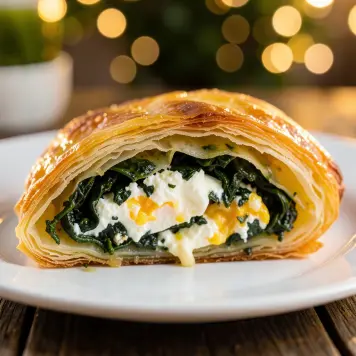
Byrek me Spinaq
Byrek me spinaq is a flaky savory pie filled with spinach, feta cheese, and eggs, baked in thin phyllo layers. In Krujë, bakers brush each layer with butter and olive oil to create an especially crisp and golden pastry.
Traditional Beverages
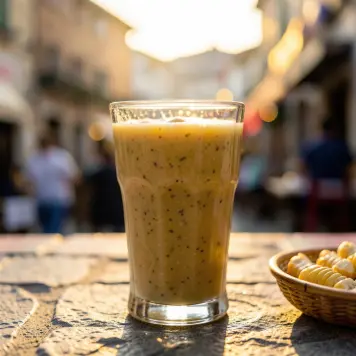
Boza
Boza is a thick, fermented drink made from corn and wheat, with a slightly sweet and tangy flavor. It is a traditional Albanian refreshment that has been enjoyed for centuries and is often sold from street vendors in Krujë's old town.

Raki
Raki is a potent fruit brandy, most commonly distilled from grapes, and is considered Albania's national spirit. In Krujë, it is traditionally served in small glasses alongside meze and is a symbol of hospitality and friendship.
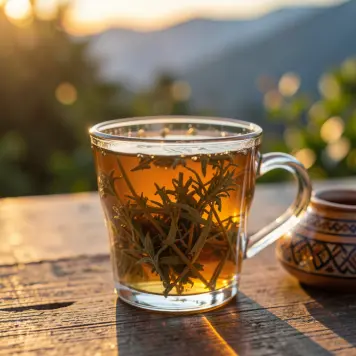
Çaj Mali
Çaj mali, or mountain tea, is a fragrant herbal infusion made from the Sideritis plant that grows wild in Albania's highlands. It is prized for its soothing properties and is a comforting drink enjoyed throughout the year in Krujë's chilly mountain air.
Frequently Asked Questions about Krujë, Albania
Is Krujë, Albania safe?
How many days in Krujë, Albania?
Best time to visit Krujë, Albania?
Is Krujë, Albania expensive?
How to get around Krujë, Albania?
Get a PDF with the most popular attractions sent to your email
Get a PDF with all attractions, ratings, and tips. Perfect for offline use.
Most popular day trips
Tirana
Albania's vibrant capital with museums, cafés, and colorful architecture
Durrës
Coastal city with ancient amphitheater and sandy beaches on the Adriatic
Shkodër
Historic city near Lake Shkodër with Rozafa Castle and Ottoman bazaar
Lezhë
Small town with Lezhë Castle and memorial of national hero Skanderbeg
Mount Dajti
National park offering hiking trails and panoramic views over Tirana
Getting there
Train stations
Local rail from Tirana (limited service)
Main rail hub connecting to Durrës and other cities
From TIA airport, take a taxi or shuttle to Krujë, approximately 40 minutes. Regular buses and furgons run from Tirana's bus terminal to Krujë throughout the day.
Useful information for Krujë, Albania
Overview for Krujë, Albania
Want a day-by-day plan for Krujë, Albania? Open the trip planner
Plan your perfect trip to Krujë, Albania
Get a complete travel plan built just for you in under 30 seconds, with daily routes, local food tips, budget estimates and more.
Are any of these especially important to you?
Select all that apply
Getting around
How do you want to move between places?
Plan language: English