 CityBuddy
 English
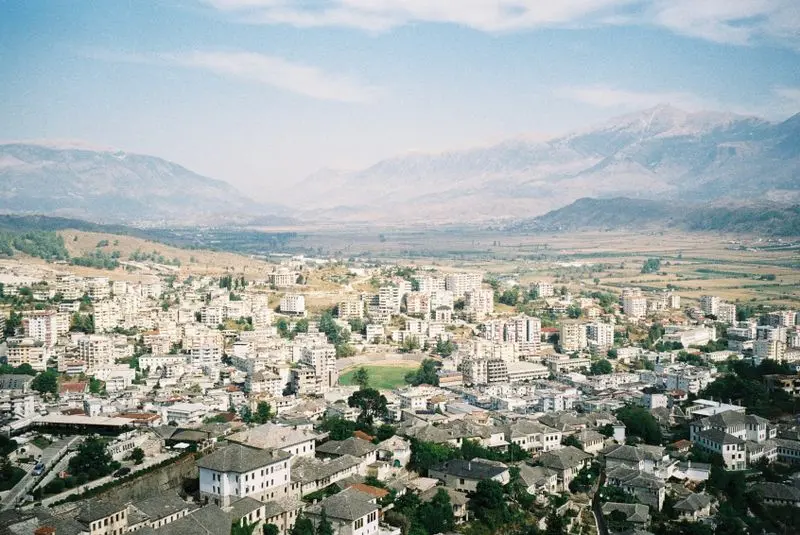
Things to Do in Gjirokastër, Albania
Photo made by Maria Borisenko on Pexels.com
When to visit
Most popular attractions in Gjirokastër, Albania
The top things to do in Gjirokastër, Albania begin with the massive 1,300-year-old Gjirokastër Castle looming over the bazaar, where you can tour its armory and clock tower. Wander the cobbled lanes of Gjirokastër Old Town, then step inside the 18th-century Zekate House, a stone tower-mansion with double-arched façade and stunning valley views.
1. Gjirokastër Castle
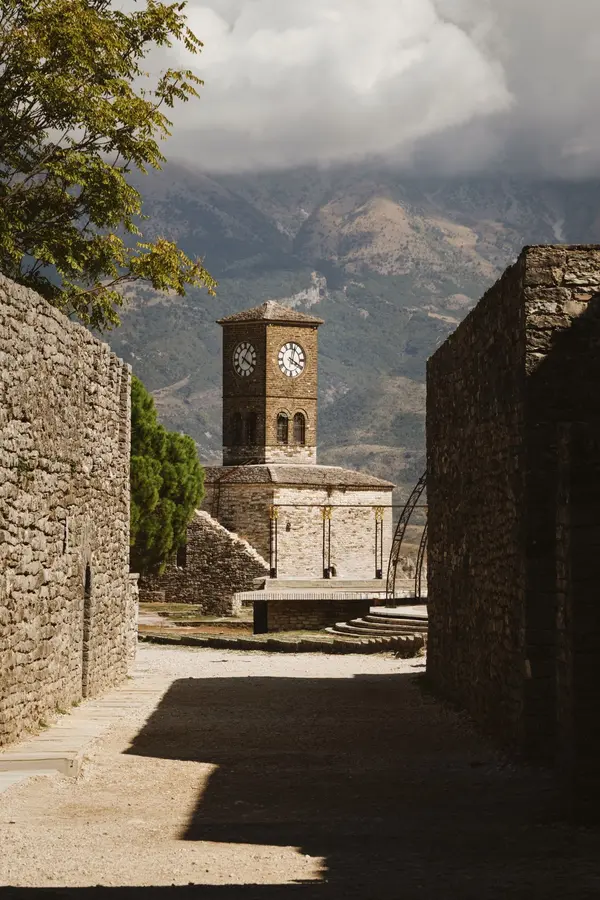
Towering stone walls and arrow-slit windows guard a fortress that watched over empires for centuries. Climb the battlements for sweeping valley views, explore the prison cells, and inspect the Cold War era spy plane inside.
Quick facts: Perched on a hilltop at 336 meters above sea level, this fortress commands views over the entire Drino Valley and the bazaar below. Its clock tower, standing 18 meters tall, was added in the early 19th century and still chimes for locals today.
Highlights: A captured US Air Force T-33 spy plane from 1957 sits on display inside, a relic of the communist era that visitors can walk right up to and touch. The castle also holds an underground tunnel system used as a bomb shelter during the Cold War, stretching deep beneath the stone walls where you can feel the temperature drop dramatically.
2. Skënduli House
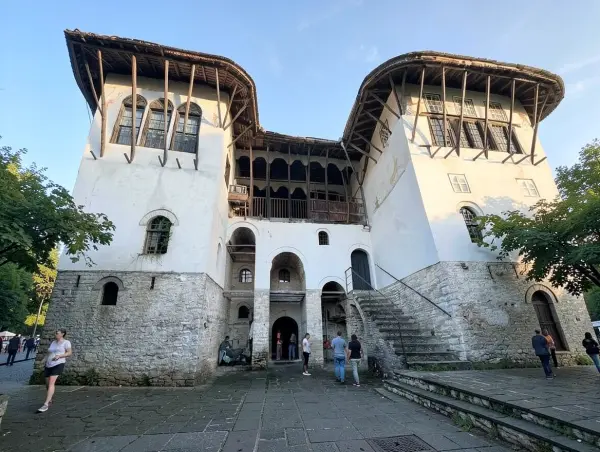
Climb into a 300-year-old fortified home where families once lived behind stone walls and secret niches. Wander through carved wooden rooms, painted ceilings, and a dramatic stone-arched entrance that feels frozen in time.
Quick facts: Skënduli House stands as one of Albania's finest surviving Ottoman-era tower houses, rising four floors in the historic Palorto neighborhood of Gjirokastër's UNESCO-listed old town. Its upper floors served as a fortified home for well-off families, complete with hidden niches, painted ceilings, and windows designed to let residents watch the streets without being seen.
Highlights: Inside, look for the original wooden ceiling panels painted with delicate floral and geometric motifs that have survived centuries, plus the clever built-in cupboards that doubled as hiding spaces during times of conflict. The domed entrance hall with its stone archway creates a surprisingly cool, echoing space that feels like stepping into another era.
3. Zekate House
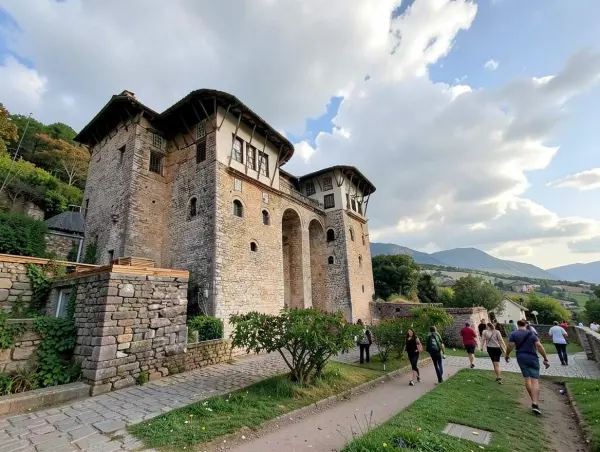
A 200-year-old merchant mansion now serves drinks in its courtyard with a killer view. Wander the stone halls, then kick back at the cozy outdoor bar over the rooftops.
Quick facts: This fortified mansion from the 1800s towers over the old bazaar with its double-arched facade, a signature of wealthy Ottoman-era merchant homes. The outdoor bar in its courtyard turns the historic setting into a relaxed hangout spot with a view.
Highlights: Climb to the top floor gallery and you'll catch a rare perspective where the castle, the old town's slate roofs, and the Drino valley all line up in one frame. The twin-arched front wall is one of only a few surviving examples of this style in the region, giving it a bold, theatrical silhouette you won't see elsewhere in the city.
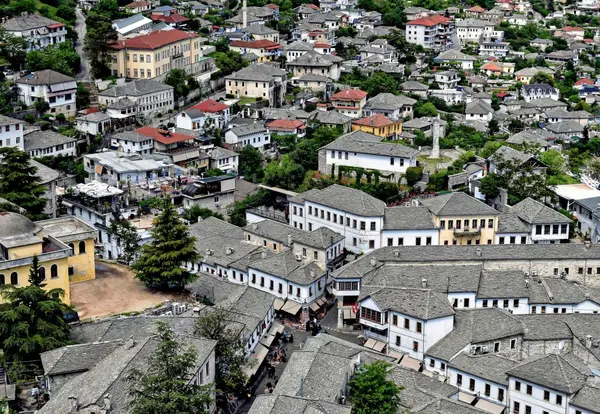
4. Gjirokastër Old Town
Wander a living hillside town where stone roofs roll like waves over centuries-old homes. Climb narrow lanes, meet craftspeople at work, and catch panoramic views down to the Drino Valley.
Quick facts: This cobbled old quarter climbs the hillside above the Drino Valley, with roughly 200 stone-roofed houses dating from the Ottoman period. UNESCO listed the ensemble in 2005, and residents still live in many of the original homes, which means the neighborhood feels alive rather than museum-like.
Highlights: Every roof here is a layer of flat gray stones called "qeramid" stacked by hand, and some homes have roofs weighing over 10 tons. Look for the intricate ironwork on the old wooden balconies; each family had their blacksmith forge a unique pattern as a kind of signature.
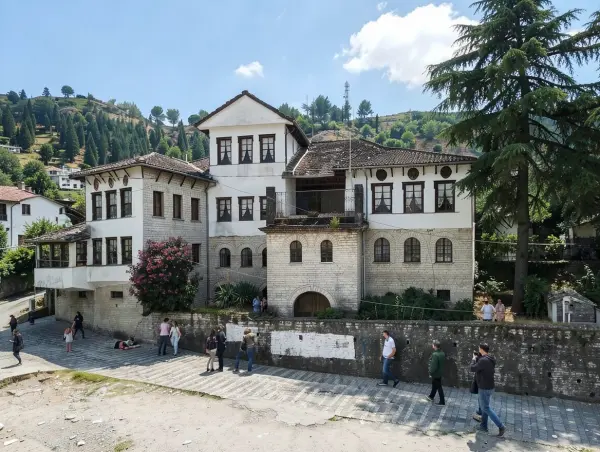
5. Ethnographic Museum
Step inside a restored 18th century mansion that once belonged to Albania's most infamous leader. Wander through sunlit stone rooms, a smoke-darkened kitchen, and woven textile displays that bring Gjirokastër's old way of life back to life.
Quick facts: The museum occupies the 18th century home where Enver Hoxha, Albania's communist dictator, was born in 1908. Inside you will find three floors of reconstructed rooms showing how wealthy Gjirokastër families lived, from the stone-arched kitchen to the wool-woven guest chambers.
Highlights: The most striking feature is the timber-frame top floor that overhangs the street below, carried entirely by stone corbels, a building trick found in almost no other Ottoman town. Look for the iron grate in the kitchen floor that drained the rainwater indoors, a clever system that kept women from having to step outside.
6. Cold War Tunnel
Step into a secret underground escape route that once protected Gjirokastër's leaders. You'll walk a dim, echoing passage and emerge inside the hilltop castle for a full view of the city.
Quick facts: This underground passage runs beneath the old bazaar quarter and was built to shelter the city's leadership during an armed communist uprising in 1997. The tunnel stretches roughly 800 meters and connects the government district to the historic castle above.
Highlights: Visitors walk a dimly lit, vaulted corridor that still bears scorch marks and graffiti from the chaotic days when panicked officials fled through it carrying documents and valuables. A single reinforced steel door at the far end opens into the castle courtyard, letting you step from dark Cold War secrecy straight into Gjirokastër's Ottoman skyline.
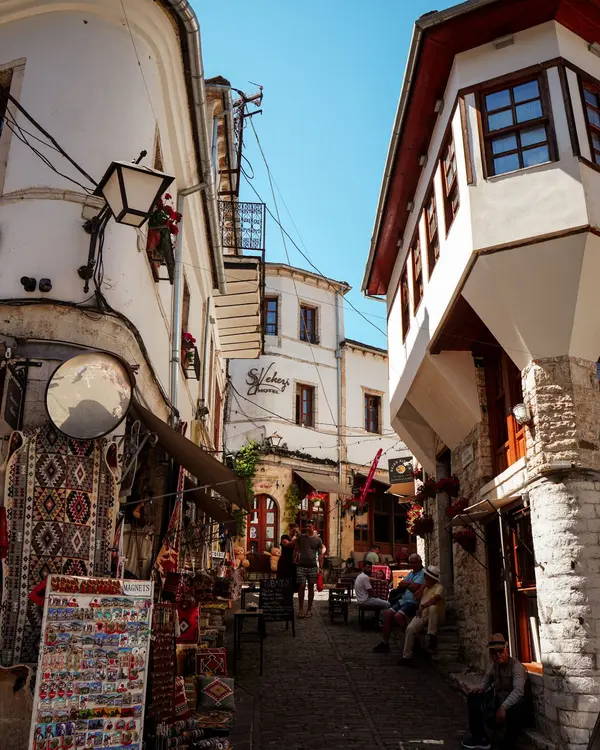
7. Gjirokastër Bazaar
Wander up a steep medieval street where copper hammers still ring out over cobblestones. Smell roasting chestnuts and fresh raki as artisans shape felt hats and engrave silver in centuries-old workshops.
Quick facts: The Ottoman-era market street climbs a steep slope beneath the fortress, where whitewashed stone shops with wooden balconies sell qeleshe felt hats, copperware, and handwoven rugs. Around 40 family-run shops line the cobbled lanes, many operating from workshops passed down through three or four generations.
Highlights: Look for the qeleshe hat makers, who still block and press white felt into the flat-topped skullcaps that Albanian men once wore daily, a craft with roots in the 17th century. The stone-vaulted arcade in the bazaar's middle section kept merchants dry during mountain downpours, and its hand-cut limestone blocks were split without a single nail or mortar joint.
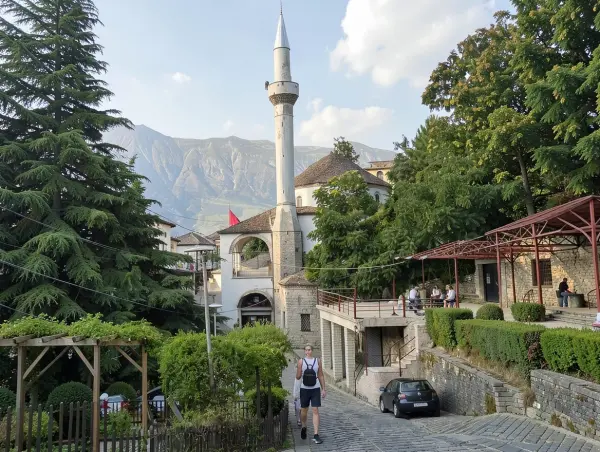
8. Gjirokastër Mosque
A centuries-old stone mosque tucked right into the old bazaar, it gives you a rare glimpse of Ottoman religious life that survived Albania's dark decades. You'll wander through painted interiors and a peaceful courtyard, all minutes from the castle uphill.
Quick facts: This 18th-century stone mosque stands at the heart of the old bazaar quarter, its dome and minaret rising above the slate-roofed houses below. Locals still call it the Bazaar Mosque, a nod to the centuries of trade that once filled the streets around it.
Highlights: The mosque survived Albania's atheist regime when many religious buildings were destroyed, and its soaring bell-shaped tower and painted interior murals feel frozen in time. Step inside on a quiet afternoon and you'll notice the soft echo of the stone courtyard and the faint scent of old timber, a world away from the tourist buzz just steps down the hill.
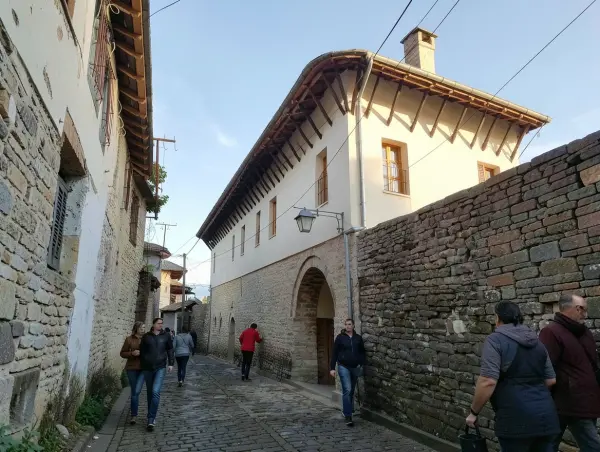
9. Ismail Kadare House
Step into the childhood home of one of Albania's most celebrated writers and walk the same stone corridors that shaped his imagination. You'll see first editions, personal photographs, and the original hearth that warmed the family home.
Quick facts: This 18th-century Ottoman tower house rises four stories above the old bazaar district, and it was the writer's childhood home until he left for Tirana at age 18. The building now operates as a museum dedicated to Kadare's life and literary legacy, managed by the Gjirokastër municipality.
Highlights: Kadare's Nobel Prize shortlist status makes this otherwise modest stone home feel like a literary shrine, and the original wooden staircase and hearth still stand the way they did when he was a boy. The museum holds personal artifacts, first editions, and family photographs that give you a direct line to the man behind works like "Chronicle in Stone" and "The General of the Dead Army."
Where to Stay in Gjirokastër, Albania
Selected by City Buddy based on guest reviews and proximity to top attractions
Search all hotels in Gjirokastër, AlbaniaPowered by agoda
Opening days in Gjirokastër, Albania
Which of the top sights close on which day of the week — the classic trip-ruiner, checked for you.
Good news: all 8 top sights with known hours are open every day of the week.
Closed on Monday · 0 closed, 8 open
Nothing closes on Monday — all 8 sights with known hours are open.
Opening days from Google Maps (checked 2026-10-08). Public holidays, strikes and seasonal hours can differ — check the official website before you go.
Traditional Sweet Dishes
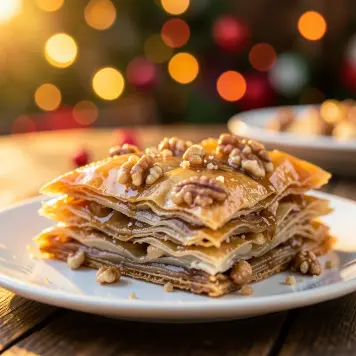
Panoqek
Panoqek is a beloved layered pastry from Gjirokastër, made with thin sheets of dough, walnuts, and syrup. It resembles baklava but has its own distinctive local character and is often served at festive family gatherings.
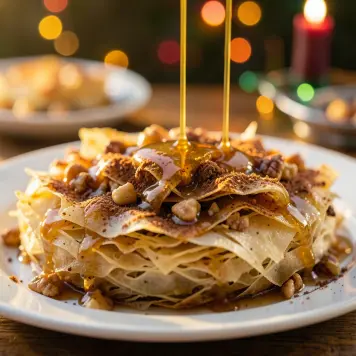
Kadaif
Kadaif in Gjirokastër is made with shredded phyllo dough, nuts, and a sweet syrup poured over while hot. Locals often spice it with cinnamon, and it is a staple served during religious holidays and celebrations.
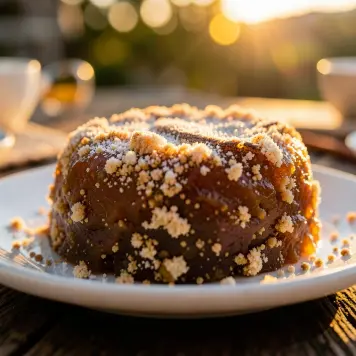
Hasude
Hasude is a traditional jelly-like sweet made from wheat flour, butter, sugar, and cinnamon, and it is closely tied to Gjirokastër's Ottoman heritage. The dish is famously prepared for special occasions and is said to be one of the oldest sweets in the region.
Traditional Savory Dishes
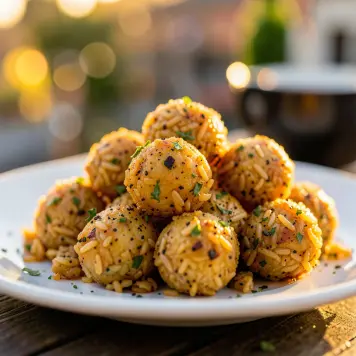
Qifqi
Qifqi are small, golden fried rice balls seasoned with pepper and herbs, a signature dish of Gjirokastër. They are a beloved street food and appetizer that showcase the region's simple yet flavorful cooking style.
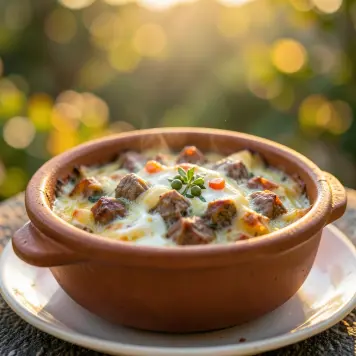
Tave Dheu
Tave Dheu is a rich lamb and yogurt casserole traditionally baked in a clay pot, hence its name meaning "earth pot." It is a hearty, slow-cooked main dish that reflects Gjirokastër's mountain cooking traditions.
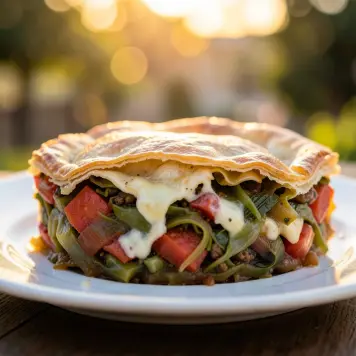
Pispil
Pispil is a savory pie filled with leeks, tomatoes, and sometimes cheese, topped with a golden crust. This rustic dish is a favorite in Gjirokastër and is often enjoyed during the cooler months.
Traditional Beverages
Raki
Raki, a strong grape or mulberry distillate, is the traditional spirit of Gjirokastër and is a fixture at every social occasion. Locals take pride in their homemade raki, which is often served alongside meze and toasted with warm hospitality.
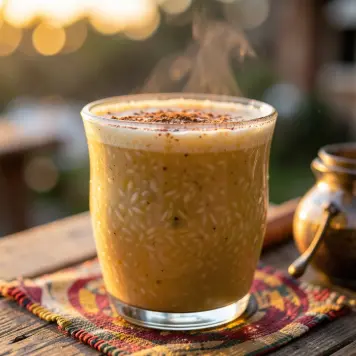
Boza
Boza is a thick, fermented drink made from wheat or corn, with a mildly sweet and tangy flavor. In Gjirokastër it is traditionally enjoyed in winter, often dusted with cinnamon and served as a warming treat.
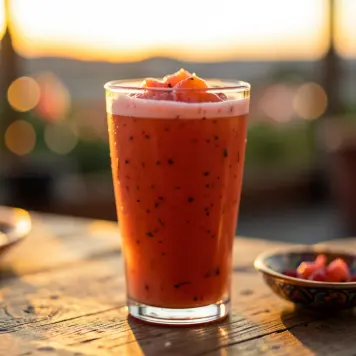
Sherbet
Sherbet is a refreshing sweet drink made from fruit or flower extracts, sugar, and water. It has deep Ottoman roots and is often served to guests as a welcoming gesture in Gjirokastër, especially during festive seasons.
Frequently Asked Questions about Gjirokastër, Albania
Is Gjirokastër, Albania safe?
How many days in Gjirokastër, Albania?
Best time to visit Gjirokastër, Albania?
Is Gjirokastër, Albania expensive?
How to get around Gjirokastër, Albania?
Get a PDF with the most popular attractions sent to your email
Get a PDF with all attractions, ratings, and tips. Perfect for offline use.
Most popular day trips
Butrint Archaeological Park
UNESCO listed ancient Greek and Roman ruins in a lush coastal setting
Blue Eye Spring (Syri i Kalter)
Stunning turquoise natural spring, a popular swimming and picnic spot
Ksamil Beaches
Beautiful Ionian beaches with crystal clear water and island views
Permet
Charming riverside town known for thermal baths and local cuisine
Tepelene Castle
Historic hilltop castle with panoramic views of the Vjosa valley
Getting there
Airports
Train stations
Direct buses from Tirana, Saranda, and Permet
Shared vans to surrounding towns and villages
Fly into Tirana and take a 4 hour scenic bus ride south, or arrive via ferry to Saranda and take a 1 hour bus to Gjirokaster. Buses depart frequently from both hubs.
Useful information for Gjirokastër, Albania
Overview for Gjirokastër, Albania
Want a day-by-day plan for Gjirokastër, Albania? Open the trip planner
Plan your perfect trip to Gjirokastër, Albania
Get a complete travel plan built just for you in under 30 seconds, with daily routes, local food tips, budget estimates and more.
Are any of these especially important to you?
Select all that apply
Getting around
How do you want to move between places?
Plan language: English