 CityBuddy
 English
Things to Do in Munich, Germany
Photo made by Prakhyath DESHPANDE on Pexels.com
When to visit
Munich is the #16 city for healthcare in the world, based on our data across hundreds of destinations.
Most popular attractions in Munich, Germany
Things to do in Munich, Germany include exploring Marienplatz and the Neues Rathaus with its famous Glockenspiel show that plays daily at 11 AM. Visit the Frauenkirche, a symbol of the city with its twin domes. Relax in the Englischer Garten, one of the largest urban parks in the world, featuring the popular Chinesischer Turm beer garden.
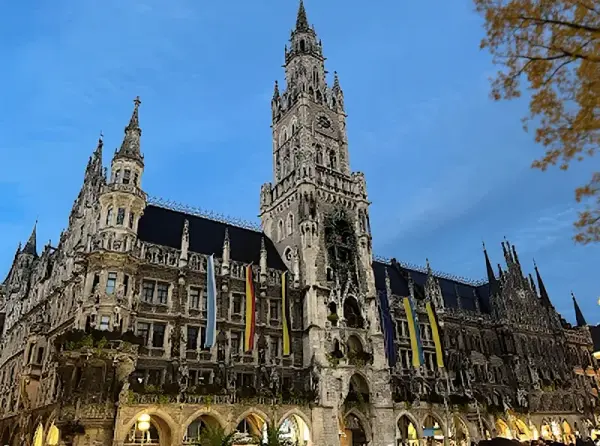
1. Marienplatz & Neues Rathaus (Glockenspiel)
Glockenspiel
Historic heart of Munich, rich in Gothic architecture and lively cafés. See the Glockenspiel's animated show, browse shops, and soak up street music.
Quick facts: Crowds cluster beneath the ornate clock to watch mechanical knights and dancers whirl through a lively joust and a cooper's dance, all timed to a cascade of cheerful chimes. A gleaming rooster crows at the finale while the tower's facade catches warm light, making the brief spectacle a favorite for photographers and locals alike.
Highlights: At 11:00 and 12:00 every day, and at 17:00 in summer, a 43-bell clockwork springs to life as 32 carved life-size figures click and clatter while a miniature joust reenacts the 1568 marriage of Duke Wilhelm V and Renata of Lorraine, the clang of armor slicing through the chatter and the warm scent of pretzel ovens in the square. Below the tournament the Schäfflertanz, a coopers' dance first performed after the 1517 plague, still gets locals talking; the tradition runs on a seven-year rotation and people will proudly tell you whether it's currently 'coopers' year'.
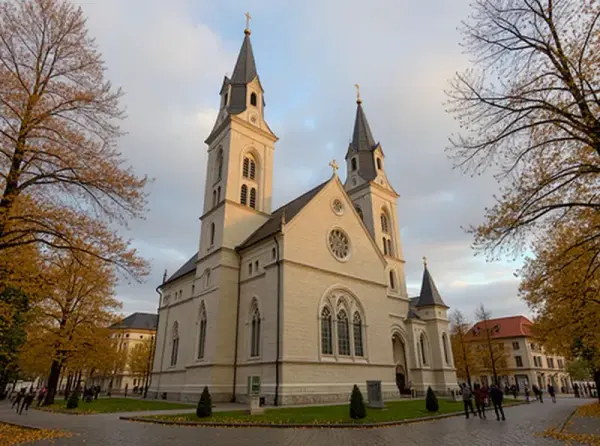
2. Frauenkirche (Cathedral of Our Lady)
Cathedral of Our Lady
Twin-towered cathedral anchoring Munich's skyline and history. Climb the south tower for city views, admire the Gothic nave and the famous 'devil's footprint'.
Quick facts: From the street, twin onion-domed towers soar above the skyline, their warm red-brick mass catching golden light and making the silhouette instantly recognizable. Step inside and you'll spot the notorious 'Devil's Footprint' near the entrance, a single dark mark tied to a centuries-old legend that always makes visitors pause.
Highlights: Step inside and you'll notice a single dark 'devil's footprint' in the red-brick floor near the main entrance, roughly 30 centimeters long, said to mark where the devil stood after the builder tricked him. Two squat towers about 99 meters tall, capped with bulbous green domes added in 1525, give the skyline a medieval silhouette, and on clear days the deep bronze bells and a cool stone draft make the nave feel like a living, breathing echo of the city's past.
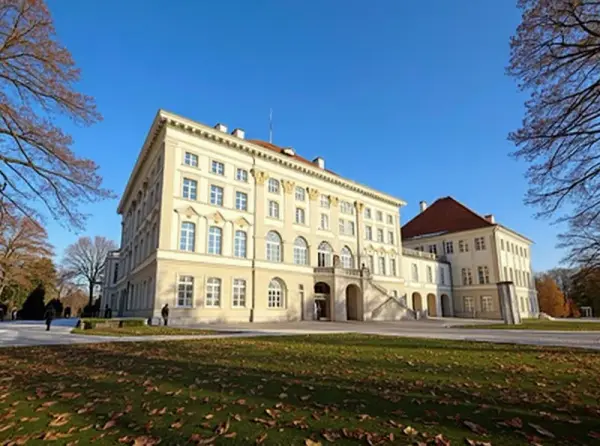
3. Schloss Nymphenburg (Nymphenburg Palace)
Nymphenburg Palace
Opulent Baroque palace with lavish state rooms and vast formal gardens. Wander ornate halls, porcelain rooms and lakeside avenues.
Quick facts: Flickering candlelight once animated a tucked-away court theater behind lavish state rooms, giving visitors an unexpectedly intimate window into royal entertainment. Strolling the broad gardens you encounter axial canals and ornate pavilions, and a porcelain museum nearby displays thousands of painted pieces that catch the light like miniature treasures.
Highlights: A working royal porcelain manufactory on the palace grounds has been hand-painting delicate cups and figurines since 1747, and you can watch artisans brush cobalt blue and gold leaf under a soft, skylit roof. The future King Ludwig II was born in the palace on August 25, 1845, and visitors still point out the small blue-silk room and the exact nursery window where he first peered out at the park.
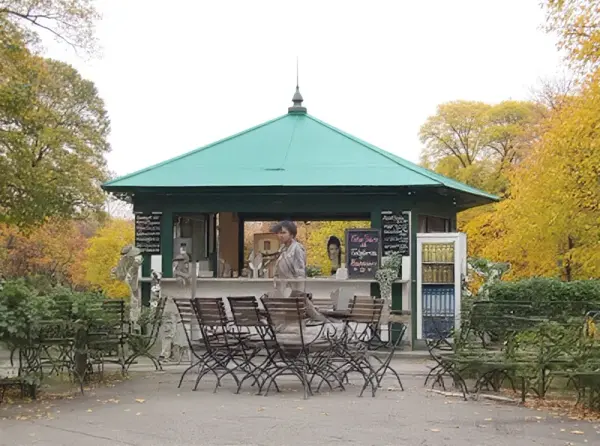
4. Englischer Garten (English Garden) & Chinesischer Turm (Chinese Tower)
Chinese Tower
Wide green park with river surfing and a lively Bavarian beer garden. Stroll riverside paths, catch the Eisbach surfers, or sip a stein under the Chinese Tower.
Quick facts: Step into a sprawling city park that covers more than three square kilometers, even larger than New York's Central Park, and you might watch surfers ride a standing wave on a narrow urban stream while people picnic on sunlit lawns. Nearby, a pagoda-like wooden tower anchors one of Europe's largest beer gardens where brass bands play, chestnut trees shade thousands of picnic benches, and the air fills with roasted pretzels and lager.
Highlights: A narrow urban stream hides a standing wave where up to a dozen surfers rotate through the same curl all day, their boards slapping and camera shutters clicking as roughly 200 spectators cheer from the grassy bank. Beneath a 25-meter wooden pagoda a beer garden of about 7,000 seats fills with the smell of roast pork and stein clinks, while brass bands in lederhosen play on Sunday afternoons and strangers clap along to old Bavarian tunes.
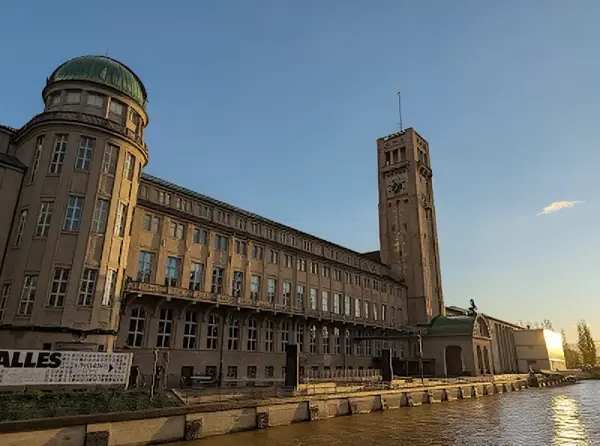
5. Deutsches Museum
Explore science and technology across centuries at Europe's largest science museum. Walk through full-size aircraft, historic steam engines, and hands-on exhibits.
Quick facts: Step inside and you’ll encounter giant steam engines, full-size aircraft suspended above galleries, and tactile displays that make complex technology feel hands-on. More than a million objects span fields from astronomy to aeronautics, and interactive exhibits let you climb into cockpits, pilot simulators, or peer into historic labs.
Highlights: Founded in 1903 by engineer Oskar von Miller, the museum holds roughly 28,000 historical objects, from full-size steam engines to early aircraft, so you can hear heavy flywheels thud, smell hot oil and steam, and watch brass gears glint as they turn. Several times a day volunteers in stained white lab coats run noisy live demonstrations, pushing valves and throttles while guides narrate the clanking machinery and visitors leave with a faint smell of machine oil on their clothes.
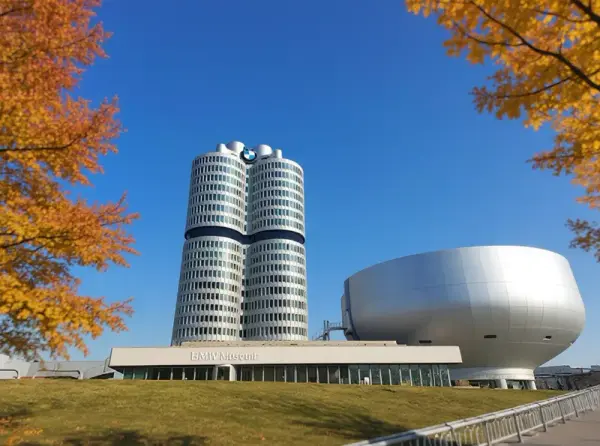
6. BMW Welt & BMW Museum
An immersive look at BMW design and engineering inside a striking glass-and-steel pavilion. Expect interactive displays, rare classics, and showroom-new vehicle deliveries.
Quick facts: A dizzying spiral of glass and steel lets you watch gleaming cars arrive on a theatrical delivery platform, and you can actually smell new leather while guides unpack the latest engineering feats. Interactive exhibits pair iconic race machines with quirky concept models, so you can compare engine roars, sit in cockpits, and trace how aerodynamics shaped decades of design.
Highlights: When buyers collect a brand-new M3 or i8 they ride a glass elevator into a cathedral-like delivery hall, a theatrical ritual started in 2007 that uses pulsing LEDs, a revolving platform, and staff in blue uniforms to transform paperwork into a celebration. Around the corner a chronological display lines up racing icons such as the 1938 328 and the M1 prototype under a coiled ramp, so you can smell warm oil and hear valve clatter as you lean over the glass to spot serial numbers and handwritten factory notes.
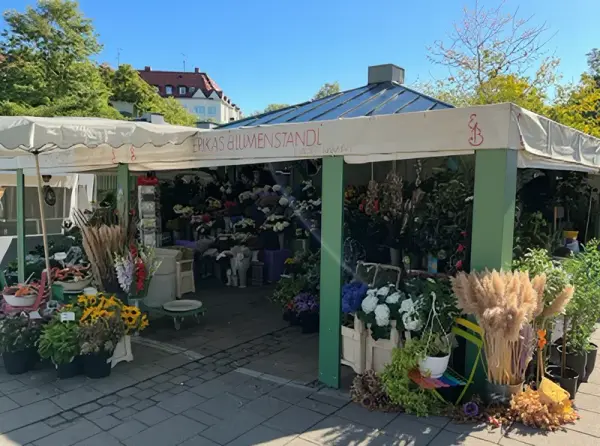
7. Viktualienmarkt
Historic Bavarian market alive with local flavours and color. Taste fresh sausages, cheeses and beer while browsing flowers, produce and artisan stalls.
Quick facts: Bright stalls spill over with seasonal fruits, smoked sausages, artisanal cheeses and flowers, creating a kaleidoscope of color and aroma that pulls in both locals and chefs. Over a hundred vendors offer everything from rare spices to freshly baked pretzels, and weekend brass bands plus a bustling flea-market corner turn mornings into a sensory parade.
Highlights: Every weekday morning, more than 140 colorful stalls spill fragrant heaps of alpine cheeses, glossy apples and smoked trout onto the cobblestones, while the air fills with roasted chestnuts and the brash calls of vendors. A painted maypole rises above the square with carved trade figures, while locals crowd the chestnut-shaded beer garden to polish off Weißwurst with sweet mustard and a Maß before noon.
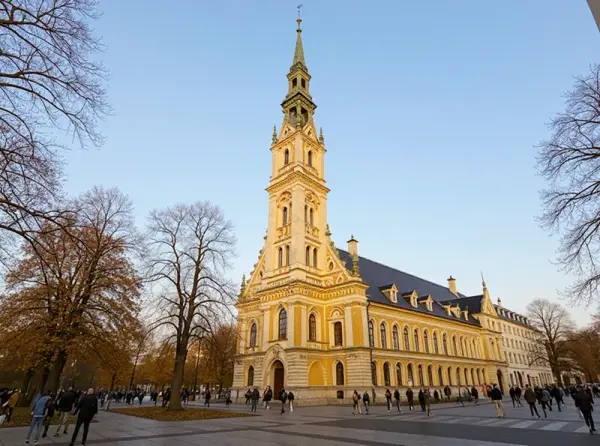
8. Residenz München (Munich Residenz)
Munich Residenz
A sprawling royal palace with dazzling Baroque and Rococo interiors. Walk ornate halls, visit the Treasury, and admire frescoes and court chambers.
Quick facts: Stepping into the great halls feels like wandering through a stage set, with gilded ceilings, painted galleries, and rooms arranged to impress visiting royals. Behind unassuming doors lies a treasury and silver collection, where over a thousand ceremonial objects and glittering jewels reveal the extravagant tastes of former courts.
Highlights: A hall commissioned by Duke Albrecht V in 1568 to showcase his antique sculptures still reads like a theatrical stage, its painted coffers and life-size Roman busts gleaming beneath a soaring Renaissance ceiling. Slip into the tiny Rococo court theatre by François de Cuvilliés, where red velvet, carved gilt, and rows of mirrors once multiplied the light of dozens of candles so performances felt like a play inside a jewel box.
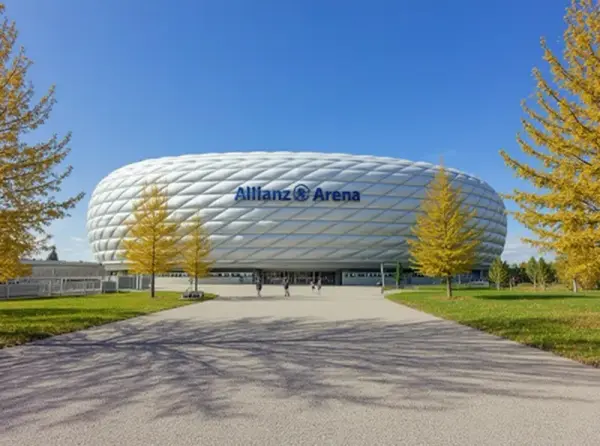
9. Allianz Arena
Big stadium with a glowing exterior and rich football history. Guided tours go pitchside, through locker rooms and the Bayern museum.
Quick facts: A honeycomb of translucent, inflatable panels wraps the stadium and can light up in different colors at night, turning the exterior into a glowing, color-changing spectacle. Spectators pack more than 70,000 steeply raked seats, so crowd noise hits like a wave and the match feels astonishingly close.
Highlights: Designed by Herzog & de Meuron, the stadium's outer skin is made of 2,874 inflatable ETFE cushions that can be lit in a single color, glowing bright red for Bayern matches, white for TSV 1860 nights, or blue for special events and making the whole bowl visible for kilometers after sundown. Inside, roughly 75,000 seats wrap tightly around the pitch so the crowd's roar feels like a physical wave, and after big derby victories fans and players often spill out beneath the illuminated façade to take spontaneous victory photos that flood social feeds.
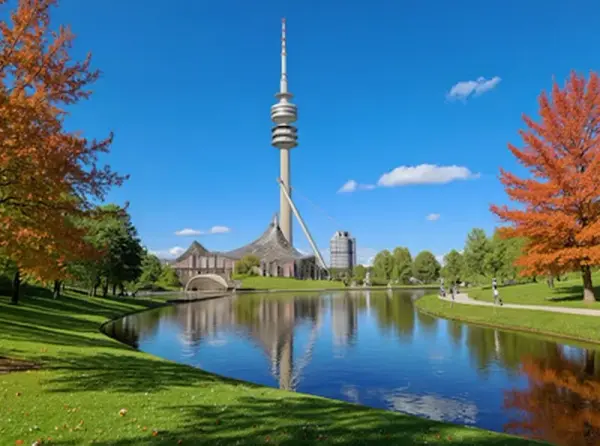
10. Olympiapark (Olympic Park)
Olympic Park
Iconic 1972 Olympic architecture and lively outdoor events make this park worth visiting. Walk under sweeping roofs, climb the Olympic Tower for city views, and relax by the lake.
Quick facts: A sweeping canopy of translucent, tent-like roofs creates an otherworldly, wave-like skyline, and strolling beneath them feels like moving through a futuristic forest of light and shadow. Visitors catch rippling reflections on the lake, enjoy open-air concerts that can swell into the tens of thousands, and climb lookout platforms for vertigo-tinged panoramic views across city and hills.
Highlights: Beneath the sweeping translucent roof sketched by Frei Otto and Günther Behnisch, the tensile canopy, originally built for the 1972 Summer Olympics, uses cable nets that make rain sound like a chorus of tiny drumbeats on the membrane. Each summer a quirky late-night tradition sees locals hauling deck chairs and portable radios up the hill to watch open-air concerts and film screenings under the lights, sometimes packing more than 3,000 people and swapping bratwurst for cold beer.
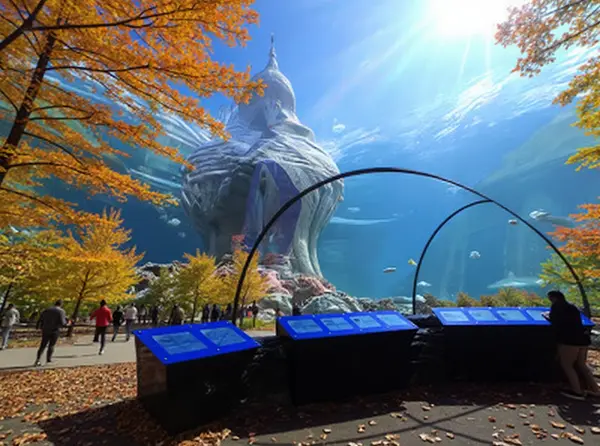
11. Sea Life Munich
Discover 150+ marine species up close in a breathtaking underwater tunnel. Expect hands-on encounters and vibrant aquatic displays that captivate curiosity.
Quick facts: Over 3,000 sea creatures from 150 species swim through immersive tanks here, including hands-on touch pools where you can feel starfish and sea cucumbers. The aquarium features a fascinating ocean tunnel stretching 360 degrees around visitors, creating an underwater experience like no other.
Highlights: A stunning 270-degree ocean tunnel lets you watch sharks, rays, and giant groupers glide just inches above your head and around your sides. Brightly colored coral reefs and bioluminescent creatures light up the tanks, giving an almost magical glimpse into deep-sea worlds.
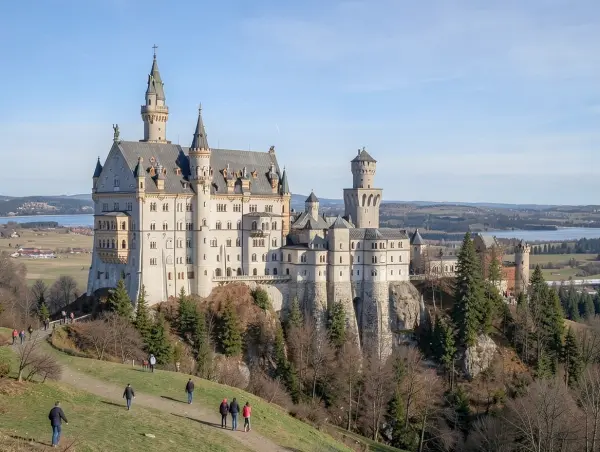
12. Schloss Neuschwanstein
See the castle that inspired Disney's fairy-tale logo, its gold-tipped towers rising over a deep gorge. Wander corridors where a reclusive king dreamed in private, then catch the postcard view from the high bridge.
Quick facts: King Ludwig II paid for everything from his own personal fortune, roughly 6 million marks for a palace he lived in for only 172 days. Around 1.4 million people climb the hill each year to see a place that was never actually finished.
Highlights: The vast throne room holds no throne, Ludwig died before the gilded cathedra under its star-painted ceiling was ever installed. Behind a velvet curtain, a hidden stereoscopic viewing room projected moving scenes just for the reclusive king, a private cinema a century before the movies went mainstream.
What to pre-book in Munich
These sell out or need a reservation. Book them first, in this order.
- 1.Schloss NeuschwansteinBook 4 weeks aheadWeeks in advance in summer, days off-season Skip-the-line tickets
- 2.Deutsches MuseumBook 7 days ahead1-2 weeks in summer Skip-the-line tickets
- 3.Schloss Nymphenburg (Nymphenburg Palace)Book 3 days aheadA few days in summer Skip-the-line tickets
- 4.Residenz München (Munich Residenz)Book 3 days aheadA few days in summer Skip-the-line tickets
- 5.Allianz ArenaBook 3 days aheadA few days ahead in summer, same day usually possible Skip-the-line tickets
Where to Stay in Munich, Germany
Selected by City Buddy based on guest reviews and proximity to top attractions
Search all hotels in Munich, GermanyPowered by agoda
Opening days in Munich, Germany
Which of the top sights close on which day of the week — the classic trip-ruiner, checked for you.
Monday: 1 of 10 top sights closed — plan museums for another day.
Closed on Monday · 1 closed, 9 open
Opening days from Google Maps (checked 2026-09-05). Public holidays, strikes and seasonal hours can differ — check the official website before you go.
Traditional Sweet Dishes
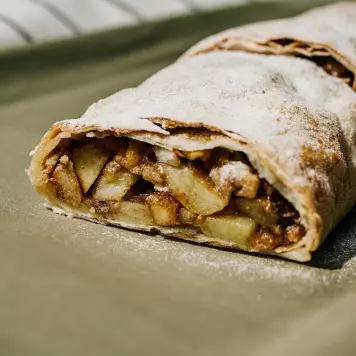
Apfelstrudel
In Munich, apfelstrudel dough is traditionally stretched by hand until it is paper-thin, creating a flaky, cloud-like pastry.
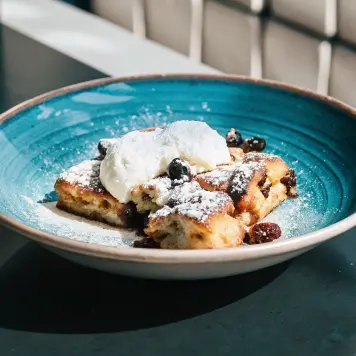
Kaiserschmarrn
Kaiserschmarrn, whose name means "emperor's mess", was famously a favorite of Emperor Franz Joseph and is a shredded, caramelized pancake often studded with rum-soaked raisins.
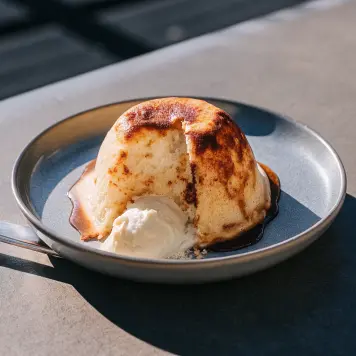
Dampfnudel
A dampfnudel is a steamed yeast dumpling that forms a golden, caramelized base when cooked in milk and butter, giving a delightful contrast between soft interior and crisp bottom.
Traditional Savory Dishes

Weißwurst
Weißwurst was invented in Munich in the 19th century and is traditionally eaten before noon, a custom that comes from the lack of preservatives in the original sausages.

Leberkäse
Leberkäse literally means "liver-cheese", yet many Bavarian varieties contain neither liver nor cheese, making the name a delicious misnomer.
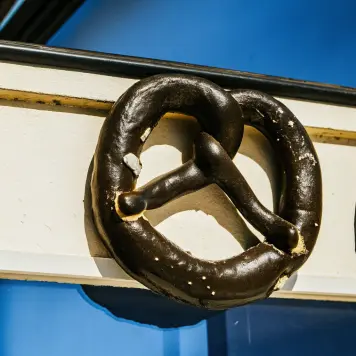
Pretzel
The classic Munich pretzel has a deep brown, glossy crust and a soft, doughy interior, with its knotted shape said to resemble arms folded in prayer.
Traditional Beverages
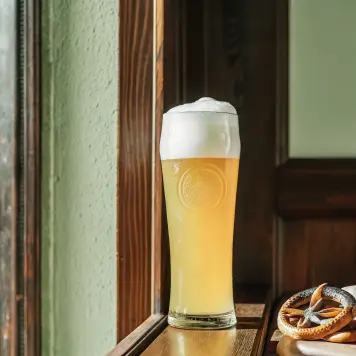
Beer (Weißbier)
Munich Weißbier is a top-fermented wheat beer brewed with a high proportion of malted wheat, and its special yeast gives the beer distinctive banana and clove aromas.

Radler
The Radler was invented near Munich in the 1920s when a tavern owner mixed beer with lemon soda to serve thirsty cyclists, and the drink's name literally means "cyclist".

Glühwein
Glühwein, which means "glow wine" because it is heated until it steams, is the aromatic, spiced mulled wine that defines Munich's Christmas markets.
Know before you go
What a day costs in Munich, and the rip-offs to avoid
Top rip-offs to avoid
- Unlicensed airport drivers. Use only the official taxi rank outside arrivals. Book via Free Now or Uber if you prefer an app.
- Pickpocketing in crowded areas. Keep bags zipped and in front of you. Do not leave phones on tables at outdoor beer gardens or cafés.
- Street game and petition scams. Keep walking and politely decline without engaging. Never hand over your wallet or phone.
Cheaper option: S-Bahn lines S1 or S8 from the airport station beneath the terminal into central Munich (€13.30)
All scams, fair prices and rulesFrequently Asked Questions about Munich, Germany
Is Munich, Germany safe for travelers?
What are the best months to visit Munich, Germany?
Is Munich, Germany expensive to visit?
How to get around Munich, Germany?
Is the tap water in Munich safe to drink?
Get a PDF with the most popular attractions sent to your email
Get a PDF with all attractions, ratings, and tips. Perfect for offline use.
Most popular day trips
Neuschwanstein Castle (Füssen)
Fairy-tale castle set above Hohenschwangau village.
Salzburg (Austria)
Baroque city, Mozart's birthplace, easy cross-border visit.
Dachau Memorial Site
Historic concentration camp memorial and museum.
Getting there
Train stations
ICE, IC, RE, S-Bahn
S-Bahn, regional
From MUC take S1/S8 to city center (~40 min). Buy/validate tickets or use the DB app.
Useful information for Munich, Germany
Overview for Munich, Germany
Compare Munich with other destinations
Prices, safety, weather and top attractions side by side, with a verdict for every kind of traveler.
Want a day-by-day plan for Munich, Germany? Open the trip planner
Plan your perfect trip to Munich, Germany
Get a complete travel plan built just for you in under 30 seconds, with daily routes, local food tips, budget estimates and more.
Are any of these especially important to you?
Select all that apply
Getting around
How do you want to move between places?
Plan language: EnglishMost popular itineraries for Munich, Germany
Browse trip plans created by other travelers
3-Day Munich for Culture and History Enthusiasts with Local Flair
Dive deep into Munich's rich history, vibrant culture, and local secrets with a perfect blend of iconic landmarks and hidden gems tailored for the curious explorer in spring.
5-Day Family Spring Adventure in Munich
A family-friendly spring itinerary in Munich blending iconic landmarks, interactive museums and parks with a comfortable pace and practical tips for traveling with children.