 CityBuddy
 English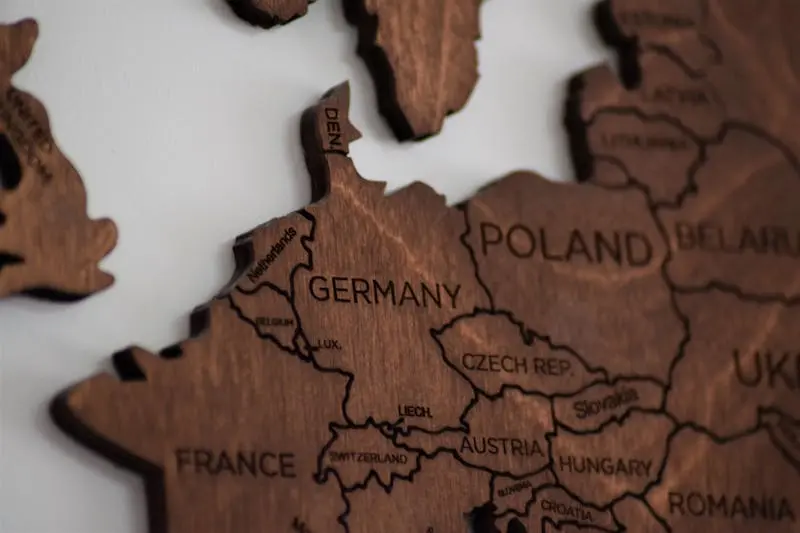
Things to Do in Germany
Photo made by Anthony Beck on Pexels.com
When to visit
Most popular attractions in Germany
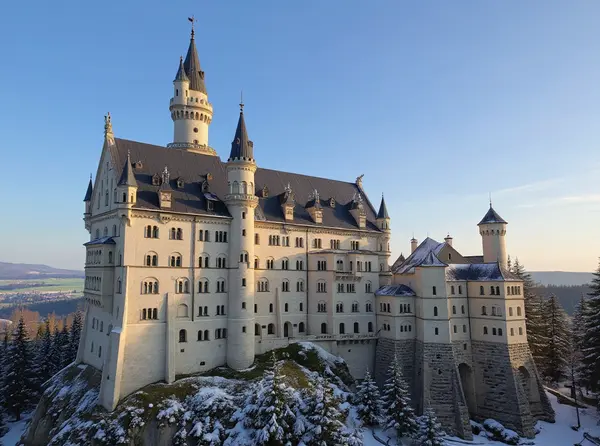
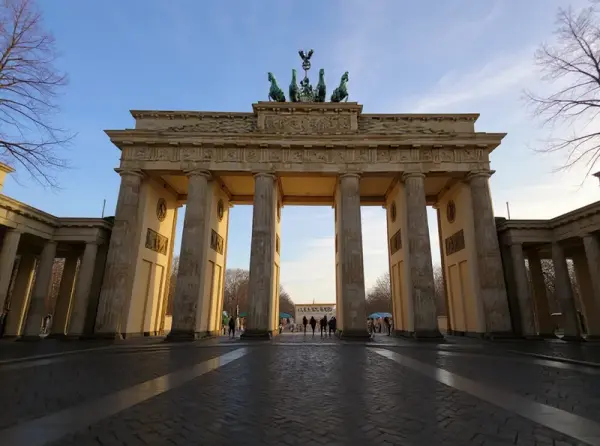
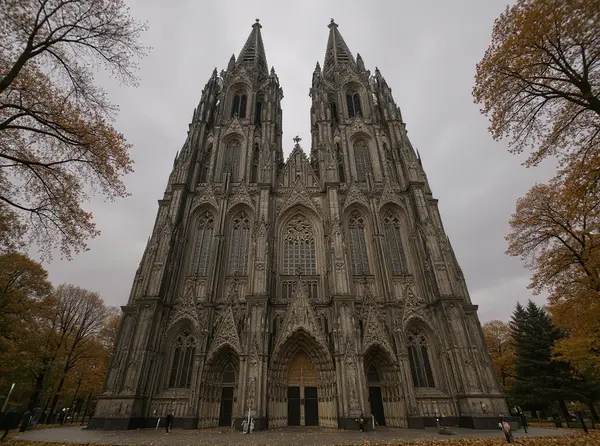
For things to do in Germany, explore the fairy-tale Neuschwanstein Castle near Füssen, or stroll through historic Berlin to see the Brandenburg Gate, just over 1000 meters from the Unter den Linden boulevard. Don’t miss Cologne Cathedral, a Gothic masterpiece towering 157 meters above the city skyline.
1. Neuschwanstein Castle
Schwangau
Fairytale architecture and alpine panoramas worth seeing. Explore turrets, frescoed halls, and dramatic mountain views.
Quick facts: A Bavarian king poured his private fortune into a fairytale fortress, leaving lavish rooms and unfinished plans that still fuel curiosity. More than 1.4 million people visit each year, so expect long lines and crowded viewpoints unless you plan ahead.
Highlights: King Ludwig II lived there for only 11 nights, yet ordered an artificial grotto with a man-made waterfall and electric lighting to evoke scenes from Wagner's operas. A gigantic throne hall was planned but never received a throne, so visitors walk beneath frescoed ceilings and imagine grand ceremonies that never happened.
2. Brandenburg Gate
Berlin
Photogenic historic arch perfect for photos and people-watching. Close-up sculpture details and wide plaza views await.
Quick facts: A neoclassical triumphal arch anchors a broad ceremonial plaza, acting as a backdrop for political speeches and public gatherings through many eras. Look up to see a bronze Quadriga crowning the top, its four horses aged to a pale green that photographers chase at dawn.
Highlights: Crowning the arch sits the Quadriga, a four-horse bronze chariot famously taken to Paris by Napoleon in 1806 and returned in 1814 under the orders of General Blücher. An old shrapnel mark near the base survives as a tactile wartime scar, while powerful floodlights turn the sandstone warm-gold after dark.
3. Cologne Cathedral
Cologne
Jaw-dropping Gothic architecture up close. Climb the tower, stare through jewel-toned glass, feel centuries under your feet.
Quick facts: A towering Gothic masterpiece reaches almost 157 meters, with twin spires that dominate the skyline and can be seen from many vantage points across the city. Inside, jewel-toned stained glass floods the nave, and a famous gold-and-enamel reliquary draws pilgrims and curious visitors.
Highlights: A gold-and-enamel reliquary attributed to Nicholas of Verdun measures about three meters and is studded with pearls and intricate enamel scenes, attracting centuries of pilgrims. Climbing 533 steps to the south tower rewards you with a dizzying panorama over the river and, on clear days, views that extend to the Eifel hills some 50 kilometers away.
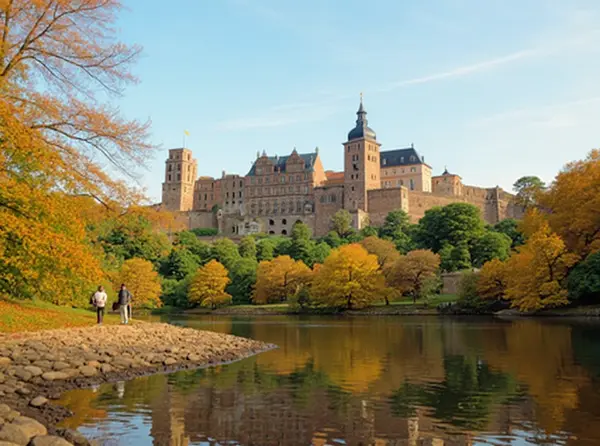
4. Heidelberg Castle
Heidelberg
Ruins, ramparts, and sweeping river views reward the climb. Explore sunlit terraces, ornate facades, and a colossal wine barrel.
Quick facts: Reddish sandstone ruins perch above the old town, offering sweeping views over a river and vine-covered slopes. Visitors wander through a mix of ornate Renaissance facades and battered walls, and can peer into a cellar housing a famously enormous wine barrel holding about 220,000 liters.
Highlights: Step into the cellar to stand beside the Große Fass, a wine barrel holding about 220,000 liters, its hand-carved lions and panels still visible. Up on the terraces, sunsets set the red stone aglow while the valley and old bridge spread out like a painted panorama.

5. Zugspitze
Garmisch-Partenkirchen
Sky-high panoramas above glaciers and clouds. A thrilling cable-car ascent and glass viewing decks await.
Quick facts: You can stand nearly 3,000 meters above sea level with permanent snowfields and panoramic ridgelines right under your feet. A single cable-car ride climbs most of the elevation in under ten minutes, flipping the landscape from forested lake to wind-swept rock.
Highlights: At 2,962 meters a 360-degree viewpoint reaches across four countries on clear days, sunlight glinting off distant glaciers and jagged summits. A high-speed cable car rises nearly 2,000 vertical meters in about ten minutes, depositing visitors onto a rocky plateau where wind carves the snow into sculpted cornices.
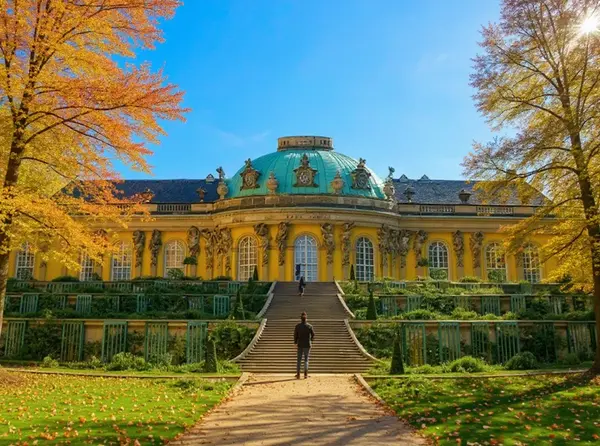
6. Sanssouci Palace
Potsdam
Royal rococo charm in an intimate setting. Wander pastel salons, terraced vines and sweeping formal gardens.
Quick facts: A former summer retreat for Frederick the Great, the palace crowns a terraced vineyard and faces sweeping formal gardens. Ornate rococo rooms hold original furnishings and a porcelain-covered concert space where chamber music was regularly played.
Highlights: Step inside pastel rococo salons once used for private concerts, where Frederick hosted musicians like Carl Philipp Emanuel Bach for gatherings often under 100 guests. Climb the terraced vineyard steps to a viewpoints crowned by an Apollo statue, where the scent of roses and clipped lime trees mixes with the distant echo of fountains.
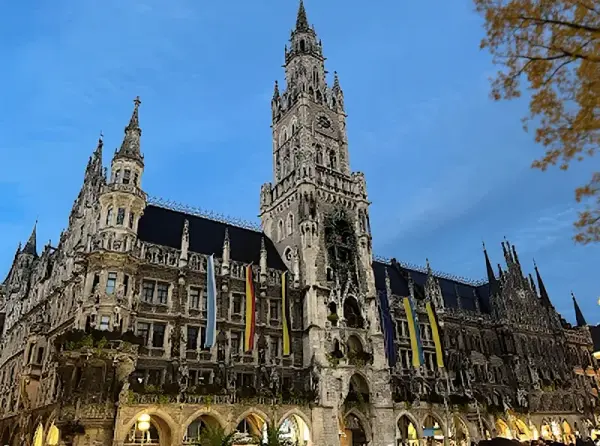
7. Marienplatz & Neues Rathaus
Munich
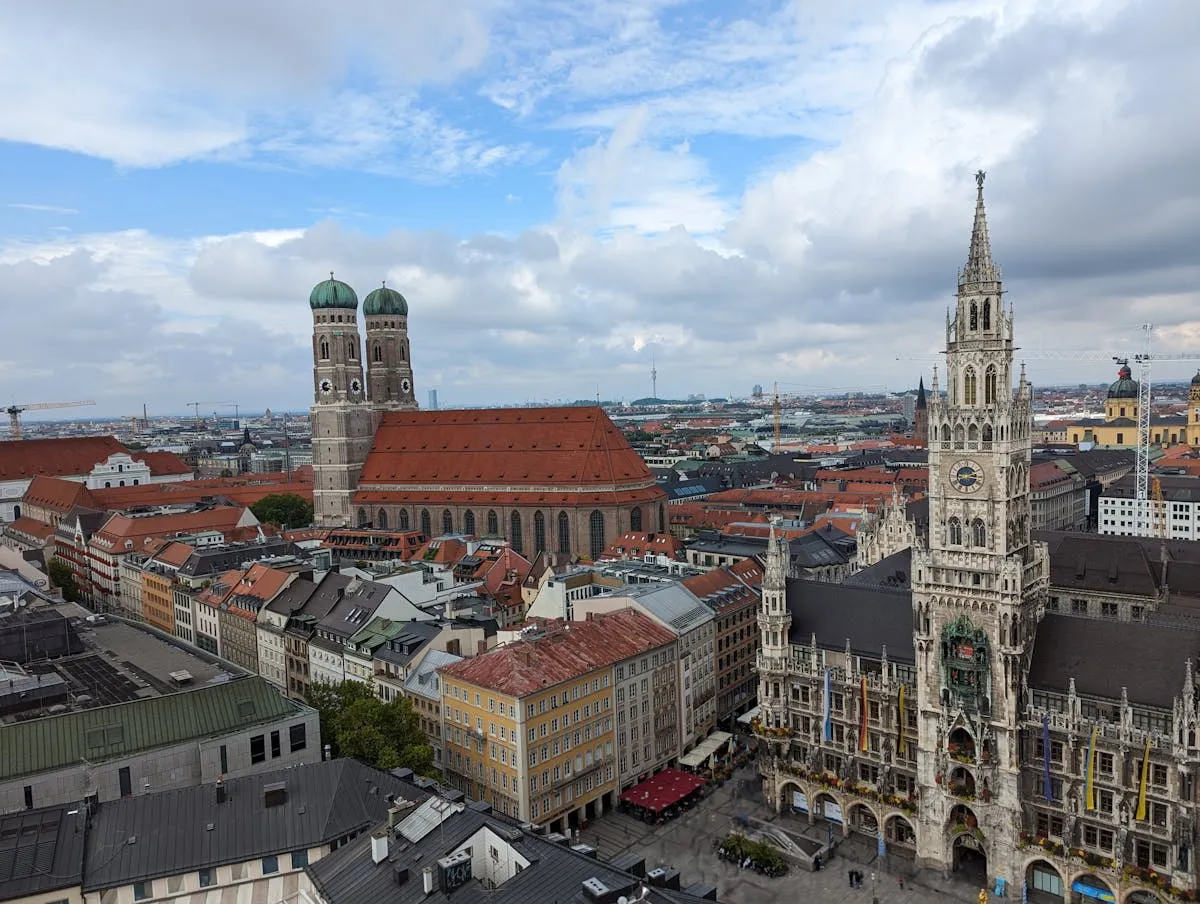
A lively historic square of spectacle and street life. Hear 43 bells and watch 32 life-sized figures perform.
Quick facts: A daily spectacle draws crowds to the central square, where a mechanical show features 32 life-sized figures and 43 bells. Cobblestone streets become a hive of activity during seasonal markets, street performers, and rooftop café views over the ornate facades.
Highlights: The clock tower stages a miniature drama: 32 carved figures reenact a knightly tournament while a glockenspiel chimes from 43 bells. Local coopers still perform their traditional dance every seven years, a practice linked to the 1517 plague, and the crowd erupts when the wooden dancers take their steps.
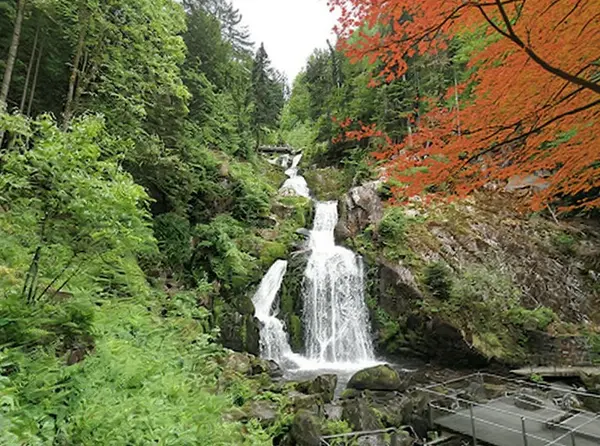
8. Triberg Waterfalls (Triberg im Schwarzwald)
Triberg
Wild cascades and mossy granite make it worth a detour. Feel the spray, hear the thunder, capture dramatic photos.
Quick facts: Expect a thunderous curtain of water plunging a total of 163 meters across a series of seven drops, especially dramatic after spring snowmelt. A paved network of trails and wooden viewing platforms lets you get surprisingly close, with misty spray and mossy granite scenery at every turn.
Highlights: A total drop of 163 meters across seven cascades creates sections where the roar is so loud you’ll feel it in your chest. An upper trail offers panoramic valley views where sunlight often produces vivid rainbows in the spray, perfect on bright afternoons.
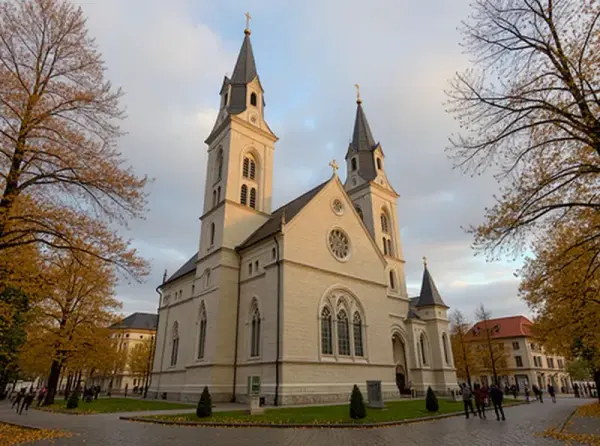
9. Dresden Frauenkirche
Dresden
Soaring dome and vivid history, worth the detour. Expect echoing organ music, sunlit sandstone, and a rooftop skyline view.
Quick facts: A massive stone dome dominates the skyline, rebuilt using many original stones after wartime destruction. Hands rest on warm sandstone inside, and donor plaques scattered through the interior trace personal stories of the city's rebirth.
Highlights: Georg Bähr's daring dome silhouette was painstakingly resurrected, with darker original stones visibly pieced into the honey-colored walls. A daily organ recital fills the vault with deep brass tones while shafts of sunlight turn the nave into a glowing amber theater.
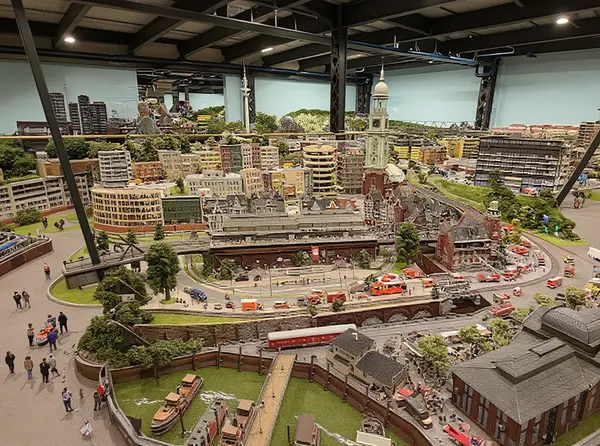
10. Miniatur Wunderland
Hamburg
A stunning miniature universe with moving trains and secret scenes, worth the trip. Wander tiny towns, a working airport, and animated surprises.
Quick facts: Expect a mind-bending miniature world where tiny cities, countryside and an airport come alive under programmable lights. Over 15 kilometers of track and more than a thousand trains traverse detailed H0 scale landscapes, packed with thousands of little figures and vehicles.
Highlights: Knuffingen Airport features taxiing planes, moving jetways and runway lighting that simulate takeoffs and landings in miniature scale, a scene that few museums operate so precisely. Model-makers scratch-built entire town sections at 1:87 scale, and a programmed day-night cycle bathes neon signs and streetlamps in warm glow for dramatic evening scenes.
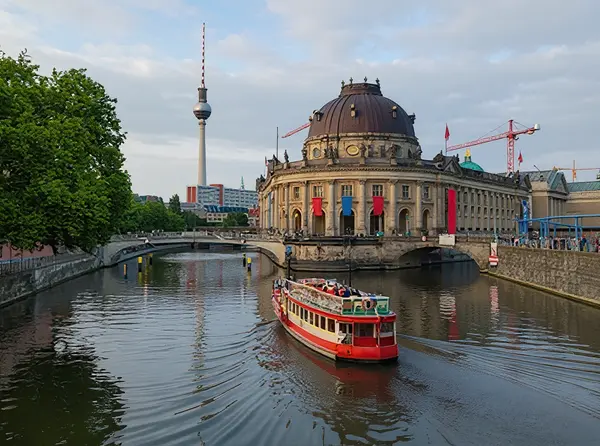
11. Museum Island
Explore a cluster of five museums packed with ancient wonders and classic art. Walk through history alongside riverside views and grand ancient reconstructions.
Quick facts: Five museums occupy the small island, showcasing art and artifacts from ancient to 19th-century cultures. Visitors can stroll along the Spree River, enjoying views of Neoclassical architecture and reconstructed historical buildings.
Highlights: A standout is the Pergamon Altar, with its massive 2,000-year-old frieze that wraps around a 100-meter-long staircase, offering a glimpse into ancient religious life. The complex also features the reconstructed Ishtar Gate, a dazzling blue-glazed brick façade transporting visitors back to Babylon.
12. Albertinum Museum
Explore over 2,000 years of art evolution under one roof. Experience a dynamic mix of classical paintings and bold modern sculptures in a luminous glass-ceilinged gallery.
Quick facts: The museum houses over 2,000 works from the Romantic period to modern day art. Its collection includes paintings, sculptures, and objects that span more than two centuries of artistic development.
Highlights: Visitors find the transition from delicate Old Masters to striking contemporary pieces truly mesmerizing, reflecting a journey through time in just one building. The Glass Hall offers a stunning architectural highlight with its vaulted glass ceiling that floods the space with natural light, enhancing the vibrant colors of the artworks.
Where to Stay in Germany
Selected by City Buddy based on guest reviews and proximity to top attractions
Search all hotels in GermanyPowered by agoda
Opening days in Germany
Which of the top sights close on which day of the week — the classic trip-ruiner, checked for you.
Monday: 2 of 8 top sights closed — plan museums for another day.
Closed on Monday · 2 closed, 6 open
- Sanssouci Palace
- Albertinum Museum
Opening days from Google Maps. Public holidays, strikes and seasonal hours can differ — check the official website before you go.
Traditional Sweet Dishes
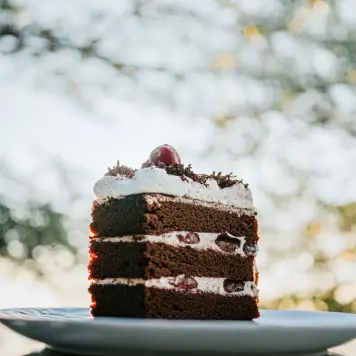
Black Forest cake
Black Forest cake hides a splash of clear cherry brandy called kirsch between its layers, which gives the dessert a boozy lift. Its name honors the Black Forest region and the local sour cherries, not the trees.

Stollen
Stollen was once taxed for its rich butter and fruit, and bakers fought for special exemptions to keep the Christmas tradition alive. The loaf's powdered sugar coating and oblong shape are said to symbolize the swaddled baby Jesus, which made it a festive staple.

Apfelstrudel
Apfelstrudel uses paper-thin pastry that some bakers stretch so finely you can almost read newsprint through it, showcasing incredible dough skill. The technique was influenced by Central European and Ottoman pastries, linking a humble apple filling to centuries of pastry craft.
Traditional Savory Dishes

Bratwurst
Every region guards secret spice blends for bratwurst, and Nuremberg locals famously eat theirs three to a bun in a tradition called 'Drei im Weggla.' Bratwurst variety is a point of pride, with tiny local sausages and coarse country styles both celebrated.

Sauerbraten
Sauerbraten is made by marinating beef in a tangy mix of vinegar and spices for several days, which began as a preservation method before refrigeration. Regional twists like adding gingerbread in the Rhineland turn the roast into a sweet and sour centerpiece.

Schnitzel
Schnitzel is thin meat coated in breadcrumbs and fried until golden, and although Wiener Schnitzel must be veal under Austrian law, Germans commonly use pork for everyday schnitzel. It is a versatile dish that welcomes toppings from mushroom sauce to a squeeze of lemon to change the whole flavor.
Traditional Beverages

Beer
Germany's Reinheitsgebot of 1516 limited beer to water, barley, and hops, which helped create a culture of precise brewing and many regional styles. Today Germany hosts thousands of breweries, each fiercely proud of local varieties and seasonal brews.

Glühwein
Glühwein is spiced hot wine sold at Christmas markets, and the warm aroma of cloves and cinnamon is the signature winter scent of German towns. Vendors often customize cups with extra spirits or citrus, making each mug a little different.

Schnapps
Schnapps in Germany usually means clear fruit brandy, distilled from fermented fruits like plums, pears, or cherries and served in small glasses for toasts. Local home distilling traditions produced countless flavors, with many villages or families guarding secret recipes.
Frequently Asked Questions about Germany
What are the best months to visit Germany?
Is Germany expensive to live in for travelers?
How efficient is public transport in Germany?
Is tap water safe to drink in Germany?
How many tourists visit Germany each year?
Get a PDF with the most popular attractions sent to your email
Get a PDF with all attractions, ratings, and tips. Perfect for offline use.
Most popular day trips
Potsdam
Historic palaces and parks (Sanssouci) near Berlin.
Hamburg
Major port, Speicherstadt warehouses and lively waterfront.
Getting there
Train stations
ICE, IC, regional, S-Bahn; international links
ICE, Intercity, regional; major national hub
ICE, IC, regional; southern connections
Book ICE long-distance trains in advance and use the DB app for real-time info.
Visa & entry
EU/EEA, USA, Canada, UK, Australia, New Zealand, Japan, South Korea, Singapore, Israel
Many African countries, some Asian countries (e.g. India, China), several other nationalities—check embassy
Schengen rule: 90 days in any 180-day period; carry passport and travel insurance.
Useful information for Germany
Overview for Germany
Want a day-by-day plan for Germany? Open the trip planner
Plan your perfect trip to Germany
Get a complete travel plan built just for you in under 30 seconds, with daily routes, local food tips, budget estimates and more.
Are any of these especially important to you?
Select all that apply
Getting around
How do you want to move between places?
Plan language: EnglishMost popular itineraries for Germany
Browse trip plans created by other travelers