 CityBuddy
 English
Things to Do in Iceland
Photo made by Pixabay on Pexels.com
When to visit
Most popular attractions in Iceland
Top things to do in Iceland include visiting Þingvellir National Park, where the Eurasian and North American tectonic plates meet, only 40 kilometers from Reykjavik. Explore the Geysir Geothermal Area to witness Strokkur erupt every 5-10 minutes. Don't miss the stunning Gullfoss Waterfall, a powerful two-tier cascade on the Hvítá river.
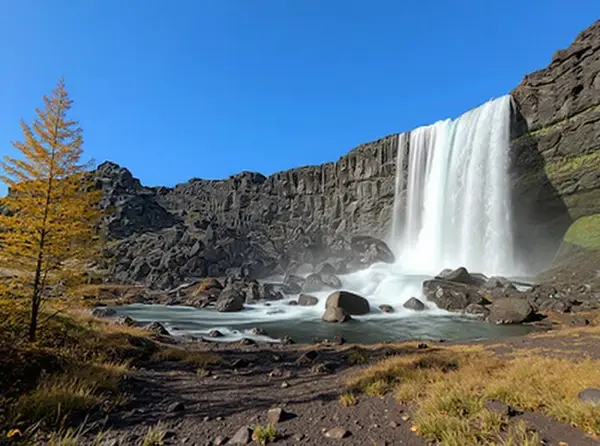
1. Þingvellir National Park (Thingvellir)
Thingvellir
Walk between tectonic plates for surreal landscape drama. Hike rifts, peer into sapphire fissures, and feel ancient law-grounds underfoot.
Quick facts: Tectonic forces have pulled the ground apart here, creating dramatic rifts, cliffs, and crystal-clear fissure pools that expose the Mid-Atlantic Ridge above sea level. A national assembly once gathered on a natural rock platform where law-speakers addressed crowds and helped shape early legal traditions.
Highlights: A parliament convened on a flat outcrop called Lögberg from 930 to 1798, with chroniclers noting gatherings of up to 10,000 people on good weather days. Cold, spring-fed fissures are so clear you can see over 30 metres down, and divers in dry suits swim between continental plates in surreal, sapphire-lit tunnels.
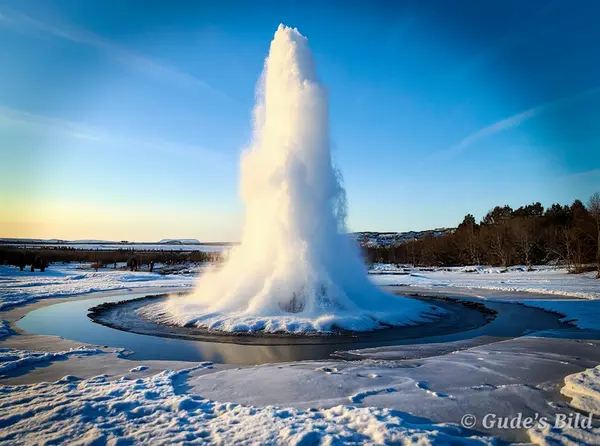
2. Geysir Geothermal Area / Strokkur
Active eruptions and raw geothermal drama. Hear the roar, feel the spray, and watch water launch skyward.
Quick facts: Strokkur erupts roughly every 6–10 minutes, blasting water columns typically between 20 and 30 meters high. A faint sulfur tang hangs in the air while mineral-streaked pools shimmer blue, green, and rusty orange around the active vents.
Highlights: A reliable eruption rhythm makes the main geyser almost theatrical, often sending a wall of spray skyward that photographers time to the second; scientists use the predictable pulses to study subsurface pressure changes. Local visitors sometimes drop small coins into quieter pools for luck, and on calm mornings sunlight can turn the spray into fleeting rainbows visible close to the rim.
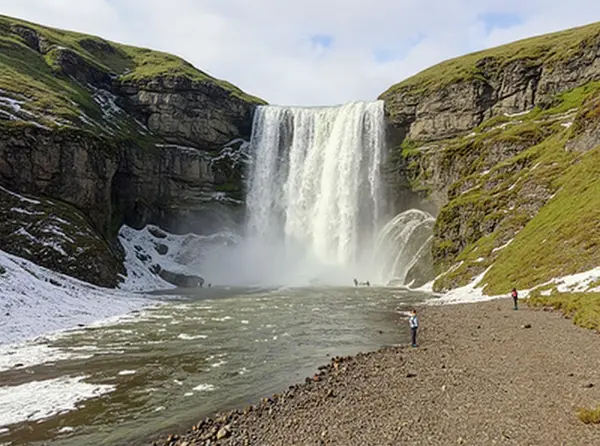
3. Gullfoss Waterfall
Thunderous two-tier cascade worth the detour. Feel spray on your face and watch ice or rainbows depending on the season.
Quick facts: Massive curtains of water plunge in two dramatic tiers, dropping about 32 meters into a narrow gorge. During peak melt the river swells so much that torrents roar and spray clouds can obscure the view, making the path feel wildly alive.
Highlights: A deep, narrow crevice channels the flow so forcefully that spray freezes into chandeliers of ice in winter, offering crystalline shapes under low sun. Local conservationist Sigríður Tómasdóttir famously campaigned against early 20th-century dam plans, reportedly threatening to throw herself into the cascade, and a small memorial along the lower path honors her fight.
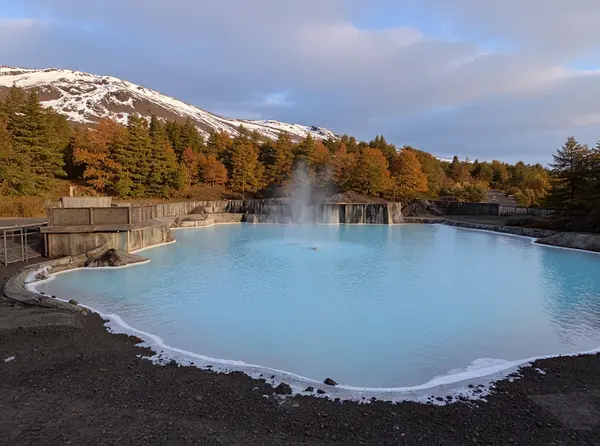
4. Blue Lagoon (Grindavík)
Grindavík
Soak in warm, milky-blue geothermal water for deep relaxation. Expect steam, black lava silhouettes, and a silica mud mask.
Quick facts: Mineral-rich, milky-blue water stays comfortably warm year-round thanks to nearby geothermal activity and runoff from a power plant. Steam rising over dark lava fields creates a surreal contrast that photographers and bathers rave about.
Highlights: Onsite silica mud treatments use a chalky white paste guests often smear on for 10–20 minutes, and many report visibly smoother skin after a single application. Warm water averaging about 37–39°C laps against black basalt while neon-green algae cling to the edges, producing a faint mineral-sulfur scent and thick, photogenic steam.
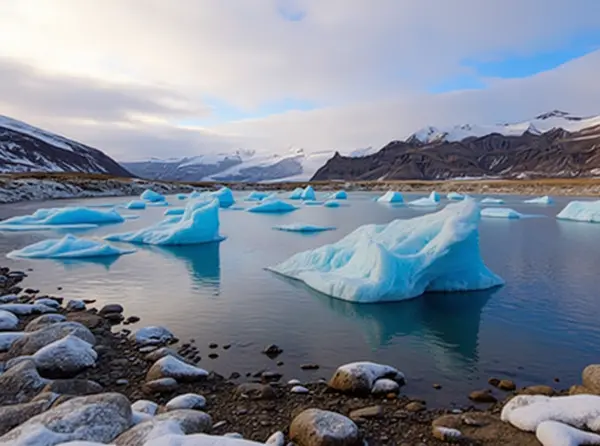
5. Jökulsárlón Glacier Lagoon
See floating ice sculptures against vivid sky. Experience seals, reflections, and up-close blue ice.
Quick facts: Jökulsárlón Glacier Lagoon shows house-sized icebergs slowly drifting across a mirrorlike surface, often clinking and cracking as they melt. Seals frequently bob near the shore, and film crews regularly use the dramatic scenery for movies and commercials.
Highlights: A steady glacial retreat since the 1930s expanded the lagoon to about 18 square kilometers, allowing massive, house-sized bergs to calve into open water. Sunsets can flush the ice orange while thunderous calving sounds carry for kilometers, creating an otherworldly soundtrack.
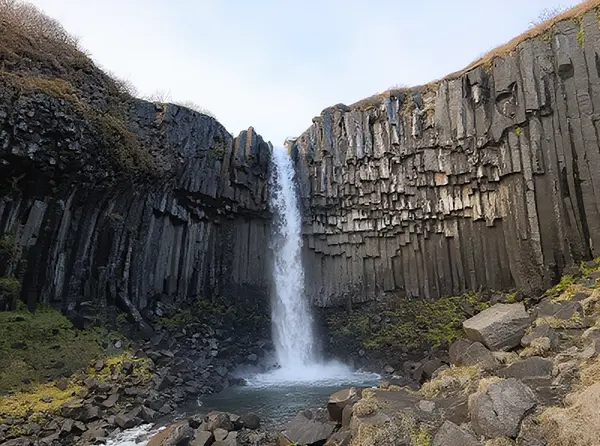
6. Skaftafell (Vatnajökull National Park - Skaftafell)
Vatnajökull National Park - Skaftafell
Worth a detour for jaw-dropping glacier, waterfall, and moraine views. Expect short hikes, dramatic light, and close-up blue ice scenes.
Quick facts: A patchwork of black sand, scrubby birch and bright blue ice creates sudden, cinematic changes underfoot, so every short walk can feel like a new planet. Hikes span from 20-minute strolls to full-day routes, and seals or drifting icebergs often turn up in glacial rivers during summer.
Highlights: A 20-meter waterfall tumbles over hexagonal basalt columns, the regular shapes framing the cascade like a sculpted organ pipe and perfect slow-shutter fodder. Nearby a glacier tongue calves into a pale, milky lagoon that crunches underfoot, with over a dozen marked trails fanning out from the valley for intimate viewpoints at dawn.
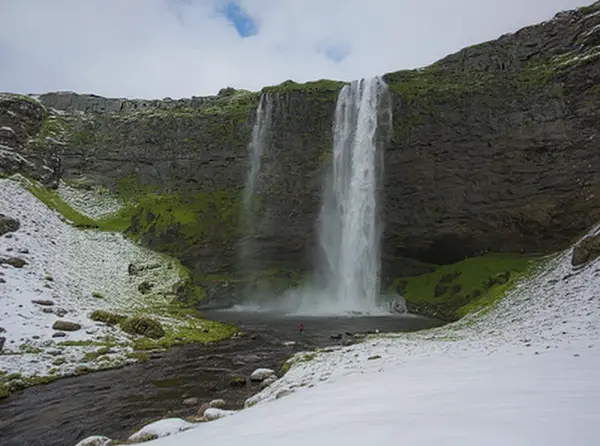
7. Seljalandsfoss Waterfall
Walk behind a towering veil of water for a rare perspective. Expect soaked shoes, thunderous roar, and unforgettable photos.
Quick facts: Seljalandsfoss Waterfall drops roughly 60 meters over a semicircular cliff, giving it a dramatic, curtain-like profile. Visitors can walk a short, well-worn path behind the cascade for rare rear views and unusually dynamic photo angles.
Highlights: Photographers often line the rear path at golden hour to catch the sun slipping behind the falls; summer daylight can linger past midnight, producing long stretches of warm light and vivid rainbows. A narrow cave behind the flow places visitors inside a cold, misty shell where the roar can exceed 100 decibels near the foot, making conversation a whisper and cameras steam up.
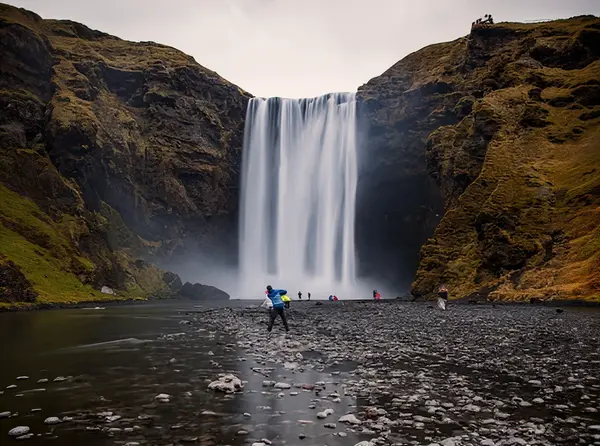
8. Skógafoss Waterfall
Jaw-dropping power and near-constant rainbows make it worth the stop. Expect a 60 m plunge, a wall of spray and a climb to a sweeping top view.
Quick facts: A 60-meter curtain of water drops over a basalt cliff, sending up a fine spray that often creates vivid rainbows. Thunder from the plunge carries across the valley, and a steep path of about 500 steps leads to a dramatic upper viewpoint.
Highlights: Legend names Þrasi Þórólfsson as the Viking who supposedly hid a treasure chest behind the falling curtain, and locals still point to a dark recess behind the flow. Visitors often see double rainbows in the mist when late-afternoon sun hits at low angles, bathing everything in saturated gold and green.
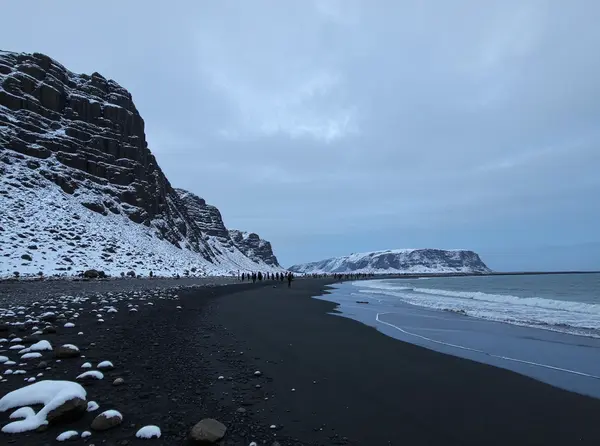
9. Reynisfjara Black Sand Beach (Reynisfjara, Vík)
Reynisfjara, Vík
Dramatic black sands and towering basalt columns demand a visit. Expect thunderous surf, dramatic silhouettes, and unforgettable photos.
Quick facts: Black volcanic sand gives the shore an almost otherworldly look, and hexagonal basalt columns rise like a geometric cliff face. Powerful sneaker waves can appear without warning, so locals treat the beach with deep respect.
Highlights: Basalt columns here stack into near-perfect hexagons reaching roughly 15–20 meters high, offering an architectural feel carved by lava cooling. Offshore, jagged sea stacks puncture the horizon while storm-driven surf can roar above 90 decibels, a sensory reminder of the Atlantic's power.
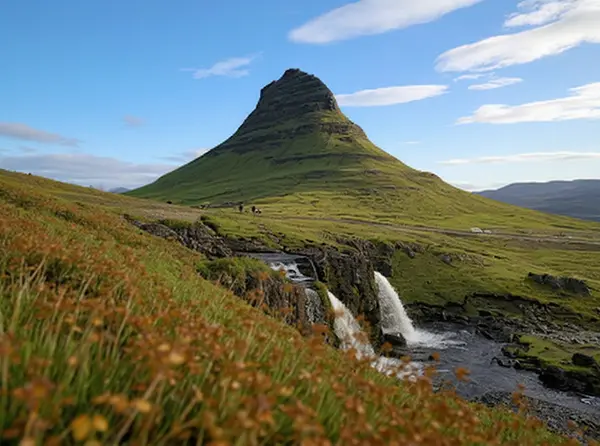
10. Kirkjufell (mountain and waterfall, Grundarfjörður)
mountain and waterfall, Grundarfjörður
A surreal cone and cascade create one of Iceland's most photographed scenes. Expect mirror pools, dramatic skies, and intense golden-hour light.
Quick facts: Kirkjufell rises as a sharply conical mountain beside a small, multi-tiered waterfall called Kirkjufellsfoss, its distinctive profile is visible from many points around Grundarfjörður. The peak measures about 463 meters and has been a popular filming location, famously featuring in season six of a global fantasy TV series.
Highlights: At roughly 463 meters tall, the mountain's steep, pancake-like basalt layers give it an almost sculpted look, and the nearby three-tiered waterfall provides a textbook foreground for reflections. Season six of a well-known fantasy TV series used the silhouette as a dramatic backdrop, and photographers often wait 20 to 45 minutes around sunset to catch perfect alignment of peak, falls, and mirror pools.
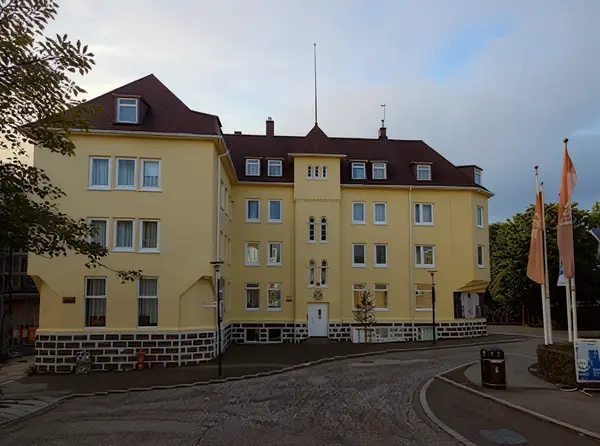
11. Reykjavik Old Town
Wander streets where sagas were literally written in the ground beneath your feet. You'll move from a 48,000-square-meter geothermal lake to crooked lanes lined with corrugated iron houses glowing in pastel colors.
Quick facts: The oldest street here still carries cobblestones laid over a century ago, and you can trace inhabitants back through layers of turf, timber, and volcanic rock. Some of the wooden houses have stood through more than a dozen eruptions that buried parts of the surrounding countryside in ash.
Highlights: The tiny lake at the heart of it all is fed by warm geothermal springs, so the water stays liquid even when winter temperatures drop below minus 10. Locals say the swans that winter here have figured out that the lake never freezes, and they return year after year to paddle through steam rising off the surface.
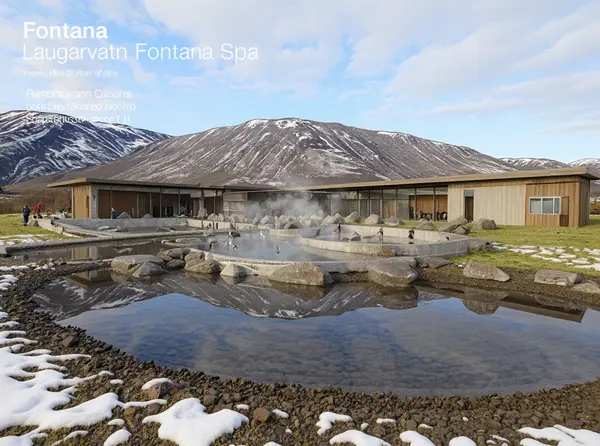
12. Laugarvatn Fontana Spa
Warm pools beside a steaming lake make a relaxing stop. Soak in hot baths, steam rooms, and the scent of bread baked in geothermal sand.
Quick facts: Steam drifts over warm, mineral-rich pools set right beside a quiet lake, offering a striking contrast between hot water and chilly air. Visitors can relax in multiple outdoor pools, try a hot stone sauna, and catch the scent of rye bread slow-baked using geothermal heat.
Highlights: A centuries-old technique of burying rye dough in geothermal sand produces dense, sweet loaves after roughly 24 hours of slow steaming, and you can often smell the crust near the bathing terraces. Pools are typically kept around 36–40°C, and a steam bath lets you press your face into warm mist while watching icicles glitter above the lake on cold days.
Where to Stay in Iceland
Selected by City Buddy based on guest reviews and proximity to top attractions
Search all hotels in IcelandPowered by agoda
Opening days in Iceland
Which of the top sights close on which day of the week — the classic trip-ruiner, checked for you.
Sunday: 1 of 13 top sights closed — plan museums for another day.
Closed on Sunday · 1 closed, 12 open
- Laugavegur Shopping Street
Opening days from Google Maps. Public holidays, strikes and seasonal hours can differ — check the official website before you go.
Popular Cities in Iceland
Traditional Sweet Dishes

Kleina
Kleina are small twisted fried pastries often enjoyed with coffee during festive occasions, their crisp exterior and chewy interior make them a uniquely addictive Icelandic treat.
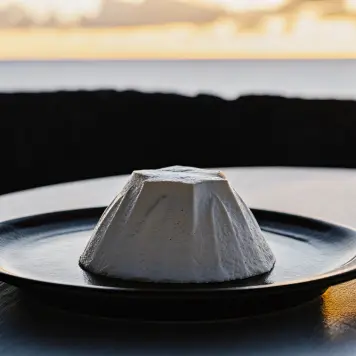
Skyr cake
Skyr cake swaps heavy cream for skyr, resulting in a tangy, high-protein dessert that tastes like a cross between cheesecake and thick yogurt.
Traditional Savory Dishes
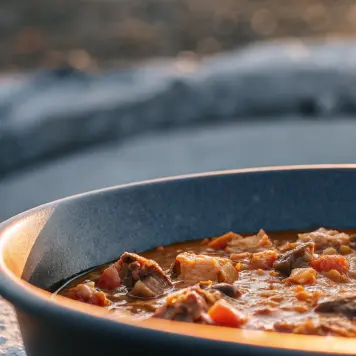
Lamb stew
Icelandic lamb stew often uses meat from free-roaming sheep that graze on wild herbs and seaweed, which gives the stew a distinct, delicate flavor and makes it a beloved comfort food.
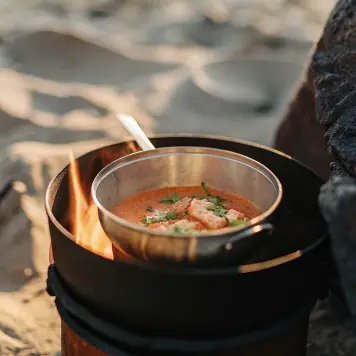
Plokkfiskur
Plokkfiskur began as a frugal fishermen's dish of mashed fish, potatoes, and onions, and today it is celebrated for its creamy texture and simple, savory flavors served with dark rye bread.
Traditional Beverages
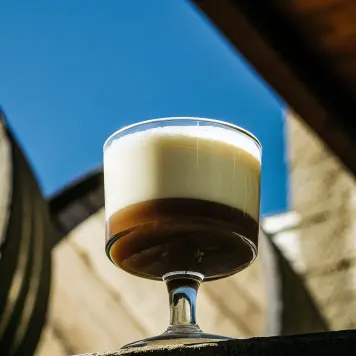
Brennivín
Brennivín is a potent caraway-flavored schnapps famously nicknamed "Black Death", and it is the traditional pairing for the intensely flavored fermented shark.

Skyr smoothie
Skyr smoothies blend Iceland's ancient cultured dairy with fresh fruit, creating a thick, protein-packed drink that became a popular breakfast on the go.
Frequently Asked Questions about Iceland
What is the best time to visit Iceland?
Is Iceland expensive to travel to?
How many tourists visit Iceland annually?
Is the tap water in Iceland safe to drink?
How reliable is public transport in Iceland?
Get a PDF with the most popular attractions sent to your email
Get a PDF with all attractions, ratings, and tips. Perfect for offline use.
Most popular day trips
Golden Circle (Þingvellir, Geysir, Gullfoss)
Classic loop: national park, geysers, and a major waterfall.
Blue Lagoon & Reykjanes Peninsula
Geothermal spa near dramatic volcanic coastline.
South Coast (Seljalandsfoss, Skógafoss, Vík)
Waterfalls, black sand beach, and dramatic cliffs.
Snæfellsnes Peninsula
Compact Iceland: lava fields, coastal villages, glacier.
Westman Islands (Vestmannaeyjar)
Volcanic island with puffins and dramatic sea cliffs.
Getting there
Airports
Train stations
N/A — no rail lines
From KEF take Flybus/shuttle (45–60 min); from RKV use taxi or city bus (5–10 min).
Visa & entry
EU/EEA, USA, Canada, UK, Australia, New Zealand, Japan, South Korea, Switzerland, many others
Citizens of countries not on the Schengen visa-waiver list typically need a Schengen visa
Schengen rules apply—total stay ≤90 days in any 180-day period; check official list before travel.
Useful information for Iceland
Overview for Iceland
Want a day-by-day plan for Iceland? Open the trip planner
Plan your perfect trip to Iceland
Get a complete travel plan built just for you in under 30 seconds, with daily routes, local food tips, budget estimates and more.
Are any of these especially important to you?
Select all that apply
Getting around
How do you want to move between places?
Plan language: EnglishMost popular itineraries for Iceland
Browse trip plans created by other travelers
3-Day Iceland Summer Adventure for Relaxed and Active Travelers
A balanced 3-day itinerary combining Iceland's iconic landmarks, scenic nature walks, cozy cafes, and active outdoor pursuits at a comfortable pace in summer.
14-Day Iceland Summer Adventure for Culture and History Enthusiasts
Explore Iceland's rich history, captivating culture, and hidden gems through museums, historic sites, local traditions, and secret local spots away from the crowds.
14-Day Iceland Summer Adventure
Explore Iceland's stunning landscapes, vibrant culture, and unique natural wonders in this ultimate 14-day summer itinerary packed with iconic sites and hidden gems.
6-Day Iceland Offbeat Spring Adventure
Explore Iceland's hidden gems, secret viewpoints, and natural wonders away from tourist crowds. Hike, cycle, soak in local hot springs, and discover authentic spots loved by locals.
7-Day Iceland Adventure for Active Nature Lovers and Offbeat Explorers
Discover Iceland's stunning nature, hidden gems, and authentic local experiences on a budget with this 7-day active and off-the-beaten-path itinerary for spring.
4-Day Spring Adventure in Iceland
Experience Iceland's stunning nature, geothermal wonders, and charming culture with this balanced 4-day spring itinerary packed with iconic sights and unique local experiences.
5-Day Iceland Off-the-Beaten-Path Explorer
Discover Iceland’s hidden gems and local secrets away from tourist crowds with this unique summer itinerary.
6-Day Summer Adventures in Iceland
Discover the natural wonders, vibrant culture, and unique experiences of Iceland in a perfectly paced 6-day summer itinerary.
15-Day Iceland Autumn Explorer's Journey
Discover Iceland's lesser-known treasures this autumn, from hidden courtyards to secret viewpoints and authentic local hangouts, away from the crowds.
4-Day Iceland Summer Adventure
Discover Iceland’s breathtaking landscapes, vibrant culture, and unique geothermal wonders in this exciting 4-day summer itinerary.
7-Day Iceland Adventure for the Offbeat Explorer
Discover Iceland's hidden gems and stunning nature with budget-friendly local experiences, hiking, and authentic cool spots away from the crowds.
8-Day Family Adventure and Nature Exploration in Iceland
Discover Iceland's stunning autumn landscapes with a family-friendly blend of exciting outdoor activities, scenic hikes, interactive museums, and relaxing nature spots perfect for kids and active nature lovers.
8-Day Iceland Summer Adventure for Off-the-Beaten-Path Explorers
Discover Iceland like a local with hidden gems, secret viewpoints, and outdoor adventures far from the crowds.
8-Day Iceland Summer Adventure for Off-the-Beaten-Path Food Lovers
Discover Iceland like a local with hidden gems, secret viewpoints, authentic cuisine, and local hangouts away from the tourist crowds in this 8-day summer exploration.
5-Day Iceland Spring Family Adventure
Explore Iceland's natural wonders and family-friendly attractions at an easy pace designed for kids and parents alike.
7-Day Iceland Family Adventure in Spring
Experience Iceland's magical nature and family-friendly attractions at a comfortable pace with plenty of rest and fun stops for kids.