 CityBuddy
 English
Things to Do in Reykjavík, Iceland
Photo made by Jan van der Wolf on Pexels.com
When to visit
Most popular attractions in Reykjavík, Iceland
Things to do in Reykjavík, Iceland, include visiting Hallgrímskirkja, a towering church with panoramic city views from its 73-meter tower. The Harpa Concert Hall showcases modern architecture and hosts performances. Don't miss Sun Voyager, a striking steel sculpture symbolizing exploration, located along the scenic waterfront.
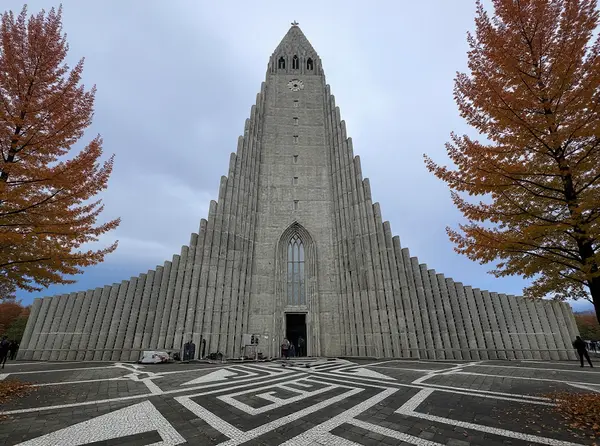
1. Hallgrímskirkja
Striking Reykjavík landmark with dramatic architecture and panoramic city views. Ride the elevator to the tower, snap skyline photos and admire the pipe organ.
Quick facts: An unmistakable 74.5-meter tower rises above the city, its vertical concrete ribs echoing the hexagonal basalt columns found along the coast. Inside, a 5,275-pipe organ fills the nave with thunderous, cathedral-like tones that locals and visitors come to hear during concerts.
Highlights: A weathered bronze of Leif Erikson by Alexander Stirling Calder stands in the forecourt; the 3.6-meter figure was a gift from the United States and often invites close inspection of its worn plaque. Stand beneath the soaring nave during an organ recital and low frequencies from the 5,275-pipe instrument will make the floor tremble, so you can feel sound as much as hear it.
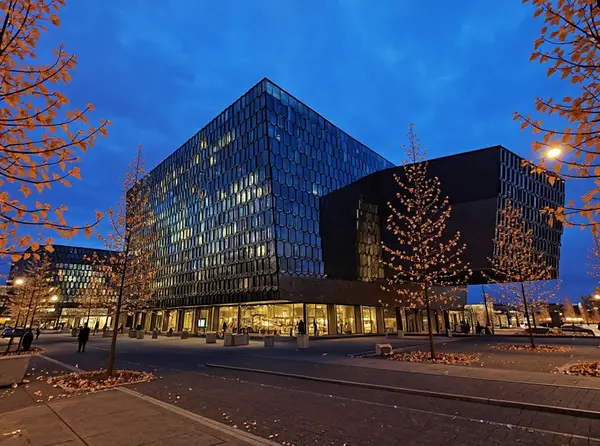
2. Harpa Concert Hall and Conference Centre
Striking geometric glass facade and world-class acoustics make Harpa a Reykjavik icon. Explore the luminous lobby, catch a concert, and snap harbor views from the terrace.
Quick facts: A shimmering geometric glass facade captures and fractures light so the building looks different every hour, reflecting harbor water, volcanic slopes, and neon at night. Inside, layered performance spaces range from intimate rooms to a soaring main auditorium, where rehearsals, conferences, and late-night electronic sets mix with the steady thump of foot traffic.
Highlights: Local guides still tell the story of artist Ólafur Elíasson contributing to the glass concept, and visitors can spot the honeycomb-like modules that throw prismatic color across the foyer. Lean against the railing at dusk and you feel a faint metallic hum as the layered glass shivers in cold breeze, while pools of reflected color move across faces like liquid stained glass.
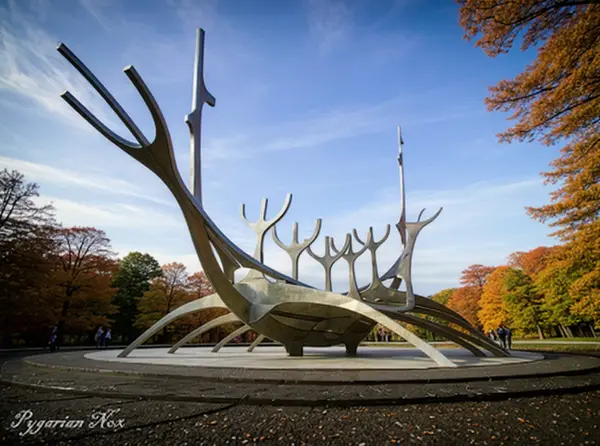
3. Sun Voyager (Sólfar)
Sólfar
Striking steel sculpture by the sea, offering wide views over Reykjavík and Faxaflói Bay. Walk the shoreline, catch soft sunrise light or northern lights reflections.
Quick facts: Gleaming stainless steel arcs catch the sunset and sea spray, making the whole piece look different every five minutes as clouds shift and waves roll in. Photographers love the scale change the curved ribs create, the tallest point rising roughly nine meters while the low, black plinth offers a perfect foreground for long-exposure shots.
Highlights: Sculptor Jón Gunnar Árnason conceived it as an ode to dreams and voyages, so walk its sweeping spine and you can almost hear imagined rigging and gull calls against the steel. Photographers often use three- to five-second exposures during blue hour to turn reflections into molten silver, a trick repeated across postcards and online galleries.
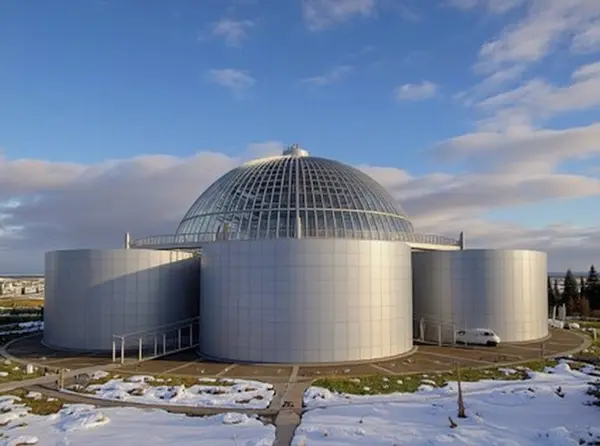
4. Perlan (The Pearl)
The Pearl
Glass-domed viewpoint delivers sweeping Reykjavik, sea, and mountain panoramas. Explore interactive geothermal exhibits, a man-made ice cave, and a planetarium show.
Quick facts: Perched atop enormous geothermal hot-water tanks, a mirrored glass dome gives the site a floating, futuristic look. Visitors wander a circular observation level with sweeping 360-degree panoramas, often spotting the northern lights streaking across the horizon.
Highlights: Step into a carved ice tunnel where the air tastes faintly of mineral melt and tiny crystalline drips echo underfoot. A cozy café pours hot berry tea beneath the dome while curious hands press against a glacier wall chilled to about zero degrees Celsius, a startling contrast you can both see and feel.
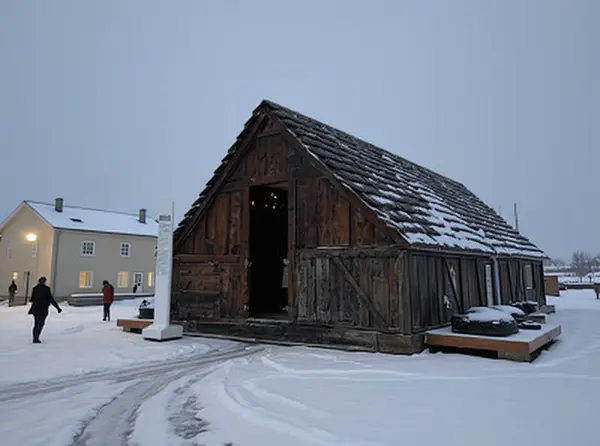
5. National Museum of Iceland (Þjóðminjasafn Íslands)
Þjóðminjasafn Íslands
Trace Iceland's story from Viking settlement to the present through rare artifacts and clear displays. Encounter Viking-age objects, medieval relics and interactive exhibits.
Quick facts: Quiet halls house more than 2,000 artifacts, from delicate Viking brooches to brightly patterned folk costumes that still carry the faint scent of lanolin. Museum cases spotlight everyday lives, so you'll see things like a child's wooden toy, a worn travel chest, and handwritten letters that make the past feel oddly immediate.
Highlights: Step into a dim gallery and a 1,000-year sweep of history unfolds in a single room, amber lights and smoked glass making tiny silver brooches gleam like stars. An unexpected favorite is the preserved turf-house cross-section, where the faint peat smell and rough, fibrous turf under a low light make it easy to imagine someone stirring embers 900 years ago.
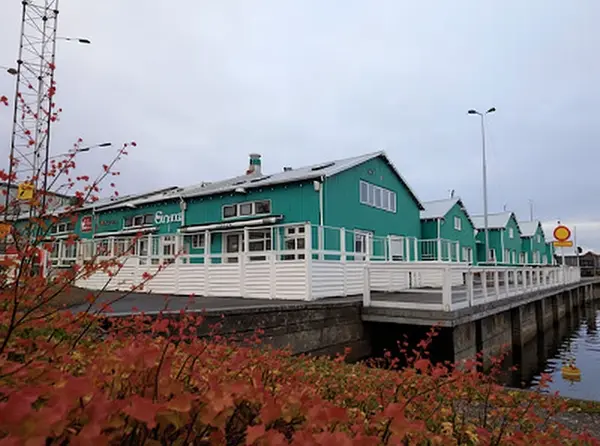
6. Reykjavík Old Harbour
Active waterfront where fishing boats, whale tours and maritime museums meet. Stroll the quay for colorful boats, fresh seafood and quick access to sea excursions.
Quick facts: Salt air, diesel and frying fish mingle while brightly painted fishing boats and warehouses crowd the quay. Local operators run more than a dozen whale-watching and puffin tours from the docks, and fresh seafood stalls send steam and scent across the promenade.
Highlights: Golden-hour light throws the quay into candy colors while tour crews call out last-minute invites and a 50-seat zodiac slips out with a low, throbbing engine. Locals keep a quirky habit of chalking hull numbers and tying a single red ribbon to returning boats, a ritual still practiced by roughly 30 crews, scented by tar and frying fish.
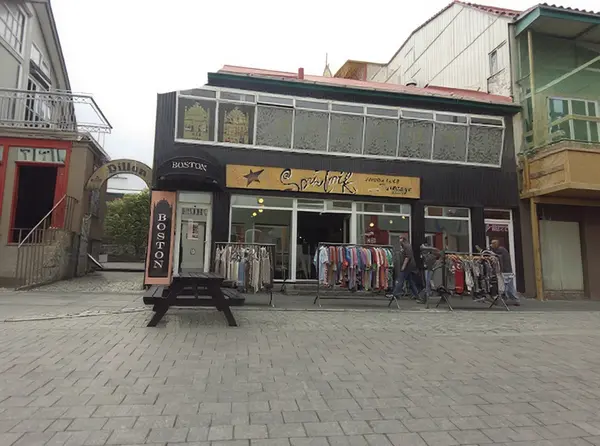
7. Laugavegur (Main Shopping Street)
Main Shopping Street
Vibrant shopping street full of Icelandic design and cozy cafés. Stroll colorful storefronts, street art, and independent boutiques.
Quick facts: Bright shopfronts and neon café signs lead you along a lane where locals shop, sip coffee, and argue about football. You can spot over 200 independent boutiques, galleries, and bars within a few blocks, so every stroll feels like a new discovery.
Highlights: A bakery fills the air with warm cinnamon and cardamom, pulling in anyone within three blocks with its irresistible scent. Groups of 10 to 30 friends gather for a rúntur, hopping from tiny vinyl shops to neon-lit bars, so you might end a walk dancing beside someone in a thick wool sweater.
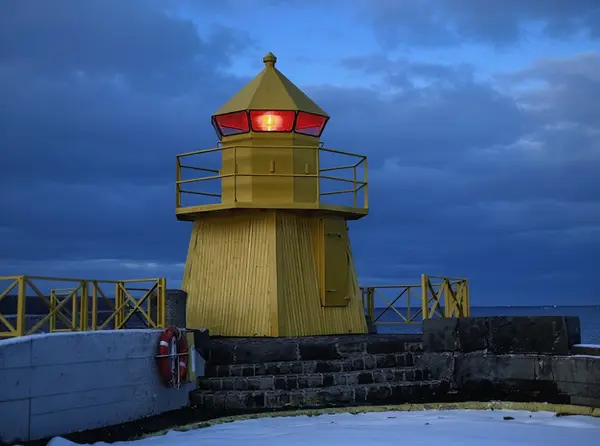
8. Grótta Lighthouse
Classic Reykjavik coastal stop with wide sea views and rich birdlife. Walk the tidal causeway to the lighthouse for sunsets, seals, and often aurora displays.
Quick facts: A shallow sandbar appears at low tide, turning the headland into a walkable island and often bringing seals to rest within easy view. A squat black-and-white tower marks the tip of the point, creating a striking silhouette at sunset while auroras frequently dance over the bay in winter.
Highlights: Photographers set up tripods at low tide, using 20–30 second exposures to catch the tower's reflection in the wet sand as northern lights streak overhead. A local habit sees people timing barefoot walks across the sandbar, the round trip typically taking 15–25 minutes and ending with the sharp taste of salt air and the muffled calls of seabirds.
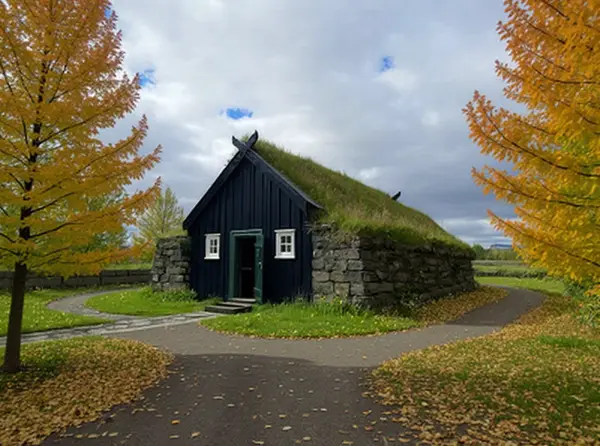
9. Árbær Open Air Museum
Explore Iceland's rural past through authentic turf houses and relocated cottages. Wander recreated streets, meet costumed interpreters in summer, and explore hands-on exhibits.
Quick facts: You can wander through more than 20 relocated houses and workshops, spotting authentic stoves, hand tools, and faded wallpaper that whisper everyday stories. Listen for the creak of wooden floorboards and the faint smell of peat smoke during demonstrations, small sensory details that make the past feel immediate.
Highlights: Wander the cobbled lanes lined with over 20 relocated buildings, where guides in period dress demonstrate chores and the air sometimes fills with the warm, yeasty smell of rye bread. A surprising ritual to notice: during summer events volunteers ring an old school bell and enact a 1930s classroom scene, complete with slate boards and teachers calling roll names out loud.
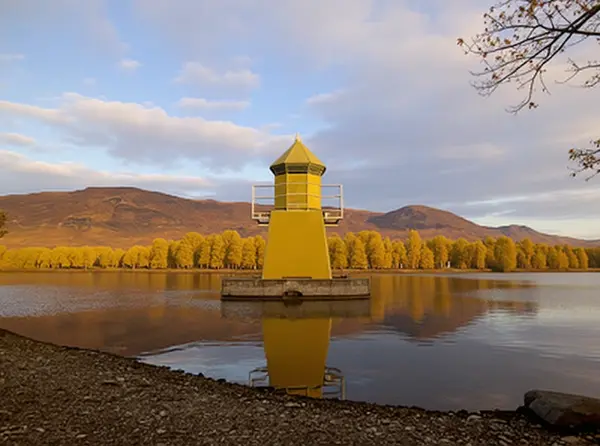
10. Viðey Island (Imagine Peace Tower)
Imagine Peace Tower
Quiet island near downtown with art, history and sweeping Reykjavík views. See Yoko Ono's Imagine Peace Tower at night, walk coastal paths and spot seabirds.
Quick facts: A narrow column of intense white light climbs into the sky, powered by 15 xenon lamps that punch through low clouds and can be spotted from miles away. Expect a short ferry of roughly 20 minutes to leave you on a windswept shore where seabirds wheel and basalt crunches underfoot.
Highlights: Yoko Ono arranged for the light to burn annually between October 9 and December 8, commemorating John Lennon's life, and the beam is also lit on New Year's Eve and a handful of other meaningful dates. From the shore you can hear a low electrical hum, feel a subtle vibration underfoot and watch the beam slice the clouds into silver ribbons, a quiet spectacle that often draws small, hushed gatherings.
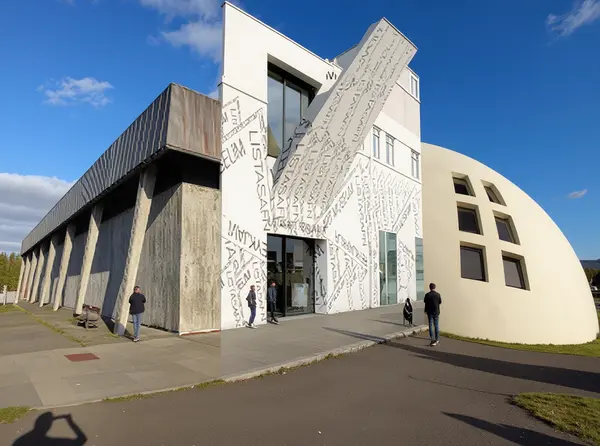
11. Reykjavík Art Museum - Hafnarhús
Hafnarhús
Where else can you stand inside a former warehouse while being surrounded by Iceland's most playful, provocative modern art? You'll wander through shifting exhibitions of contemporary Icelandic artists and the permanent Erró collection, a feast of pop surrealism.
Quick facts: The museum occupies the former Hafnarhús (Harbor House), a concrete warehouse built in the 1930s that still bears scars from WWII shrapnel on its walls. Its collection features over 10,000 works including the largest public display of pioneering pop artist Erró's mind-bending, collage-style paintings.
Highlights: Three floors of Erró's psychedelic pop art explode across the walls, with massive canvases mashing together comic book characters, political figures, and surreal landscapes in ways that feel both chaotic and deliberate. The top-floor gallery floods with natural light from a glass ceiling, making the fluorescent colors in his 1980s Cold War series practically glow against the raw concrete.
Where to Stay in Reykjavík, Iceland
Selected by City Buddy based on guest reviews and proximity to top attractions
Search all hotels in Reykjavík, IcelandPowered by agoda
Opening days in Reykjavík, Iceland
Which of the top sights close on which day of the week — the classic trip-ruiner, checked for you.
Sunday: 1 of 11 top sights closed — plan museums for another day.
Closed on Sunday · 1 closed, 10 open
Opening days from Google Maps (checked 2026-06-01). Public holidays, strikes and seasonal hours can differ — check the official website before you go.
Traditional Sweet Dishes
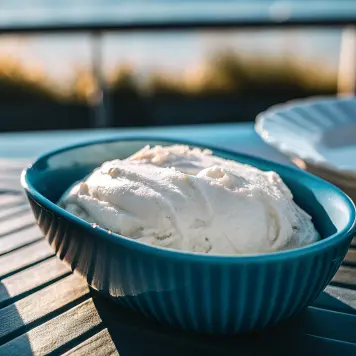
Skyr
Skyr dates back to the Viking Age, and its thick, creamy texture is a cultured dairy product similar to strained yogurt, prized for very high protein.

Kleina
Kleina are twisted fried pastries that look like little knots of dough, they were traditionally made at home for celebrations and remain a beloved accompaniment to Icelandic coffee.
Traditional Savory Dishes
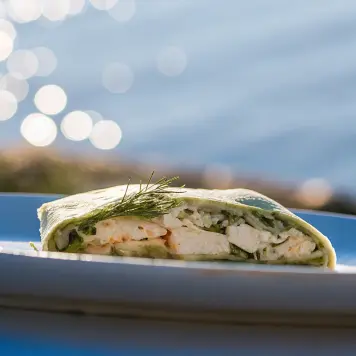
Plokkfiskur
Plokkfiskur is a rustic fish stew made from leftover boiled fish and potatoes, its creamy, mashed texture was born from practicality and tastes like coastal Iceland in a bowl.
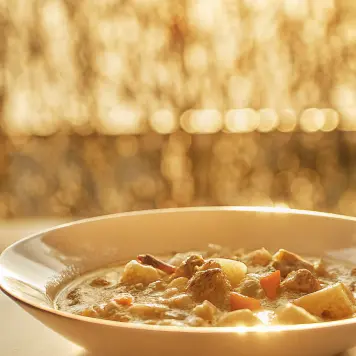
Lamb stew
Icelandic lamb stew showcases meat from sheep that graze wild on volcanic pastures, giving the stew a clean, grassy flavor that locals prize.
Traditional Beverages

Brennivín
Brennivín is a caraway-flavored schnapps nicknamed Black Death, it is the classic pairing for hákarl and a rite of passage for adventurous tasters.

Coffee
Reykjavík has one of the highest per-capita coffee consumptions in the world, and its lively café scene blends old-fashioned drip coffee with a thriving specialty roast movement.
Frequently Asked Questions about Reykjavík, Iceland
What is the best time to visit Reykjavík, Iceland?
Is Reykjavík, Iceland expensive to visit?
How is public transportation in Reykjavík, Iceland?
Is tap water safe to drink in Reykjavík, Iceland?
How many tourists visit Reykjavík, Iceland annually?
Get a PDF with the most popular attractions sent to your email
Get a PDF with all attractions, ratings, and tips. Perfect for offline use.
Most popular day trips
Golden Circle (Þingvellir, Geysir, Gullfoss)
Classic route: tectonic rift, geysers and famed waterfall.
Blue Lagoon (Reykjanes Peninsula)
Geothermal spa with milky-blue waters; near Keflavík.
Seljalandsfoss & South Coast waterfalls
Iconic waterfalls on the South Coast; walk behind falls.
Snæfellsnes Peninsula
Diverse landscapes, sea cliffs, lava fields and a glacier.
Getting there
Train stations
N/A — Iceland has no national passenger rail services
From KEF take Flybus or Airport Express to BSÍ (45–60 min); taxis are costly.
Useful information for Reykjavík, Iceland
Overview for Reykjavík, Iceland
Want a day-by-day plan for Reykjavík, Iceland? Open the trip planner
Plan your perfect trip to Reykjavík, Iceland
Get a complete travel plan built just for you in under 30 seconds, with daily routes, local food tips, budget estimates and more.
Are any of these especially important to you?
Select all that apply
Getting around
How do you want to move between places?
Plan language: English