 CityBuddy
 English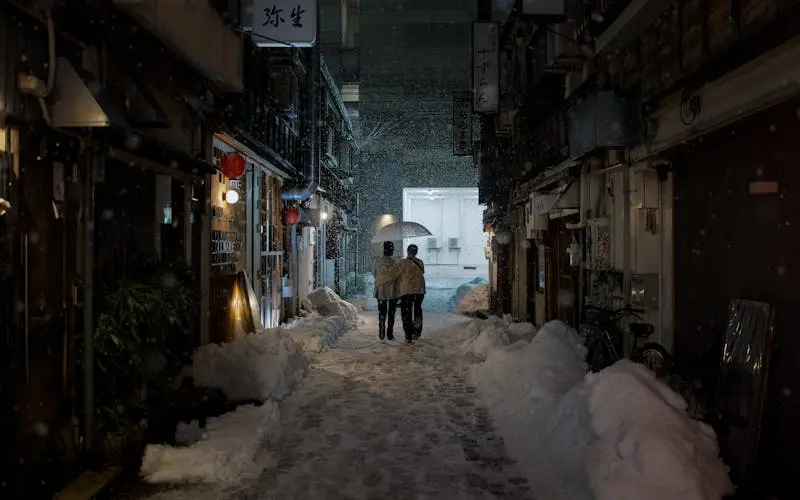
Things to Do in Kanazawa, Japan
Photo made by Julien on Pexels.com
When to visit
Kanazawa is the #8 cleanest city in the world, based on our data across hundreds of destinations.
Most popular attractions in Kanazawa, Japan
Top things to do in Kanazawa, Japan include exploring Kenroku-en Garden, one of the country's three great gardens, and wandering through the historic Higashi Chaya District with its well-preserved tea houses. Don't miss Kanazawa Castle Park, featuring impressive stone walls and spacious grounds ideal for leisurely strolls.
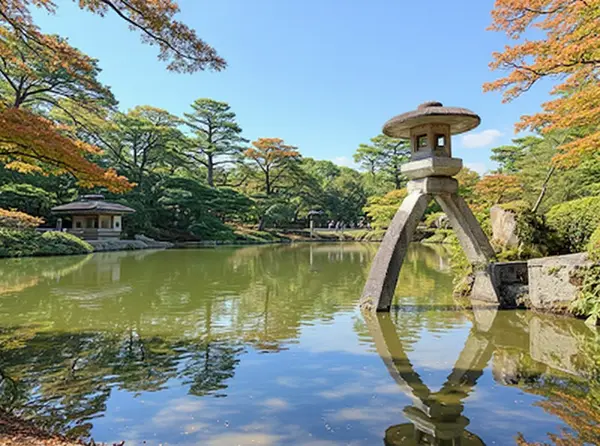
1. Kenroku-en Garden
One of Japan's most elegant landscape gardens, rich in ponds, teahouses, and seasonal displays. Wander pine-lined paths, see the Kotoji lantern and yukitsuri ropes in winter.
Quick facts: Moss carpets and winding paths create sudden framed views that change with each season, from plum perfume in spring to hush-white snowscapes in winter. Tea houses, stone lanterns, and a picturesque island pond invite slow wandering and plenty of photo-perfect angles.
Highlights: Yukitsuri ropes cradle branch tips each winter, the delicate cords casting crownlike shadows on fresh snow and forming photogenic latticework. Guides love to point out the karasaki pine, its windswept branches leaning over the lantern-lit pond so the silhouette reads like a Japanese ink painting at dusk.
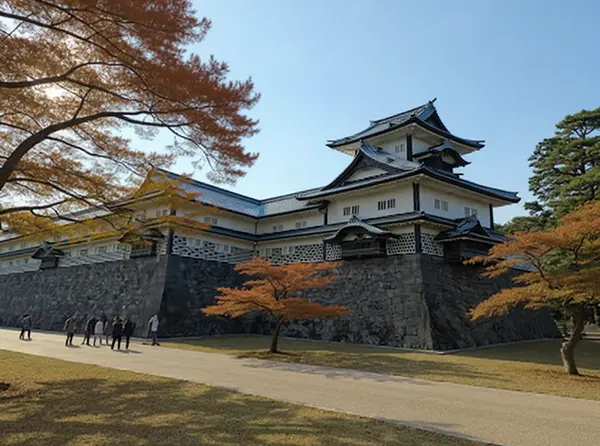
2. Kanazawa Castle Park
Well-preserved samurai-era castle with dramatic stone walls and restored wooden gates. Stroll spacious grounds, climb turrets, and enjoy views into Kenrokuen Garden.
Quick facts: Massive white-plastered walls and soaring wooden gates frame a maze of stone paths and moats where koi glide just beneath footbridges, close enough to hear them ripple. Guided tours and interpretive signs point out original stonework and reconstructed turrets, giving hands-on glimpses into traditional carpentry and castle defense.
Highlights: Climb the wooden stairs of one of three restored turrets and you'll smell resin and hear the hollow thunk of thick beams, while a small plaque credits local carpenter guilds by name. Soft amber light from over 50 floating lanterns often washes the moat at evening events, the reflections turning the stone walls into moving tapestries that feel almost cinematic.
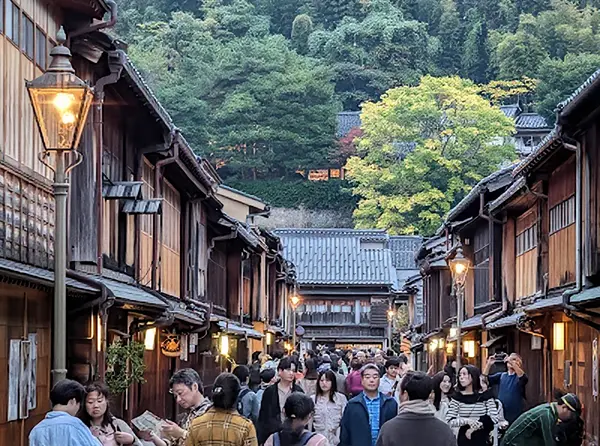
3. Higashi Chaya District
Step into well-preserved Edo-era streets where wooden tea houses and geisha culture linger. Wander narrow lanes, taste local sweets, and watch craftsmen at work.
Quick facts: Narrow lanes framed by honey-colored wooden lattices feel like stepping onto a film set, while lacquered interiors sometimes let the soft pluck of a shamisen drift into the street. One of three traditional teahouse quarters in the city, the area still hosts geisha performances and shops selling delicate gold leaf and lacquerware.
Highlights: An unexpected treat is the gold-leaf soft serve, where vendors drape a single sheet of 24-karat gold over ice cream so the leaf shimmers and melts on the tongue. After dusk you might catch a two- or three-person geisha performance on a raised veranda, the shamisen, layered kimono rustle, and whispered conversation folding the crowd into an intimate, cinematic moment.
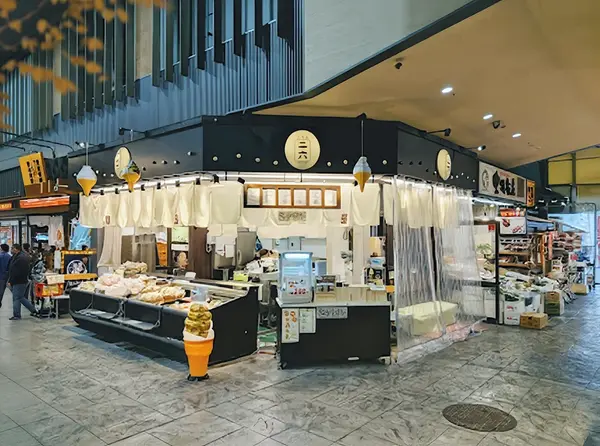
4. Omicho Market
Kanazawa's bustling seafood market with the freshest catches from the Sea of Japan. Walk narrow aisles, sample sashimi at counters, and watch vendors prepare daily specials.
Quick facts: Fragrant steam from simmering broths and sizzling takoyaki mixes with the briny tang of fresh seafood, filling narrow aisles where vendors shout prices. More than 200 stalls and tiny eateries cram the place, with seafood arriving daily from nearby ports so sashimi can be served within hours of being caught.
Highlights: Locals gather as a crab vendor lifts a 1.5-kilogram snow crab onto an old brass scale, calling out the price in a sing-song voice that echoes through the aisles. Behind one lane, twelve low counters seat customers under warm bulbs where chefs shave translucent slices of kanburi and hand them over with a dab of wasabi and soy.
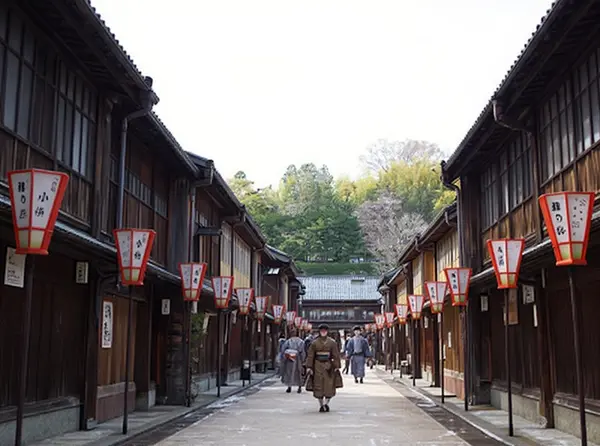
5. Nagamachi Samurai District
Step into samurai life amid preserved earthen walls and narrow lanes. Wander restored residences, small museums, and a tranquil garden tea house.
Quick facts: Narrow earthen-lined lanes reveal thick clay walls and wooden lattices that smell faintly of damp earth after rain. Visitors often pass defensive kura storehouses and samurai residences with lacquered sliding doors displaying family crests, some houses still keep original tatami rooms and tucked gardens.
Highlights: Slip into a silent lane and the muffled footsteps, mossy stones, and scent of oiled wood make the past feel tactile and immediate. More than 20 surviving samurai residences remain, and a restored house shows a small tea garden and tatami rooms you can peer into through latticed windows, spotting ink-black lacquerwork up close.

6. 21st Century Museum of Contemporary Art
Bold contemporary art in a striking circular museum near Kanazawa Castle. Wander immersive installations, reflective pools, and interactive light works.
Quick facts: You can wander through a circular, accessible campus where galleries flow into public plazas, so contemporary works often blend with everyday life. Visitors commonly encounter minimalist rooms, sensory pieces, and playful optical illusions that turn casual glances into double-takes.
Highlights: A gravity-defying installation by Leandro Erlich creates the illusion of people walking under water while others peer down from above, producing surreal photos and delighted gasps. Warm natural light pours through wide glass walls and skylights, bathing concrete floors in shifting blues and golds so each visit feels visually different by the hour.
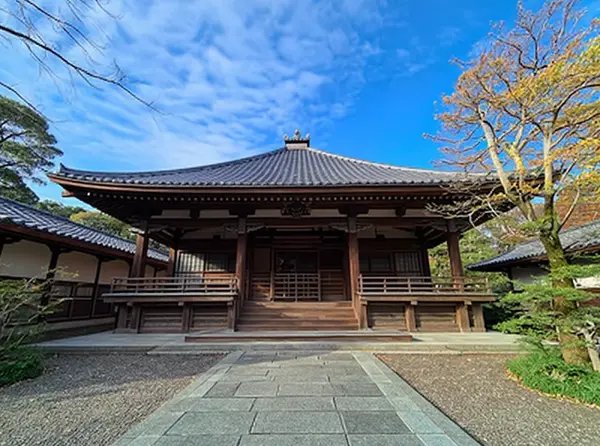
7. Myoryu-ji (Ninja Temple)
Ninja Temple
Edo-period temple packed with secret defensive features. Guided tours reveal narrow stairs, trapdoors and hidden rooms once used for protection.
Quick facts: Stone corridors and cleverly disguised doors create a maze-like interior, where deceptively ordinary rooms hide secret stairways and trapdoors. Guides often point out more than 20 defensive features designed to confuse intruders, from peepholes and false ceilings to hidden escape routes.
Highlights: A sudden, birdlike chirp underfoot reveals the place's cleverness, some 'uguisubari' or nightingale boards were installed so guards could hear footsteps before intruders appeared. Watch a sliding panel fold back to expose a narrow passage barely 60 centimeters wide, enough for one person to squeeze through while staying completely out of sight.
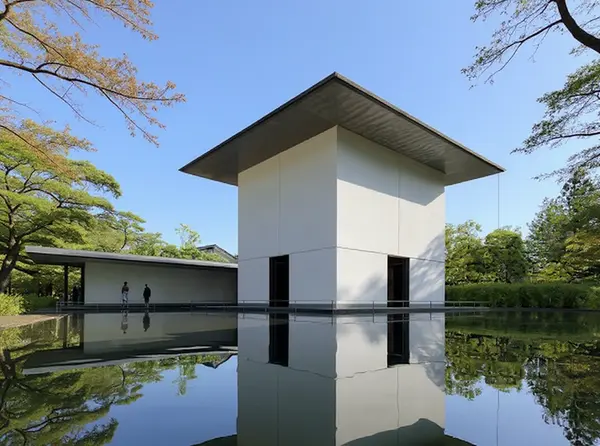
8. D.T. Suzuki Museum
Meditative space by D.T. Suzuki offers a rare pocket of calm in Kanazawa. Quiet galleries, a reflecting pool, and a reading room invite slow, thoughtful exploration.
Quick facts: Concrete walls and shallow pools shape each room, letting rain and sky become part of the exhibits. Quiet is treated like part of the collection, and many visitors spend 15 to 20 minutes sitting by the water, watching light slide across stone and stainless steel.
Highlights: A single shallow reflecting pool sits at the heart of the site, only a few centimeters deep so reflections of the sky and surrounding trees remain crisp and mirror-like. Low, diffused light and the soft patter of water turn the galleries into an intimate soundscape, making whispers feel vivid and encouraging you to notice tiny textures and the exact angle of a shadow.
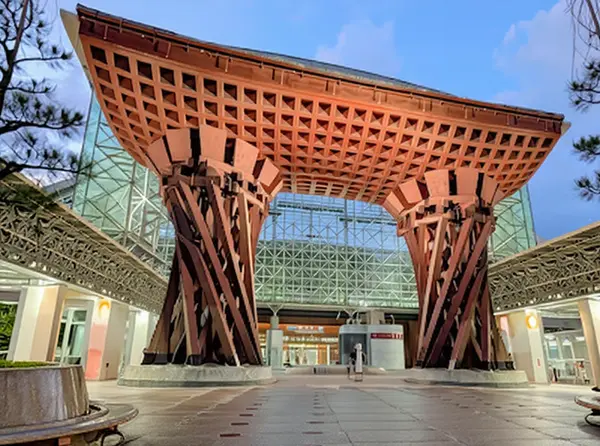
9. Kanazawa Station (Tsuzumi-mon Gate)
Tsuzumi-mon Gate
A striking wooden tsuzumi-shaped gate and soaring glass dome welcome you at Kanazawa Station. Walk beneath the gate and into the dome for dramatic photos and easy city access.
Quick facts: Walk under a massive wooden gate shaped like a pair of hand drums and feel the sudden shift from street noise to a hushed, cathedral-like calm. Warm cedar tones meet a sweeping glass canopy, so the concourse glows with reflected light and the occasional patter of rain becomes part of the soundtrack.
Highlights: Step into the forecourt and you'll meet two towering wooden pillars modeled on traditional tsuzumi drums from Noh theater, their grain and bronze bands visible up close. Amber lights wash the timber and glass canopy after sunset, turning the plaza into a stage where the soft echo of footsteps and distant train horns feels almost cinematic.
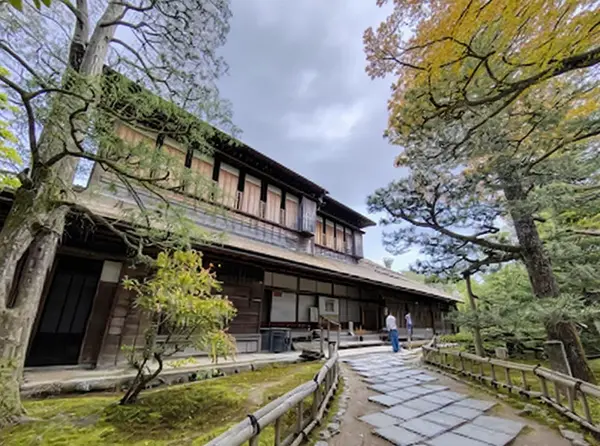
10. Seisonkaku Villa
Elegant samurai villa reflecting Maeda clan taste. Walk tatami rooms, ornate screens, and a serene garden that changes with the seasons.
Quick facts: A former feudal family's villa surprises with gilded sliding screens and lacquered interiors that catch the light, sending warm honeyed reflections across the tatami. You'll notice a private collection of embroidered kimonos and lacquered furniture, preserved carefully so the gold thread and pigment still gleam when you peer up close.
Highlights: Slip along a narrow veranda to a mossy courtyard where exactly 13 stepping stones guide your pace, an intentional rhythm that slowed guests during ritual visits. Sunlight warming the polished floorboards releases a faint camphor scent, and dozens of painted screens show such fine brushwork you can pick out individual strokes with a careful eye.
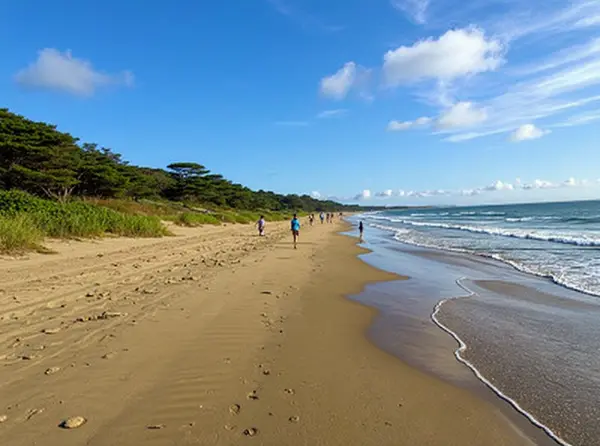
11. Chirihama Nagisa Driveway (beach driving)
beach driving
Japan's only legal beach highway where your tires meet the tide line. Roll down the windows, feel the sea breeze, and drive with the ocean as your constant companion.
Quick facts: You can drive your own car right along the shoreline where waves sometimes lap just meters from your tires, one of only a handful of places in Japan where beach driving is legal. The 8-kilometer stretch of hard-packed sand between the forest and the Sea of Japan has been a public roadway since 1965, free for anyone to use.
Highlights: At low tide, the sand firms up enough that even a compact sedan can cruise at 50 km/h with salt spray misting the windshield. Pull over anywhere along the 8-kilometer stretch, pop the trunk, and have a full beach picnic with the car's stereo playing while waves crash a few steps away.
Where to Stay in Kanazawa, Japan
Selected by City Buddy based on guest reviews and proximity to top attractions
Search all hotels in Kanazawa, JapanPowered by agoda
Opening days in Kanazawa, Japan
Which of the top sights close on which day of the week — the classic trip-ruiner, checked for you.
Tuesday: 2 of 11 top sights closed — plan museums for another day.
Closed on Tuesday · 2 closed, 9 open
Opening days from Google Maps (checked 2026-06-08). Public holidays, strikes and seasonal hours can differ — check the official website before you go.
Traditional Sweet Dishes
wagashi
Kanazawa wagashi are edible miniatures of the seasons, crafted with local ingredients and precise knife work so each sweet looks like a tiny landscape from Kenrokuen Garden.

gold leaf soft ice cream
Kanazawa produces over 99% of Japan's gold leaf, and vendors sometimes wrap an entire soft-serve cone in a paper-thin sheet of edible gold, creating a shimmering treat that is more about spectacle than flavor.
Traditional Savory Dishes

kaga ryori
Kaga ryori, the refined cuisine of the old Kaga domain, arranges many small courses that highlight local mountain vegetables, freshwater fish and seasonal presentation, turning a meal into a visual and seasonal tour.

jibuni
Jibuni is a comforting Kanazawa stew of duck or chicken lightly dusted with flour, simmered in a savory dashi with soy and mirin, and it began as a favorite dish of samurai households.

seafood
Sitting on the Sea of Japan gives Kanazawa access to prized catches like winter snow crab, fatty nodoguro and migrating yellowtail, and chefs often serve them simply so the pure ocean flavors stand out.
Traditional Beverages

sake
Kanazawa and nearby Ishikawa breweries use soft, mineral-rich mountain water and cold winters to slow fermentations, producing elegant, complex sake that pairs naturally with local seafood and Kaga cuisine.

green tea
Kanazawa tea is central to its tea ceremony culture, with shade-grown leaves producing a rich umami and silky texture that is often enjoyed in the refined setting of Kenrokuen or a tea house.
Frequently Asked Questions about Kanazawa, Japan
What is the best time to visit Kanazawa, Japan?
Is Kanazawa, Japan expensive for travelers?
How safe is Kanazawa, Japan for tourists?
How to get around Kanazawa, Japan?
How many tourists visit Kanazawa, Japan each year?
Get a PDF with the most popular attractions sent to your email
Get a PDF with all attractions, ratings, and tips. Perfect for offline use.
Most popular day trips
Shirakawa-go
UNESCO gassho-zukuri village with thatched-roof houses.
Takayama
Well-preserved old town, morning markets, traditional crafts.
Noto Peninsula (Wajima)
Scenic coastal drives, Wajima morning market, lacquerware.
Kaga Onsen (Yamanaka, Yamashiro)
Hot spring towns with ryokan, gardens, local crafts.
Fukui (Echizen, Tojinbo)
Coastal cliffs, dinosaur museum, Echizen pottery.
Getting there
Train stations
Hokuriku Shinkansen, JR Hokuriku Line, IR Ishikawa Railway
Local JR and Noto Railway services
From Komatsu Airport take the direct airport bus to Kanazawa Station, about 40 minutes.
Useful information for Kanazawa, Japan
Overview for Kanazawa, Japan
Want a day-by-day plan for Kanazawa, Japan? Open the trip planner
Plan your perfect trip to Kanazawa, Japan
Get a complete travel plan built just for you in under 30 seconds, with daily routes, local food tips, budget estimates and more.
Are any of these especially important to you?
Select all that apply
Getting around
How do you want to move between places?
Plan language: English