 CityBuddy
 English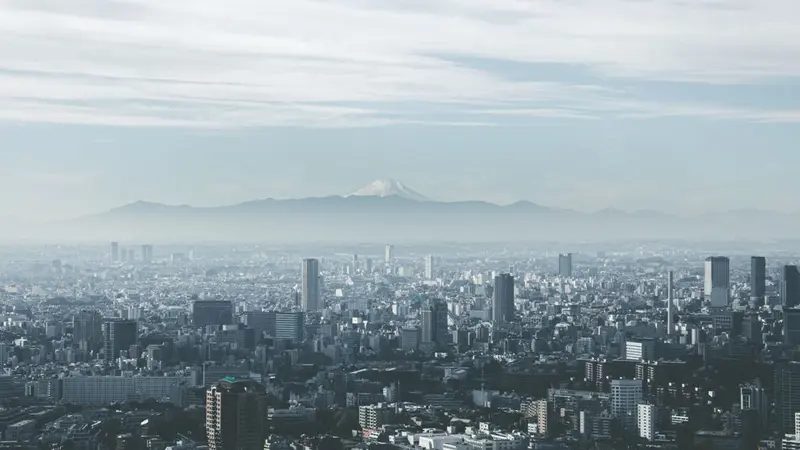
Things to Do in Japan
Photo made by Ruiz . on Pexels.com
When to visit
Most popular attractions in Japan
Things to do in Japan span from exploring the thousands of vermilion torii gates at Fushimi Inari Taisha to admiring the shimmering gold leaf of Kinkaku-ji, the Golden Pavilion in Kyoto. In Tokyo, Senso-ji offers a deep dive into historic Asakusa, while the Tokyo Skytree provides panoramic city views at 634 meters high.
1. Fushimi Inari Taisha
Kyoto
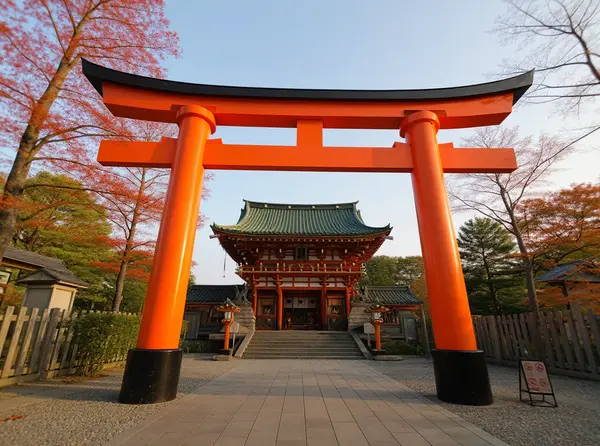
Thousands of bright orange gates form a tunnel up a sacred mountain. Climb past fox statues and tiny shrines for sweeping views over Kyoto.
Quick facts: Some 10,000 vermilion torii gates snake up the mountainside in a 4-kilometer loop trail. The climb passes over 200 individual shrines and takes most visitors around two to three hours round trip.
Highlights: At the trail's halfway mark, roughly 30 minutes up, you hit Yotsutsuji Intersection, where the city of Kyoto sprawls below in a panoramic sweep. Get there for sunrise and you'll share the viewpoint with maybe a handful of early risers instead of the thousands of people who flood in by mid-morning.
2. Kinkaku-ji / Golden Pavilion
Kyoto
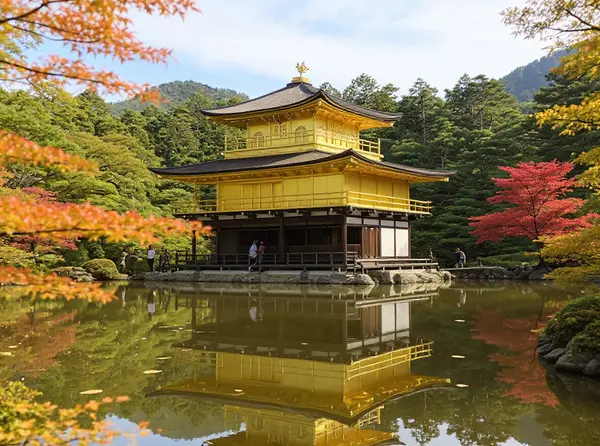
See a gilded pavilion shimmer over a mirror-like pond. Expect postcard-perfect reflections and serene garden walks.
Quick facts: A copper phoenix perches on the roof, catching sunlight and throwing tiny golden flashes across the pond. Ashikaga Yoshimitsu commissioned the original retirement villa, and the present structure dates from a 1955 reconstruction following a 1950 arson.
Highlights: Top two floors are sheathed in gold leaf and crowned by a gilded phoenix, the gleam shifting with every ripple on the pond. A notorious 1950 arson by a novice monk led to a dramatic 1955 rebuild, a story visitors still hear while strolling the gardens.
3. Senso-ji (Asakusa, Tokyo)
Tokyo
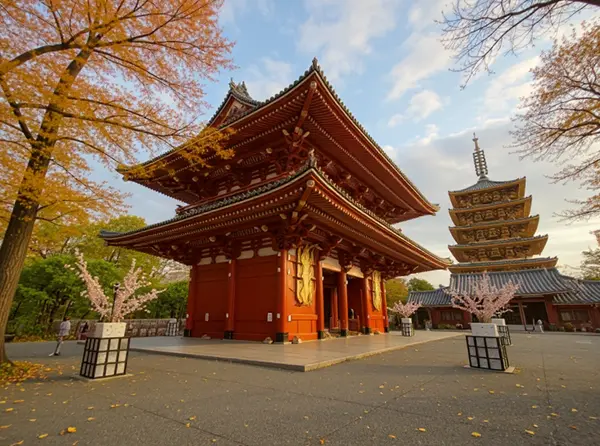
Iconic lanterns and buzzing market stalls draw the crowd. Expect dramatic photos, savory snacks, and fragrant incense smoke.
Quick facts: A giant crimson lantern hangs under the main gate, creating a photogenic focal point that locals and visitors flock to. Waves of sweet, woody incense smoke drift over the courtyard as people fan it toward aching limbs, while a lively market street supplies piping-hot rice crackers and souvenirs.
Highlights: A 3.9-meter red paper lantern weighing roughly 700 kilograms looms above the entrance, making for dramatic photos that dwarf people beneath it. Masses gather around a steaming incense cauldron, fanning the smoke toward themselves because many believe it brings health and good fortune, filling the air with a cinnamon-like aroma.
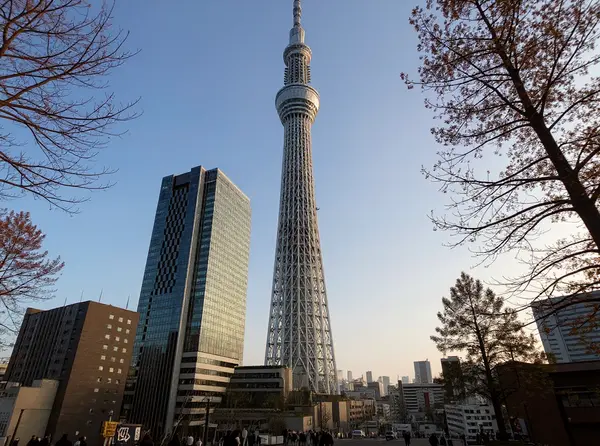
4. Tokyo Skytree (Sumida, Tokyo)
Tokyo
Unbeatable skyline views from dizzying heights. Glass floors, sweeping panoramas, and mesmerizing LED shows.
Quick facts: Rising to 634 meters, the structure ranks among the tallest freestanding towers on Earth and sends views out across the city for miles. Glass-floor sections, two observation decks, and a museum-like base make visiting a layered experience rather than a simple elevator ride.
Highlights: A playful numeric secret hides in the height: 6-3-4 spells 'mu-sa-shi' in Japanese, a deliberate nod to the historic Musashi province. At night a more than 1,000-LED lighting system cycles themed palettes, turning the silhouette into color stories you can feel as much as see from nearby river promenades.
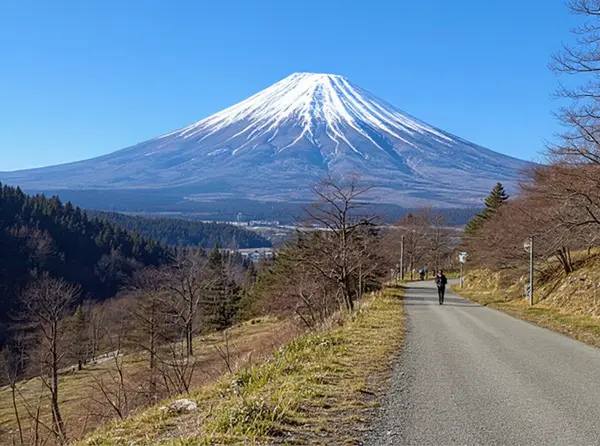
5. Mount Fuji (Fujinomiya/Hakone)
Fujinomiya
Epic sunrise and sweeping panoramas. Hike or take the viewpoint to watch golden light spill over a sea of clouds.
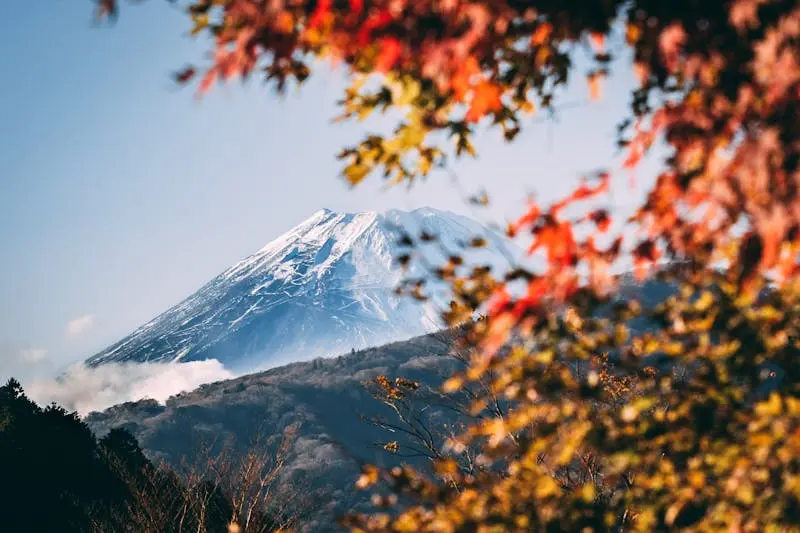
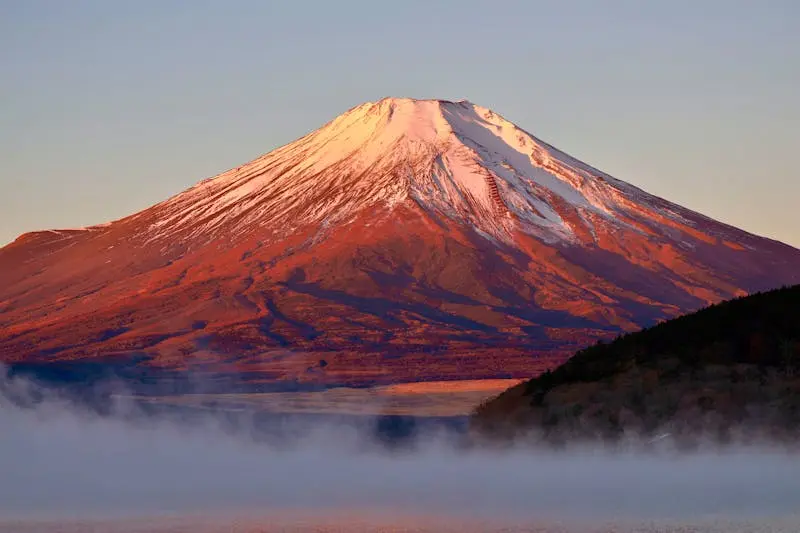
Quick facts: A near-perfect volcanic cone rises to 3,776 meters, often visible from cities on clear days. Five mirror-like foothill lakes and dozens of mountain shrines sit around its base, drawing photographers and pilgrims alike.
Highlights: At 3,776 meters the summit’s broad crater rim frames sunrise panoramas that flood the slopes with gold and shadow. Pilgrims still pause at fifth-station shrines to leave small wooden plaques and ring bells, a tactile ritual that fills pre-dawn darkness with low metallic notes.
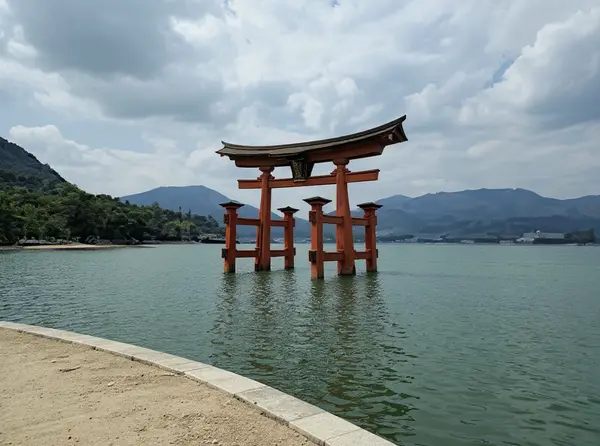
6. Itsukushima Shrine (Miyajima, Hatsukaichi)
Hatsukaichi
See a torii rising from the sea at high tide. Walk out at low tide for reflections and live Heian court music.
Quick facts: Tidal swings turn the approach into a watery stage twice a day, making the torii appear to float at high tide and walkable at low tide. A UNESCO World Heritage site with vermilion-lacquered halls perched on cedar stilts, the complex still echoes with ritual boat processions and shrine music.
Highlights: At high tide the main torii, standing about 16 meters tall, seems to hover like a framed painting over the bay, glowing orange at sunset. Locals continue to celebrate Kangen-sai, a Heian-period boat music festival where lacquered boats carry gagaku musicians under lantern light.
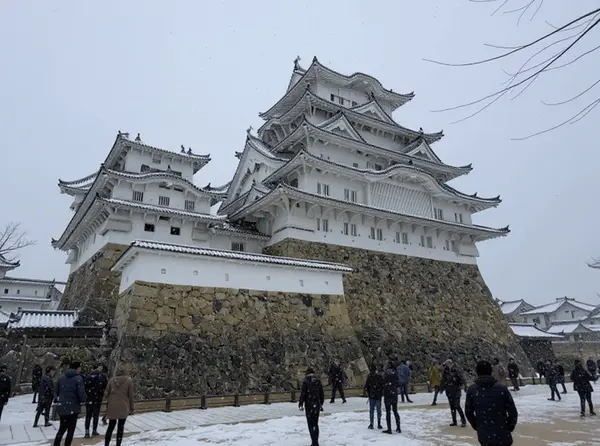
7. Himeji Castle
Himeji
A soaring white stronghold with rooftop views worth the effort. Wander narrow wooden halls and climb to panoramic lookout points.
Quick facts: White plaster walls and layered roofs catch the light, giving the complex a paper-crane silhouette that sailors used as a coastal landmark. Visitors often remark on the labyrinthine defensive layout, where steep wooden stairs and narrow corridors were designed to slow and confuse intruders.
Highlights: Climb to the main keep and you reach roughly 46 meters above ground, where narrow arrow slits frame a surprising 360-degree panorama of fields and distant mountains. Local guides love pointing out the acoustic tricks, small trap doors, and angled corridors that make footsteps echo in unexpected ways, a deliberate defensive theatre from the past.
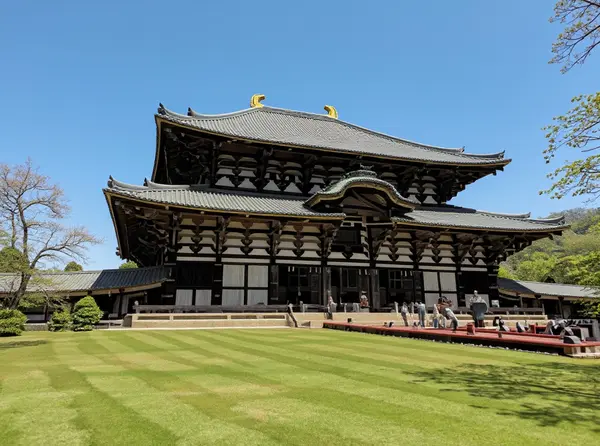
8. Nara Park & Todai-ji
Nara
Sacred temple and tame deer make a magical stroll. Meet bowing deer, view a gigantic seated Buddha, wander peaceful courtyards.
Quick facts: You can wander among friendly, freely roaming deer that bow for treats, creating unexpectedly playful photo moments. A massive bronze Buddha statue fills the main hall, its calm gaze dwarfing visitors and echoing footsteps.
Highlights: More than 1,200 tame deer roam the grounds, vendors sell deer crackers for around 150 yen, and some deer will bow before taking a snack. Inside the main hall a seated bronze Buddha measures about 15 meters tall, the cavernous wooden hall amplifies footsteps and the bell's deep tolls during ceremonies.
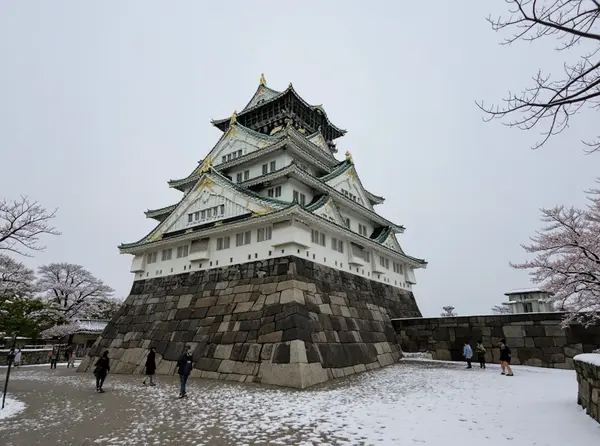
9. Osaka Castle
Osaka
Epic skyline views and sumptuous gold accents make it unforgettable. Wander museum floors then spot cherry blossoms from the top.
Quick facts: A dramatic white-and-gold keep towers above a massive stone moat, combining showy samurai-era ornamentation with a modern museum inside. Visitors can ride an elevator to multiple floors of exhibits, then climb to an observation deck for a sweeping city panorama.
Highlights: Head to the 8th-floor observation deck for a 360-degree view that stitches together historic castle grounds, glass towers, and wide rivers, a skyline photographers love. Find two golden shachihoko roof ornaments glinting in sunlit reflections, a quirky emblem that locals point out on guided walks.
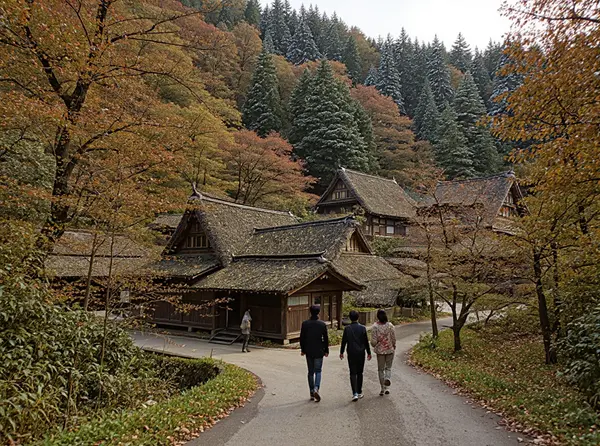
10. Shirakawa-go (Ogimachi, Gifu)
Gifu
Unique cluster of steep thatched roofs, straight from a postcard. Wander narrow lanes, climb the hill viewpoint, and taste rustic mountain dishes.
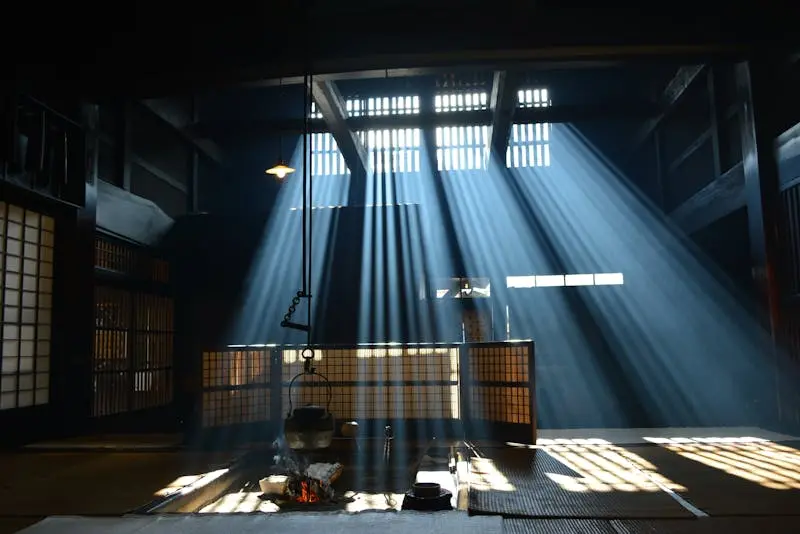
Quick facts: A mountain village where steep thatched roofs rise like hands in prayer, creating a silhouette you won’t forget. Seasonal rice-drying poles and smoking chimneys keep everyday life visible between the tourist paths.
Highlights: Gassho-style roofs tilt at roughly 60-degree angles so heavy snow slides off, producing dramatic triangular profiles against the sky. From the main hillside observatory you can count about 100 thatched roofs clustered in the valley, often dusted in snow for a storybook panorama.
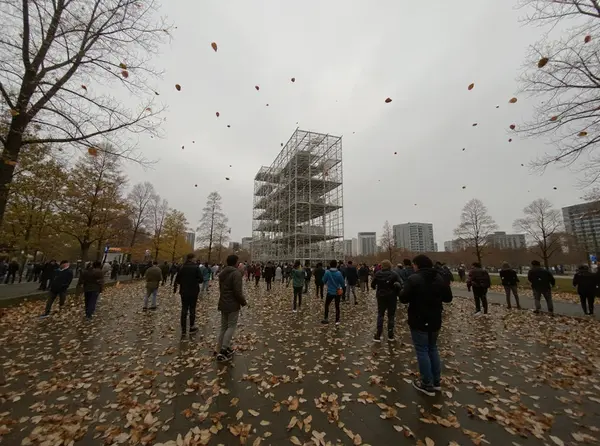
11. teamLab Borderless
A dazzling playground of light and sound that turns you into part of the art. Wander glowing rooms where motion, color, and sound respond to your every move.
Quick facts: Step into rooms where projections flow across walls, floors, and visitors, so art never feels static. Over fifty installations react to touch and motion, turning you from spectator into participant.
Highlights: Lights cluster into a 'Forest of Resonating Lamps' where hundreds of suspended LED orbs glow and respond to nearby movement, creating wave-like color trails underfoot. A mirrored 'Crystal Universe' surrounds you with tens of thousands of tiny lights, where sound and vibration rearrange patterns so each visit feels unique.
12. Kappabashi Street
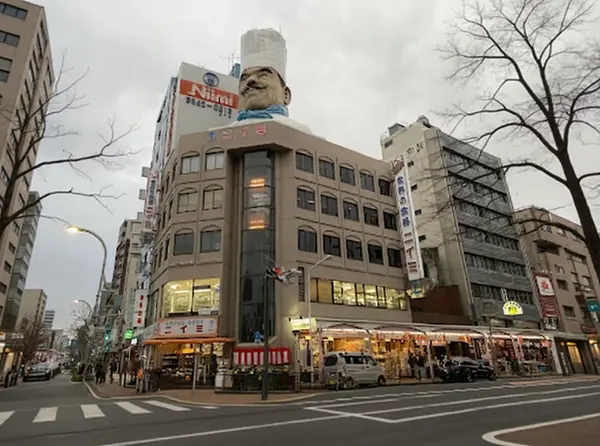
Explore a one-of-a-kind market for restaurant tools. Encounter life-like food models, pro chef knives, and vintage tableware.
Quick facts: A narrow shopping avenue specializes in restaurant tools and tableware, where chefs and cafe owners buy everything from ladles to professional knives. Rows of shops sell hyper-realistic plastic food displays and gleaming copper pots, creating a surreal blend of craft, commerce, and color.
Highlights: Around 170 specialized shops crowd the street, including ateliers that hand-paint life-size plastic noodle bowls and stores offering chef knives that can cost thousands of yen. Warm shop lights bounce off glossy faux-food samples, forming miniature tableaux that look edible from a distance, an oddly tactile scene many visitors never expect.
Where to Stay in Japan
Selected by City Buddy based on guest reviews and proximity to top attractions
Search all hotels in JapanPowered by agoda
Opening days in Japan
Which of the top sights close on which day of the week — the classic trip-ruiner, checked for you.
Tuesday: 3 of 26 top sights closed — plan museums for another day.
Closed on Tuesday · 3 closed, 23 open
- teamLab Borderless
- Isuien Garden
- Shinjuku Gyoen National Garden
Opening days from Google Maps. Public holidays, strikes and seasonal hours can differ — check the official website before you go.
Popular Cities in Japan
Traditional Sweet Dishes
Mochi
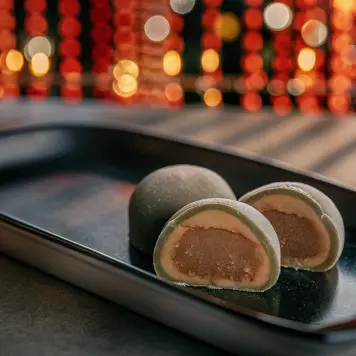
Mochi is made by pounding glutinous rice until it becomes a smooth, elastic mass, and the communal mochitsuki ceremony at New Year brings neighbors together to pound and shape it.
Wagashi
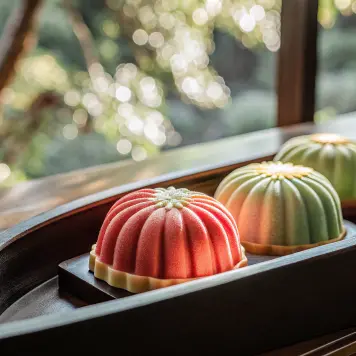
Wagashi are delicate confections crafted to reflect the season, their designs often mimic flowers, leaves and landscapes to complement tea ceremonies and moments of mindfulness.

Dorayaki
Dorayaki pairs two fluffy pancakes with sweet red bean paste, and its name 'dora' means gong after a legend that batter was once cooked on a discarded gong.
Traditional Savory Dishes
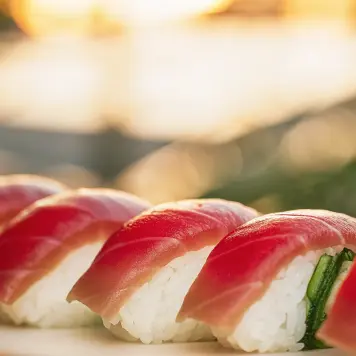
Sushi
Sushi began as a method to preserve fish in fermented rice, and the hand-pressed nigiri style was invented in Edo in the early 19th century as fast street food.
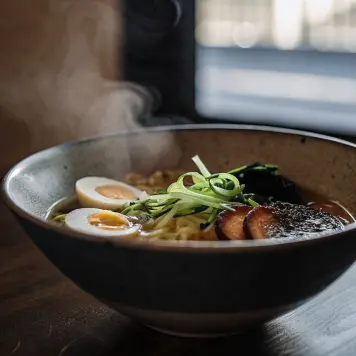
Ramen
Ramen arrived from China and evolved into dozens of regional broths and noodle styles, and slurping loudly is both polite and helps bring the aroma to your nose.

Okonomiyaki
Okonomiyaki literally means 'grill what you like', it is a customizable savory pancake that people often cook together on communal griddles in Osaka and Hiroshima.
Traditional Beverages
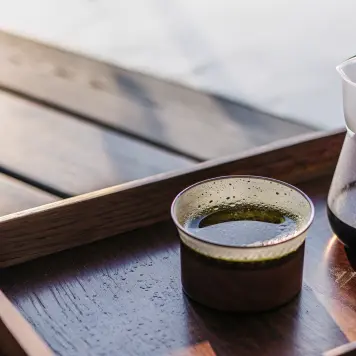
Green tea
Green tea, especially powdered matcha used in tea ceremonies, contains L-theanine and caffeine that together promote calm alertness, and it became central to Zen practices.

Sake
Sake is brewed with koji mold that converts rice starch into sugar, and it has been used in Shinto rituals for centuries as a sacred offering and celebratory drink.
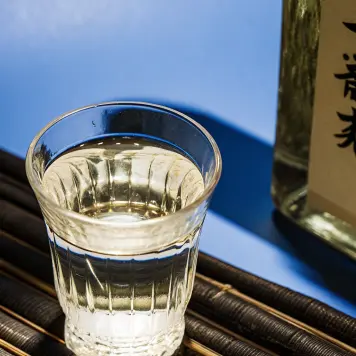
Shochu
Shochu is a distilled spirit often around 25 percent alcohol by volume, and it can be made from ingredients like sweet potato, barley or rice giving each region a distinctive flavor.
Frequently Asked Questions about Japan
What is the best time to visit Japan?
Is Japan an expensive country to live in?
How is the public transportation system in Japan?
Is the tap water in Japan safe to drink?
How many tourists visit Japan annually?
Get a PDF with the most popular attractions sent to your email
Get a PDF with all attractions, ratings, and tips. Perfect for offline use.
Most popular day trips
Hakone
Hot springs, views of Mt. Fuji and lake cruises.
Kamakura
Historic temples, Great Buddha and coastal walks.
Yokohama
Large port city, Chinatown, Minato Mirai area.
Getting there
Airports
Train stations
Tokaido Shinkansen, JR lines, local metro connections
Tokaido/Sanyo Shinkansen, JR lines
JR lines, Odakyu, Keio, multiple metro lines
Use Narita Express/Keisei Skyliner from Narita, Tokyo Monorail/Keikyu from Haneda; get a Suica/PASMO IC card.
Visa & entry
EU/Schengen countries, USA, Canada, UK, Australia, New Zealand, South Korea, Singapore, Hong Kong, Taiwan, Brazil, Argentina, Chile, Mexico
Many African countries, some South Asian countries (e.g., India, Pakistan), and some Middle Eastern countries typically require visas
Check the Japan Ministry of Foreign Affairs or local embassy for your nationality; rules change and some stays vary.
Useful information for Japan
Overview for Japan
Want a day-by-day plan for Japan? Open the trip planner
Plan your perfect trip to Japan
Get a complete travel plan built just for you in under 30 seconds, with daily routes, local food tips, budget estimates and more.
Are any of these especially important to you?
Select all that apply
Getting around
How do you want to move between places?
Plan language: EnglishMost popular itineraries for Japan
Browse trip plans created by other travelers
7-Day Family Autumn Adventure in Japan: Hidden Gems & Local Favorites
Explore Japan's most enchanting autumn landscapes with your family, weaving through iconic sights and secret local gems that reveal the country's true heart away from tourist crowds.
13-Day Japan: Hidden Gems, Family Fun & Cultural Treasures
Discover Japan's lesser-known wonders with your family this summer: from secret temple courtyards and local neighborhood markets to kid-friendly museums and breathtaking historical sites, this off-the-beaten-path journey blends adventure, culture, and practical family-friendly pacing across Tokyo, Kyoto, Osaka, Hakone, Kanazawa, and beyond.
13-Day Japan: Hidden Paths & Backpacker Secrets
From Kyoto's hidden temple gardens to Tokyo's underground art scenes, discover Japan's best-kept secrets on a budget-friendly summer adventure through lesser-known neighborhoods, local markets, and authentic hangouts.
20-Day Autumn Japan for Culture and History Enthusiasts
Discover Japan's rich history, cultural treasures, and hidden gems over 20 unforgettable autumn days filled with museums, historic sites, and authentic local experiences.
11-Day Japan Spring Journey for Culture Seekers and Local Explorers
Dive deep into Japan's hidden gems, rich history, and authentic local scenes this spring with budget-friendly adventures and off-the-beaten-path experiences.
3-Day Yokohama, Tokyo, and Kamakura Off-the-Beaten-Path Summer Explorer
Discover hidden gems and local favorites across Yokohama, Tokyo, and Kamakura for an authentic Japan experience away from the crowds.
5-Day Springtime Japan Discovery: Culture, Nature & City Lights
Immerse yourself in the vibrant culture, breathtaking landscapes, and delicious cuisine of Japan on this unforgettable 5-day spring adventure!
13-Day Active Explorer's Journey Through Japan
Embark on an unforgettable 13-day active adventure through Japan, seamlessly blending Japan's iconic landmarks with hidden cultural gems and breathtaking natural landscapes.
12-Day Japan for Culture and History Enthusiasts
Discover Japan's rich heritage, hidden local gems, and architectural treasures across 12 immersive summer days.
5-Day Family-Friendly Spring Adventure in Japan
An engaging 5-day family trip across Japan featuring kid-friendly parks, iconic landmarks, interactive museums, and scenic nature visits with practical travel tips for families.