 CityBuddy
 English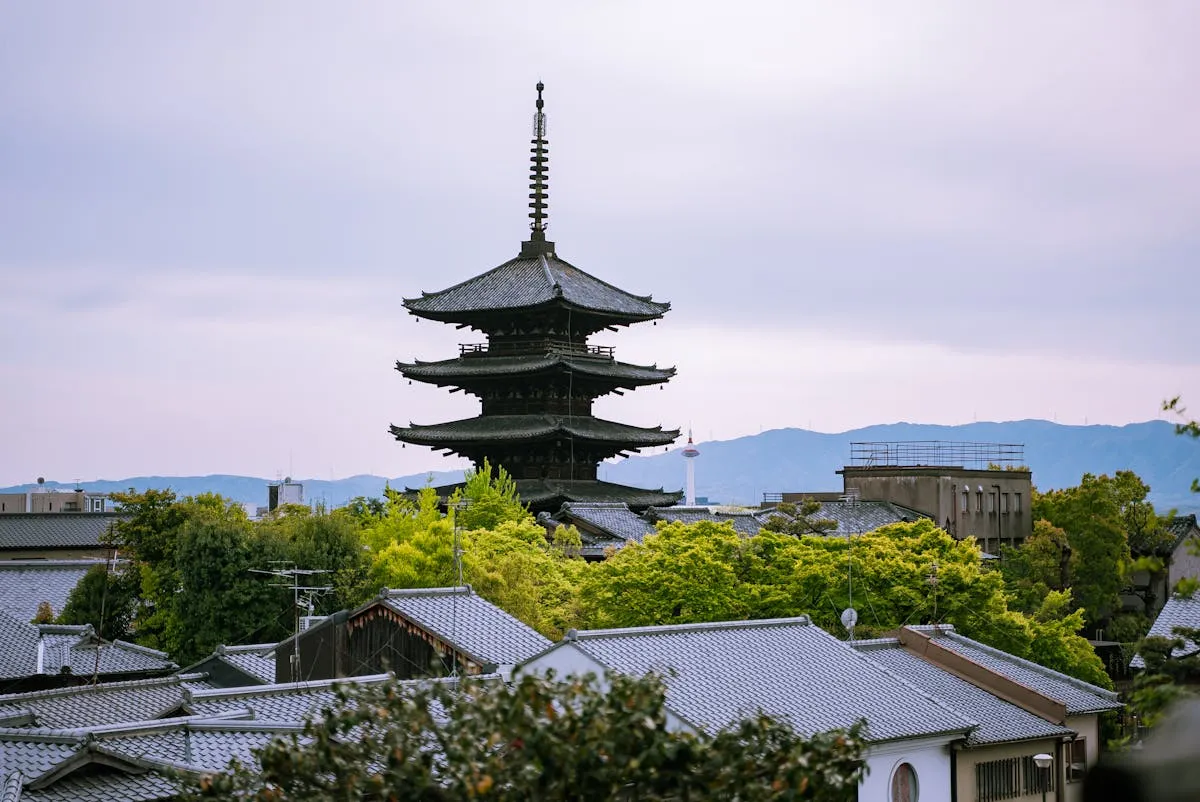
Things to Do in Kyoto, Japan
Photo made by Satoshi Hirayama on Pexels.com
When to visit
Kyoto is the #4 cleanest city in the world, based on our data across hundreds of destinations.
Most popular attractions in Kyoto, Japan
Things to do in Kyoto, Japan include exploring the Fushimi Inari Taisha with its thousands of red torii gates stretching 4 kilometers up the mountain, visiting Kiyomizu-dera's wooden terrace offering panoramic city views, and wandering through the Arashiyama Bamboo Grove, a peaceful forest path lined by towering bamboo stalks.
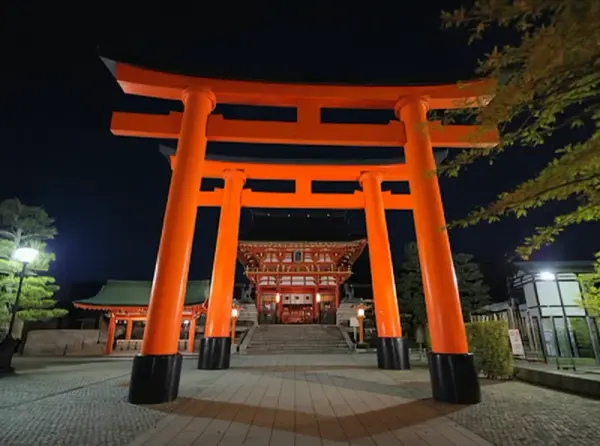
1. Fushimi Inari Taisha (伏見稲荷大社) - famous torii gate mountain shrine
Walk through thousands of vermilion torii gates that climb a quiet forested mountain. Explore fox statues, small shrine alcoves, and panoramic viewpoints along the trail.
Quick facts: Stepping under the vermilion gates is like entering a bright, endless corridor, where repeating pillars and dapples of light turn a simple hike into a surreal, almost cinematic walk. Over 10,000 individual torii line the paths, many engraved with donors' names, producing shifting shadows and echoing footsteps that photographers and local worshippers both seek out at sunrise.
Highlights: Rows of vermilion torii squeeze the path into tunnel after tunnel, thousands of bright pillars stamped with donors' names in black kanji so sunlight falls in barred orange stripes while cedar and incense drift through the air. The trail snakes up the mountain for 233 meters to the summit, punctuated by weathered stone kitsune statues clutching tiny keys in their mouths, a quirky tradition that marks each shrine's role as a guardian of rice and fortunes.
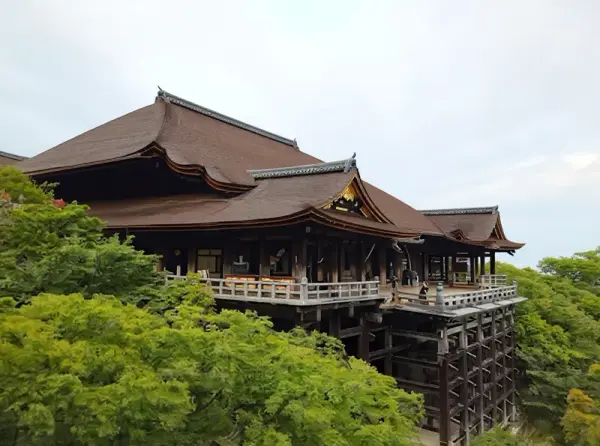
2. Kiyomizu-dera (清水寺) - historic hillside temple with wooden terrace
Perched above Kyoto, Kiyomizu-dera offers iconic wooden architecture and sweeping city views. Walk the long terrace, sip from the Otowa springs, and explore lantern-lit pathways.
Quick facts: A broad wooden terrace juts out over a steep hillside, offering a skyward clatter of footsteps and panoramic views of maple and cherry trees below. Visitors toss coins toward a sacred waterfall in hopes of wishes coming true, and the lantern-lit evenings bathe the complex in a warm, cinematic glow.
Highlights: Step onto the hillside temple's timber stage and you feel the boards slightly give beneath your feet, the structure projecting about 13 meters out over the valley, supported by roughly 139 interlocking wooden pillars famously rebuilt in 1633 under Tokugawa Iemitsu; you can smell old lacquer and cedar in the air as the breeze moves through the trees. Down below, a narrow waterfall splits into three streams and visitors queue with long metal cups to sip the cold mineral water: each stream is said to grant a different blessing, longevity, academic success, or romantic luck, and locals will sometimes whisper that taking from all three is poor etiquette.
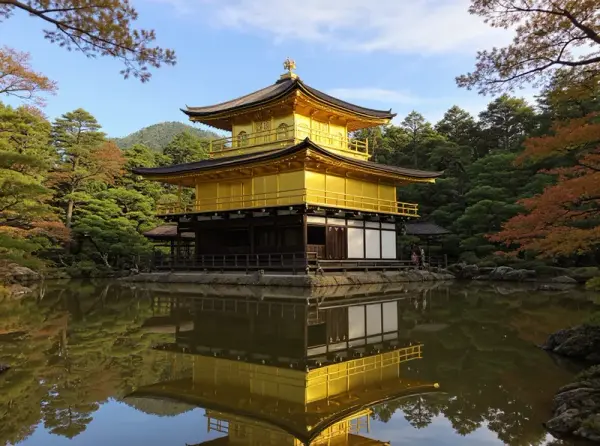
3. Kinkaku-ji (金閣寺, Golden Pavilion) - iconic gold-leaf temple
Golden Pavilion) - iconic gold-leaf temple
A shimmering gold-leaf pavilion on a mirror-like pond, an emblem of Kyoto's refined aesthetics. Walk manicured paths, capture perfect reflections, and feel centuries of Zen influence.
Quick facts: Gilded surfaces catch the sun and scatter shimmering reflections across the pond, making every photo look deliberately composed. A close-up reveals delicate gold leaf textures and lacquer work, while the surrounding garden and the soft crunch of gravel underfoot complete the serene, almost theatrical scene.
Highlights: Fun fact: the top two stories are actually covered in real gold leaf, so when the low sun hits the pond the whole scene shimmers like molten metal and the koi ripples fracture the mirror-perfect reflection. After a monk set the original aflame in 1950 the pavilion was painstakingly rebuilt in 1955 to its Muromachi-era three-tiered plan, and locals still line the mossy garden paths at dawn to watch that shimmering reflection.
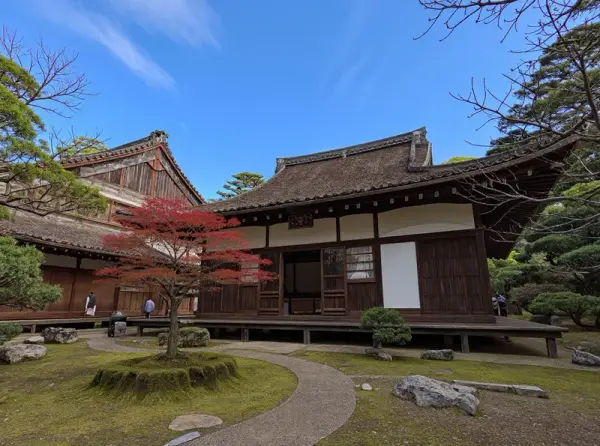
4. Ginkaku-ji (銀閣寺, Silver Pavilion) - Zen temple and moss garden
Silver Pavilion) - Zen temple and moss garden
Elegant Zen temple with serene moss gardens and classic Kyoto aesthetics. Walk winding paths, view the Silver Pavilion and a sculpted sand hill.
Quick facts: You can feel soft moss underfoot as precisely raked gravel and a sculpted sand cone called Kogetsudai form a miniature landscape that encourages slow, contemplative walks. A pavilion named for silver never actually received silver leaf; its quiet wooden surfaces helped codify the wabi-sabi aesthetic that reshaped Japanese gardens and tea culture.
Highlights: A quiet tradition there has the head gardener, Mr. Sato, leading a team of five each spring to repair precisely 361 raked grooves in the silver sand representing waves, a pattern that was last restored in 2005 after storm damage. Legend says the austere two-story pavilion was never clad in silver as planned by Ashikaga Yoshimasa in 1489, and the contrast between the dark lacquered wood and the vivid green moss, which smells faintly of wet stone after rain, is what surprises people most.
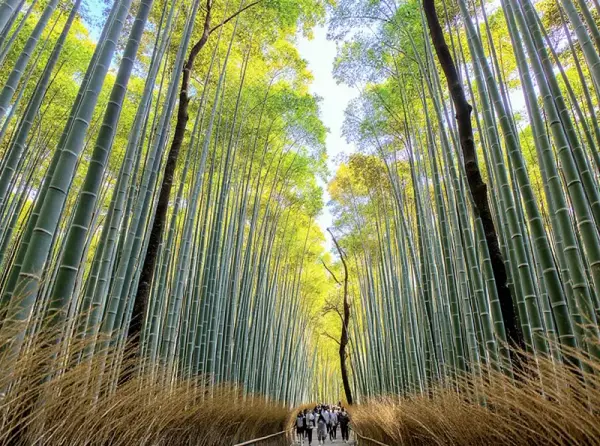
5. Arashiyama Bamboo Grove (Sagano Bamboo Forest) - scenic bamboo walk
Towering bamboo stalks form a calming, otherworldly corridor in Kyoto. Walk a shaded path of whispering green and snap dramatic photos between shafts of light.
Quick facts: Towering bamboo stalks crowd the path, their hollow shafts clacking softly like distant woodwind when the wind slips through. More than 500 meters of winding walkways draw thousands each day, yet a dawn visit often rewards you with near silence and an eerie jade-green light filtering through the canopy.
Highlights: Walk the narrow 500-meter corridor at dawn and you’ll feel the air cool as towering bamboo stalks, some over 20 meters tall, sway above and create a hollow, metallic singing when wind passes through the culms. Locals say the sound pairs perfectly with a lone shakuhachi player at sunrise, a quieter custom kept by a few performers who favor the grove for morning practice.
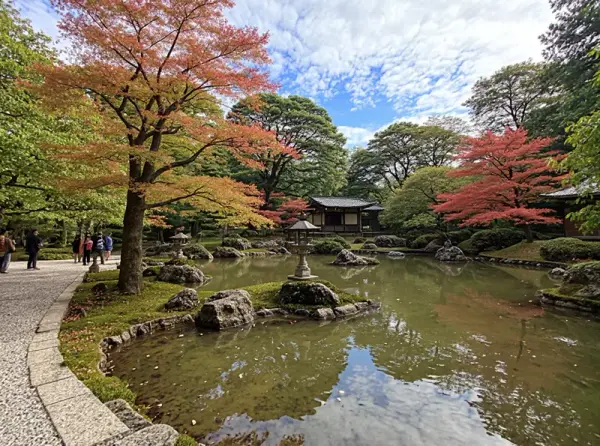
6. Ryoan-ji (龍安寺) - renowned Zen rock garden
World-famous Zen rock garden showcasing minimalist design and centuries of quiet ritual. Sit on the wooden veranda and study raked gravel, moss, and fifteen carefully placed stones.
Quick facts: Sit on the low wooden veranda and you'll realize the rock-and-gravel scene was designed to be studied from a seated, meditative vantage, making negative space the star. Subtle shifts in perspective hide or reveal stones, turning the ritual raking into a quiet, unexpectedly expressive performance.
Highlights: A precise rectangle of white gravel hides fifteen stones arranged so deliberately that, from any seat on the wooden veranda, only fourteen are visible at once, which visitors love to count and argue about. Gardeners rake the gravel into ocean-like ripples every morning, and the surrounding moss, faint incense, and the soft scrape of sandals make the silence feel like something you can walk into.
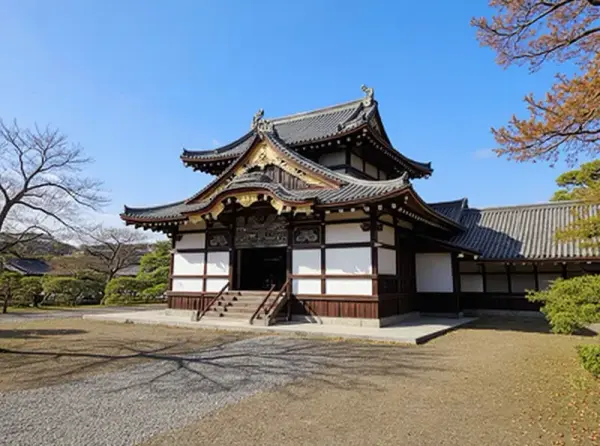
7. Nijo Castle (二条城) - Edo-period castle with nightingale floors
Step into samurai-era Kyoto inside a richly decorated shogun palace. Walk on nightingale floors and admire painted sliding doors and strolling gardens.
Quick facts: Stroll along grooved wooden corridors and you'll hear melodic chirps beneath your feet, a clever acoustic trick that warned guards of intruders. Ornate painted screens and sweeping gardens stage quiet drama; a single political act there once shifted the country's power and changed the course of history.
Highlights: Step lightly and the floorboards will chirp beneath your feet, a bright, birdlike trill produced when thin planks rub against copper clamps and hidden nails so a single stride can set off a dozen tiny metallic twitters. In a gold-paneled chamber the last shogun, Tokugawa Yoshinobu, formally returned power to the Emperor in 1867, a quiet ceremony whose hush becomes eerie when you stand where he once stood.
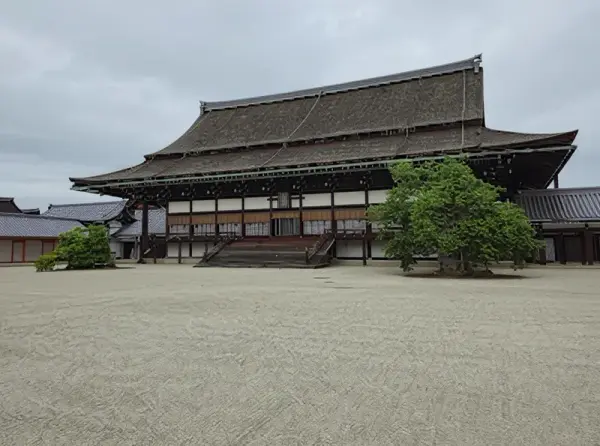
8. Kyoto Imperial Palace (京都御所) - historic residence of the imperial family
Step into centuries of imperial history within tranquil walled gardens. Explore elegant wooden halls, wide lawns and refined palace architecture on a guided route.
Quick facts: Stepping through the grand gates feels like entering a living scroll, where lacquered halls, vermilion pillars, and meticulously raked gravel create an atmosphere of ceremonial calm. Guided tours unveil surprising details: many buildings remain set aside for formal court functions, and the site's measured proportions were tuned to rites that governed daily imperial life.
Highlights: Behind lacquered vermilion pillars you'll find an astonishment: the main ceremonial hall still houses the gilded Takamikura enthronement throne, a miniature shrine-like seat layered in gold leaf and lacquer that used to be the focus of ceremonies attended by hundreds of courtiers. Stroll the clipped gardens and you'll smell pine and wet stone, while koi paint the pond with flashes of orange and the cedar beams overhead creak the same hush courtiers would have heard during Heian-era processions.
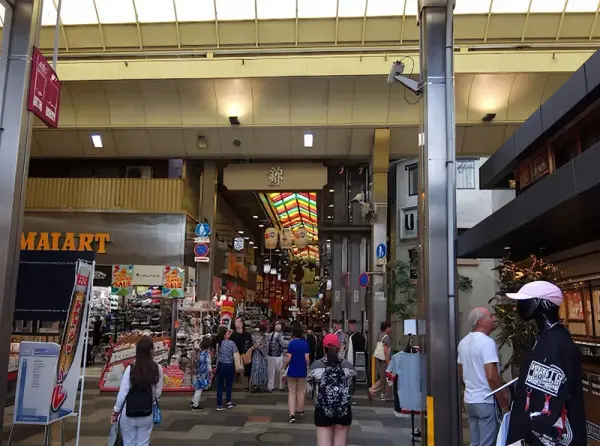
9. Nishiki Market (錦市場) - lively food market in downtown Kyoto
A sensory feast of Kyoto's food culture in a lively covered arcade. Sample fresh seafood, pickles and street snacks while chatting with friendly vendors.
Quick facts: A maze of narrow aisles bursts with colors and sizzling smells, where vendors sell everything from grilled seafood and pickles to Kyoto-style sweets. Visitors can nibble their way through dozens of bite-sized specialties in under an hour, and long-running family stalls still guard secret recipes passed down across generations.
Highlights: Walk the narrow covered lane and vendors will press a piping-hot grilled squid skewer into your hand, steam and soy-sweet glaze rising as over 100 tiny shops offer pickles, fresh tofu, and seafood so you can sample a dozen treats in one short stroll. Duck into Aritsugu's knife shop and watch a master sharpen a chef's blade by hand, sparks and ringing metal under warm lantern light, a centuries-old craft still on daily display.
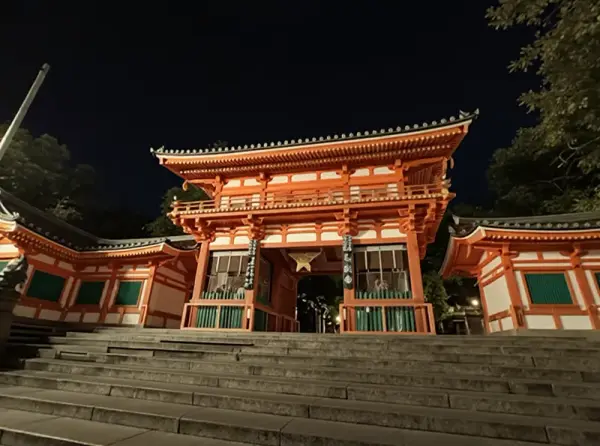
10. Gion District (祇園) - historic geisha district, including Hanami-koji and Yasaka Shrine
Step into Kyoto's geisha quarter where lantern-lit wooden teahouses preserve centuries of tradition. Walk Hanami-koji, glimpse kimono-clad figures and visit the lively Yasaka Shrine.
Quick facts: Lantern light glows off polished wooden machiya as maiko glide along a narrow cobbled lane lined with tea houses, making evenings feel cinematic. A vibrant Shinto shrine on the neighborhood's eastern edge draws roaring summer processions and thousands of hanging lanterns, creating a lively counterpoint to the district's refined teahouse hush.
Highlights: At dusk the narrow wooden lanes fill with the smell of yakitori and charcoal while red paper lanterns cast puddles of light, and you can occasionally spot maiko in multi-layered kimono, their white makeup and flower kanzashi flashing as wooden clogs click on the stones. A shrine founded in 656 AD anchors an annual July festival where massive decorated floats called yamaboko are hauled by teams of villagers, a centuries-old ritual that turns the quiet alleys into a parade of drumbeats and incense smoke.
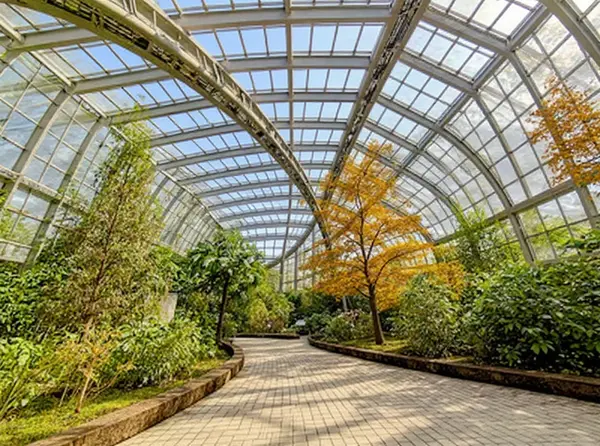
11. Visit Kyoto Botanical Gardens
Discover over 12,000 plant species in one expansive garden. Experience serene koi ponds and a dazzling rose collection.
Quick facts: Explore a garden boasting over 12,000 plant species spread across 24 hectares. Visitors wander through a giant greenhouse that houses tropical and subtropical plants, a rare experience in a temperate city like Kyoto.
Highlights: The garden features a rose garden with around 700 varieties, perfect for vivid, colorful photos. A peaceful pond with koi fish mirrors the surrounding greenery, creating a serene spot cherished by artists and photographers.
What to pre-book in Kyoto
These sell out or need a reservation. Book them first, in this order.
- 1.Kyoto Imperial Palace (京都御所) - historic residence of the imperial familyBook 3 days aheadA few days to a week ahead Check availability
Where to Stay in Kyoto, Japan
Selected by City Buddy based on guest reviews and proximity to top attractions
Search all hotels in Kyoto, JapanPowered by agoda
Opening days in Kyoto, Japan
Which of the top sights close on which day of the week — the classic trip-ruiner, checked for you.
Monday: 1 of 10 top sights closed — plan museums for another day.
Closed on Monday · 1 closed, 9 open
Opening days from Google Maps (checked 2026-03-18). Public holidays, strikes and seasonal hours can differ — check the official website before you go.
Traditional Sweet Dishes
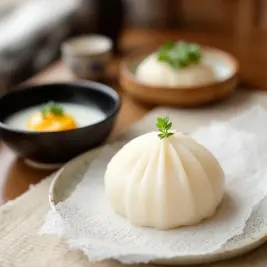
Mochi
Kyoto mochi is traditionally pounded by hand at festivals, producing a glossy, elastic texture that symbolizes good fortune and community spirit.
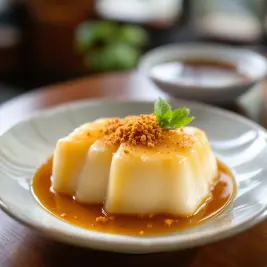
Yatsuhashi
Yatsuhashi is a cinnamon-flavored Kyoto sweet shaped like a folded triangle, and the soft unbaked version wrapped around sweet red bean paste is a must-try local specialty.
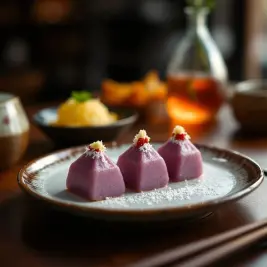
Wagashi
Kyoto wagashi are miniature seasonal landscapes you can eat, crafted to mirror flowers, leaves and festivals and designed to complement the bitterness of matcha during tea ceremonies.
Traditional Savory Dishes
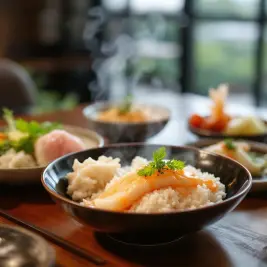
Kaiseki
Kaiseki in Kyoto is a poetic multi-course meal where each dish is arranged like a painting, highlighting one perfect seasonal ingredient and a delicate balance of taste and texture.
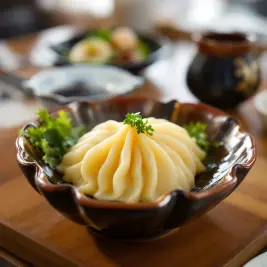
Yudofu
Yudofu is humble simmered tofu served near Kyoto temples, often enjoyed straight from the pot in a kelp-infused broth to celebrate simplicity, purity and the monk's palate.
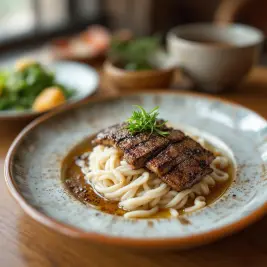
Obanzai
Obanzai is Kyoto's home-style cooking, made from small, seasonal ingredients sourced within the city and prepared with techniques passed down through generations, it embodies sustainable, everyday elegance.
Traditional Beverages

Matcha
Kyoto's matcha, especially from Uji, is prized for its bright green color and savory umami, and in the tea ceremony it is whisked into a froth to create a meditative moment of flavor and focus.

Sake
In Kyoto's Fushimi district the soft groundwater creates silky, mellow sake, and centuries-old breweries still use traditional wooden fermentation methods to produce nuanced flavors.
Know before you go
What a day costs in Kyoto, and the rip-offs to avoid
Cost per person per day
Top rip-offs to avoid
- Unlicensed drivers near stations. Use the official taxi rank and take a metered cab; confirm the meter is running before departure.
- Touts steering to commission restaurants. Decline invitations from street touts; pick venues with posted menus and prices at the entrance.
- Poor-rate exchange booths. Use bank ATMs instead; if you must exchange cash, compare rates beforehand and avoid countdown-style booths.
Fair taxi from the airport: ¥9,000 - ¥15,000 (€51 - €85)
Cheaper option: Haruka limited express train to Kyoto Station (¥3,000)
All scams, fair prices and rulesFrequently Asked Questions about Kyoto, Japan
Best time to visit Kyoto, Japan?
Is Kyoto, Japan safe for travelers?
Is Kyoto, Japan expensive to visit?
How to get around Kyoto, Japan?
Is tap water safe to drink in Kyoto, Japan?
Get a PDF with the most popular attractions sent to your email
Get a PDF with all attractions, ratings, and tips. Perfect for offline use.
Most popular day trips
Nara
Ancient temples and friendly free-roaming deer in Nara Park.
Osaka
Vibrant food, nightlife, and Osaka Castle.
Himeji
Home of Himeji Castle, Japan's best-preserved castle.
Amanohashidate
Scenic sandbar with classic 'view from above' lookout.
Getting there
Airports
Train stations
JR Tokaido/Sanyo Shinkansen, JR lines, Kintetsu connections
Keihan & Hankyu connections to Kyoto center
From KIX take the JR Haruka limited express or airport limousine bus to Kyoto Station.
Useful information for Kyoto, Japan
Overview for Kyoto, Japan
Compare Kyoto with other destinations
Prices, safety, weather and top attractions side by side, with a verdict for every kind of traveler.
Want a day-by-day plan for Kyoto, Japan? Open the trip planner
Plan your perfect trip to Kyoto, Japan
Get a complete travel plan built just for you in under 30 seconds, with daily routes, local food tips, budget estimates and more.
Are any of these especially important to you?
Select all that apply
Getting around
How do you want to move between places?
Plan language: EnglishMost popular itineraries for Kyoto, Japan
Browse trip plans created by other travelers
5-Day Relaxed Cultural and Culinary Journey in Kyoto
A comfortable-paced exploration of Kyoto's iconic landmarks, cultural sites, scenic walks, food markets, and local cuisine experiences over five spring days.
2-Day Autumn Exploration in Kyoto's Timeless Beauty
Immerse yourself in Kyoto's autumn charm with a perfect blend of historic temples, scenic walks, vibrant markets, and local experiences that capture the spirit of the season.
3-Day Autumn in Kyoto: Temples, Traditions, and Tranquility
Experience Kyoto's stunning autumn colors with temple visits, traditional experiences, and scenic strolls that capture the city's timeless charm.
4-Day Kyoto for Offbeat Culture and Food Explorers
Discover Kyoto's hidden gems and authentic local experiences through secret viewpoints, neighborhood eateries, ancient sites, and vibrant underground scenes this spring.