 CityBuddy
 English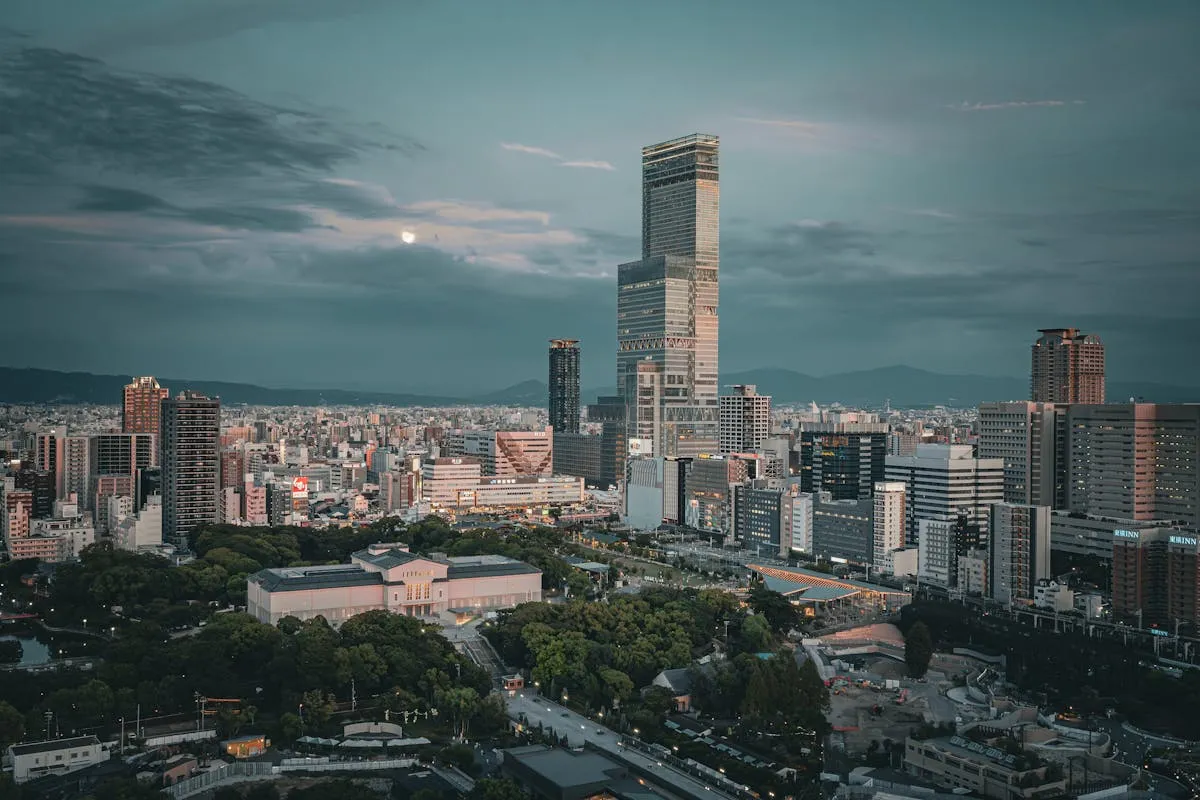
Things to Do in Osaka, Japan
Photo made by Ehsan Haque on Pexels.com
When to visit
Osaka is the #4 safest city in the world, based on our data across hundreds of destinations.
Most popular attractions in Osaka, Japan
Things to do in Osaka, Japan, include exploring Osaka Castle, a historic site surrounded by 2 kilometers of parkland. Walk along Dotonbori Street to see the famous Glico Sign and enjoy local street food. For family fun, spend a day at Universal Studios Japan, featuring thrilling rides and shows.
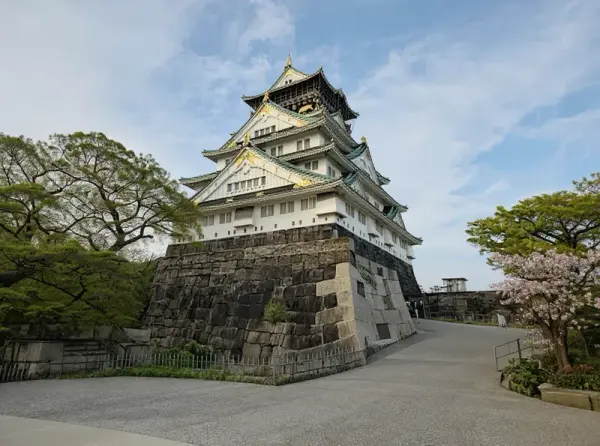
1. Osaka Castle (Osaka-jo)
Osaka-jo
Experience samurai-era grandeur at Osaka Castle, set in wide parkland. Explore the museum-packed keep and climb for panoramic city and cherry-blossom views.
Quick facts: Granite ramparts and a gilded roof catch the light, while cherry blossoms and a wide moat create reflections so pretty they look like painted postcards. Step inside the towering keep and a modern museum unfolds samurai stories, finishing with an elevator to the observation floor that serves sweeping city views and a surprising sense of scale.
Highlights: Over 3,000 cherry trees ring the park, and when they erupt into bloom in late March the pale-pink canopy and paper-soft petals drifting into the moat make the keep’s five exterior stories and eight interior floors look like they are floating on a rose-tinted lake. Down in the keep’s museum you can crouch into a reconstructed Golden Tea Room, where every sliding panel shimmers in gold leaf and the close, incense-tinged air makes you picture Toyotomi Hideyoshi hosting tiny, theatrical tea ceremonies.
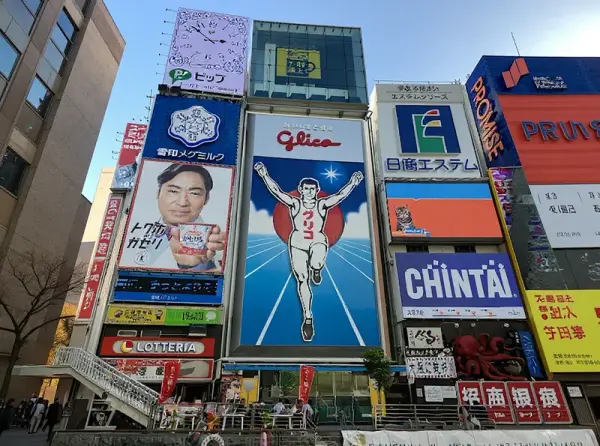
2. Dotonbori (Dotonbori Street & Glico Sign)
Dotonbori Street & Glico Sign
Neon-soaked riverside hub that captures Osaka's energy. Walk the bustling canal, pose under the Glico sign, and feast on takoyaki and okonomiyaki.
Quick facts: Neon reflections ripple across the canal, turning the night into a buzzing mosaic of billboards and steam from street-food stalls. Locals and visitors trade takoyaki and photos beneath a giant running-man sign, with millions of camera clicks each year and impromptu meetups spilling onto the promenade.
Highlights: At night the canal corridor floods with neon reflections and the air thickens with the sweet, savory steam of takoyaki and okonomiyaki from dozens of stalls, while a famous illuminated running-man billboard first installed in 1935 throws a rhythmic glow over the crowd. A quirky local tradition has people lining the bridge in groups to copy the runner’s victory pose for photos, often coordinating cheers and camera angles so that dozens of raised arms sync with the billboard lights.
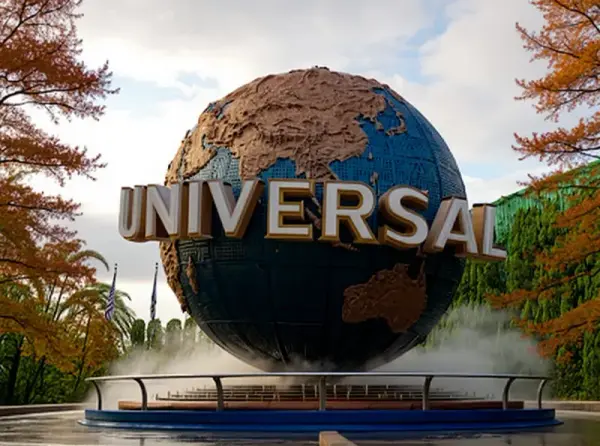
3. Universal Studios Japan (USJ)
USJ
Experience blockbuster movie worlds and high-speed thrills at Universal Studios Japan. Explore Wizarding World, Minion Park, and intense coasters with live shows and themed food.
Quick facts: Neon-lit streets pulse with theatrical parades and high-energy shows that leave crowds buzzing long after the fireworks fade. High-tech attractions combine motion simulation and practical effects for stomach-dropping thrills, while seasonal food stalls surprise visitors with inventive local twists like matcha churros.
Highlights: After the evening show the park's main street fills with the warm, nutty scent of a special roasted-caramel popcorn, and fans line up at the colorful kiosk that rotates over a dozen limited-edition bucket designs. Longtime staff secretly tuck tiny stamped postcards into random bags, some nights as many as 200 are handed out, so if you linger near the exits you might find one signed with the day's date and a whimsical doodle.

4. Osaka Aquarium Kaiyukan (Tempozan)
Tempozan
See whale sharks and huge Pacific tanks up close, a rare marine spectacle. Walk layered exhibits from tropical reefs to the Arctic and catch live feedings.
Quick facts: A massive central tank houses a graceful whale shark that glides through deep-blue water, giving visitors the dizzying sensation of floating beside a creature from the open ocean. Wander the spiraling galleries and expect sudden, intimate encounters with playful otters, luminous jellyfish and hands-on touch pools that make the whole visit feel alive and unexpectedly personal.
Highlights: You glide up a glass-walled ramp past 15 habitat tanks, each lit with a different color so the water changes from dusky purple to neon blue, until you face a 5.4 million-liter central tank where a gentle whale shark floats like a slow, living submarine. At feeding time divers slip into the tank with torches and handfuls of sardines, the sound of clapping muffled by water and a silver rain of food that sends rays and schools of fish arcing around the shark in a ballet you can feel in your chest.
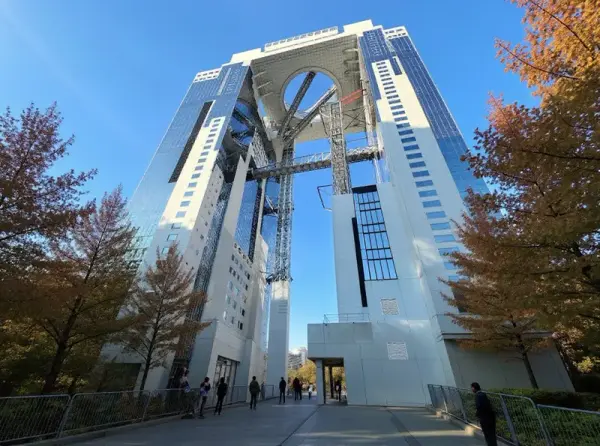
5. Umeda Sky Building - Floating Garden Observatory
Floating Garden Observatory
Panoramic rooftop views from two joined towers make Umeda Sky worth the trip. Experience the open-air Floating Garden Observatory and sweeping Osaka skyline.
Quick facts: A circular sky bridge frames a vertigo-tinged panorama, with ribbons of city light spilling beneath and wind that feels startlingly close. Visitors sip coffee on an open-air deck while elevators whisk you between twin towers, offering close-up views of dramatic structural curves.
Highlights: Two 40-story towers are capped by a circular rooftop observatory 173 meters above street level, reachable by glass-enclosed escalators that climb through an open atrium and meet like the pupils of a mechanical eye, giving a dizzying 360-degree panorama where trains sound like rattling toys far below. Beneath the towers an intentionally nostalgic underground arcade called Takimi Koji recreates narrow lantern-lit alleys lined with steaming yakitori skewers and kushikatsu stalls, the scent of soy and fried batter mingling with wooden eaves to make the whole building feel like a secret time machine to early 20th-century Japan.
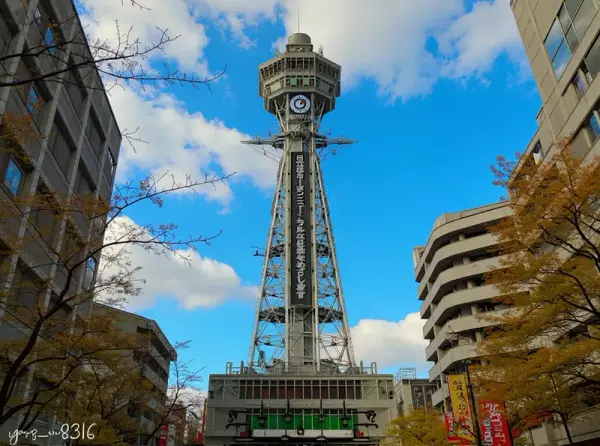
6. Tsutenkaku Tower (Shinsekai)
Shinsekai
Iconic retro tower offering panoramic Osaka views and neon Shinsekai charm. Ride the elevator to the observation deck, spot Billiken and sample kushikatsu below.
Quick facts: Neon lights and the constant hum of arcade games frame a lanky tower whose observation deck delivers sweeping city panoramas and a strangely comforting retro glow after dark. A beloved, rub-the-feet bronze idol promises good luck to visitors, and kitschy Showa-era signs and posters inside make the climb feel like wandering through a living vintage photo album.
Highlights: A huge bronze Billiken statue, its soles polished smooth by thousands of rubs, sits beneath a blazing neon crown and locals swear rubbing the feet brings seven years of good luck; people queue at odd hours just to touch them. Up on the observation deck, vintage announcements recorded in 1960 by a former tram conductor play through timed speakers while the air tastes faintly of kushikatsu oil and the view frames about 20 blocks of cramped, neon-lit streets below.
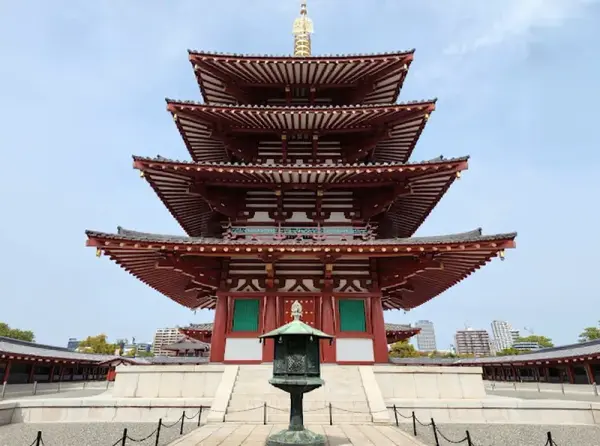
7. Shitennoji Temple
One of Japan's oldest temples, offering calm history in central Osaka. Walk serene gardens, see the five-story pagoda and ancient temple halls.
Quick facts: Step through a broad wooden gate and you'll feel the hush of chanting and warm sun on polished beams, while a graceful pagoda anchors a perfectly ordered courtyard. A roughly 1,300-year-old pine stands in the inner garden, and lively seasonal ceremonies still draw monks who serve simple vegetarian meals to guests.
Highlights: Founded in 593 by Prince Shotoku, the place still follows its original 7th-century layout with a five-story pagoda and a wide stone courtyard where the bell's low toll vibrates under your ribs. If you time a visit right, you can watch monks perform a goma fire ritual as visitors toss a single wooden prayer stick into the blaze, the air filling with sharp smoke of pine and sandalwood while the ash crunches underfoot.
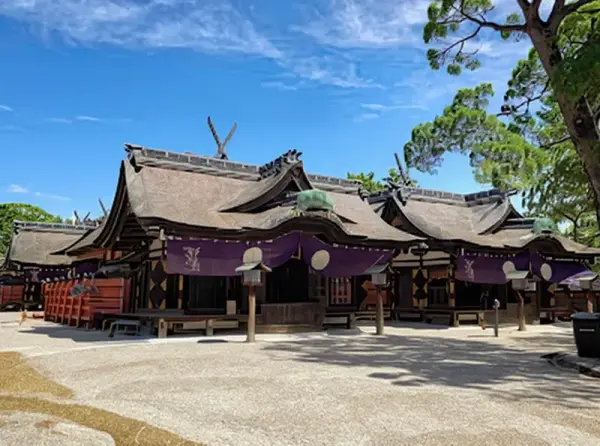
8. Sumiyoshi Taisha Shrine
Ancient Shinto shrine with striking Taiko-bashi bridge and classical court-style buildings. Wander serene grounds, watch ritual ceremonies, and photograph vivid vermilion gates.
Quick facts: Tucked among pine trees, the shrine's straight, white-roofed halls and vivid vermilion bridges create an austere, theatrical calm that sharply contrasts the nearby urban bustle. Visitors often hear the soft clack of wooden sandals on stone paths and spot tiny votive boats used in maritime prayers, a vivid reminder of the site's ties to sea travel.
Highlights: Cross a steep vermilion arched bridge called Sorihashi, photographers jockey for the sunrise reflection as the narrow wooden planks creak beneath your feet and a salt-kissed breeze carries the sound of distant waves. The shrine's buildings are in the ancient Sumiyoshi-zukuri style that predates Buddhism, enshrining four deities including the three Sumiyoshi brothers and Empress Jingū, and every July 30 and 31 drums, lanterns, and boat processions fill the air.
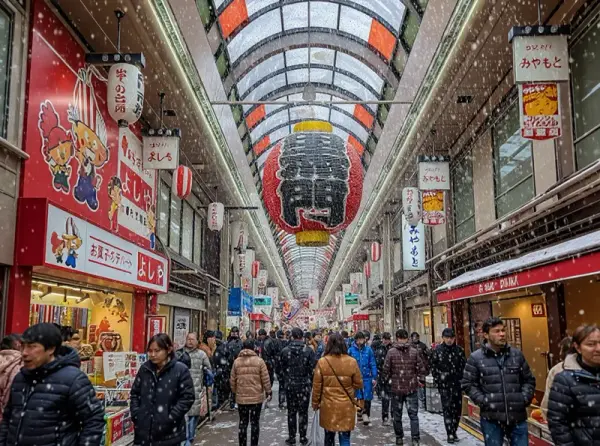
9. Kuromon Ichiba Market
Fresh seafood, street eats, and lively local flavor make Kuromon Ichiba worth a stop. Wander narrow aisles tasting sashimi, takoyaki, and grilled seafood from friendly stalls.
Quick facts: Walk through a corridor of sizzling grills, glistening seafood displays, and the constant chatter of vendors handing out free tastings that make every visit feel like a mini food festival. Over 170 stalls cram the narrow alleys, offering everything from blowfish sashimi to melt-in-your-mouth wagyu skewers, so you can snack your way through generations of recipes in a single afternoon.
Highlights: Wind through the covered arcade and you’ll smell briny seaweed and charcoal, watch chefs shave icicle-bright uni onto rice and blow-torch marbled wagyu for 800 yen a skewer while vendors haggle in sing-song voices that dare you to try the spiciest bite. Local shopkeepers like 80-year-old Mr. Tanaka still age tuna in a backroom for seven days using a sake-soaked cloth method handed down since the Meiji era, and they’ll hand you a sliver for 200 yen so you can taste the silky difference.
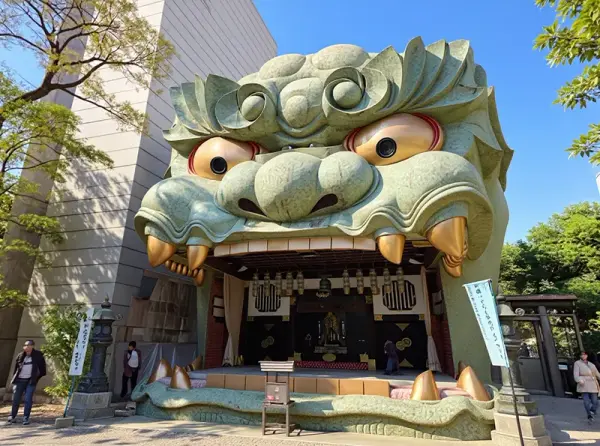
10. Namba Yasaka Shrine
A giant lion-head stage offers one-of-a-kind photos. Expect a quick, atmospheric visit, perfect for striking shots and a short local cultural stop.
Quick facts: A gigantic lion's open mouth frames the shrine's main stage, and local belief holds that stepping into the maw swallows bad luck and invites good fortune. Photographers and festival-goers love the dramatic, lacquered teeth and cavernous mouth as a backdrop for portraits and energetic performances.
Highlights: A hulking vermilion lion head dominates the shrine grounds, roughly 12 meters high with glinting gold teeth and glassy eyes that catch the sun. People line up to step into the gaping mouth for a photo and a quirky blessing ritual where the lion is said to swallow bad luck, especially during New Year when the stream of visitors can number in the hundreds.
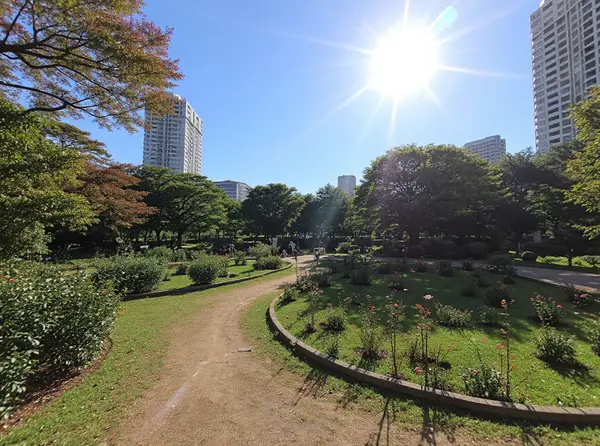
11. Visit Utsubo Park and Rose Garden
Discover over 400 rose varieties in full bloom. Enjoy peaceful strolls and charming cafes tucked among beautifully arranged flower beds.
Quick facts: This park offers more than 400 varieties of roses, creating a colorful spectacle that attracts flower lovers every spring. It sits on what used to be a bustling freight terminal, transformed into a serene urban oasis.
Highlights: Visitors can stroll along the Rose Garden during the peak bloom in May, when over 5,000 rose bushes release a delicate fragrance that fills the air. Small cafes scattered around the park let you enjoy a coffee while overlooking the blooming petals and the geometric patterns of the garden's layout.
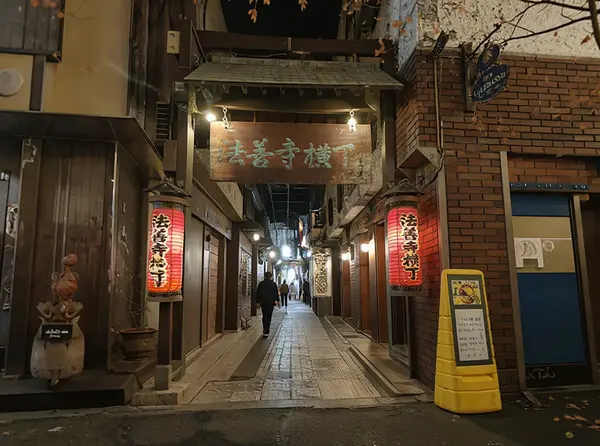
12. Visit Hozenji Yokocho Alley
Step into a compact street full of cozy eateries and a sacred moss-covered statue. Savor local flavors while soaking in a uniquely tranquil vibe under glowing lanterns.
Quick facts: This alley holds over 60 tiny restaurants and bars squeezed into a narrow stone-paved street that stretches only about 150 meters. Visitors often find themselves attracted to the moss-covered statue of Fudo Myoo, quietly doused with water by passersby as a prayer for good luck.
Highlights: The alley's stone lanterns glow warmly at night, and the sound of water droplets from the sacred statue creates a peaceful, almost meditative atmosphere. Each eatery hides behind wooden lattice doors, offering an intimate glimpse into traditional Osaka dining culture where diners sit close to the chefs.
Where to Stay in Osaka, Japan
Selected by City Buddy based on guest reviews and proximity to top attractions
Search all hotels in Osaka, JapanPowered by agoda
Opening days in Osaka, Japan
Which of the top sights close on which day of the week — the classic trip-ruiner, checked for you.
Good news: all 9 top sights with known hours are open every day of the week.
Closed on Monday · 0 closed, 9 open
Nothing closes on Monday — all 9 sights with known hours are open.
Opening days from Google Maps (checked 2026-03-18). Public holidays, strikes and seasonal hours can differ — check the official website before you go.
Traditional Sweet Dishes
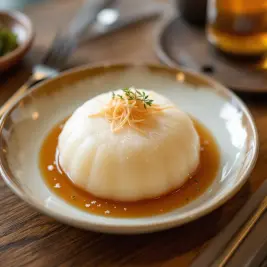
Mochi
In Osaka mochi is often pounded fresh at festivals and New Year celebrations, its chewy texture celebrated as a symbol of good luck and community.
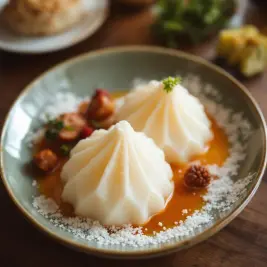
Daifuku
Daifuku is soft mochi stuffed with sweet red bean paste, and Osaka vendors popularized fruity versions like ichigo daifuku that burst with seasonal flavor.
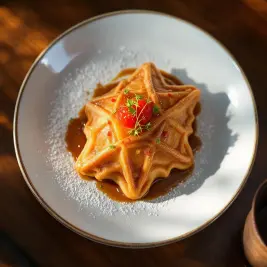
Taiyaki
Taiyaki looks like a fish because fish symbolize good fortune, and Osaka vendors fill them with everything from classic sweet red bean to creamy custard and savory fillings.
Traditional Savory Dishes

Okonomiyaki
Osaka's okonomiyaki is a hearty, savory pancake loaded with cabbage, meat, and toppings, and many restaurants cook it on a hot griddle in front of you for a theatrical, communal meal.
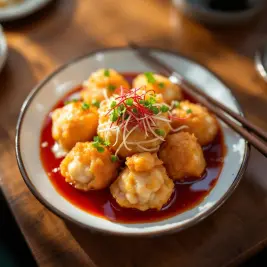
Takoyaki
Takoyaki were perfected in Osaka, they are crisp-on-the-outside balls of batter filled with diced octopus, and the expert flipping technique creates a creamy center that locals prize.
Kushikatsu
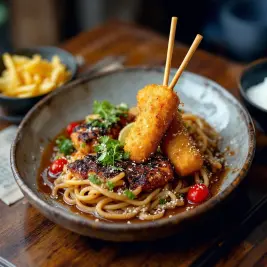
Kushikatsu are skewered, deep-fried bites that originated in Osaka's Shinsekai neighborhood, and there is strict sauce etiquette, so do not double-dip into the communal sauce.
Traditional Beverages

Green tea
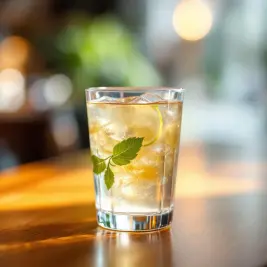
In Osaka, green tea, especially matcha and sencha, is commonly paired with sweets and street food, its bright bitterness cutting through rich flavors.
Sake
Sake in Osaka is often enjoyed alongside hearty street dishes, and local festivals showcase brewers who craft styles meant to stand up to robust, savory foods.

Umeshu
Umeshu, a sweet and tart plum liqueur, is a favorite in Osaka bars, where some shops age ume in spirits for years to create deep, honeyed flavors.
Frequently Asked Questions about Osaka, Japan
What is the best time to visit Osaka, Japan?
Is Osaka, Japan expensive to live in?
How safe is the tap water in Osaka, Japan?
How good is the public transportation system in Osaka?
How many tourists visit Osaka, Japan annually?
Get a PDF with the most popular attractions sent to your email
Get a PDF with all attractions, ratings, and tips. Perfect for offline use.
Most popular day trips
Kyoto
Historic temples, shrines and classic geisha districts.
Nara
Famous for free-roaming deer and Todai-ji temple.
Kobe
Harbor city with mountain views and great beef.
Himeji
Home of Himeji Castle, Japan's best-preserved castle.
Mount Koya (Koyasan)
Sacred mountain with temple lodgings and serene forests.
Getting there
Airports
Train stations
Tokaido/Sanyo Shinkansen (bullet train)
JR Osaka Loop Line, JR Tokaido Main, private lines & subways
From KIX use the JR Haruka or Nankai Rap:t; get an IC card (ICOCA) for easy transfers.
Useful information for Osaka, Japan
Overview for Osaka, Japan
Compare Osaka with other destinations
Prices, safety, weather and top attractions side by side, with a verdict for every kind of traveler.
Want a day-by-day plan for Osaka, Japan? Open the trip planner
Plan your perfect trip to Osaka, Japan
Get a complete travel plan built just for you in under 30 seconds, with daily routes, local food tips, budget estimates and more.
Are any of these especially important to you?
Select all that apply
Getting around
How do you want to move between places?
Plan language: EnglishMost popular itineraries for Osaka, Japan
Browse trip plans created by other travelers
2-Day Osaka Autumn Offbeat Explorer
Discover Osaka's hidden gems and local favorites away from the crowds this autumn. Immerse yourself in secret viewpoints, underground scenes, and authentic neighborhoods for a unique adventure.
12-Day Spring Delight in Osaka, Kyoto & Kobe
Discover the perfect blend of history, culture, and nature over 12 days through the vibrant cities of Osaka, Kyoto, and Kobe in springtime.
7-Day Spring Adventure in Osaka
Experience the vibrant culture, historic landmarks, and lively neighborhoods of Osaka in spring with this balanced 7-day itinerary.
4-Day Osaka Spring Adventure for General Travelers
Explore Osaka's rich history, vibrant neighborhoods, iconic attractions, and local flavors in a balanced four-day spring itinerary with practical travel tips and realistic budgets.