 CityBuddy
 English
Things to Do in Nara-shi, Japan
Photo made by Anele Ludaviciute on Pexels.com
When to visit
Most popular attractions in Nara-shi, Japan
Things to do in Nara-shi, Japan include visiting Todai-ji Temple, home to a massive 15-meter bronze Buddha statue, and exploring Nara Park, where friendly deer roam freely across 660 hectares. Kasuga Taisha Shrine offers a walk through thousands of stone and bronze lanterns illuminating peaceful forests. Each site enriches your cultural journey.
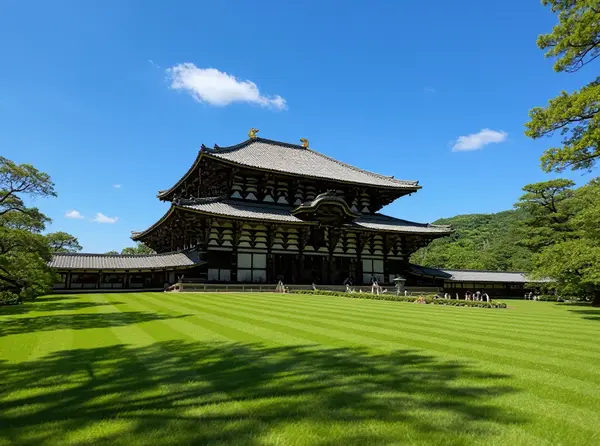
1. Nara Park
Experience up-close encounters with over 1,000 deer in an expansive natural setting. Enjoy peaceful strolls, ancient temples, and playful deer bowing for treats.
Quick facts: Over 1,000 free-roaming deer roam the park, considered messengers of the gods in local folklore. The park spans 660 hectares and attracts more than 14 million visitors yearly, especially during cherry blossom season.
Highlights: Visitors can purchase special deer crackers called "shika senbei" to feed the deer, creating memorable interactive moments. The deer bowing to visitors in return for food adds an unexpected and charming touch that often delights first-timers.
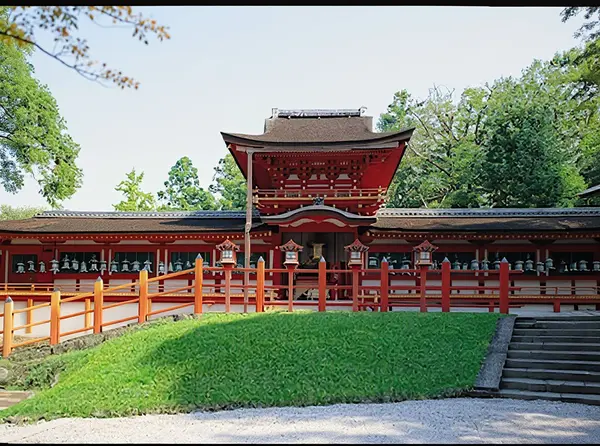
2. Kasuga Taisha Shrine
Experience the glow of thousands of lanterns and roam with sacred deer. Feel centuries of tradition in serene, glowing pathways and peaceful forest settings.
Quick facts: Over 3,000 stone and bronze lanterns line the paths, lighting the way in a magical glow during festivals. Deer roam freely as sacred messengers, blending nature with spirituality throughout the shrine grounds.
Highlights: The lantern festival lights up hundreds of lanterns simultaneously twice a year, creating an enchanting river of light that flickers alongside vermilion torii gates. A quirky tradition lets visitors write wishes on wooden plaques displayed among thousands hanging under the eaves, each carrying hopes and blessings.

3. Nara National Museum
Explore rare Buddhist art that reveals ancient spiritual stories. Experience peaceful galleries and serene gardens blooming with lotus flowers.
Quick facts: The museum houses over 10,000 pieces of Japanese Buddhist art, including exquisite sculptures and scrolls. Visitors can often see rotating exhibitions that highlight different eras and styles of Buddhist culture.
Highlights: A unique feature includes the gallery built entirely from wood with traditional Japanese joinery, creating a serene atmosphere that complements the spiritual art. The garden outside displays seasonal lotus flowers reflecting Buddhist themes, making the outdoor view an extension of the exhibits.
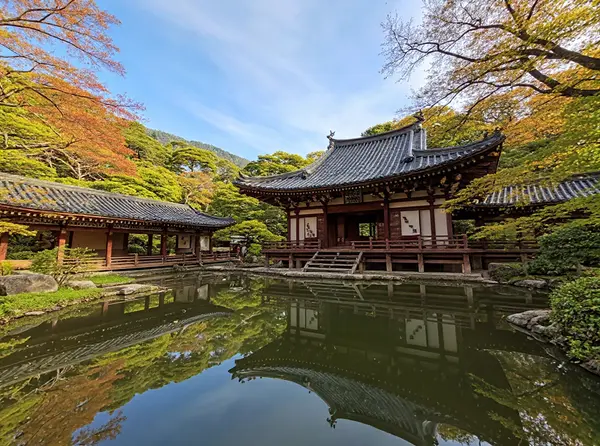
4. Isuien Garden
Discover precise Japanese garden craftsmanship with a stunning view of Todai-ji Temple's Buddha Hall. Stroll among calming ponds and vibrant seasonal colors that change your perspective.
Quick facts: Expect to see landscapes crafted with a tea-house, ponds, and a backdrop of Todai-ji Temple's Great Buddha Hall peeking through the trees. The garden spans about 9000 square meters, blending Edo period design with clever use of borrowed scenery to expand visual depth.
Highlights: Real magic happens at the pond where carp swim surrounded by carefully arranged stones representing islands; during autumn, the maple leaves create a fiery contrast against the dark water, curated to be viewed from a specific veranda spot. Around the western edge, an ancient plum tree over 300 years old bursts into fragrant bloom, offering a sensory delight beyond visuals.
5. Yoshikien Garden
Serene strolls through diverse landscapes await. Experience lush moss carpets and seasonal floral bursts in a peaceful garden setting.
Quick facts: This garden features three distinct areas: a pond garden, a moss garden, and a tea ceremony garden, each crafted to highlight seasonal changes. Visitors often find peace here as it draws fewer crowds compared to nearby famous sites, creating a quiet retreat.
Highlights: The moss garden covers about 600 square meters with over 120 varieties of moss, creating a lush green carpet that changes texture underfoot throughout the year. In spring, the tea ceremony garden bursts with azaleas and wisteria, offering a fragrant surprise amid the traditional pathways and teahouse.
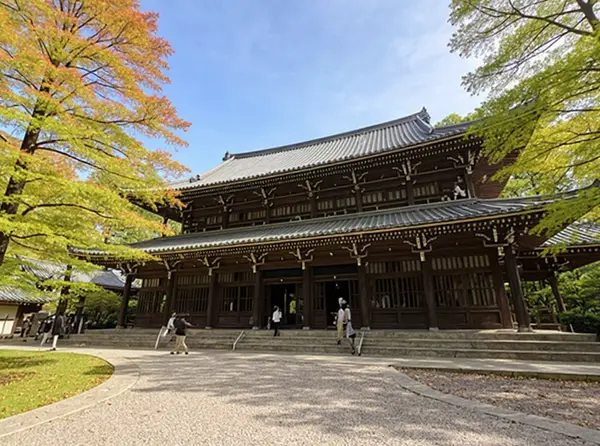
6. Nigatsu-do Hall
Experience ancient rituals with fiery torchlight in the air. Enjoy sweeping views and sacred traditions up close.
Quick facts: A ritual called Omizutori is held every March at this hall, where massive torches up to 8 meters long blaze, creating a stunning spectacle. The hall sits on a hillside offering a panoramic view of Nara city through its open verandas.
Highlights: During Omizutori, sparks from huge torches sometimes fall onto spectators below, believed to bring good fortune and health. The cedar wood pillars inside the hall retain a faint, fragrant aroma from centuries of incense burned during ceremonies.
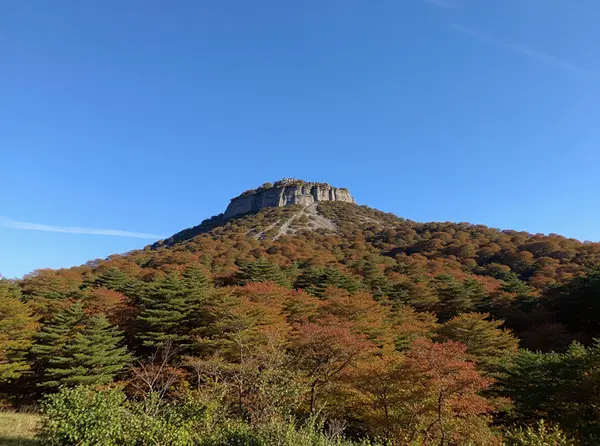
7. Mount Wakakusa
Experience breathtaking panoramic views and a fiery festival spectacle. Climb the hill for temple views and witness the glowing grass event.
Quick facts: This hill covers about 33 hectares and offers panoramic views especially of the ancient temples in the surrounding area. Each year, thousands gather here for the "Yamayaki" festival, where the grassy slopes are set on fire in an impressive spectacle.
Highlights: The annual Yamayaki festival lights up 8 hectares of grass with controlled fire, creating a glowing display visible from miles around. Cattle used to graze these slopes, and their presence helped shape the hill's unique ecosystem over centuries.
Where to Stay in Nara-shi, Japan
Selected by City Buddy based on guest reviews and proximity to top attractions
Search all hotels in Nara-shi, JapanPowered by agoda
Opening days in Nara-shi, Japan
Which of the top sights close on which day of the week — the classic trip-ruiner, checked for you.
Monday: 1 of 6 top sights closed — plan museums for another day.
Closed on Monday · 1 closed, 5 open
Opening days from Google Maps (checked 2026-04-08). Public holidays, strikes and seasonal hours can differ — check the official website before you go.
Traditional Sweet Dishes
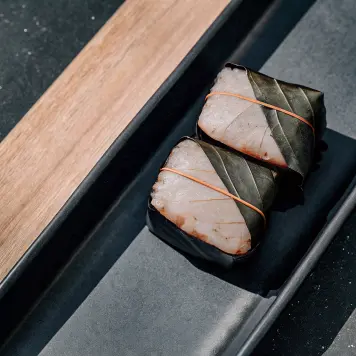
Kakinoha-zushi
While primarily a savory dish, Kakinoha-zushi sometimes features a subtly sweet vinegared rice that delights taste buds with its unique balance of flavors. It is sushi wrapped in persimmon leaves, which help preserve the freshness and add aroma.
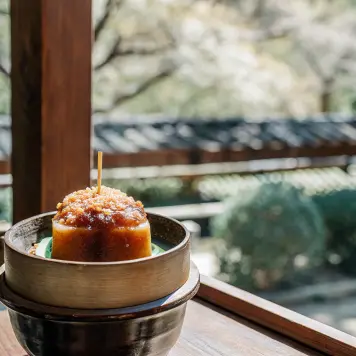
Kuzu Mochi
Kuzu Mochi is a traditional sweet made from kuzu starch and often served with kinako (roasted soybean flour) and kuromitsu (black sugar syrup), offering a chewy texture and rich, sweet taste.
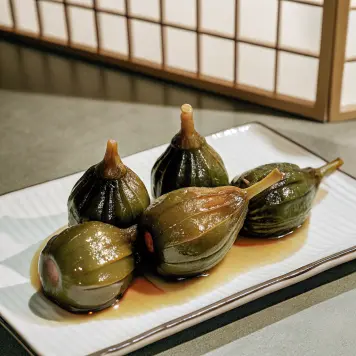
Narazuke
Narazuke is a type of sweet pickle made from vegetables soaked in sake lees, resulting in a sweet and slightly alcoholic flavor that is a unique local delicacy.
Traditional Savory Dishes
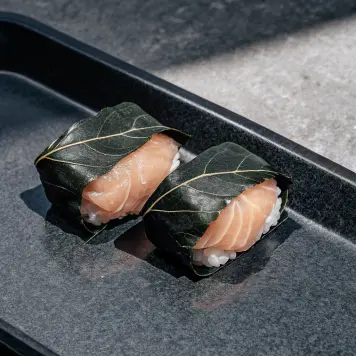
Kakinoha-zushi
Kakinoha-zushi is a famous local type of sushi from Nara, where mackerel or pressed sushi is wrapped in persimmon leaves, giving it a distinct aroma and flavor from the leaves.
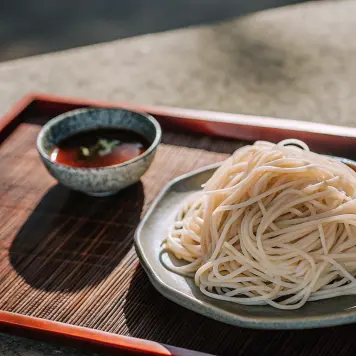
Miwa Somen
Miwa Somen noodles, originating from Nara's Miwa area, are thin wheat noodles often enjoyed cold with dipping sauce, known for their smooth texture and light taste.
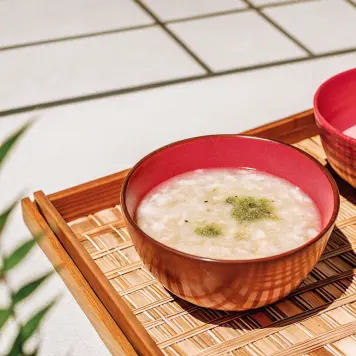
Chagayu
Chagayu is a savory rice porridge cooked with green tea, blending comforting rice and aromatic tea for a uniquely refreshing flavor that is popular in Nara.
Traditional Beverages
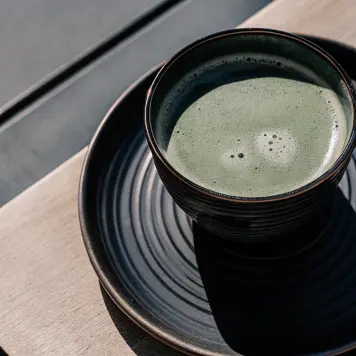
Yamato-cha
Yamato-cha is green tea from Nara’s Yamato region, prized for its rich aroma and smooth, slightly sweet flavor, reflecting the region's tea-growing tradition.

Umeshu
Umeshu, plum wine, is often enjoyed in Nara, made from local plums soaked in sake or shochu and sugar, resulting in a sweet and tangy drink.
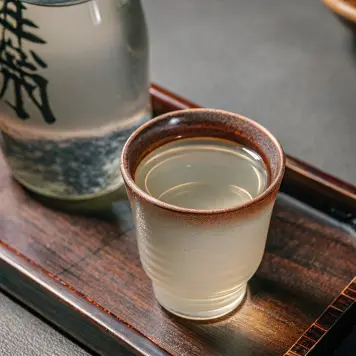
Sake from Nara
Nara is known for its high-quality sake brewing, utilizing pure water from the region and traditional methods to produce a smooth, refined sake with a deep umami profile.
Frequently Asked Questions about Nara-shi, Japan
Is Nara-shi, Japan safe for travelers?
How many days should I spend in Nara-shi, Japan?
What is the best time to visit Nara-shi, Japan?
Is Nara-shi, Japan expensive for travelers?
How to get around Nara-shi, Japan?
Get a PDF with the most popular attractions sent to your email
Get a PDF with all attractions, ratings, and tips. Perfect for offline use.
Most popular day trips
Kyoto
Historic city with temples, shrines, and traditional culture.
Osaka
Vibrant city known for food, shopping, and entertainment.
Kobe
Port city famous for beef, harbor views, and mountain scenery.
Getting there
Airports
Train stations
JR Yamatoji Line, Kintetsu Nara Line
From Kansai International Airport, take the Nankai or JR train to Osaka, then transfer to a direct train to Nara.
Useful information for Nara-shi, Japan
Overview for Nara-shi, Japan
Want a day-by-day plan for Nara-shi, Japan? Open the trip planner
Plan your perfect trip to Nara-shi, Japan
Get a complete travel plan built just for you in under 30 seconds, with daily routes, local food tips, budget estimates and more.
Are any of these especially important to you?
Select all that apply
Getting around
How do you want to move between places?
Plan language: English