 CityBuddy
 English
Things to Do in Nairobi, Kenya
Photo made by Ken Mwaura on Pexels.com
When to visit
Most popular attractions in Nairobi, Kenya
Things to do in Nairobi, Kenya include exploring Nairobi National Park, located just 7 kilometers from the city center. Visitors can also visit the David Sheldrick Wildlife Trust to see baby elephants or head to the Giraffe Centre to get close to endangered Rothschild giraffes. These attractions offer unique wildlife experiences within easy reach.
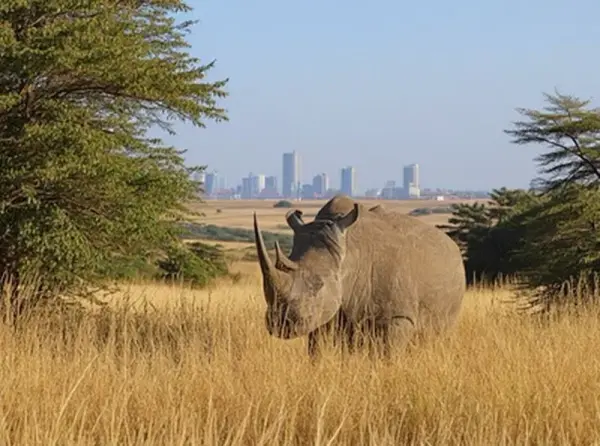
1. Nairobi National Park
Wild plains and big game set against Nairobi's skyline, just minutes from the city. Expect close-up sightings of lions, rhinos, giraffes and hundreds of bird species on short drives.
Quick facts: Dust hangs in the late-afternoon light as grazing herds and a solitary rhino move across open grassland, a distant skyline making the scene feel unexpectedly surreal. Visitors often spot over 100 bird species on a single walk and can encounter lions and cheetahs within a short drive, creating thrilling, highly accessible wildlife encounters.
Highlights: On a 117-square-kilometer plain you can watch giraffes nibble dusty acacia leaves while a steel skyline shimmers on the horizon, and guides will point out more than 400 bird species by song and feather, down to the flash of the lilac-breasted roller. After the poaching crises of the 1980s rangers began radio-tracking and naming dozens of black rhinos, a habit that means a guide will sometimes say "watch Tank over by the kopje" and everyone will know which individual with the bent horn they mean.
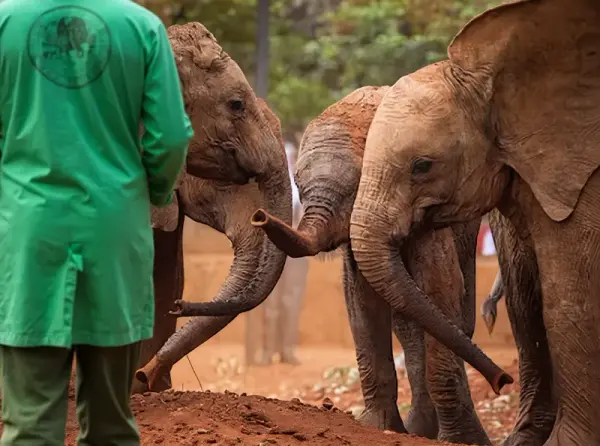
2. David Sheldrick Wildlife Trust
Watch orphaned baby elephants being rehabilitated by expert keepers. Experience their morning feed, playful mud baths and an informative keeper talk up close.
Quick facts: Mud-slick hides, tiny trunks and plaintive trumpets greet visitors at the orphan house, where keepers bottle-feed and sing to calves through the night to build strong bonds. Veterinarians and field rangers run rescue missions and soft-release programs, successfully reintegrating many youngsters into wild family groups while monitoring them with GPS collars.
Highlights: At the daily 9:00 a.m. public feeding, caretakers wheel out up to 12 orphaned elephant calves into a dusty enclosure where the air smells of warm milk and sunbaked hair, and the calves march toward keeper nicknames like Mweiga and Luggard as visitors watch. A quirky bedtime ritual began in 1978 when a single keeper started slipping handwritten "dream notes" and a painted rock with the exact rescue date under each calf's blanket, a practice that now involves dozens of volunteers and creates a surprising archive of scent, ink, and names.
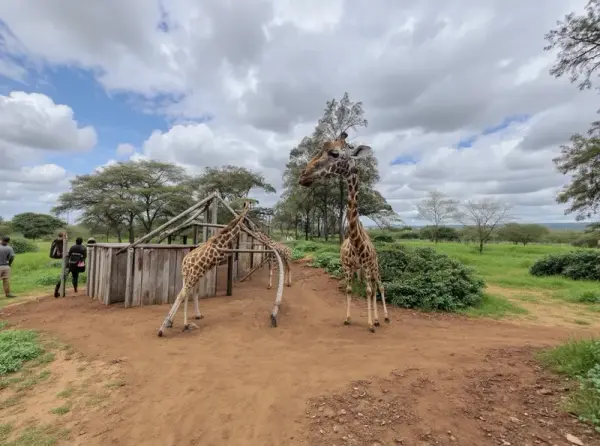
3. Giraffe Centre
Get face-to-face with endangered Rothschild's giraffes at a conservation centre near Nairobi. Feed giraffes from a raised platform, snap close-up photos, and learn their rescue stories.
Quick facts: Lean over the raised feeding platform and feel a rough, prehensile tongue wrap around a carrot, a startlingly intimate way to meet a giraffe. Guided conservation programs helped raise counts of the endangered Rothschild's giraffe through captive breeding and reintroduction, and playful calves are often visible during walks.
Highlights: Climbing the wooden feeding platform and holding out a handful of pellets feels like a dare: a dark purple tongue about 45 centimeters long curls around your palm and the rasping lick leaves a ticklish, gritty sensation. Founded by conservationists Jock and Betty Leslie-Melville to save endangered Rothschild's giraffes, the place runs playful education sessions where local schoolchildren crowd the rails to feed curious calves while keepers jot each animal's growth on handwritten cards.

4. Karen Blixen Museum
Visit Karen Blixen's farmhouse to step into the world behind Out of Africa. Period rooms, personal artifacts and peaceful gardens tell her Nairobi story.
Quick facts: Step inside and you can still smell brewed coffee while the writer's study sits frozen in time, drafts and African artifacts arranged around a worn teak desk. Garden paths under jacaranda trees lead past a small exhibit of handwritten notes and first editions, drawing literature lovers who come to soak up the atmosphere.
Highlights: Stepping through the front door you can still smell beeswax and old leather, and the guide will show you a tiny brass key stamped 1922 that once locked the writer's study. Every Sunday at noon the original garden bell is rung, and visitors are offered a spoonful of honey from the property's three surviving hives so you can taste the same citrus and jacaranda floral notes the household savored a century ago.
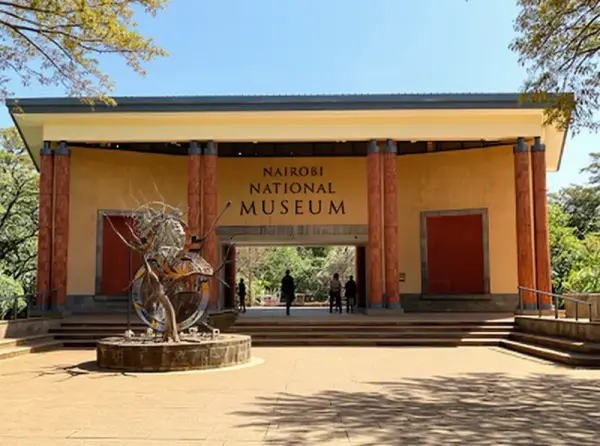
5. Nairobi National Museum
Kenyan history, art and wildlife under one roof. Explore fossils, cultural exhibits, contemporary art and a calm botanical garden.
Quick facts: Step inside and you'll encounter a striking mix of fossils, cultural artifacts, and contemporary art, with galleries that read like a detective story of human origins and regional creativity. Don't skip the hilltop gardens and tactile displays; they offer unexpected panoramic views and sensory encounters that turn labels into stories.
Highlights: When you step inches away from Turkana Boy, KNM-WT 15000, you can make out growth lines in the fossilized ribs and the proportional length of the limbs, a roughly 1.5 million-year-old Homo erectus who would have stood about 1.6 meters tall. Beyond the main galleries a tiny reptile park keeps around 30 snake species and a couple of Nile crocodiles, so on humid afternoons you can hear low croaks and smell damp earth while glass cases of beadwork glint under amber lights.
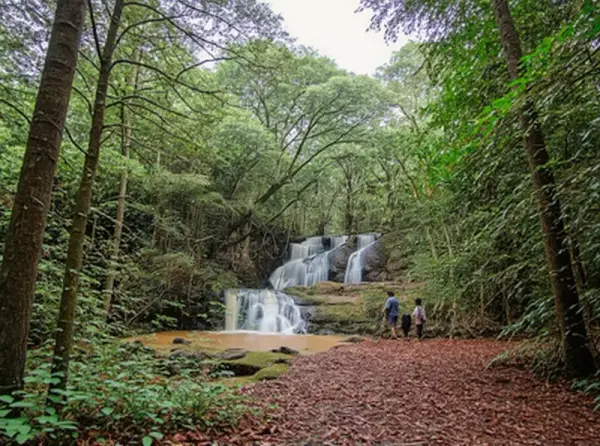
6. Karura Forest
Lush urban rainforest with waterfalls, trails and abundant birdlife. Walk or cycle on easy paths, spot colobus monkeys and colourful birds.
Quick facts: Lush trails meander through bamboo groves and towering fig trees, where monkeys dart above and dozens of bird species call the canopy home. More than 12 kilometers of paths and boardwalks lead past streams and waterfalls, and visitors often sense the legacy of local conservation efforts that saved the area from development.
Highlights: Walk beneath towering fig trees and dense bamboo and you get hit by the smell of wet earth and the rush of streams cutting through a 1,041-hectare urban forest, where more than 200 bird species flit through the canopy and sunlight speckles the leaf litter. Wangari Maathai once chained herself to a tree during the campaign to save the forest, and that defiant act evolved into a community planting tradition that has put tens of thousands of seedlings back into the canopy.
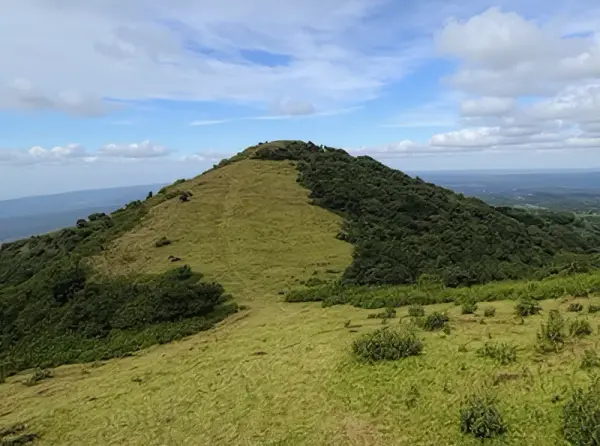
7. Ngong Hills
Sweeping skyline views and rolling ridgelines just outside Nairobi. Hike grassy trails, pass wind turbines, and watch vivid sunsets over the Rift Valley.
Quick facts: Rolling ridgelines reward hikers with sweeping, often mist-softened panoramas and dramatic sunsets that photographers chase. Frequent gusts and open launch spots attract paragliders alongside walkers, while patches of native grassland and grazing wildlife add quiet surprises along the trail.
Highlights: There’s a tiny corrugated-iron shrine at the fourth saddle where hikers and old shepherds leave coins, bottle caps, and a carved wooden goat as a quiet good-luck offering, a ritual that’s been going on for decades. When the wind picks up the white turbines along the ridge breathe and creak like slow sewing machines while sunrise floods the long grass with molten gold, and the out-and-back trek usually takes about three hours for most people.
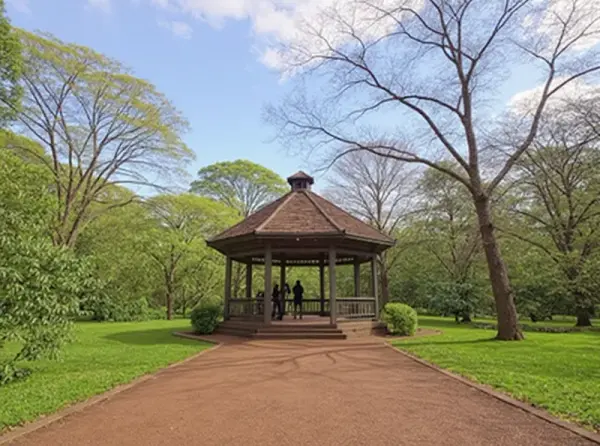
8. Nairobi Arboretum
Peaceful urban forest with mature native trees and abundant birdlife. Stroll shaded trails, picnic on lawns and catch skyline views while spotting sunbirds and hornbills.
Quick facts: A cool canopy of mature trees muffles city noise, and more than 300 indigenous and exotic species create pockets of birdsong and fragrant blooms. Morning joggers and picnickers weave along tree-lined paths, finding shaded lawns, quiet benches, and sudden flashes of colorful butterflies.
Highlights: Planted in 1907 and spread across about 30 hectares, the shady park hides over 300 labeled tree species so close you can read the small brass tags and smell resin when you brush a leaf. At dawn the canopy explodes into sound: more than 100 bird species, from red bishops to bulbuls with metallic calls, turn the branches into a living, tweeting cathedral that locals treat as a weekday ritual.
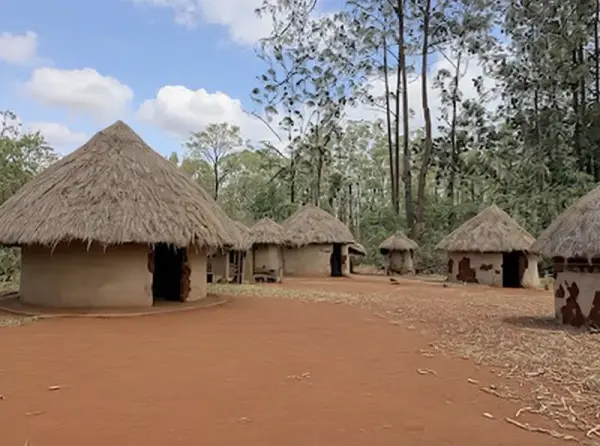
9. Bomas of Kenya
Explore Kenya's tribal cultures through live dance, music and recreated homesteads. Enjoy interactive performances, crafts and colourful costumes for photos.
Quick facts: A riot of color and carved wood greets visitors as reconstructed homesteads showcase the architecture and living traditions of more than 40 ethnic communities, while drumming and song keep the open-air arena humming. Hands-on demonstrations of crafts, costume displays and storytelling preserve oral histories, and high-energy evening performances often draw crowds with rhythmic dances and elaborate regalia.
Highlights: Whenever the drum circle starts the compound seems to breathe, the packed-earth floor humming under your feet, cowhide drums thudding, beadwork chiming, and the smoky tang of grilled maize and wood smoke filling your nose. After each performance a carved wooden baton is handed to a volunteer from the crowd as a playful initiation: the newcomer must echo a short call-and-response chant taught on the spot, and watching timid visitors attempt the fast footwork while laughing is a strangely joyful ritual.

10. Kenyatta International Convention Centre (KICC)
KICC
Iconic rooftop views of Nairobi's skyline and park. Take the helipad elevator for sweeping city panoramas and museum exhibits inside.
Quick facts: A cylindrical tower crowned by a circular viewing platform offers sweeping panoramas that photographers chase at golden hour. Inside, a spiraling ramp and mosaic-lined halls host conferences and vibrant cultural events, while the rooftop terrace rewards bold visitors with a vertiginous, citywide outlook.
Highlights: Climb the 28-storey cylindrical tower to the rooftop helipad for a jaw-dropping 360-degree panorama, where sunset paints the concrete skin gold and the city below sounds like a distant drumline of matatus and hawkers. A lesser-known local tradition sees photographers staging dramatic silhouette wedding shoots on that helipad at golden hour, brides balancing on the edge while vendors below sell roasted maize and fresh sugarcane.
Where to Stay in Nairobi, Kenya
Selected by City Buddy based on guest reviews and proximity to top attractions
Search all hotels in Nairobi, KenyaPowered by agoda
Opening days in Nairobi, Kenya
Which of the top sights close on which day of the week — the classic trip-ruiner, checked for you.
Sunday: 1 of 7 top sights closed — plan museums for another day.
Closed on Sunday · 1 closed, 6 open
Opening days from Google Maps (checked 2026-02-19). Public holidays, strikes and seasonal hours can differ — check the official website before you go.
Traditional Sweet Dishes

Mandazi
Mandazi are slightly sweet fried dough pockets often flavored with coconut milk or cardamom, and street vendors in Nairobi sell them hot for breakfast and tea-time snacks.

Kashata
Kashata is a chewy coconut and peanut confection sometimes scented with ginger or cardamom, and it has long been a popular homemade sweet passed between neighbors in Nairobi.
Traditional Savory Dishes

Ugali
Ugali is a firm maize porridge that acts as the backbone of Kenyan meals, and people traditionally tear off a piece with their hands to scoop up stews and greens.

Sukuma wiki
Sukuma wiki, which means 'stretch the week' in Swahili, is a hardy sautéed green that helps families turn small amounts of meat or fish into a full meal.
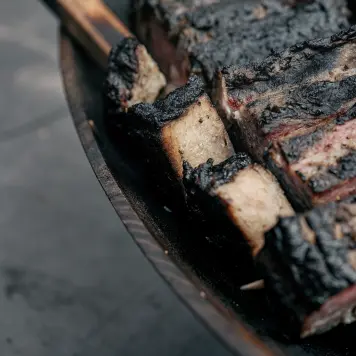
Nyama choma
Nyama choma is Kenyan barbecue at its most social, grilled over charcoal and shared communally while friends debate the best cuts and marinades.
Traditional Beverages

Chai
Kenyan chai is brewed strong with lots of milk and sugar, and many Nairobians treat the spiced, frothy cup as the social glue of morning and afternoon life.

Mursik
Mursik is a smoked, fermented milk from the Kalenjin people, kept in gourds and prized for its tangy, slightly smoky flavor and long shelf life.

Busaa
Busaa is a home-brewed millet or maize beer with a sour-sweet, cloudy profile, and every neighborhood batch tastes a little different because families guard their own recipes.
Frequently Asked Questions about Nairobi, Kenya
What are the best months to visit Nairobi, Kenya?
Is Nairobi, Kenya expensive to live in?
How is the public transportation system in Nairobi?
How many tourists visit Nairobi each year?
How can I get around Nairobi, Kenya?
Get a PDF with the most popular attractions sent to your email
Get a PDF with all attractions, ratings, and tips. Perfect for offline use.
Most popular day trips
Lake Naivasha
Freshwater lake with boat trips, hippos and birdlife.
Hell's Gate National Park
Walk or cycle among dramatic gorges and cliffs.
Lake Nakuru National Park
Flamingos, rhinos and acacia-dotted grasslands.
Getting there
Train stations
Mombasa–Nairobi Standard Gauge Railway
Kenya Railways connection toward Mombasa and regional lines
From Jomo Kenyatta use official airport taxis, ride-hailing or hotel shuttles; avoid unlicensed cabs.
Useful information for Nairobi, Kenya
Overview for Nairobi, Kenya
Want a day-by-day plan for Nairobi, Kenya? Open the trip planner
Plan your perfect trip to Nairobi, Kenya
Get a complete travel plan built just for you in under 30 seconds, with daily routes, local food tips, budget estimates and more.
Are any of these especially important to you?
Select all that apply
Getting around
How do you want to move between places?
Plan language: English