 CityBuddy
 English
Things to Do in Kenya
Photo made by Vishva Patel on Pexels.com
When to visit
Most popular attractions in Kenya
First among the things to do in Kenya that come to mind is the Maasai Mara National Reserve, which hosts the migration of nearly 1.5 million wild animals every year from July to October. In Nairobi National Park, just 7 kilometers south of the capital, you see lions in the same frame as the city skyline. Diani Beach on the Indian Ocean coast, with its white sand and coral reefs, is ideal for swimming and diving.
1. Maasai Mara National Reserve
Narok
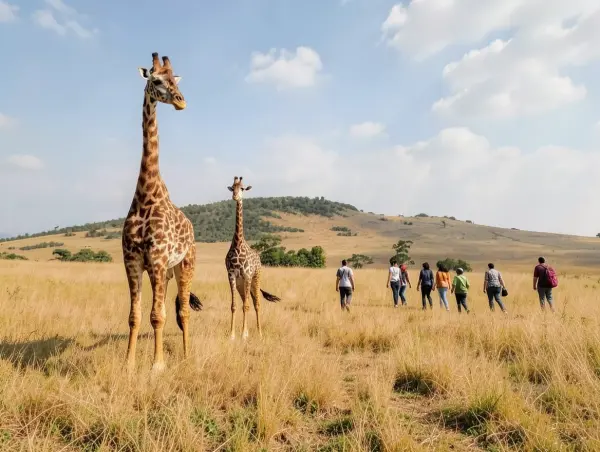
Witness the planet's most magnificent wildlife show. Accompanied by lion roars, you will find yourself on a sunset safari among herds of gazelles and zebras.
Quick facts: Every year around 1.5 million gazelles and 200 thousand zebras pour into these savannas in the final stage of the great migration that lasts months. More than 95 mammal and over 470 bird species are the permanent residents of these lush green meadows.
Highlights: In late July and August, as the migrating herds cross the river where crocodiles wait, thousands of hooved animals plunge into the water within seconds. Seen from the sky, these herds advance like a giant black-and-white carpet covering the savanna, laying the groundwork for extraordinary predator activity throughout the year.
2. Amboseli National Park
Kajiado
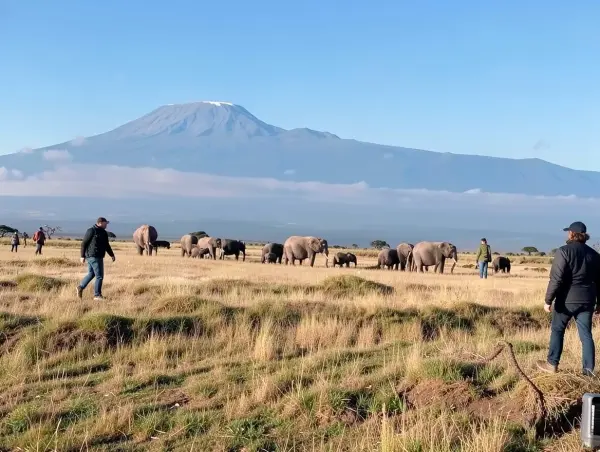
In the shadow of Africa's highest peak, you may come eye to eye with giant elephants on the dust-covered savanna. The light shifting at dawn and sunset continually repaints the landscape.
Quick facts: In this basin where around 1,500 elephants roam freely, the 5,895-meter snow-covered peak rises like a crimson curtain in the first light of morning. When the salty bed of the drying lake is covered by rains, hundreds of flamingos feed in the puddles, while the spring waters on the lakeshore attract zebras and gazelles.
Highlights: Every member of these elephant families, observed by Cynthia Moss for half a century, is known by name and their family trees are documented, so you can learn on the spot how old the female in front of you is. Beyond the salty ground cracking beneath your feet, the peak's meltwaters seep underground and surface as noisy hot springs, and on the banks of that water, elephants bury themselves in mud and roll around with delight.
3. Nairobi National Park
Nairobi
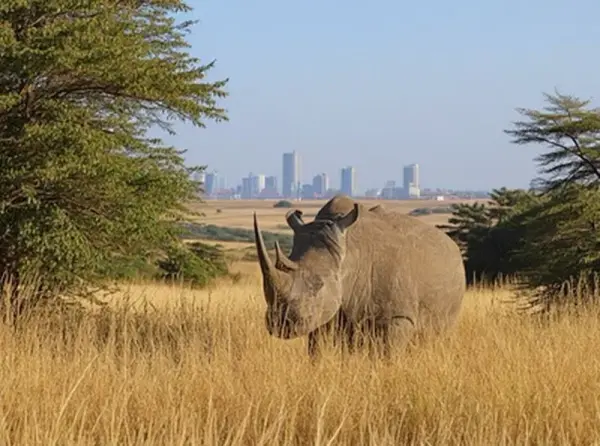
Quick facts: Dust hangs in the late-afternoon light as grazing herds and a solitary rhino move across open grassland, a distant skyline making the scene feel unexpectedly surreal. Visitors often spot over 100 bird species on a single walk and can encounter lions and cheetahs within a short drive, creating thrilling, highly accessible wildlife encounters.
Highlights: On a 117-square-kilometer plain you can watch giraffes nibble dusty acacia leaves while a steel skyline shimmers on the horizon, and guides will point out more than 400 bird species by song and feather, down to the flash of the lilac-breasted roller. After the poaching crises of the 1980s rangers began radio-tracking and naming dozens of black rhinos, a habit that means a guide will sometimes say "watch Tank over by the kopje" and everyone will know which individual with the bent horn they mean.
4. Fort Jesus
Mombasa
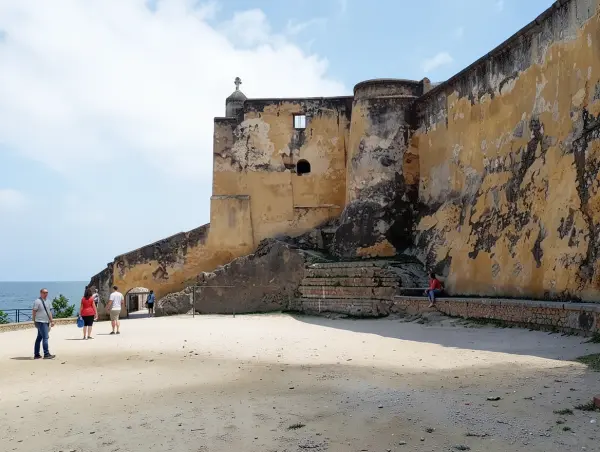
Standing at the trading crossroads of two continents for 4 centuries, this structure bears the marks of wars and sieges. As you wander through its star-shaped bastions, you will hear the story of cannons, the sea, and stone walls all at once.
Quick facts: This structure, whose walls are built of coral rock and lime mortar, absorbs incoming cannonballs rather than shattering them; thanks to this feature it has stood for centuries. Its star-shaped bastions overlooking the Indian Ocean have witnessed the changing shadow of the Portuguese, Omani and British flags over four centuries.
Highlights: When you climb the stone stairs to the bastions, the sailing ships and signatures carved into the wall by sailors and captives who stood watch here 400 years ago can still be read. Beneath the corridors swept by the salty wind, while listening to the sound of water rising from the defense wells, you will feel as if you are in a completely different century.
5. Diani Beach
Diani
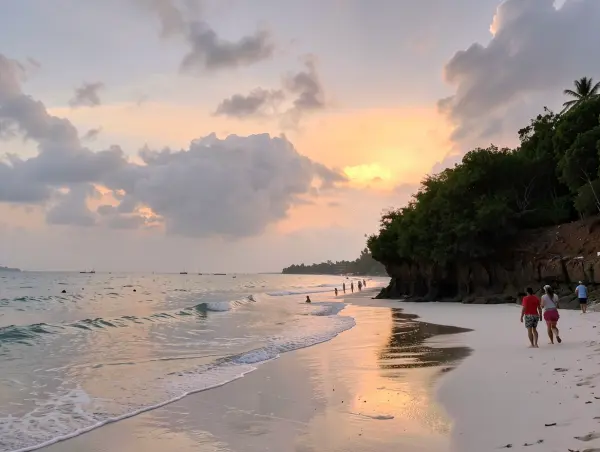
The shallow lagoon, calm for 350 days of the year, soothes every swimmer from beginner to pro. At dawn the beach is all yours, and you walk barefoot along the reef paths exposed by the receding tide.
Quick facts: The tide's shift of up to 4 meters transforms the 17-kilometer beach into a completely different scene twice a day. The receding water reveals coral reefs you can reach on foot and brings tropical fish right up to your ankles.
Highlights: More than 400 black-and-white colobus monkeys live in the forest just behind the beach; at dawn you can watch the families passing through the treetops up close. Green sea turtles grazing in the shallow waters of the coral reef are visible so clearly from 20 meters offshore that you can count the spots on their shells.
6. Mount Kenya
Nyeri
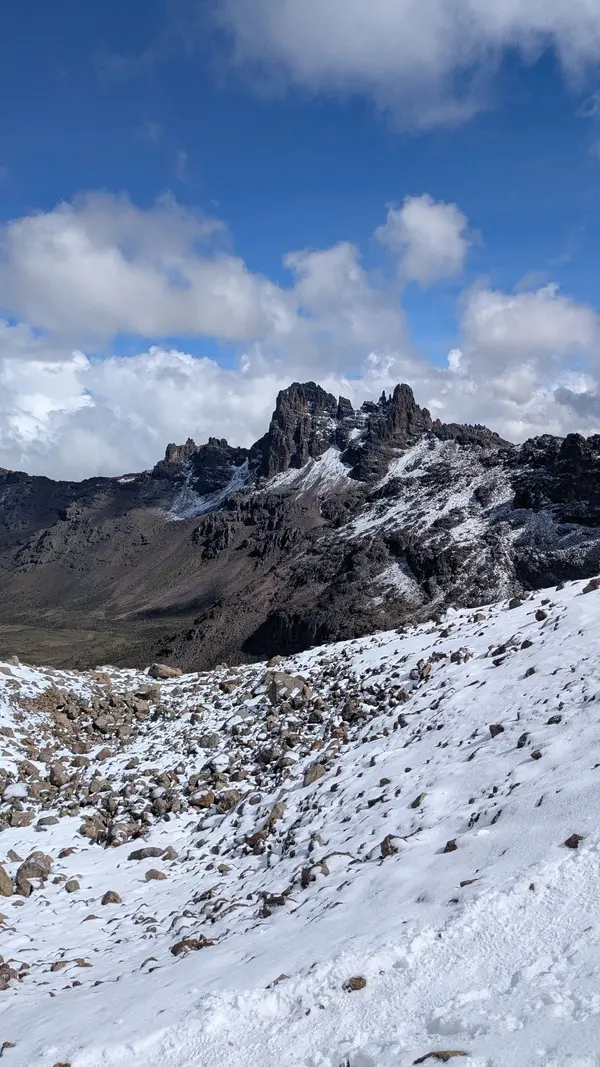
Snow-capped peaks on the equator? It sounds impossible, but it is real. A climbing route full of summit views, glacial lakes, and alpine forests awaits you.
Quick facts: This extinct volcano, 17 kilometers in diameter, is Africa's second highest point with its 5,199-meter Batian peak. Carrying glaciers just above the equator defies belief; between the 13 separate peaks on its slopes stretch alpine meadows covered with giant rosette plants.
Highlights: The Kikuyu people call this mountain 'Kirinyaga,' meaning 'mountain of light,' and consider its peak the throne of the god Ngai. At dawn the mountain's shadow falls across the savanna for 160 kilometers, and the glaciers turning from orange to pink put on an extraordinary play of light together with the equatorial snowscape.
7. Lake Nakuru
Nakuru
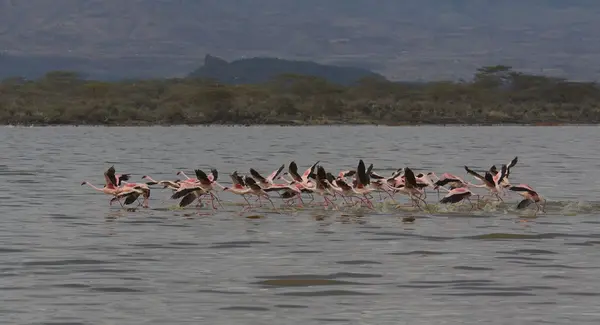
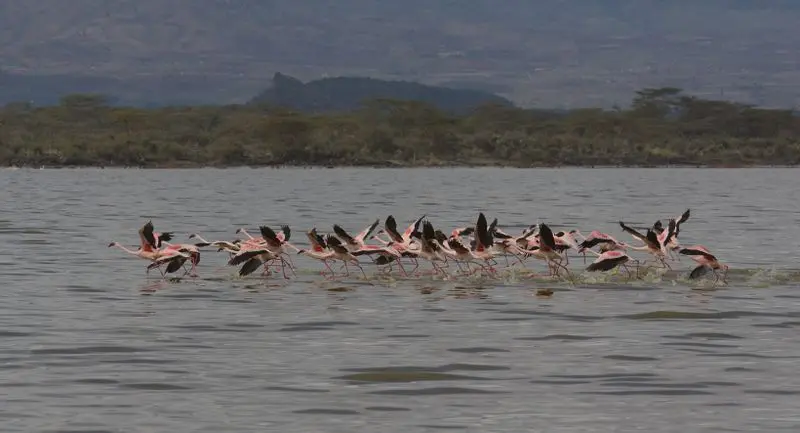
The takeoff of a million flamingos paints the sky pink moment by moment. From the shores of this lake, you can watch rhinos and tree-climbing lions just meters away.
Quick facts: Its alkaline water is full of microscopic algae that host more than 400 bird species and turn hundreds of thousands of flamingos into a pink painting. One of the first protected areas established for the black rhinoceros, this park today is home to around 60 black and white rhinos.
Highlights: As the water level rises and falls, the flamingo army changes location every few weeks, and at its most crowded moments the 1.5 million birds on the shore turn into a single pink strip. While the wind laden with the smell of salt hits your face, you come upon the lazy glances of lions stretched out in the treetops.
8. Giraffe Centre
Nairobi
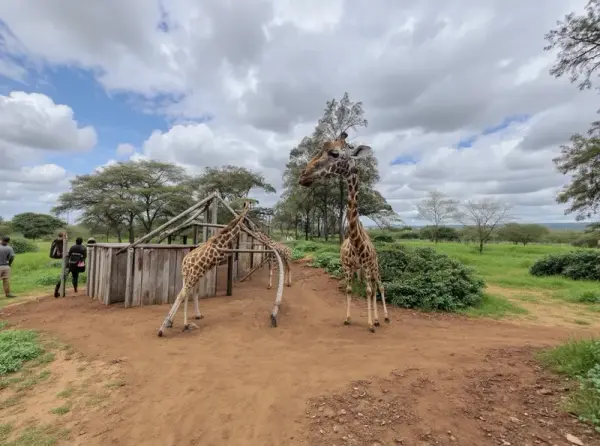
Quick facts: Lean over the raised feeding platform and feel a rough, prehensile tongue wrap around a carrot, a startlingly intimate way to meet a giraffe. Guided conservation programs helped raise counts of the endangered Rothschild's giraffe through captive breeding and reintroduction, and playful calves are often visible during walks.
Highlights: Climbing the wooden feeding platform and holding out a handful of pellets feels like a dare: a dark purple tongue about 45 centimeters long curls around your palm and the rasping lick leaves a ticklish, gritty sensation. Founded by conservationists Jock and Betty Leslie-Melville to save endangered Rothschild's giraffes, the place runs playful education sessions where local schoolchildren crowd the rails to feed curious calves while keepers jot each animal's growth on handwritten cards.
9. Hell's Gate National Park
Naivasha
Ride past wild animals on a bicycle and discover lava towers. A day spent between wind and geothermal steam will make you feel like a fairy tale hero.
Quick facts: You can cycle shoulder to shoulder with zebra herds and pedal among the clouds of geothermal steam rising from the slopes. The basalt columns that inspired the giant rock King in The Lion King form the heart of this volcanic landscape.
Highlights: Accompanied by the smell of steam bursting from the cracked earth, as you pass among the zebras in the shadow of giant basalt towers along the 25-kilometer valley, you will think you are on a movie set. Local Maasai guides, while telling the history of the ancient caves in the valley, also show the region's millennia-old cattle trails.
10. Lamu Old Town
Lamu
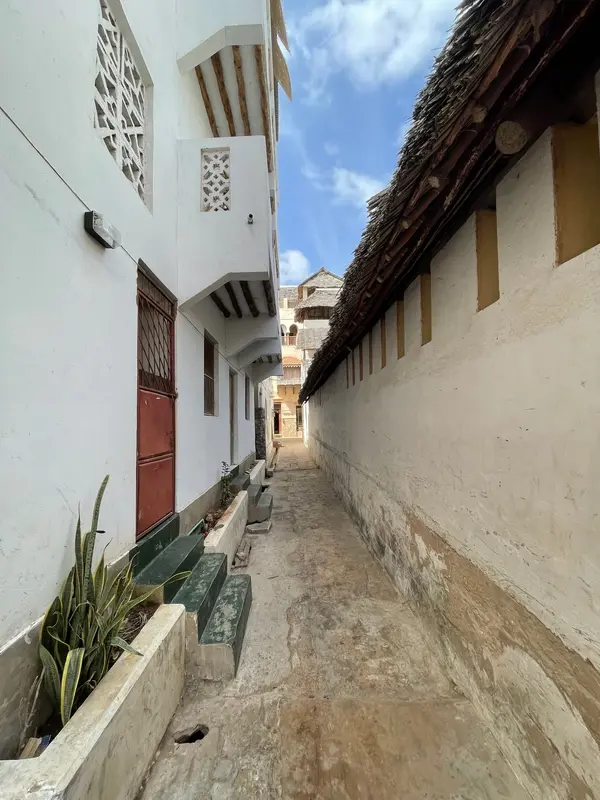
One of the rare cities that chose to go car-free, time seems to have stopped in its 700-year-old streets. You will lose yourself in its narrow mazes, carved blue doors, and spice-scented bazaars.
Quick facts: The signs at the city's entrance read 'no cars'; nearly 3,000 donkeys are the only means of transport, and goods, belongings and even brides are carried on their backs. The number of carved wooden doors exceeds 900, and each home's door tells of its owner's wealth and the craftsman's skill.
Highlights: At the Maulidi festival, over 100 racing boats come into the harbor at dawn and the drums do not stop all night; this celebration is the region's oldest religious festival. Walls carved from coral stone keep the interiors cool throughout the day, and on the facades no one has painted, centuries of moss and salt traces have accumulated layer upon layer.
Where to Stay in Kenya
Selected by City Buddy based on guest reviews and proximity to top attractions
Search all hotels in KenyaPowered by agoda
Opening days in Kenya
Which of the top sights close on which day of the week — the classic trip-ruiner, checked for you.
Good news: all 4 top sights with known hours are open every day of the week.
Closed on Monday · 0 closed, 4 open
Nothing closes on Monday — all 4 sights with known hours are open.
Opening days from Google Maps. Public holidays, strikes and seasonal hours can differ — check the official website before you go.
Traditional Sweet Dishes
Mandazi
Mandazi are fluffy, lightly sweetened fried dough pieces, often cut into triangles or rounds, and they are a breakfast and snack favorite across East Africa. They puff up beautifully when fried and are perfect for dipping into tea or coconut chutney.
Mahamri
Mahamri are golden, airy Swahili doughnuts made with coconut milk and cardamom, giving them a rich, fragrant sweetness. Along the Kenyan coast they are traditionally eaten at breakfast with mbaazi, a savory pigeon pea stew, for a sweet and savory pairing.
Kaimati
Kaimati are small, crisp fried dough balls that are soaked in a fragrant sugar syrup, making them delightfully sticky and sweet. These little treats are a specialty of the Swahili coast and are especially popular during Ramadhan to break the fast.
Traditional Savory Dishes
Ugali
Ugali is a dense, starchy dough made from maize flour and water, and it is the national staple eaten at nearly every Kenyan meal. It is traditionally rolled into a ball with the right hand and used to scoop up stews and vegetables.
Nyama Choma
Nyama choma means "roasted meat" in Swahili, and it is Kenya's beloved social barbecue, usually goat or beef grilled over open flames. It is less about the quick meal and more about the long, communal gathering shared with friends over cold drinks.
Sukuma Wiki
Sukuma wiki is a simple, lightly seasoned dish of collard greens sautéed with onions and tomatoes, often served alongside ugali. Its Swahili name translates to "push the week," reflecting how this affordable dish helps stretch a family's food budget.
Traditional Beverages
Chai (Spiced Milk Tea)
Kenyan chai is brewed with strong black tea, milk, and a mix of spices like ginger and cardamom, and it is at the heart of daily hospitality. Guests are almost always offered chai, and refusing it can be seen as impolite.
Uji
Uji is a smooth fermented porridge made from millet, sorghum, or maize flour, often enjoyed as a hearty breakfast. In some regions it is left to ferment naturally, which gives it a pleasantly tangy flavor and makes it packed with probiotics.
Mursik
Mursik is a traditional fermented milk drink of the Kalenjin community, stored in a special gourd that is cleaned and smoked over burning branches. The smoking gives the milk a distinctive smoky taste and helps preserve it for weeks.
Frequently Asked Questions about Kenya
Is Kenya safe to travel to?
How many days should I spend in Kenya?
What is the best time to visit Kenya?
Is Kenya an expensive country?
How does transportation work in Kenya?
Get a PDF with the most popular attractions sent to your email
Get a PDF with all attractions, ratings, and tips. Perfect for offline use.
Most popular day trips
Mombasa
Coastal port city with beaches, old town, and Swahili culture
Lake Nakuru
Rift Valley lake and park famous for flamingos and rhinos
Naivasha
Freshwater lake near Hell's Gate for boating and wildlife
Getting there
Airports
Use the SGR express train between Nairobi and Mombasa; take Uber or Bolt from Jomo Kenyatta airport to the city center.
Visa & entry
East African Community members (Uganda, Tanzania, Rwanda, Burundi, DR Congo); eTA system covers most other nationalities
Most nationalities must obtain an electronic travel authorization (eTA) online before travel; some countries still require a traditional visa
Apply for the electronic travel authorization (eTA) online before flying, as it now replaces the old visa for most visitors.
Useful information for Kenya
Overview for Kenya
Want a day-by-day plan for Kenya? Open the trip planner
Plan your perfect trip to Kenya
Get a complete travel plan built just for you in under 30 seconds, with daily routes, local food tips, budget estimates and more.
Are any of these especially important to you?
Select all that apply
Getting around
How do you want to move between places?
Plan language: English