 CityBuddy
 English
Things to Do in Kajiado, Kenya
Photo made by Critical Smith on Pexels.com
When to visit
Plan your perfect trip to Kajiado, Kenya
Get a complete travel plan built just for you in under 30 seconds, with daily routes, local food tips, budget estimates and more.
Are any of these especially important to you?
Select all that apply
Getting around
How do you want to move between places?
Plan language: EnglishMost popular attractions in Kajiado, Kenya
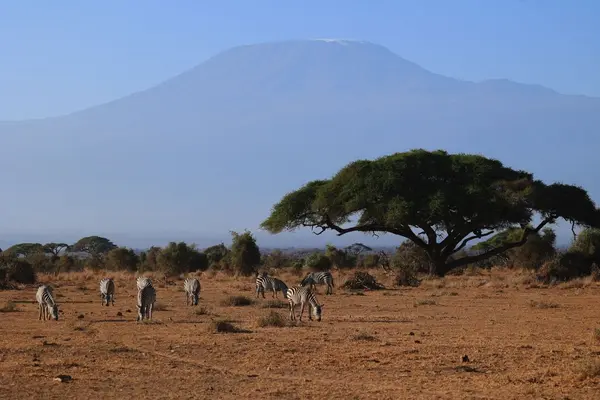
For those asking what the best things to do in Kajiado, Kenya are: start at Kitengela Hot Glass to see glassblowers turning recycled glass into works of art. Then drive south to Amboseli National Park, where elephants graze against the backdrop of the 5,895-meter-high Kilimanjaro, or visit the Maasai Cultural Village for an authentic dance ceremony.
1. Amboseli National Park
Here you see elephants so close that you can almost hear the rumble of their trunks. Drive across the dry plains with the snow-capped Kilimanjaro as a gigantic backdrop all around you.
Quick facts: About 1,200 elephants roam here, one of the largest contiguous populations in the world. The park covers 392 square kilometers and borders directly on the 5,895-meter-high Kilimanjaro, which forms a breathtaking backdrop from the dry plains.
Highlights: Did you know that the enormous elephants here treat themselves to real mud massages? They immerse themselves in the mineral-rich water pools and then throw red earth over their backs, which can sometimes be seen from about three meters away along the Observation Hill route.
2. Maasai Cultural Village
Here you experience a living culture that you cannot get this close to anywhere else. You join the warriors as they jump, drink herbal tea and learn to make fire without matches.
Quick facts: Sixty men sing at the welcome dance in a hypnotic chorus while the warriors take turns jumping almost a meter into the air. High jumping counts here as a rite of passage: boys who match the jump of their elders are officially recognized as adult men.
Highlights: The reception begins with an adumu competition in which the boys show their highest jump, and visitors may compete against the village champion themselves. Whoever wins receives a handmade beaded necklace as an honor, an honor you will never forget.
3. Kitengela Hot Glass
From waste glass, something new rises here every day, from colorful vases to sparkling jewelry. You see the furnaces glow and can watch the glassblowers at work live in a studio where nothing is produced in mass quantities.
Quick facts: From waste glass, empty bottles, and old windowpanes, new colored glass is blown daily here in open furnaces that stand at 1,100 degrees. The studio runs entirely on handiwork and processes thousands of kilograms of recycled glass into vases, jewelry, and sculptures every year.
Highlights: Every color in this studio comes from its own secret recipe, and one of the blowers has refused for years to share his formula for the exact blue of the African sky. Ask around noon about the glowing hot sculpture that still has to dry with the blower's hand in it, because the imprint remains visible in the glass forever.
4. Olorgesaillie Prehistoric Site
One of the oldest archaeological treasures of East Africa awaits you in a quiet, open valley full of acacia trees. You literally walk among thousands of stone tools that were made by people hundreds of thousands of years ago.
Quick facts: This site lies about 70 kilometers southwest of Nairobi and includes one of the oldest Middle Stone Age sites in East Africa, with finds about 200,000 years old. The earliest systematic excavations here were led by Mary Leakey, who, together with her team, uncovered thousands of stone tools and fragments of extinct animals.
Highlights: Under an overhanging rock in the valley lie thousands of hand axes and stone splinters still exactly as they were left thousands of years ago, a rare snapshot of an ancient workplace. Scientists counted about 38,000 stone tools here on a relatively small surface, so you can almost hear the hissing sound of grinding as you walk among the shards.
5. Kajiado Central Market
A vibrant color palette of beads, fabrics and fresh harvest awaits you in the heart of Maasailand. Let your senses be overwhelmed by the scents of herbs, grilled meat and the energy of hundreds of bargaining voices.
Quick facts: Around 300 stallholders sell fresh vegetables, meat, beadwork, and traditional fabrics here every day. Only on Saturdays will you find the big weekly livestock market where herders from the entire region come to trade their small livestock and goats.
Highlights: On Saturday mornings, a lively barter circuit appears between the stalls, where herders trade livestock with a handshake as their seal, an age-old tradition you will not experience anywhere else in this region. The slap of hands is the moment a deal is closed, audible above the bleating of goats and the murmur of dozens of negotiators.
6. Shompole Conservancy
Escape the crowds and wander through a volcanic landscape that attracts only a few thousand visitors each year. Walking along the waterfalls, spotting hunting scenes of the Maasai people and sleeping under a starry sky without light pollution await you.
Quick facts: Covering about 240 square kilometers, this area forms an important connection zone between the Maasai Mara ecosystem and the Lake Magadi region. More than 400 bird species live here, along with elephants, giraffes, and the critically endangered Rothschild's giraffe.
Highlights: The heart of this reserve is formed by the dramatic Shompole volcano and the network of lava fissures and waterfalls, including the 75-meter-high Ngare Ngare waterfall, which flows into a natural pool. Only a handful of visitors per day venture into this rugged landscape, so you often stand completely alone at these impressive formations.
7. Lake Magadi
One of Africa's most otherworldly landscapes lies a one and a half hour drive from Nairobi. You walk across a crackling white salt crust between pink water birds and bubbling mud pools.
Quick facts: The water contains up to 30 percent salt, so extreme that it is locally extracted for industrial soda. Every rainy season, the lake turns pinkish due to millions of flamingos that come to feed on the algae.
Highlights: Under the crust lies a living world: bacteria color the plains bright pink and carmine red, while the only surviving fish hides in the warm spring streams around them. On a quiet morning, the salt crackles and pops under your feet as CO2 bubbles rise up from the depths.
Where to Stay in Kajiado, Kenya
Selected by City Buddy based on guest reviews and proximity to top attractions
Search all hotels in Kajiado, KenyaPowered by agoda
Traditional Sweet Dishes
everything
Traditional Savory Dishes
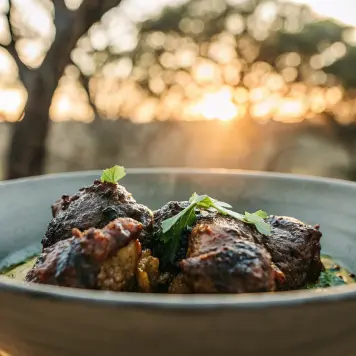
Nyama Choma
Mursik
Uji wa Wimbi
Frequently Asked Questions about Kajiado, Kenya
Is Kajiado, Kenya safe for tourists?
How many days do you need in Kajiado, Kenya?
What is the best time to visit Kajiado, Kenya?
Is Kajiado, Kenya expensive?
How can you get around in Kajiado, Kenya?
Get a PDF with the most popular attractions sent to your email
Get a PDF with all attractions, ratings, and tips. Perfect for offline use.
Most popular day trips
Kajiado Town / Masai Market
Cattle market, Masai culture village, crafts market, day trip from Nairobi
Lake Magadi
Lake Magadi soda lake, flamingos, hot springs, Maasai lands
Amboseli National Park
Amboseli National Park, elephants with Kilimanjaro views
Nairobi
Nairobi city attractions, museums, and international airport
Chyulu Hills
Chyulu Hills volcanic landscape, hiking, panoramic views
Getting there
Train stations
Standard gauge railway to Nairobi and Mombasa
Commuter line to Nairobi CBD
Matatus and buses run from Nairobi to Kajiado; use a private driver or safari company from Jomo Kenyatta Airport (NBO).
Find flights to Kajiado, Kenya
Click to get eSim for Kajiado, Kenya
The easiest and most affordable way to get mobile internet wherever you travel.
Comments (6)
Skip the overpriced tour packages at the main hotels. Hire a local boda boda guy for the day instead, he showed me viewpoints and a great nyama choma spot for a third of the price. Noting any tour office will lie about elephant sightings, trust the riders instead.
Came in the dry season and the dust got everywhere. My camera was a mess by day two. Still, the sunsets over the plains were worth every sneeze.
Got food poisoning from a roadside stall near the market. My fault probably, but my own fault doesn't make it better. Rest of the trip was fine though, nice people.
Carry exact small bills for the matatus and the market vendors. Nobody has change for a 1000 note and bargaining gets awkward fast. Also smaller stalls open only in the morning, hit them before noon.
It was quieter than I expected for a town this size. Not much nightlife, but if you want a chill break from Nairobi with decent chapati and calm vibes, this works.