 CityBuddy
 English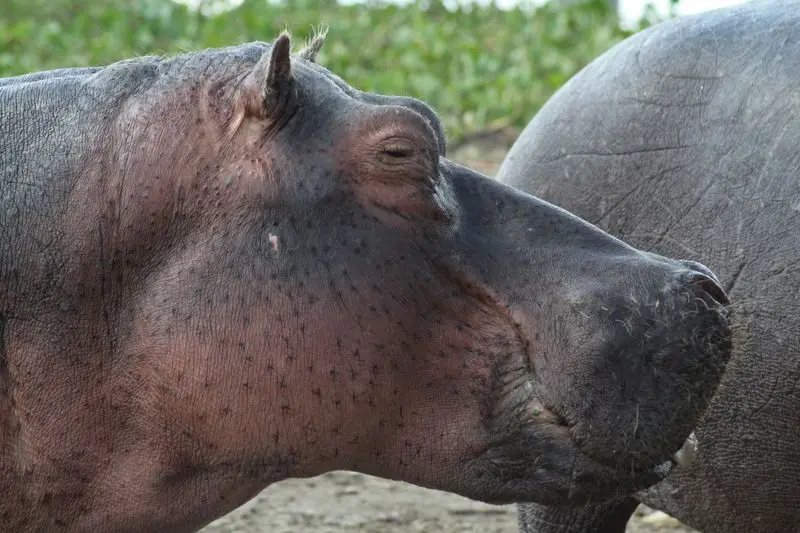
Things to Do in Naivasha, Kenya
Photo made by Ethan Ngure on Pexels.com
When to visit
Plan your perfect trip to Naivasha, Kenya
Get a complete travel plan built just for you in under 30 seconds, with daily routes, local food tips, budget estimates and more.
Are any of these especially important to you?
Select all that apply
Getting around
How do you want to move between places?
Plan language: EnglishMost popular attractions in Naivasha, Kenya
Whether you're game viewing or pushing pedals through gorge trails, the top things to do in Naivasha, Kenya center on two magnificent parks. Lake Naivasha's hippo-filled shallows welcome boat safaris, while Hell's Gate National Park rewards cyclists with towering red cliffs and geothermal steam vents, all just 90 minutes from Nairobi.
1. Lake Naivasha
Few places let you stroll beside wild hippos and giraffes on foot at sunrise. Gliding across calm freshwater, you'll hear fish eagles scream overhead while pelicans skim the surface.
Quick facts: One of the few freshwater lakes in the Rift Valley system, this waterbody sits at 1,884 meters and hosts over 350 recorded bird species. Beyond the hippos that graze the shoreline at night, its surrounding farmlands supply millions of roses flown out to European markets every week.
Highlights: Around dusk, pods of up to 1,000 hippos haul themselves onto the grassy banks, their snorts and grunts rolling across the water as fish eagles cry overhead. Walkers on Crescent Island share grass at eye level with giraffes, zebras, and waterbucks, since no predators roam the ground there.
2. Hell's Gate National Park
Pedal past hissing steam vents and grazing giraffes through a dramatic volcanic gorge. Cycle the dusty trails, feel the geothermal heat, and come face to face with the wild.
Quick facts: Steaming geothermal vents and the Ol Njorowa Gorge carve through this 68-square-kilometer landscape of savanna and red cliffs. Since no big predators roam here, visitors can hike and bike right past grazing zebras and giraffes, and the craggy skyline inspired Pride Rock in Disney's The Lion King.
Highlights: Walk into the narrow Ol Njorowa Gorge and you'll hear the ground hiss as boiling steam jets from rocky fissures, an otherworldly soundtrack powered by the geothermal field just beyond the park. At Fischer's Tower, the 25-meter volcanic column, watch climbers scale the basalt while antelope graze quietly at its base.
3. Crescent Island Game Sanctuary
Stroll beside giraffes and zebras with no guide and no safari vehicle. A 4-km shoreline loop serves up hippos snorting offshore and fish eagles screaming overhead.
Quick facts: About 200 bird species forage and nest along this shoreline, mingling with resident giraffes, waterbucks, and zebras that roam free. A genuine moon-shaped peninsula, it became connected to dry land only after lake levels fell steeply in the 1980s.
Highlights: Sunrise here belongs to the hippos, dozens of which spend all night chomping the shoreline grass and then heave themselves back into the lake a few meters from your boots. On the eastern cliff you can lie flat at the edge and look straight down into clear water where these giants drift, while fish eagles call from the dead trees above.
4. Crater Lake Game Sanctuary
Stand on a volcano rim where endangered giraffes roam below. Look down at a glassy lake full of wildlife, all without another soul in sight.
Quick facts: Roughly 100 bird species and a herd of endangered Rothschild's giraffes share this volcanic crater with hippos and buffalo below the rim. Each walk through the forested slopes can turn up more than 50 animals, from bushbuck to monitor lizards basking on warm rocks.
Highlights: Giraffes here regularly wade into the lake's shallows to drink, their long necks stretching low while hippos grunt just meters away, a scene few reserves anywhere allow. After heavy rains, the water blooms into swirls of pinkish algae that glow against the dark crater walls at sunset.
5. Elsamere Conservation Centre
Step into the cottage where the Born Free saga began, artwork still on the walls. Take lake-side tea with hippos grazing nearby and hear tales that make it feel real.
Quick facts: Joy Adamson typed out her best-selling book Born Free at the desk in this very cottage, where she once raised Elsa the lioness cub by hand. Over 350 bird species fan across the lakeshore gardens while resident hippos and colobus monkeys patrol the lawns every day.
Highlights: Elsa the lioness learned to hunt on these hillsides, and the original stone cottage where Joy wrote her celebrated trilogy still holds her personal mementos and art. Settle in for tea on the lawn and within minutes you'll spot hippos grazing in the shallows and colobus monkeys crashing through the fever trees overhead.
6. Mount Longonot National Park
Climb a dormant volcano's rim and peer into a smoking, forested crater bowl. Expect a lung-burning ascent, tremendous Rift Valley views, and volcanic dust on your boots.
Quick facts: Several dormant volcanoes line Kenya's Rift Valley, and this one last erupted in the 1860s. Roughly 8 kilometers of rim trail circle the crater bowl, after an opening scramble up the volcano's steep flank.
Highlights: Rangers lend worn wooden walking sticks at the gate, a friendly tradition that eases the brutal first kilometer. Reaching the rim uncovers a lush patchwork of wild olive and yellow fever trees on the crater floor, with sulfur steam still wafting from vents below.
7. Lake Oloiden
A crater lake where you can stroll rim trails and spot hippos at close range. Expect fish eagle calls echoing across the water and giraffes browsing the surrounding hills.
Quick facts: A collapsed volcanic crater flooded with water, this lake plunges roughly 100 meters down, about three times deeper than the much larger lake sitting beside it. Its bush-covered, steep walls shelter one of the densest hippo populations per square kilometer in Kenya.
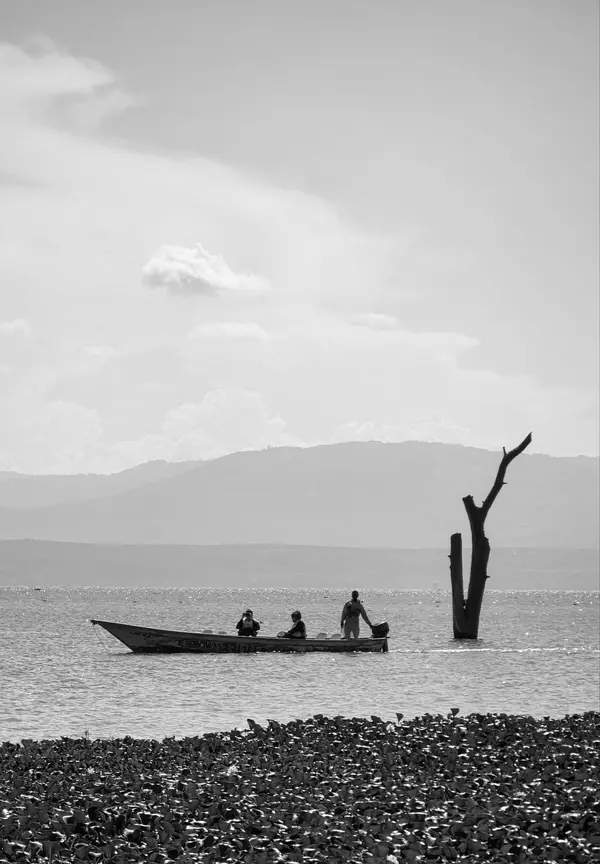
Highlights: Rising water in the 2010s merged this crater with its giant neighbor, drowning the grassy isthmus that once let visitors walk onto the raised island rim. Today you can hike those rim trails and watch hippos surface through deep water that stays almost glassy, while fish eagles scream overhead.
8. Fisherman's Camp
Fall asleep to hippos grunting meters from your tent on a wild freshwater shore. Daytime brings boat trips past waterbucks and campfire sundowners under Rift Valley stars.
Quick facts: Roughly half a ton per hippo, and every night they haul themselves out of the lake to graze on the same lawns where safari tents sleep. More than 400 bird species circle this freshwater shore, and the camp heats its showers with solar panels instead of diesel generators.
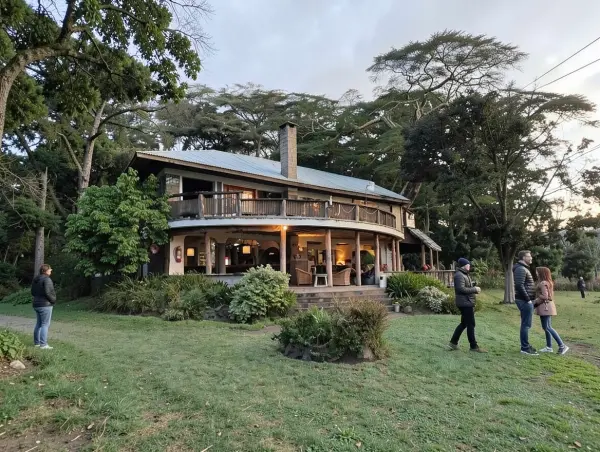
Highlights: After dark, half-ton hippos graze within meters of your tent, their grunts and chomping carrying straight through the canvas. A night guard escorts every sleeper past the herd, shining a torch across open grass with no fence in between, just wet lawn running to the water's edge.
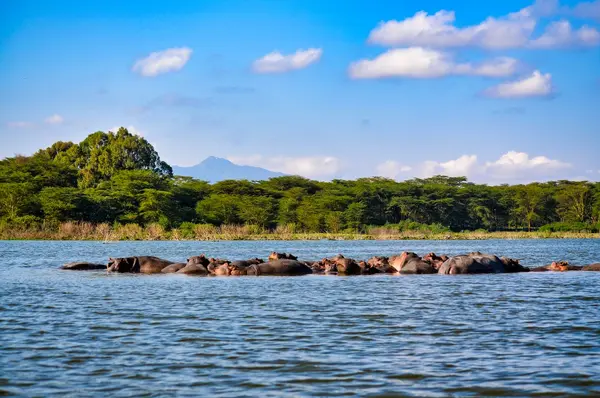
9. Hippo Point
Watch snorting hippo pods at dusk from a grassy lakeshore viewpoint. Feel the ground rumble, hear jaws clash, and count water birds as the sun drops behind the escarpment.
Quick facts: A shoreline viewpoint opens onto a freshwater lake holding the biggest hippo population in this corner of the Rift Valley, roughly 150 animals at last count. A rusted bell still hangs at the old landing dock, rung back in the 1920s to summon the ferry that carted settlers' cargo across the water.
Highlights: At dusk, the entire shoreline suddenly comes alive: hundreds of eyes slide up from the dark water, and the air fills with snorts, grunts, and the wet clash of jaws as pods paddle in for their night grazing. Photographers catch fish eagles swooping to snatch fish right off the surface, while a single rusty bell, rung by ferrymen in the 1920s, still hangs beside the old landing dock.
Where to Stay in Naivasha, Kenya
Selected by City Buddy based on guest reviews and proximity to top attractions
Search all hotels in Naivasha, KenyaPowered by agoda
Traditional Sweet Dishes
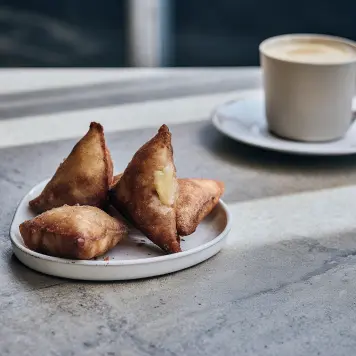
Mandazi
Mandazi is a lightly sweetened, triangle shaped fried dough that many call Kenya's answer to the doughnut. It is a favorite breakfast and snack, often dunked into a cup of milky chai.
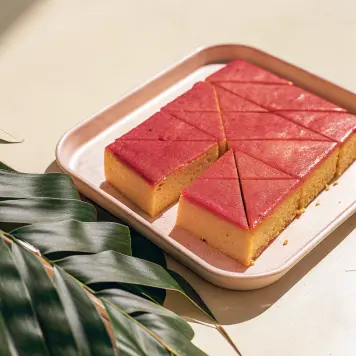
Mkate wa Sinia
Mkate wa Sinia is a golden coconut rice cake steamed in a wide flat tray, which is exactly what its name means, cake of the tray. Fragrant with cardamom, it is sliced into thick wedges and served at celebrations and family parties.

Kaimati
Kaimati are small, golden fried dumplings soaked in a warm syrup scented with cardamom and saffron. Their crisp shell and sticky sweet center make them a beloved treat at holidays, especially during Ramadan.
Traditional Savory Dishes
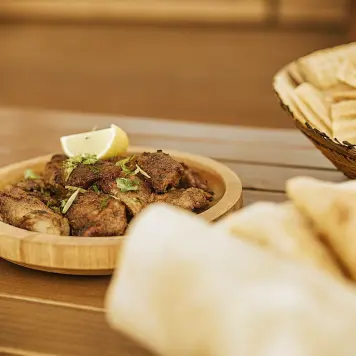
Nyama Choma
Nyama choma, meaning roasted meat in Swahili, is usually goat or beef slowly charred over open coals until smoky and tender. Sharing it with friends is such a cultural ritual around Naivasha that whole eateries, called kiosks and nyama choma dens, are built around the experience.
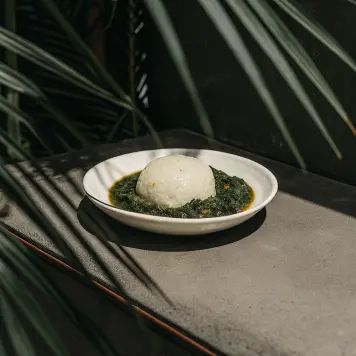
Ugali
Ugali is a dense, dough-like staple made from maize meal and water, and it forms the backbone of most Kenyan meals. You eat it with your fingers, pinching off a ball to scoop up stews, greens, or the juices from nyama choma.
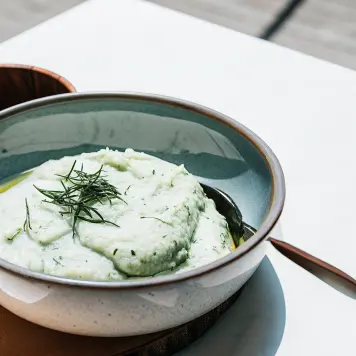
Mukimo
Mukimo is a hearty Kikuyu mash of potatoes, maize, beans, and pumpkin leaves that is traditionally served at weddings and family gatherings. Mashed greens give it a signature pale green color, and it is often eaten alongside nyama choma or beef stew.
Traditional Beverages
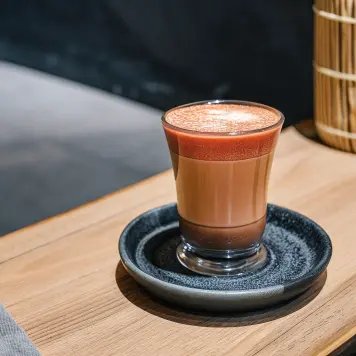
Chai ya Maziwa
Kenyan chai is a strong black tea simmered with milk, fresh ginger, and cardamom, then served sweet and steaming throughout the day. In Naivasha and across Kenya, offering chai to a guest is a universal sign of welcome and friendship.
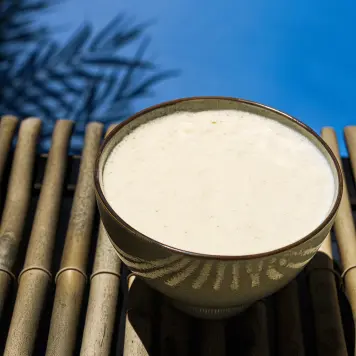
Uji
Uji is a smooth, mildly fermented porridge drink made from millet, sorghum, or maize and is a go-to breakfast for children and adults. Its gentle tang makes it refreshing, and in many homes it is enriched with milk, lemon, or peanuts.
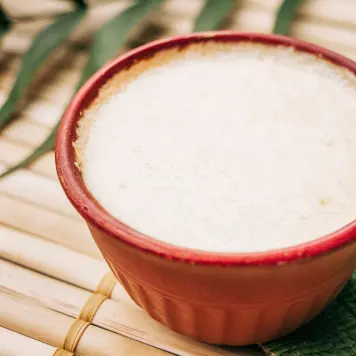
Maziwa Lala
Maziwa lala is traditional soured milk left to ferment naturally until thick and pleasantly tangy. It is a staple among the Maasai herding communities around Naivasha, prized because it keeps for days without refrigeration.
Frequently Asked Questions about Naivasha, Kenya
Is Naivasha, Kenya safe?
How many days in Naivasha, Kenya?
Best time to visit Naivasha, Kenya?
Is Naivasha, Kenya expensive?
How to get around Naivasha, Kenya?
Get a PDF with the most popular attractions sent to your email
Get a PDF with all attractions, ratings, and tips. Perfect for offline use.
Most popular day trips
Hells Gate National Park
Cycle or hike among cliffs, gorges and wildlife right next to Lake Naivasha
Mount Longonot National Park
Climb a dormant volcano crater rim for sweeping Rift Valley views
Crescent Island Game Sanctuary
Guided walking safari among giraffes, zebras and hippos on a lake peninsula
Lake Nakuru National Park
Famous for flamingos, white rhinos and buffalo along the soda lake
Crater Lake Game Sanctuary
Private volcanic lake sanctuary with forest walks and abundant birdlife
Getting there
Train stations
Nairobi to Nakuru line on the old Uganda Railway
Standard Gauge Railway passenger line to Mombasa, with freight served onward to Naivasha
Take a taxi or matatu from Nairobi via the A104 highway, roughly 1.5 to 2 hours from Jomo Kenyatta International Airport.
Find flights to Naivasha, Kenya
Click to get eSim for Naivasha, Kenya
The easiest and most affordable way to get mobile internet wherever you travel.
Comments (7)
Food was decent but pricey right along the shore. Weather perfect though, cool mornings and warm afternoons. Total vibe shift from Nairobi.
Naivasha surprised me. Woke up to hippos grunting by the lake, had coffee watching them. Stayed 2 nights, wish it was 3.
Bring your own snacks from Naivasha town. Lakeside cafe prices run nearly double and portions shrink hard after sunset.
Honestly a bit underwhelmed. The lakewalk was crowded and the boat tours felt overpriced. The flamingos made the trip worth it though.
Mixed feelings. Lovely lake and fresh fish but someone tried to overcharge us twice. Keep your wits about you and you'll love it.