CityBuddy
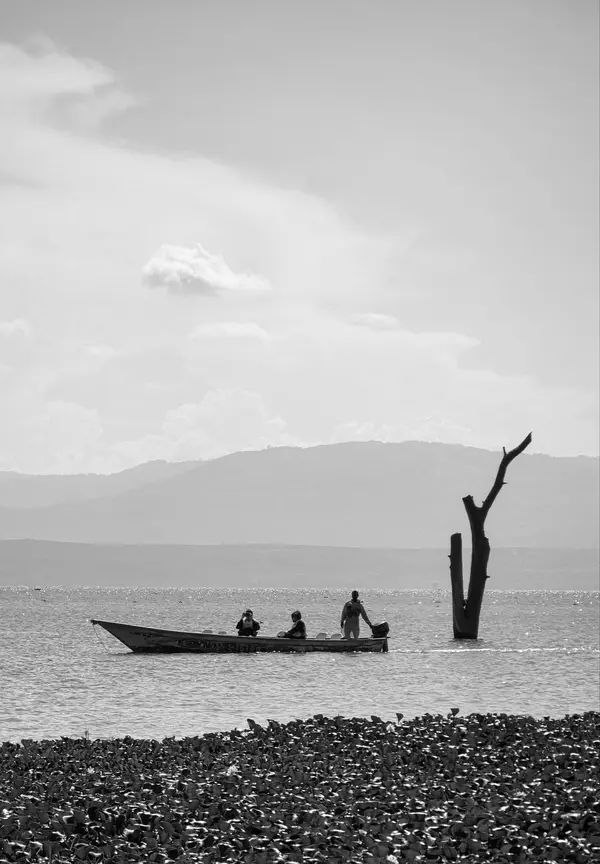
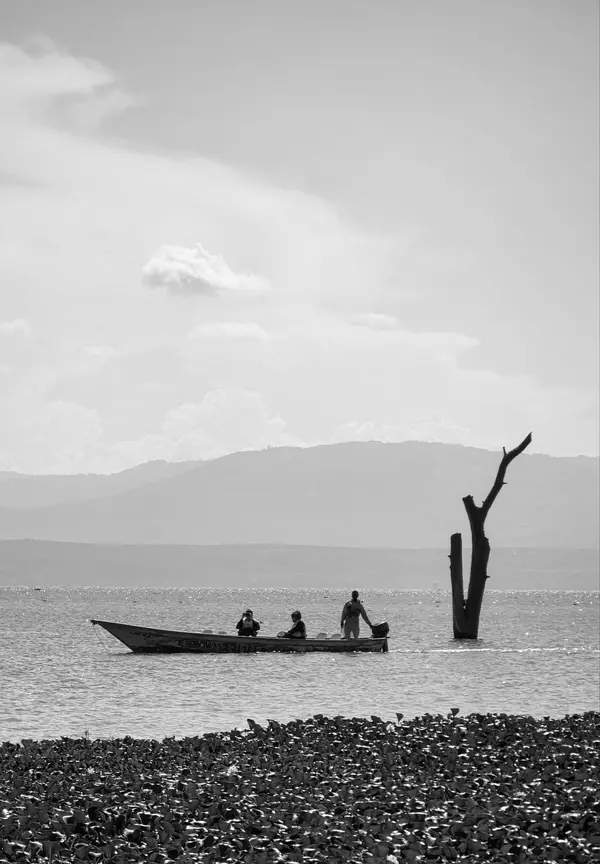
Lake Oloiden
Best time to visit
Visit early morning, 7 to 10 a.m., when hippos are still in the water and birdsong peaks. Dry months from June to September keep the rim trails firm and animals easier to spot.
Budget tips
Entry for walking access runs roughly 500 Kenyan shillings per person, with most visitors paying a couple of thousand if they add a guided boat outing. Carry small cash notes, since card machines rarely work at the rural gate, and skip overpriced add-ons you don't actually need.
Recommended for
Birdwatchers, Photography enthusiasts, Nature lovers, Budget travelers
Plan your visit
2-3 hours
About
Quick facts: A collapsed volcanic crater flooded with water, this lake plunges roughly 100 meters down, about three times deeper than the much larger lake sitting beside it. Its bush-covered, steep walls shelter one of the densest hippo populations per square kilometer in Kenya.
Highlights: Rising water in the 2010s merged this crater with its giant neighbor, drowning the grassy isthmus that once let visitors walk onto the raised island rim. Today you can hike those rim trails and watch hippos surface through deep water that stays almost glassy, while fish eagles scream overhead.
Insider tips
- Wear sturdy, closed-toe shoes with good grip for the steep volcanic rim trails, which turn slick after rain.
- Bring binoculars, since the crater's natural amphitheater walls amplify bird calls and make sightings easier.
- Time your hike for dawn when hippos are still in the water and the rim catches the first golden light.
- Keep a clear distance from the shoreline at dusk, because hippos haul out to graze and move fast on land.
Where to Stay in Naivasha
Selected by City Buddy based on guest reviews and proximity to top attractions
Search all hotels in NaivashaPowered by agoda