 CityBuddy
 English
Things to Do in Narok, Kenya
Photo made by Entumoto Safari Camp on Pexels.com
When to visit
Plan your perfect trip to Narok, Kenya
Get a complete travel plan built just for you in under 30 seconds, with daily routes, local food tips, budget estimates and more.
Are any of these especially important to you?
Select all that apply
Getting around
How do you want to move between places?
Plan language: EnglishMost popular attractions in Narok, Kenya
The top things to do in Narok, Kenya revolve around the Maasai Mara National Reserve, a roughly 90-minute drive from town. Enter through Sekenani Gate, watch the Mara River's great wildebeest crossings, or browse Narok Museum's Maasai beadwork and colonial artifacts. Budget two full days.
1. Maasai Mara National Reserve
Watch 1.5 million wildebeest stampede across open savanna in the great migration. You'll catch lions mid-hunt, elephants patrolling, and sunsets that set the grassland ablaze.
Quick facts: Roughly 1.5 million wildebeest, 200,000 zebras, and 500,000 Thomson's gazelles thunder across this savanna during the annual migration. Predator density here is off the charts, with more than 4,000 lions sharing the grassland with leopards and cheetahs.
Highlights: At the Mara River crossings, thousands of wildebeest surge into the water where 4-meter crocodiles wait for the exact moment a herd hesitates. Camp out near the river and you might hear the throaty roars of a 12-lion pride echoing across the grassland at dusk.
2. Narok Museum
Get up close with Maasai culture as it is actually lived. Expect real homestead re-creations, warrior regalia, and wildlife exhibits that bring the savanna to life.
Quick facts: More than 1,000 objects trace everyday Maasai life, from beaded necklaces that mark a warrior's age set to carved milk gourds passed down for generations. A second hall pairs those cultural displays with wildlife mounts and geology samples drawn from the surrounding savanna.
Highlights: The centerpiece is a full-scale reconstruction of a traditional manyatta homestead, complete with a cow-dung plaster house you can actually duck into. Cowhide shields on the wall carry the deep slash marks of real skirmishes, and staff hand you a balanced rungu club to weigh before touring the warrior gallery.
3. Sekenani Gate
The real safari starts before your first sighting at the ticket window. Expect herds drifting past the dusty barrier while you sort the paperwork.
Quick facts: The name comes from the local Maasai word for a place where water cuts through rock, a nod to the stream that runs beside the entry post. Around 1,500 square kilometers of open savanna sit beyond the ticket window, and roughly 250 kilometers of tarmac separate this gatehouse from Nairobi.
Highlights: The night-before game intelligence flows through here: rangers trade radio chatter about where the lion prides and the migration front sleep, and they will tip you off toward the freshest prints. On July mornings, wildebeest columns stream past this same dusty clearing, sometimes brushing within 50 meters of vehicles queuing for tickets.
4. Mara River
Watch one of the natural world's greatest animal dramas unfold here. Your pulse quickens as hundreds of wildebeest thunder across churning waters while crocodiles lurk beneath the surface.
Quick facts: Stretching roughly 395 kilometers, the river feeds the vast Serengeti-Mara ecosystem that sustains over a million migrating wildebeest. Nile crocodiles reaching beyond 4 meters lurk in its deeper pools, waiting to ambush whole herds during the great crossing.
Highlights: Nearly 4,000 hippos snort and roll through the deep, jade-colored pools, their guttural bellows bouncing off the red-earth cliffs. By July, the hooves' low rumble thuds in your chest half a kilometer from the banks before the very first wildebeest leaps into the churn.
5. Loita Hills
Wander a misty rainforest most travelers never reach. Hear wind and birdsong as sacred fig trees swallow the trail, and leave with a story no photo can hold.
Quick facts: Cloud forest drapes these ridges in permanent mist, capturing the moisture that feeds springs for thousands of Maasai homesteads downstream. Cattle herds thread through groves of olive, cedar, and ancient podo trees, and yearly rainfall here tops 1,700 millimeters, some of the highest totals in the country.
Highlights: Colobus monkeys shout between moss-draped ficus boughs, and the oldest trunks stay completely untouchable, because resident Maasai believe fig spirits guard their ancestors. Homestead smoke threads through morning fog after Olng'esher, the age-set rite where retiring warriors plant a green fig tree beside their father's grave.
Where to Stay in Narok, Kenya
Selected by City Buddy based on guest reviews and proximity to top attractions
Search all hotels in Narok, KenyaPowered by agoda
Traditional Sweet Dishes
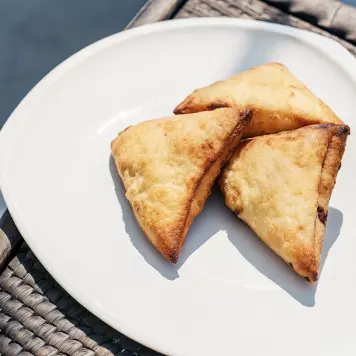
Mandazi
Mandazi are soft, slightly sweet fried dough triangles beloved as a breakfast or tea-time snack across Narok. Many home cooks add coconut milk to the dough for extra richness and a gentle aroma.
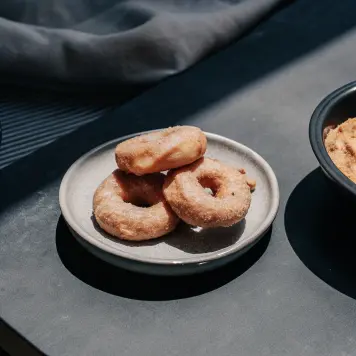
Mahamri
Mahamri are fluffy, golden doughnuts made with coconut milk and yeast, then fried until perfectly puffed. They are a festive treat often paired with spiced mbaazi, a coconut bean stew.
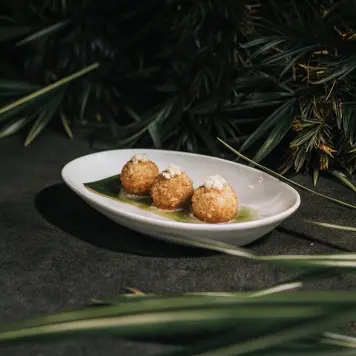
Kaimati
Kaimati are small, crisp fried dough balls that are soaked in a sweet sugar or honey syrup. They have a crunchy outside, a soft inside, and a sticky sweetness that makes them a popular celebration dessert.
Traditional Savory Dishes
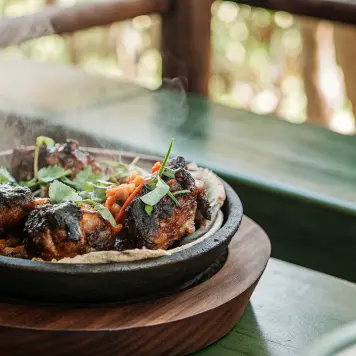
Nyama Choma
Nyama choma, meaning roasted meat, is the centerpiece of Maasai gatherings and is typically eaten with bare hands. Goat meat is the most prized choice, and the meat is roasted slowly over open wood fire for a smoky, tender finish.
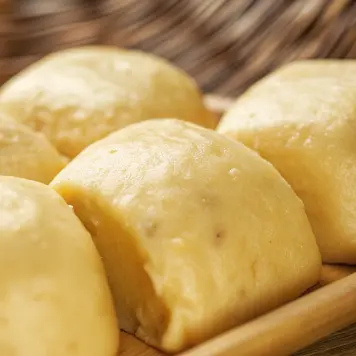
Ugali
Ugali is a dense, stiff porridge made from maize flour and water that serves as the daily staple in most Narok homes. It is shaped into small balls by hand and used to scoop up meat, vegetables, or stews.

Sukuma Wiki
Sukuma wiki, meaning "push the week," is a humble dish of collard greens cooked with onions, tomatoes, and a little oil and salt. Its name reflects how it stretches a family's food supply until the next payday or harvest.
Traditional Beverages
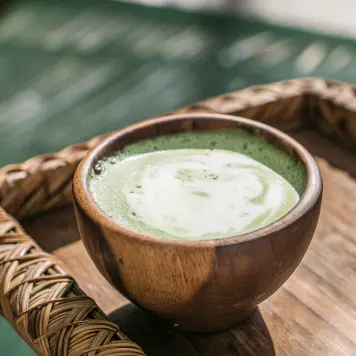
Maziwa na Damu
Maziwa na damu is a traditional blend of fresh cow milk and fresh blood, a nourishing drink for Maasai warriors during long journeys and ceremonies. The blood is taken from a live cow through a small arrow prick, and the cow is then healed and released.
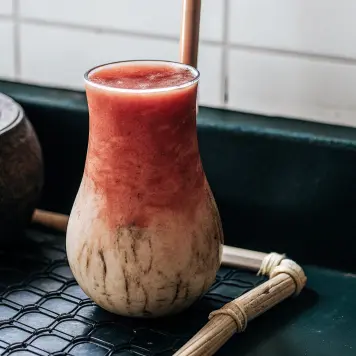
Mursik
Mursik is fermented milk aged in a smoked gourd, which gives it a thick, tangy, and slightly smoky flavor. The smoked gourd also protects the milk and helps it keep longer in the warm climate.

Uji
Uji is a smooth, hearty porridge drink made from fermented millet or sorghum and flour. It is often served warm in the morning and has a mildly sour, comforting taste that pairs well with bread or mandazi.
Frequently Asked Questions about Narok, Kenya
Is Narok, Kenya safe?
How many days in Narok, Kenya?
Best time to visit Narok, Kenya?
Is Narok, Kenya expensive?
How to get around Narok, Kenya?
Get a PDF with the most popular attractions sent to your email
Get a PDF with all attractions, ratings, and tips. Perfect for offline use.
Most popular day trips
Maasai Mara National Reserve
World famous savanna reserve, home of the Great Migration and Big Five
Olorgesailie Prehistoric Site
Archaeological site with ancient hand axes and stone tools from 1 million years ago
Lake Naivasha
Freshwater lake with hippos, birdlife, and Crescent Island boat safaris
Hell's Gate National Park
Dramatic gorges, geothermal flows, and rare walking and cycling safaris
Lake Nakuru National Park
Rift Valley park famed for flamingos and protected rhino sanctuaries
Getting there
Train stations
SGR standard gauge railway to Mombasa, no direct line to Narok
Most visitors travel by road from Nairobi on the Narok Highway, about 2.5 to 3 hours by private car, matatu, or shuttle bus. Charter flights from Wilson Airport land at Maasai Mara airstrips.
Comments (10)
Cash is king in Narok, cards only worked at exactly two places the whole trip. Hit the ATM in the mall before you head out of town
Skip the hotels near the main road, we found a great guesthouse two streets back for half the price and way more authentic. Ask locals, they know
Came for a weekend, honestly needed one more day. The town itself is small but the surrounding countryside eats up your time, tons of short hikes
The early morning game drives are the move, animals actually do stuff before 9am. Afternoon drives were mostly us staring at sleeping lions
Beautiful place but the dust gets everywhere, my camera lens was filthy by day two. Bring lens wipes and a bandana, you will thank me