 CityBuddy
 English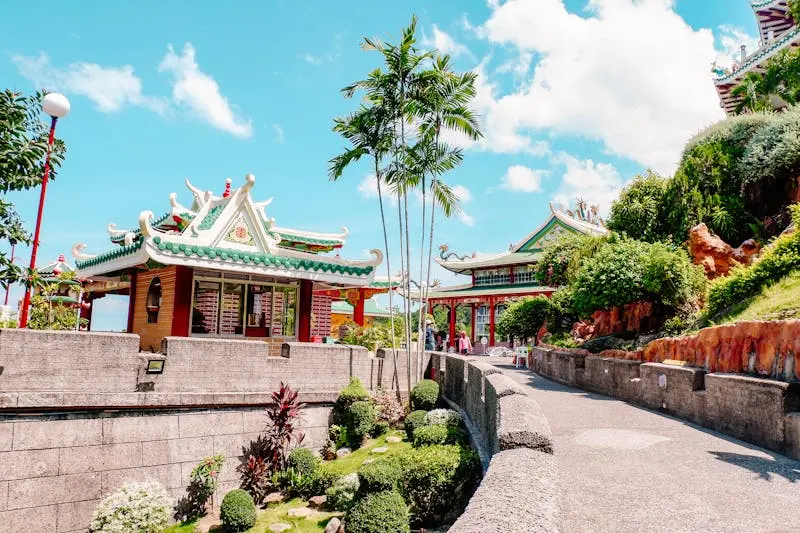
Things to Do in Cebu, Philippines
Photo made by Christian Paul Del Rosario on Pexels.com
When to visit
Most popular attractions in Cebu, Philippines
When exploring things to do in Cebu, Philippines, start at Magellan's Cross in Cebu City, planted in 1521 to mark the arrival of Christianity. Walk just a few blocks to the Basilica Minore del Santo Niño, home to the oldest religious relic in the country. Fort San Pedro offers history with its 1738 fortress walls and ocean views a 10-minute drive from downtown.
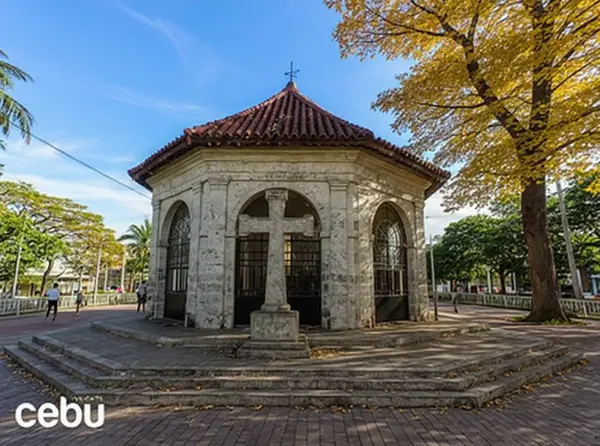
1. Magellan's Cross (Cebu City)
Cebu City
Site marking Ferdinand Magellan's 1521 cross planting, central to Philippine history. Visit the small chapel, see the painted cross under glass, and feel Cebu's historic pulse.
Quick facts: A vivid painted pavilion shelters a double-layered wooden cross, and many locals believe a fragment of the original beam is sealed inside the inner shaft. Street vendors and devotional candles crowd the immediate area, so you'll hear vendor calls, smell burning wax, and spot coins pressed onto brass plaques by visitors.
Highlights: Locals often tap the protective glass exactly three times and press a coin into a nook before whispering a short prayer, a ritual that turns the small space into a chorus of muffled taps. Low light brings out faded colonial-style paintings and the scent of melted wax, and peering close you can read handwritten notes in Spanish, Cebuano, and English tucked into the wooden crevices.
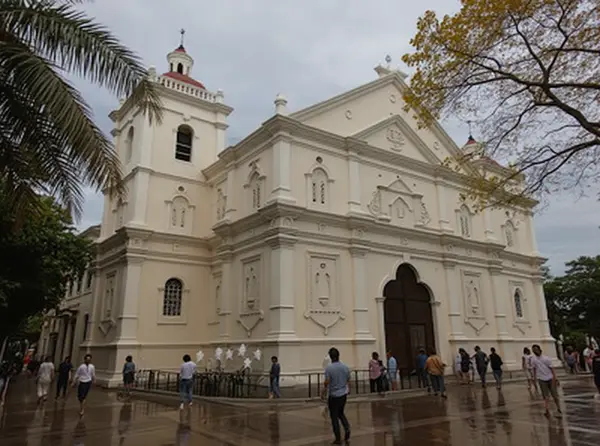
2. Basilica Minore del Santo Niño (Cebu City)
Cebu City
Home to the Philippines' oldest Catholic relic, the Santo Niño image. Explore Spanish-era architecture, daily devotions, and a compact museum tracing Cebu's colonial past.
Quick facts: Sturdy coral-stone walls create a cool, dim interior scented faintly of wax and frankincense, where centuries of votive offerings line the walls. A revered wooden image attracts millions of pilgrims and regular mass services are accompanied by the steady toll of bells and whispered prayers.
Highlights: Local artisans hand-stitch jewel-studded robes for the wooden Child image, sometimes spending over 100 hours on a single outfit so it gleams beneath candlelight. Feast-day crowds top one million during the surrounding festival, the plaza trembling from synchronized Sinulog steps while thick incense and coconut-oil smoke hang in the humid air.
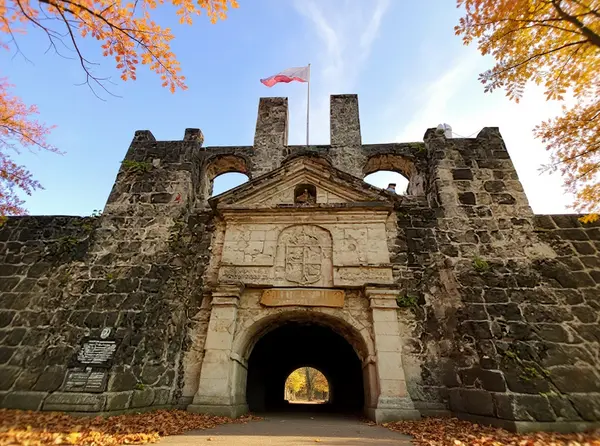
3. Fort San Pedro (Cebu City)
Cebu City
A compact Spanish-era fort that condenses Cebu's colonial history into one easy stop. Walk the stone ramparts, browse the small museum, and catch plaza and waterfront photo views.
Quick facts: Thick coral-stone walls feel cool under your hand, moss-dark steps lead to low ramparts where narrow cannon slits frame water views. Local guides point out Spanish-era plaques and faded timetables of past uses, and school groups often practice folk dances across the grassy courtyard.
Highlights: A compact, three-sided stone fort invites slow exploration, climb the low ramparts to feel sun-warmed coral rock and watch gulls wheel above the harbor. Inside, a small museum showcases colonial-era ceramics and religious carvings linked to early figures like Miguel López de Legazpi, while guides love to share a cheeky tale about a silver cross supposedly hidden beneath a loose flagstone.
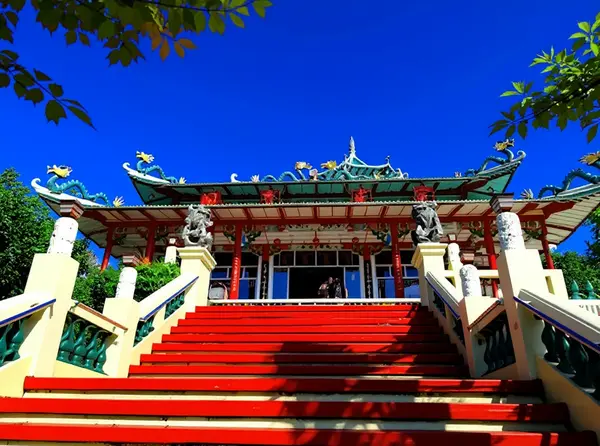
4. Cebu Taoist Temple (Cebu City)
Cebu City
Ornate Chinese temple with vivid red lanterns, dragon staircases and hillside city views. Wander tiled courtyards, climb to pagodas, and photograph intricate statues.
Quick facts: Climb a colorful flight of steps and you'll spot ornate dragons coiled along the railings, red and gold scales flashing in the sun. A compact complex of pagoda roofs and mirrored pools invites calm, and visitors often toss coins into small wishing ponds while incense curls through the air.
Highlights: Step into a canopy of lacquered red lanterns after dusk, 108 glow against the night sky and bathe carved stone lions in warm light. On some weekends a Taoist priest known as Master Chen rings a large brass bell at 7:00 p.m., then worshippers kneel to perform kau cim by drawing numbered bamboo sticks for a written oracle.
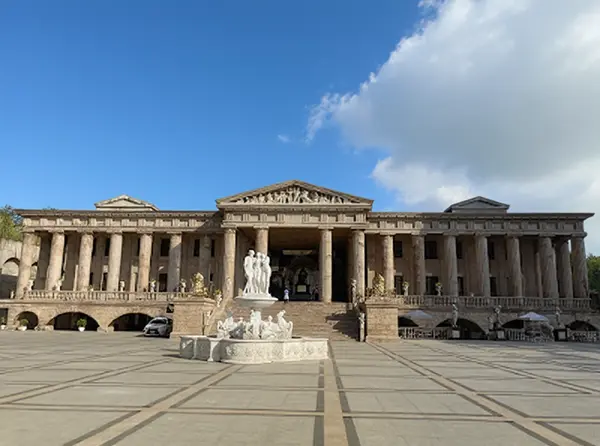
5. Temple of Leah (Cebu City)
Cebu City
Grand hilltop mausoleum with sweeping views of Cebu and ornate Roman-style architecture. Wander marble corridors and climb terraces for skyline and sunset photos.
Quick facts: Massive Corinthian columns and marble sculptures give the site a dramatic, palace-like feel that many visitors compare to a miniature Roman temple. A wealthy widower dedicated the complex to his wife, lining the halls with family mementos and dozens of classical figures that draw locals and photographers alike.
Highlights: Founder Teodorico Adarna reportedly fashioned the site as a personal shrine to his wife, with a private gallery that still shows family photos and a handwritten love letter kept under glass. Step close and you can feel cool marble under your fingertips and hear quiet echoing footsteps through corridors lined with Grecian statues, making the place feel unexpectedly intimate despite its monumental scale.
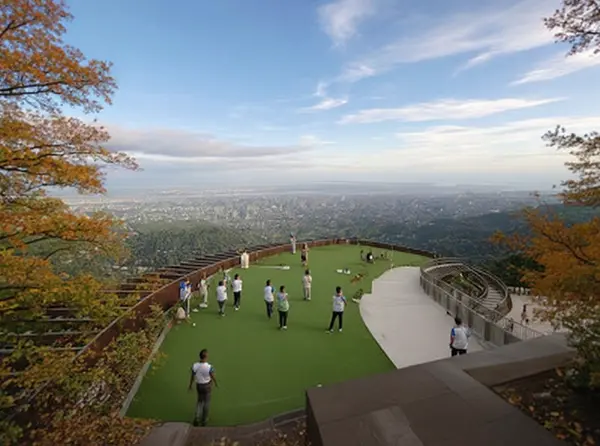
6. Tops Lookout / Mt. Busay (Cebu City)
Cebu City
Panoramic views over Cebu City and the Mactan Strait reward early risers and night photographers. Short walks, roadside cafes, and wide skyline-to-sea photo opportunities await.
Quick facts: A 180-degree panorama of city lights and the distant sea unfolds from the ridge, ideal for long-exposure photos and stargazing. Expect a cool breeze about 5 to 8 degrees Celsius lower than downtown, with vendors grilling corn and pouring hot coffee so evenings feel cozy and lived-in.
Highlights: On clear nights groups of 5 to 10 photographers cluster along the railing, setting up tripods and swapping shutter tips while city lights shimmer below. A sharp scent of grilled corn and garlic drifts through the air, while the sky's colors flip from deep orange to pinprick silver in roughly 10 minutes at dusk, making the whole scene feel cinematic.

7. Sirao Flower Garden (Sirao, Cebu City)
Sirao, Cebu City
Colorful hillside flower fields with striking celosia blooms and panoramic city views. Wander photogenic paths, pose at themed arches, and enjoy a coffee with a skyline backdrop.
Quick facts: Expect photogenic waves of celosia in crimson, pink, and gold climbing gentle terraces, perfect for bright, colorful photos. Local vendors line narrow paths with snacks and woven souvenirs, and weekend crowds bring a cheerful buzz of cameras and chatter.
Highlights: Breathe in a faint green-apple scent on warm mornings while fields of celosia spill across roughly one hectare, the color blocks arranged so photos look like living tapestries. A low-key morning ritual sees many photographers arriving around 5:30 AM to set up beneath a two-meter wooden arch, that timing often gives you golden light and an empty foreground for striking shots.
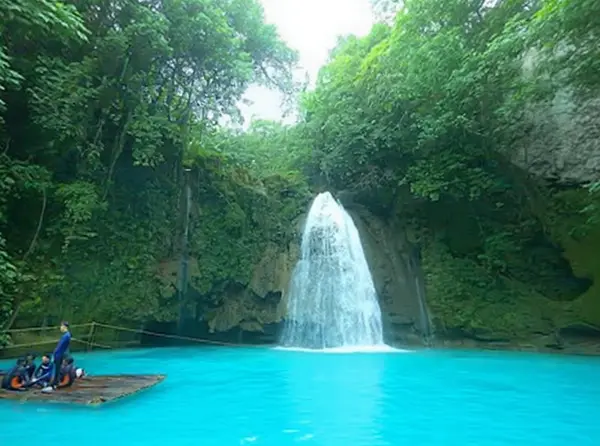
8. Kawasan Falls (Badian, Cebu)
Badian, Cebu
Layered turquoise pools and powerful falls set in a limestone canyon, perfect for swimming and canyoneering. Expect cliff jumps, bamboo rafts, and photo-ready cascades.
Quick facts: Crystal-clear water tumbles over limestone ledges into jade-green plunge pools, sunlight turning the spray into glittering curtains. A short hike and a few easy rock scrambles lead you to cool swimming holes that are popular for cliff jumps and bamboo raft rides.
Highlights: A narrow limestone gorge channels the torrents into three emerald pools, the middle bowl amplifying the roar so droplets slap your face like sparkling beads. Guides often run 2–3 hour canyoneering routes that thread tight rock passages and small jumps, leaving you paddling in a mirror-like pool under shafts of sun.
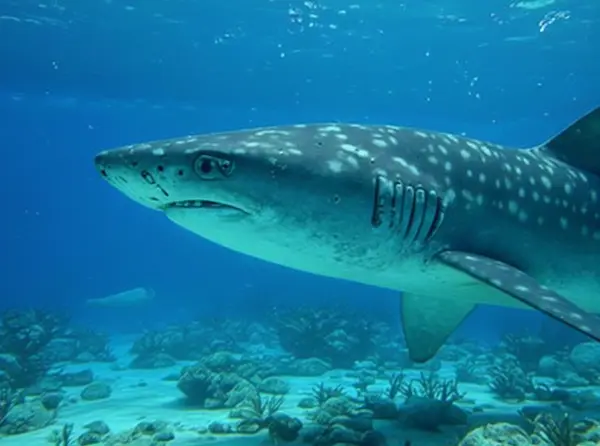
9. Oslob Whale Shark Watching (Oslob, Cebu)
Oslob, Cebu
Swim shoulder-to-fin with gentle whale sharks off Oslob, Cebu, for a rare close-up in shallow water. Expect guided snorkeling, photo ops, and lively local activity.
Quick facts: Dozens of small banca boats appear each morning, often with hundreds of snorkelers watching slow-moving giants glide just below the surface. You can often hear the slap of water and the hiss of breath, and encounters commonly occur within 2–5 meters, making the experience shockingly intimate.
Highlights: Locals hand out a few handfuls of crushed fish, roughly 1–2 kilograms per session, to guide the sharks close to shore, so encounters often happen within 2 to 5 meters of swimmers. At eye level you’ll see the sharks’ mottled skin and tiny scars, and the sound of their slow exhalations mixes with the creak of outriggers for a surprisingly calm, cinematic moment.
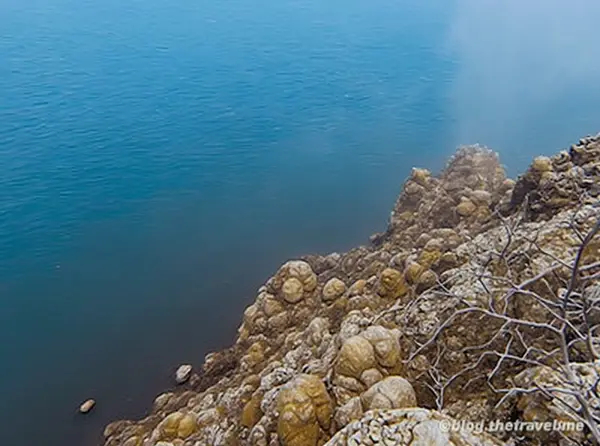
10. Pescador Island & Moalboal Sardine Run (Moalboal, Cebu)
Moalboal, Cebu
World-class snorkeling where millions of sardines swirl near dramatic coral walls. Paddle to Pescador Island, snorkel or dive the sardine run, then spot turtles and vibrant reef life.
Quick facts: Snorkelers can drift through a living curtain of silvery fish that stretches for hundreds of meters, producing a shimmering, pulsating wave of light. A coral wall drops to around 40 meters, where hawksbill and green turtles weave through bouquets of bright orange and purple hard coral.
Highlights: You can watch shoals compact into corkscrew formations so dense that divers and sonar detect bands over 500 meters long, and freedivers slip into the gaps like ghostly shadows among the fish. Bioluminescent plankton make every kick trail glow neon blue, and some guides point out a resident turtle nicknamed 'Lola' who returns to the same ledge every week.
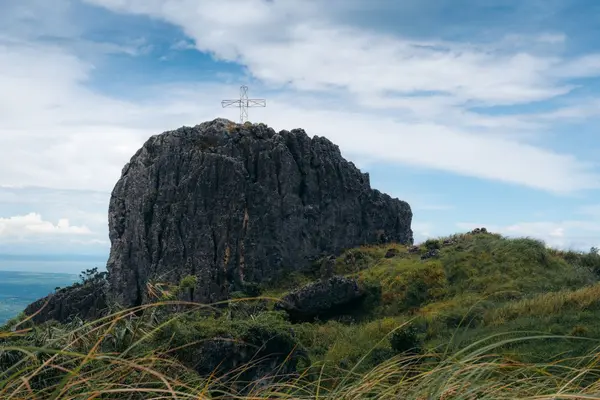
11. Hike at Osmeña Peak
One of the shortest but most rewarding hikes in the Visayas, wrapping you in 360-degree views of sea and mountains. You'll scramble up grassy slopes and limestone rocks to a summit that feels like standing on the edge of the world.
Quick facts: Rising 1,013 meters above sea level, this peak offers panoramic views of the entire southeastern tip of Cebu. The jagged, sawtooth ridges resemble a smaller version of the Chocolate Hills, with no entrance fee required to hike up.
Highlights: From the summit on a clear day, you can see all the way to the neighboring island of Negros across the Tañon Strait. The landscape shifts dramatically as you climb: green cornfields and vegetable patches give way to razor-sharp limestone karsts that look like giant stone teeth piercing the earth.
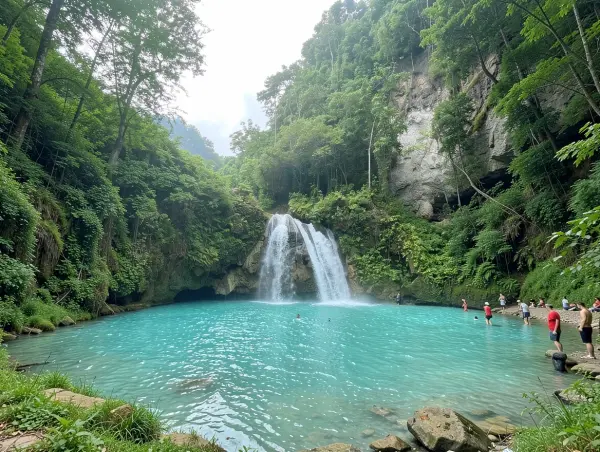
12. Badian Canyoneering
Navigate one of Cebu's longest and most dramatic river canyons through a series of natural rock slides and waterfall jumps. You'll wade, swim, and rappel through a narrow limestone gorge flanked by dense jungle and towering cliff walls.
Quick facts: Carved into the limestone cliffs of Cebu's interior, this canyon features towering walls that narrow to just a few meters wide in sections. The crystal-clear river cutting through it maintains a steady 22 degrees Celsius year-round, offering relief from the tropical heat.
Highlights: Unlike typical canyoneering spots that are short and shallow, this gorge stretches over 4 kilometers through untouched jungle, with some rappels dropping over 20 feet straight into emerald pools. The walls here are streaked with iron and manganese deposits, creating natural abstract paintings that shift color as the sunlight filters through the canopy above.
Where to Stay in Cebu, Philippines
Selected by City Buddy based on guest reviews and proximity to top attractions
Search all hotels in Cebu, PhilippinesPowered by agoda
Opening days in Cebu, Philippines
Which of the top sights close on which day of the week — the classic trip-ruiner, checked for you.
Sunday: 1 of 13 top sights closed — plan museums for another day.
Closed on Sunday · 1 closed, 12 open
Opening days from Google Maps (checked 2026-07-14). Public holidays, strikes and seasonal hours can differ — check the official website before you go.
Traditional Sweet Dishes
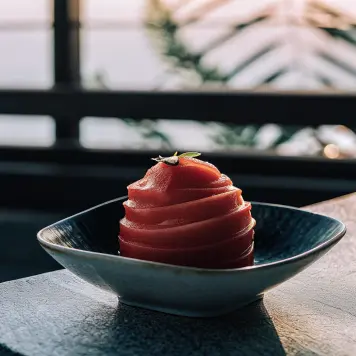
Mango float
Mango float is a no-bake chilled dessert that celebrates Cebu's famed sweet Carabao mangoes, using layers of cream and graham crackers to make a velvety, mango-forward treat chilled to soft, spoonable perfection.
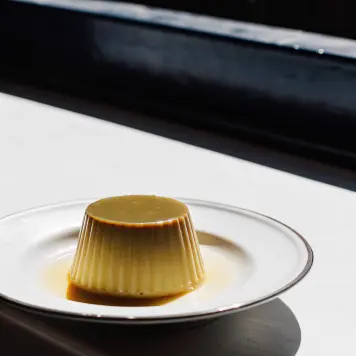
Leche flan
Leche flan in Cebu is famously silky because cooks often steam it in a shallow tin for gentle heat, producing a glossy caramel-topped custard that is a staple at fiestas and family celebrations.
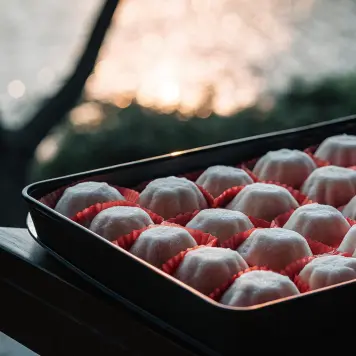
Puto Maya
Puto Maya is sticky ginger-scented rice traditionally wrapped in banana leaves and served with hot tsokolate and ripe mango, making it a comforting Cebuano breakfast that pairs sweet and spicy notes.
Traditional Savory Dishes
Lechon
Cebu lechon is famed nationwide for its paper-crisp skin and herb-stuffed cavity, it is often eaten without sauce to savor the complex roast flavors developed from an open-pit technique.
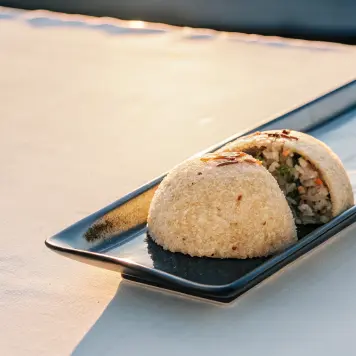
Sutukil (grill/soup/ceviche)
Sutukil is a Cebuano market tradition named for its three preparation styles, sugba, tuwa, and kilaw, where customers choose fresh seafood and watch it become grilled, stewed, or ceviche right before their eyes.
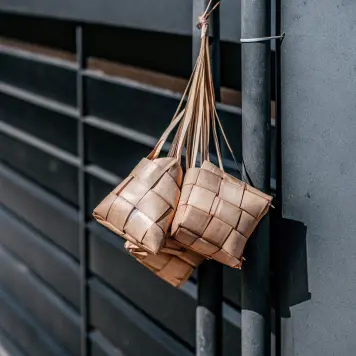
Puso (hanging rice)
Puso, or hanging rice, is glutinous rice expertly woven into diamond-shaped coconut leaf pouches, it was invented as a portable, mess-free staple for fishermen and street food lovers.
Traditional Beverages
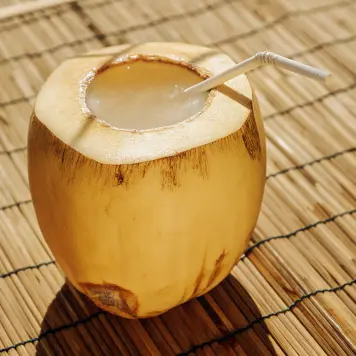
Tuba (coconut wine)
Tuba is freshly tapped coconut sap that ferments into a tangy, mildly alcoholic drink, it is often enjoyed fresh at dawn and holds deep ties to local rituals and community life.

Lambanog
Lambanog is a potent distilled spirit made from coconut sap, sometimes called Filipino coconut vodka, and it has a long history as a festive, locally crafted liquor that can also be infused with fruits or spices.
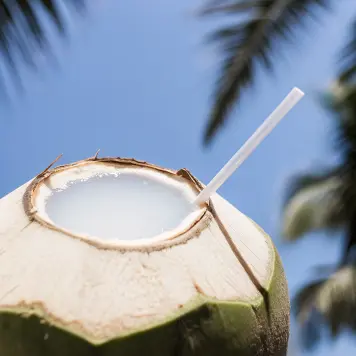
Coconut water
Fresh coconut water from Cebu is prized as nature's instant rehydration, sold roadside in the shell and enjoyed straight from the nut to cool down and replenish electrolytes in tropical heat.
Know before you go
What a day costs in Cebu, and the rip-offs to avoid
Top rip-offs to avoid
- Unlicensed airport drivers. Walk to the official taxi rank or book through the Grab app. Insist on the meter before the ride starts.
- Meter not running. Refuse rides without a working meter. If the driver will not start it, take the next taxi.
- Poor-rate exchange booths. Use banks or reputable licensed exchange counters and compare rates before converting large amounts.
Fair taxi from the airport: ₱250 - ₱450 (€3.5 - €6.5)
All scams, fair prices and rulesFrequently Asked Questions about Cebu, Philippines
What are the best months to visit Cebu, Philippines?
Is Cebu, Philippines expensive for travelers?
How many tourists visit Cebu, Philippines annually?
What is the public transport system like in Cebu, Philippines?
How can travelers get around Cebu, Philippines?
Get a PDF with the most popular attractions sent to your email
Get a PDF with all attractions, ratings, and tips. Perfect for offline use.
Most popular day trips
Mactan Island (Lapu-Lapu)
Beaches, resorts, diving and Mactan Shrine near Cebu City.
Moalboal (sardine run & snorkeling)
World-class snorkeling and sardine run off the coast.
Kawasan Falls (Badian)
Multi-tiered turquoise waterfalls and canyoneering.
Bohol (Tagbilaran via fast ferry)
Chocolate Hills, tarsiers and Panglao beaches.
Oslob (whale shark watching)
Swim with whale sharks and nearby Tumalog Falls.
Getting there
Airports
Train stations
N/A — main intercity links are buses, ferries and jeepneys.
From Mactan Airport take a metered taxi or Grab to Cebu City (20–30 min); allow more time in rush hour.
Useful information for Cebu, Philippines
Overview for Cebu, Philippines
Want a day-by-day plan for Cebu, Philippines? Open the trip planner
Plan your perfect trip to Cebu, Philippines
Get a complete travel plan built just for you in under 30 seconds, with daily routes, local food tips, budget estimates and more.
Are any of these especially important to you?
Select all that apply
Getting around
How do you want to move between places?
Plan language: English