 CityBuddy
 English
Things to Do in Philippines
Photo made by John Andrew Abala on Pexels.com
When to visit
Most popular attractions in Philippines
Exploring things to do in Philippines offers a rich blend of history and natural beauty. Walk through Intramuros, a 16th-century walled city in Manila. Marvel at Taal Volcano, one of the smallest active volcanoes worldwide, surrounded by a scenic lake. Don’t miss the UNESCO-listed Banaue Rice Terraces, carved into the mountains over 2,000 years ago.
1. Intramuros
Manila
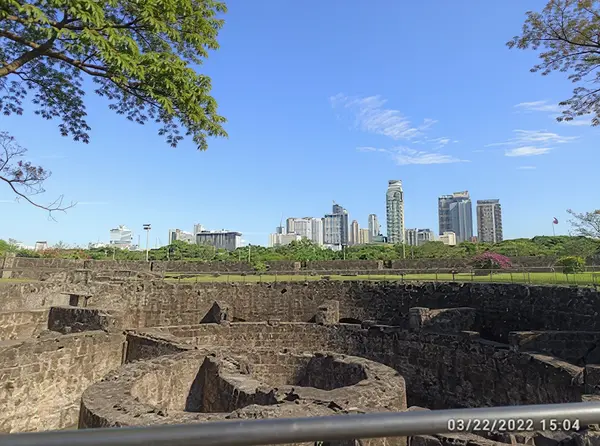
Step inside a 400-year-old walled city frozen between Spanish grandeur and war-scarred history. Wander cobblestone lanes, cannon-studded ramparts, and baroque churches in a single afternoon.
Quick facts: The 64-hectare walled district holds churches, plazas, and cobblestone streets that survived centuries of change, including heavy bombing during World War II. Its 4.5 kilometers of walls and moats once enclosed the entire Spanish colonial city, making it the oldest district in Metro Manila.
Highlights: At dusk, the Baluarte de San Diego hides a stone-lined tunnel network that once connected cannons and guard posts, and you can still walk its arched passages beneath the grass. The San Agustin Church here is the only building in the district that survived the 1945 Battle of Manila intact, and its carved wooden choir stalls date back to the 1600s.
2. Taal Volcano & Lake
Tagaytay
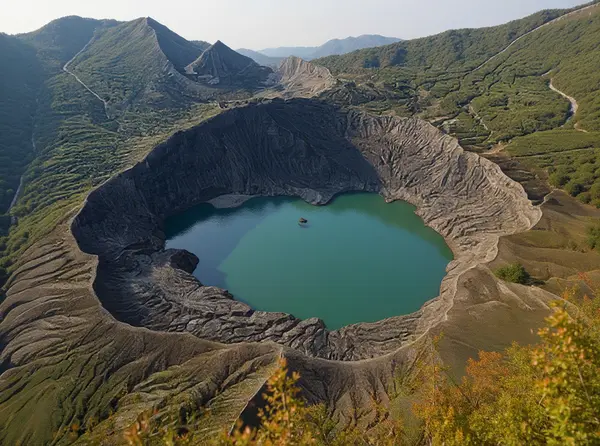
Otherworldly volcanic scenery worth the trek. Boat across a glassy lake, hike to a steaming crater and capture dramatic photos.
Quick facts: A verdant island perches inside a steaming crater lake that's encircled by a larger caldera, giving the whole scene a surreal, layered look. Local guides note the inner crater has shown activity more than 30 times in recorded history, so the landscape can shift noticeably between visits.
Highlights: At dawn the lake sometimes turns a soft rose, steam rising in ribbons while the ground underfoot feels warm and faintly sulfurous, ideal for moody photos. Boatmen usually charge about 200–300 PHP for a round-trip crossing and many include a 30-minute guided hike to the crater rim where you can peer into steaming fumaroles and feel warm ash under your shoes.
3. Banaue Rice Terraces
Banaue
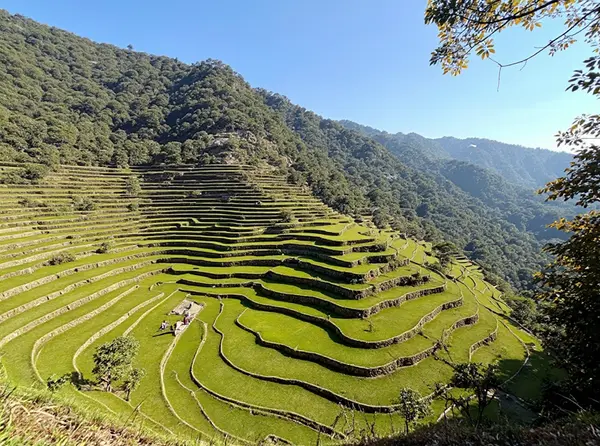
Terraces ripple across mountain slopes, offering dramatic views. Hike narrow stone steps and photograph mirrorlike paddies at sunrise.
Quick facts: A patchwork of narrow terraces climbs steep slopes, turning the valley into a living stairway you can wander through. Hand-built stone walls and a clever bamboo-and-channel irrigation system still funnel mountain spring water into neat, mirrorlike paddies.
Highlights: Local Ifugao elders perform hudhud harvest chants that can run more than 2,000 lines, rhythms woven into planting and harvest rituals. Sunrise floods the terraces, producing glassy surfaces that double the colors of the sky and make the layers glow like stepped pools.
4. Chocolate Hills
Carmen
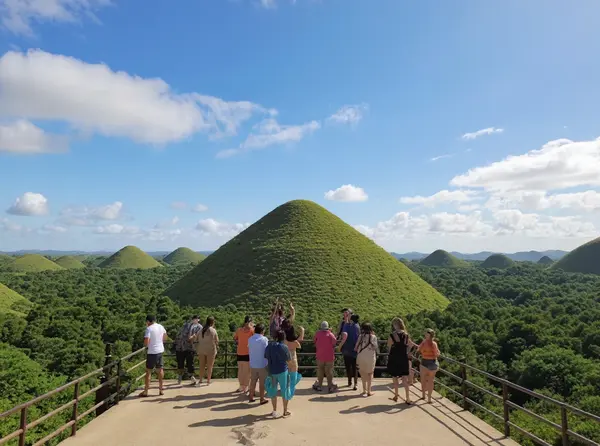
Rolling cone-shaped hills that change color with the seasons. Climb a viewing deck for sweeping panoramas and glowing light at sunset.
Quick facts: More than 1,200 cone-shaped mounds roll across the landscape, some rising over 120 meters and creating a strangely regular pattern. Dry-season grasses turn deep brown and attract photographers who time visits for golden hour color shifts.
Highlights: During the dry months over 1,260 grassy domes take on a chocolate-brown hue, forming waves of brown that stretch to the horizon. A short stair climb to the main viewing platform rewards you with a 360-degree panorama, the scent of dry grass, and the distant bell-chiming of grazing carabao.
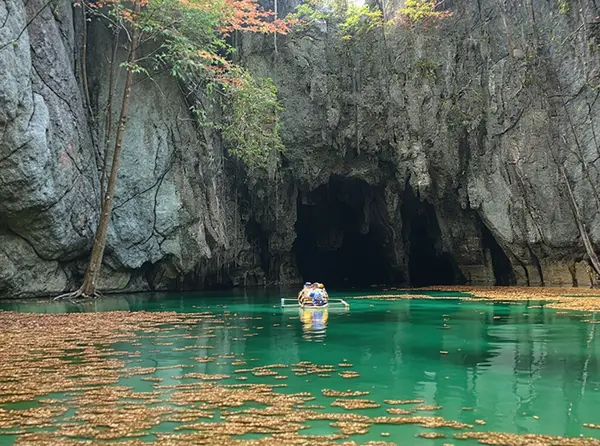
5. Puerto Princesa Subterranean River
Puerto Princesa
Glide through a dramatic underground river by boat. Experience echoing caverns, dripping stalactites, and colonies of bats.
Quick facts: You can glide by small boat through about 4.3 kilometers of mirror-smooth river that runs inside dramatic limestone caverns. Roughly 8.2 kilometers of cave passage weave through karst forest, and the site holds UNESCO recognition along with thriving bat colonies.
Highlights: An underground river offers a boat ride through caverns where guides point out named formations like a 'Cathedral' chamber and narrow limestone curtains, while bats and swiftlets echo overhead. UNESCO listing in 1999 and selection as a New7Wonders of Nature underline the rare karst biodiversity and dramatic cave architecture visitors experience up close.
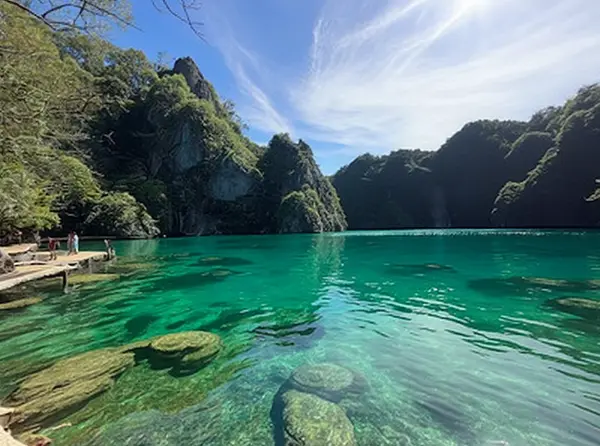
6. Kayangan Lake
Coron
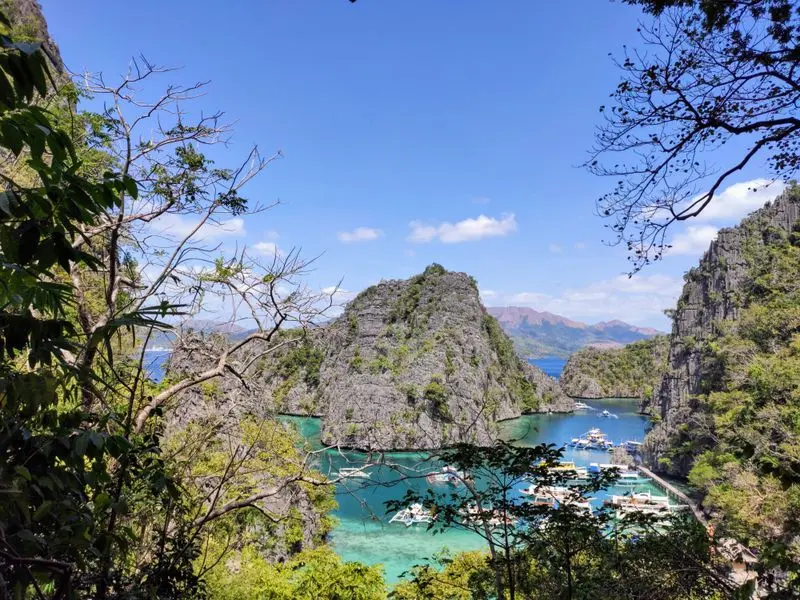
Crystal-clear water and towering limestone cliffs await. Expect a short boat ride, a quick climb, and emerald swims.
Quick facts: A sharp limestone amphitheater drops into water so clear you can read fish and rock details from the surface, often with 10–15 meter visibility. Local outrigger boats are the only access, and a short hike up a rugged staircase rewards visitors with a dramatic cliff-framed viewpoint.
Highlights: Steep limestone walls rise roughly 20–30 meters above the water, and morning sun frequently lights the pool into jewel-like turquoise with 10–15 meter clarity. A brisk 8–12 minute climb of about 50 narrow steps leads to a panorama where silence, wind, and birds replace engines if you arrive early.
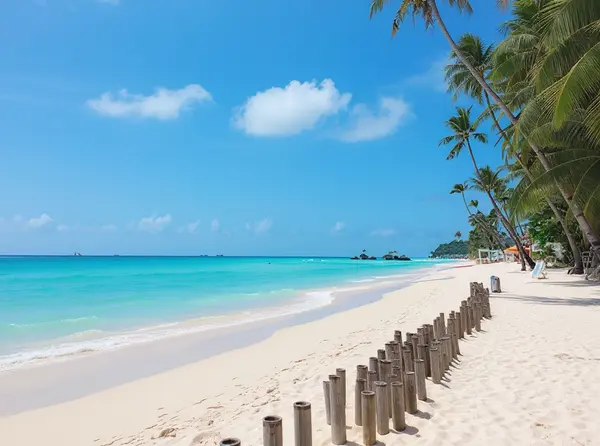
7. White Beach (Boracay / Malay)
Malay
Powder sands and electric sunsets make for an unforgettable beach day. Expect shallow swims, colorful sails, and buzzing beachfront bars.
Quick facts: Powder-fine white sand runs for roughly four kilometers along a gentle, curving shoreline, so walking feels effortless. Warm, waist-deep water stretches tens of meters out, making snorkeling and sunset swims easy for most visitors.
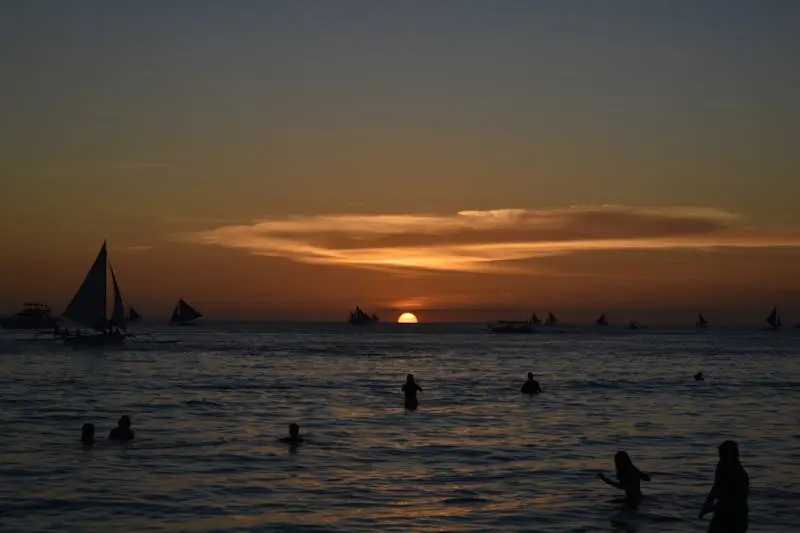
Highlights: Every afternoon dozens of colorful paraw boats sail across the bay, and weekend paraw races draw lively crowds and vibrant photos. Sunset paints the shallow sandbars in magenta and orange, the kind of light that turns ordinary pictures cinematic.
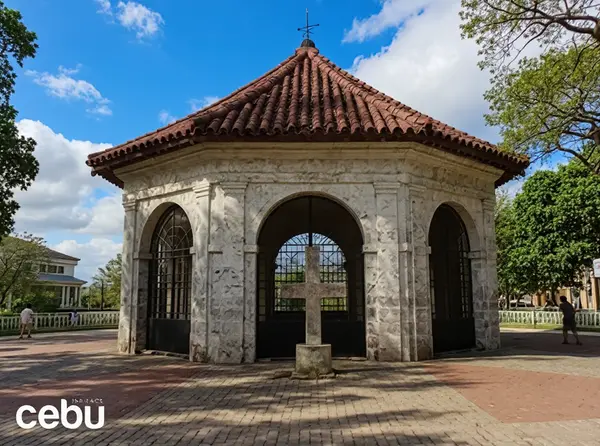
8. Magellan's Cross
Cebu City
See a centuries-old wooden cross kept like a living relic. Feel the hush, admire vivid ceiling murals, and stand inches from history.
Quick facts: An inner wooden cross, reportedly from 1521, rests inside a protective tindalo casing that locals once chipped away to take relic pieces. Locals and tourists still pause to touch the casing and offer prayers, while a painted ceiling overhead adds vivid color to a compact chapel.
Highlights: A fragile original cross said to have been planted on April 21, 1521 by a 16th-century expedition sits encased in thick tindalo wood to prevent further chipping. Worshipers press coins and prayer notes against the casing, and midday light turns the ceiling's blues and golds into a dramatic halo over the cross.
9. Cloud 9 Surf Break (General Luna / Siargao)
General Luna
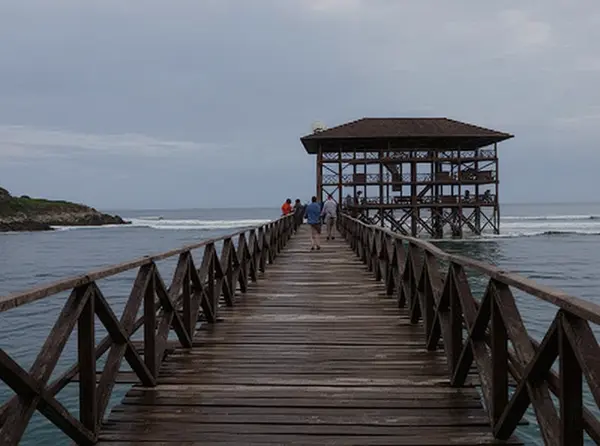
World-class reef break for surfers chasing hollow barrels. Expect thunderous waves, salty spray, and a buzzing wooden lookout.
Quick facts: Legendary reef break pumps out fast, hollow waves that reward bold, experienced surfers after southeast swells roll in. A rickety wooden viewing platform sits just above the reef, offering jaw-dropping close-up views of surfers in the pocket.
Highlights: Barrels regularly top 1.5 meters during peak swells, producing a thunderous roar and salty spray that soaks spectators on the boardwalk. Locals have a playful tradition of cheering and clapping after impressive tubes, turning big rides into communal celebrations.
10. Mount Apo
Davao City
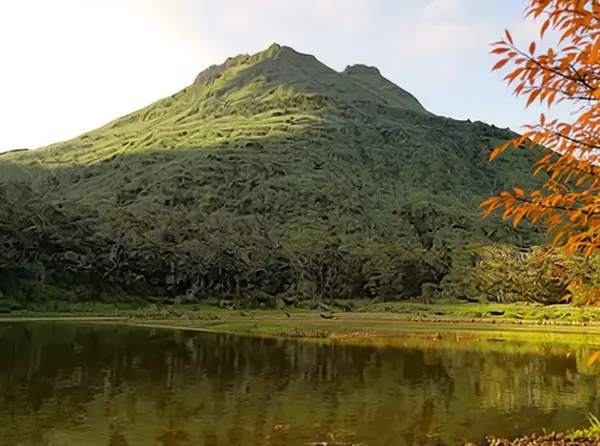
Reach a dramatic summit above the clouds, rewarded with sweeping sunrise panoramas. Expect mossy forests, sulfur vents, and challenging but thrilling trails.
Quick facts: An active volcanic peak rises to 2,954 meters, so summits often sit above the clouds for panoramic views. Mossy montane forest, sulfur vents, and upland farms create dramatic habitat shifts along popular trekking routes.
Highlights: Echoing calls of the Philippine eagle can cut through the mossy canopy, the species boasting a wingspan close to two meters. Summit ridgelines at 2,954 meters deliver sunrise panoramas that flood valleys with orange light while cool, thin air smells faintly of sulfur.
11. Binondo District
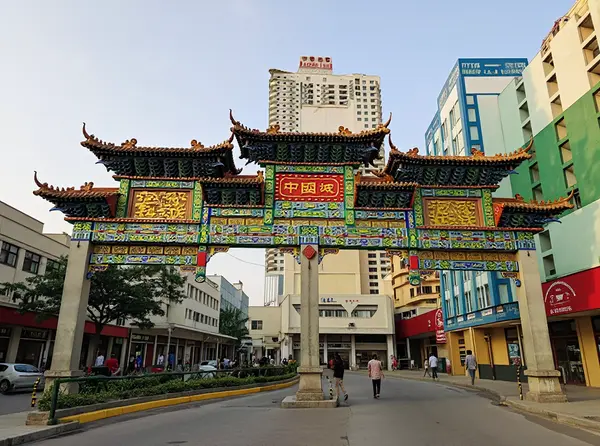
Foodie heaven for adventurous eaters. Expect bold flavors, bustling stalls, and centuries-old bakeries.
Quick facts: Narrow streets pulse with non-stop food stalls, noodle shops, and centuries-old bakeries where you can try more than a dozen Chinese-Filipino dishes. A busy plaza sits beside a classic church that draws locals for morning Mass and weekend markets, while neon-lit lanes glow with lanterns and herbal stores after dusk.
Highlights: A yearly Lunar New Year crawl can feature more than 20 lion-dance troupes weaving through narrow alleys, the drums and cymbals rattling so close you feel the beat on your skin. An old herbal shop near the market keeps handwritten remedy ledgers from the 1800s, its jasmine-scented interior stacked with labeled jars and dried roots.
12. Rizal Park
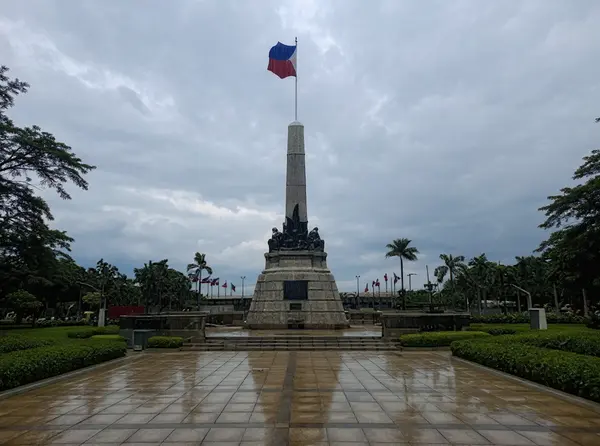
Historic open-air plaza brimming with monuments and green space. Statues, fountains, street snacks, and local performers await.
Quick facts: Lush lawns and wide promenades stretch across more than 60 hectares, offering shaded spots and open views. Monuments and a prominent obelisk draw locals for concerts, protests, and morning tai chi.
Highlights: A bronze-and-marble monument honoring José Rizal sits atop a raised granite plinth, with six ceremonial guards during flag-lowering ceremonies. Evenings fill with the smell of grilled corn and halo-halo as families gather beneath acacia trees for impromptu music and lantern-lit strolls.
Where to Stay in Philippines
Selected by City Buddy based on guest reviews and proximity to top attractions
Search all hotels in PhilippinesPowered by agoda
Opening days in Philippines
Which of the top sights close on which day of the week — the classic trip-ruiner, checked for you.
Good news: all 8 top sights with known hours are open every day of the week.
Closed on Monday · 0 closed, 8 open
Nothing closes on Monday — all 8 sights with known hours are open.
Opening days from Google Maps. Public holidays, strikes and seasonal hours can differ — check the official website before you go.
Popular Cities in Philippines
Traditional Sweet Dishes
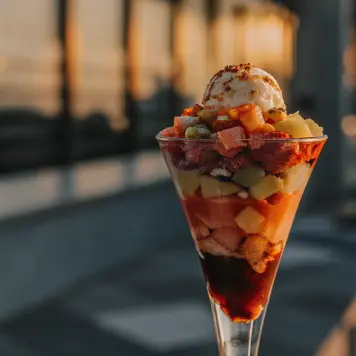
Halo-halo
Halo-halo's name literally means "mix-mix" in Filipino, and it can contain more than a dozen ingredients, creating a colorful layered dessert that celebrates variety and surprise in every spoonful.
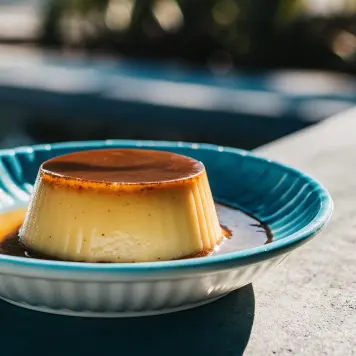
Leche flan
Leche flan is a dense, silky caramel custard introduced during Spanish colonial times, and its richness comes from a simple blend of egg yolks and sweetened milk.
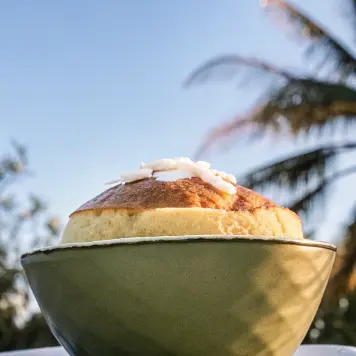
Bibingka
Bibingka is a rice cake traditionally baked in clay pots lined with banana leaves, giving it a smoky, aromatic crust and making it a beloved Christmas morning treat.
Traditional Savory Dishes
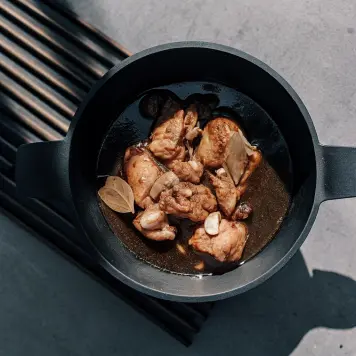
Adobo
Adobo is often called the unofficial national dish, and its versatile marinade of vinegar, soy sauce, garlic, and pepper lets it keep well and absorb bold, tangy flavors.
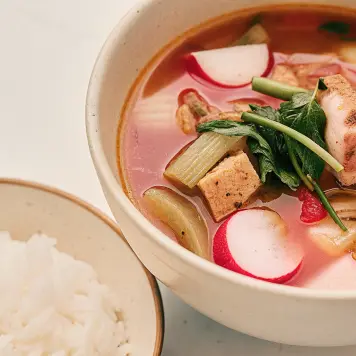
Sinigang
Sinigang is famous for its refreshingly sour broth, usually from tamarind, and Filipinos treasure it as a comforting, palate-cleansing soup that pairs perfectly with rice.

Lechon
Lechon is a whole roasted pig prized for crackling skin and tender meat, and at Filipino fiestas it serves as both a culinary showpiece and a symbol of celebration.
Traditional Beverages

San Miguel beer
San Miguel is one of Asia's oldest beer brands, founded in 1890, and it played a major role in shaping social and culinary life across the Philippines and the region.
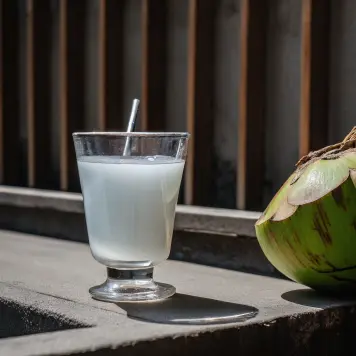
Buko juice
Buko juice is fresh young coconut water, naturally rich in electrolytes, and it is often sipped straight from the shell at beaches and roadside stalls for instant refreshment.

Sago't Gulaman
Sago't Gulaman combines chewy tapioca pearls and jelly with sweet brown sugar syrup, creating a refreshingly textural drink that is a staple of Filipino street stalls.
Frequently Asked Questions about Philippines
What is the best time to visit the Philippines?
Is the Philippines expensive for travelers?
How do you get around the Philippines?
Is the Philippines safe for tourists?
How many tourists visit the Philippines yearly?
Get a PDF with the most popular attractions sent to your email
Get a PDF with all attractions, ratings, and tips. Perfect for offline use.
Most popular day trips
Tagaytay (Taal viewpoint)
Cooler climate with iconic Taal Volcano lake views.
Pagsanjan Falls
Classic boat ride through a scenic gorge to waterfalls.
Getting there
Airports
Train stations
PNR Metro Commuter Line (Manila regional rail)
MRT-3 (North Avenue ↔ Taft Avenue), major urban connector
From NAIA use Grab or airport bus; allow 1–2 hours for traffic.
Visa & entry
Most EU countries, UK, USA, Canada, Australia, New Zealand, Japan, South Korea, and ASEAN nations
Some African countries and nations with limited diplomatic ties; check embassy for specifics
If staying over 30 days, apply for a visa or extension at the Bureau of Immigration.
Useful information for Philippines
Overview for Philippines
Want a day-by-day plan for Philippines? Open the trip planner
Plan your perfect trip to Philippines
Get a complete travel plan built just for you in under 30 seconds, with daily routes, local food tips, budget estimates and more.
Are any of these especially important to you?
Select all that apply
Getting around
How do you want to move between places?
Plan language: English