 CityBuddy
 English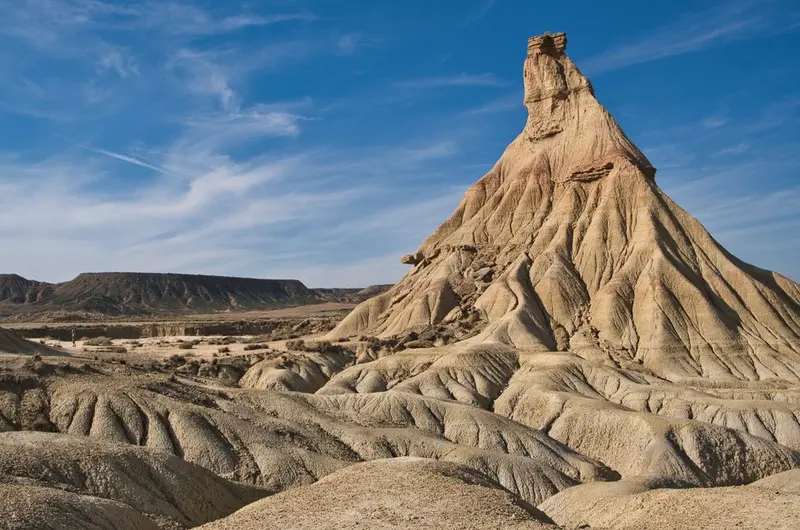
Things to Do in Spain
Photo made by Reinhard Bruckner on Pexels.com
When to visit
Most popular attractions in Spain
Among the things to do in Spain, it is worth visiting the Basilica of the Sagrada Família in Barcelona, a work by Antonio Gaudí with beautiful towers. A walk through Park Güell offers amazing mosaics and a panorama of the city. Meanwhile, in Granada, the Alhambra Palace along with the Generalife gardens captivates visitors.
1. Basilica of the Sagrada Família
Barcelona
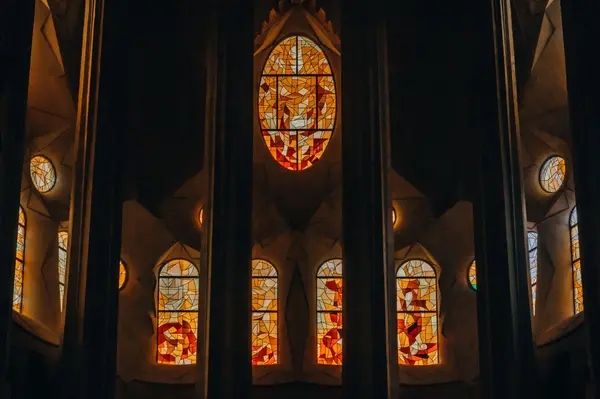
Experience astonishing architecture that defies time and tradition. Walk through soaring spires and vibrant facades alive with stories carved in stone.
Quick facts: Over a century of construction combines Gothic and Art Nouveau styles into an awe-inspiring fusion. Its towering spires aim to reach heaven, with the tallest planned to stand 172 meters high, taller than any cathedral in the world.
Highlights: A swarm of 18 slender spires rise skyward, each adorned with intricate sculptures and colorful mosaics that shimmer under sunlight, creating a kaleidoscope of light inside. The Passion Facade's dramatic, expressive sculptures reveal vivid storytelling through stone, capturing intense emotion with sharp angles and haunting shadows.
2. Park Güell
Barcelona
Unleash your imagination in a colorful world of mosaics and unique architecture. Wander through artistic paths with breathtaking city views and playful sculptures.
Quick facts: A stunning park that blends nature with whimsical Modernist architecture, featuring mosaic-covered structures and vibrant ceramic artistry. It was initially conceived as a residential garden city but evolved into a public park famous worldwide for its artistic flair.
Highlights: Stroll along serpentine benches covered in brightly colored trencadís, a mosaic technique made from broken tiles that sparkle under the sun. The panoramic views of the city framed by dragon sculptures and colonnaded pathways create an enchanting atmosphere unlike anywhere else.
3. The Alhambra (Palace of the Alhambra and the Generalife)
Granada
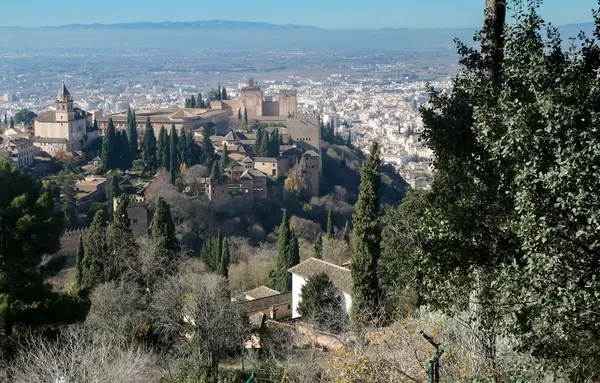
Explore a stunning blend of art, architecture, and nature in one unforgettable experience. Wander through dazzling palaces, vibrant gardens, and tranquil water features.
Quick facts: A sprawling fortress complex, it fuses Islamic art and Renaissance culture in a unique blend seen nowhere else. Water flows through intricate channels and serene pools, cooling the vibrant gardens and courtyards.
Highlights: Step inside the Nasrid Palaces to discover ceilings so intricately carved that artisans spent decades perfecting each detail; the Generalife's lush gardens offer fragrant orange trees and breathtaking city views. Explore chambers adorned with delicate stucco work and peaceful reflecting pools that mirror the ornate arches overhead.
4. Royal Alcázar of Seville
Seville
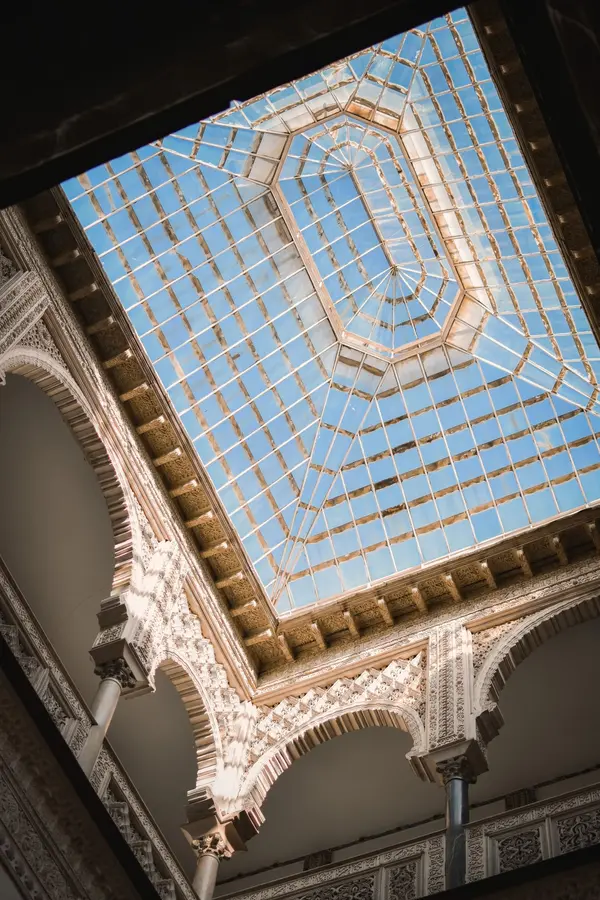
Experience a stunning fusion of art and history in a royal setting. Wander majestic halls and peaceful gardens that whisper stories of ancient rulers.
Quick facts: Immerse yourself in a blend of Moorish and Christian artistry seen in intricately tiled walls and lush gardens. The site has been a royal residence for centuries and graced by kings and queens across eras.
Highlights: Marvel at the extensive Mudejar architecture, including the mesmerizing Hall of Ambassadors where rulers once received dignitaries. Wander through the Jade Green Gardens filled with fragrant orange trees and koi ponds reflecting centuries of history.
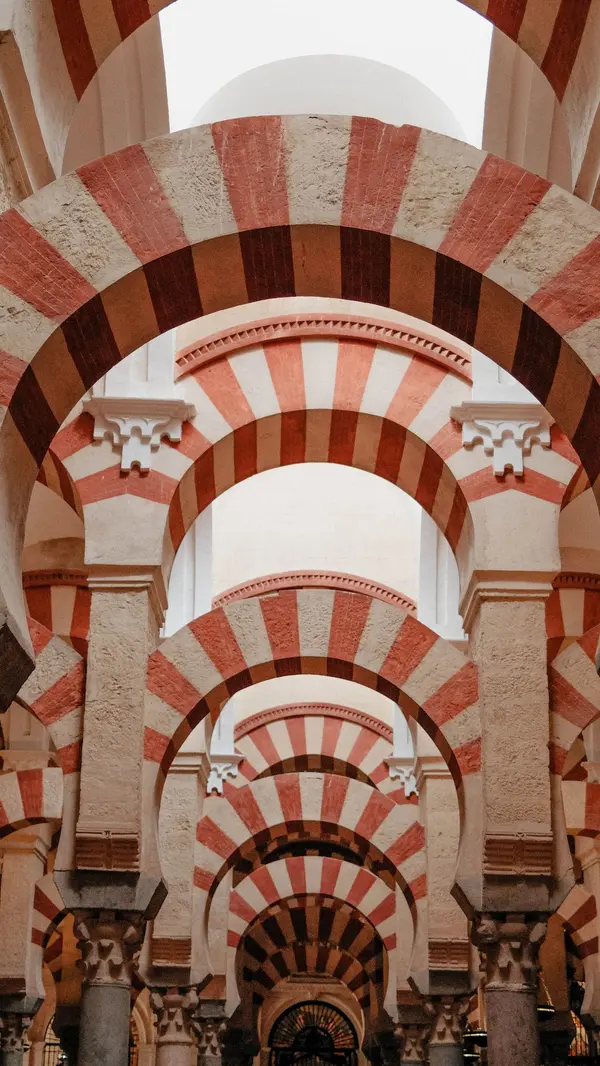
5. Mezquita-Cathedral of Córdoba, Córdoba
Córdoba
Explore a stunning blend of mosque and cathedral under one roof. Walk through endless arches and stunning artistry that tell tales of two great civilizations.
Quick facts: Over 850 columns of jasper, onyx, marble, and granite create a mesmerizing forest inside the giant structure. The building uniquely combines Islamic architecture with a Renaissance Christian cathedral right in its heart.
Highlights: A breathtaking sight unfolds as you witness hundreds of red-and-white striped horseshoe arches stretching endlessly, creating a hypnotic pattern. The central cathedral nave, inserted centuries later, features stunning Baroque details contrasting sharply with the Islamic art surrounding it.
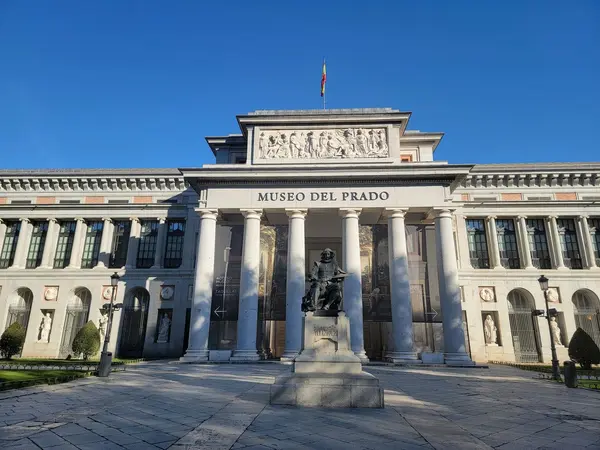
6. Prado National Museum
Madrid
Renowned for its unbeatable collection of European masterpieces. Experience art that tells powerful stories from centuries past.
Quick facts: You can discover over 8,600 paintings in one place, showcasing masterpieces from European artists like Velázquez and Goya. Walking its halls feels like stepping through eight centuries of art history all at once.
Highlights: The gallery holds the world’s finest collection of Velázquez’s works, including the mesmerizing 'Las Meninas' that invites endless interpretation. Its Spanish Baroque art collection bursts with intense colors and dramatic scenes that seem to leap off the canvas.
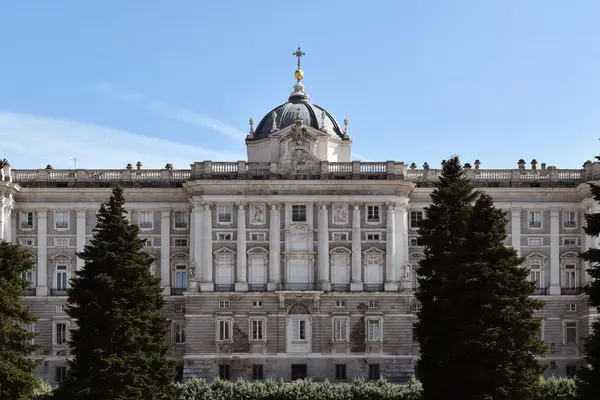
7. Royal Palace of Madrid (Palacio Real de Madrid)
Madrid
Step into the grandeur of royal life and soak up history. Marvel at ornate rooms and priceless artwork that bring centuries of monarchy to life.
Quick facts: The palace flaunts over 3,400 rooms, making it one of the largest royal palaces in Europe. Visitors can admire an extensive collection of royal armor and exquisite frescoes that cover the ceilings.
Highlights: The lavish throne room boasts intricate gold leaf decorations and crystal chandeliers that sparkle under natural light. Walk beneath the worlds' largest collection of Stradivarius violins housed in the Royal Armoury.
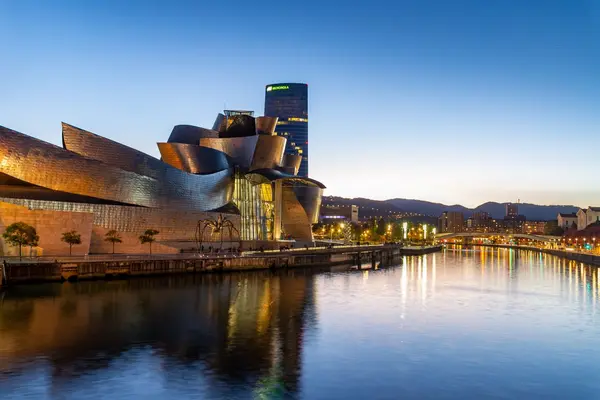
8. Guggenheim Museum Bilbao
Bilbao
Experience cutting-edge contemporary art in a futuristic metallic building. Wander through extraordinary exhibits and iconic outdoor sculptures that redefine creativity.
Quick facts: The museum's eye-catching titanium cladding glistens under sunlight and changes color throughout the day. Over 1 million visitors flock here annually to explore its groundbreaking contemporary art collections.
Highlights: The building curves and angles like giant metallic waves, inspired by the industrial shipyards nearby. One standout piece is Jeff Koons' giant shiny Puppy sculpture covered in fresh flowers, adding a living contrast to the sleek architecture.
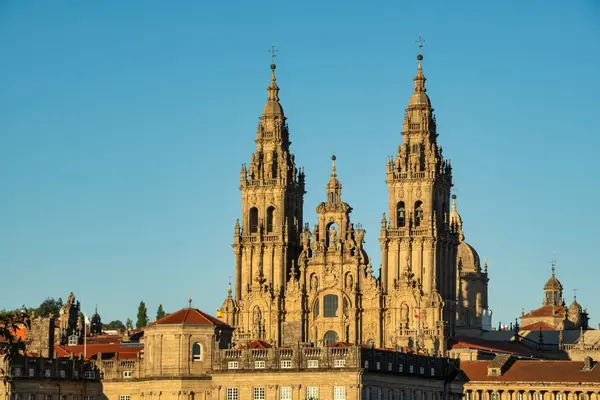
9. Cathedral of Santiago de Compostela
Santiago de Compostela
Experience centuries of spiritual tradition and stunning art. Watch the giant swinging incense burner in action amid medieval grandeur.
Quick facts: Millions of pilgrims have journeyed here over centuries, chasing a spiritual finish to the legendary Way of St. James. The cathedral's soaring Baroque facade and intricate Romanesque interiors mix history with breathtaking artistry.
Highlights: A towering Botafumeiro, one of the world's largest swinging incense burners, fills the cathedral with fragrant smoke during special ceremonies, creating a mesmerizing spectacle. The crypt below cradles the tomb believed to hold Saint James' remains, sparking awe and quiet reverence.
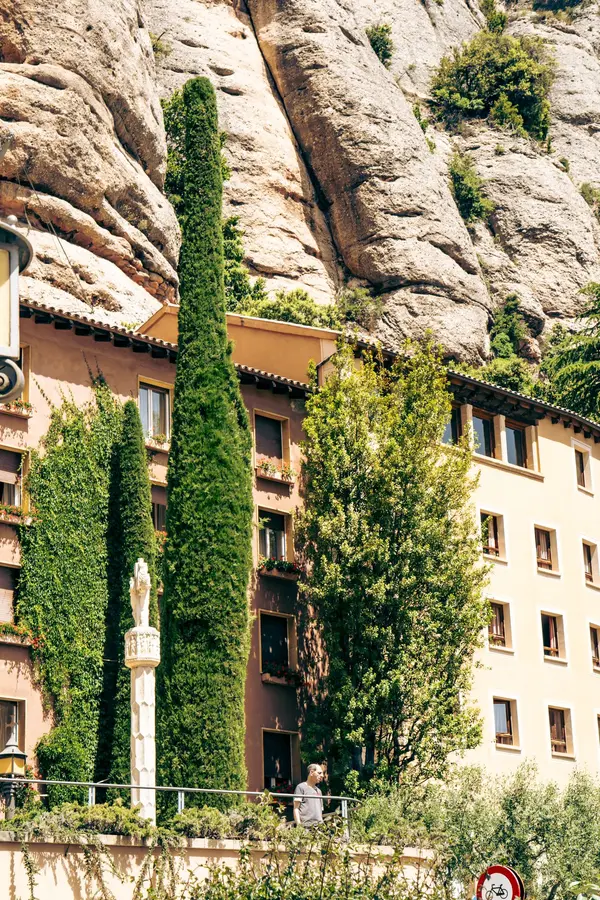
10. Monastery of Montserrat (Santa Maria de Montserrat)
Montserrat
Experience breathtaking mountain views and timeless spiritual music. Discover a stunning blend of natural beauty and sacred tradition.
Quick facts: Nestled high in jagged mountains, this site is famous for its unique rock formations that look like a serrated sword. The monastery houses one of Europe's oldest boys' choirs, the Escolania de Montserrat, performing centuries-old chants.
Highlights: A highlight here is the revered Black Madonna statue, believed by many to grant miraculous help, surrounded by stunning religious art and a dramatic mountain backdrop. The basilica's intricately carved doors and the breathtaking views from the funicular rides add layers to the spiritual and scenic experience.
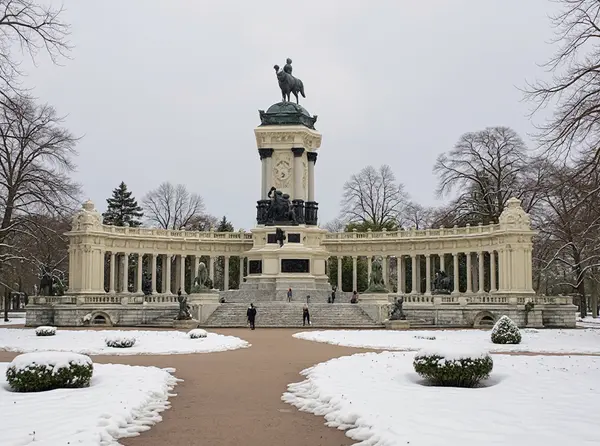
11. Visit Retiro Park
One of the greenest places in all of Europe, perfect for an escape from the city bustle. You will spend hours here strolling along the manicured avenues, among fountains, sculptures, and ponds full of birds.
Quick facts: This park spans over 350 acres, making it Madrid's green sanctuary right in the city heart. The large artificial lake invites visitors for rowboat adventures under the open sky.
Highlights: An enchanting Crystal Palace made of glass and steel sits gracefully on the east side, hosting contemporary art exhibitions that play with natural light. Nearby, the Rose Garden bursts with over 4,000 rose bushes, filling the air with sweet floral scents in springtime.
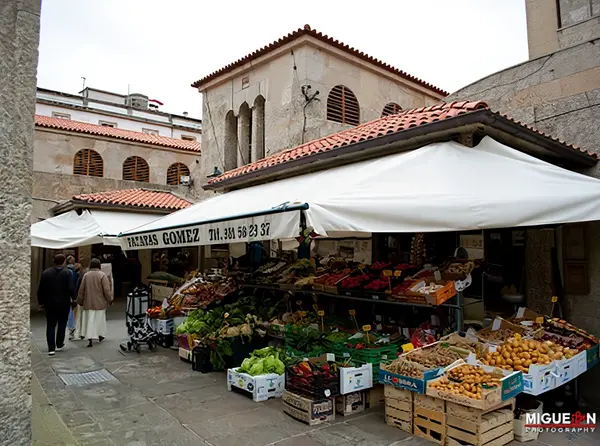
12. Visit Mercado de Abastos
The flavors of the city in a nutshell, in one place and at any time of day. You will taste local cheeses, olives, and seafood straight from the producers.
Quick facts: Loads of fresh produce and seafood flood the giant halls every morning, making it the second-largest market in Spain after Madrid's Mercado de Maravillas. Locals flock here for their daily ingredients, and the buzz is nonstop from early dawn till early afternoon.
Highlights: This market sprawls over 16,500 square meters, featuring around 200 stalls bustling with color and noise. Catch the lively fish auctions on the cold slabs, a tradition where fishmongers bid loudly using hand signals, creating an unbeatable local atmosphere.
Where to Stay in Spain
Selected by City Buddy based on guest reviews and proximity to top attractions
Search all hotels in SpainPowered by agoda
Opening days in Spain
Which of the top sights close on which day of the week — the classic trip-ruiner, checked for you.
Sunday: 2 of 15 top sights closed — plan museums for another day.
Closed on Sunday · 2 closed, 13 open
- Visit Mercado de Abastos
- Hike in Ordesa y Monte Perdido National Park
Opening days from Google Maps. Public holidays, strikes and seasonal hours can differ — check the official website before you go.
Popular Cities in Spain

Traditional Sweet Dishes

Churros
Churros were a practical breakfast for Spanish shepherds, because they were easy to fry over an open fire, and their ridged shape is perfect for dunking in thick hot chocolate.
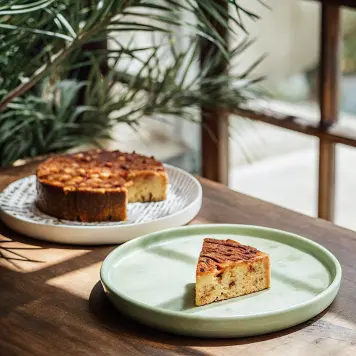
Turrón
Turrón has been a Spanish Christmas staple since medieval times, and it comes in two classic textures: hard Alicante and soft Jijona, both made from toasted almonds and honey.

Flan
Flan began as a Roman-era savory custard and later transformed into the sweet caramel custard we know today, its silky texture achieved by baking gently in a water bath.
Traditional Savory Dishes
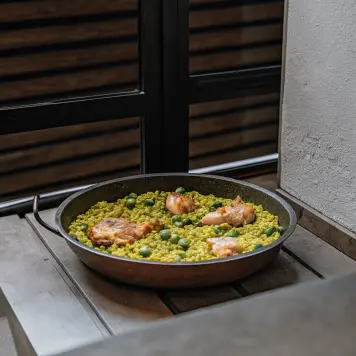
Paella
Originally a communal dish for Valencian farmworkers and fishermen, paella was cooked over an open flame in a wide shallow pan, and saffron gives it its signature golden color.
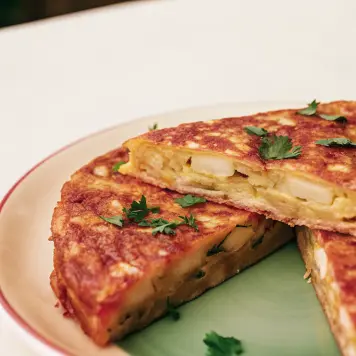
Tortilla Española
Tortilla Española is a simple yet ceremonial dish, served hot or at room temperature which makes it perfect for picnics, and Spain still has lively debates about whether onions belong in it.

Jamon Ibérico
Jamon Ibérico from acorn-fed Iberian pigs can be cured for up to 36 months, and its complex, nutty flavor comes from the pigs roaming oak pastures and eating acorns.
Traditional Beverages

Sangria
Sangria was invented to make inexpensive red wine more refreshing by adding fruit and spices, and in Spain it is typically enjoyed from a shared pitcher during sunny gatherings.

Horchata
Spanish horchata, known as horchata de chufa, is made from tiger nuts and has been a Valencian specialty since medieval times, with vendors still serving it ice cold on hot days.

Cava
Cava is Spain's traditional-method sparkling wine, mostly produced in Catalonia where winemakers adopted Champagne techniques and created their own distinct style.
Know before you go
What a day costs in Spain, and the rip-offs to avoid
Top rip-offs to avoid
- Pickpocketing in crowds. Keep bags zipped and in front, don't keep phones in back pockets, and be alert in crowds and on the metro.
- The shell game. Never join sidewalk card or shell games; they are rigged and the players work together.
- Rosemary or friendship bracelet trick. Politely refuse any item handed to you and keep your hands away as they approach.
Fair taxi from the airport: €30 - €40
Cheaper option: Metro Line 8 (pink line) to Nuevos Ministerios, or the official Airport Express bus 203 to Cibeles (€5)
All scams, fair prices and rulesFrequently Asked Questions about Spain
When is the best time to travel to Spain?
Is Spain expensive for tourists?
How to get around in Spain?
Is tap water in Spain safe to drink?
How many tourists visit Spain annually?
Get a PDF with the most popular attractions sent to your email
Get a PDF with all attractions, ratings, and tips. Perfect for offline use.
Most popular day trips
Toledo
Medieval city with winding streets and the Alcázar.
Segovia
Roman aqueduct, fairytale Alcázar and Gothic cathedral.
Getting there
Airports
Train stations
AVE high-speed to Barcelona/Seville/Valencia + regional/Cercanías
Long-distance northbound and AVE services; commuter lines
From MAD take Cercanías C1 to Atocha (~25–30 min); taxis and metro also available.
Visa & entry
EU/EEA/Switzerland, UK, USA, Canada, Australia, Japan, New Zealand, South Korea
China, India, most African nations, many other non-Schengen countries
90 days in any 180-day period; carry passport, return ticket and proof of funds.
Useful information for Spain
Overview for Spain
Want a day-by-day plan for Spain? Open the trip planner
Plan your perfect trip to Spain
Get a complete travel plan built just for you in under 30 seconds, with daily routes, local food tips, budget estimates and more.
Are any of these especially important to you?
Select all that apply
Getting around
How do you want to move between places?
Plan language: EnglishMost popular itineraries for Spain
Browse trip plans created by other travelers
5-Day Northern Spain: Basque Country & Beyond for Off-the-Beaten-Path Explorers
Escape the tourist crowds and discover wild coastlines, hidden mountain trails, local food markets, and authentic Basque culture across northern Spain's most stunning and lesser-known corners.
5-Day Spain: Barcelona, Granada, Seville & Tarragona
Explore Barcelona's iconic Gaudí masterpieces, soak in Granada's Alhambra magic, discover Seville's royal palaces, and unwind in Tarragona's Roman coastal charm on this unforgettable summer Spanish adventure.
24-Day Spain: Hidden Gems & Historic Treasures for Autumn Explorers
From the wild peaks of Picos de Europa to the sun-drenched white villages of Andalusia, this off-the-beaten-path journey weaves Spain's secret courtyards, ancient palaces, local markets, and untamed landscapes into one unforgettable autumn adventure.
5-Day Spring Spain for Active Nature and Culture Explorers
Discover Spain's stunning nature, vibrant culture, and hidden local gems with hiking, scenic views, historic sites, and authentic experiences off the beaten path this spring.
28-Day Autumn Adventure in Spain for Nature Lovers and Explorers
Experience Spain like never before with 28 days of hiking, outdoor activities, and hidden local gems away from the crowds in vibrant autumn colors.
11-Day Spring Highlights of Spain
Discover Spain's vibrant culture, stunning architecture, and enchanting landscapes this spring with a perfect blend of historic landmarks and unique local experiences.
13-Day Autumn Spain for Culture, Nature, and Hidden Gems
Discover Spain's rich history, stunning nature, and local secrets in a dynamic 13-day autumn adventure filled with museums, hikes, cultural tours, and authentic experiences.