 CityBuddy
 English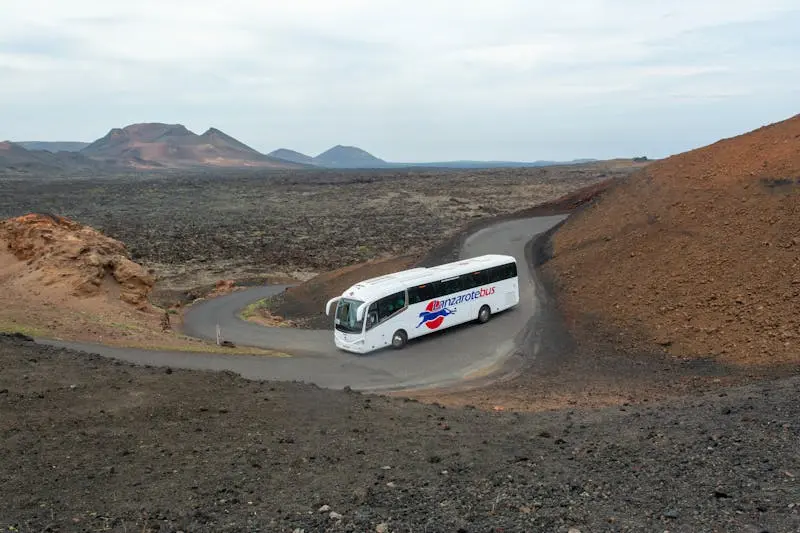
Things to Do in Lanzarote, Spain
Photo made by Jan van der Wolf on Pexels.com
When to visit
Most popular attractions in Lanzarote, Spain
Things to do in Lanzarote, Spain include exploring the volcanic Timanfaya National Park, where you can witness geothermal demonstrations and stunning landscapes. Visit the Jameos del Agua, a unique volcanic cave transformed into a cultural and dining venue. For panoramic views, head to Mirador del Río, perched 400 meters above sea level.
1. Timanfaya National Park (Parque Nacional de Timanfaya)
Parque Nacional de Timanfaya
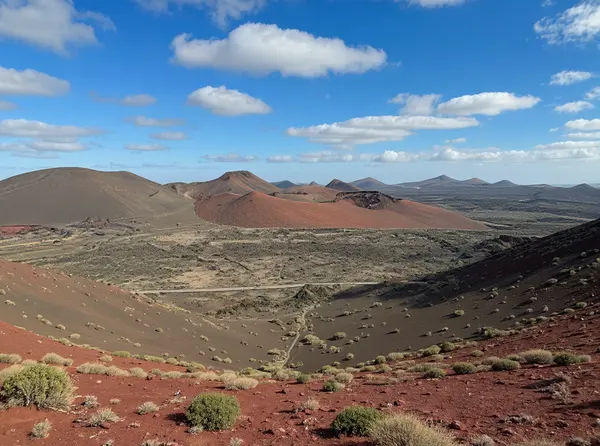
Spectacular lunar-like lava fields shaped by 18th-century eruptions, perfect for dramatic views and geology. Ride the official park bus, watch geothermal demos, and photograph vast volcanic vistas.
Quick facts: A moonscape of black lava and rust-colored ash rolls beneath relentless winds, and you can feel geothermal heat at vents where a splash of water will instantly billow into steam. Scientists protect one of the planet's youngest volcanic landscapes, where tough endemic plants cling to nutrient-poor ash and the silence is often punctuated by dramatic ranger demonstrations.
Highlights: Walk over a sea of red-black lava and sugary pumice formed by the 1730 to 1736 eruptions, the air tasting faintly of sulfur and your skin warmed by ground heat underfoot. Rangers dramatically pour seawater into a shallow borehole to make geyser-like steam, and César Manrique's El Diablo restaurant still grills steaks over natural geothermal heat as a quirky proof of what lies below.
2. Jameos del Agua
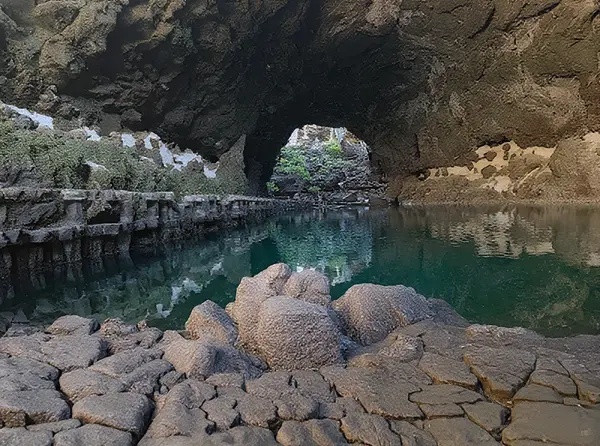
Volcanic caves, Manrique's architecture and a blue subterranean lagoon create a surreal cultural oasis. Walk lava tunnels, see the lake and catch live concerts in an atmospheric cavern.
Quick facts: A volcanic tunnel reveals a serene, mirror-like lagoon inhabited by tiny albino crabs found nowhere else, their ghostly forms only a few millimeters long and adapted to total darkness. Visitors wander along white-sand paths framed by black lava and lush gardens, then sit in a natural auditorium where mellow lighting and echoing drips create an uncanny, intimate concert atmosphere.
Highlights: A saltwater lagoon under a vaulted lava tube glows aquamarine under soft lamps, while blind albino crabs, Munidopsis polymorpha, no larger than about 1 centimeter, scuttle over the black volcanic rocks. Local artist César Manrique transformed a collapsed volcanic tunnel into a cultural space in the 1960s, and on summer nights classical concerts echo through the cave as the air cools to around 18°C, the salt tang and dripping stone turning the music into something almost otherworldly.
3. Cueva de los Verdes
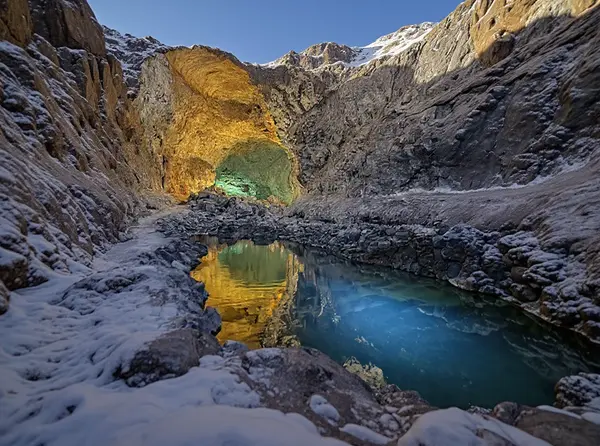
Walk a dramatic lava tube carved by ancient eruptions. Guided passages reveal vast chambers, striking lava formations, and an atmospheric natural concert hall.
Quick facts: Staggering basalt passageways shimmer under carefully placed lights, and inside a vaulted chamber you can hear music resonate with remarkable clarity. Wandering the cool, echoing tubes gives a vivid sense of a lava flow's former power, with some conduits extending several kilometers beneath the surface.
Highlights: A 6-kilometer lava tube born from the La Corona eruption about 3,000 years ago hides chambers where guided tours thread between ribbed, onion-like lava formations that seem to glow under colored lights. Locals used one long gallery as a pirate-era refuge, reportedly sheltering families in silence for days, and today the same cavern is sometimes dimmed for intimate concerts where a single violin can carry for dozens of meters.
4. Mirador del Río
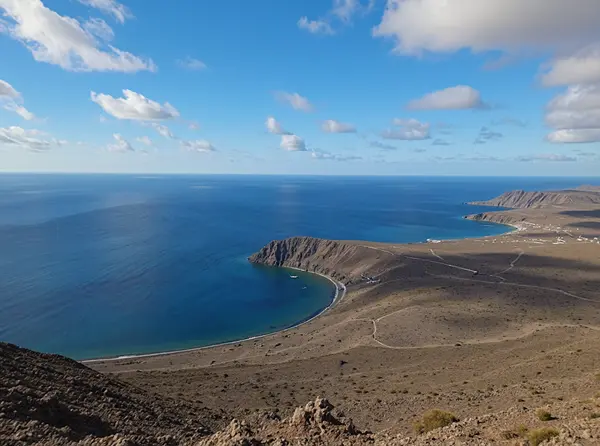
Stunning cliff-top viewpoint over La Graciosa and the Chinijo islets, carved into volcanic rock by César Manrique. Panoramic terraces and round viewing windows deliver dramatic sea and island vistas.
Quick facts: Perched on a windswept cliff, the viewpoint offers sweeping ocean panoramas that reduce distant islets to postage stamps. Inside, curved glass and warm volcanic stone tame blustery winds, turning a quick stop into a lingering, photo-ready moment.
Highlights: Perched roughly 475 meters above the strait, César Manrique carved the viewing rooms straight into the volcanic rock in 1973, using circular porthole windows that frame the tiny island across the channel like a living postcard. Inside, a low green-tiled bench and curved glass create an optical trick where boats look like toy models as they cross the roughly 1 kilometer channel, while the wind brings sharp salt and warm volcanic dust to your nose.
5. Jardín de Cactus (Cactus Garden)
Cactus Garden
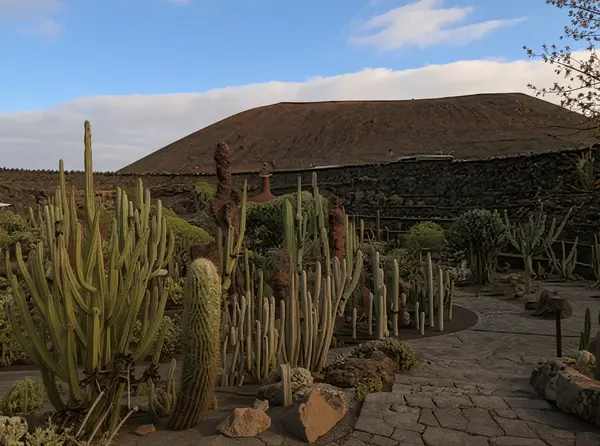
Volcanic scenery frames thousands of sculpted cacti in a peaceful quarry garden. Stroll terraced basalt paths, photograph sculptural plants and a classic windmill.
Quick facts: Winding terraces and dark volcanic stone form a dramatic stage for over 4,000 cacti from five continents, creating vivid contrasts of shape and color. Visitors love the amphitheater-like central terrace and the restored windmill, where sunset light makes spines glint like tiny brass pins.
Highlights: César Manrique carved the garden from an old quarry and centered a restored 19th-century windmill so terraces rise like giant white steps, the whole place bristling with thousands of spines and smelling of sun-warmed volcanic stone. Catch the late-afternoon gold when prickly-pear pads glow and a local will happily explain how villagers once trained cacti as living fences and turned the sweet pads into jars of homemade liqueur.
6. Playa de Papagayo (Papagayo Beach)
Papagayo Beach
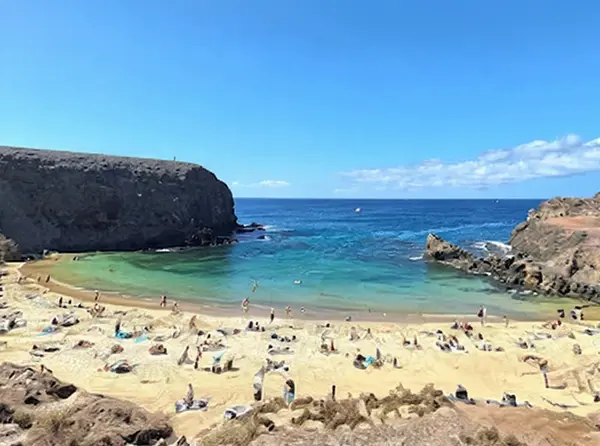
Golden sand and turquoise water framed by volcanic cliffs, a peaceful coastal escape. Expect calm swimming, snorkeling and dramatic sunset views.
Quick facts: Golden sand funnels into crystal-clear coves where snorkeling reveals seagrass meadows and colorful shoals close enough to touch. Visitors often feel as if they've discovered a private lagoon, because sheltered bays and surrounding volcanic cliffs muffle noise and create calm, turquoise swimming spots.
Highlights: A crescent of warm, honey-coloured sand about 300 meters long is hugged by ochre volcanic cliffs, while shallow turquoise water warms to roughly 22–24°C in summer and offers 10–15 meters of visibility for spotting tiny silver fish and spiky purple sea urchins. A rough 3.5-kilometre dirt track and a modest €3 parking fee keep crowds small, and locals have a quirky habit of slipping short handwritten notes into rock crevices as tiny time capsules, sometimes found decades later by curious walkers.
7. Fundación César Manrique
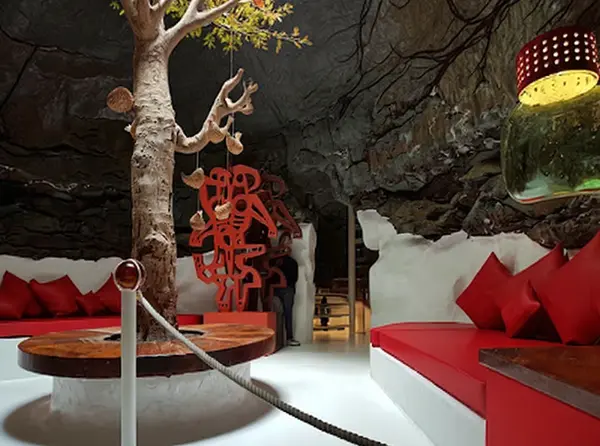
A striking fusion of art, architecture and volcanic landscape by César Manrique. Wander lava-integrated rooms, terraces and gardens with dramatic ocean views.
Quick facts: Step inside and you'll feel volcanic rock and whitewashed walls fuse with modern art, where rooms carved into lava hold reflective pools and skylights that spill golden light across rough stone. Visitors often say hidden patios, tunnels and integrated sculptures make every turn a new discovery, the architecture blending so seamlessly with the landscape you forget you're indoors.
Highlights: Step inside the artist's house and you pass through five volcanic bubbles formed during the 1730 eruption, where cool black basalt walls meet white curves and a sunken living room opens onto a dark, salt-scented pool. The place still feels lived-in: original 1960s sketches hang beside his furniture, ceramic tiles are splashed with cadmium red, and cleverly routed windows and channels let you hear the Atlantic in every room.
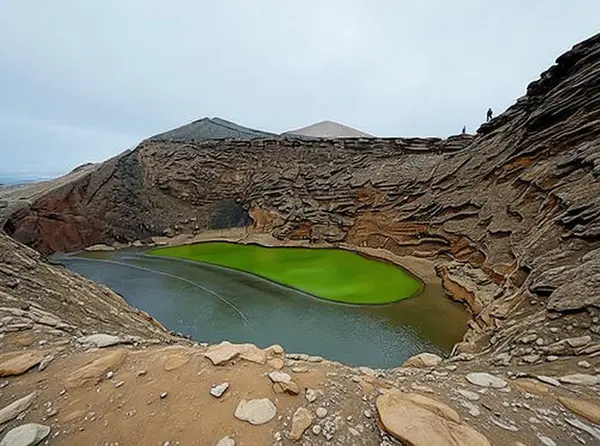
8. El Golfo / Charco de los Clicos (Green Lagoon)
Green Lagoon
Emerald lagoon framed by black lava cliffs creates striking contrast worth seeing. Walk the crater rim, capture vivid photos, and watch Atlantic waves crash below.
Quick facts: A vivid emerald pool sparkles at the base of a black volcanic cliff; the unusual green hue comes from microscopic algae and high salinity rather than dyes. Visitors stand on a jagged rim of basalt where rust-red cliffs and dark lava fields create one of the starkest natural color contrasts you'll see anywhere.
Highlights: At low tide the crater holds a neon-green pool set against black volcanic sand and a rust-red cliff, the intense color comes from salt-loving algae and mineral-rich seawater that refracts light like stained glass. Locals still time picnic visits to sunset because the green goes electric for about 20 minutes when the sun hits at the perfect angle, and if you lean over the rim you can smell a sharp saline-sulfur tang that makes the whole scene feel unreal.
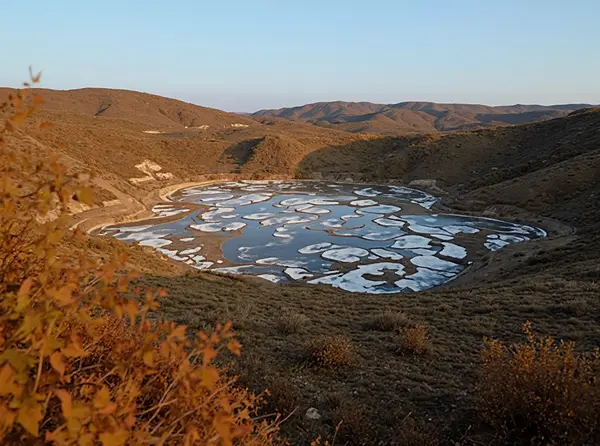
9. Salinas de Janubio (Salt Flats)
Salt Flats
Stark white salt pans contrast with Lanzarote's black volcanic coast, creating dramatic seaside patterns worth seeing. Walk flat paths, watch salt pools shimmer, and photograph vivid sunset reflections.
Quick facts: Sharp black lava embankments frame geometric pans where bright white salt crystals catch the sun and form a mirror-like patchwork along the shore. Winds and relentless sun concentrate the brine, and during harvest you can watch rakes scrape shimmering crystals while flocks of shorebirds pick at the shallow pools.
Highlights: At sunrise the shallow, geometric pans flash colors from inky black volcanic walls to neon green algae, while a thin white crust of salt crunches underfoot and the air smells sharply of brine and iodine. Local harvesters still skim the salt by hand with wooden rakes, loading low wheelbarrows of roughly 200 kilograms per run, a ritual echoed in photographs from the 1890s that gives the whole place a slow, weathered rhythm.
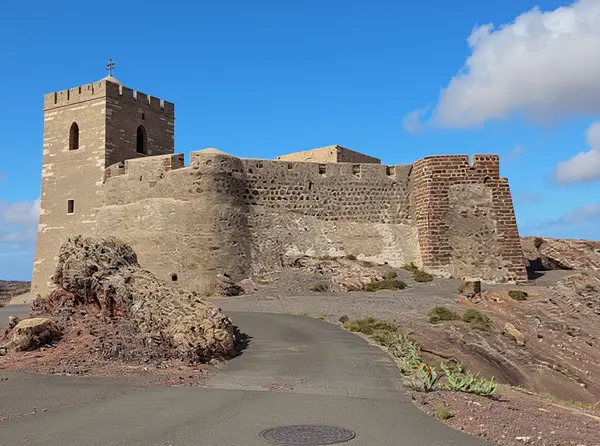
10. Teguise Old Town (Historic Center)
Historic Center
Step into Lanzarote's colonial heart, where whitewashed streets and historic plazas reveal island history. Stroll markets, museums and sunlit squares for lively local life.
Quick facts: Wandering the sun-warmed cobblestone streets reveals a lively Sunday market where local crafts spill from stalls and the scent of traditional food tempts passersby. Whitewashed facades and shaded plazas create striking contrasts against volcanic horizons, and nearly every corner hides a quiet church, artisan workshop, or photogenic courtyard that rewards slow exploration.
Highlights: On Sundays the main square explodes into a market of about 300 stalls where artisans hawk prickly-pear liqueur, smoked goat cheese and hand-painted ceramics while frying churros and roasted almonds scent the air and flamenco guitars strum in the corner. Climb the narrow cobbled lanes up toward the 16th-century Nuestra Señora de Guadalupe church and you might overhear grandmothers still mending lace, hear a story about a 19th-century pirate raid, and spot a rusted cannon perched near the old castle like an eccentric town watchman.
Where to Stay in Lanzarote, Spain
Selected by City Buddy based on guest reviews and proximity to top attractions
Search all hotels in Lanzarote, SpainPowered by agoda
Opening days in Lanzarote, Spain
Which of the top sights close on which day of the week — the classic trip-ruiner, checked for you.
Friday: 1 of 7 top sights closed — plan museums for another day.
Closed on Friday · 1 closed, 6 open
Opening days from Google Maps (checked 2026-02-22). Public holidays, strikes and seasonal hours can differ — check the official website before you go.
Traditional Sweet Dishes
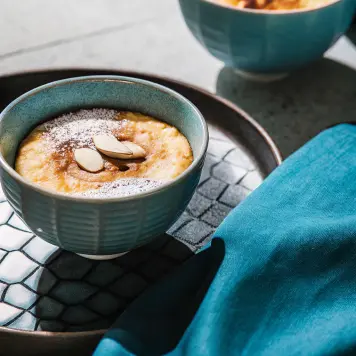
Bienmesabe
Bienmesabe's name literally means "it tastes good to me", and this creamy almond, honey and egg dessert was once a luxurious way to use the island's almonds and sweeten celebrations.

Truchas de batata
Truchas de batata are crescent-shaped pastries filled with sweet potato, sugar and cinnamon, traditionally made at Christmas and named because their shape evokes little trout.
Traditional Savory Dishes

Papas arrugadas with mojo
Papas arrugadas get their wrinkled skin from boiling in very salty water until the salt crusts the skin, and the spicy mojo sauces that accompany them are a Canary Islands signature that brighten simple island potatoes.
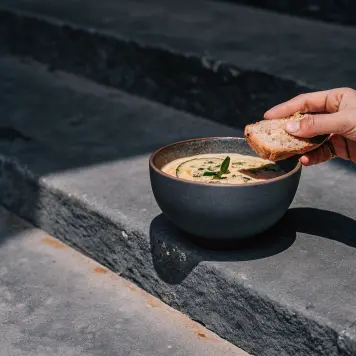
Gofio dishes
Gofio is a toasted grain flour used since pre-Hispanic Guanche times, its nutty flavor and fine texture are stirred into porridges, soups and desserts, making it a practical and prideful symbol of Canary Island food culture.
Traditional Beverages

Barraquito
A barraquito is a showy layered coffee with condensed milk, Licor 43, espresso, frothed milk, lemon peel and cinnamon, often served in a tall glass so the bright layers are part of the experience.
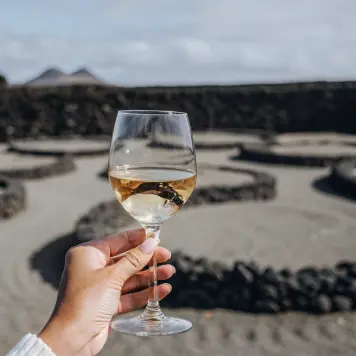
Local wines
Lanzarote's vineyards grow inside low stone semicircles in volcanic ash, and wines, often made from Malvasia grapes, carry a salty, mineral character that reflects the island's volcanic soil and Atlantic breeze.
Frequently Asked Questions about Lanzarote, Spain
Is Lanzarote, Spain safe to visit?
How many days should I spend in Lanzarote, Spain?
What is the best time to visit Lanzarote, Spain?
Is Lanzarote, Spain expensive for travelers?
How to get around Lanzarote, Spain?
Get a PDF with the most popular attractions sent to your email
Get a PDF with all attractions, ratings, and tips. Perfect for offline use.
Most popular day trips
Timanfaya National Park
Stunning volcanic landscapes and geothermal demonstrations.
La Geria (wine region)
Unique volcanic vineyards with wine tastings and views.
Jameos del Agua & Cueva de los Verdes
Spectacular lava caves remodeled by César Manrique.
La Graciosa (island)
Small car-free island with pristine beaches and chill vibe.
Corralejo / Fuerteventura
Sand dunes, beaches and watersports on nearby Fuerteventura.
Getting there
Train stations
No rail service; inter-island travel by ferry and island buses
From ACE take buses or taxis to resorts; book inter-island ferries in advance.
Useful information for Lanzarote, Spain
Overview for Lanzarote, Spain
Want a day-by-day plan for Lanzarote, Spain? Open the trip planner
Plan your perfect trip to Lanzarote, Spain
Get a complete travel plan built just for you in under 30 seconds, with daily routes, local food tips, budget estimates and more.
Are any of these especially important to you?
Select all that apply
Getting around
How do you want to move between places?
Plan language: English